

Softears Karma Launches With MEMS and Bone Conduction Drivers
From: Vitor Valeri
A headphone hobbyist for over 15 years, he founded the Hi-Fi Hub website and is an administrator of the "Fones High-End" and "Fones Low-End" groups on Facebook.


Published in: 11/06/26 at 16:57
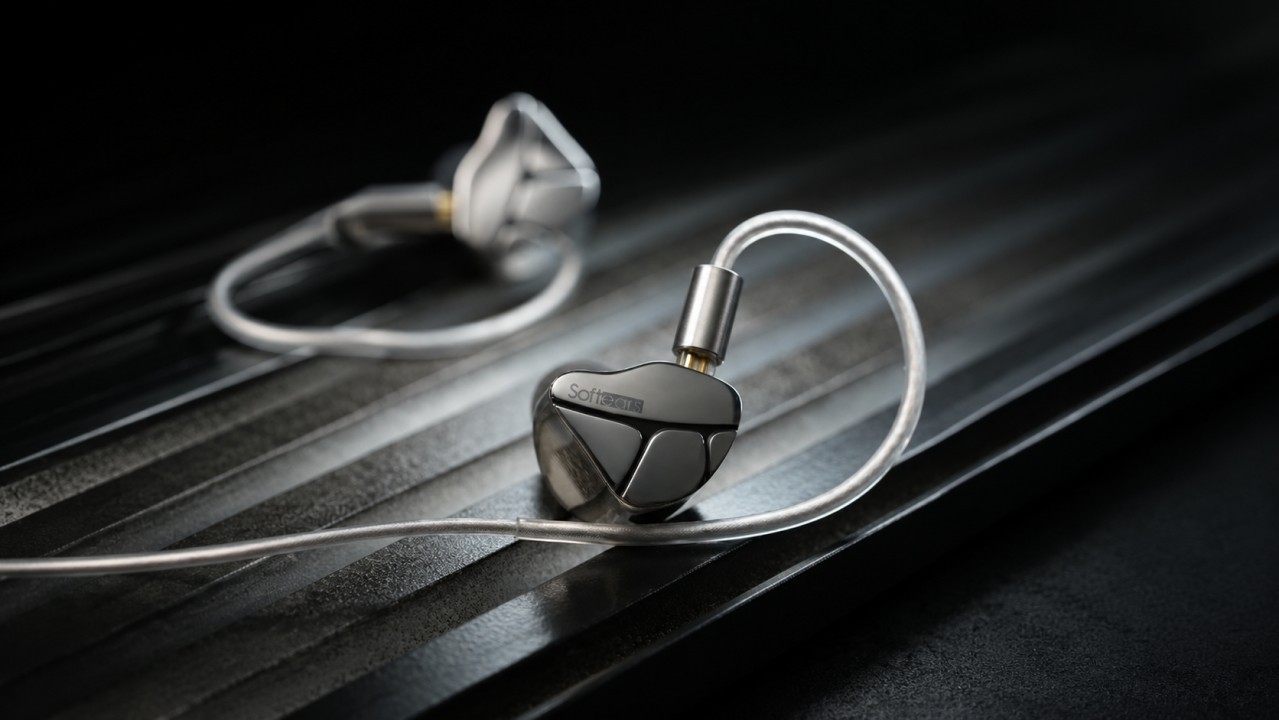
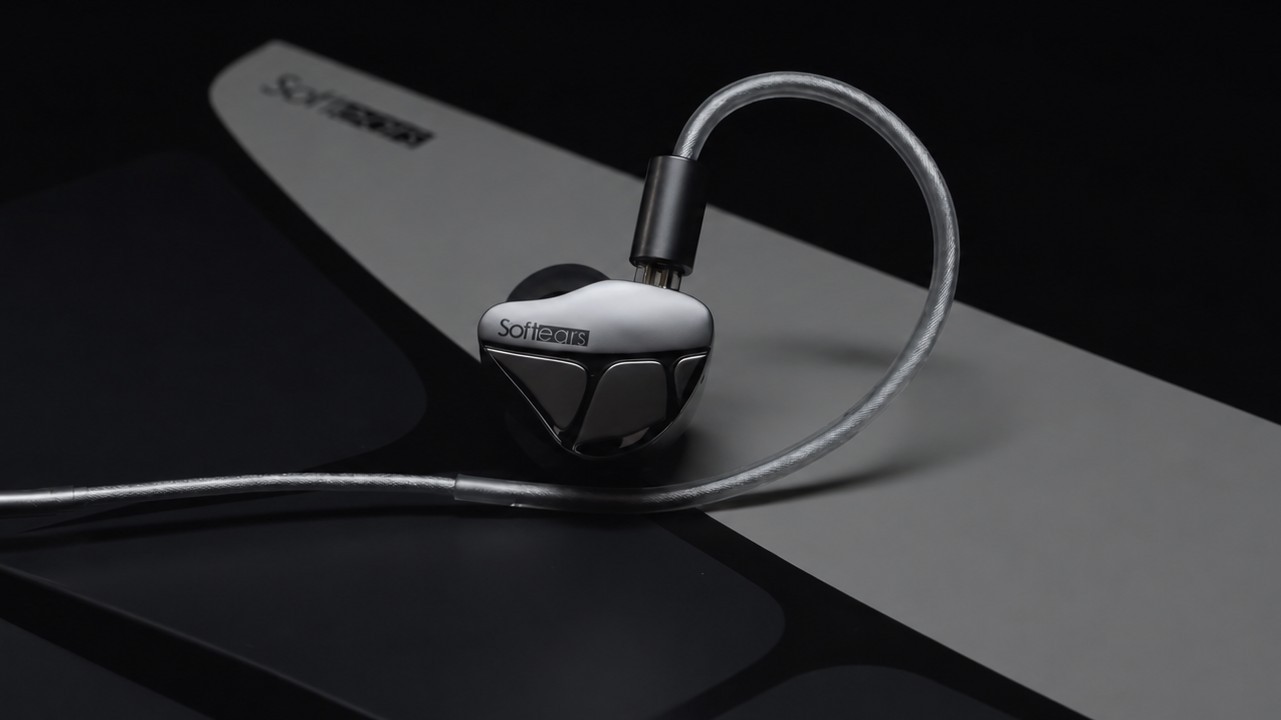 Softears Karma In-Ear Monitor (Image: Softears)
The Softears Karma was launched today (June 11) in mainland China. The new in-ear monitor (IEM) from Softears succeeds the CERBERUS, which was originally released in 2021. It features a hybrid driver configuration consisting of one dynamic driver (DD), four balanced armature drivers (BAs), two electrostatic drivers (ESTs), two bone conduction drivers, and one MEMS driver. Its shell is constructed from titanium, similar to the Snowsky OAK NANO. Check out the details of this new release below.
Karma Utilizes New Driver Technologies Compared to the CERBERUS
For the Karma, Softears decided to incorporate additional driver technologies compared to the CERBERUS. In addition to utilizing dynamic, balanced armature, and electrostatic drivers, the company also added MEMS and bone conduction drivers.
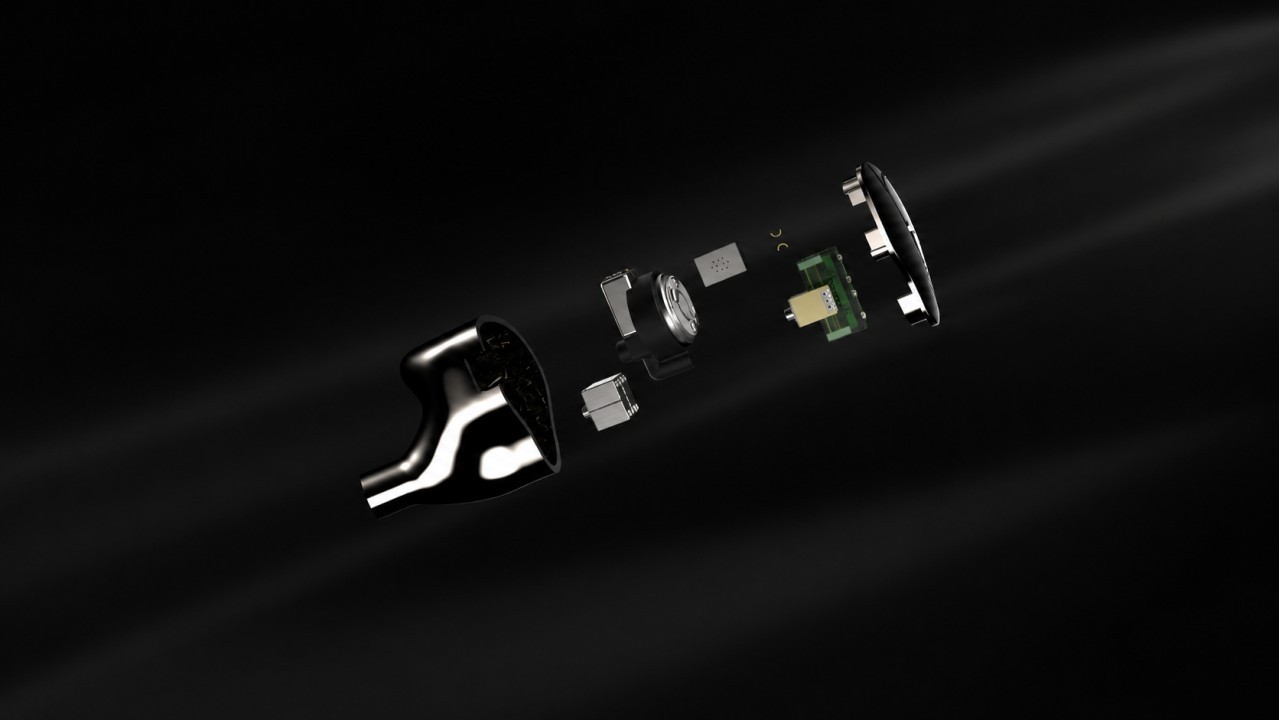
The Drivers Responsible for the Bass, Midrange, and Treble in the Softears Karma
To reproduce high frequencies, the Softears Karma employs a MEMS (Micro-Electro-Mechanical Systems) driver based on a piezoelectric diaphragm, alongside two EST drivers. According to the manufacturer, the MEMS drivers used in the IEM utilize a core-sealed actuation technology.
For bass reproduction, the Karma uses two bone conduction drivers and one dynamic driver per side. Midrange frequencies are handled by four balanced armature drivers, which employ Softears’ traditional tuning approach.
What Makes the Softears Karma Stand Out Sonically?
According to Softears, the Karma distinguishes itself through its ability to reveal fine musical details. The company states that the implementation of MEMS drivers adds an “extra layer of resolution” to the treble response.
Despite its emphasis on high-frequency performance, Softears says it has maintained its signature tuning philosophy centered around a “soft” presentation. The Karma is said to deliver clear sound without sounding aggressive, a rich presentation without excessive coloration, and a high level of detail without causing listening fatigue.
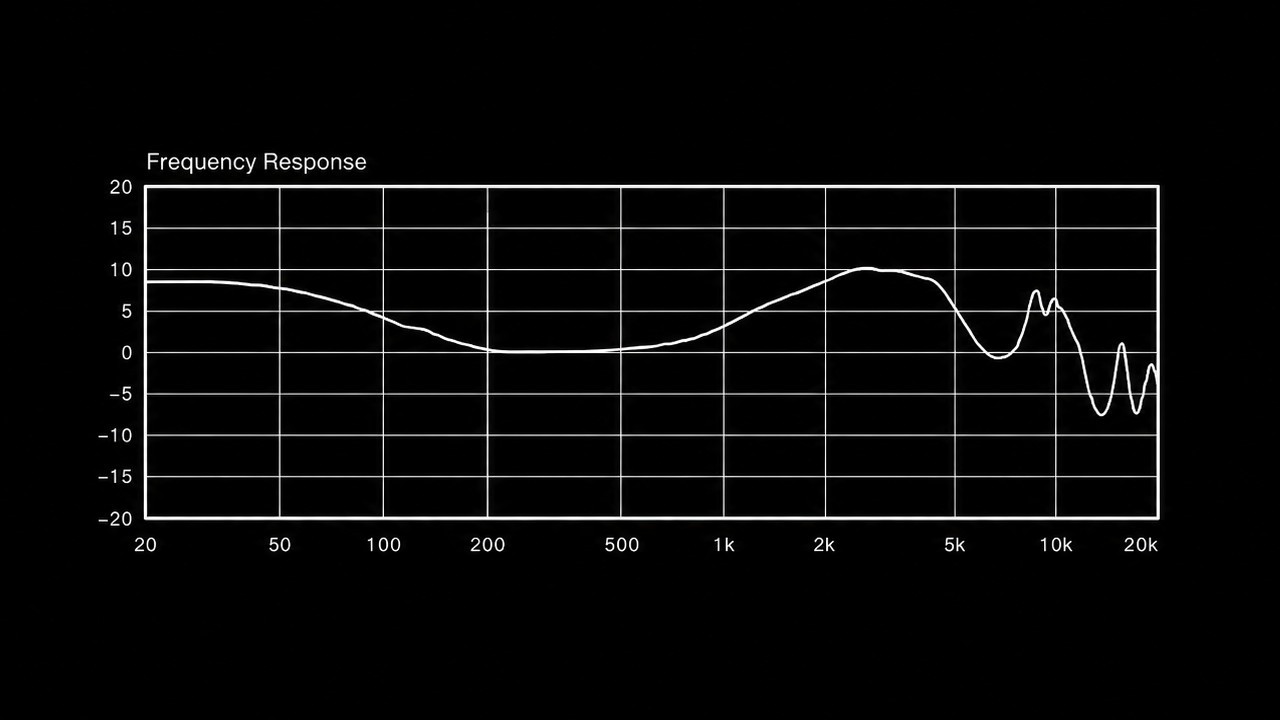
Below is the frequency response graph for the Softears Karma.
Titanium Shell with Polished and Matte Finishes
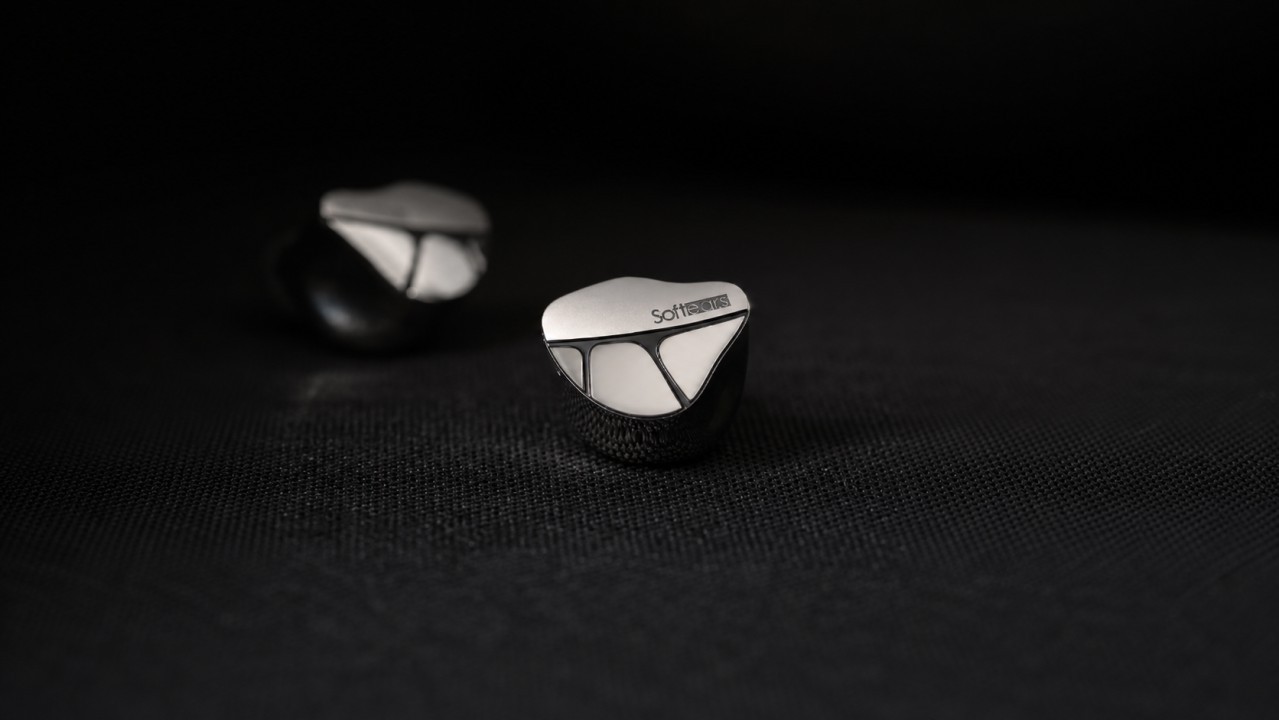
The Softears Karma’s shell is constructed entirely from a titanium alloy. It is manufactured using precision CNC machining, and the surface is polished to provide a subtle metallic sheen. Both mirrored and matte sections are incorporated into the design, creating an attractive contrast when light reflects off the IEM shell. According to the manufacturer, the grooves on the faceplate were inspired by the letter “K” in Karma.
Multiple Ear Tip Options for an Improved Listening Experience
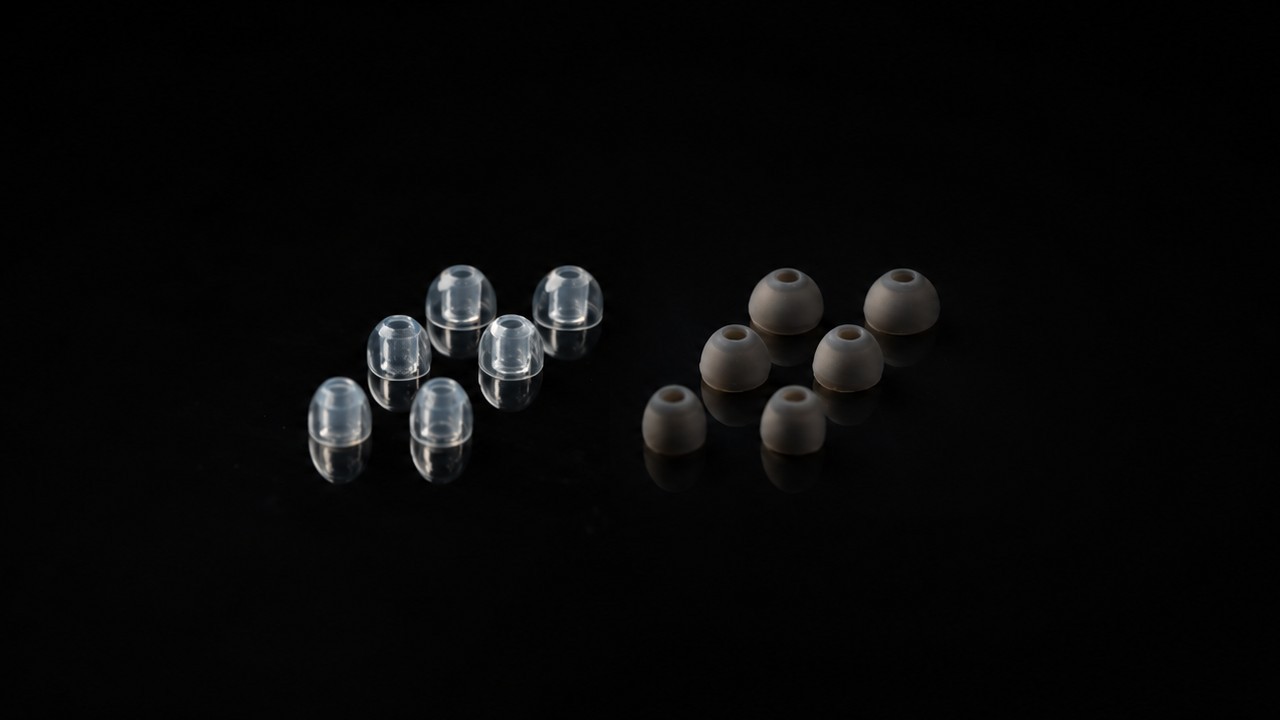
The Softears Karma package includes two types of ear tips. The “UC” ear tips are designed for extended listening sessions and are said to provide clearer treble and fuller bass. Softears’ standard ear tips, on the other hand, offer a more balanced response and are intended to deliver a “reference” sound signature.
Softears Karma: Specifications
General Specifications
• Effective Frequency Response: 20 Hz – 20 kHz (IEC60318-4)
• Frequency Response Range: 8 Hz – 40 kHz (-3 dB, measured using a 1/4-inch free-field coupler)
• Impedance: 7 Ω @ 1 kHz
• Sensitivity: 122 dB/Vrms @ 1 kHz
• Shell Material: Titanium alloy
• THD (Total Harmonic Distortion): < 1% @ 1 kHz
Driver Configuration (Per Side)
• 1 × 10 mm dynamic driver (DD) for bass
• 2 × bone conduction drivers for bass
• 4 × balanced armature (BA) drivers for midrange
• 2 × electrostatic (EST) drivers for treble
• 1 × MEMS driver for treble
Included Cable Specifications
• 0.78 mm 2-pin connectors
• 4.4 mm plug
• Conductors: Dual-layer structure composed of 7N silver in a coaxial configuration and silver-plated single-crystal copper alloy
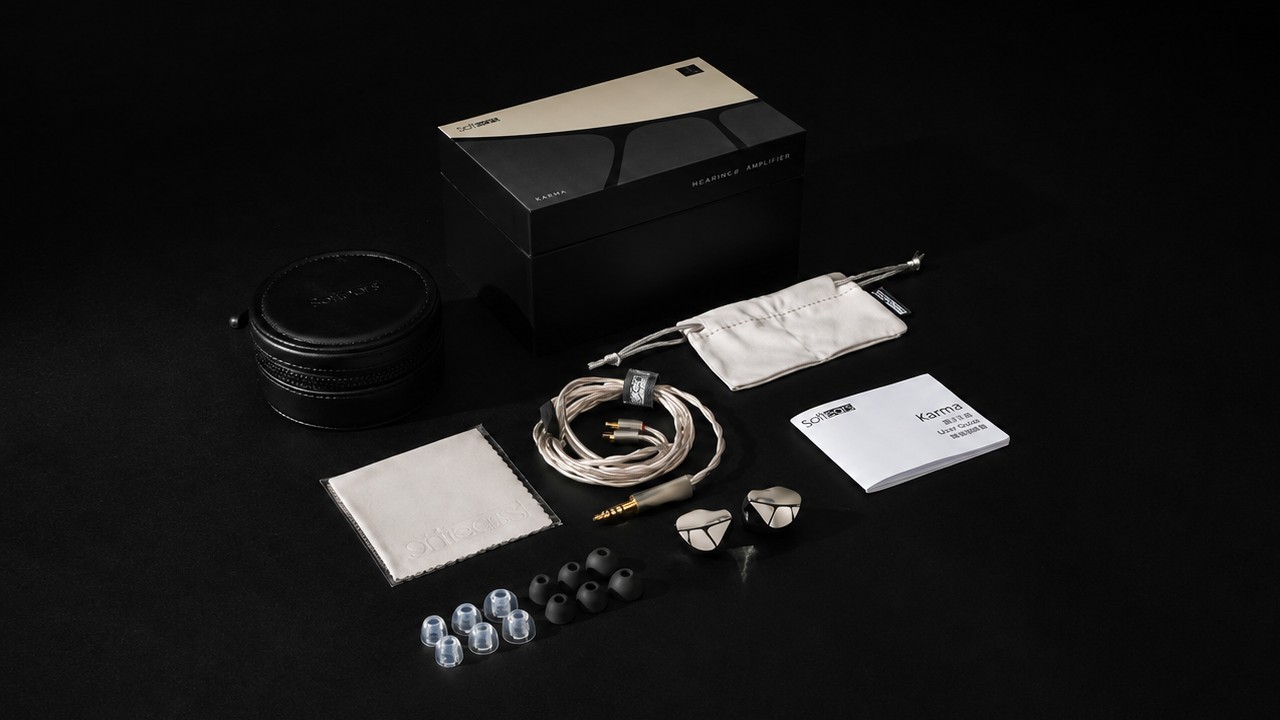
Launch, Pricing, and Availability
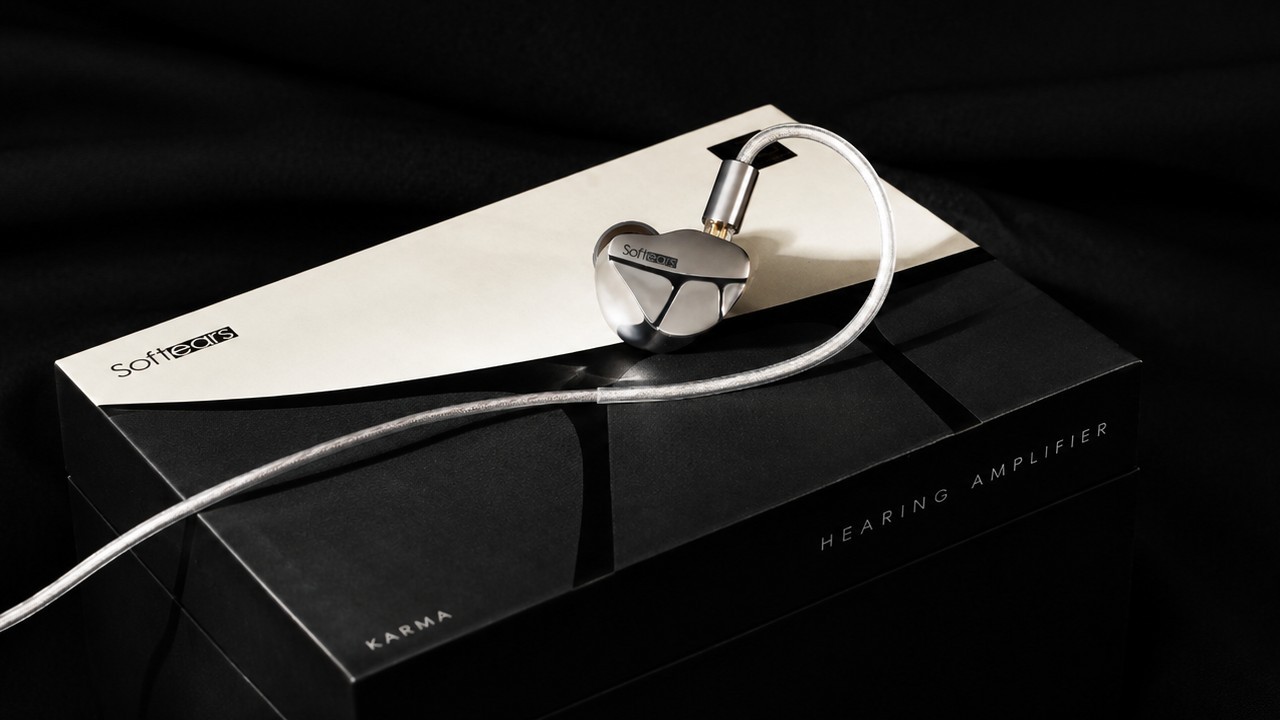
The Softears Karma was launched in mainland China with a retail price of 16,888 yuan (approximately US$2,493). Pricing and availability for international markets have not yet been announced. This article will be updated as soon as additional information becomes available.
Share:


Product launches
FiiO BTR25 Launches With aptX Lossless and Magnetic Clip
Product launches
SNOWSKY MAGE: Gaming USB DAC With Mic Input at US$ 20
Product launches
No comments have been made yet, be the first!