

Final Audio E3000 Review: Stainless Steel IEM from Japan Tested
From: Vitor Valeri
A headphone hobbyist for over 15 years, he founded the Hi-Fi Hub website and is an administrator of the "Fones High-End" and "Fones Low-End" groups on Facebook.


Published in: 22/02/26 at 19:39
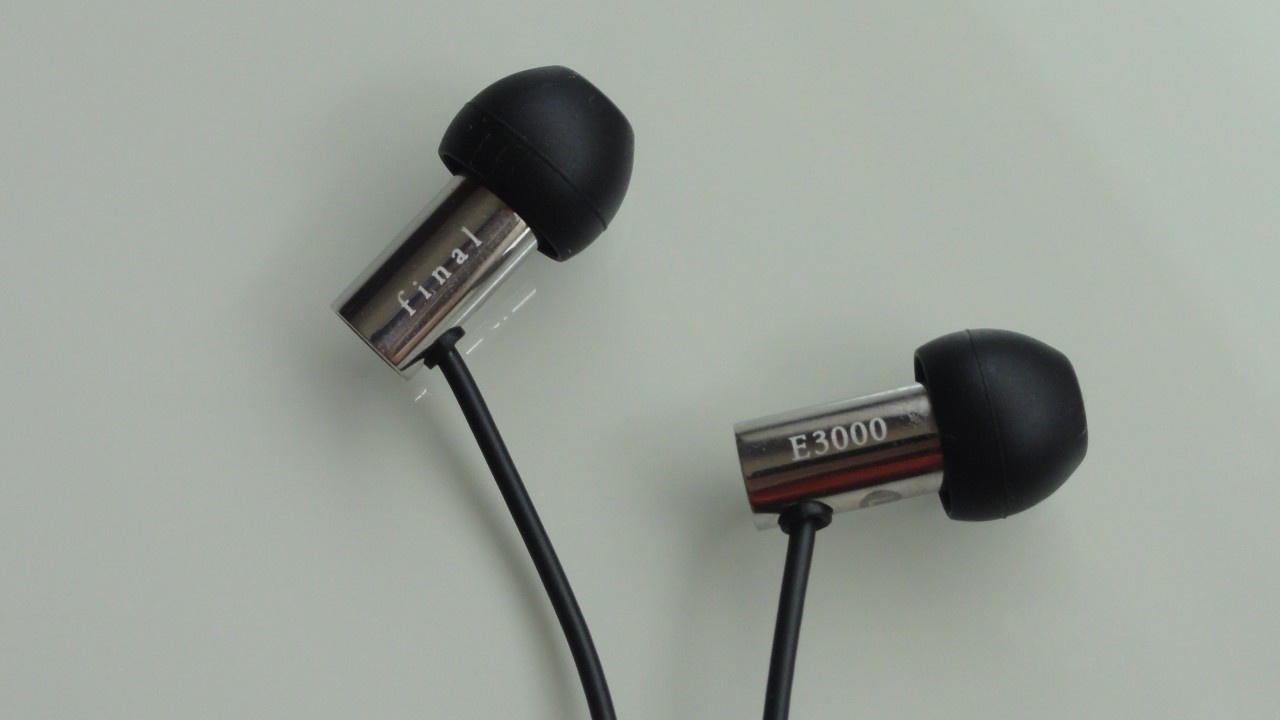 Final Audio E3000 in-ear monitor (Image: Vitor Valeri/Hi-Fi Hub)
The Final Audio E3000 is an option for those who do not want to spend much but still seek a product with solid build quality, good sound performance, and comfort. This model was analyzed alongside the Final E500, whose review has already been published here. Its comfort level is equally good; however, its sound reproduction follows a different approach and features a stainless-steel housing.
If you are considering the Final E1000, I recommend reading this review, as after listening to both models, I believe it is worth skipping that model and going directly to the E3000. However, if your goal is to spend as little as possible, the E500 may be an even better choice. That said, see below for my impressions of the Final Audio E3000.
How is the build quality of the Final Audio E3000?
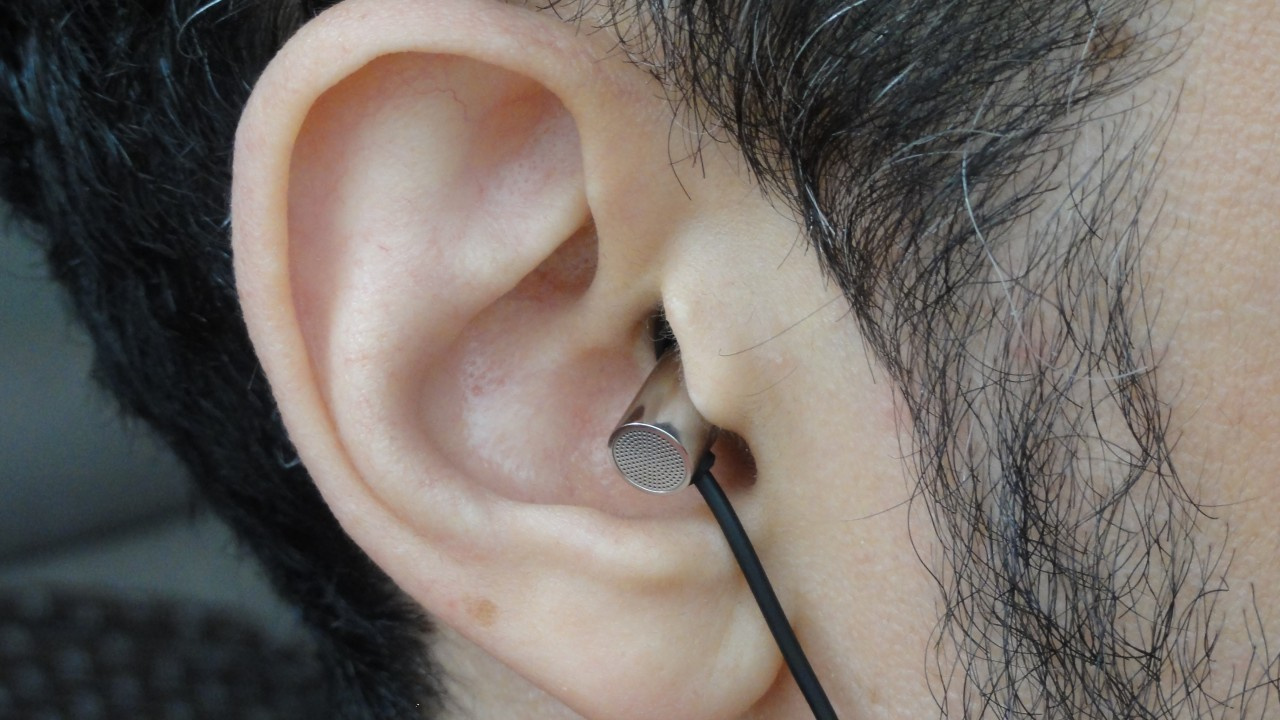
The construction of the Final Audio E3000 gave me the impression of a pair of jewelry pieces. This is due to its compact body made of polished stainless steel, which shines intensely under sunlight.
The E3000’s finish is similar to that of the Final E5000, but with an open design. At the end of its cylindrical housing, there is a perforated plate, likely designed this way for acoustic purposes. Another aspect that caught my attention was the cable being soldered directly to the driver, something that bothered me slightly, as it may lead to connection issues at some point in the future.
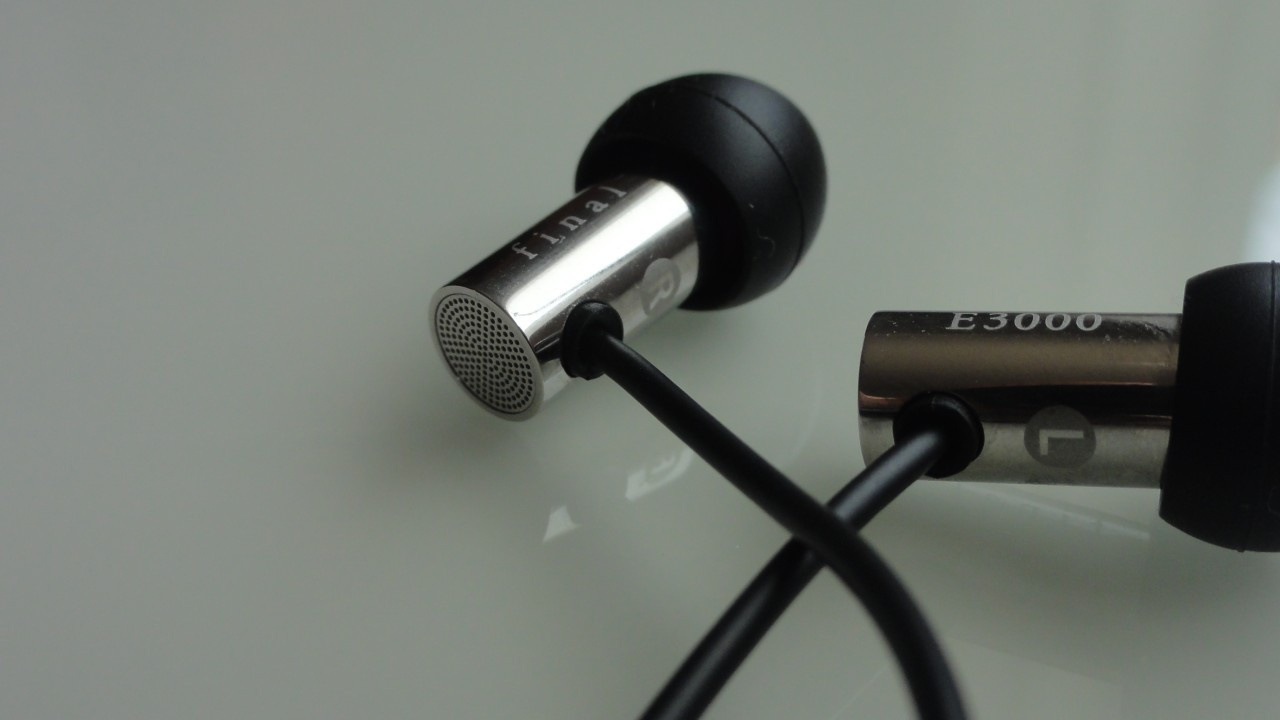
Unlike the E500, the Final E3000 allows easy visualization of the “R” and “L” markings used to identify the left and right sides of the in-ear monitor. It is also possible to distinguish the sides through the different internal colors of the ear tips, which ultimately became my preferred method when inserting the IEM into my ears, just as I did with the E500.
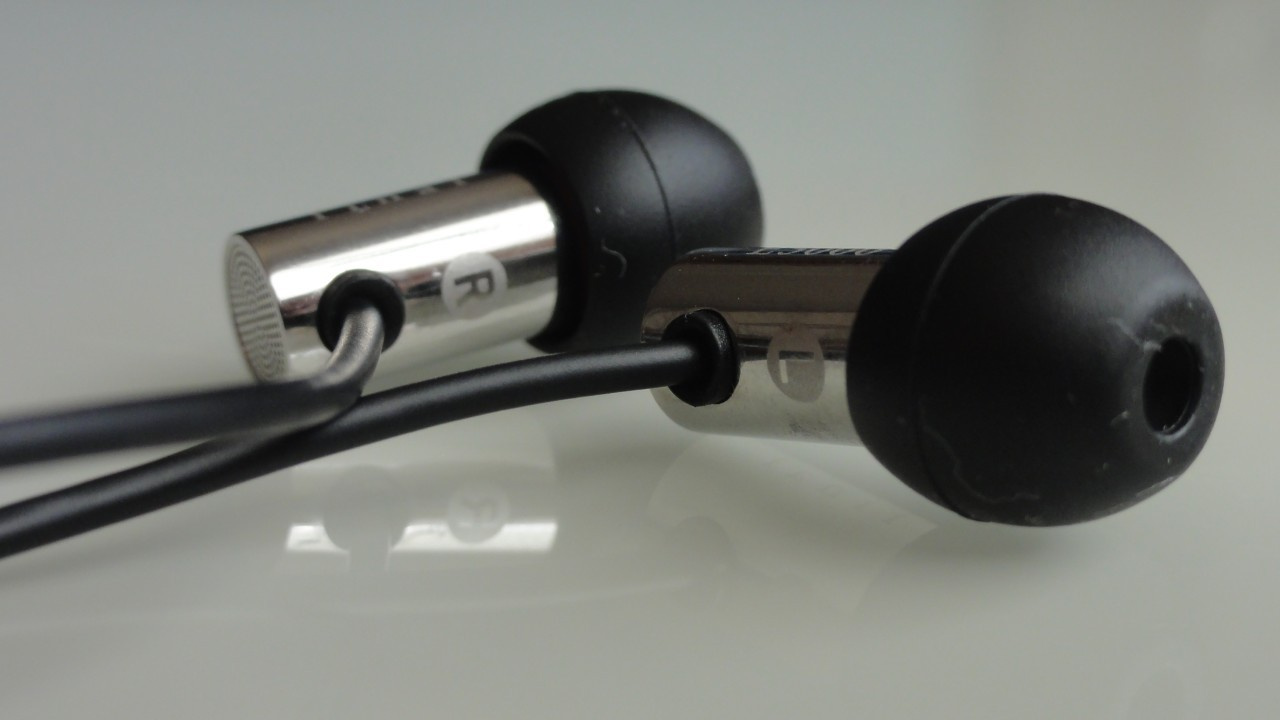
The cable sheath of the E3000 appeared to be of slightly better quality than that of the E500, although the difference is not substantial. I noticed less noise caused by friction against clothing and slightly improved flexibility. To minimize this issue of mechanical noise transmission, I recommend routing the cable over the ear, something I also did with the E500.
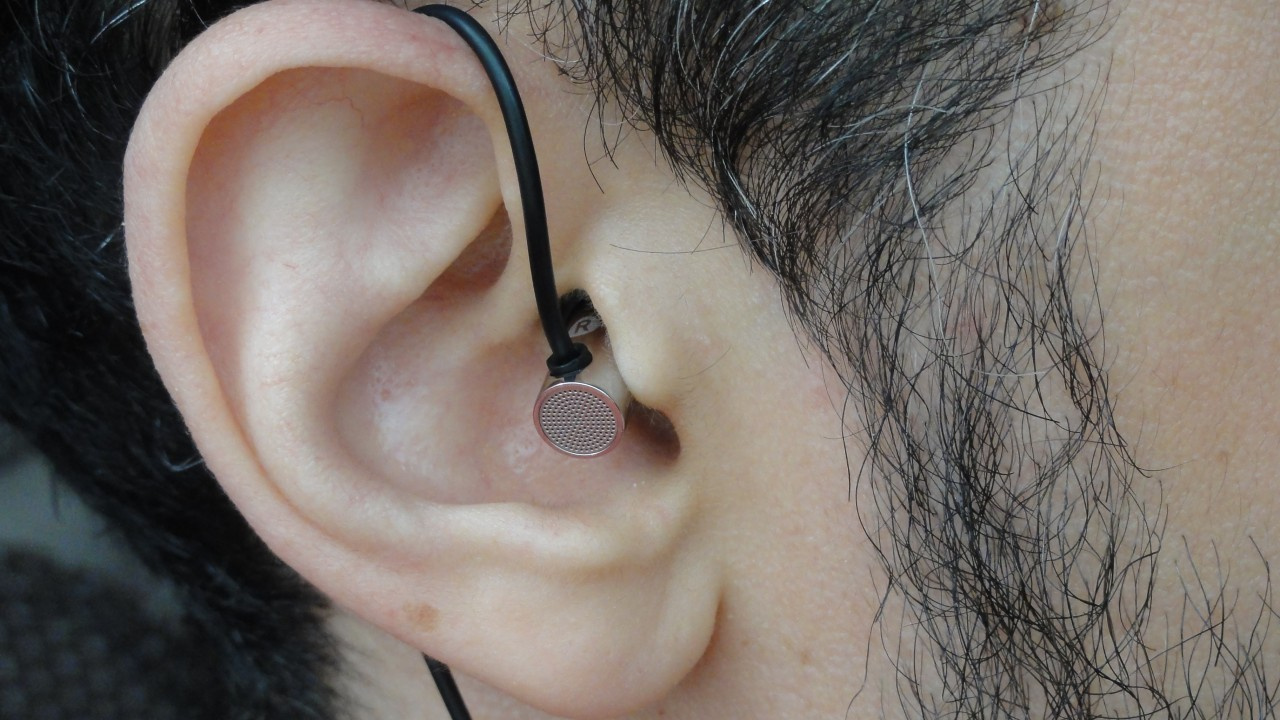
How comfortable is the Final Audio E3000?
The E3000 provided fit and stability in my ears that were just as good as those of the E500. Thanks to its compact housing and the flexibility of the ear tips known as “Final Type-E,” I was able to listen to music for hours without any discomfort.
I should add that I found both the E3000 and the E500 more comfortable than the E5000, while also allowing deeper insertion. Perhaps the nozzle diameter of these models is slightly larger, which may have influenced insertion depth.
The Final Audio “E” series of in-ear headphones has been my primary recommendation for people with small ears and narrow ear canals. The main advantage lies in their compact cylindrical design, which facilitates fit and stability within the ears.
How does the Final Audio E3000 sound?
The Final Audio E3000 delivers a bass-focused sound while maintaining a certain level of treble brightness. Its tonality is darker overall, yet it still conveys a slight sense of tonal balance, making it an in-ear headphone that is pleasant to listen to across various musical genres.
As with other models in Final Audio’s “E” line, some time must be spent achieving a proper fit in order to extract the intended sound performance from the E3000.
Once properly fitted, the first noticeable characteristic is its bass response, which fills the musical presentation effectively. In some musical styles, this characteristic was very welcome, adding immersion and dynamics to the performance of musicians, bands, or orchestras. However, in tracks where low frequencies are not the focus, this trait may become detrimental.
In music with stronger emphasis on midrange and treble frequencies, where bass presence is minimal, the E3000 sounded somewhat subdued to me. In this scenario, I preferred the E500, which delivered more prominent mids and highs. However, for recordings featuring activity across bass, mids, and treble simultaneously, the E3000 ultimately became my preference.
The perceived lack of brightness was mainly due to the somewhat emphasized bass presence, which slightly intrudes into the midrange and treble regions. Although treble presence remains noticeable, I felt a lack of extension and definition.
The E3000’s midrange sounded natural, with a very pleasant timbre. Considering that this frequency range is present in virtually all tracks, I regarded this as a strong positive aspect for my personal preferences.
Regarding soundstage, I found the E3000 to offer a reasonable presentation that impresses in size while still maintaining an intimate character, similar to its smaller sibling, the E500.
Comparison between the Final Audio E3000 and other models in the “E” series
The Final Audio E500 gave me the impression of having a more open sound with greater energy when compared side by side with the E3000. The E1000, on the other hand, sounded darker than the E3000, presenting less controlled bass and less bright treble.
With the Final Audio E5000, I noticed bass that was more defined, stronger, and deeper than what I experienced with the E3000. I also found the E5000’s treble to be more defined, revealing greater musical detail.

Conclusion
The Final Audio E3000 is an excellent choice considering its overall set of characteristics. Its sound remains enjoyable for virtually any musical genre, while offering a level of comfort that is difficult to surpass. Considering that the E3000 costs approximately US$25 in Japan, I believe this IEM offers outstanding value for money.
No comments have been made yet, be the first!