

Are Custom IEM Cables Worth It? Manufacturer Interview
From: Vitor Valeri
A headphone hobbyist for over 15 years, he founded the Hi-Fi Hub website and is an administrator of the "Fones High-End" and "Fones Low-End" groups on Facebook.


Published in: 09/03/26 at 13:31
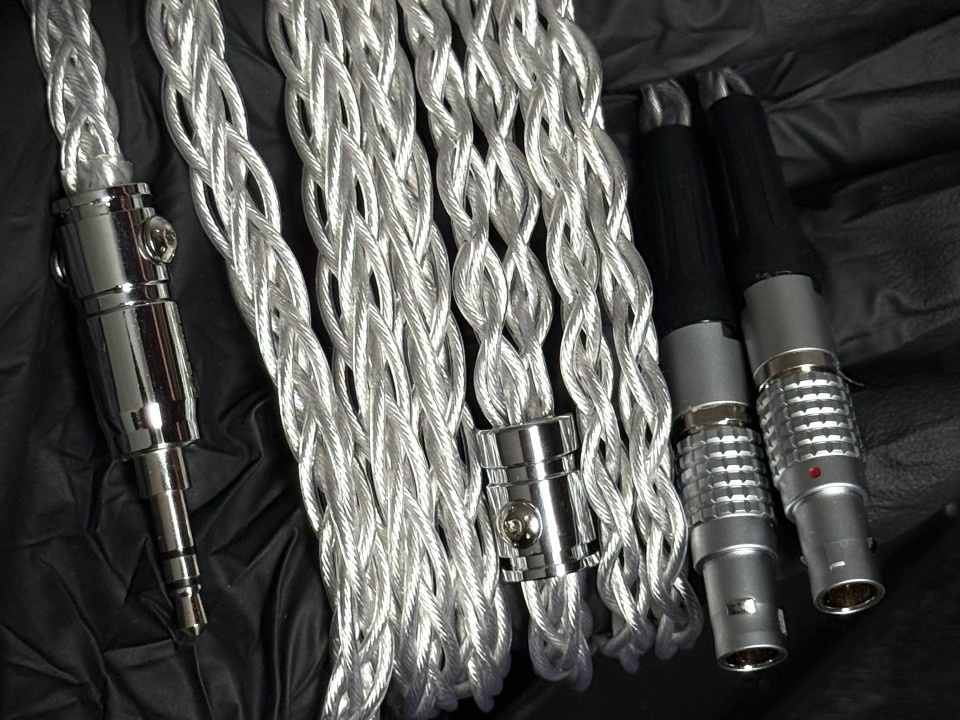
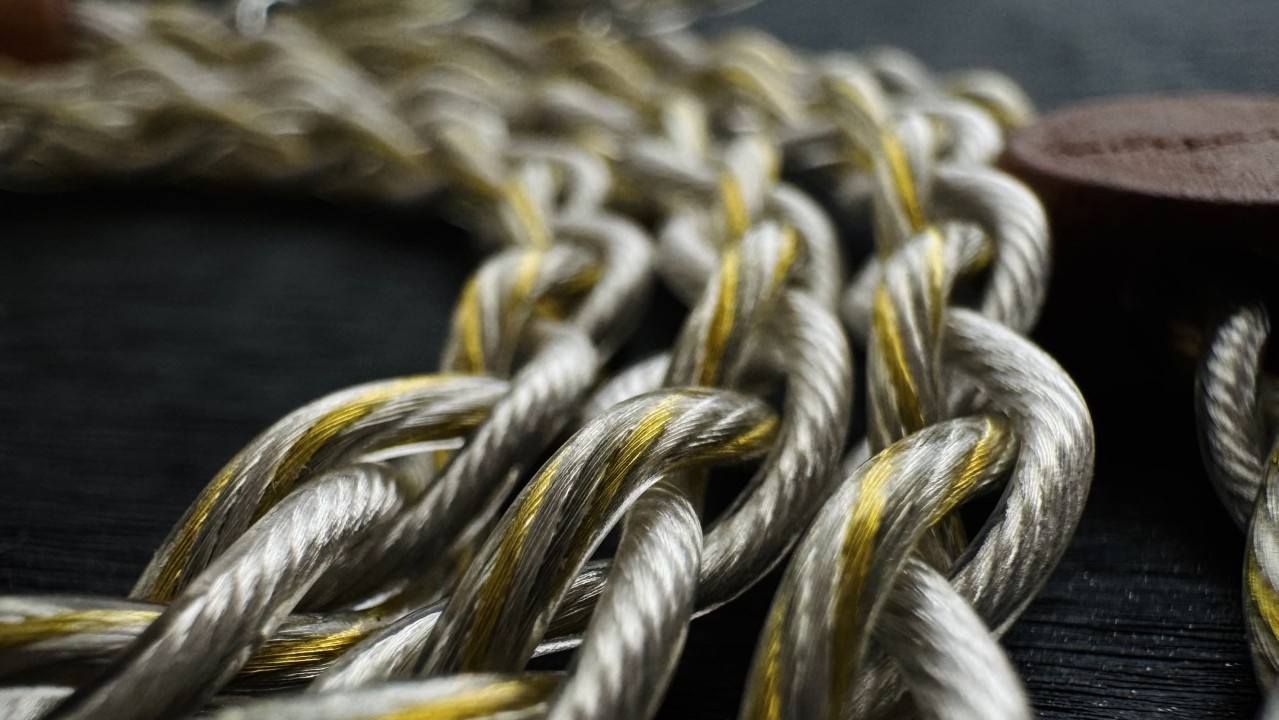 Custom IEM cable (Image: Alex Sander/Hi-Fi Cabos BR)
The interview with headphone cable manufacturer Alex, founder of the company “Hi-Fi Cabos BR,” was an idea I developed with the intention of shedding light on the subject for high-fidelity audio enthusiasts. The discussion addressed topics ranging from pricing considerations to the potential benefits of using custom cables, which allow virtually unlimited possibilities through the buyer’s careful selection of components, thereby determining the characteristics of every part of the cable.
Based on my experience and on the most common questions I have observed in forums and groups on Facebook, WhatsApp, and Telegram, I prepared several questions that were answered with great dedication. Alex appreciated responding to the questions so much that he insisted on leaving a message.
“First of all, I would like to thank you for considering this interview relevant. I am happy to answer the questions, and I believe they provide great value to the reader.”
Without further delay, please find below the interview about headphone cables.
Interview: Custom Headphone Cable Manufacturer Explains When the Investment Is Worthwhile

01 – Do higher-quality components influence the durability of a cable? Is it worth paying more for this?
Answer (A): Yes, more expensive components certainly have a direct influence on the durability of a cable. However, whether it is worth paying extra for greater product longevity depends on the context, although I believe that in some situations it is almost mandatory.
Building a cable using high-quality components was one of the most satisfying experiences I have had in this hobby. A cable with more refined purity and connectors that combine both aesthetics and functionality brings a level of satisfaction that is difficult to describe when used as part of a complete setup.
Honestly, I do not believe that a cable should be the first item on the list for an audiophile who is just beginning their journey. However, in my opinion, a high-purity cable with higher-end connectors eventually becomes an indispensable component. I say this because I have already spent more money on cables than on headphones, and a well-assembled setup certainly includes a good cable.
For those who are just starting in the hobby, custom cables that can be used with multiple headphones, feature the buyer’s preferred color, and offer strong durability are also an excellent recommendation. I think this way based on my own experience when I first entered the hobby.
I noticed that it was common for the original headphone cables to fail or begin to look worn over time. By using high-quality custom cables, one can ensure that while experimenting with new headphones the original cable remains preserved, which also helps maintain the headphone’s resale value.
For me, it is important to use a quality cable during the stage when we are frequently experimenting with different headphones in order to discover our personal preferences. In addition, purchasing a custom cable allows the user to address specific needs, such as having longer or shorter cables depending on how the headphones are used. I often assist many clients in this context.
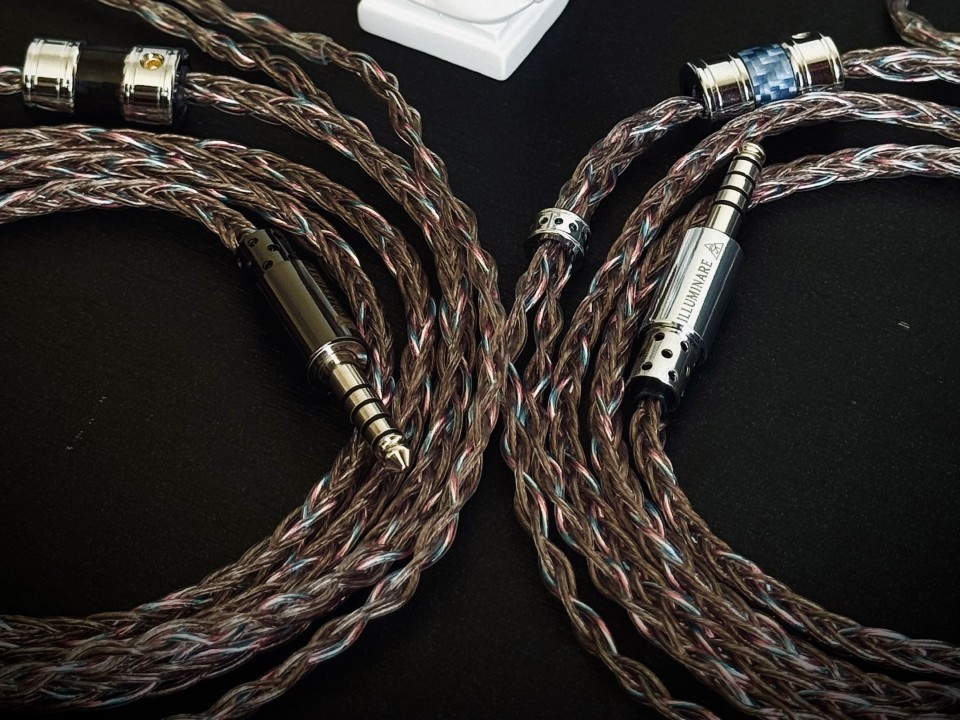
02 – Is there a specific cable component that is crucial for achieving a good experience, or is it the overall combination? Which characteristics do you value most when considering a cable to be well made?
A: It is the overall combination of components that makes the difference in achieving a good experience. During the cable selection process, one of my priorities is what I call “relief,” or the adjustment of the cable’s center of gravity.
For me, weight distribution is extremely important because, depending on the context, it is possible to use a heavier cable or one with a slightly unbalanced center of gravity. Depending on how the listener uses their headphones, whether seated at a desk or moving around, this characteristic can become a crucial detail for achieving a good experience.
Before having contact with a cable made by me, most of my clients did not pay attention to cable weight balance. One example of a cable I designed with this in mind had a fabric sleeve from the 3.5 mm plug to the splitter, and then transitioned to a transparent PVC/TPU sleeve up to the connectors that attach to the headphones.

Designing a cable with different materials surrounding the metal filaments transformed the experience for users who listen while moving, such as musicians, particularly drummers. I developed this design idea in 2022 while trying to find a way to improve weight distribution in the cables I produced. It was one of the first problems I solved after gaining some experience in cable construction.
What led me to the idea of weight balancing in cables was purchasing some headphones whose cables had an extremely unbalanced weight distribution.
03 – Can the material used in cable connectors influence durability? How can this affect longevity and usage?
A: Yes. Connectors plated with rhodium, whether 3.5 mm or 4.4 mm, are considerably superior to those plated with nickel or gold. The advantage here is not limited to conductivity; rhodium also offers greater resistance to wear, which is one of the main advantages of using this type of connector.
The cables I manufacture with gold-plated plugs feature a generous plating layer. However, rhodium-plated connectors remain more resistant over time and can appear “like new” even after several years of use.
04 – What do you think about modularity in cables? Is it always worthwhile to use modular connectors on both ends?
A: In my opinion, not always. A fully modular cable, meaning that connectors and plugs can be swapped on both ends, can represent a high investment. However, if cost is not an issue and the customer values that flexibility, I believe it can be worthwhile.
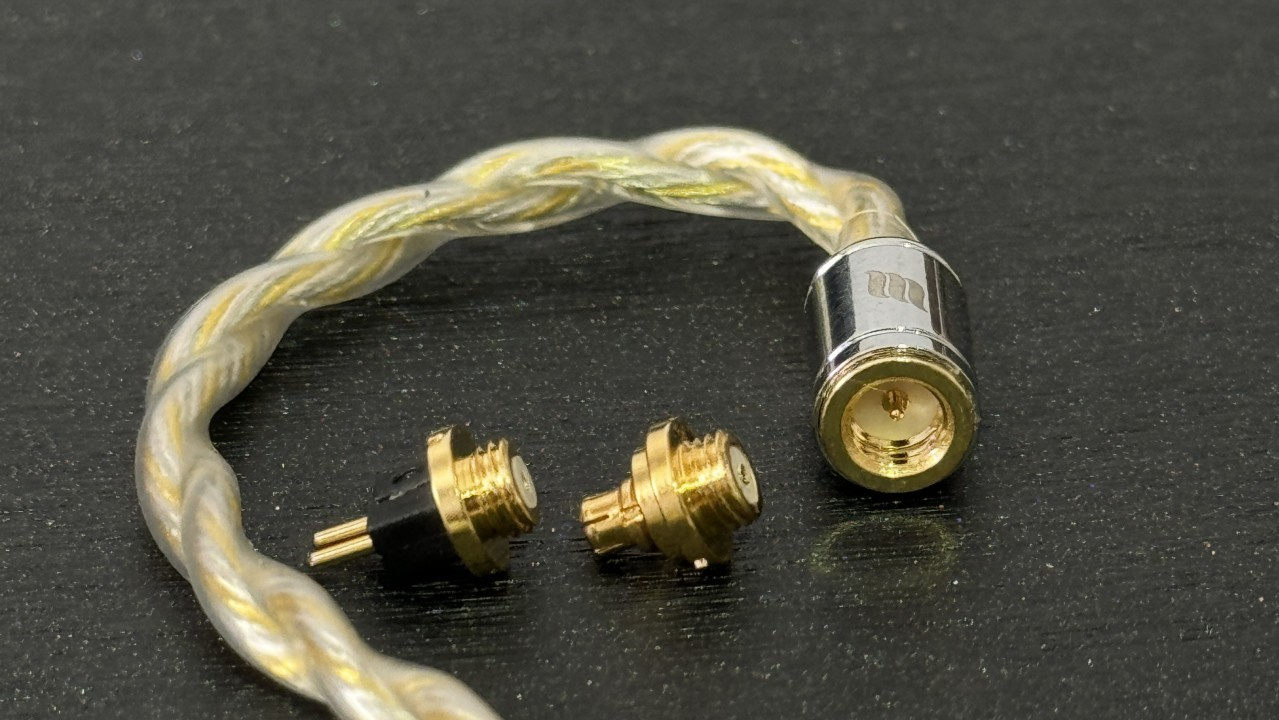
Previously, I believed that fixed plugs (such as 3.5 mm, 4.4 mm, or 6.35 mm) were ideal. I thought that having, for example, a cable with a fixed 4.4 mm plug and modular headphone connectors (such as 2-pin or MMCX) represented the best solution. However, when I switched to a smartphone without a headphone jack, my perspective changed.
I do not like using Bluetooth headphones because my wired models are far superior in terms of sound quality. Since I do not want to compromise on sound quality, I ended up using modular cables that allowed me to swap the 4.4 mm connector for a USB-C plug. Even when I was not primarily using the headphones for music, the USB-C cable still made sense in my daily routine.
05 – In which situations do you believe it is worthwhile to purchase a high-quality headphone cable?
A: To explain this, I will refer to my own experience with headphones and cables. When I decided to acquire headphones that required a greater effort and financial investment than usual, typically in the range of R$1,000 to R$3,000, I felt that I had truly entered the hobby. At that point, I realized that I had learned to select models more carefully according to my sound preferences and everyday usage patterns.

Upon reaching this stage, I found it very difficult to choose a single headphone. However, when you finally find that “special” headphone that satisfies you in many respects, that is when I recommend investing in a more expensive cable. In my opinion, at that stage the focus shifts toward optimizing the overall system, making it reasonable to purchase a high-purity, more sophisticated cable.
I would say that the point at which you have a headphone you truly enjoy, combined with a good audio system and a high-quality cable, represents one of the best phases of the hobby.
06 – What price range do you consider the “sweet spot,” where the user receives the most value for the investment?
A: I have built cables costing as little as US$ 29 and others exceeding US$ 1150, which allowed me to test many different configurations. Because of this, I understand why there is so much controversy surrounding this topic. It is difficult to define a single “sweet spot,” especially since different listeners seek different things.
Much of the skepticism regarding cables arises from their price and from the claims made by manufacturers. Nevertheless, there are certain price ranges where I believe a higher investment can be justified. In fact, there may be more than one such range, depending on the user’s objectives.
I have purchased many cables for testing that turned out to be counterfeit when they arrived. I have even received cables that were simply painted! I have also encountered cables using insulation techniques that may not be reliable in the long term, for example, filaments soaked in oil, which may compromise durability.
If the goal is a durable cable, it is important to choose trustworthy manufacturers.
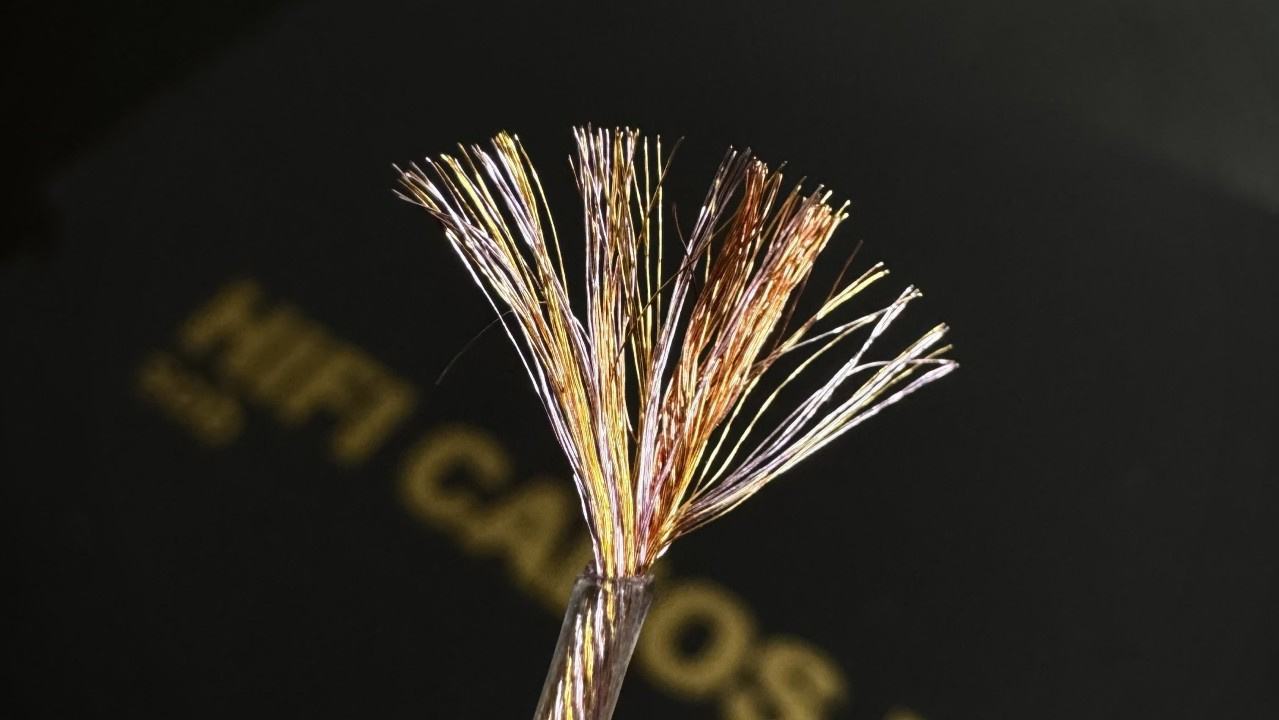
When searching for cables with high-quality connectors, durable sleeving, and filaments with certified purity verifying that they were produced using accredited techniques, I believe that the models offering the best cost-benefit ratio are typically priced between US$ 190 and US$ 285. There are also good options around US$ 150, although they offer less flexibility in component selection.
For some of my clients, a US$ 285 cable represents less than 10% of the total amount invested in headphones and playback equipment such as DACs, amplifiers, and Digital Audio Players. Depending on the headphone model, the cable may represent roughly the same proportion of the total system cost.
07 – If someone wants a fully customized cable without budget limitations, aiming for the best possible performance, do you still consider it a worthwhile investment?
A: At this level we are essentially discussing what I consider the “end-game” of cables. If someone has the financial resources, they could even build a collection of high-purity cables and personally evaluate the potential placebo effects that people often discuss.
I personally hold the subjective opinion that cables can influence sound. However, in my experience, once the price exceeds approximately US$ 570 to US$ 669, I did not notice any relevant effects. Above this range, I believe placebo effects may become more likely.
The sonic differences I perceived when switching cables were primarily related to the timbre of instruments. In my opinion, the idea that cables “change sound” is often misunderstood, sometimes leading people to believe that cables apply an equalization effect. I do not believe this is the case.
With cables that employ rigorous conductor refinement and purity treatment, the differences appear to be subtle nuances, primarily related to timbre rather than to changes in frequency distribution such as bass, mids, and treble.
I even questioned my own hearing when I first noticed these differences.
The timbral change became noticeable when I used cables with platinum wire or mixed-metal conductors containing palladium, which can influence grain structure, capacitance, and inductance within the signal path. After experiencing this myself, it became difficult for me to dismiss the idea entirely, since I tested it with my own ears.
08 – Is it possible to significantly alter the sound of headphones using cables?
A: Yes, it is possible. After observing the many controversies surrounding this topic, I began thinking about whether cables could intentionally introduce significant sonic changes. This led me to create a line of cables designed specifically for that purpose.
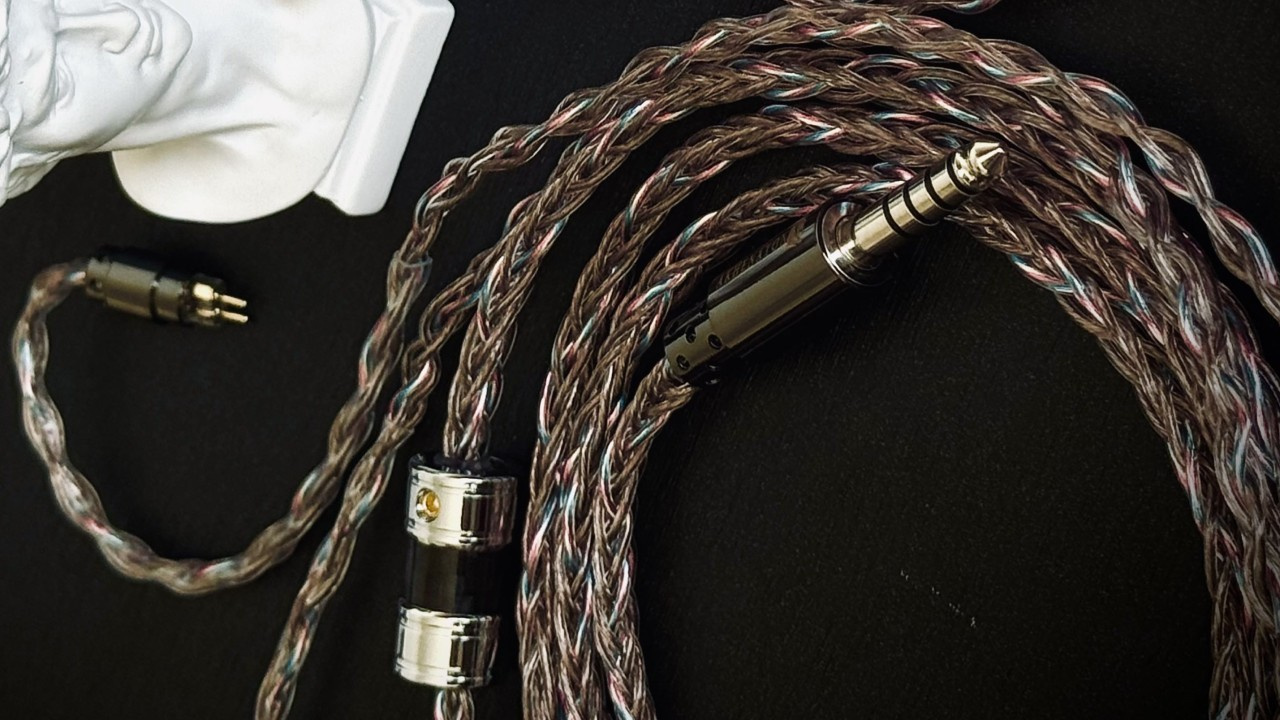
The most popular model so far is called “AKHENATON.” It significantly changes the listener’s perception of bass while smoothing the treble.
This was achieved by artificially modifying impedance, capacitance, and inductance through the integration of different high-precision components together with highly refined conductors. These elements passively influence the signal’s frequency behavior, and the results have been very impressive.
09 – How did you first become interested in high-performance custom cables?
A: My interest in cables began when I decided to build a pure silver cable for what I considered my first “definitive” headphone. At that time, I knew nothing about the hobby and had never heard anyone claim that cables could influence sound. I was not influenced by anyone or anything.
I simply built the cable and began listening.
After some time, I noticed that the treble sounded different when I switched to the silver cable I had made. That was when I started asking about the subject in online groups, because the experience made me curious. Unfortunately, many people mocked me.
I genuinely did not understand why I was hearing differences, so I decided to study the topic more seriously.

After researching the influence of metal purity in cables and the concept of system synergy, I began reading scientific articles discussing the properties of different metals, grain structure, and many academic texts that were quite difficult to understand.
I spent considerable time studying reports whose conclusions explained why certain metals might cause a cable to sound different from another made with different materials. As a result, I no longer felt like I was “crazy.”
After completing my literature research, I began testing every type of wire I could obtain. Eventually, I realized that cables priced above approximately US$ 669 did not produce any noticeable sonic differences in the headphones I tested.
Share:


No comments have been made yet, be the first!