COMMENTS:
B
Bema
What an excellent article. Thank you.


From: Vitor Valeri
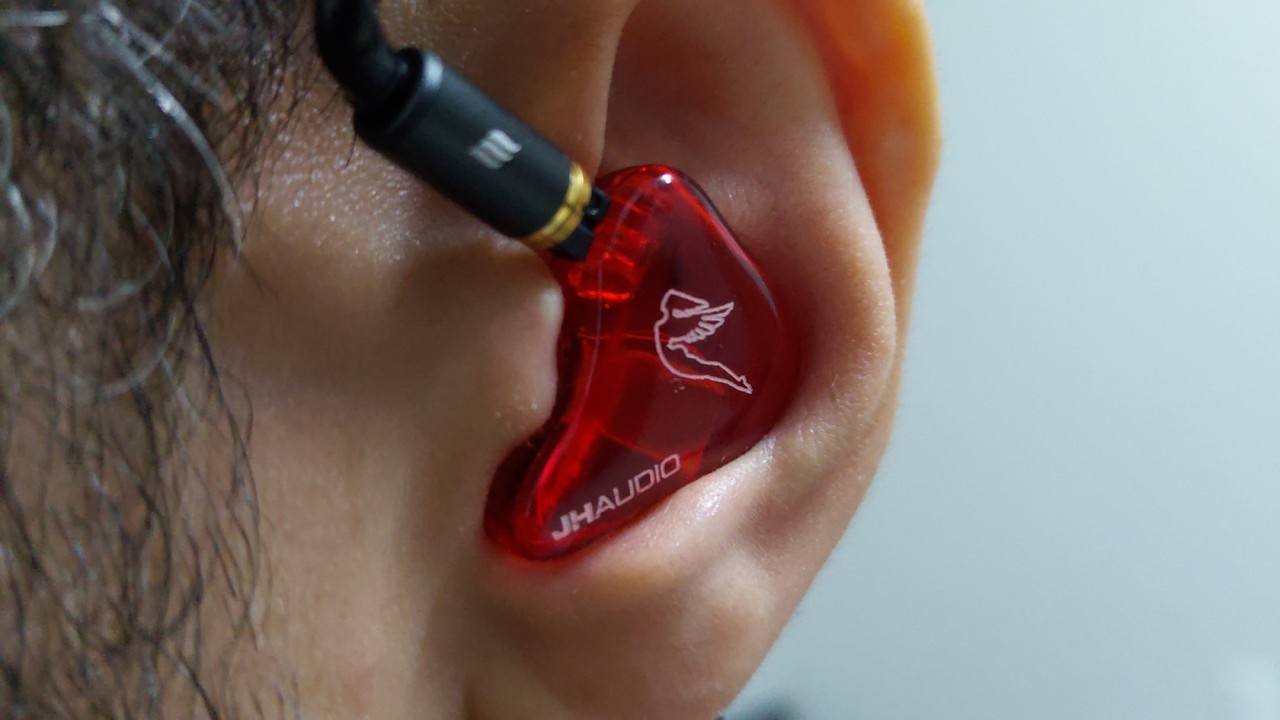 CIEM (Custom In-Ear Monitor) JH Audio JH5 Pro (Image: Vitor Valeri/Hi-Fi Hub)
Custom In-Ear Monitors (CIEMs) are used in professional environments by musicians and audio technicians on live stages and in recording studios for music, voice-over work, podcasts and soundtracks. The primary reasons people choose them are sound quality, comfort and isolation. In this article, I explain what they are and for whom they are worth considering.
A CIEM (Custom In-Ear Monitor) is an in-ear headphone whose shell is shaped to match the user’s ear anatomy. The shell material may be made of resin or fiber. Inside the housing, one typically finds components common to in-ear, such as drivers (transducers), crossovers, wires, tubes, and filters. Each of these components is explained in greater detail below.

An in-ear or IEM (in-ear monitor) is inserted into the outer ear using ear tips. In-ear are secured in place by the ear canal (external acoustic meatus) and the concha of the outer ear. Below is an illustrative image of a universal in-ear headphone.
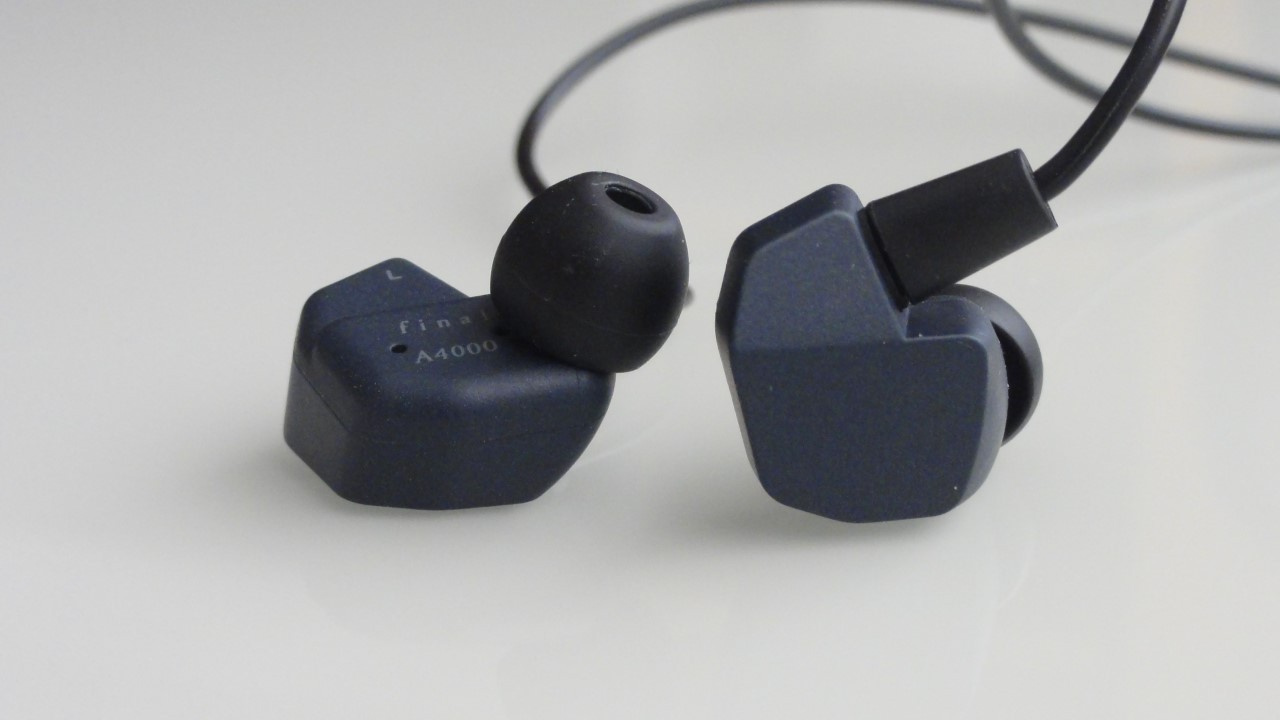
Universal in-ears are not molded to match the exact shape of the user’s ear.
Recommended reading: What Are Ear Tips? How They Affect Your Experience with In-Ear Monitors (IEMs)
To obtain a CIEM, impressions of the user’s ear canal (external acoustic meatus) and outer ear concha must be taken. One interesting observation I made during this process is that my right and left ears have different shapes.
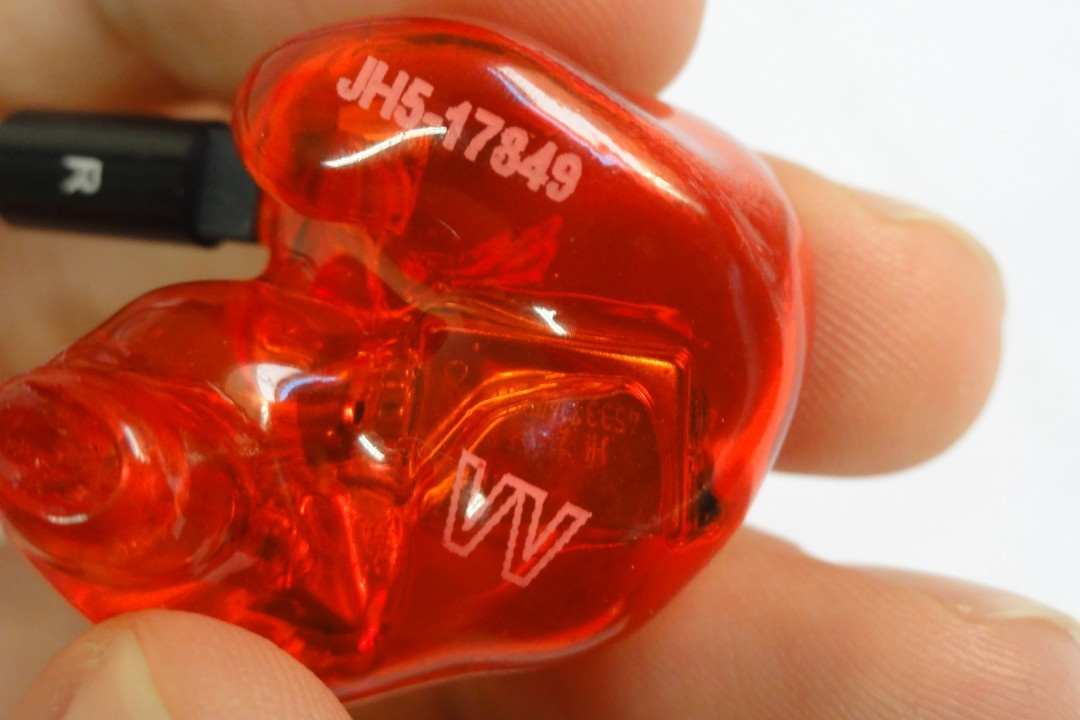
To create the impression, a qualified professional (a speech-language pathologist/audiologist or an otolaryngologist) must perform the procedure according to established protocols. The steps are as follows:
Step 1: Clinical examination of the patient’s ear using an otoscope to verify the absence of inflammation, infection, or excessive cerumen.

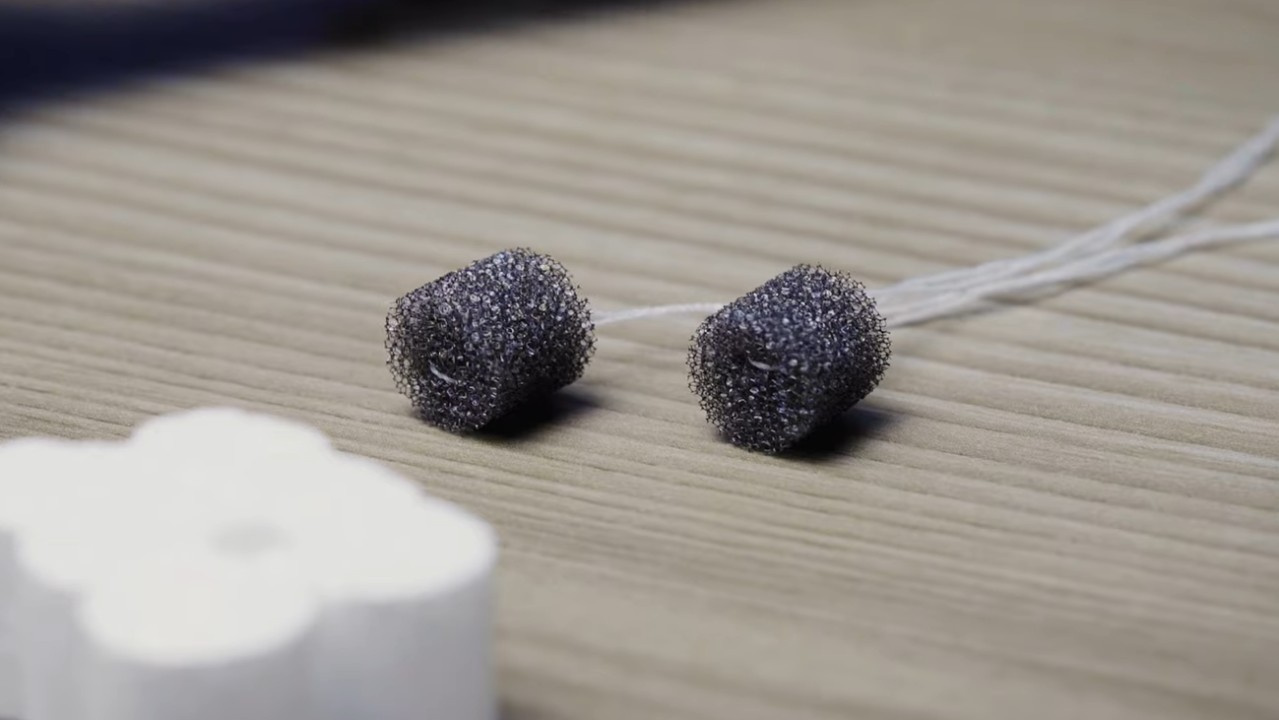
Step 2: Insertion of a foam block with a retrieval string near the tympanic membrane to prevent the impression material from making contact. The string facilitates safe removal of the impression.

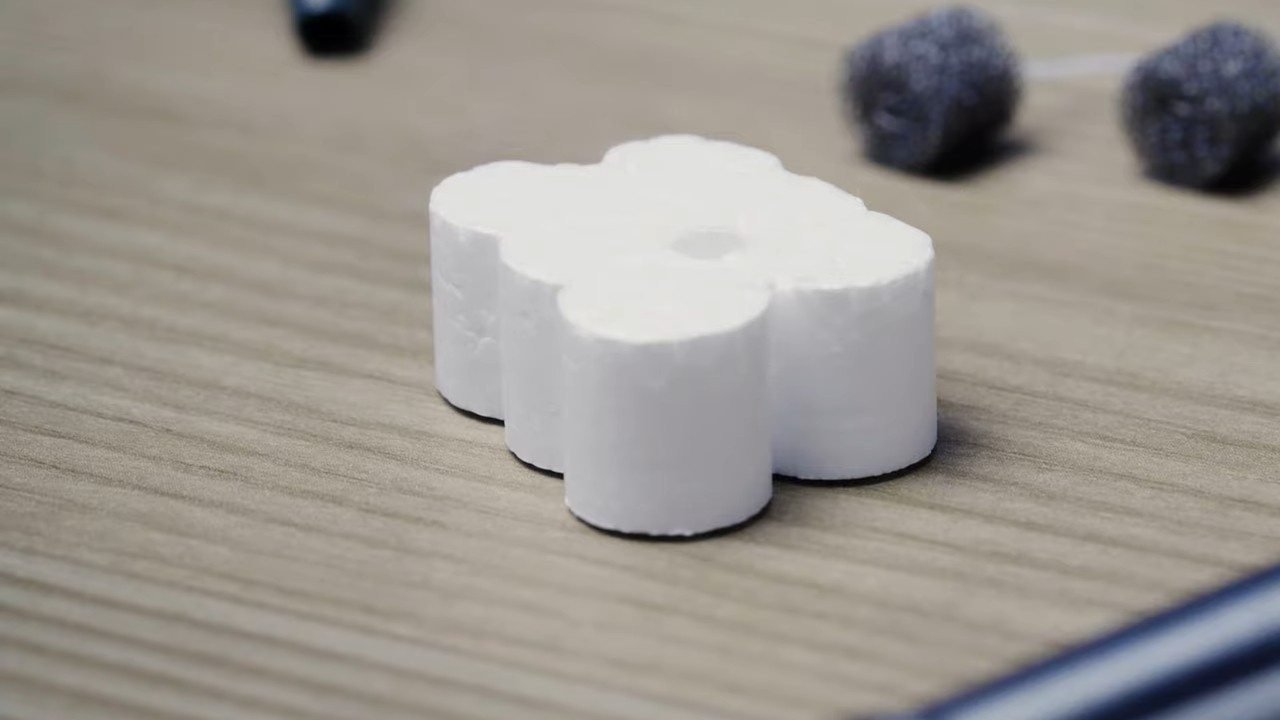
Step 3: The patient bites on a foam block of specific dimensions (approximately 3 cm thick) to maintain the mouth at the correct opening distance. This prevents loss of the ear canal seal when moving the mouth, such as while singing, once the CIEM is finished. Alternatively, two fingers may be used in place of the block.

Step 4: The professional mixes two types of soft, medical-grade silicone that harden within a few minutes when combined. The mixture is placed into a syringe and injected into the patient’s ear canal and outer ear concha.

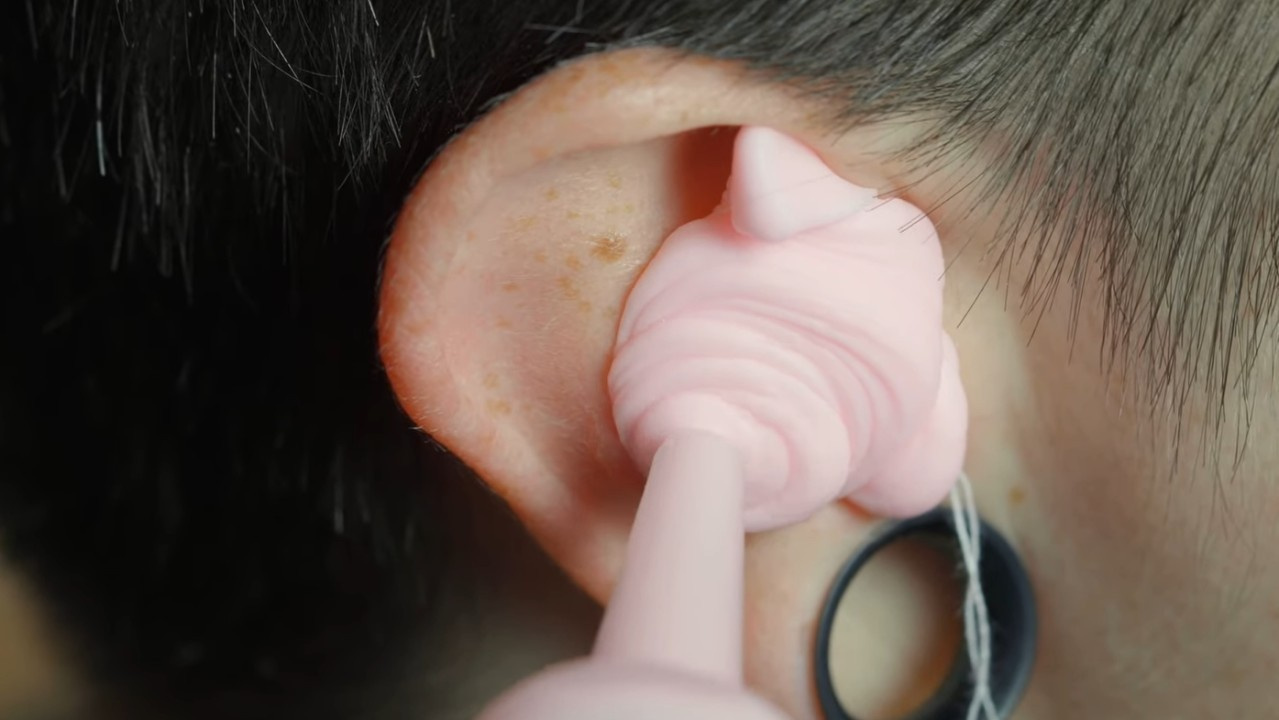
Step 5: After several minutes, once the silicone has hardened, the professional removes the impression from the patient’s ear.
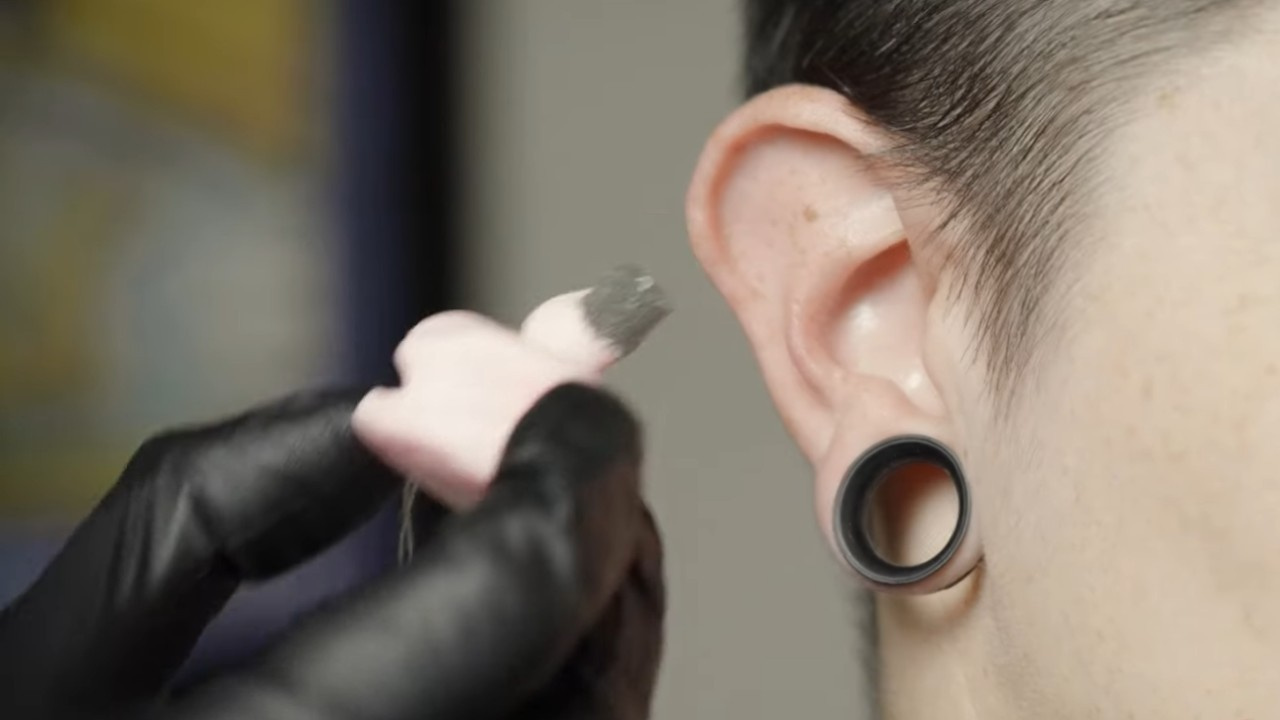
Step 6: The impression is sent to the company responsible for manufacturing the CIEM.
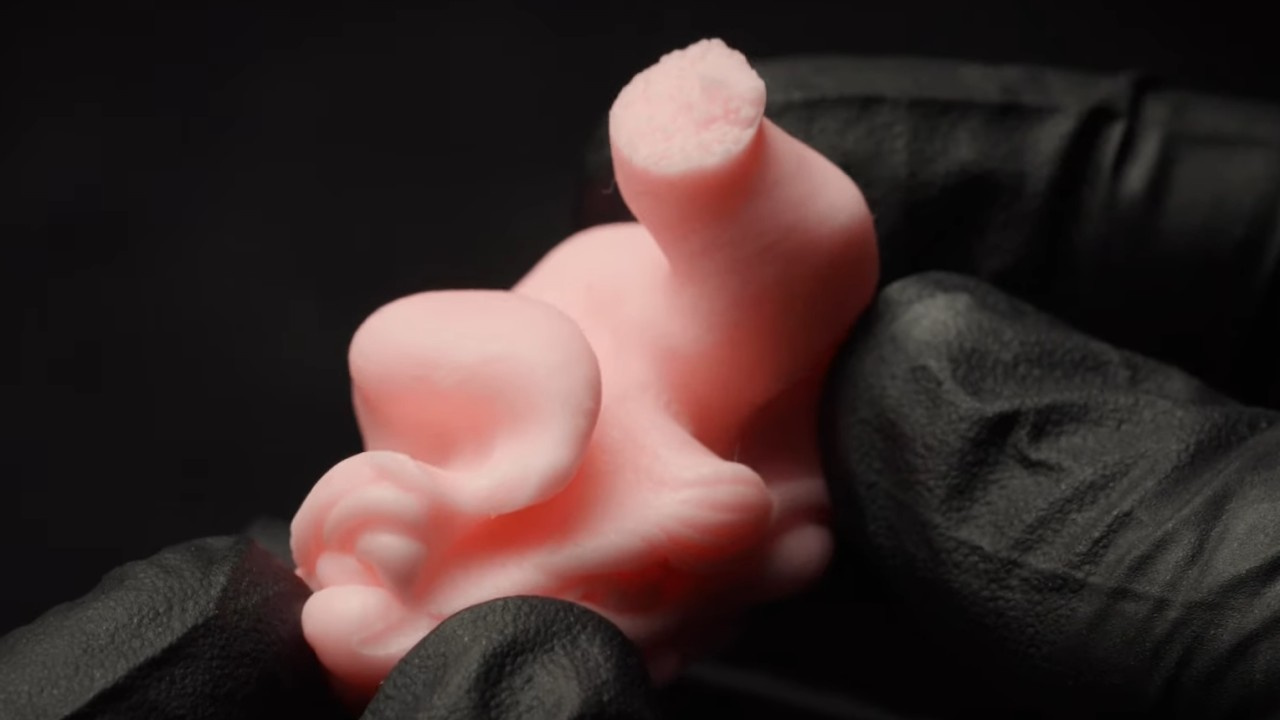
Step 7: A 3D scan is performed to obtain a digital copy of the ear canal and concha shape for headphone production. There is also a traditional, older method of obtaining the ear impression from the mold using agar or silicone.

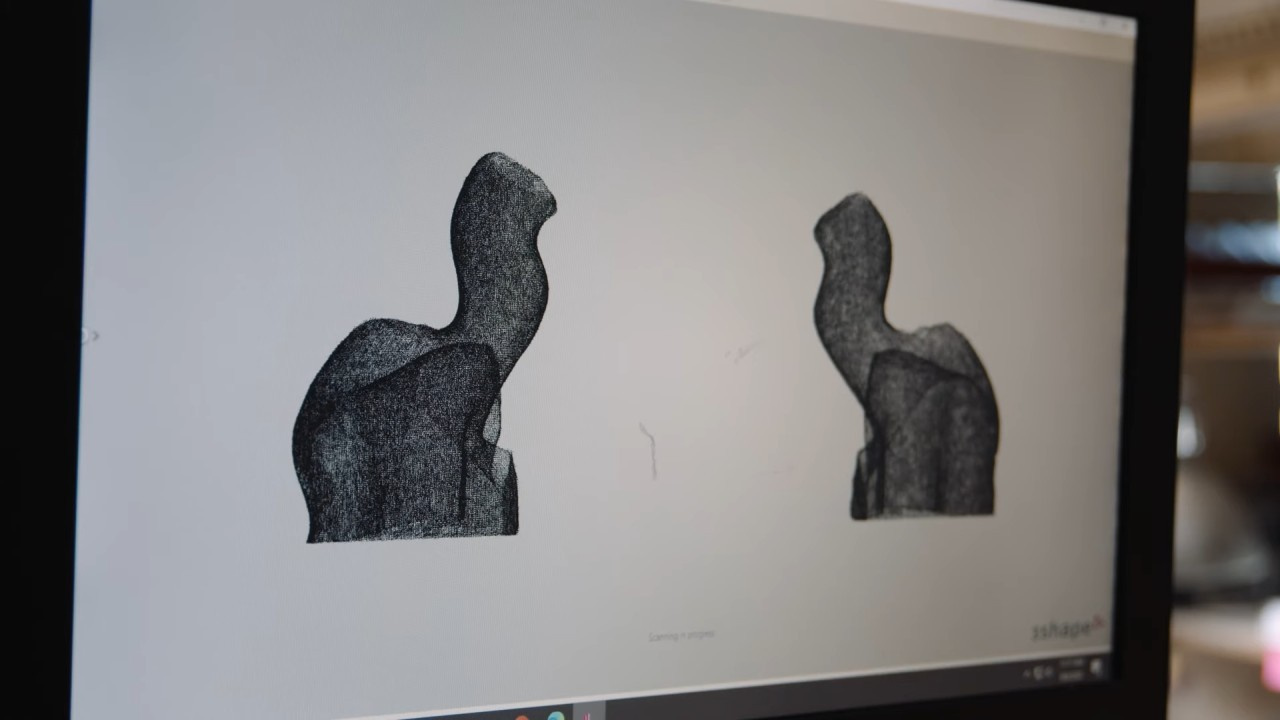
Step 8: The shell is created either through 3D printing or by injecting material into a mold (if made of resin).
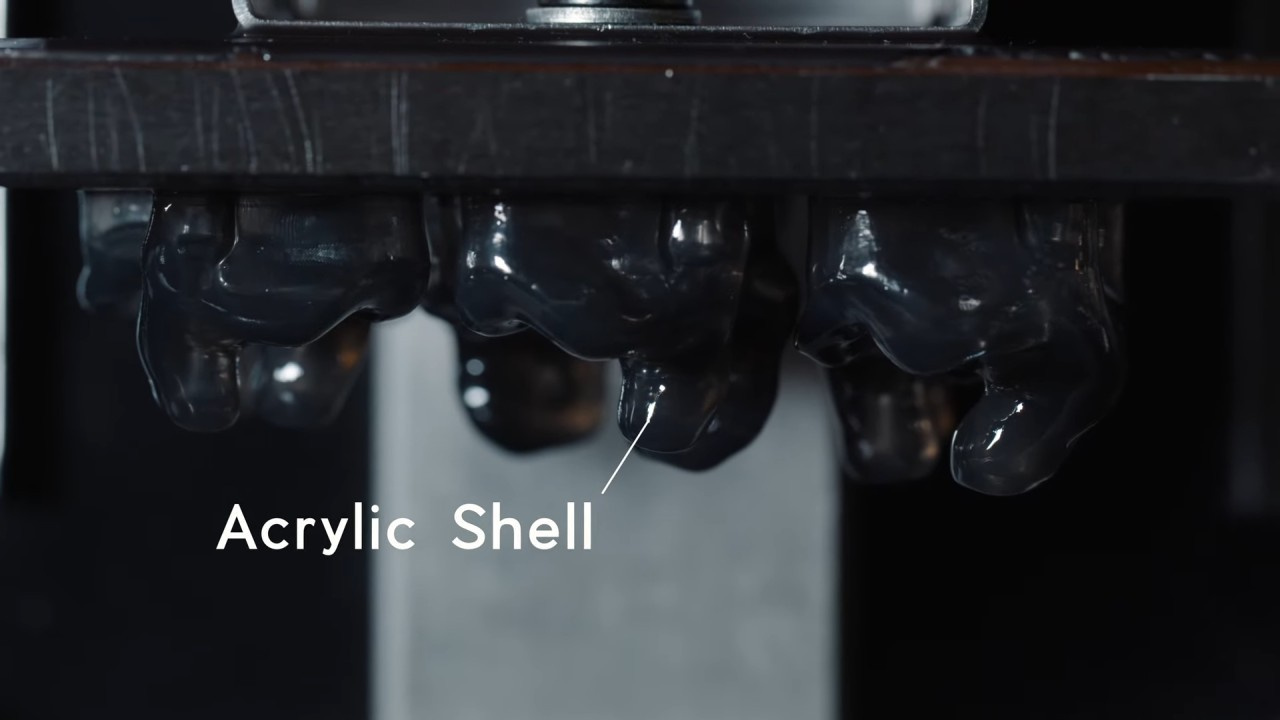
If fiber is used, CNC machining is required to perform precise cuts and effectively sculpt the shell.
Step 9: Using a micro rotary tool, sandpaper, and other finishing materials, the shell is refined before the internal components are installed and the faceplate (the externally visible portion when the CIEM is worn) is sealed in place.

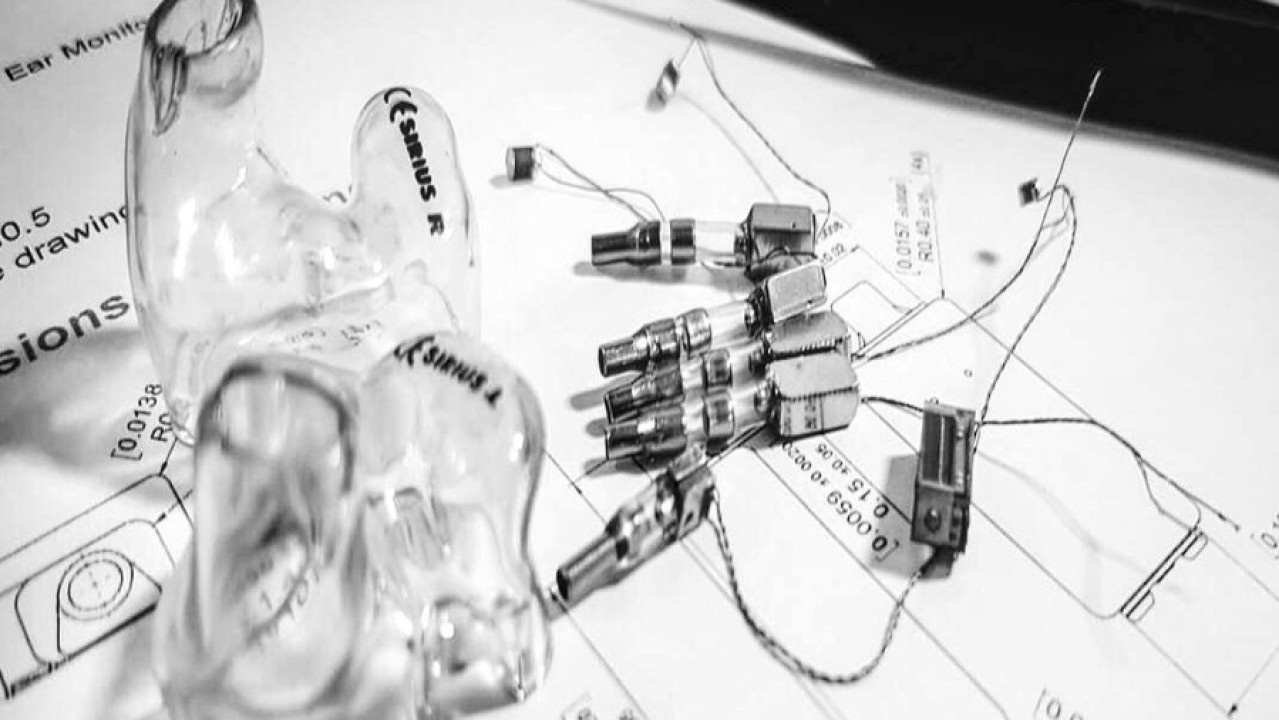
Inside a CIEM, there are drivers (transducers), crossovers, wires, tubes, and filters. While some designs may differ, this is the most common configuration.
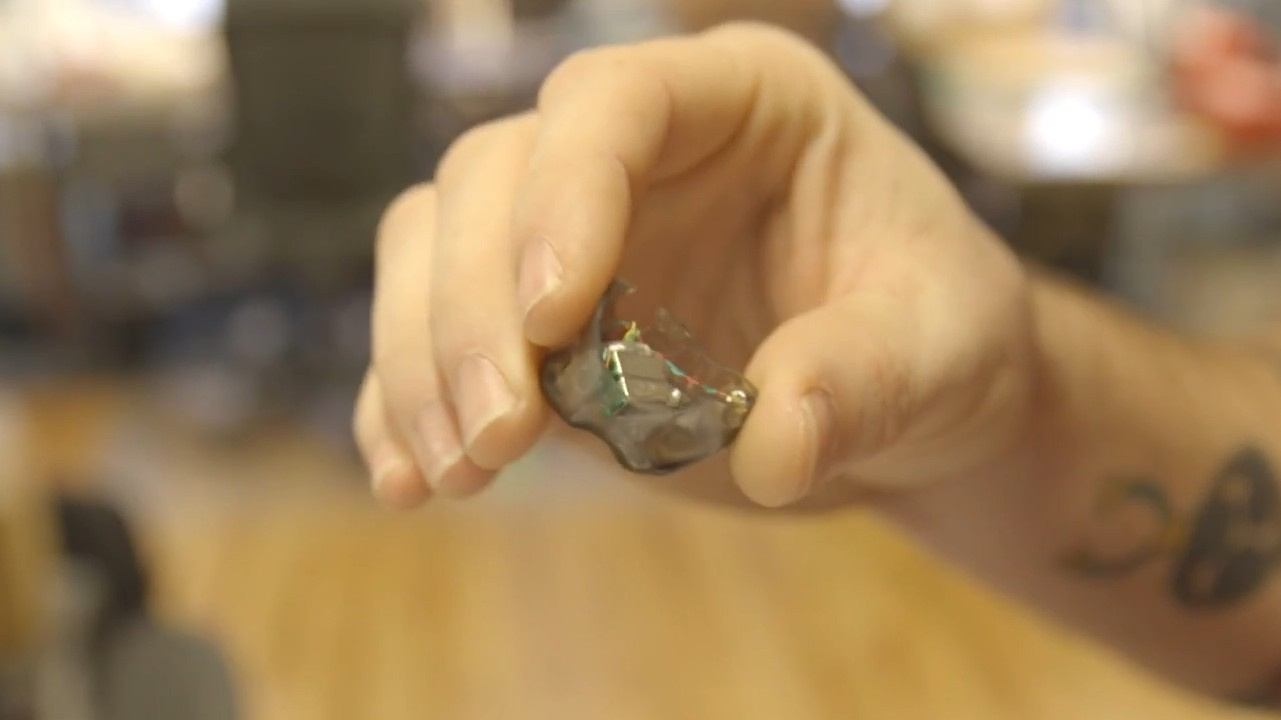
Drivers are responsible for reproducing sound frequencies, and a CIEM may contain one or multiple drivers. To divide the frequency ranges assigned to each driver, crossovers are used. These circuits employ resistors, capacitors, and inductors to distribute the signal appropriately among different transducers. Each crossover is connected to the drivers via small wires.
When a headphone uses only one driver, it is referred to as a “single full-range driver,” meaning that one transducer per side is responsible for reproducing the entire audible frequency spectrum (20 Hz to 20 kHz).
Models that employ more than one driver are called “multi-driver” designs, as multiple transducers are responsible for reproducing specific frequency bands. Various driver technologies are currently used, but the most commonly found are balanced armatures (BAs).
When more than one driver technology is used, the earphone is classified as “hybrid.” In addition to balanced armatures, the most commonly used driver technologies in CIEMs today include:
• Bone conduction drivers
• Dynamic drivers (DD)
• Electrostatic drivers (EST)
• Planar magnetic drivers
To guide the sound from the drivers, silicone and/or metal tubes are used, extending to the nozzle of the earphone. Within each tube, a filter may be installed, if necessary, allowing the manufacturer to fine-tune the sound by attenuating specific frequencies.
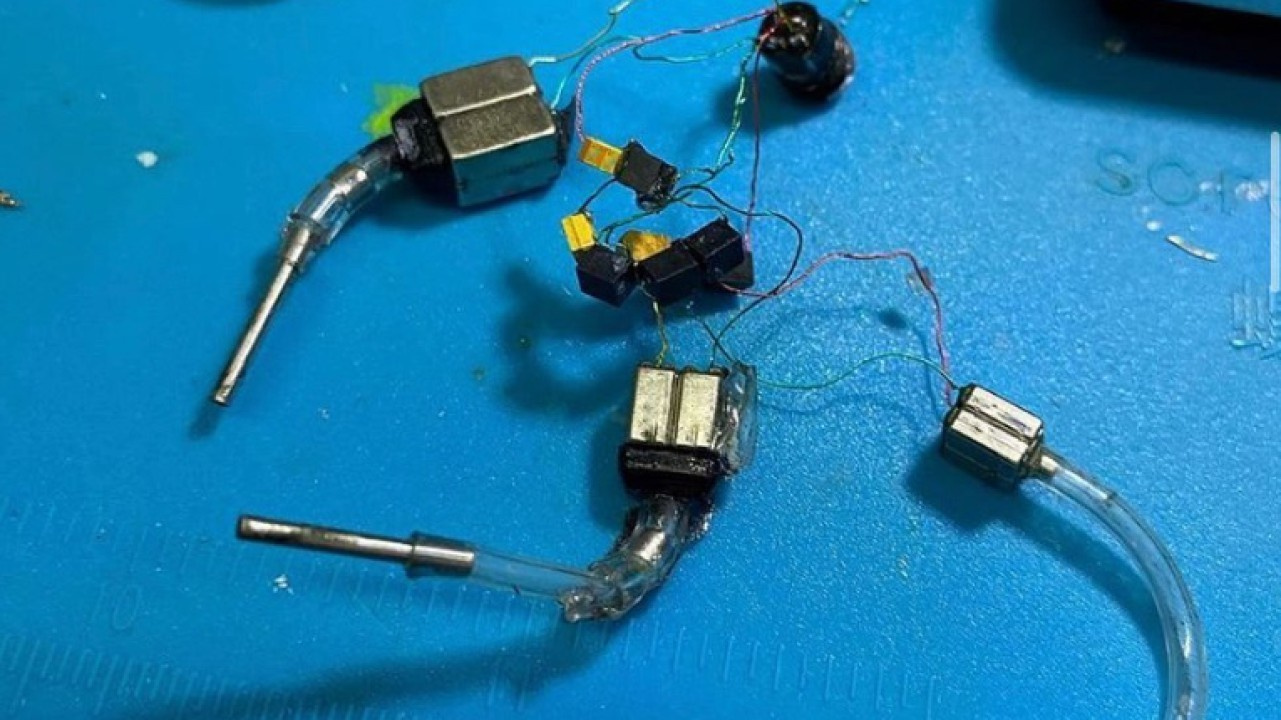
Proper driver positioning is critical, as low, mid, and high frequencies behave differently. Low frequencies require more physical space to fully develop, whereas high frequencies require less space for accurate reproduction.
CIEMs may be worthwhile for individuals seeking a high level of comfort and extreme isolation from external noise. This is particularly relevant for stage musicians and Formula 1 drivers, who are exposed to sound pressure levels (SPL) for extended periods that exceed the limits recommended in Annex 1 of NR-15 (Brazilian occupational health regulation).
A CIEM can attenuate, on average, up to approximately −25 dB without audio playback and may provide even greater attenuation while music is playing. As a result, users do not need to raise the volume significantly to hear clearly.
Due to the sound quality provided by CIEMs, they may also be useful for monitoring in recording studios as a complement to studio monitor speakers traditionally used by audio engineers.
My experience acquiring and using a CIEM was akin to suddenly having a personal soundtrack to my life. After inserting the CIEM into my ears, it felt as though my ears no longer existed and the surrounding environment became silent, leaving only the music. This effect results from the extreme isolation and comfort that I was only able to achieve with a custom-molded in-ear monitor.
In addition to the previously mentioned qualities, the level of detail retrieval and soundstage is often above average compared to universal in-ear headphones. However, this is not a universal rule, as there are numerous in-ear models available and individual preferences for specific sound signatures vary.
The most inconvenient aspect, in my experience, is having to clean the entire shell after each use to remove accumulated skin oils. Even so, the experience is sufficiently unique to make it worthwhile.
The price of a CIEM can vary widely, ranging, for example, from approximately US$99 (e.g., Avara Custom AV1) to US$8,000 (e.g., Unique Melody Mason Asahi). However, excellent sound quality can already be achieved with more affordable models. It is advisable to audition demonstration units whenever possible to make a more informed decision.
If you are unfamiliar with them, demonstration models use ear tips, allowing you to experience the general sound signature of the earphone.
The main companies that manufacture CIEMs include:
• 64 Audio
• Advanced Acousticwerkes (AAW)
• Avara Custom
• Earsonics
• Empire Ears
• FitEar
• JH Audio
• Jomo Audio
• Noble Audio
• Oriolus
• QDC Custom IEM
• Ultimate Ears
• Unique Melody
• Vision Ears
• Westone
Share: