

Final Audio Guide: Brand History and Headphone Lineup
From: Vitor Valeri
A headphone hobbyist for over 15 years, he founded the Hi-Fi Hub website and is an administrator of the "Fones High-End" and "Fones Low-End" groups on Facebook.


Published in: 10/02/26 at 16:08
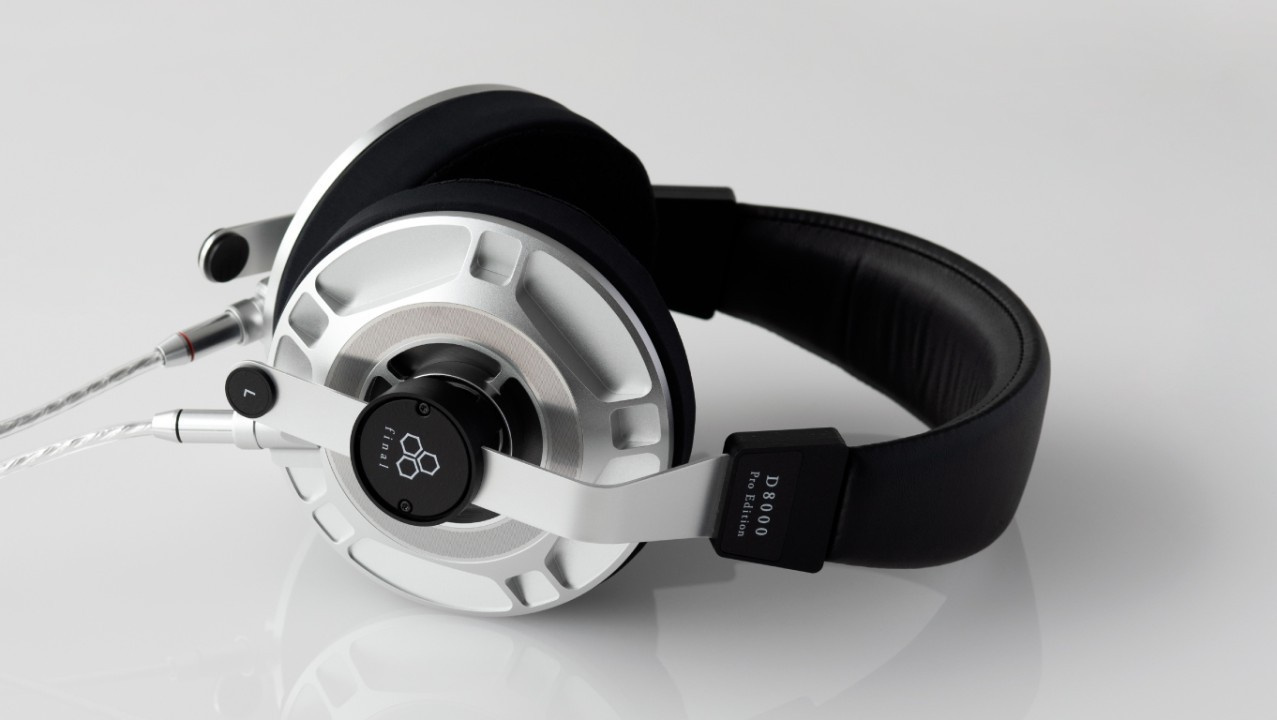
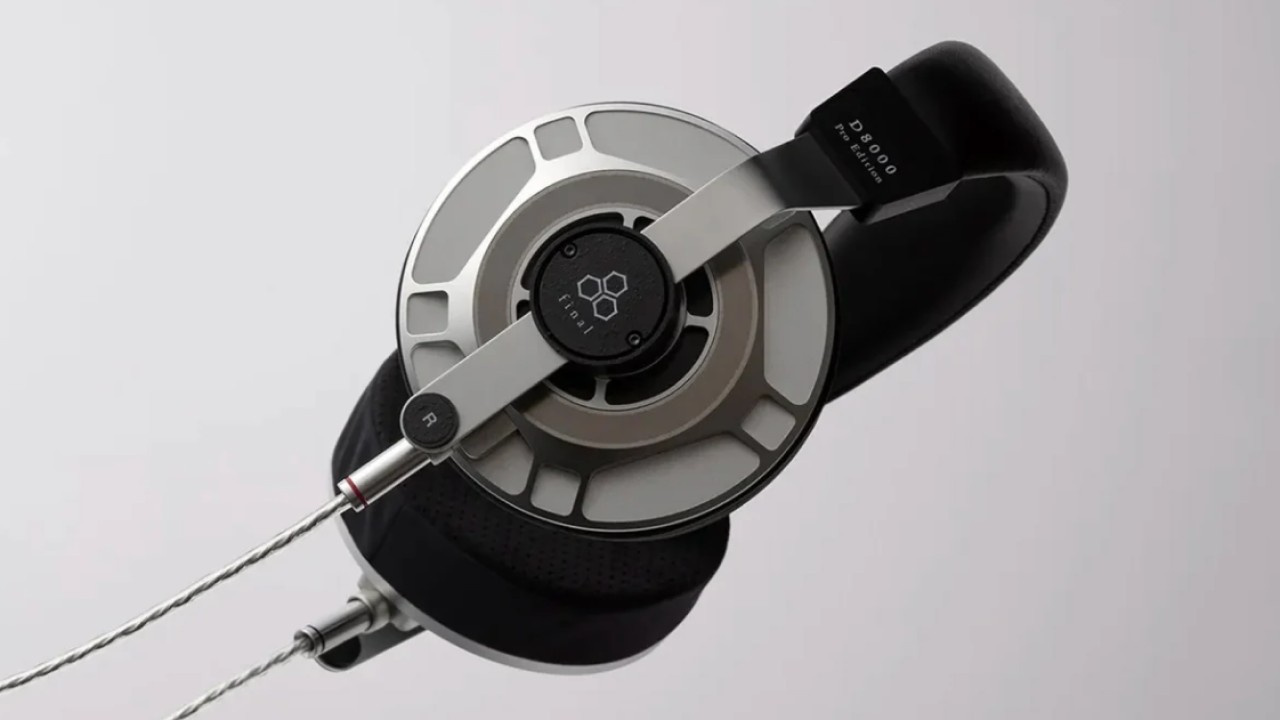 Over-ear headphone Final D8000 Pro Edition (Image: Reproduction/Final)
Final, also known as Final Audio, was founded more than 50 years ago by Kanemori Takai. The company began its business by manufacturing capsules/cartridges/styli for vinyl turntables, as stated in the interview I conducted with one of the company’s engineers. Currently, the brand focuses on the development and production of headphones, offering both wired and wireless options.
There are multiple headphone lines, including in-ear monitor (IEM) and over-ear models. Within each line, it is possible to find different sound signatures and construction approaches, demonstrating that Final Audio adopts a strategy distinct from that of other companies. This approach can ultimately confuse consumers, which is why I created this guide.
History of Final Audio
Founded in 1974 by Kanemori Takai, Final Audio initially produced cartridges (capsules, styli) for turntables. According to Final’s official website, the company’s first product was a turntable cartridge designed by Yoshihisa Mori.
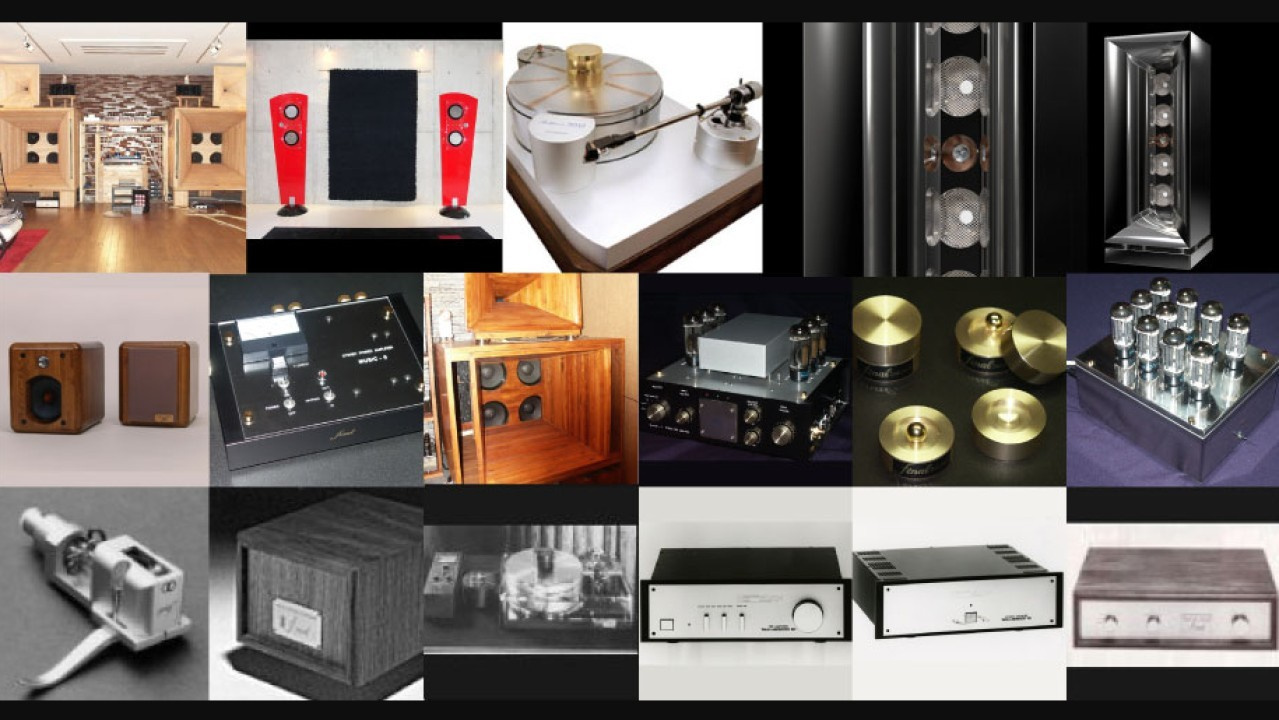
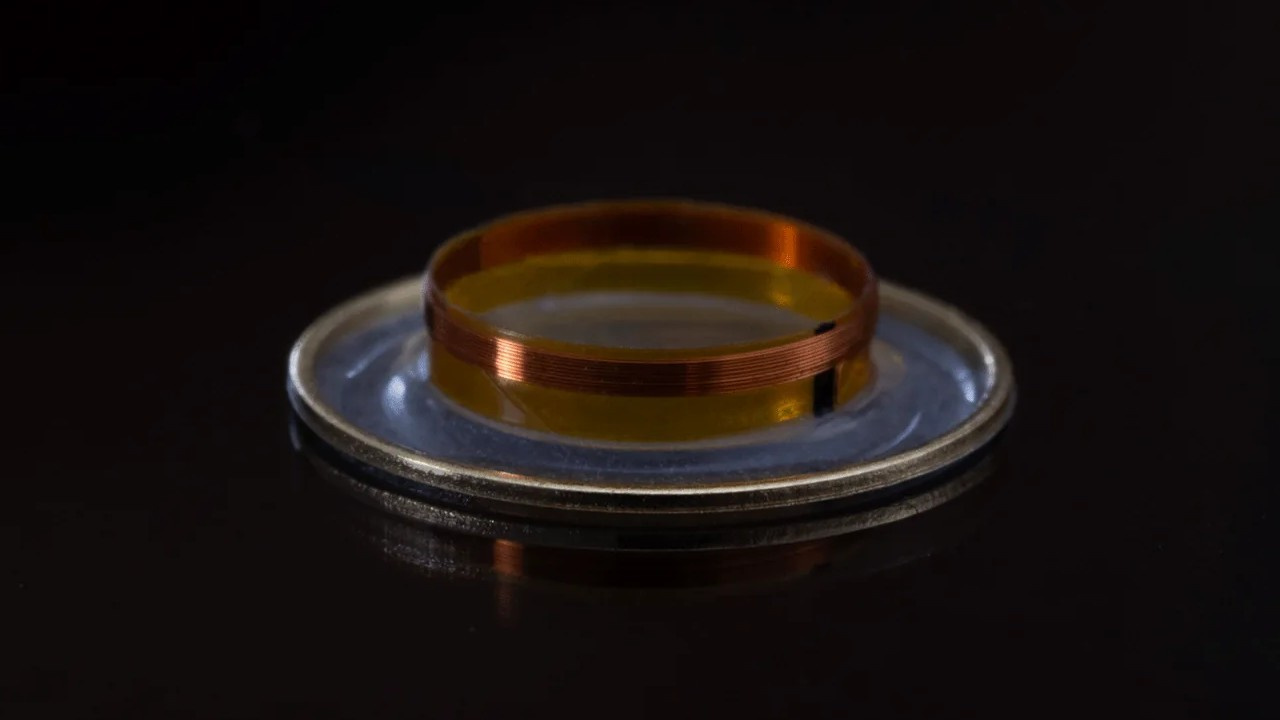
The cartridge “featured an innovative figure-eight-shaped air-core coil and a cantilever carved from a one-carat diamond” and, “free from the influence of adhesives or an iron core, produced an extremely clear sound,” according to the Japanese company. Subsequently, the company developed and manufactured loudspeakers and amplifiers, eventually selling complete audio systems to its customers. Below is an image showing photographs of these products.
In 2007, with the support of Japan Molex, a division of the U.S.-based connector manufacturer Molex, Final’s president Kanemori Takai and Mr. Yamaguchi founded S’NEXT (the former name of Final), which became a subsidiary of Molex. Two years later, Takai and Yamaguchi decided to acquire a headphone manufacturer located in Clark, Philippines.
Following the acquisition of the Philippine headphone manufacturer, S’NEXT began developing headphones under the “final audio design” brand, as well as OEM/ODM products. Shortly thereafter, in 2011, the company began selling products overseas, focusing on Asia and Europe.
To support the distribution of the first headphones under the “Final” brand, S’NEXT established J Co., Ltd. in 2013, a wholesale company serving department stores. One year later, the company decided to acquire all shares of Japan Molex. In addition, Kanemori Takai passed away on June 5, 2014, transferring the business to Mitsuru Hosoo, the current CEO of Final.
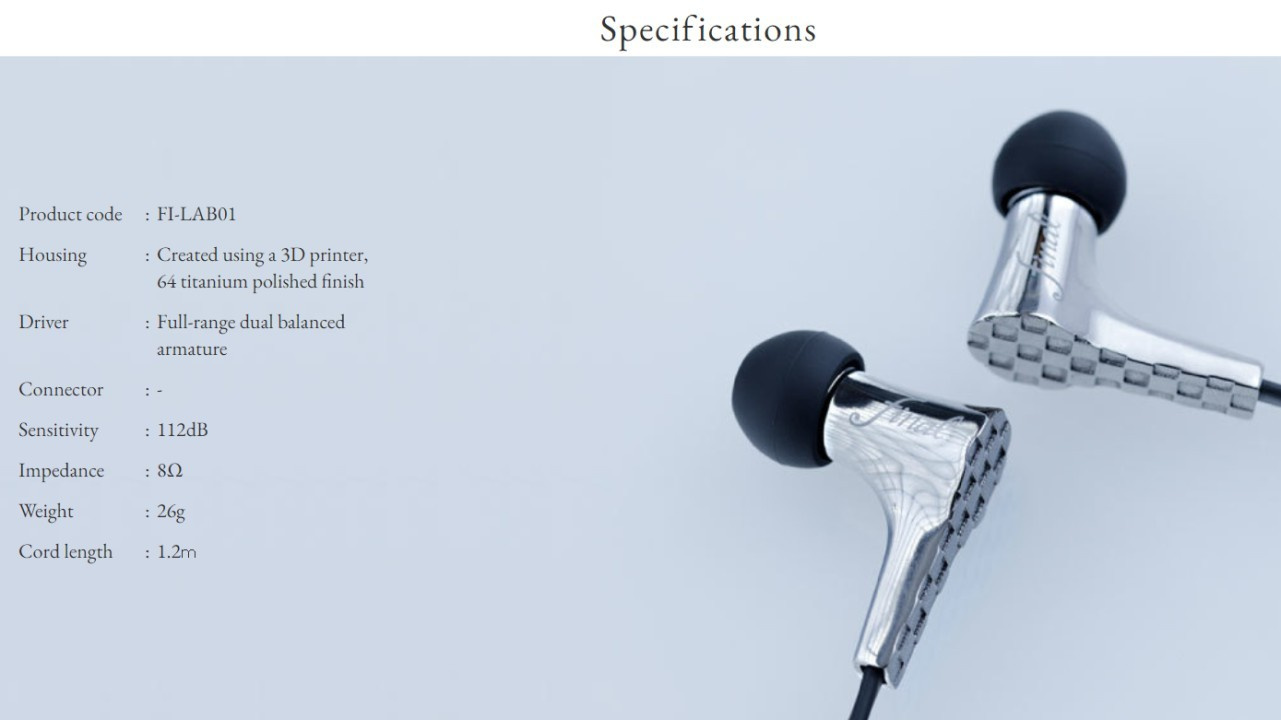
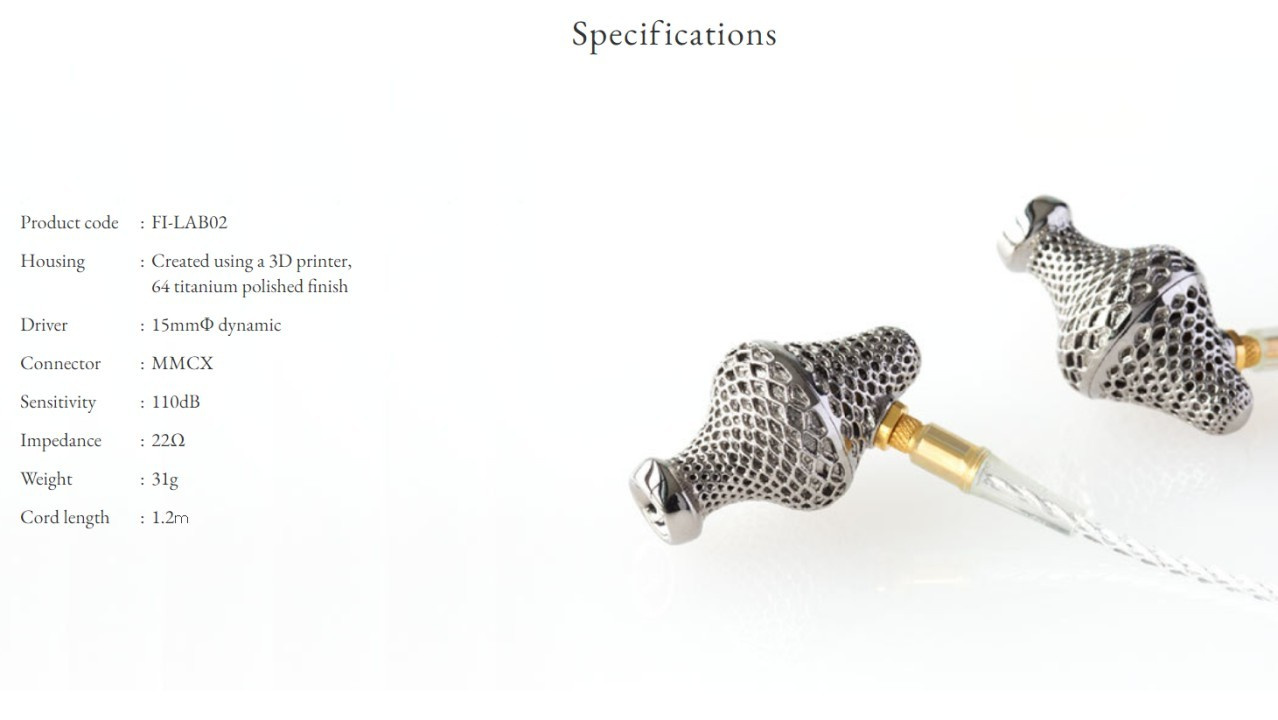
The year 2014 marked a period of significant change for the company. According to Final, the “final audio design earphone and headphone divisions were integrated,” the name was standardized to “Final,” and the logo was redesigned. During this period, the company also collaborated with NTT Data Engineering on the development of a headphone called “LAB I,” the brand’s first model to feature a titanium housing manufactured using 3D printing.
In 2015, Final’s headquarters relocated from Shinagawa (Tokyo) to Kawasaki, in Kanagawa Prefecture. There, the research and development, manufacturing, and logistics departments were structured, and a showroom was established to allow customers to test the products.
In 2019, S’NEXT launched the brand “ag,” focused on wireless headphones. One year later, the company’s corporate name was changed from S’NEXT to final Co., Ltd. It was precisely during this period that I conducted the interview with a Final Audio engineer, which clarified several aspects of the company, as will be discussed below.
Product Development at Final Audio
Final Audio adopts an approach that differs from that of other manufacturers. In my interview with one of the company’s engineers, in response to one of my questions, the following was stated:
“To achieve the best possible sound with what we have, we challenge manufacturing processes that other brands would never consider. Sometimes, even knowing that a particular design will cause many failures during mass production, we are willing to take the risk, because it would be very disappointing not to achieve the true performance we seek by making compromises for the sake of simpler manufacturing.”
To further complement the discussion on Final’s headphone development philosophy, I asked during the interview about what the company prioritizes when selecting materials for its products. The response was as follows:
“There are many aspects to consider when it comes to materials. For example, the materials used in the driver diaphragm need to have good acoustic characteristics, while the housing material (shell or body of the earphone) must be durable. Of course, materials also contribute to the product’s appearance.”
The Final engineer expanded on this explanation by providing additional details regarding driver (loudspeaker) development:
“For the driver diaphragm, the speed of sound, lightness, and thinness are our primary considerations. The speed of sound and lightness are regarded as inherent properties of the material itself. However, not every material is suitable for a diaphragm. There are two main limiting factors. First, some materials may exhibit poor characteristics outside of acoustic performance. If a material has perfect acoustic characteristics but breaks when subjected to vibration, then it is not suitable for a diaphragm. The second limitation is manufacturing technology. Due to the stiffness and elasticity of the material itself, some materials can be processed to become extremely thin, while others cannot. If a lightweight material cannot be processed to achieve the ideal thinness, the final result may end up being heavier than a material that is originally heavier but can be processed to the optimal thickness.
Interestingly, many materials can be improved through the addition of other substances. By doing so, materials that were previously unsuitable can become excellent after modification. However, this process generally takes a very long time.”
In May 2021, the team from the website Tokyo-np conducted an interview with Final Audio employees. In their responses, they reported the existence of an acoustic research department at Final and stated that half of the 40 employees in this unit worked in research-related positions.
Driver Technologies Used by Final Audio
Final Audio currently employs planar magnetic drivers, balanced armatures (BAs), and dynamic drivers (DDs). While planar magnetic drivers are implemented in over-ear headphones, BAs and DDs are used in in-ear monitors (IEMs).
Final Audio Headphone Lines
Referred to as series, each Final Audio line has a specific purpose. Because there are many lines, this has led to some confusion among consumers. To simplify the selection process, the company created product categories to help customers more easily find models that meet their needs. These categories are as follows:
• Wireless earphones (Bluetooth wireless headphones)
• Wired earphones
• Headphones (over-ear headphones)
• Gaming (headphones for gaming)
• ASMR (headphones focused on Autonomous Sensory Meridian Response)
• Remote Work (headphones focused on remote work)
• Study (headphones focused on studying)
Bluetooth Wireless Earphone Category
Within the Bluetooth wireless earphone category, there are Final’s TWS in-ear lines as well as those from REB, a brand that, according to the company, “aims not only for high sound quality but also for a strong focus on functionality, providing users with a truly ‘fun’ experience.” Each model within these series has a specific purpose, as illustrated by the following examples.
The KDT3000, for instance, is designed to be comfortable and to assist with phone calls and listening to audiobooks, radio, and podcasts, without distracting the user from the surrounding environment.
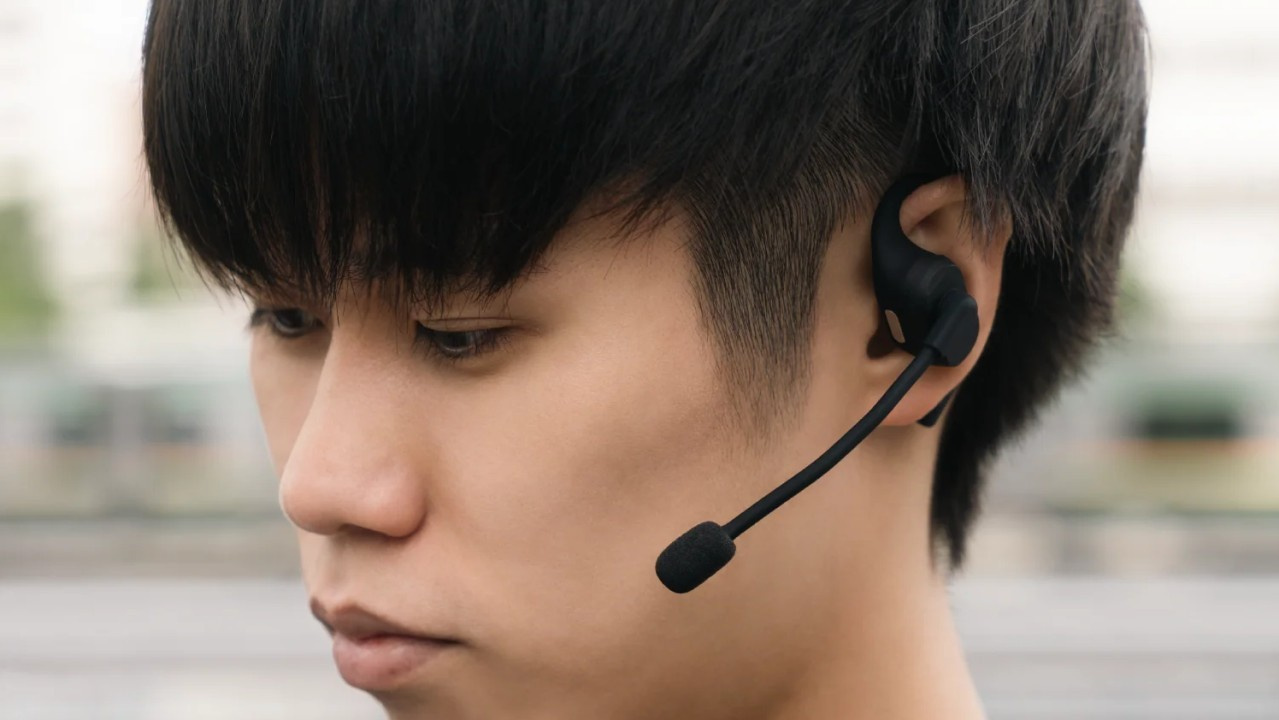
The ZE300 features a body identical to models from the “COTSUBU” sub-brand of “ag.” The focus here was on delivering an affordable, lightweight, and compact earphone with noise cancellation.
Finally, as a last example, the VR3000 Wireless is designed to provide low-latency transmission and active noise cancellation for gaming use.
Within the Bluetooth wireless category, the following lines (series) are available:
• ZE (standard TWS in-ear earphones)
• VR (TWS in-ear earphones for gaming)
• KDT (TWS earbud-style earphones with microphones for clearer voice reproduction)
• UX (standard Bluetooth over-ear headphones)
• GEAR (REB-brand TWS in-ear earphones focused on gaming, movies, and live music videos)
Wired Earphone Category
When selecting the wired earphone category on Final’s website, only in-ear monitors (IEMs) are displayed. This category includes the following lines (series):
• A Series (in-ear earphones with a shape that covers the entire concha of the ear and use dynamic drivers)
• B Series (in-ear earphones with a shape that covers the entire concha of the ear and use balanced armatures, BAs)
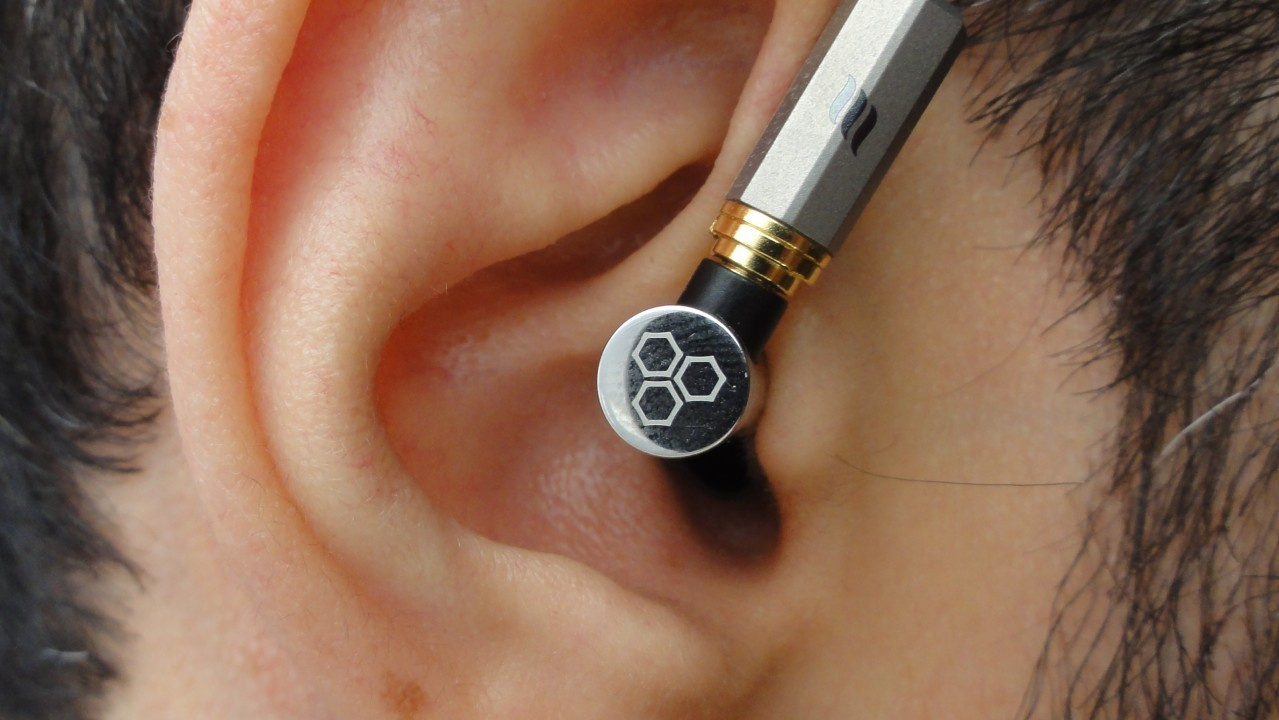
• E Series (compact cylindrical in-ear earphones using dynamic drivers)
• F Series (compact cylindrical in-ear earphones using balanced armatures, BAs)
• Make Series (in-ear earphones that combine the shapes of the B and E series, with the ability to alter the sound by opening the product and replacing filters, including more elaborate solutions such as those found in the Make4)
• Study Series (cylindrical in-ear earphones with a sound signature designed to facilitate studying, prioritizing vocal reproduction)
• VR Series (in-ear earphones developed with sound tuning focused on gaming)
Over-Ear Headphone Category
In the over-ear headphone category, both wired and wireless models are available. The following lines (series) can be found:
• D Series (wired over-ear headphones with planar magnetic drivers)
• DX Series (wired over-ear headphones with dynamic drivers)
• UX Series (standard Bluetooth over-ear headphones with ANC)
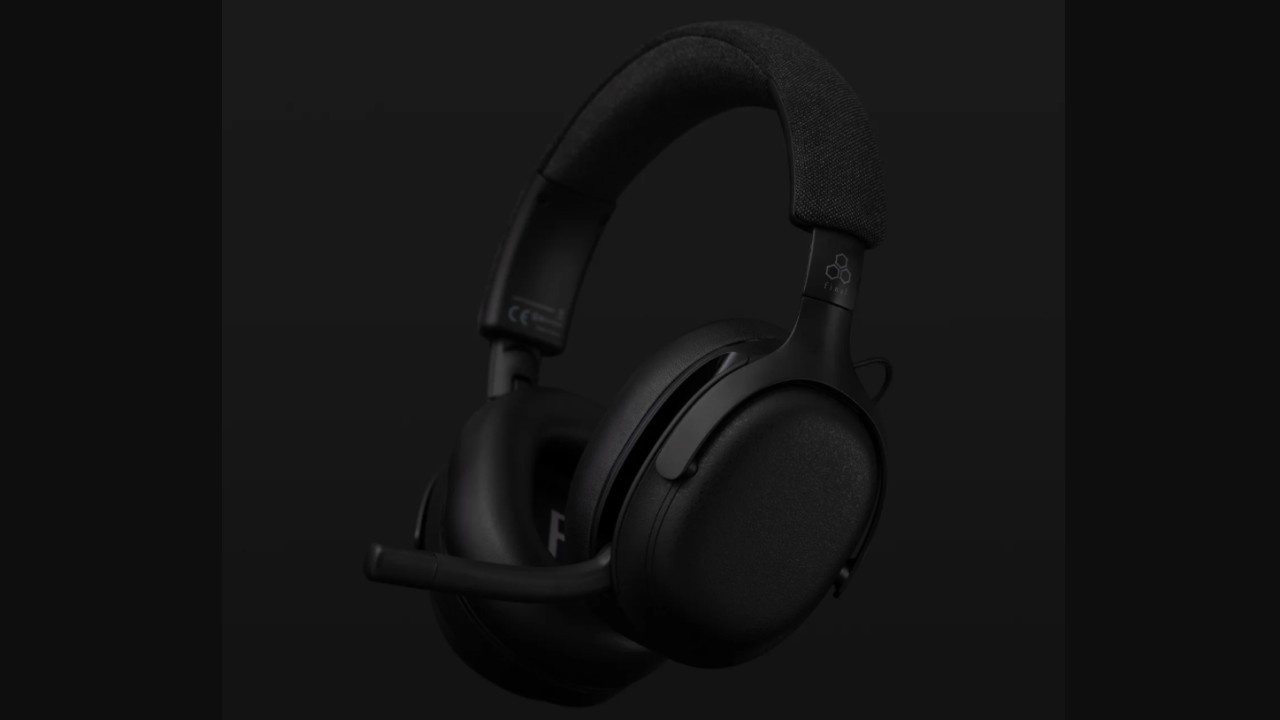
• VR Series (Bluetooth over-ear headphones designed for gaming)
Gaming Headphone Category
Final’s gaming headphone category includes both wired and wireless models. In this case, the following lines (series) are available:
• E Series (cylindrical wired in-ear earphones with sound tuning focused on gaming and ASMR, represented exclusively by the E500 model)
• VR Series (wired and wireless in-ear earphones, along with wireless over-ear headphones)
ASMR Headphone Category
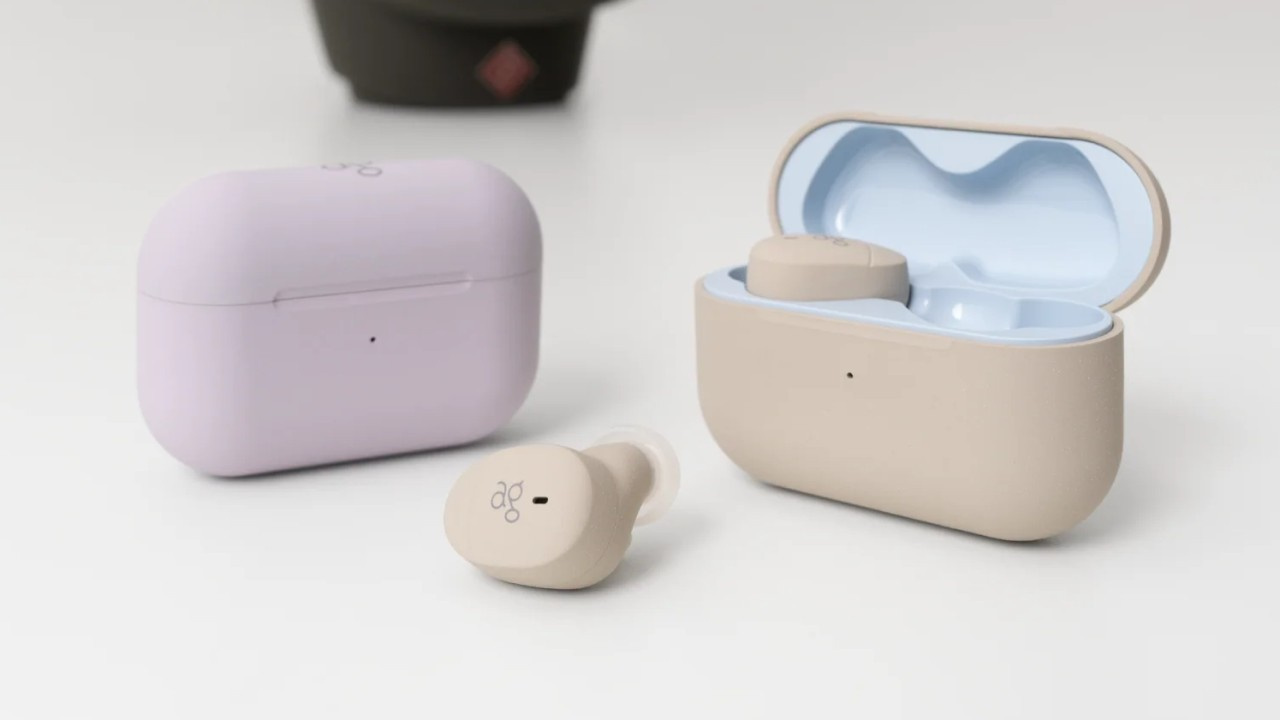
The ASMR headphone category consists solely of the “CATSUBU for ASMR” and “E” lines, with the only models being the Bluetooth TWS in-ear “MK II” and the wired in-ear E500, respectively.
Remote Work Headphone Category
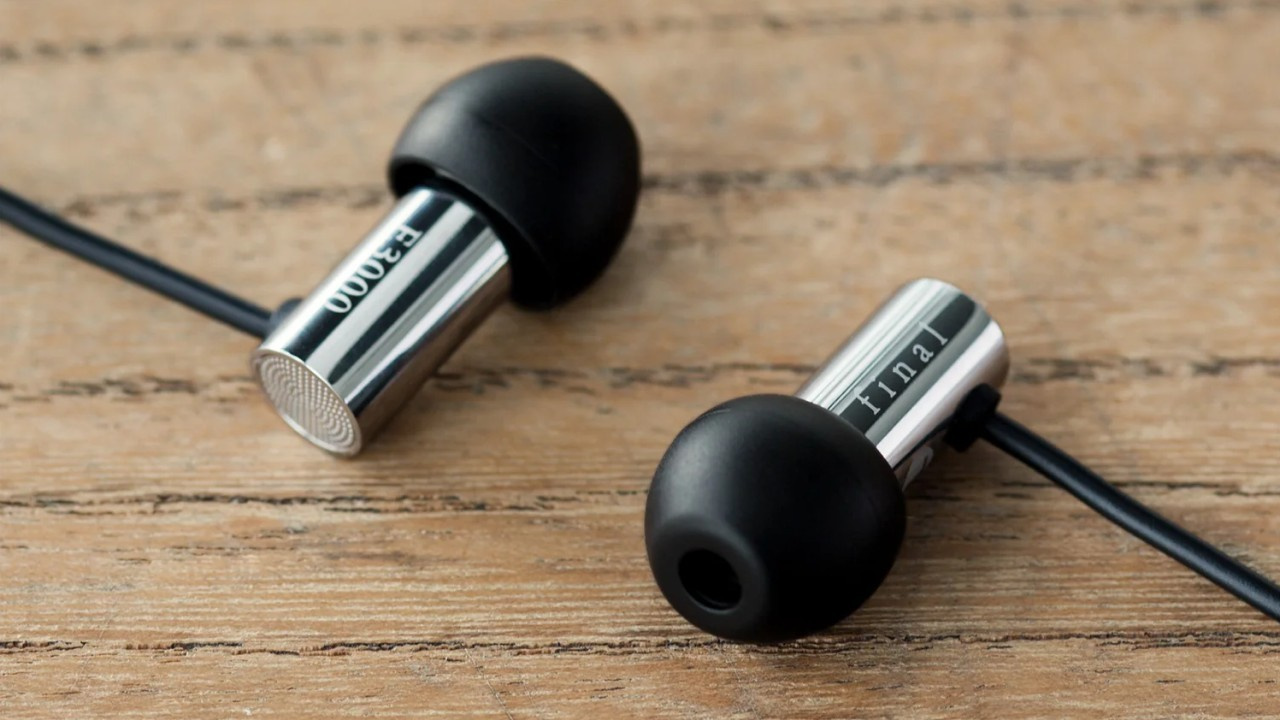
The remote work headphone category is composed exclusively of wired in-ear earphones from the “E” series that feature an in-line microphone. Final recommends the following models:
• Final E1000C
• Final E2000C
• Final E3000C
Note that the letter “C” indicates that the earphone includes an in-line microphone. Models without the letter do not include an in-line microphone.
Study Headphone Category
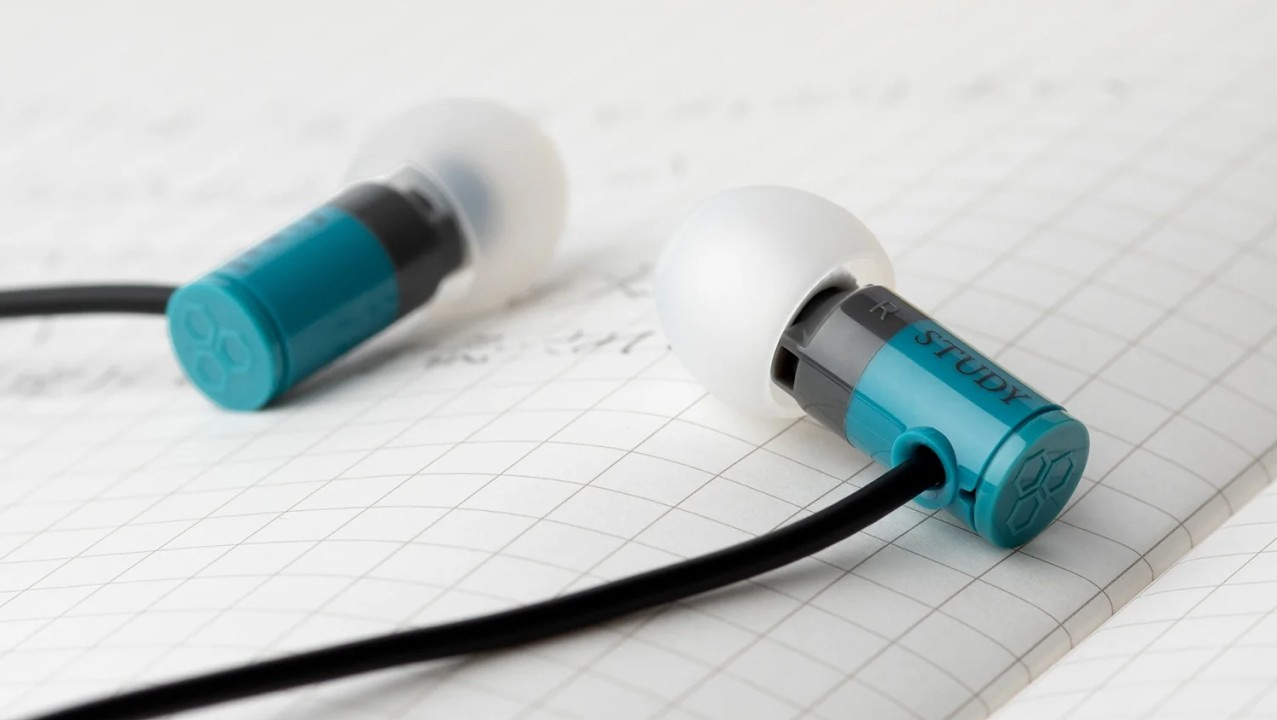
The study headphone category consists of a single Final model, the “Study1.” Through collaborative research with Dr. Kazuhiko Kawahara of the Graduate School of Design at Kyushu University, physical properties were identified that “make speech easier to understand.” According to the company, the result of this work was the “Study1” headphone, which promises to enhance “concentration capacity” on spoken voices.
Share:


No comments have been made yet, be the first!