

What Are Ear Tips? How They Affect Your Experience with In-Ear Monitors (IEMs)
From: Vitor Valeri
A headphone hobbyist for over 15 years, he founded the Hi-Fi Hub website and is an administrator of the "Fones High-End" and "Fones Low-End" groups on Facebook.


Published in: 13/01/26 at 14:32 - Updated in: 16/01/26 at 08:59
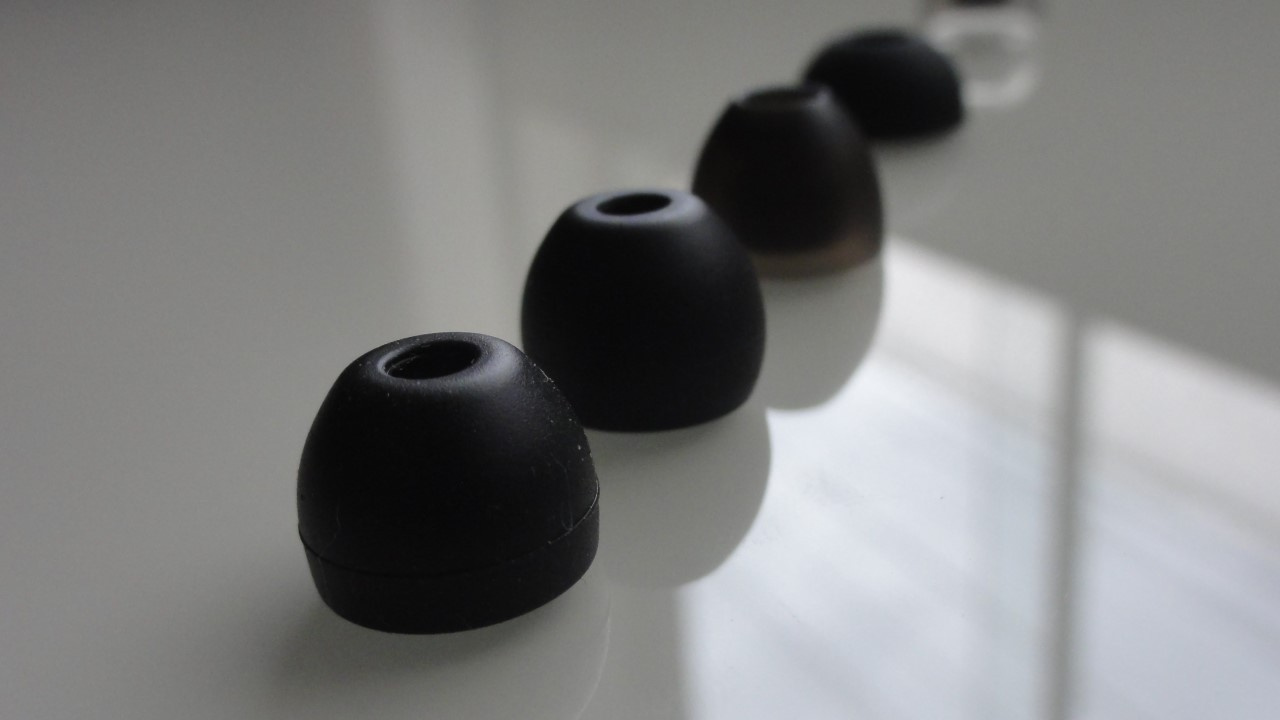 Illustrative image showing how ear tips transform your experience with in-ear headphones (Image: Vitor Valeri/Hi-Fi Hub)
Ear tips are accessories for in-ear monitor (IEM). Their primary function is to assist with the fit in the ear, more specifically within the ear canal (external acoustic meatus). However, they can also influence comfort and the way sound is presented, potentially altering mainly the low and high frequencies. This depends on the physical structure and the materials that make up the ear tips.
What are ear tips?
Ear tips are accessories used on in-ear monitor (IEM) to assist with fixation (fit) in the ear canal (external acoustic meatus). In other words, the main function of ear tips is to prevent in-ear headphones from falling out.
What are the influences of ear tips on in-ear monitors (IEMs)?
Ear tips can influence the following aspects:
- Sound tuning
- Comfort
- Durability
- Isolation
- Retention power / level of fixation
What differs from one ear tip to another?
Ear tips present different characteristics in terms of shape and material. The main factors are:
- Nozzle/bore opening
- Stem length
- Dome diameter
- Material
What is the influence of the nozzle/bore opening of the ear tip?
Depending on the diameter of the nozzle (bore) [1] of the ear tips, they can be classified as:
- Narrow-bore ear tips
- Wide-bore ear tips
- Regular/normal-bore ear tips
[1] The nozzle (bore) of the ear tip is the region located at the top, where the opening is through which the sound from the in-ear headphone exits toward the ear canal.
Ear tips with a narrow bore reduce treble and increase bass, in addition to decreasing spatiality and airiness. This makes the sound darker, slightly reducing definition.
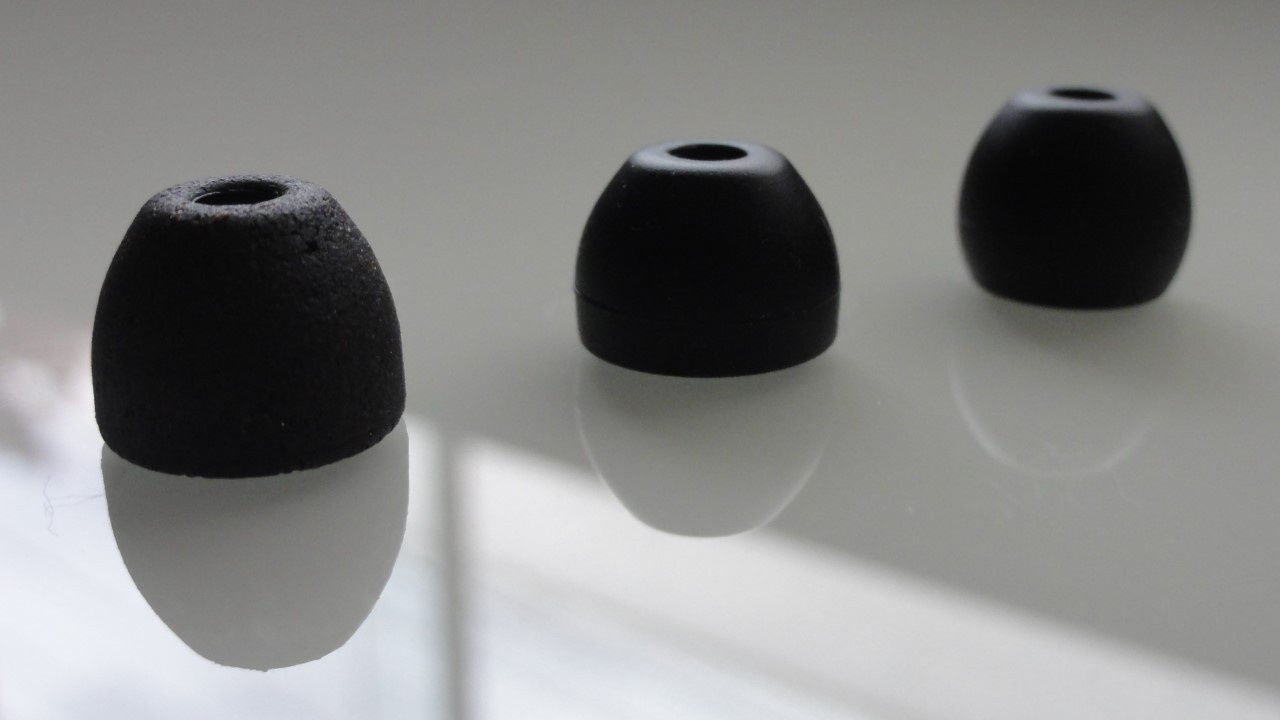
Ear tips with a wide bore emphasize treble, reduce bass, and increase the soundstage. As a result, they usually provide greater clarity and improved instrument separation.
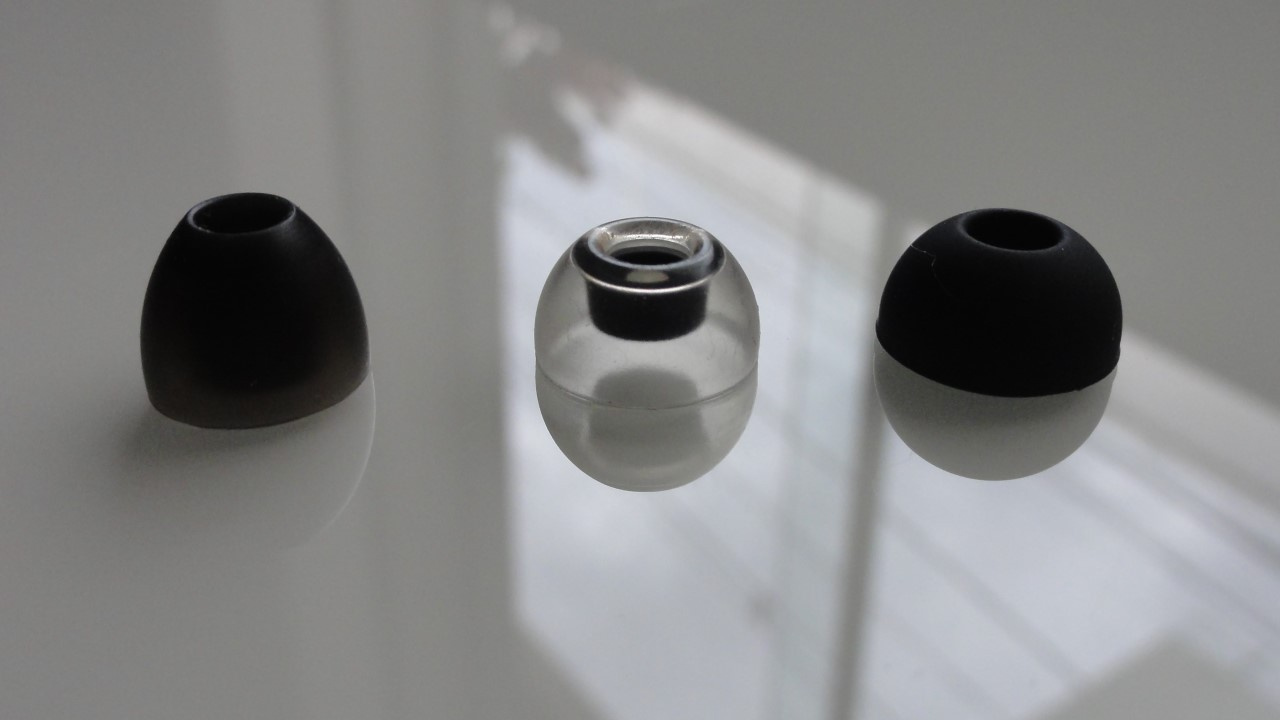
Ear tips with a regular (normal) bore deliver an intermediate balance between the characteristics of narrow-bore and wide-bore ear tips.
How does stem length affect ear tips?
The stem length [2] of the ear tip affects how deeply the ear tip is inserted into the ear canal, which also leads to a classification:
- Deep-insertion ear tips
- Shallow-insertion ear tips
[2] The stem of the ear tip is the central region that supports the dome and fits onto the nozzle of the headphone.
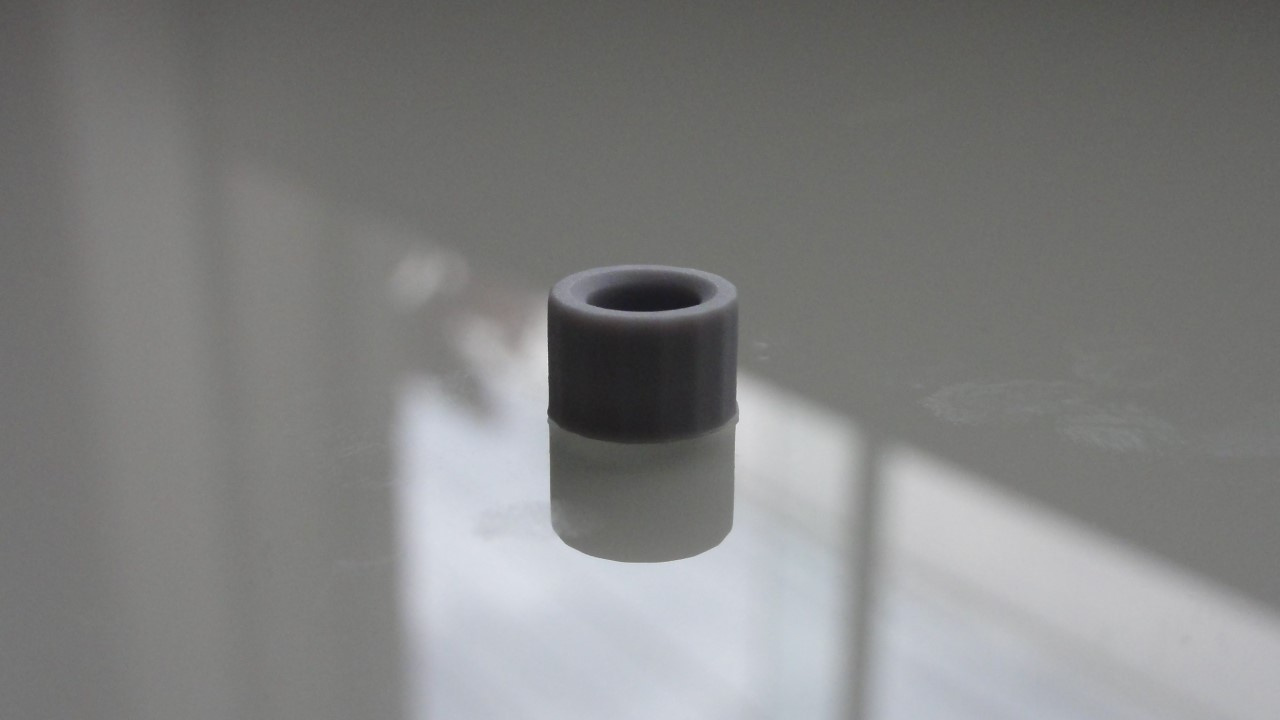
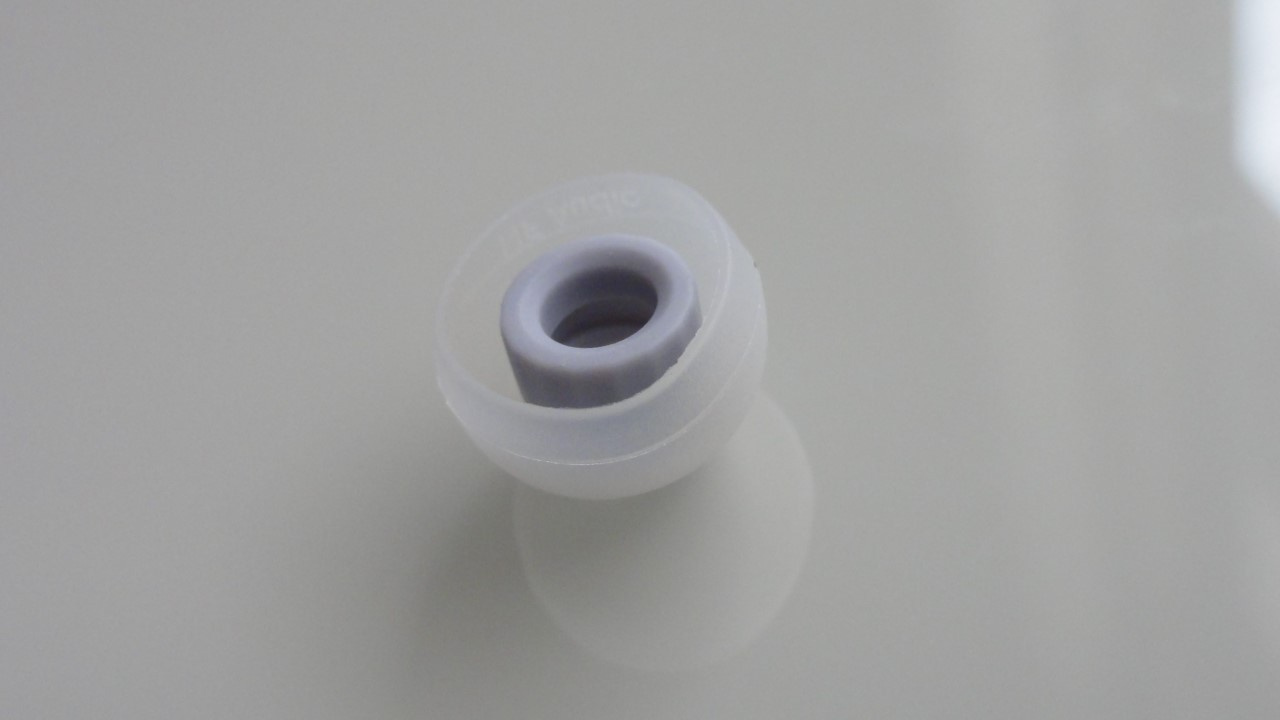
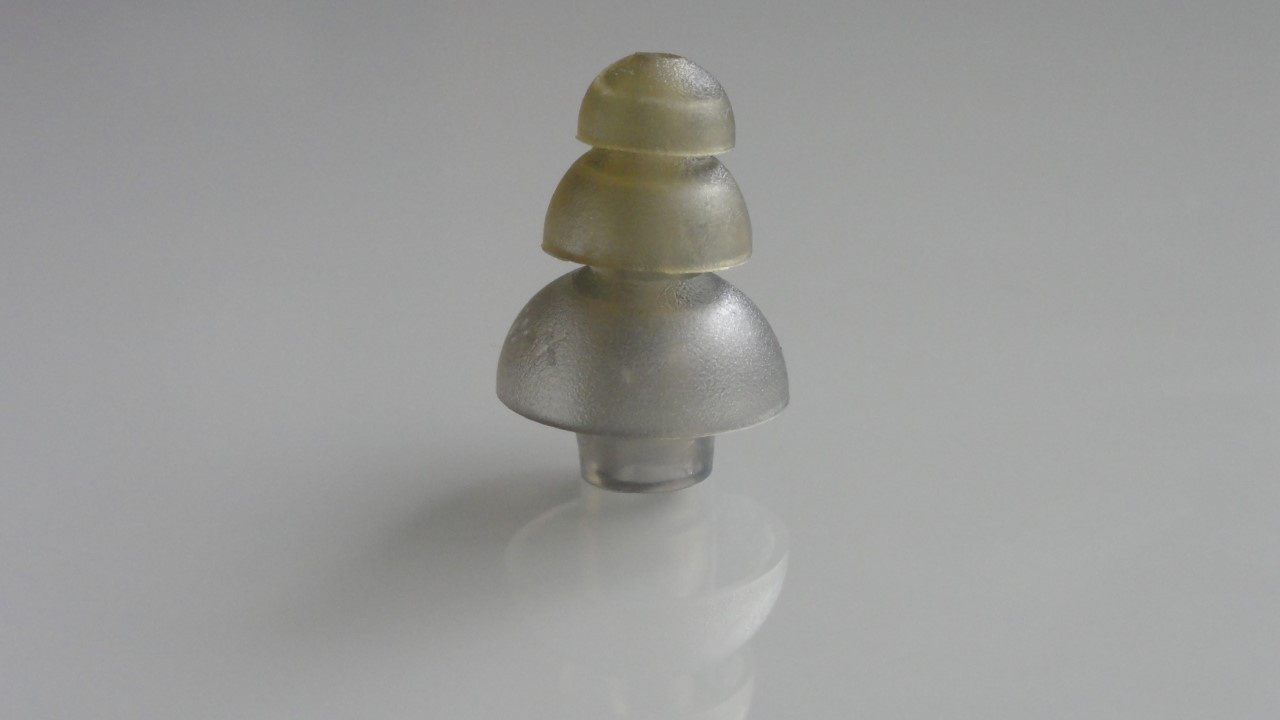
Deep insertion can allow for better passive isolation and help prevent treble boosts caused by resonances generated by the shape of the ear canal. Double-flange and triple-flange ear tips typically provide the deepest insertion.
Shallow insertion depends heavily on the shape of the earphone housing to ensure adequate retention in the ear. This is common in True Wireless Stereo (TWS) in-ear monitors (IEMs), which usually employ shallow-fitting ear tips.
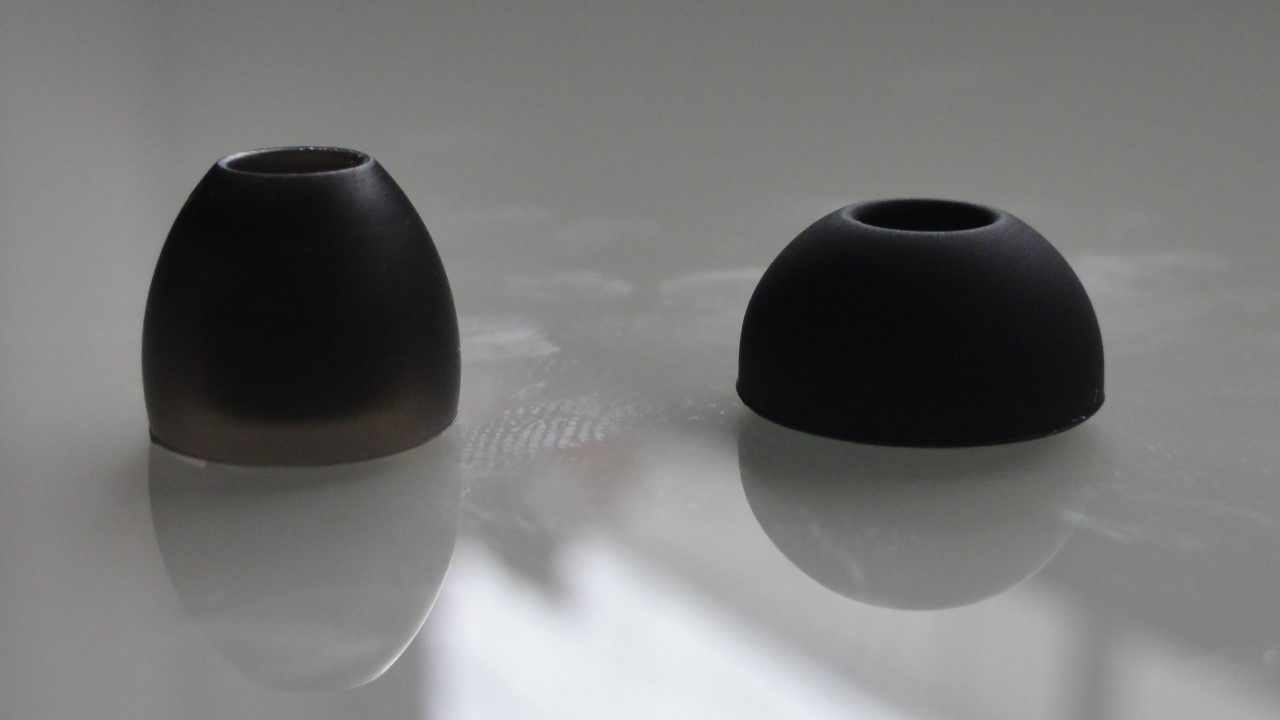
An important point to observe is that the thicker the stem of the ear tip, the better the bass performance. If the stem is too thin, bass impact will be reduced.
How does the dome diameter of the ear tip affect the listening experience?
The dome diameter [3] of the ear tip affects the level of seal in the ear canal and, consequently, the degree of isolation from external noise. If a proper seal is not achieved, bass presence will be significantly reduced, and the headphone sound will become thin and “bright,” with emphasized treble.
It is also worth noting that the thicker the dome, the better the bass performance. If the dome is thin, bass impact will be diminished.
[3] The dome is the part of the ear tip that comes into direct contact with the ear canal.
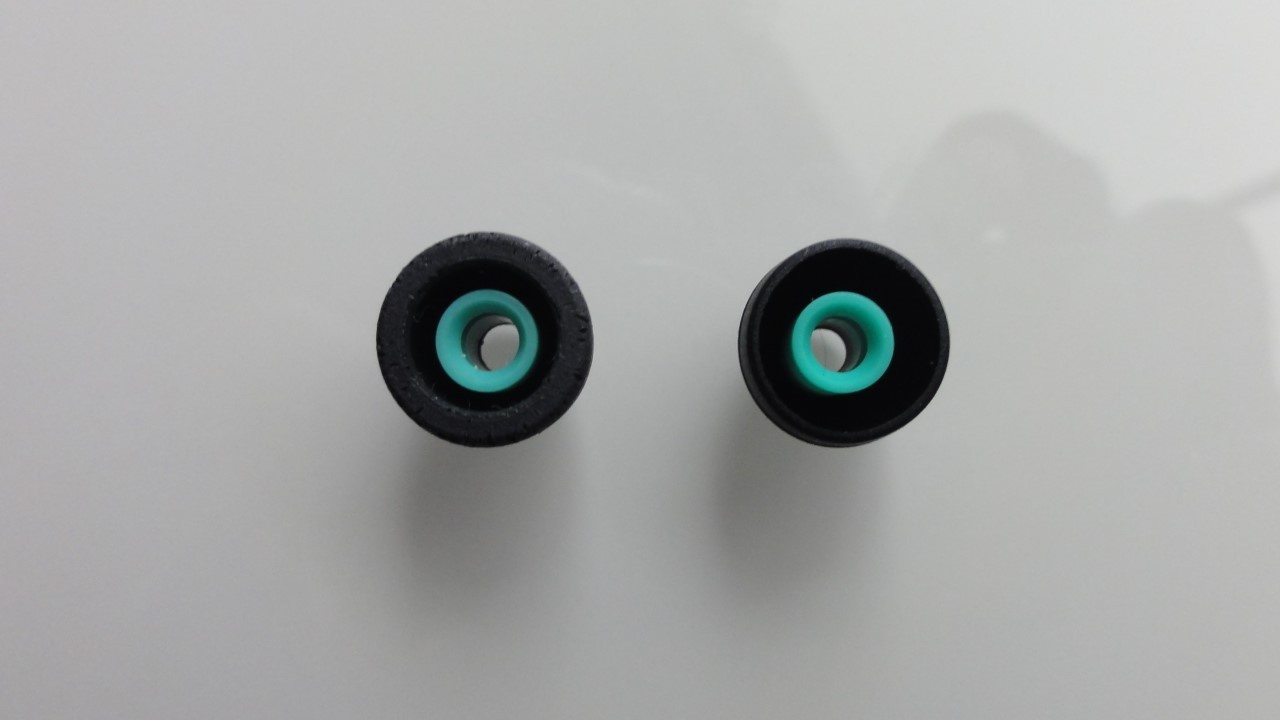
How does the material of the ear tips influence their use?
Depending on the material used in ear tips, the sound signature of the headphone may change considerably. There are three main classifications based on material:
• Foam ear tips
• Silicone ear tips
• Hybrid ear tips
Foam ear tips reduce treble and increase bass. They mold perfectly to the ear, providing a secure fit; however, over time they may develop “memory,” preventing them from returning to their original shape. They are disposable, although they can be cleaned, as explained in the article on cleaning and sanitizing in-ear and earbud headphones. According to the manufacturer Comply, their lifespan is approximately 2 to 3 months.
Silicone ear tips usually provide better tonal balance [4], and their performance depends on the bore diameter and stem length. It should be noted that different silicone formulations present different levels of flexibility and grip, which can improve isolation and comfort. In addition, silicone ear tips are not disposable like foam tips.
Hybrid ear tips combine foam and silicone, potentially delivering strong bass impact, clear treble, and a well-defined soundstage. Another relevant aspect of hybrid ear tips is their greater durability compared to those made exclusively of foam.
[4] Tonal balance refers to the distribution among bass, midrange, and treble.
How can I know if my in-ear monitor(IEM) is compatible with an ear tip?
To determine whether an ear tip is compatible with a in-ear monitor (IEM), two characteristics must be considered:
• The nozzle diameter of the in-ear monitor: to verify whether the ear tip can fit over the nozzle without tearing.
• The stem diameter of the ear tip: due to the elasticity of the material, manufacturers usually specify a range of compatible nozzle diameters.
How to buy ear tips for small ears?
If your ears are small, there are ways to select ear tips that will be more comfortable and fit better in your ear canal:
• Choose ear tips with a dome diameter of no more than 11 mm, with 10 mm being ideal. These are typically size “S” or “SS” (small or extra small).
• Use in-ear monitor (IEM) headphones with a nozzle diameter of up to 5.8 mm.
Which ear tips are good?
There is a wide variety of ear tips currently available on the market, and depending on the headphone used, the sonic result may vary. Therefore, it is important to read reviews carefully. Below is a list of well-regarded ear tips:
• Acoustune AET06
• Acoustune AET08
• ALPEX Hi-Unit HSE-A1000
• Audiosense S400
• Azla SednaEarfit Crystal
• Azla SednaEarFit Vivid Edition
• Azla SednaEarFit XELASTEC
• BGVP A08
• ddHiFi ST35
• Divinus Velvet
• Dunu S&S
• Eletech Baroque
• EPZ Eartips (short cap)
• FiiO HS18 Silicone Ear Tips
• Filter H270 TPE Eartips
• Final Audio Fusion-G
• Final Audio Type E
• JVC Spiral Dot SF
• KB EAR A08 Eartips
• Pentaconn COREIR Nickel-plated Brass Core (PTM01)
• Sony EP-EX11
• SpinFit CP220
• SpinFit CP240
• SpinFit CP360
• SpinFit CP500
• SpinFit OMNI
• SpinFit W1
• Tanchjim T-APB Air Pressure Balance Silicone Eartips T300T
• TangZu Tang Sancai
• TRI Clarion
• TRN T-Ear Tips
Share:



No comments have been made yet, be the first!