

Why Use Wired Headphones?
From: Vitor Valeri
A headphone hobbyist for over 15 years, he founded the Hi-Fi Hub website and is an administrator of the "Fones High-End" and "Fones Low-End" groups on Facebook.


Published in: 20/01/26 at 15:26
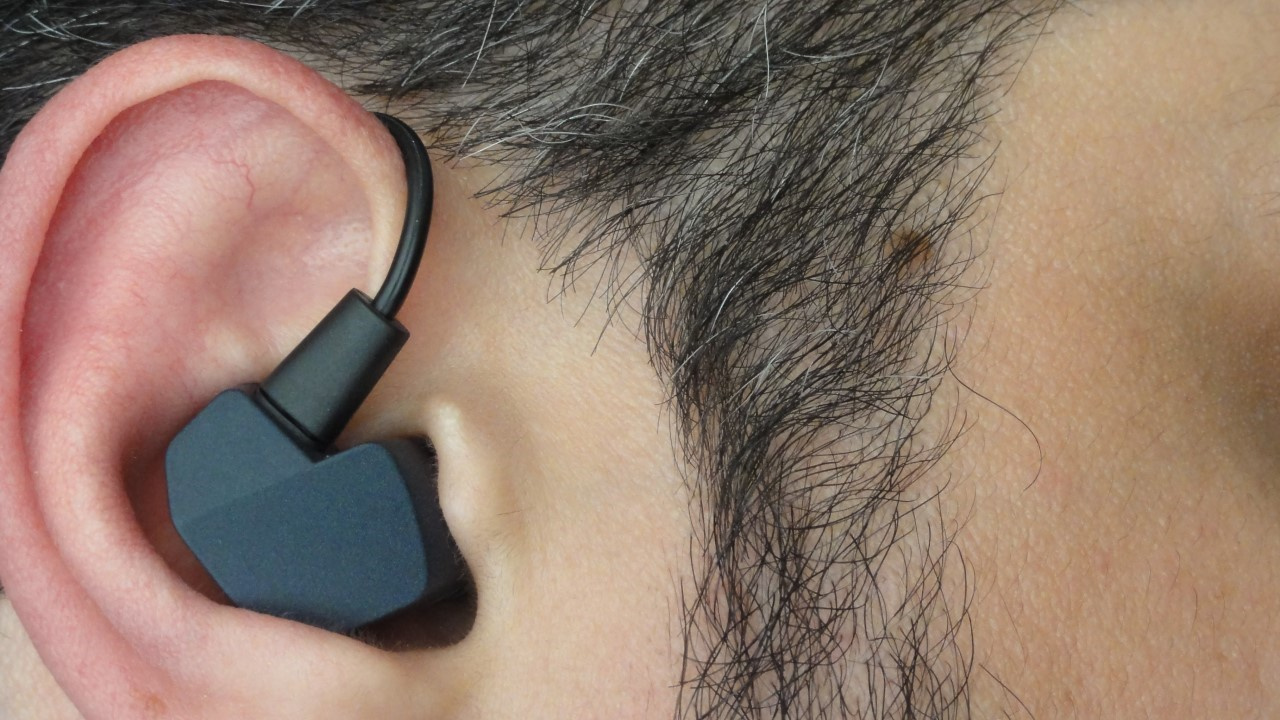 Illustrative image explaining why to use wired headphones (Image: Vitor Valeri/Hi-Fi Hub)
Wired headphones deliver higher sound quality than Bluetooth wireless headphones within the same price range, in addition to being more reliable for everyday use. However, a wired headphone does not offer the same level of convenience as, for example, a TWS in-ear model or a Bluetooth over-ear headphone. In this article, I present a discussion of the advantages and disadvantages of using wired headphones.
What are the advantages of using wired headphones?
When using wired headphones, the following advantages can be highlighted:
• High cost–benefit ratio at lower price ranges (so-called “budget headphones”)
• Zero latency (delay)
• More internal space for acoustic design
• No battery required
• Enables lossless audio transmission
• Possibility of using a removable cable
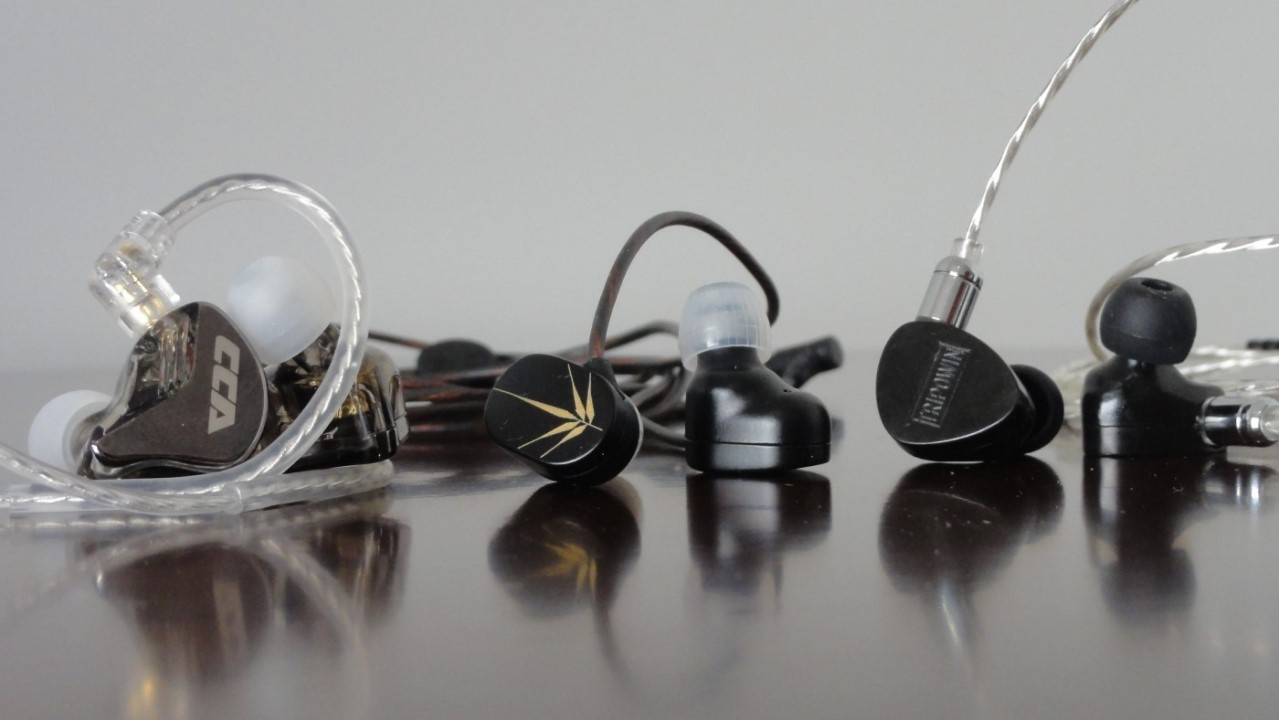
Why do wired headphones offer a high cost–benefit ratio at “low prices”?
Wired headphones provide a high cost–benefit ratio at lower price ranges because they contain fewer components when compared to wireless headphones. In Bluetooth headphones, there are several additional components besides the drivers (speakers), such as batteries, DACs, amplifiers, Bluetooth antennas, processors, microphones, and sensors.
Furthermore, due to the Chinese headphone market, there is currently a wide variety of in-ear monitors (IEMs) and earbuds available in the US$10 and US$20 rice ranges. In addition to being portable, these types of headphones are more amplifier-friendly.
Since in-ear headphones and some earbuds do not require demanding amplification, due to their high sensitivity and low impedance, it is inexpensive to obtain a portable DAC/amp (“dongle,” “USB headphone adapter”) that costs less than US$20. Moreover, there are currently models equipped with USB-C cables that integrate an internal DAC/amp, which further simplifies usage for the consumer.
Why do wired headphones have zero latency (delay)?
Wired headphones exhibit zero latency because the transmission speed of the electrical signal through the metallic filaments of the cable is extremely high. In contrast, Bluetooth wireless headphones require audio data compression in order to reduce file size and enable faster signal transmission.
Why do Bluetooth wireless headphones require audio compression?
Audio transmitted to Bluetooth wireless headphones must be compressed in order to reduce the size of the audio file. This is necessary for two main reasons:
• Bluetooth bandwidth is limited, which prevents the use of high bitrates (for example, 1411 kbps, equivalent to CD quality).
• The higher the data rate (bitrate), the greater the latency (delay), which negatively affects the experience when watching videos or playing games.
Due to these factors, Bluetooth audio formats are lossy and involve degradation of sound-related data, as explained in the article “What Is Lossless Audio? How Do Music File Formats Work?”.
Why is there more internal space in wired headphones?
Wired headphones have more internal space because their structure contains only the driver (speaker). This allows engineers greater freedom to work on acoustic design, which is essential to achieve high sound quality. In Bluetooth headphones, this space is reduced because it is occupied by additional components such as the battery, DAC, amplifier, Bluetooth antenna, microphones, and other electronic parts.
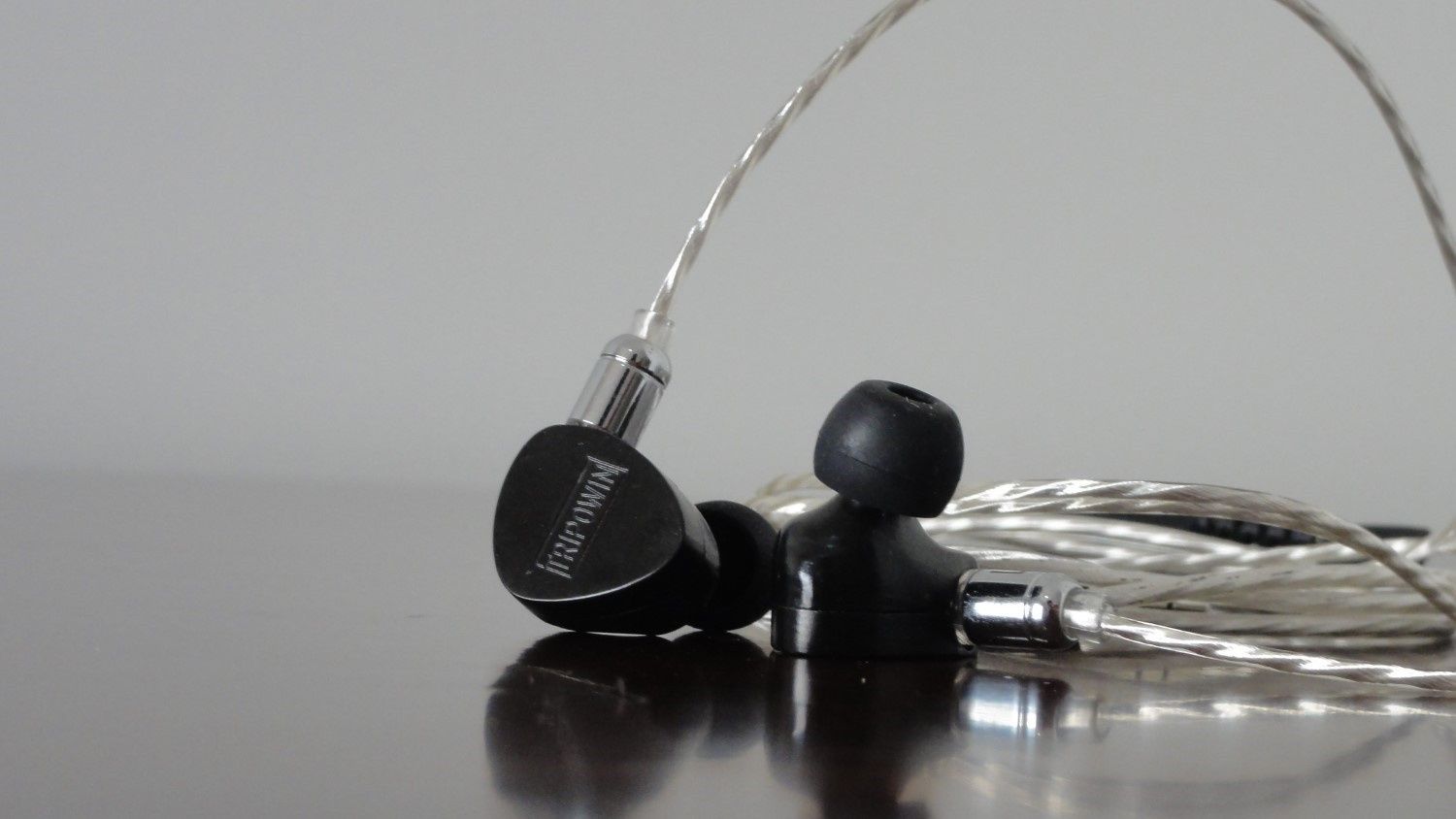
What are the advantages of not having a battery in wired headphones?
The advantages of not having a battery in wired headphones are as follows:
• Greater durability, since there is no need to worry about a limited number of charge cycles.
• No time limitation for continuous use, allowing operation for many consecutive hours.
The number of battery cycles refers to how many times a battery has been charged and discharged. Once a certain number of cycles is reached, battery life decreases significantly, making replacement necessary. Since battery replacement in Bluetooth headphones is, in most cases, impossible, the overall usability of the product becomes time-limited.
Why do wired headphones allow lossless audio transmission?
Wired headphones do not face limitations when handling the amount of data used in audio files. For instance, they are capable of transmitting music with a bitrate of 12,288 kbps, which corresponds to a stereo (two-channel) audio file with 32-bit/192 kHz resolution. Bluetooth, on the other hand, has a bandwidth limitation that prevents the transmission of truly lossless audio files, even at 1,411 kbps (CD quality).
To illustrate this more clearly, Sony’s Bluetooth audio codec LDAC reaches a maximum bitrate of 990 kbps, while Qualcomm’s aptX Lossless codec reaches up to 1,200 kbps. It is important to note that, in this process, compression and decompression involve data loss related to the musical signal, and the algorithm attempts to reconstruct the original information during decompression.
Why can removable cables be an advantage for wired headphones?
Removable cables are an advantage because they prevent the entire headphone from becoming unusable when the cable develops a faulty contact. In addition, replacing the cable can improve comfort, durability, and practicality. Higher-quality cables generally exhibit less microphonics, are lighter, softer, and have less “memory,” resulting in a superior user experience.
What are the disadvantages of using wired headphones?
When using wired headphones, the following disadvantages may be observed:
• Lack of active noise cancellation (ANC)
• Absence of a microphone, depending on the model
• Potential reduction in portability and mobility
• Cable vulnerability to damage
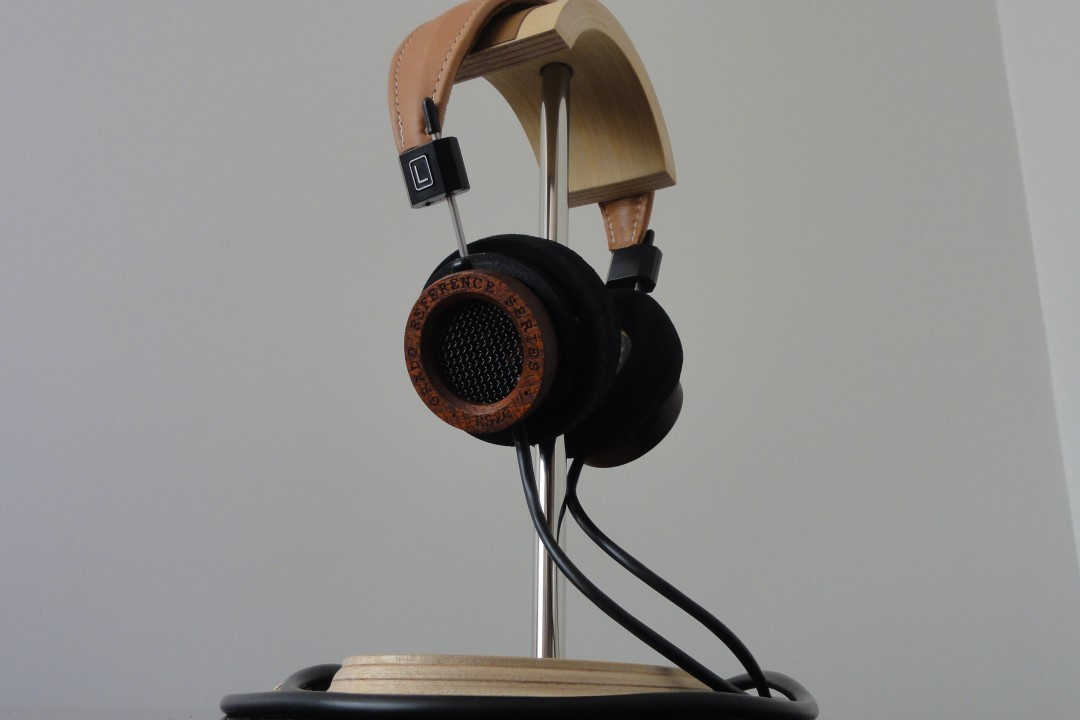
Why can the absence of active noise cancellation (ANC) be a disadvantage for wired headphones?
Most wired headphones do not include active noise cancellation (ANC) and rely solely on passive noise isolation, which is achieved through the physical structure of the headphone (housing, ear tips, ear pads). As a result, there is a risk of weak isolation depending on the design and shape of the wired headphone.
If passive isolation is insufficient, wired headphones may be at a disadvantage in protecting the user from environmental noise. However, there are models that provide such effective isolation that they can outperform ANC headphones in this respect (for example, in-ear models from the brand Etymotic).
This occurs because ANC systems use external and internal microphones to analyze ambient noise and the audio signal in order to determine which sounds must be canceled. To generate silence, the system produces a sound wave identical to the environmental noise but with inverted phase, thereby canceling the unwanted sound.
Since active noise cancellation is more effective for steady, continuous sounds (such as engine noise), it tends to be less efficient for sudden or irregular noises, such as voices or hand claps.
Why can it be problematic for a wired headphone to lack a microphone?
If a wired headphone does not include a microphone, it cannot be used for phone calls or online meetings, for example. However, this limitation can be addressed, since many models feature removable cables, and cables with integrated microphones are commercially available.
Why can wired headphones reduce portability and mobility?
Using wired headphones can reduce portability and mobility because the user must carry a playback device that remains physically connected to the headphones at all times. Consequently, it often becomes necessary to connect a DAC/amp (“dongle,” “USB headphone adapter”) to a smartphone or to use a Digital Audio Player (DAP).
Why are the cables of wired headphones vulnerable to damage?
The cables of wired headphones can become highly vulnerable to damage when the headphones are used during physical exercise, as constant twisting and bending occur. These mechanical stresses reduce the lifespan of the cable, as explained in the article “How to Take Care of Your Headphone Cable to Make It Last.”
Share:


No comments have been made yet, be the first!