

How to Choose the Best Earbuds for the Gym
From: Vitor Valeri
A headphone hobbyist for over 15 years, he founded the Hi-Fi Hub website and is an administrator of the "Fones High-End" and "Fones Low-End" groups on Facebook.


Published in: 06/03/26 at 21:25
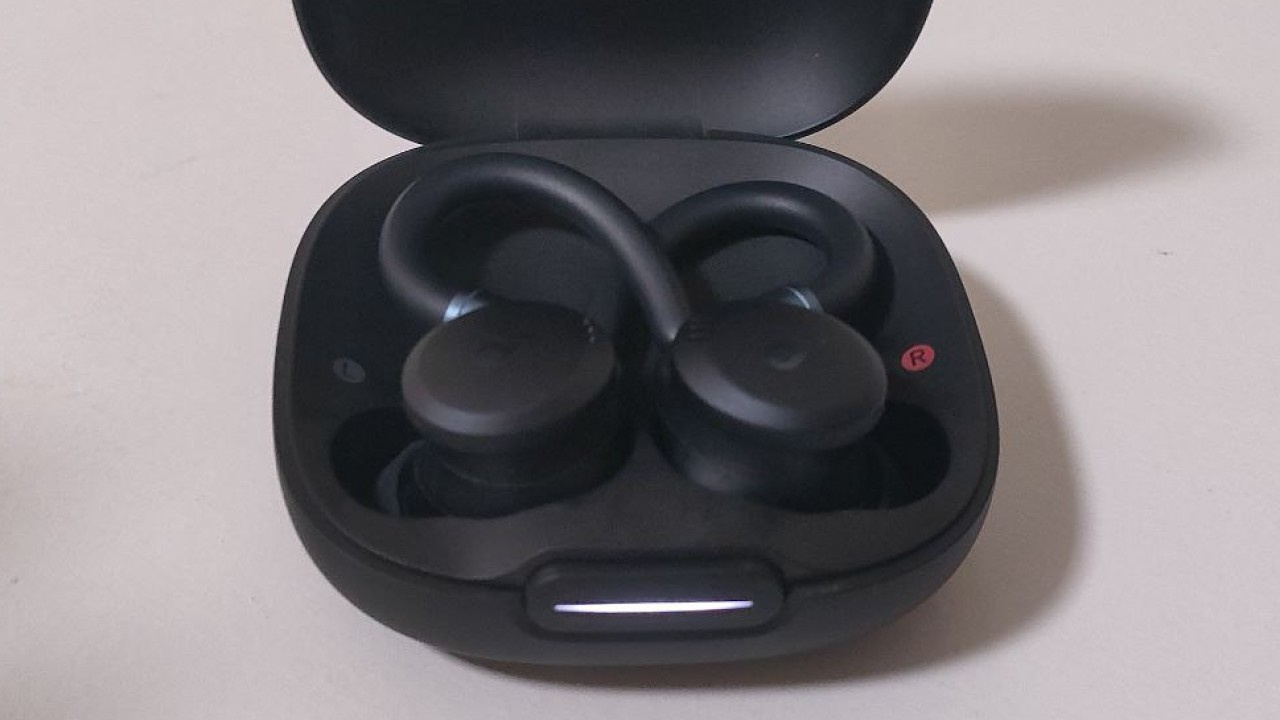
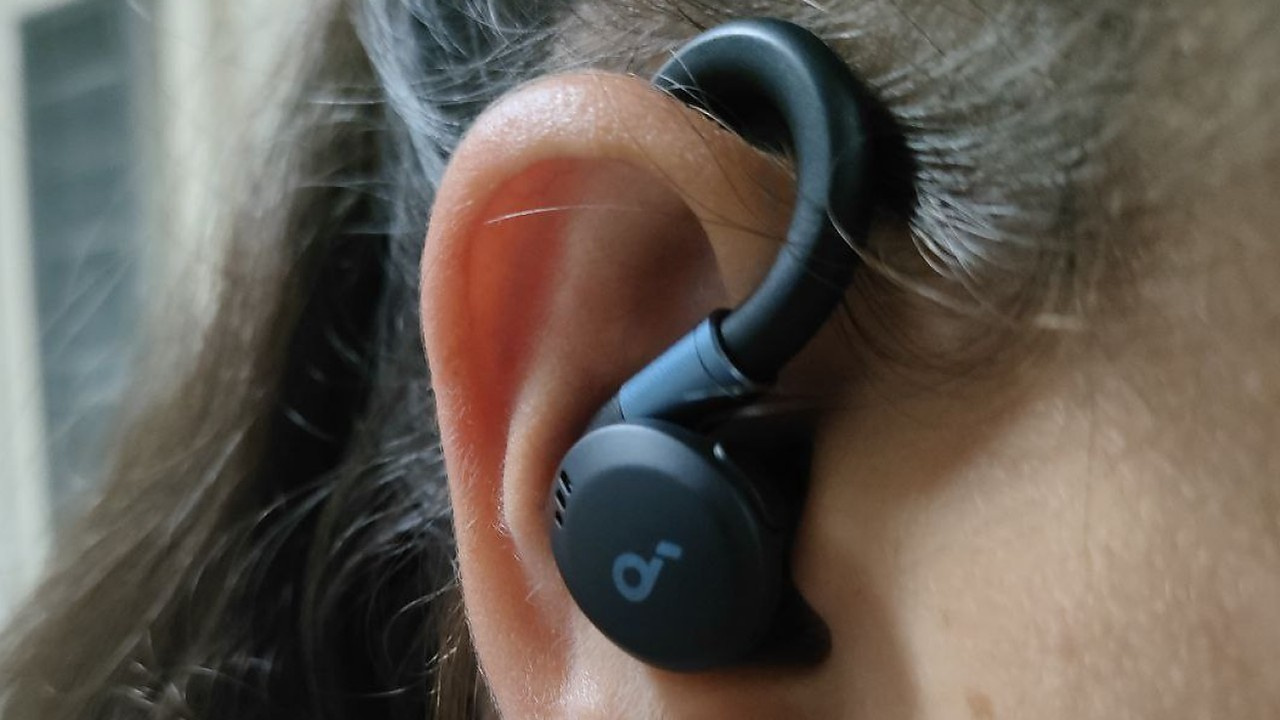 Anker Soundcore X20 Bluetooth TWS wireless in-ear earbuds (Image: Marileia Vicente)
Knowing how to choose headphones for weight training at the gym or for running is essential to avoid wasting time and money. After experimenting with various solutions developed by manufacturers, I arrived at a set of basic characteristics suitable for this type of activity. In this article, learn what to consider in order to avoid disappointment with your next purchase of sports headphones.
Why choose headphones designed for gym workouts or running?
The main reasons for seeking headphones for gym workouts or running can be summarized into four factors:
- Comfort
- Exposure to sweat
- Stability in the ear
- Responsiveness of touch controls
Types of headphones suitable for the gym and running
There are certain types of headphones that are better suited for gym workouts and running. Although you may see people using a particular type of headphone at the gym, this does not necessarily mean it is the best option. Below, I explain the reasons for choosing one type over another.
Recommended types of headphones for workouts
For workouts and sports in general, I recommend in-ears monitors (IEMs). Their main advantages include:
- A secure fit in the ear, providing good stability
- Easy cleaning and hygiene of the ear tips and the headphone housing
- Better isolation from external noise in very loud environments
- Thermal comfort, since they do not cover the ears
Examples: Anker Soundcore X20, Sennheiser Momentum True Wireless 4, and Sennheiser Momentum Sport.
Recommended reading
• What Are Ear Tips? How They Affect Your Experience with In-Ear Monitors (IEMs)
• How to Clean and Sanitize In-Ear Headphones or Earbuds
• What Influences the Comfort of In-Ear Monitors (IEMs)?
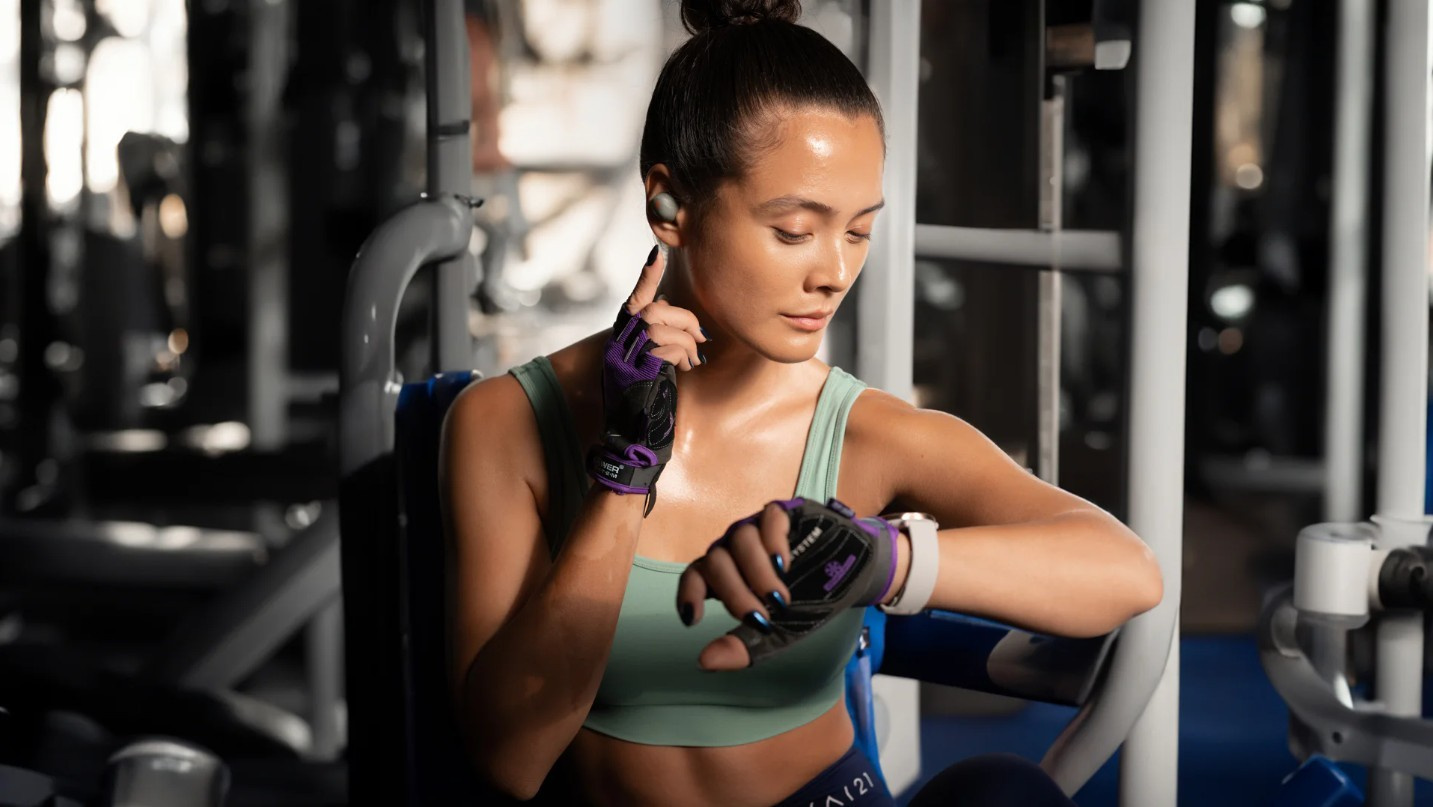
Types of headphones to avoid purchasing for workouts
Some types of headphones are not recommended for use during workouts. Below are the main categories and the reasons why I do not recommend them.
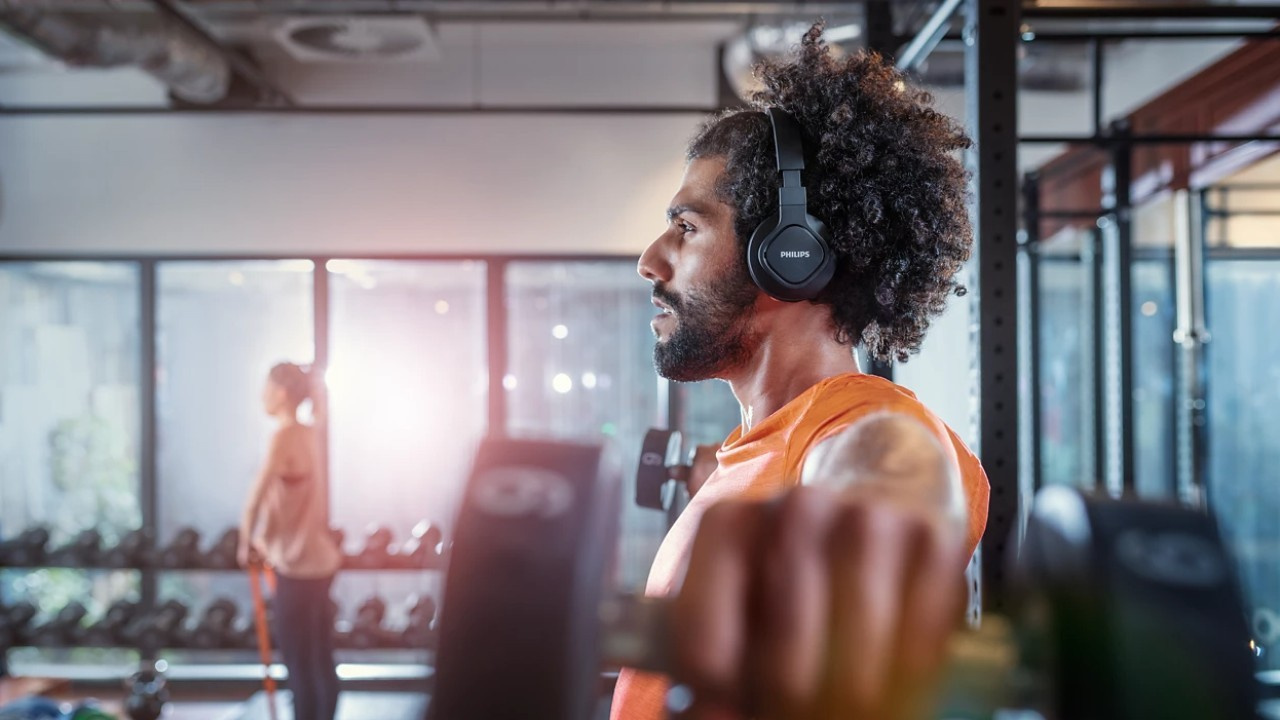
Over-ear headphones
Over-ear headphones are heavy, and depending on the movement or position during an exercise, they may fall off the ears. In addition, the body typically heats up during workouts, which generates sweat.
Sweat can damage ear pads, particularly if they are covered with synthetic leather (PVC/PU material). Combined with natural skin oils, sweat can cause the ear pads to deteriorate and peel over time.
It should also be noted that wearing over-ear headphones during workouts increases the sensation of heat because airflow around the ears is reduced. Consequently, you may sweat more than usual.
If you still prefer to use over-ear headphones, choose models that use ear pads made of velvet, suede, or sports fabric. In addition to being more resistant to sweat, these materials are washable. Naturally, the ear pads must be removed from the headphones for proper cleaning.
Example: Philips TAA4216BK
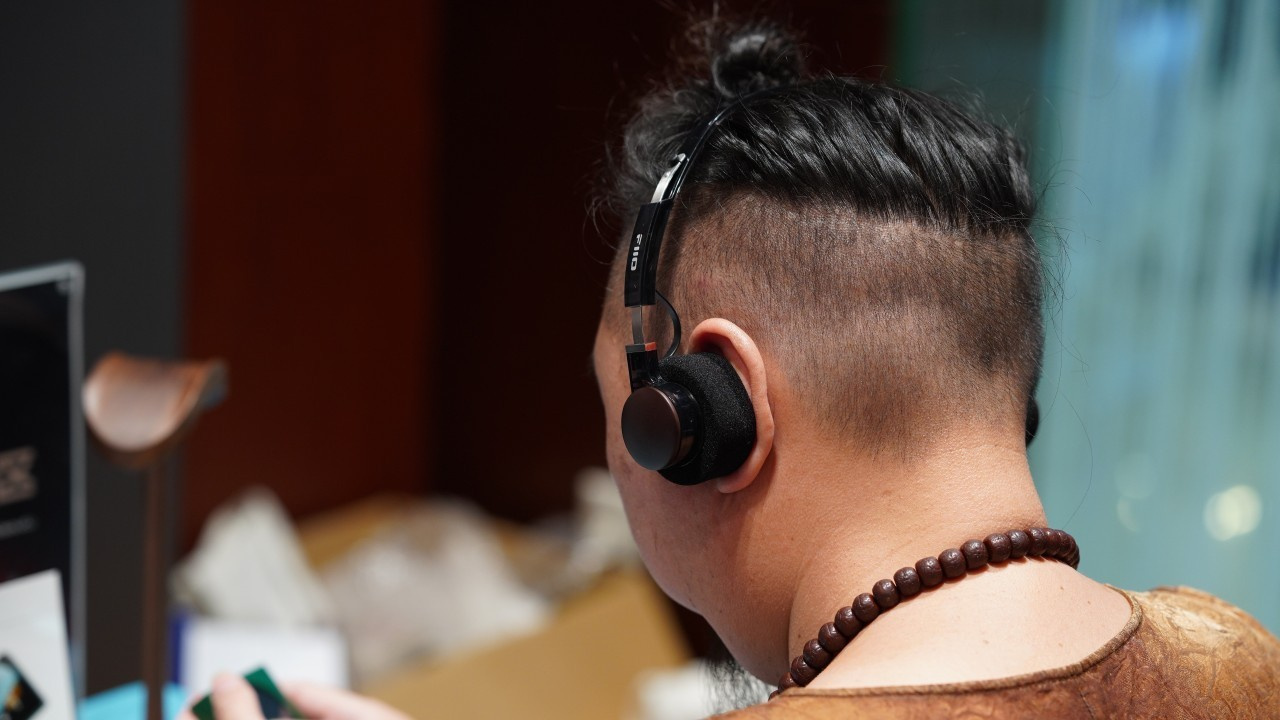
On-ear headphones
On-ears are lighter than over-ear models and typically provide better stability on the head. However, they still suffer from accelerated degradation of synthetic leather ear pads due to sweat. For this reason, if you still wish to use them, I recommend choosing models that use velvet, suede, or sports fabric ear pads.
Example: FiiO EH11
Flathead earbuds
Although comfortable, flathead earbuds do not provide any isolation from environmental noise. The lack of isolation can make it difficult to hear music clearly, often leading the listener to increase the volume.
Furthermore, this design compromises bass reproduction, a frequency range that is often essential for popular workout music genres.
Another issue with earbuds is the possibility of them falling out. Because this type of headphone merely rests on the outer ear, it can easily fall off during abrupt movements while exercising.
Examples: Huawei FreeBuds SE 2, Huawei FreeBuds SE 3, and Sennheiser Accentum Open.
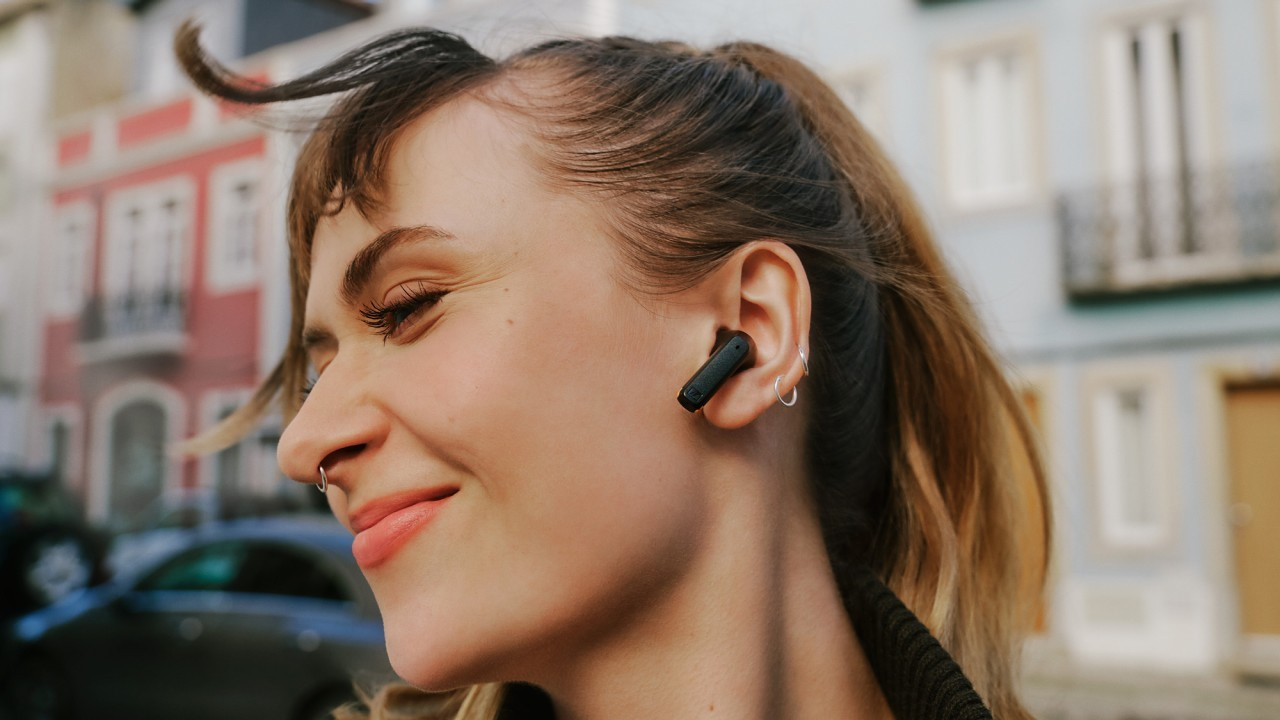
Open-ear clip earbuds
Like flathead earbuds, open-ear clip earbuds offer a good level of comfort. However, they also do not isolate external noise and their sound quality tends to be limited.
Their main advantage over flathead earbuds is improved stability on the ear, making them less likely to fall off. For this reason, they can be an excellent option for activities such as cycling or running, where it is important to remain aware of surrounding sounds.
Example: Huawei FreeClip 2 and Anker Soundcore AeroClip.
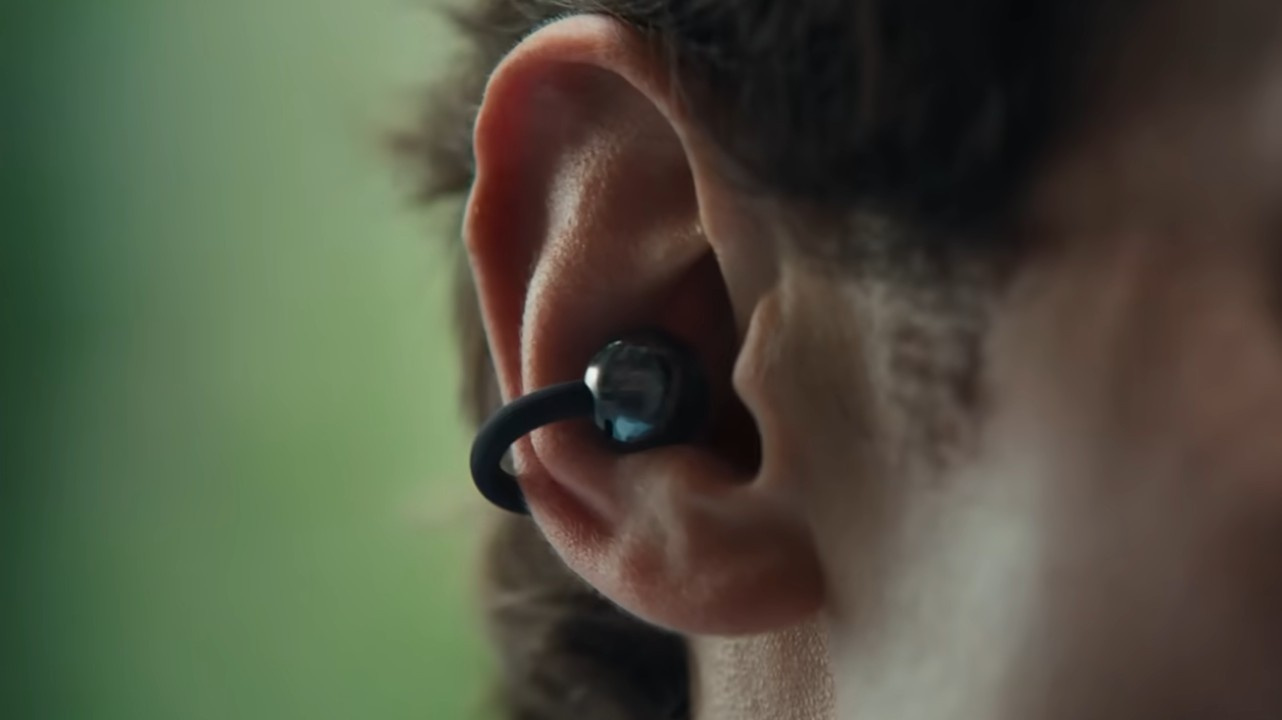
Open-ear earbuds
An evolution of clip-style earbuds, open-ear earbuds are larger and position their speakers suspended in front of the outer ear. Stability is achieved through ear hooks made from flexible materials that nevertheless provide a secure fit.
The sound quality of open-ear earbuds is generally superior to that of clip-style earbuds and also better than bone conduction headphones.
Examples: Huawei FreeArc and Anker Soundcore AeroFit 2.

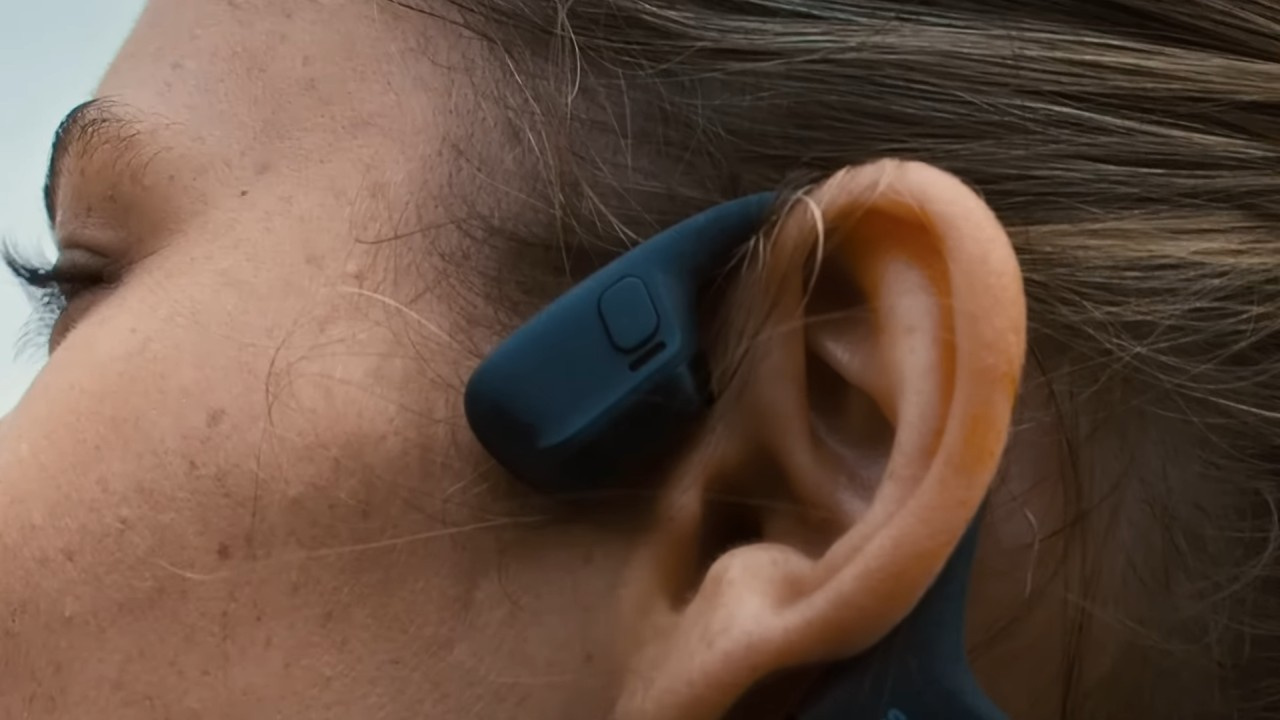
Bone conduction headphones
Although bone conduction models provide good stability and comfort, their sound quality is extremely poor. Even when compared with flathead earbuds or open-ear clip earbuds, the audio quality is generally inferior. For this reason, I do not recommend this type of headphone under any circumstances.
Example: Shokz OpenRun Pro 2
Wired or Bluetooth headphones for gym workouts and running?
Because workouts and running involve constant movement, Bluetooth headphones are generally the best option. However, it is still possible to use wired headphones in combination with DAC/amplifiers that include a built-in Bluetooth receiver.
If you wish to use wired headphones during workouts, I recommend the FiiO BTR11 or the Hiby W3 II. Nevertheless, the ideal solution remains Bluetooth in-ear TWS (True Wireless Stereo) headphones.
What should a Bluetooth in-ear TWS headphone offer for gym workouts and running?
When selecting True Wireless headphones, it is important that the chosen model includes the following characteristics.
1 – Rubberized housing
The surface of the headphone housing should be rubberized in the area that contacts the outer ear. This improves stability and helps the TWS headphones remain securely in place.
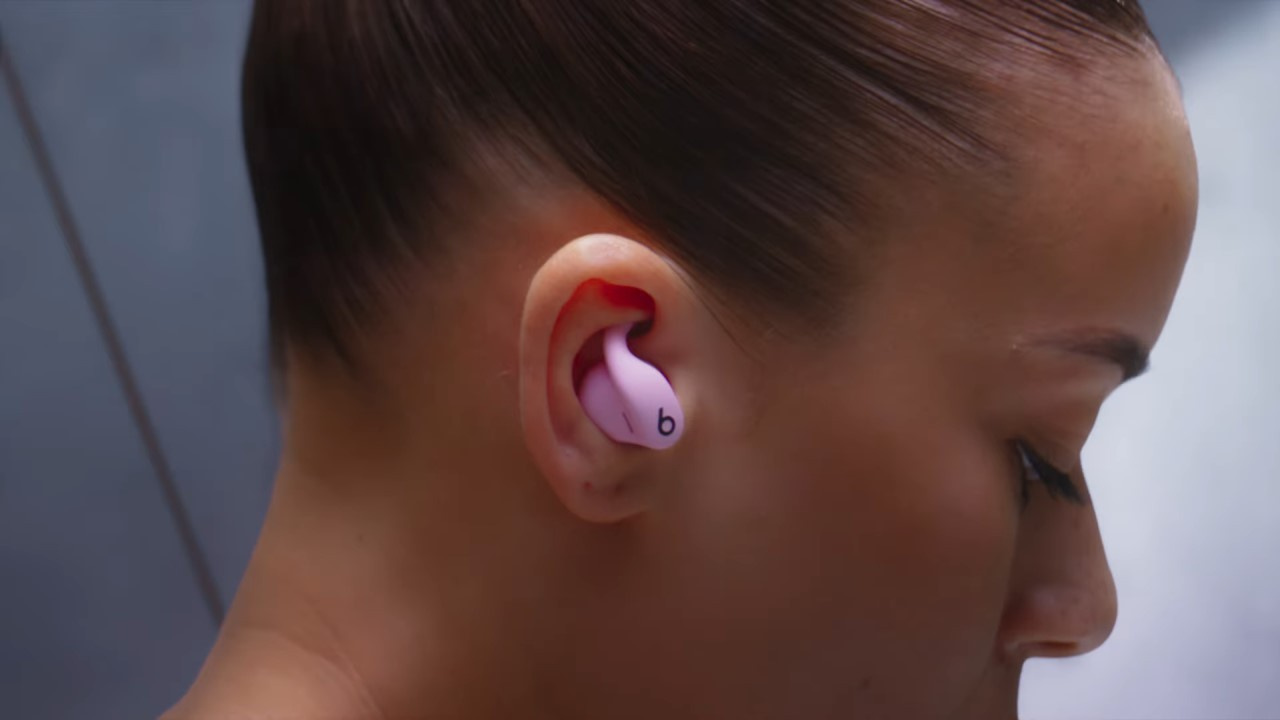
2 – Wingtips (ear fins)
To keep TWS headphones securely in the ears, many models use wingtips: thin, flexible rubber attachments that fit into the cymba, the groove located at the top of the outer ear.
3 – Ear hooks
An alternative to wingtips is the use of ear hooks, which wrap around the back of the ear. These hooks prevent the headphone from jumping out of the ear, even if the fit inside the ear canal is not perfect.
4 – High-quality ear tips
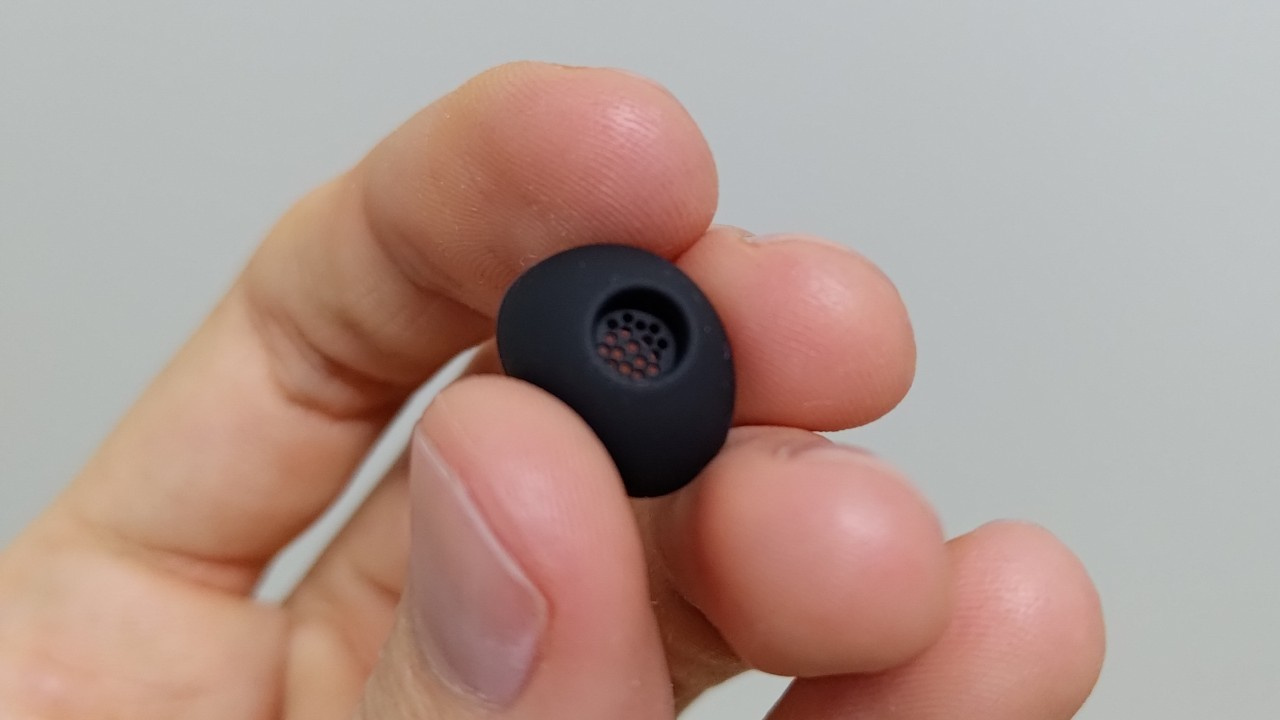
Although it is uncommon for Bluetooth TWS headphones to include high-quality ear tips, some models offer a good selection. In many cases, purchasing ear tips separately is the best option, and despite their higher cost, they are often worth the investment.
Good ear tips are flexible enough to conform to the shape of the user’s ear canal. When sufficient flexibility is present, the following benefits can be achieved:
- Proper sealing of the ear canal, allowing accurate sound reproduction
- Improved stability within the ear canal, preventing the headphone from falling out
- Increased comfort
I recommend using ear tips that include an internal mesh, as this helps prevent sweat from entering the headphone during exercise. Even if a Bluetooth TWS headphone is certified for resistance to liquids (water and sweat) and solids (dust), excessive perspiration can still become problematic.
Examples of ear tips with internal mesh:
- Azla SednaEarfit Max for TWS
- Azla SednaEarfit XELASTEC II for AirPods Pro 3
- Sennheiser Replacement Ear Tips for Momentum Sport True Wireless
5 – Touch control system that works even with sweat
Because users are typically sweating during exercise, it is important that the headphones include a touch control system that remains responsive even when the fingers are wet.
Frequently Asked Questions About Headphones for Gym Workouts or Running
Below are the most frequently asked questions regarding headphones for gym workouts and running.
What are the best headphones for the gym?
It is difficult to designate a single headphone as the best for gym use. Fit and comfort vary significantly from person to person. Because exercise requires secure stability and proper fit, identifying a universal “winner” is extremely challenging.
Which headphones will not fall out while running?
The most reliable headphones for preventing falls are those equipped with wingtips (ear fins) or ear hooks. The pressure exerted by these structures prevents the headphone from jumping out of the ear.
Are Bluetooth headphones good for workouts?
Yes. Bluetooth headphones are excellent for weight training, running, and other sports activities. They allow the user to move freely without worrying about cables.
Can over-ears or on-ears be used at the gym?
Yes, both over-ear and on-ear headphones can be used at the gym. Between the two, on-ear models are usually the better option because they provide stronger clamping force and are lighter.
Avoid synthetic leather ear pads, as they are not washable and tend to peel over time. Always prefer ear pads made of velvet, suede, or sports fabric.
Can sweat damage headphones?
Yes. Sweat can damage headphones if it reaches the driver (speaker) or the electronic components in wireless Bluetooth models.
Which headphones are recommended for running?
One model I recommend for running is the Anker Soundcore X20, a Bluetooth in-ear TWS headphone. Its distinguishing feature is the use of ear hooks that wrap around the back of the ear.
Do sports headphones need to be waterproof?
It is advisable for sports headphones to have at least a liquid-resistance certification (water and sweat), such as IPX4. Note that the charging case often does not have the same level of protection as the headphones themselves.
What is the best type of headphone for exercise?
The best type of headphone for exercise is Bluetooth in-ear TWS (True Wireless) headphones.
Are in-ear headphones good for the gym?
Yes. Bluetooth in-ear TWS headphones are well suited for gym workouts.
Which headphones offer the longest battery life for workouts?
Wireless Bluetooth over-ear headphones generally provide the longest battery life. When choosing one, look for models with ear pads made of velvet, suede, or sports fabric. These materials can be washed and are less prone to peeling compared with synthetic leather ear pads.
Share:


No comments have been made yet, be the first!