

What Are Vacuum Tubes? What Types Are There? How to Choose?
From: Vitor Valeri
A headphone hobbyist for over 15 years, he founded the Hi-Fi Hub website and is an administrator of the "Fones High-End" and "Fones Low-End" groups on Facebook.


Published in: 12/02/26 at 15:44
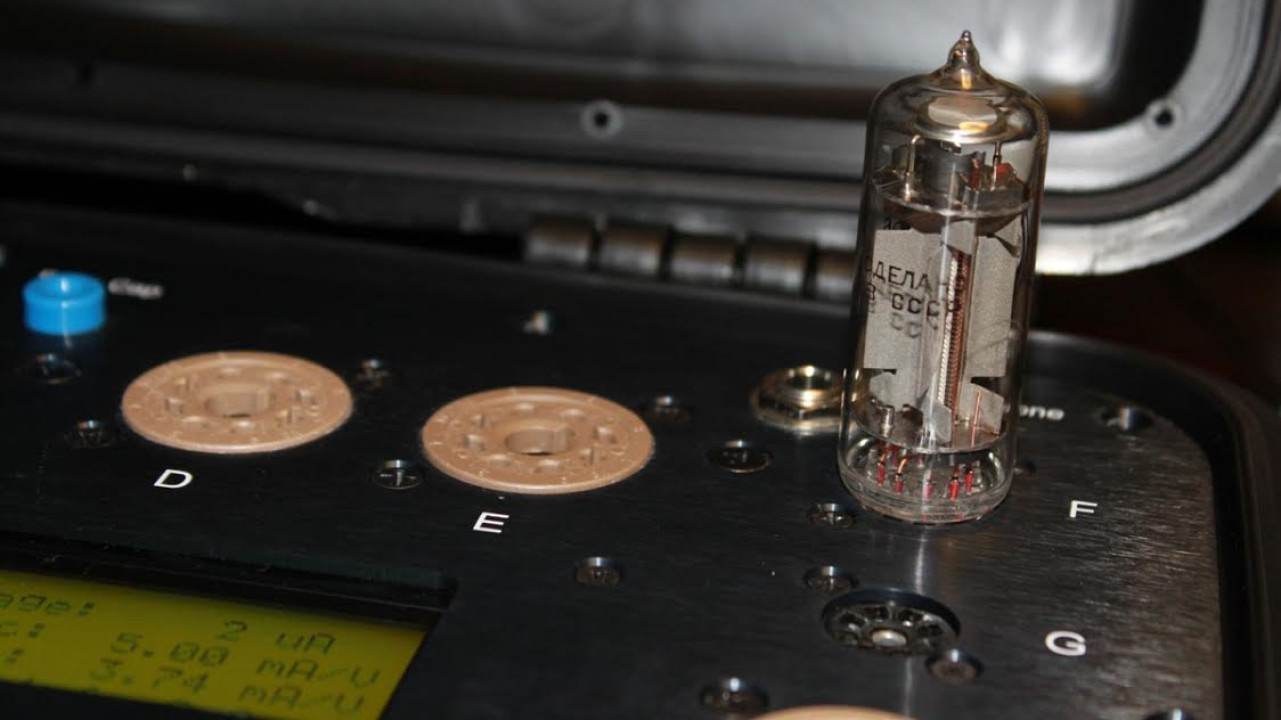
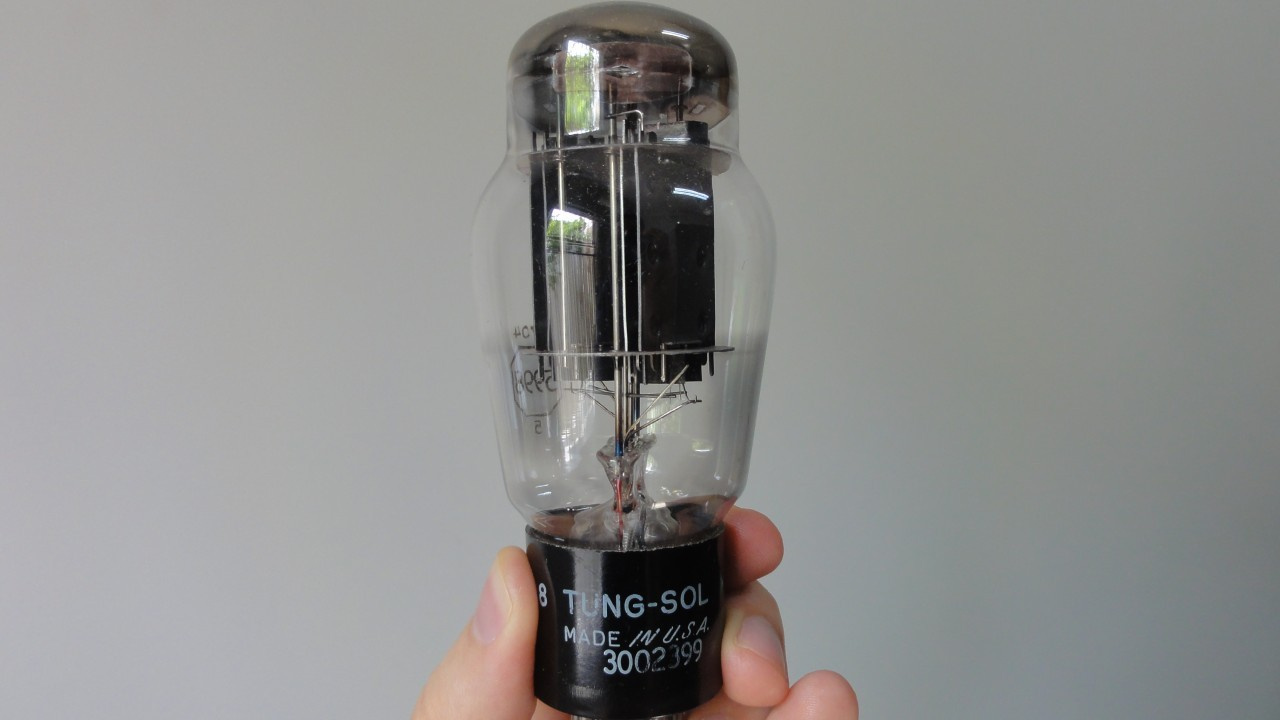 Illustrative photo of a vacuum tube (Image: Vitor Valeri/Hi-Fi Hub)
Vacuum tubes are widely used in audio products to perform voltage and/or current amplification. A few decades ago, they were most commonly found in desktop amplifiers; however, in recent years, portable devices have begun to emerge. This shift in focus has caused a certain degree of misunderstanding among some consumers, and in this article I intend to clarify the differences between vacuum tubes and how they operate according to their function.
What Are Vacuum Tubes?
Invented by the electrical engineer and physicist John Ambrose Fleming in 1904 in England, vacuum tubes were used in televisions and radios and are still employed today in amplifiers for loudspeakers, headphones, and guitars. Also known as thermionic valves or “vacuum tubes” in English, they have a structure similar to that of a light bulb and rely on glass and a vacuum to operate.
What Is the Function of Vacuum Tubes in Tube Headphone Amplifiers?
Vacuum tubes can be used in tube headphone amplifiers to preamplify the line-level signal sent by the DAC and to amplify the signal power, increasing the current to a level sufficient to cause the loudspeaker diaphragm (driver) to vibrate and produce sound. The power amplification stage and the preamplification stage require tubes with different specifications, and it is important to be able to distinguish between them.
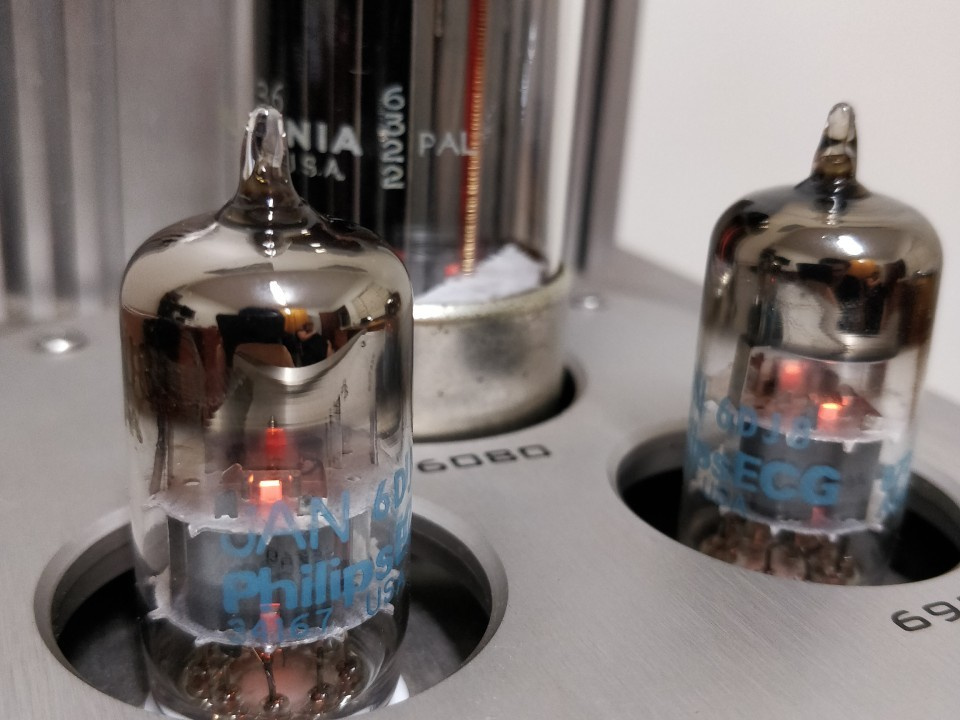
What Are Power Tubes?
Power tubes, referred to in English as “power tubes,” perform power amplification, increasing the current so that the signal becomes strong enough to make the diaphragm of the headphone or loudspeaker vibrate. They are larger than preamplification tubes and belong to the final amplification stage, just before the signal is sent out of the tube amplifier.
Power tubes are present in OTL and OTC tube amplifiers.
What Are Preamplifier Tubes?
Preamplifier tubes, known in English as “preamp tubes,” are responsible for voltage amplification and operate immediately after receiving the line-level signal from the DAC, which typically arrives at around 2 to 4 V RMS. They are considerably smaller than power tubes and belong to the first amplification stage.
Preamp tubes are present in hybrid, OTL, and OTC tube amplifiers. It is important to note that hybrid amplifiers perform power amplification using transistors rather than tubes.
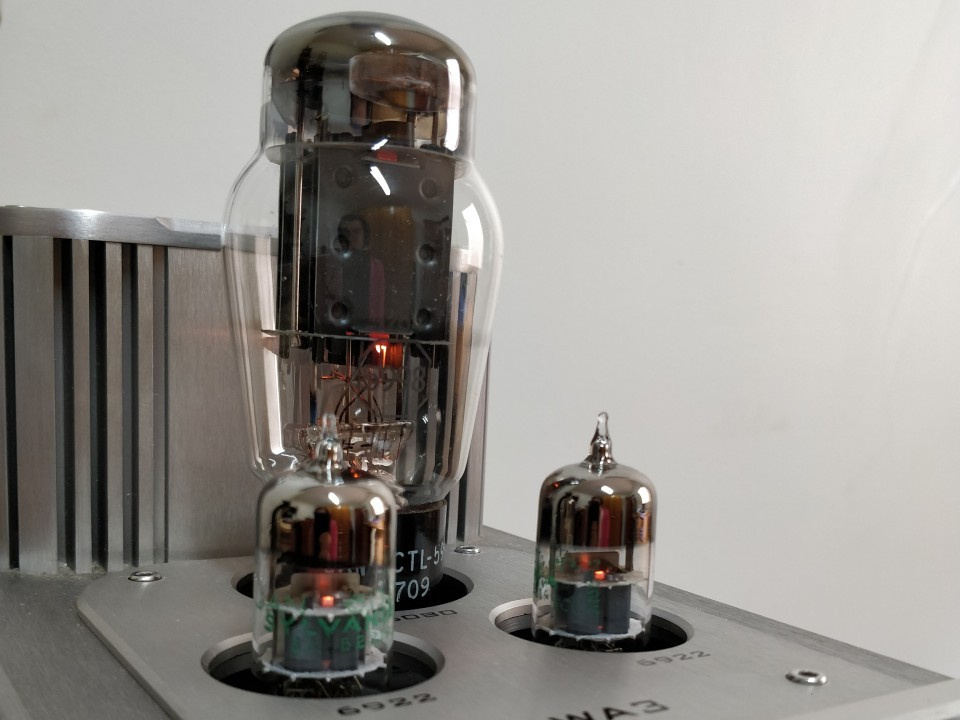
What Is the Basic Structure of a Vacuum Tube?
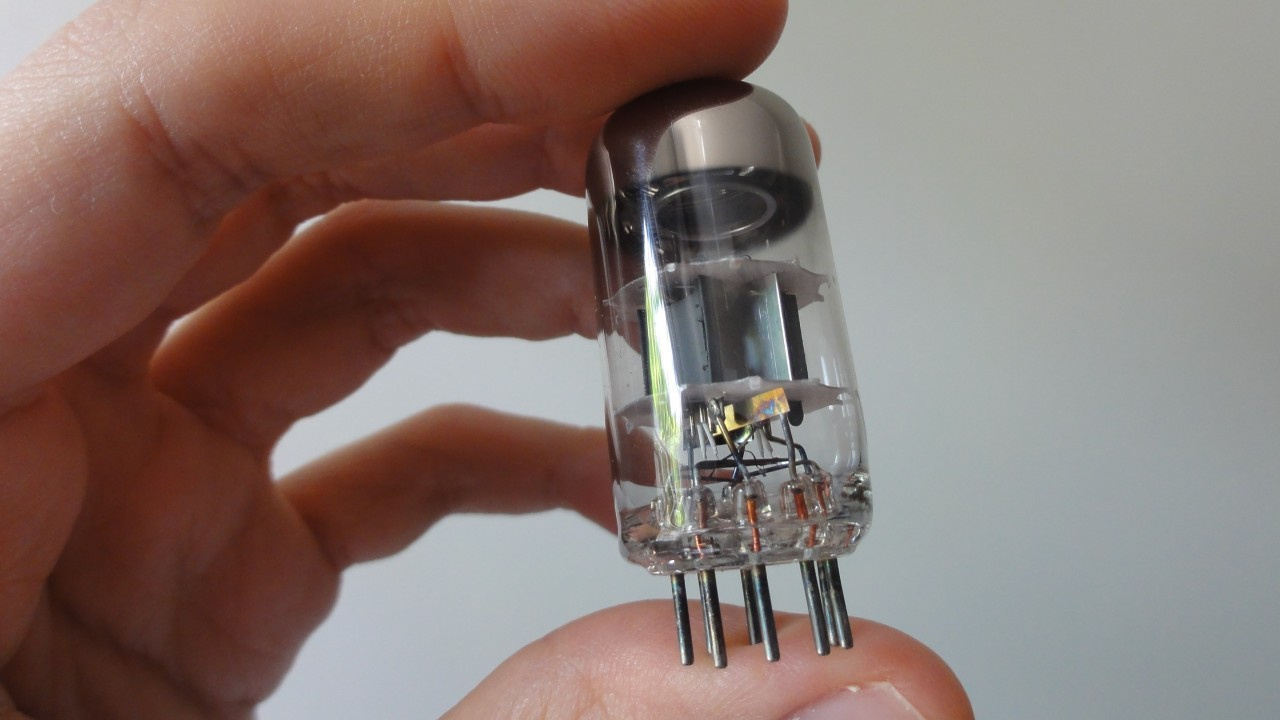
Vacuum tubes may feature various internal structures; however, those used in tube amplifiers for headphones and loudspeakers typically employ triodes enclosed in glass, with pins at their base.
What Is the Purpose of the Glass Envelope and the Getter?
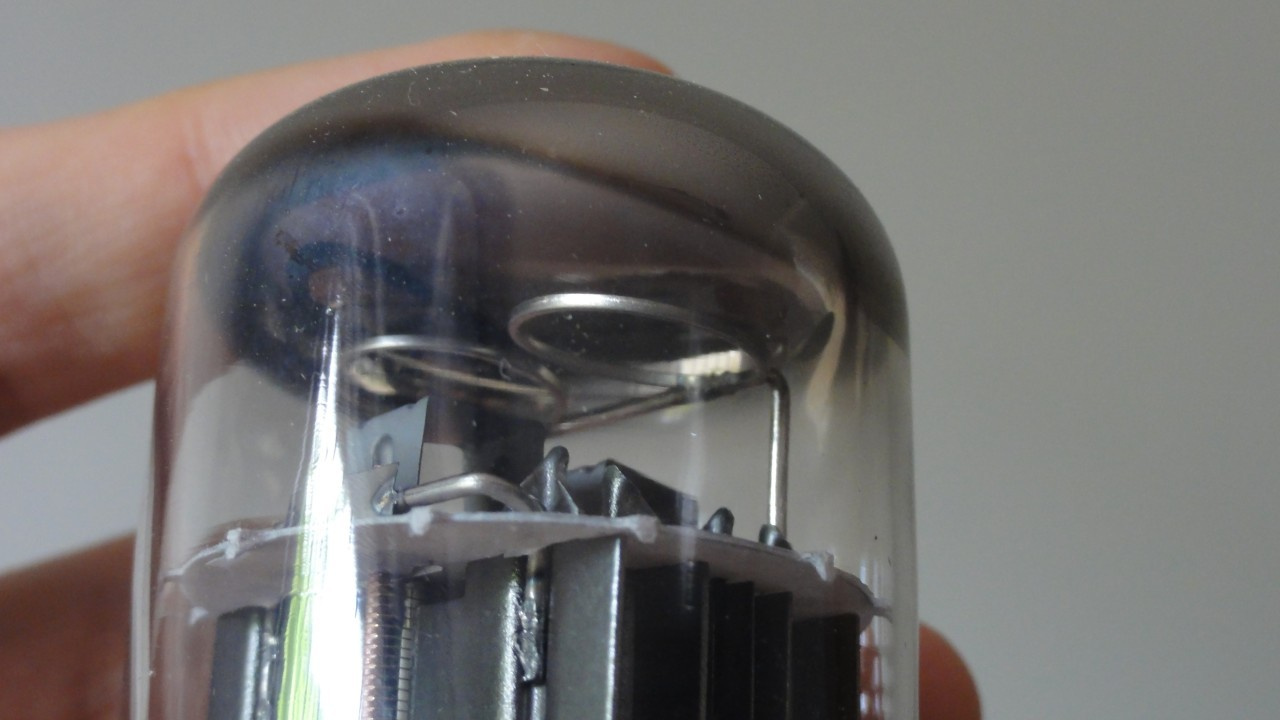
The glass envelope serves to seal the triode components in a vacuum. To indicate whether the vacuum is being maintained, a “getter” is used. The getter is a filament made of reactive metal (e.g., barium, magnesium, zirconium) and may have a circular, square, or D-shaped form.
When heated, the getter releases metal vapor that deposits on the inner wall of the glass, forming the so-called “metallic flash,” a silvery or dark gray stain usually located at the top of the tube. When oxygen enters the tube, this silvery stain turns white, indicating that the tube has failed. Indeed, a vacuum tube only operates properly if the vacuum is intact.
What Are the Pins at the Base of the Tube For?
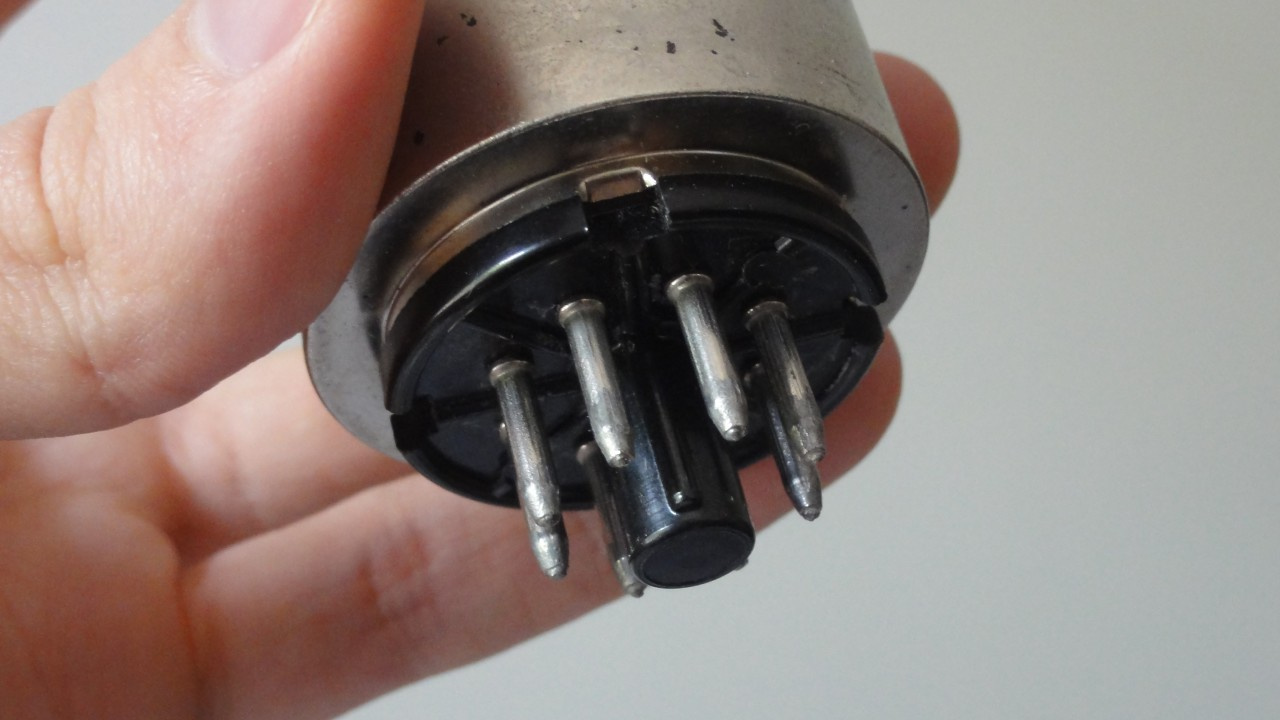
The pins at the base are used to secure the tube in the amplifier socket and to electrically connect the tube to the circuit. The elements of a triode are directly connected to these pins.
What Is a Triode?
A triode is the most basic configuration of a vacuum tube and is composed of a cathode, an anode, and a control grid.
How Does a Triode Operate?
A triode operates by receiving the audio signal through the grid, which is responsible for control, modulation, and amplification. After passing through the grid, the signal reaches the cathode, a heated filament (heater) that may or may not be enclosed in a metal sleeve, which emits electrons toward the anode. The anode is a metal plate that may be flat, cylindrical, or shaped like a “U,” “H,” or “C.”
Physically, the grid is positioned between the cathode (a heated tungsten filament) and the anode (metal plate), regulating the flow of electrons. The first component to receive the audio signal is the grid, which transfers energy to the cathode; the cathode then releases electrons that are collected by the anode, thereby performing voltage amplification.
Are Vacuum Tubes Still Manufactured Today?
Although vacuum tubes were produced in large quantities between the 1940s and 1970s, they are still manufactured today by companies such as the Chinese brand PSVANE, the American company Western Electric, the Slovak manufacturer JJ Electronic, and the Russian Reflector Corp (New Sensor). In 2005, New Sensor acquired the brand names “Mullard” and “Tung-Sol” for use in its products.
There are also vintage tubes that are often preferred by audiophiles for use in headphone and loudspeaker amplifiers. These so-called NOS tubes generally exhibit greater durability, superior sound quality, and better build quality when compared to most tubes manufactured today.
What Are NOS Tubes?
NOS tubes are those manufactured several decades ago but never used. Hence the acronym “NOS,” which stands for “New Old Stock.” They generally feature better construction and performance than models currently in production.
Among NOS tubes, there are models developed for specific applications with tighter quality tolerances. These are known as JAN tubes.
What Are JAN Tubes?
JAN tubes are manufactured with narrower tolerances for their specifications. This is due to their military application, as indicated by the acronym JAN, which stands for “Joint Army Navy.” In the context of military tubes, this designation reflects joint Army and Navy standards.
When manufacturing a tube for military use, the following aspects were prioritized:
• Consistency in specifications measured during testing
• Physical robustness (shock, vibration, temperature)
• Longer service life achieved through the use of more durable materials and consistent manufacturing processes
What Types of Vacuum Tubes Are There?
Tube amplifiers currently employ three types of vacuum tubes, depending on the amplification architecture adopted:
• Traditional tubes
• Subminiature tubes
• Nutubes
What Are Traditional Tubes?
Traditional tubes are those used in desktop tube amplifiers and offer the highest voltage and/or current amplification capability among all tube types. However, they are large, generate significant heat, and are susceptible to noise caused by chassis vibrations. Consequently, they are not suitable for portable equipment.
A major advantage of traditional tubes is the ease with which one model can be replaced by another. This allows users to experiment with different tubes that may impart distinct sonic characteristics to their tube amplifier, particularly in the power amplification stage, which has the greatest influence on the characteristic “tube sound.”
Subminiature Tubes
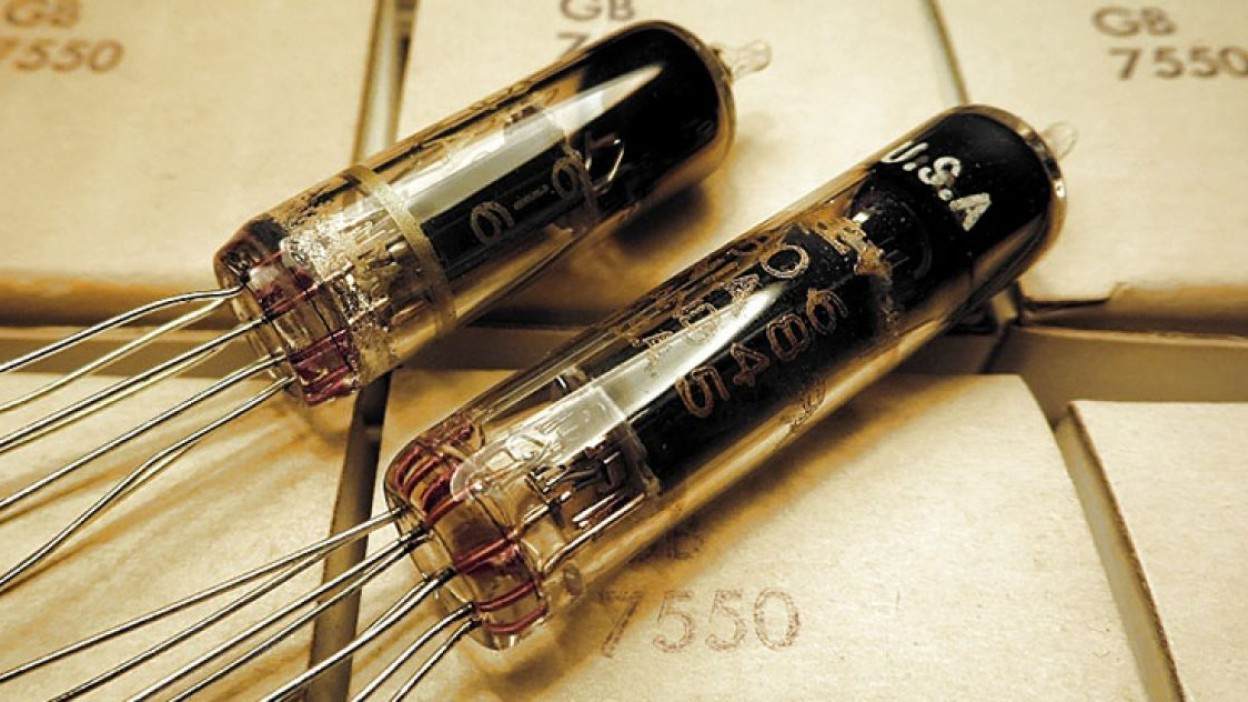
Subminiature tubes, also known as “pencil tubes,” entered the market in the 1940s through the well-known American manufacturer Raytheon. They are smaller than “miniature” tubes, which are themselves smaller than traditional tubes. Due to their compact dimensions, they do not use rigid pins; instead, they employ flexible wires that are soldered directly to the amplifier circuit. A widely used model today is the Raytheon JAN 6418.
Because the internal structure of subminiature tubes follows the same architecture as traditional tubes, they are the preferred type among tube amplifier enthusiasts. However, due to their limited amplification capability, they are used exclusively in the preamplification stage, which increases voltage, while current amplification is handled by transistor-based amplifiers.
As a result, the sonic outcome provided by subminiature tubes is satisfying and similar to that of hybrid amplifiers. Nevertheless, it is important to note that this performance is still entirely different from that of OTL or OTC amplifiers, as explained in the article “What Is a Tube Amplifier? What Types Are There?”
Nutubes
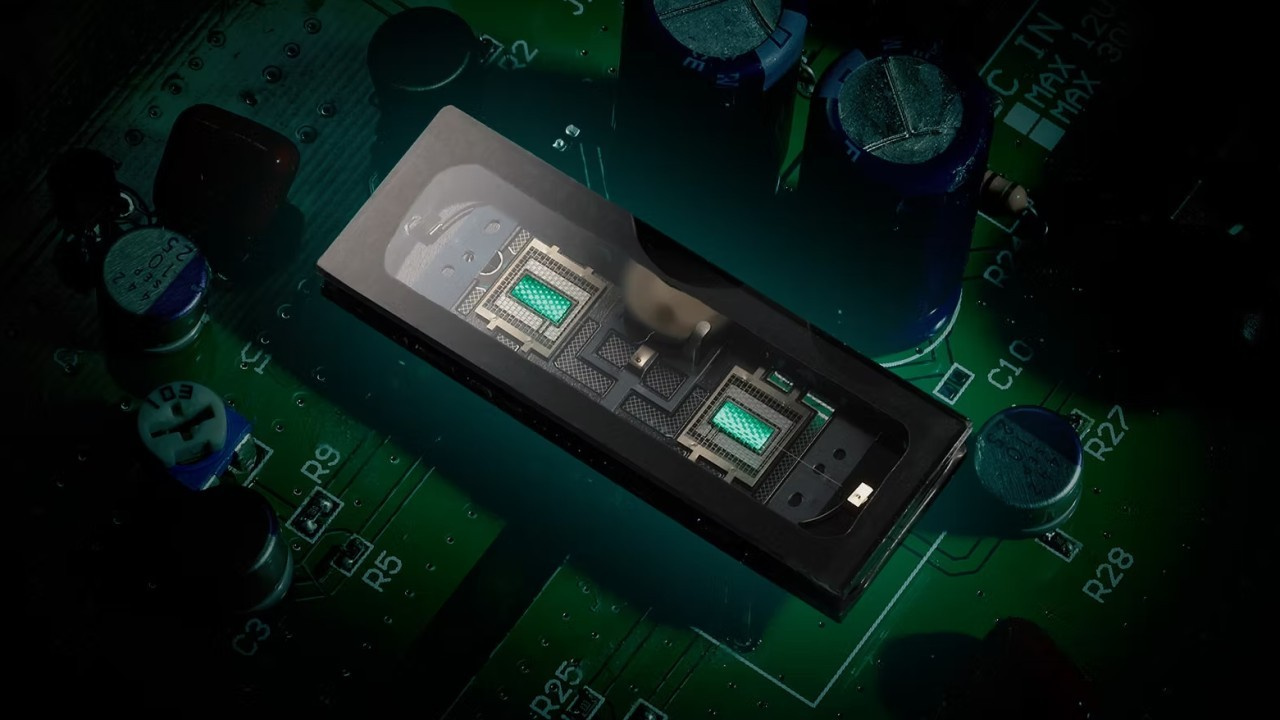
The tubes known as “Nutubes” were developed by the Japanese electronic musical instrument manufacturer Korg. They use an exclusive vacuum fluorescent display technology developed by Noritake, another company based in Japan. The primary advantages of this type of tube are low power consumption, minimal heat generation, and an extremely compact size.
Nutubes do not suffer from vibration-induced noise in the same way as subminiature or traditional tubes. Consequently, they are preferred for use in Digital Audio Players (DAPs). I am not personally familiar with their sonic performance compared to subminiature or traditional tubes; however, it can be stated that Nutubes share the same amplification limitations as subminiature tubes.
Which Tube Should I Buy for My Tube Amplifier?
There are many types of vacuum tubes, and each tube amplifier has a list of compatible models. Note that each type may have equivalents. Examples of tube types and their equivalents include:
• 6DJ8 type (equivalents: ECC88, E88CC, 6922, E188CC, CV4108, 7308, 6N1P, 6N23P)
• 12AU7 type (equivalents: ECC82, 5814A, E82CC)
• 6AS7 type (equivalent: 6080)
What Are Matched Tubes?
Matched tubes are pairs (or trios or quartets) of tubes selected to have similar electrical characteristics.
What Are the Advantages of Using Matched Tubes?
Using matched tubes provides the following advantages:
• Lower distortion
• Reduced noise and microphonics
• Better balance between left and right channels

How Can One Determine the Best Tube Matching?
There is a method to determine the best tube matching by examining the plate current (Ia) and transconductance (gm) measured for each tube.
Plate current (Ia) is expressed in milliamperes (mA), and the closer the values between the triodes of each tube, the better the match. Transconductance (gm) represents sensitivity to voltage variations applied to the tube. A higher gm indicates that the tube responds more effectively to voltage changes, while a lower gm yields a smoother response to voltage fluctuations.
It is important to know the nominal or typical gm values for each tube type in order to assess whether a tube is new or approaching the end of its service life.
Which Vacuum Tube Manufacturers Are the Most Popular?
There are many popular vacuum tube manufacturers used in headphone and loudspeaker tube amplifiers. Below are a few representative examples:
• Amperex
• GE
• GEC
• Mullard
• Philips
• RCA
• Siemens
• Sylvania
• Telefunken
• Tung-Sol
• Western Electric
Share:




No comments have been made yet, be the first!