

The evolution of chipsets and Android optimization in DAPs
From: Vitor Valeri
A headphone hobbyist for over 15 years, he founded the Hi-Fi Hub website and is an administrator of the "Fones High-End" and "Fones Low-End" groups on Facebook.


Published in: 18/12/25 at 23:45 - Updated in: 07/03/26 at 11:38
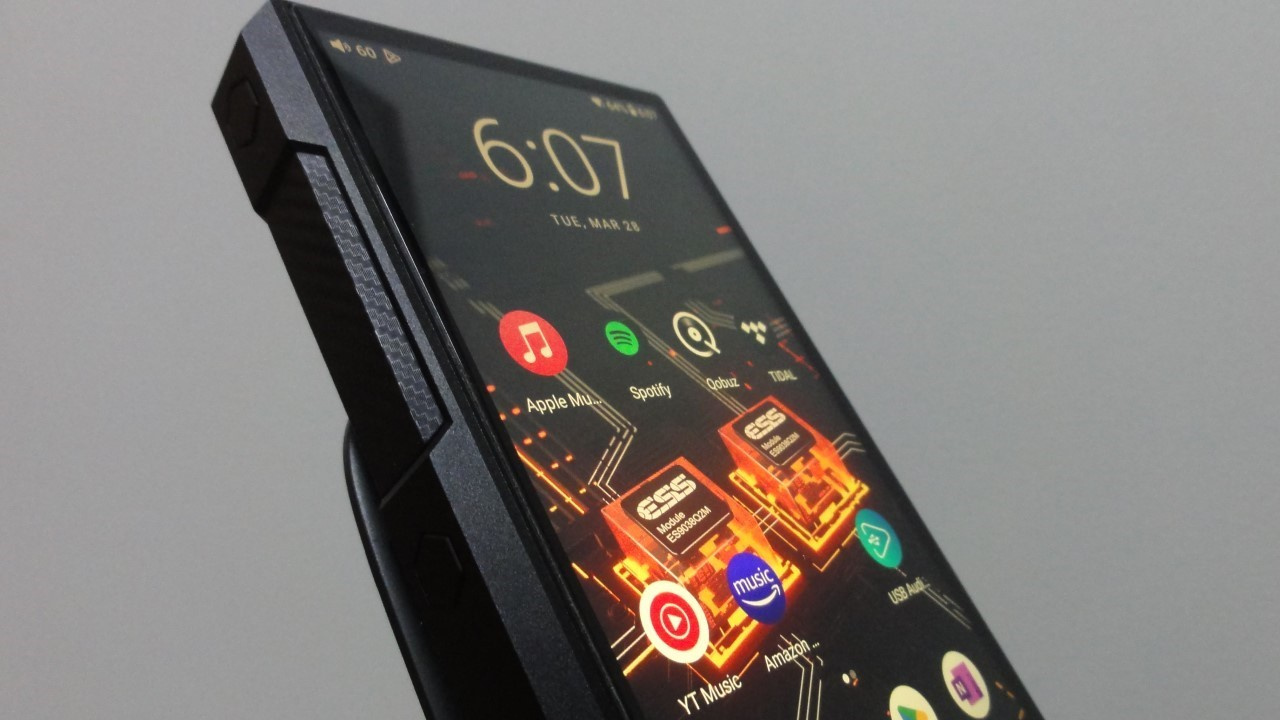
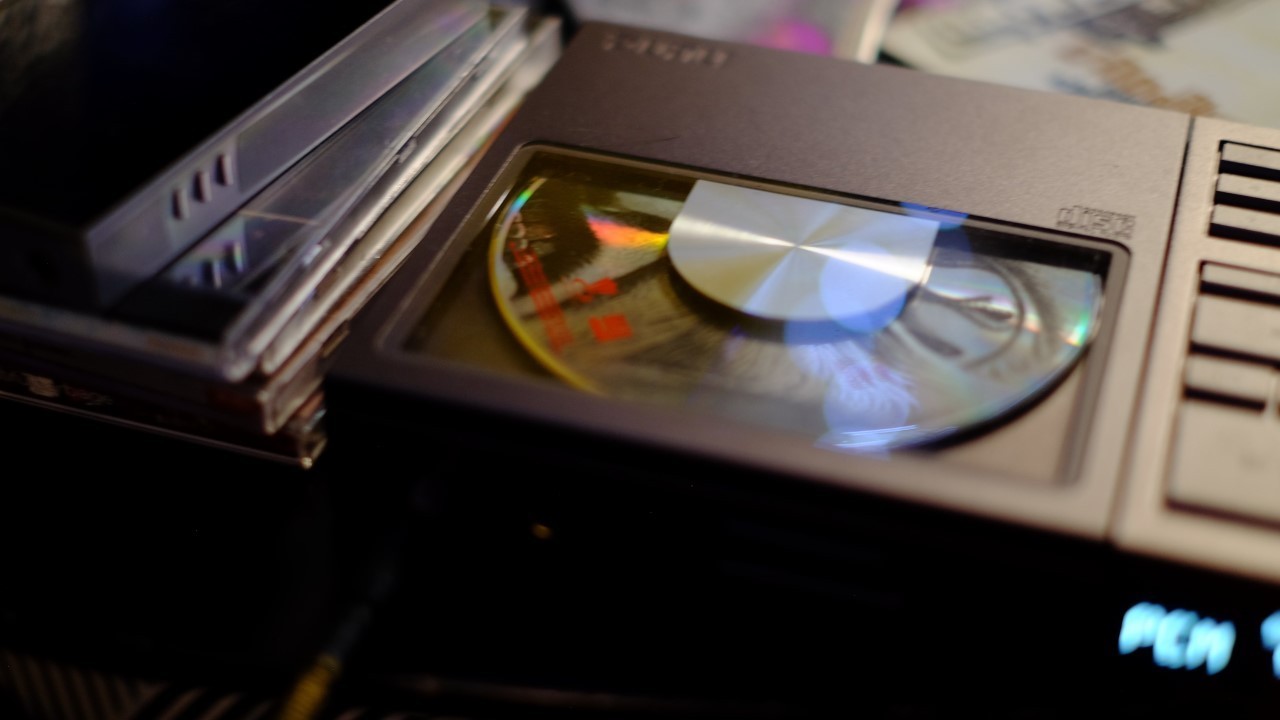
 Illustrative image of an Android-based Digital Audio Player (DAP) – shown here is the FiiO JM21 (Image: Vitor Valeri/Hi-Fi Hub)
DAPs (Digital Audio Players) running the Android operating system (OS) have become popular; however, they have consistently been released using older chipsets and earlier versions of Google’s smartphone operating system. There are several reasons for this, but the primary one is the high cost of development and optimization for a device aimed at a very small and highly specialized niche audience that is nevertheless extremely demanding regarding audio quality and the overall music listening experience.
The Emergence of Android-Based DAPs
Android-based Digital Audio Players gained popularity primarily due to the growth of music streaming services. The increasing adoption of this mode of music consumption can be observed in a chart created in September 2022 by James Eagle from the website EEAGLI, which used data from the RIAA (Recording Industry Association of America), the Billboard 200, the IFPI (International Federation of the Phonographic Industry), and the ARIA (Australian Record Industry Association) as information sources.
One of the first companies to invest in this format of music player using Google’s smartphone-oriented operating system was FiiO, a Chinese audio equipment manufacturer founded in 2007. Over the years, other companies entered the Android DAP market, such as iBasso, Hiby, Shanling, and Sony, with its Walkman line of players.
Optimization of Android DAPs for High-Fidelity Music Playback
The defining characteristic of a DAP lies in its hardware and software, which are designed to reproduce music with high fidelity and minimal interference. However, in order to make commercialization viable, it is necessary to balance costs while maintaining the device’s focus on delivering the best possible audio experience.
The peak of this balance was achieved with the Snapdragon 660 and Snapdragon 665 SoCs (System-on-a-Chip), which are commonly found in Digital Audio Players from FiiO, Hiby, Shanling, iBasso, and Cayin. The significance of this choice can be better understood through statements made by FiiO’s founder and CEO, James Chung.
In a post published in August 2025 on the Chinese social network Weibo, Chung explained the software development cycle for the SoCs used in his company’s DAPs:
“The software development cycle for the main processor took more than two years, with substantial investment in personnel to develop and debug the software.
This represents a major technical barrier—and because the market is highly niche, most brands do not even have the capability to develop on Android. That is why only a few companies today produce Android players.
It is also worth noting that some brands do not even develop the software for their Android players themselves.”
In December 2024, Chung wrote the following in the “FiiO x Jade Audio JM21” thread on the Head-Fi forum:
“In the player industry, several years have already passed since the application of the Qualcomm 660, and no better SoC has been adopted in portable players. This is an important reason, because the player market is shrinking, and the higher the performance of a new SoC, the greater the required investment in R&D.”
To illustrate the scale of the investment required when adopting a new SoC in Android DAPs, Chung explained in August 2025 on Weibo that development costs are usually shared across multiple models to dilute expenses:
“Excluding hardware engineers, there were five software engineers working for two years. Each Android software engineer costs more than 300,000 yuan per year (US$41,781 at the direct exchange rate). In other words, labor costs alone amounted to approximately 3 million yuan (US$417,812 at the direct exchange rate).
Moreover, even after product launch, it is still necessary to retain the team to fix issues and add features. From an economic perspective, changing the processor entails extremely high costs—this is why most brands keep the same chip for many years.”
In addition to these factors, acquiring a Qualcomm SoC is itself a challenge, as small companies cannot purchase directly from the manufacturer. This is precisely the case for DAP manufacturers, whose demand volume is far lower than that of companies focused on smartphone sales.
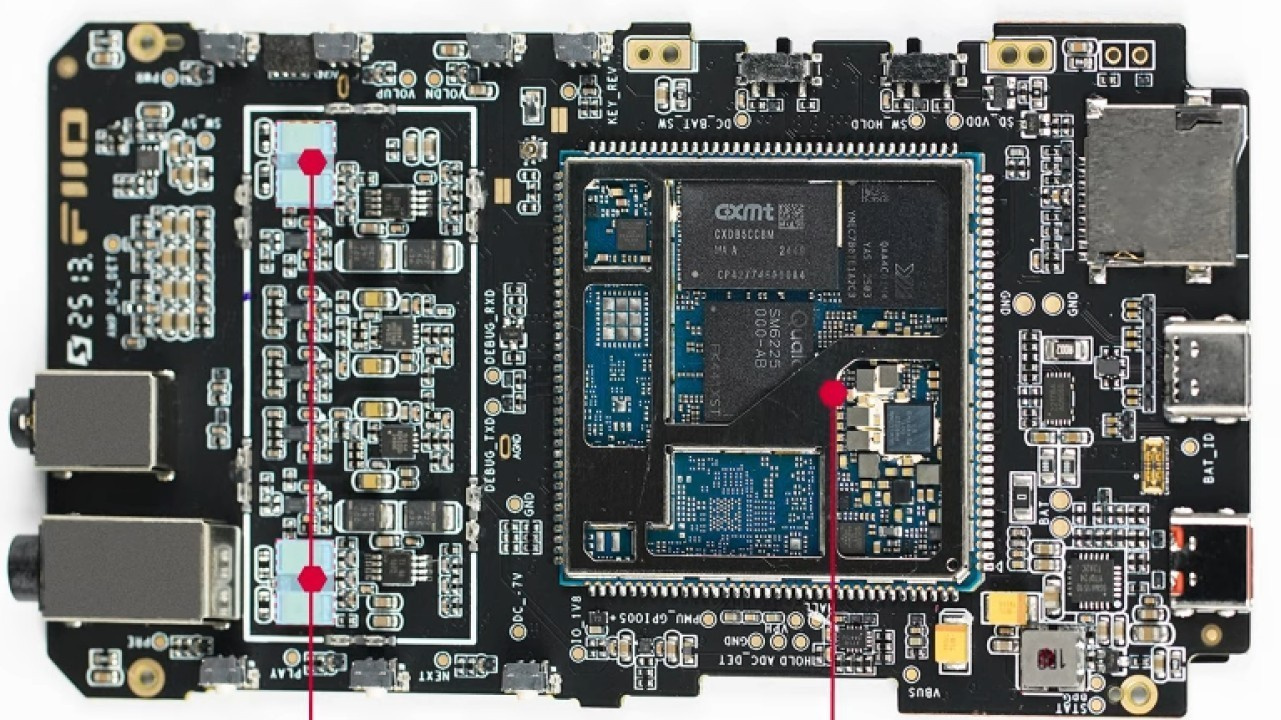
To obtain a Qualcomm processor, Chung explains that it is necessary to purchase third-party modules that “already include the processor, RAM and flash memory, power management chips, and other common components, as well as a ready-to-use firmware SDK.” He adds:
“When FiiO receives the module and the software package, we request the module manufacturer to release the source code of certain functions so that we can adapt them to our needs. For some functions, we do not have permission to access them—so the module manufacturer must implement them for us.”
In the teardown video of the FiiO M21 DAP on YouTube, it is possible to see the module used.
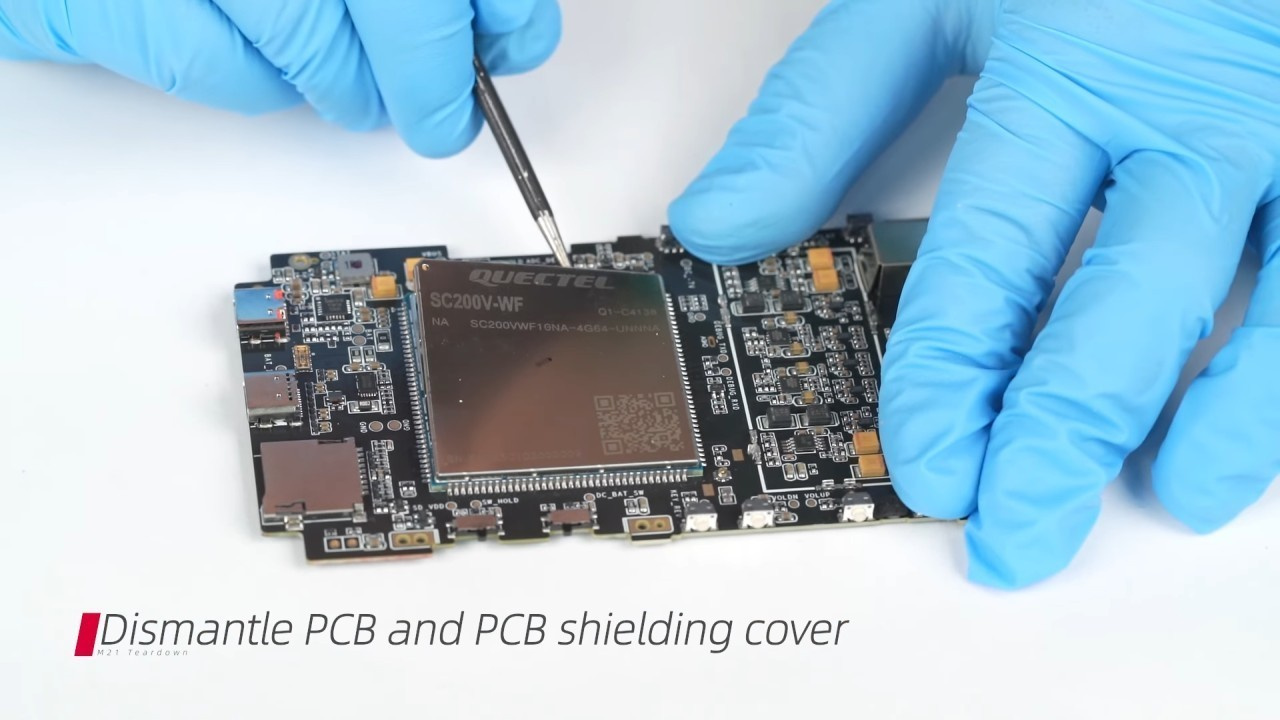
Below is a screenshot showing the Quectel SC200V module opened. Note that there is a Qualcomm chipset, but there are also RAM chips from CXMT (ChangXin Memory Technologies). It is worth mentioning that this type of module is produced by companies that develop hardware solutions for IoT (Internet of Things).
For an Android DAP, updating the Android operating system represents “a major investment,” according to Chung, who explains:
“Portable players not only need to adapt to certain hardware, but they also need to modify the Android system at the system level in order to bypass SRC and support high sample rate audio formats.”
One of the main differentiating factors of a Digital Audio Player compared to a smartphone—beyond audio-focused hardware with lower interference and higher output power—is its ability to bypass SRC (Sample Rate Conversion) applied by Android’s audio APIs, namely OpenSL ES (Open Sound Library for Embedded Systems) and AAudio.
The OpenSL ES and AAudio APIs are essentially used to process audio on Android with low latency and high performance. SRC is employed to standardize audio output by the operating system in order to reduce CPU usage, improve audio transmission latency, and save battery life.
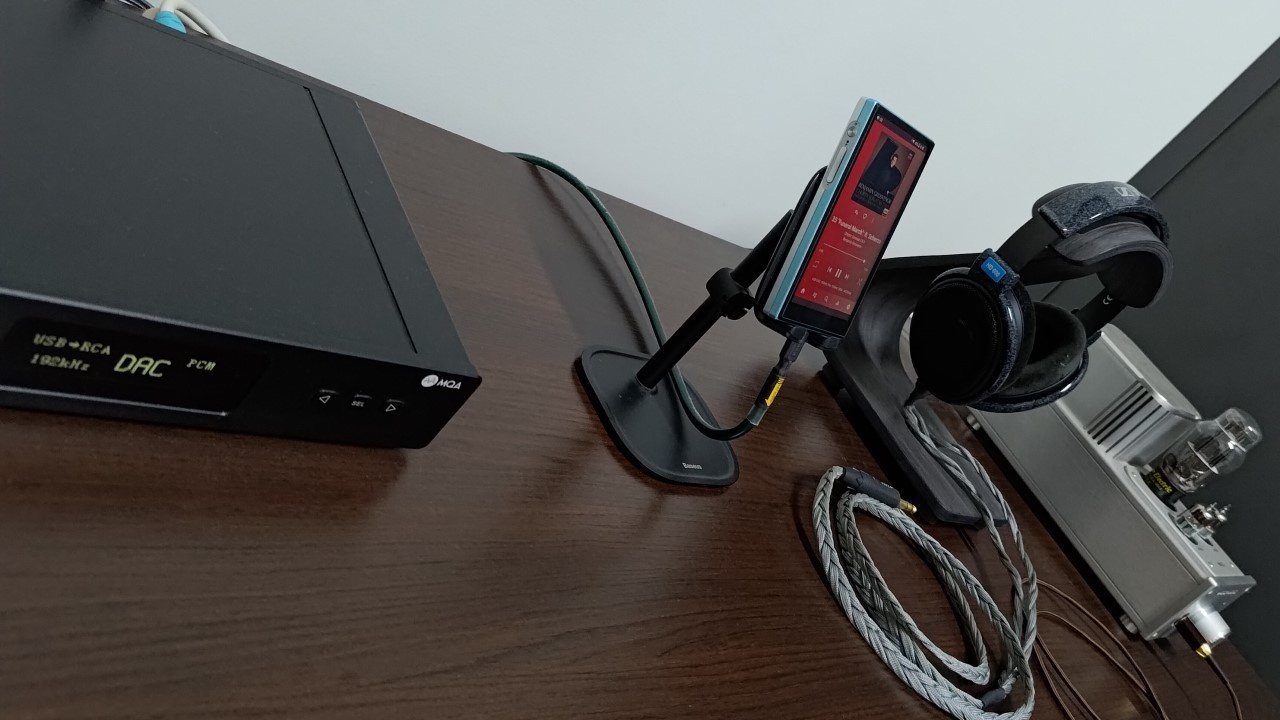
SRC performs resampling, converting all audio files to a sampling rate of 48 kHz. When headphones are connected to the 3.5 mm or 4.4 mm output of a DAP, the original sample rate of the music is preserved. This behavior can also be achieved on smartphones by connecting an external DAC via an OTG cable and using an application that allows exclusive audio access to the connected device.
Examples of applications that support exclusive audio access when connecting a DAC via USB include:
• FiiO Music
• Hiby Music
• USB Audio Player Pro
Apps Must Be Optimized for Each Android Version
According to Chung, when a Digital Audio Player is updated to a new version of the operating system, the company must also optimize its music playback apps for that specific Android version.
“Upgrading to a newer version of the Android system also means that many apps need to be adapted to fix certain errors or compatibility issues.”
He further adds:
“Currently, an open Android system supports virtually unlimited apps, including music streaming apps, which number in the hundreds. Although these applications are essentially similar, there are still significant differences among them, so there is a high probability of encountering usage issues due to new drivers and systems, which must be fixed and optimized through system updates.”
The Influence of Google Apps and Android Services
The execution of Google apps, which are installed by default on Android devices, as well as Android services and features (such as Digital Wellbeing and Family Controls, Google Assistant, Security and Emergency, among others), affects DAP performance because they consume system resources (e.g., RAM, CPU, and data read/write operations).
With this in mind, some Digital Audio Player manufacturers modify the operating system to optimize it by restricting, as much as possible, the use of apps and services that do not contribute to the functionality of a portable music player.
Some PMP (Portable Media Player) brands, however, choose not to alter what is offered by default in Android (Google apps and operating system services). Sony is an example of this approach: it retained the stock operating system, modifying only its native music playback app to enable bit-perfect playback [1], while excluding third-party apps from this functionality [2].
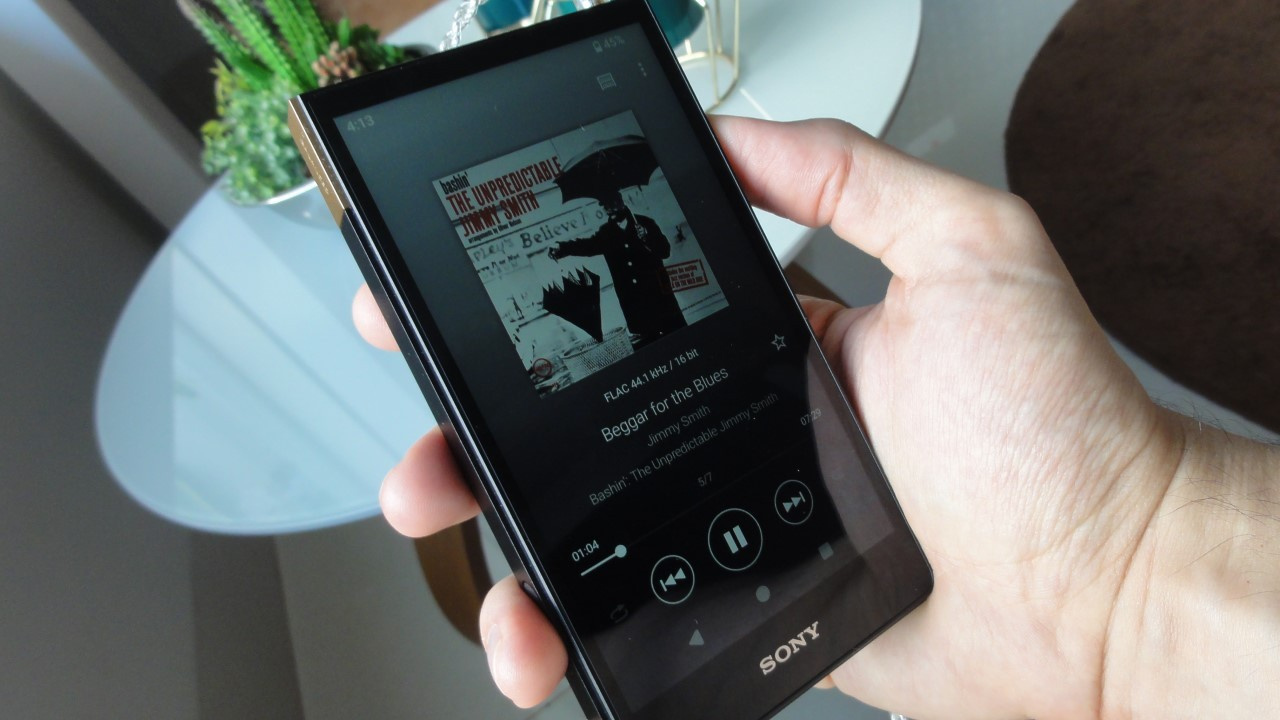
As the Japanese manufacturer also updated the operating system from Android 12 to Android 14 on the Walkman A300 and ZX700 series without implementing further optimizations, the devices became even slower. Fortunately, users can manually disable some Google apps and Android services and features.
[1] Bit-perfect playback refers to audio transmission without interference from the operating system used by the device responsible for music playback.
[2] Sony Walkman Android-based DAPs do not modify the operating system to bypass SRC and other system-level processes that degrade audio. Therefore, bit-perfect playback is only possible with Sony’s native music application and with applications that include dedicated drivers for this purpose, such as USB Audio Player Pro (UAPP).
Why Is an Android DAP Not Updated to a Newer Version of the Operating System?
The SoC used in a DAP relies on specific drivers to manage the operation of its components, such as the display, physical buttons, sensors, DAC, Wi-Fi modem, Bluetooth modem, and others. The Android version installed on a Digital Audio Player must support these drivers.
When new Android updates are released, they are generally compatible with newer drivers, which may make it unfeasible to update certain DAPs to a newer version of the operating system. Given that Digital Audio Players already use older chipsets, the likelihood of OS updates becomes even lower.
Furthermore, new Android features may require greater CPU and GPU processing power. When using older SoCs, as is the case with Android DAPs, running a newer version of the operating system may become impractical. This creates the need for manufacturers to implement system-level optimizations in order to provide the best possible user experience.
When Does a Music Streaming App Discontinue Support on Android DAPs?
A music streaming app developer may stop providing updates for a given Android version for several reasons, generally related to the following factors:
• A low number of app users on a specific Android version.
• Lack of support for certain APIs or functionalities required to implement new features in the latest version of the application.
• Increased risk of security vulnerabilities.
• Use of Widevine L1, a Digital Rights Management (DRM) technology that requires a high level of security. Currently, only Nintendo Music requires this, and it can only be used on Android DAPs from Sony and iBasso.
• High development and testing costs due to the need to maintain compatibility with multiple Android versions.
• Migration of application libraries in order to continue using modern technologies.
• Minimum API levels (Target SDK) required by the Play Store for new applications and updates.
• Major restructuring of the application with significant changes to its architecture.
The Target SDK is the API level for which an app has been tested and optimized. It informs the Play Store and the operating system that the app is capable of handling the behavior of that version.
Each Android version is associated with a specific API level. For example, Android 13 is associated with API level 33, while Android 14 corresponds to API level 34.
What Is the Minimum Android Version Required by Music Streaming Apps?
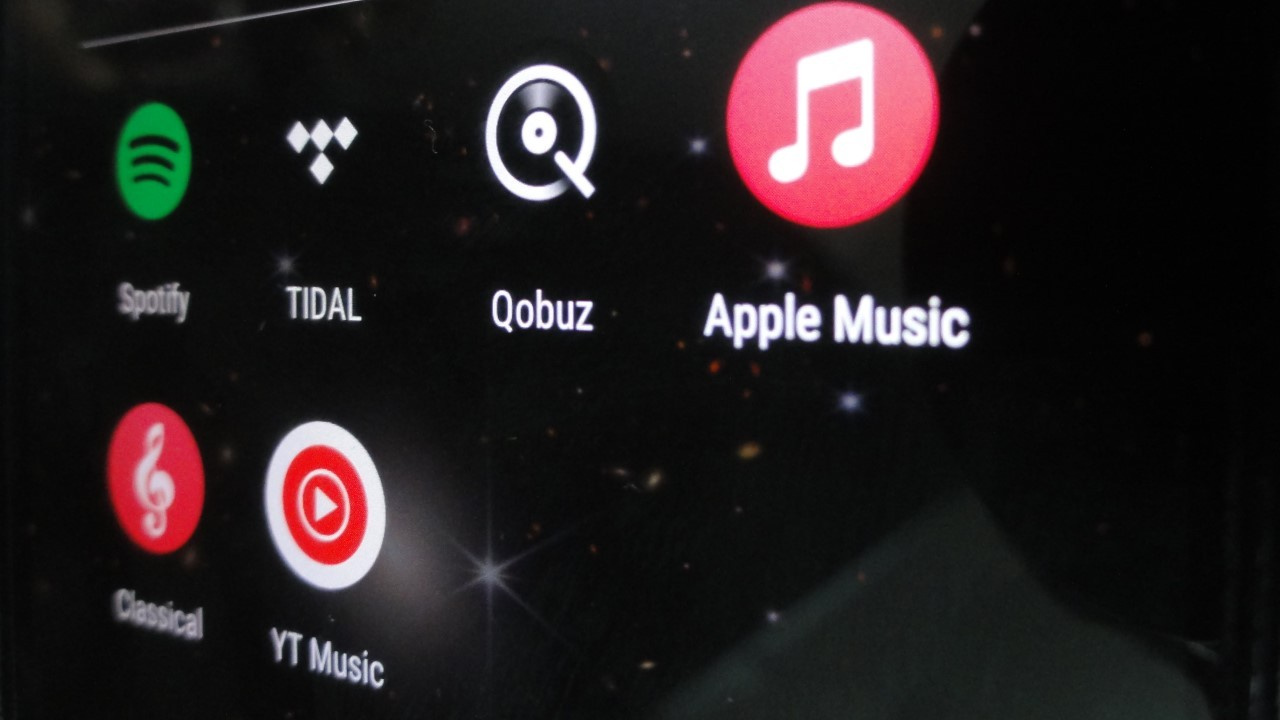
Each application has its own primary reasons for defining the minimum Android version required for a device to install and run the latest update. The table below shows the Android versions required by each music streaming app.
| App | Minimum Android Version Required |
| Amazon Music | Android 10 (Android Q) |
| Apple Music | Android 10 (Android Q) |
| Deezer | Android 6.0 (Marshmallow) |
| Spotify | Android 7.0 (Nougat) |
| Qobuz | Android 6.0 (Marshmallow) |
| Tidal | Android 7.0 (Nougat) |
| YouTube Music | Android 8.0 (Oreo) |
Does Having the Latest Android Version Guarantee Continued App Support on a DAP?
No. In some cases, due to minimum API level (Target SDK) requirements imposed by the version of the Play Store installed on the DAP, applications may stop functioning properly. In addition, depending on the SoC used by the Digital Audio Player, compatibility issues may also arise.
Between 2020 and 2021, there were reports on Reddit and on Apple’s forum indicating that Apple Music was no longer allowing login on the FiiO M11. In a FAQ, the manufacturer clarified that the issue was caused by Samsung’s Exynos 7872 chipset:
“Currently, the M11 can install and use Apple Music normally, but it cannot log in. This issue is related to the 7872 platform itself and has already been reported to Samsung for further processing.”
Share:


No comments have been made yet, be the first!