

Why use a DAP (Digital Audio Player)?
From: Vitor Valeri
A headphone hobbyist for over 15 years, he founded the Hi-Fi Hub website and is an administrator of the "Fones High-End" and "Fones Low-End" groups on Facebook.


Published in: 18/12/25 at 23:03 - Updated in: 16/01/26 at 09:54
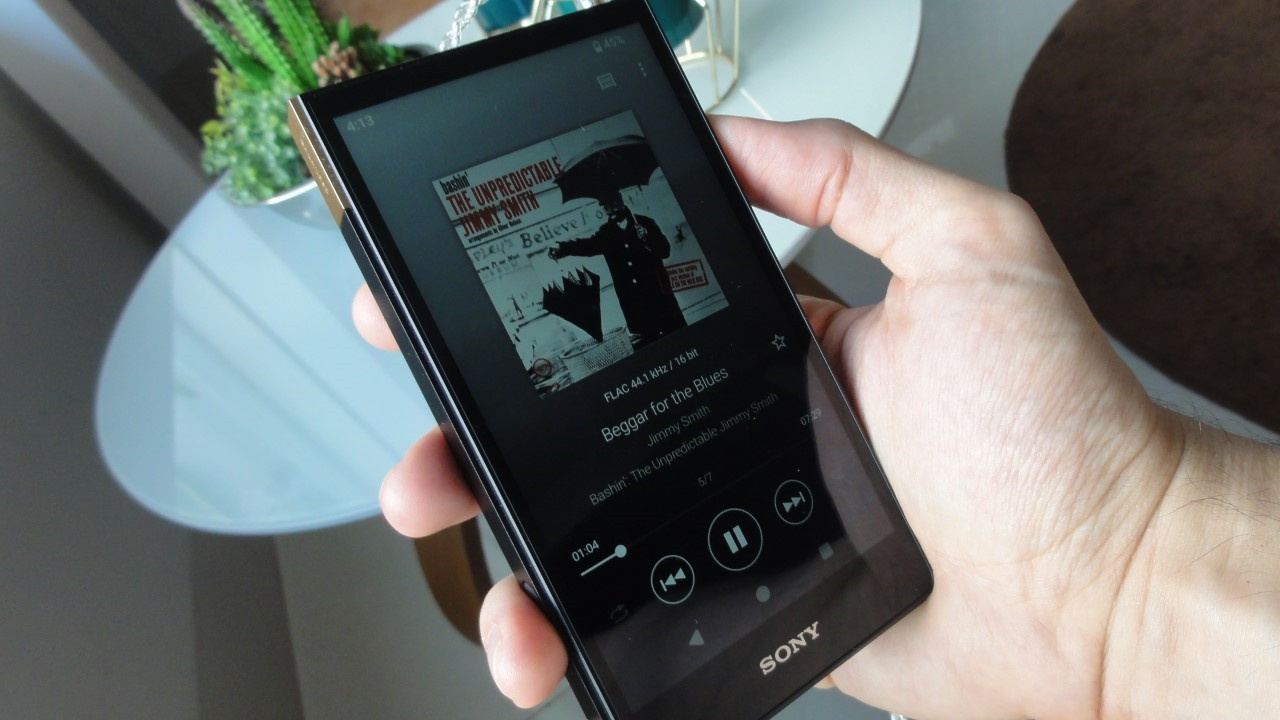 Illustrative image of a DAP (Digital Audio Player) – shown here is the Sony NW-ZX707 (Image: Vitor Valeri/Hi-Fi Hub)
DAPs (Digital Audio Players) or PMPs (Portable Media Players), popularly known in Brazil as “MP3 players,” were highly popular from the early 2000s until around 2010. At that time, the most famous models were Apple’s iPods and Sony’s Walkman line, but there were also devices from Samsung (YP-T10), Cowon (Plenue D), SanDisk (Sansa Clip), Philips (GoGear), Microsoft (Zune), among other brands.
With the popularization of streaming services and the emergence of smartphones, DAPs had their market share considerably reduced. Around 2010, there were no Digital Audio Players capable of running music streaming applications such as Spotify, whereas the first Android smartphones began to appear and already featured headphone outputs.
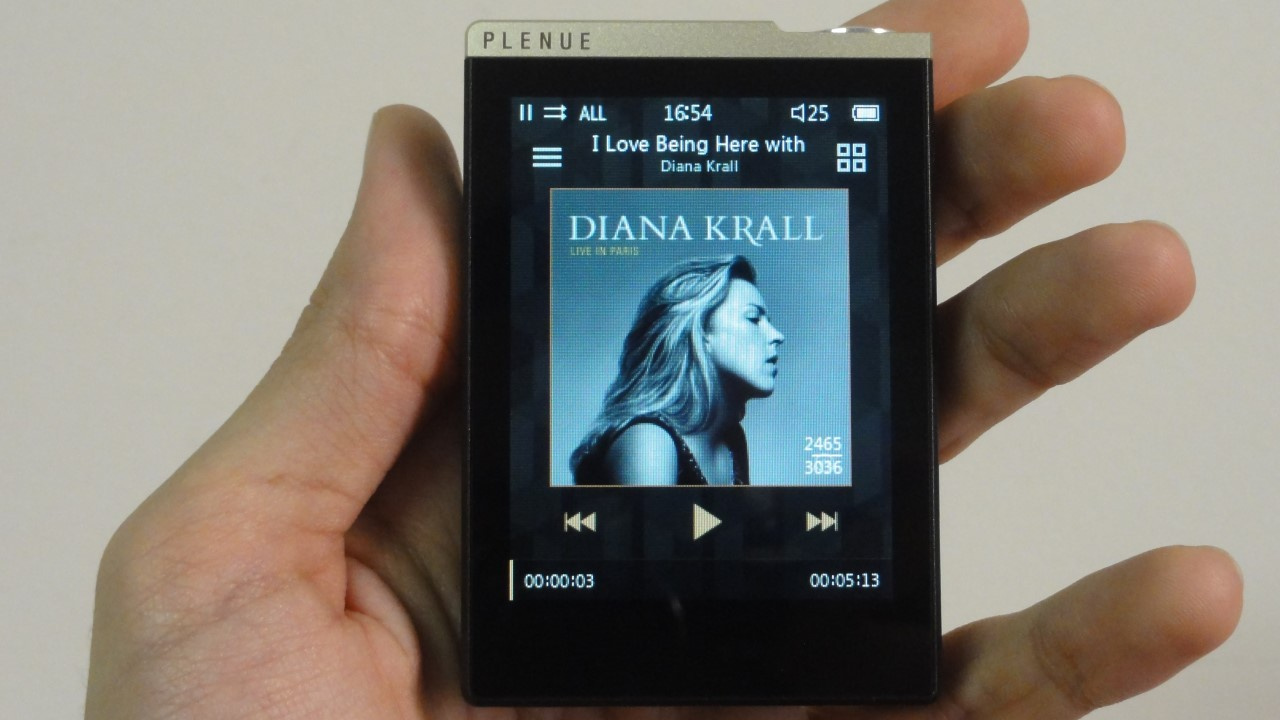
In 2014, Sony was one of the first companies to introduce a DAP running the Android operating system, launching the Walkman NW-ZX1. About one year later, the Chinese manufacturer FiiO released the X7, its first Digital Audio Player based on Google’s operating system. From that point onward, PMPs began to regain popularity.
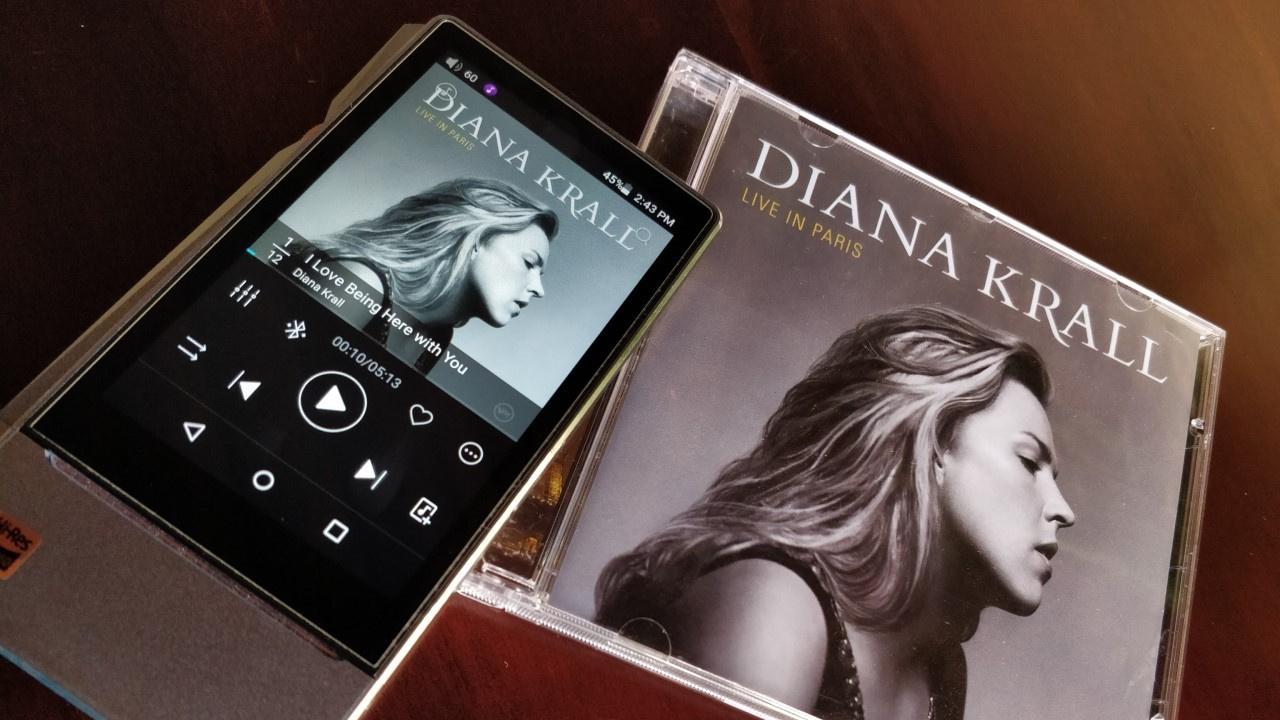
With Android present in Portable Media Players, it became possible to download music streaming applications such as Spotify and Deezer, providing access to millions of albums from artists all over the world. This led part of the audience that previously used PMPs to become interested in them again.
However, merely having the ability to run streaming apps, as smartphones already did, was not a strong enough advantage to convince some users to purchase a DAP. It was then that Chinese companies began to launch Digital Audio Players equipped with more advanced DAC (Digital-to-Analog Converter) chips and more powerful amplification systems compared to those found in smartphones, notebooks, and older PMP models.
Nevertheless, as the output power of DAPs increased, their energy consumption also rose considerably. Even though the apps themselves did not demand many chipset resources, battery drain became significant, forcing manufacturers to adopt lithium-ion cells with increasingly higher capacities.
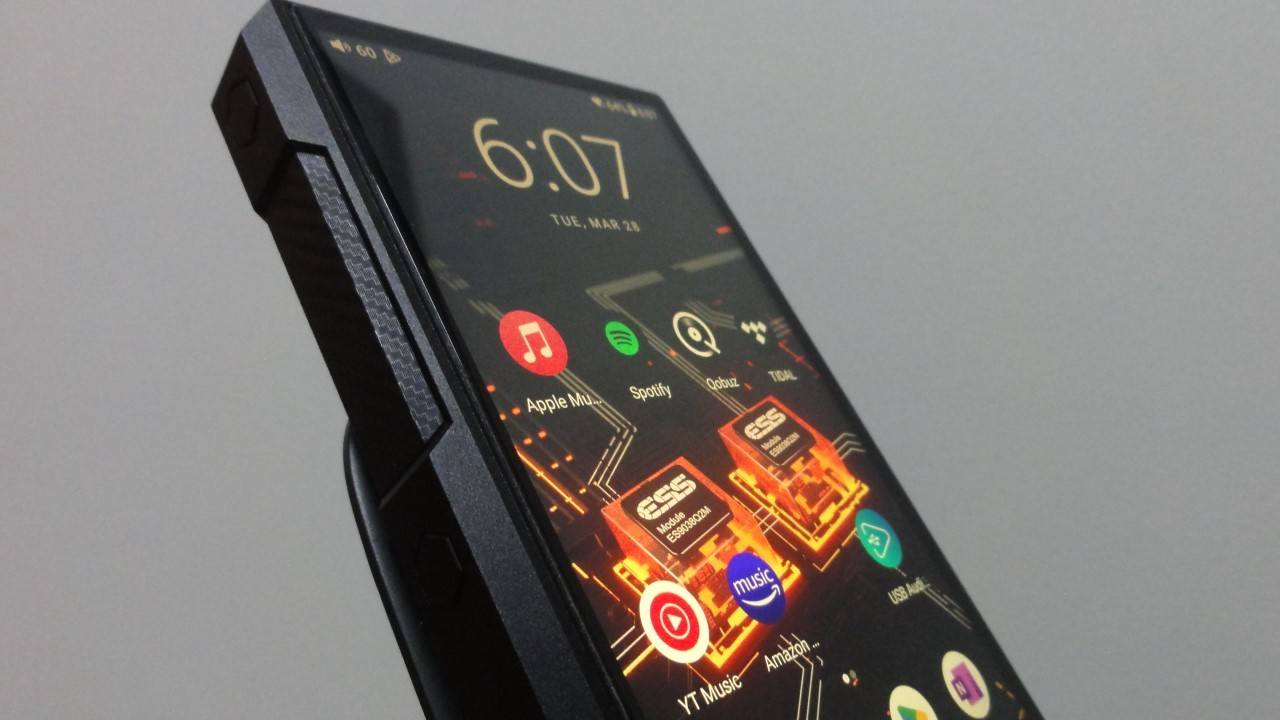
As a result, the Digital Audio Player market became saturated with models that were progressively larger and heavier, since consumers wanted devices powerful enough to drive not only portable earphones (in-ears, earbuds, on-ears) but also over-ear headphones, which are typically used at home.
In August 2025, FiiO’s founder, James Chung, stated in a post on the Chinese social network Weibo:
“In recent years, the output power of portable devices has been increasing, but there are still limitations, since it is necessary to balance heat dissipation, size, weight, and battery life. This means that we are approaching the limit.”
In 2024, the direction changed once again with the release of a DAP called the FiiO JM21. According to its official specifications, this device is capable of delivering up to 700 mW through its balanced output (4.4 mm) at 32 ohms. Despite its extremely high power, it weighs only 156 g, is as thin as a smartphone with just 13 mm of thickness, and is compact thanks to its 4.7-inch display.
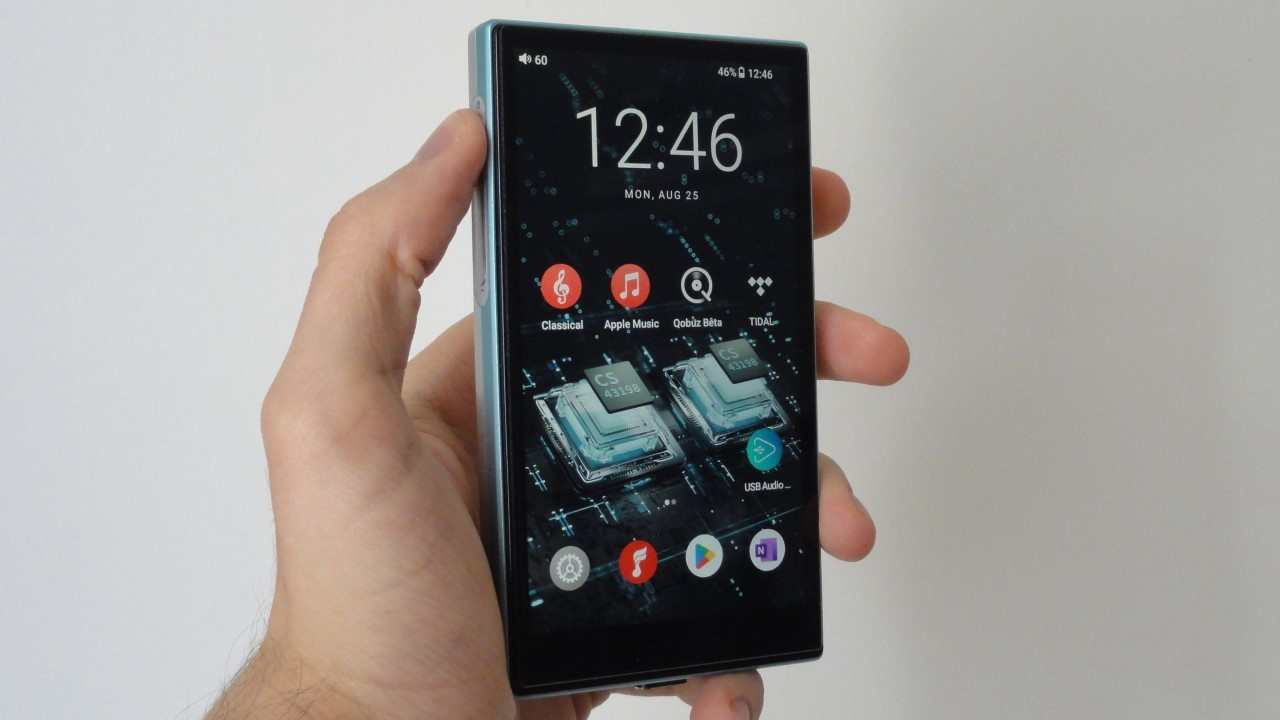
Ultimately, even with all these changes, there are still people who do not find it advantageous to use a Digital Audio Player, or for whom this type of device simply does not fit into their routine. Therefore, the advantages and disadvantages of using a DAP are clarified below.
Why is it interesting to use a DAP?
When using a DAP, several aspects make it an appealing device for music listening:
1- More precise volume adjustment: there are numerical references, smaller volume steps, and three different gain levels [1] that can be adjusted according to the impedance and sensitivity of the earphones.
2 – Physical buttons for music control: they allow the user to perform simple commands such as play, pause, skip forward or backward, and adjust volume without turning on the screen.
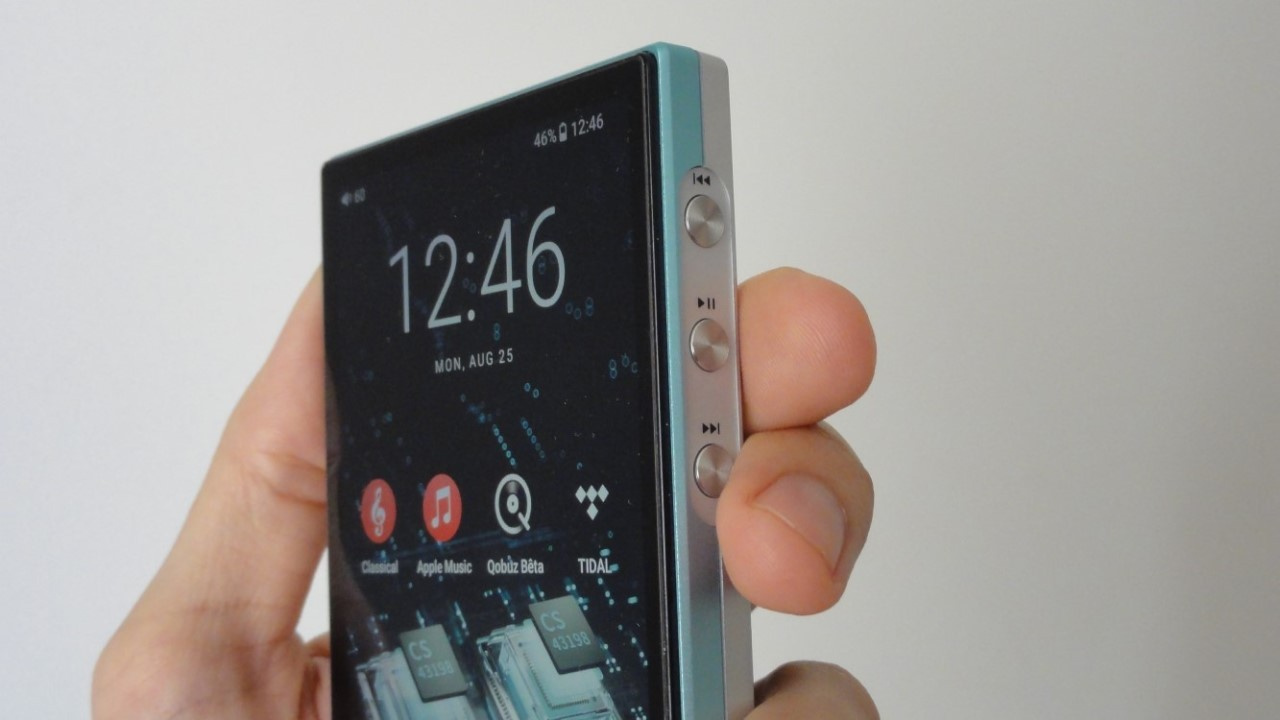
3 – Non-shared battery consumption: higher energy efficiency, since there are no processes running for purposes other than music playback.
4 – Multiple connection options: there are several ways to connect devices, including:
• Bluetooth receiver: allows the user to receive audio data via Bluetooth from another device, such as a smartphone or a TV.
• S/PDIF coaxial cable with 3.5 mm to RCA connector: enables audio transmission to a DAC or to an automotive digital signal processor (DSP).
• Line Out: transmits audio at fixed maximum volume to an amplifier through a 3.5 mm or 4.4 mm to RCA or XLR cable.
• USB cable: allows audio transmission to a desktop DAC, using the DAP only as a player, without using its internal DAC and amplifier. In addition, it is possible to receive audio from a computer and use the Digital Audio Player as a USB DAC/amp or an “external sound card.”
• Bluetooth transmitter: for connecting Bluetooth earphones or speakers.
5 – Audio-oriented hardware: circuitry designed to provide protection against interference and to ensure better audio signal transmission.
6 – No distractions: unlike smartphones, which have many distracting applications, a music-dedicated device encourages focus and engagement in listening to albums and playlists.
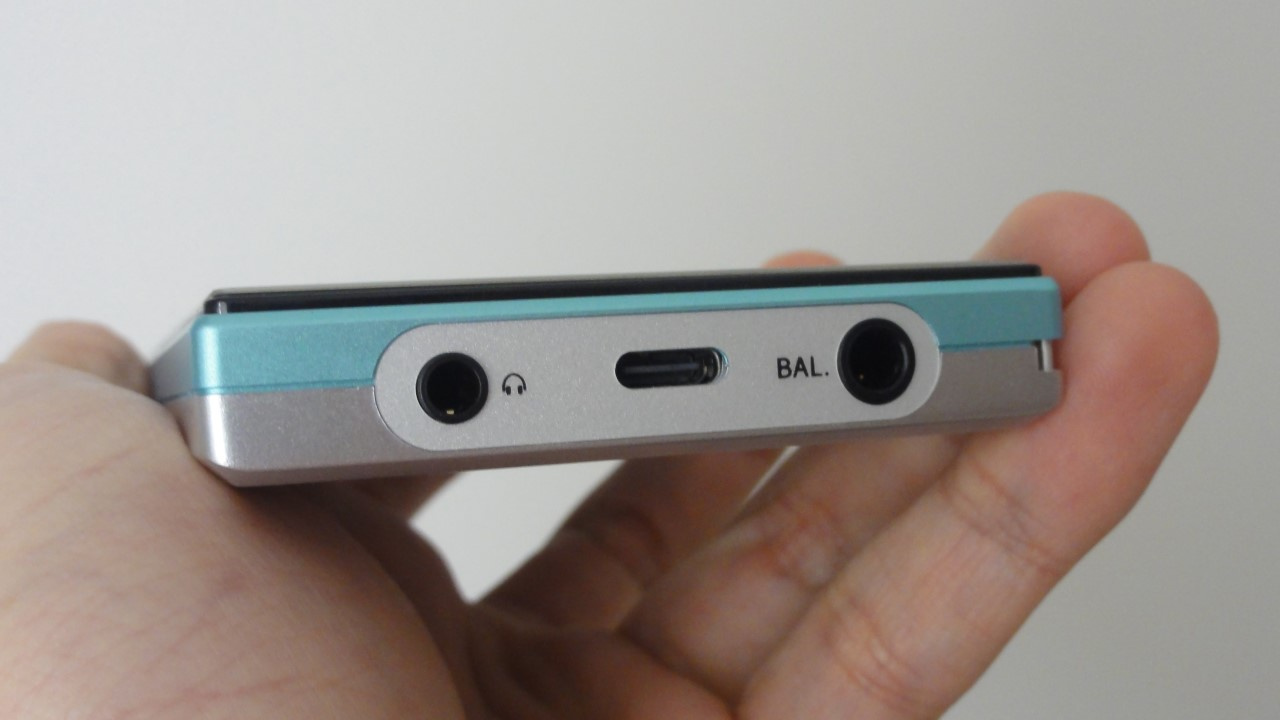
7 – Headphone outputs: there are two headphone outputs, one single-ended (SE) 3.5 mm and one balanced 4.4 mm. Smartphones with headphone outputs are becoming increasingly rare, and connecting wired earphones to them usually requires a portable USB DAC/amp, commonly known as a “dongle” or “headphone adapter.”
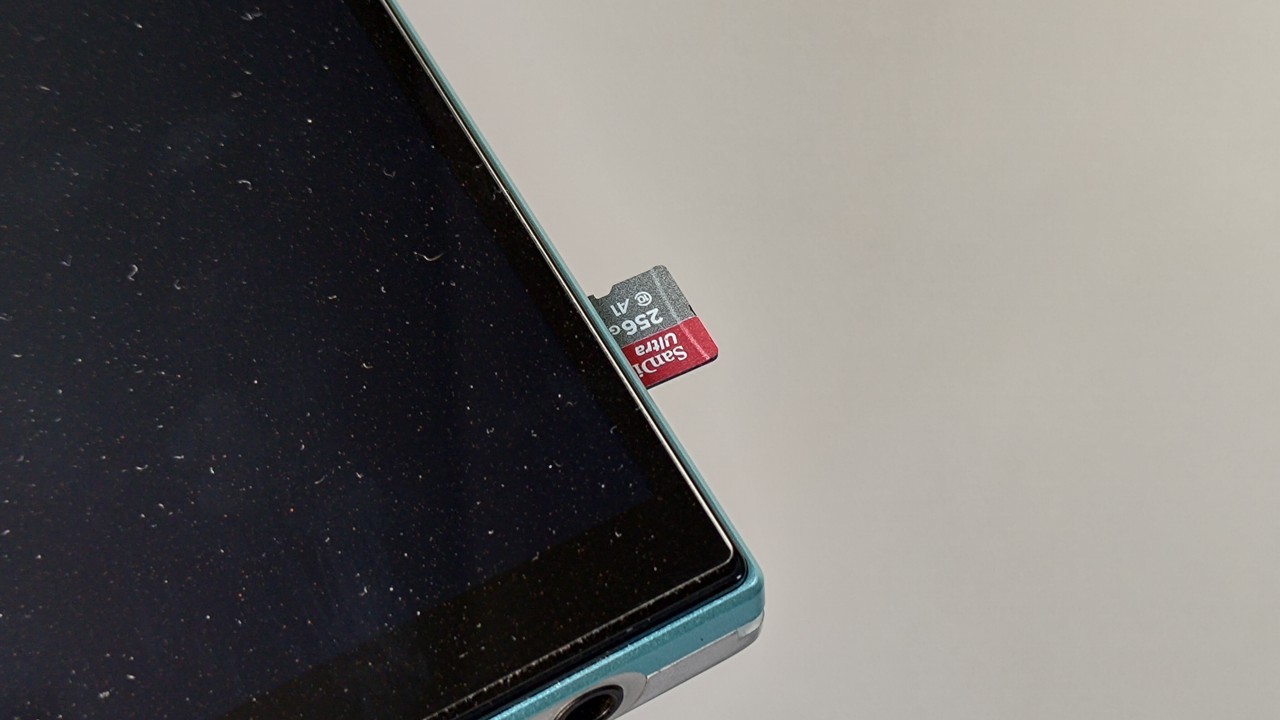
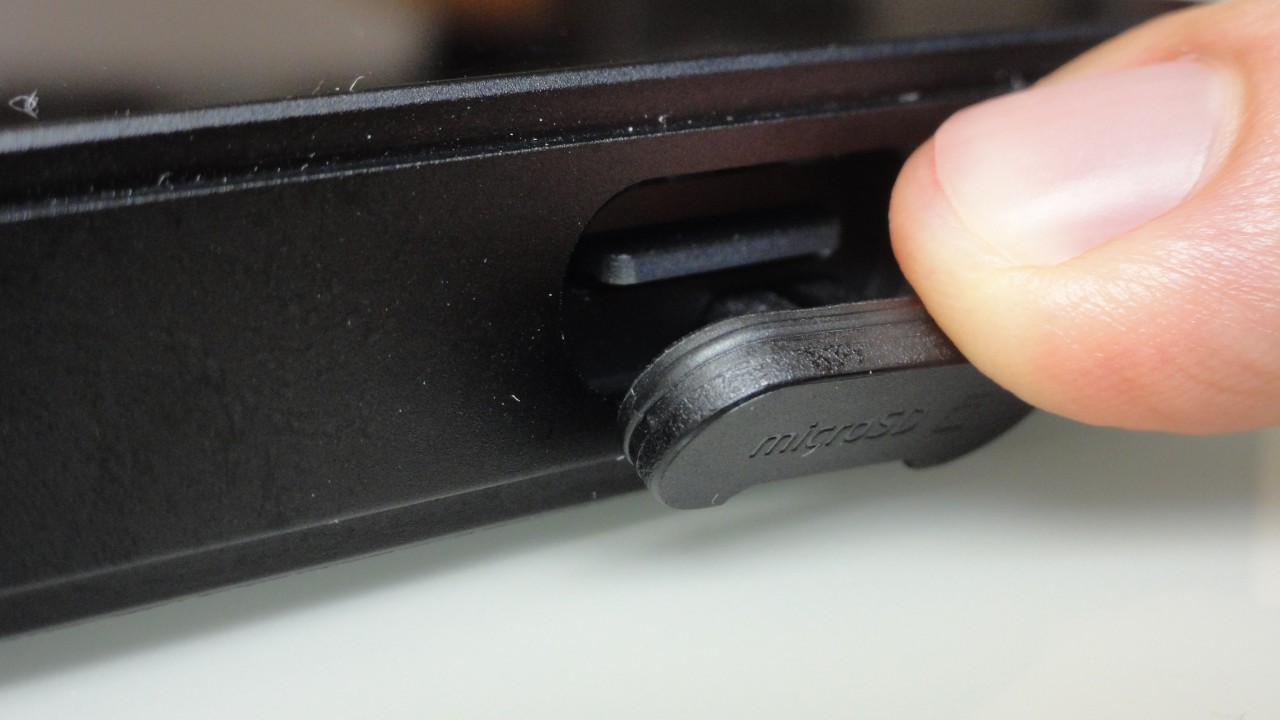
8 – MicroSD card slot: allows users to store music on the card or download content from streaming services for offline listening.
9 – Audio transmission with minimal interference: Android in DAPs is modified to reduce interference from the operating system as much as possible. This is achieved by bypassing the SRC (Sample Rate Conversion) [2] applied by Android’s audio APIs and by granting exclusive access to the operating system’s audio path to the music application in use.
10 – Higher output power: it becomes possible to use high-impedance over-ear headphones thanks to the greater output power compared to that of smartphones and notebooks. For better performance, this power can be controlled through different gain levels.
[1] Gain levels allow the efficient use of the device’s available power, enabling more precise volume control. Low gain is ideal for high-sensitivity, low-impedance earphones (e.g., in-ears and earbuds), while high gain is ideal for high-impedance, low-sensitivity headphones (e.g., over-ears).
[2] SRC (Sample Rate Conversion) performs resampling, converting all audio files to a sampling rate of 48 kHz.
When does a DAP stop being interesting?
There are situations in which, depending on one’s routine or listening habits, a DAP may no longer be an attractive option:
1- High power consumption with Wi-Fi enabled: when Wi-Fi is turned on to use streaming services, energy consumption tends to be higher than that of a typical smartphone. An alternative is to download music for offline listening, making sure to set the microSD card as the storage destination within the streaming app.
2 – High price: when purchasing a DAP, one pays for all its built-in features and for its ability to play music independently, without relying on any external device. A cheaper alternative, when these features are not essential, is the use of portable DAC/amps.
3 – Features not relevant to the user: having many available features does not always make a difference. Sometimes the user simply wants a device that can reproduce music with better sound quality, even if that requires using two devices, such as a smartphone plus a portable DAC/amp with Bluetooth receiver functionality.
4 – Becomes a second device to charge: depending on how the DAP is used, the user may need to charge it frequently in addition to charging a smartphone, which can be inconvenient for some individuals.
Share:


No comments have been made yet, be the first!