

Hearing Protection: Why Should You Use It?
From: Vitor Valeri
A headphone hobbyist for over 15 years, he founded the Hi-Fi Hub website and is an administrator of the "Fones High-End" and "Fones Low-End" groups on Facebook.


Published in: 19/12/25 at 11:54 - Updated in: 16/01/26 at 11:20
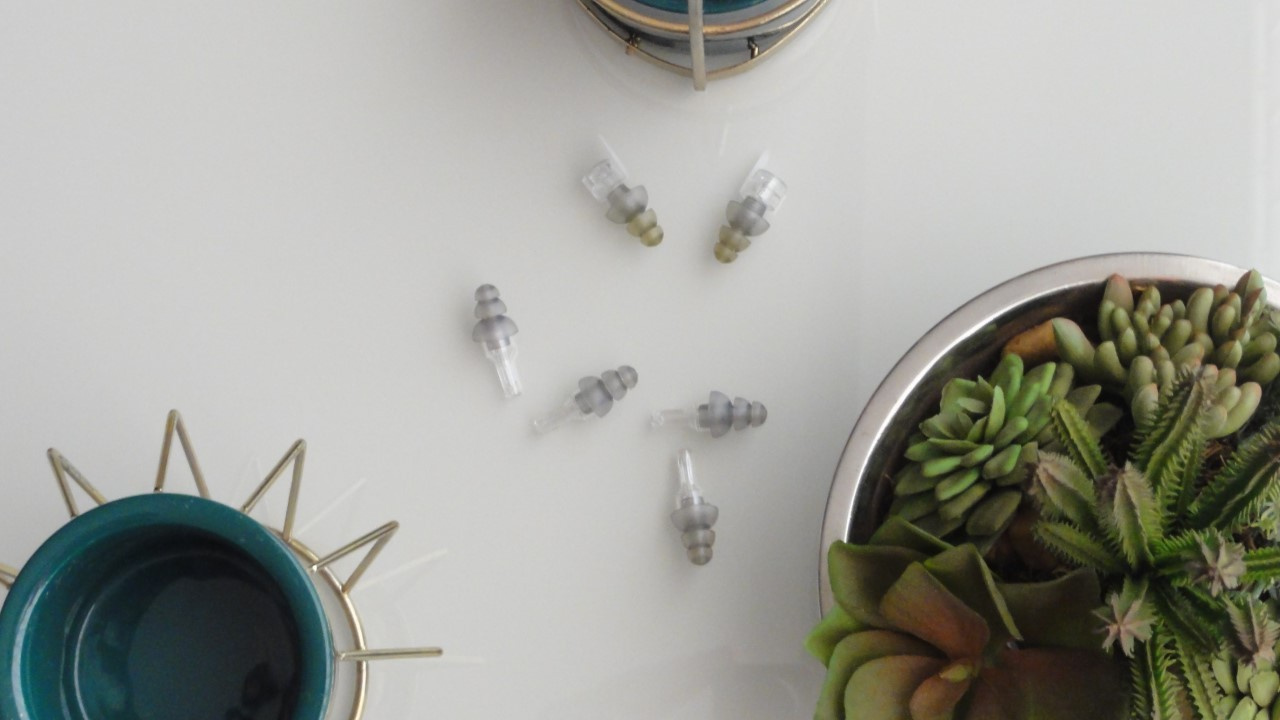 Hearing protectors, also known as “ear protectors,” “earplugs,” or “earmuffs” — in the photo, Etymotic models (Image: Vitor Valeri/Hi-Fi Hub)
Ear protectors, commonly referred to as “hearing protectors,” “earplugs,” or “earmuffs,” are accessories typically used by workers who are constantly exposed to noise in the workplace. In the field of Occupational Health and Safety (OHS), they are classified as PPE (Personal Protective Equipment). However, what few people know is that there are different types of hearing protectors, and some of them are specifically designed not to distort sound.
The danger of prolonged noise exposure
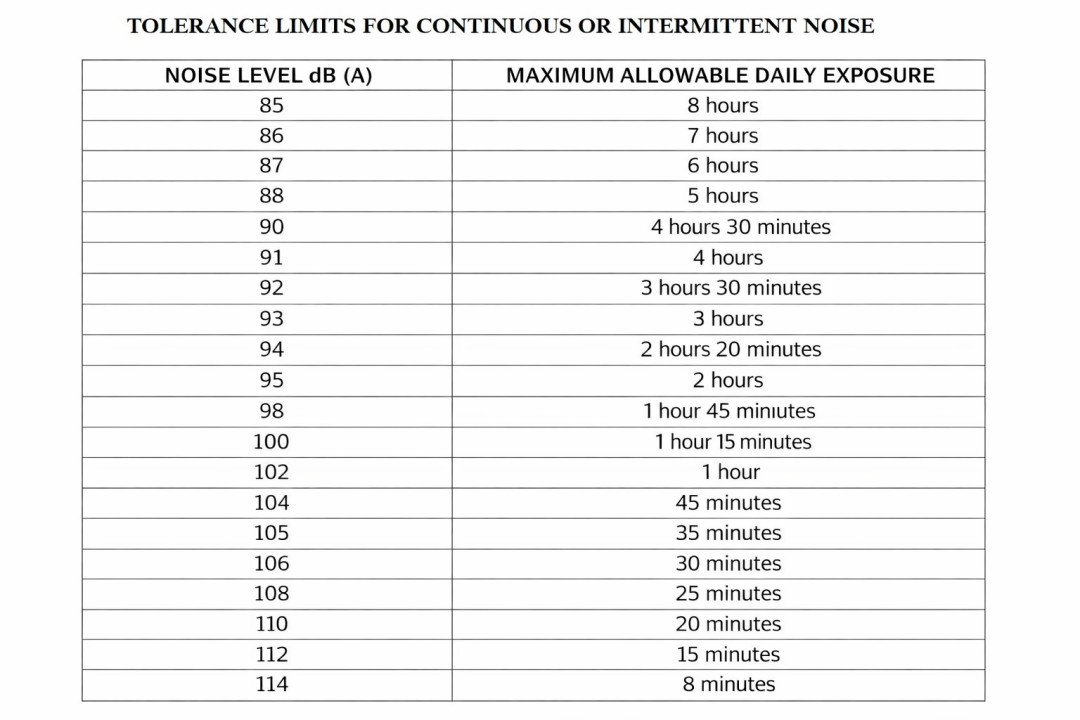
Exposure to noise is part of everyday life for everyone. However, what few people realize is that, depending on the noise level, measured in decibels (dB), there are limits that must not be exceeded for a given duration of daily exposure.
According to the World Health Organization (WHO), an adult should not be exposed to noise levels above 80 dB for 40 hours per week in order to avoid hearing loss. For children, the WHO recommends that exposure should not exceed 75 dB for a total of 40 hours per week.
According to Annex No. 1 of Regulatory Standard (NR) 15, the tolerance limits for continuous noise (without interruptions) or intermittent noise (with pauses) are as follows:
Noise exposure is not only about hearing loss: sound sensitivity
According to speech-language pathologist Amy Sarow, Head of Audiology at the U.S.-based company Soundly, sound sensitivity refers to a condition in which a person exhibits an intensified, often uncomfortable response to sounds that most people are able to tolerate or ignore.
According to Amy, there are two forms of sound sensitivity. They are:
• Known as misophonia, this type of sensitivity is characterized, according to Sarow, by situations in which “sounds (such as the clattering of dishes or the constant clicking of a pen) cause distress regardless of volume. This discomfort may persist even when these sounds are not particularly loud or aggressive.”
• Sensitivity to “any sound that reaches or exceeds a certain volume threshold, sometimes as low as that of ordinary conversation.” In this case, according to Amy, reactions “can vary widely, ranging from mild irritation or discomfort to feelings of aversion and, in severe cases, even physical pain.”
Who typically has sound sensitivity?
According to Amy, sound sensitivity is more common among neurodivergent individuals, such as those diagnosed with autism or ADHD (Attention Deficit Hyperactivity Disorder). Sarow states that the manifestation of this type of sensitivity “can range from mild discomfort to an intense and overwhelming reaction to a specific sound.”
Beyond sound sensitivity and worker protection: hearing protectors at music concerts
The use of hearing protectors can go beyond sound sensitivity or the protection of workers against hearing loss. At music concerts, both stage workers and audience members can and should use hearing protectors. In this context, however, there are models specifically designed to prevent sound distortion.
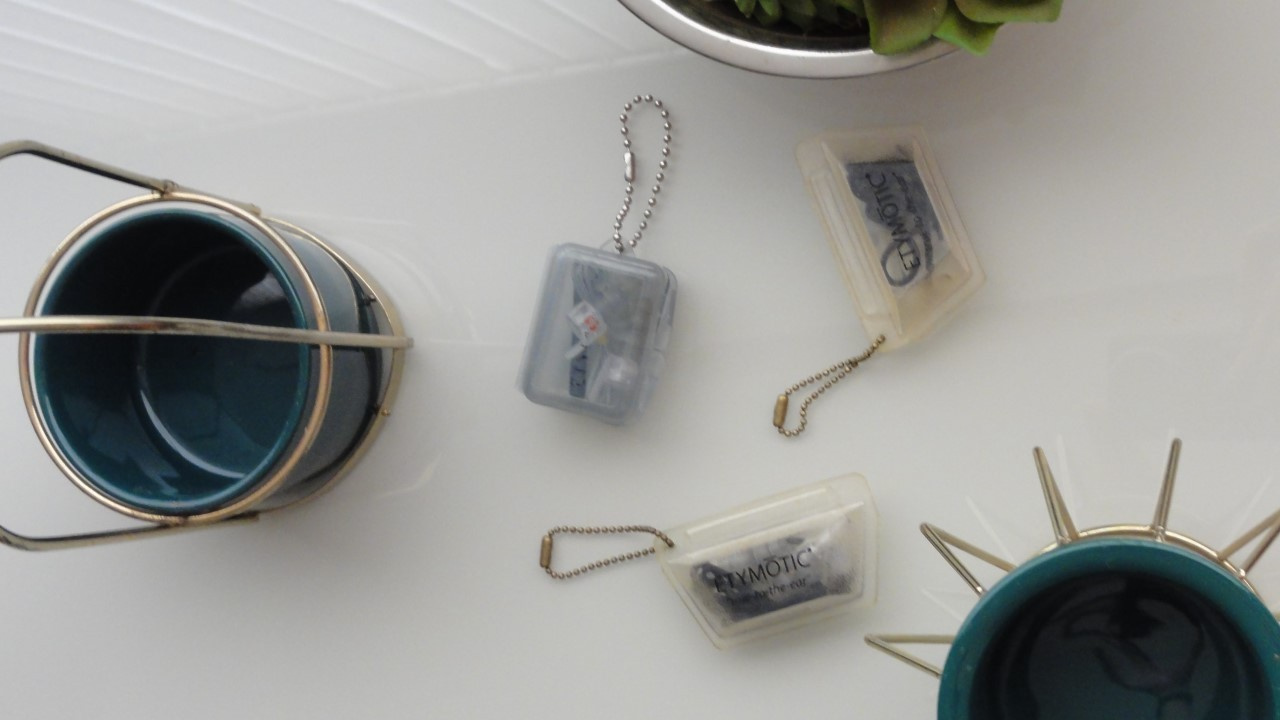
Thanks to the research and products developed by Etymotic, an institution focused on the study and design of products related to hearing health, hearing protectors were created that use triple-flange ear tips (“ear tips” or “silicone tips”).
These Etymotic hearing protectors were designed to reduce noise levels by up to 20 dB across the entire sound spectrum, without distorting the sound and while preserving speech intelligibility when talking to people nearby. In this way, it is possible to listen to a live concert without sound distortion, preventing the bass from sounding “blown out” and increasing the clarity of musical instruments and vocal performances.
Different models of in-ear hearing protectors
There are several models of Etymotic in-ear hearing protectors. The simplest one is the ER20, which has ear tips permanently attached to its structure.
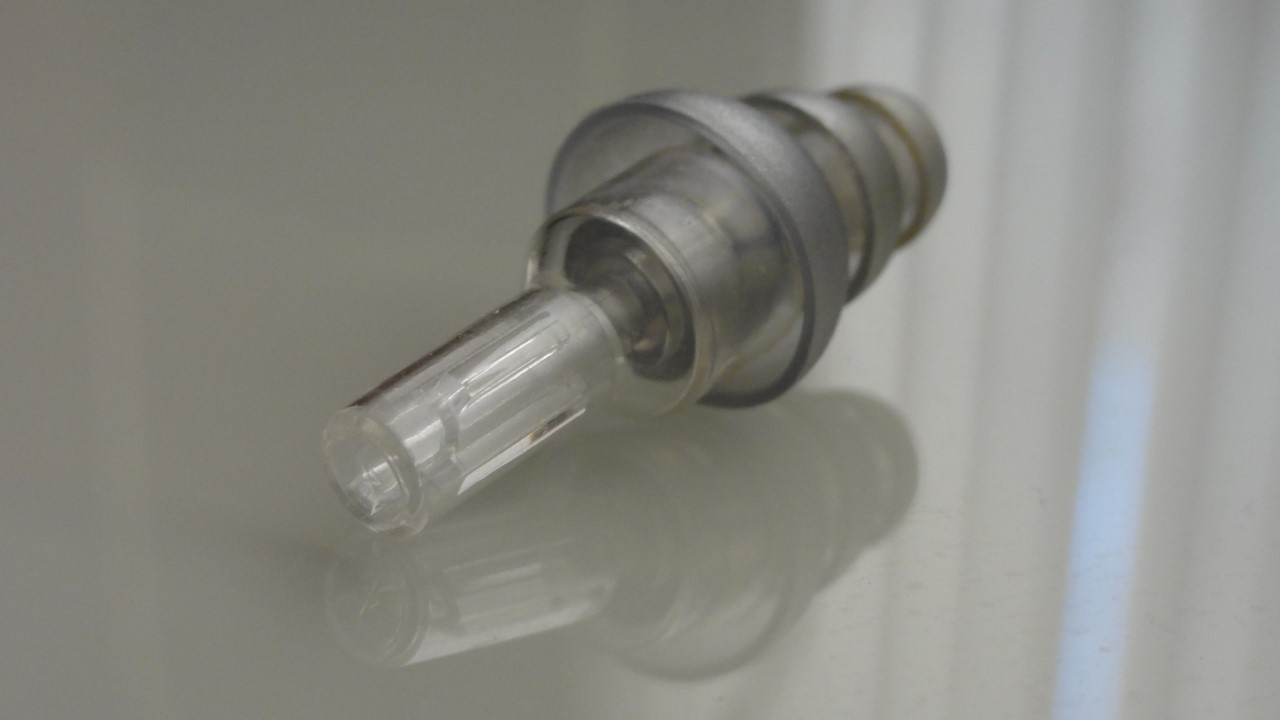
Personally, I prefer the ER20XS model, which allows the ear tips to be removed for later cleaning with soap and water.
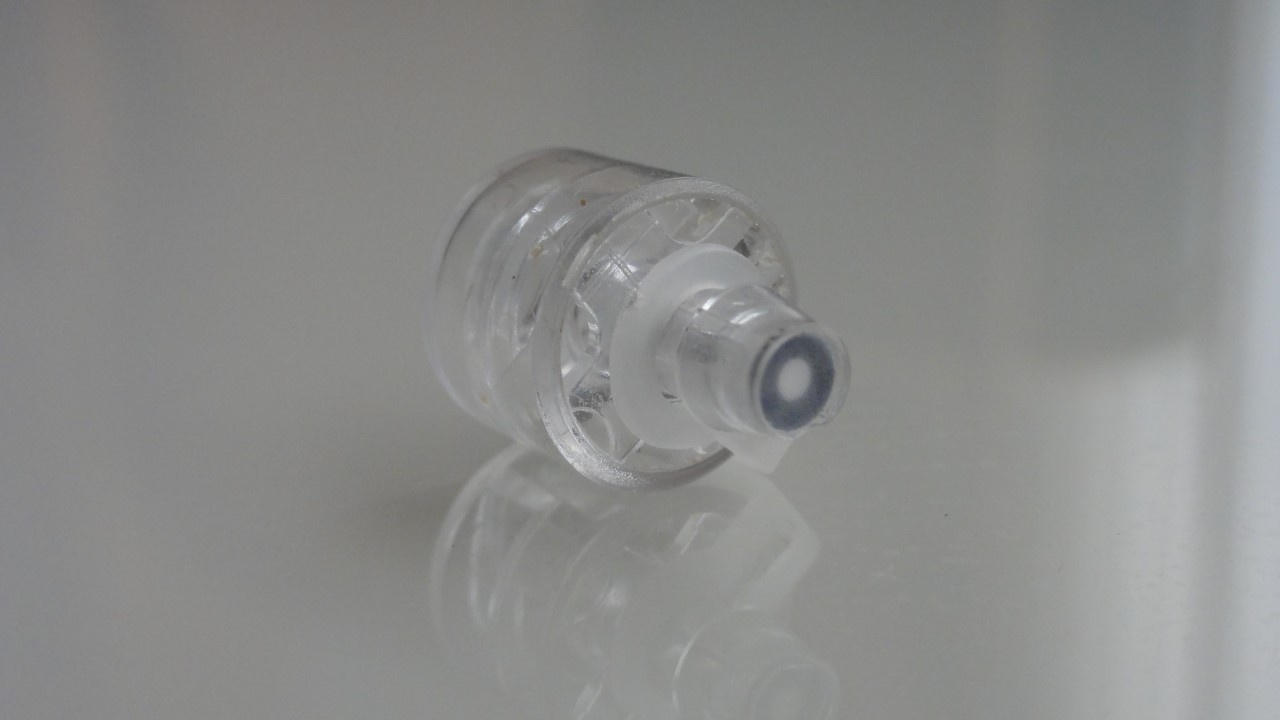
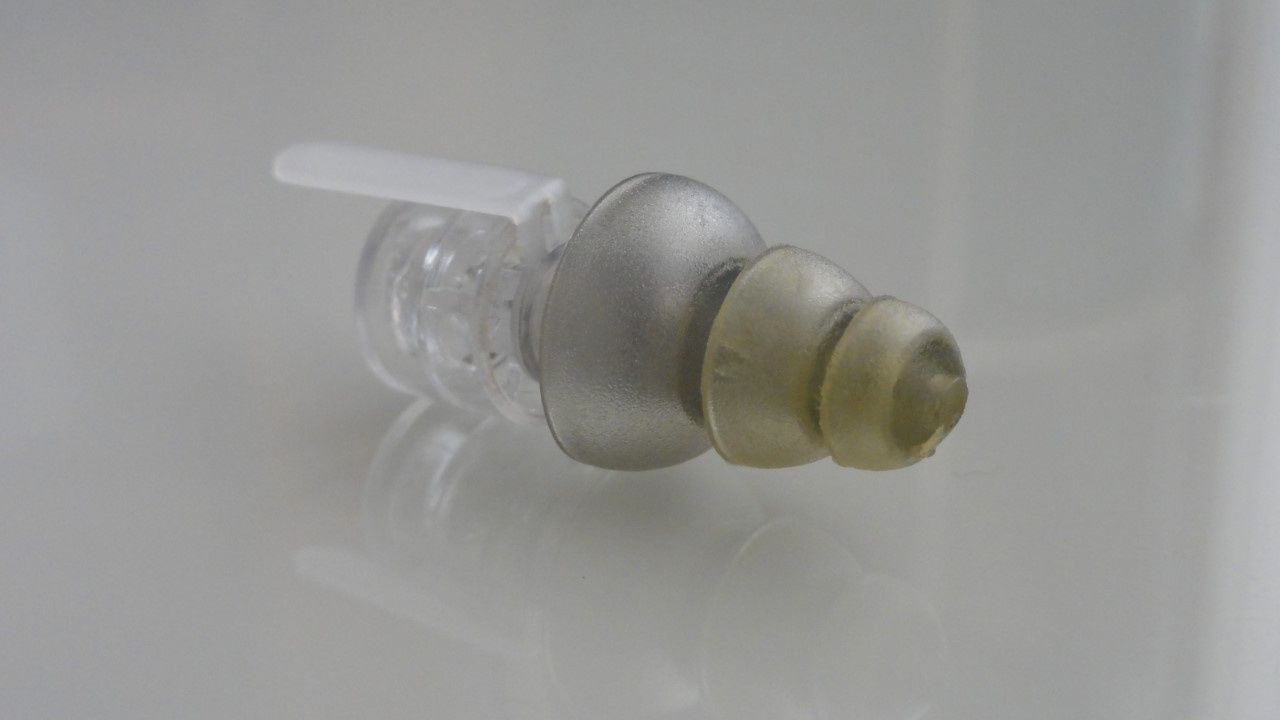
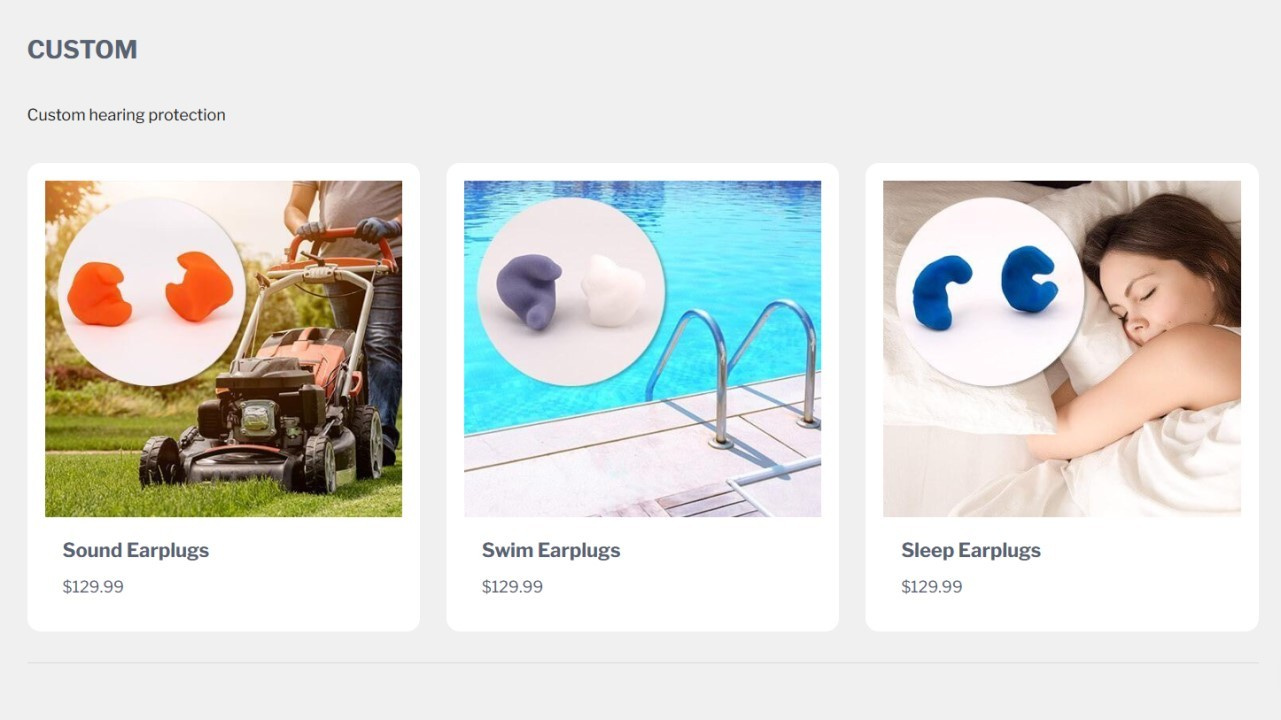
Etymotic also produces customized (custom-molded) versions of its hearing protectors, as shown in the images below.
About Etymotic
Founded in 1983, Etymotic is an American company focused on research and development of acoustic products, with the goal of designing research instruments capable of accurately detecting and assessing hearing loss. The company was responsible for the invention of in-ear (intra-aural) earphones, and its commercial models feature a sound signature considered “neutral” while passively attenuating noise between 35 dB and 42 dB.
About Soundly
Soundly was created from the desire of Blake Cadwell, the company’s co-founder and CEO, to make research on hearing aids easier by providing clear and accessible content that delivers information more efficiently to those seeking solutions to hearing health–related problems.
Share:


No comments have been made yet, be the first!