

How to use wired earphones on smartphones without a headphone jack?
From: Vitor Valeri
A headphone hobbyist for over 15 years, he founded the Hi-Fi Hub website and is an administrator of the "Fones High-End" and "Fones Low-End" groups on Facebook.


Published in: 18/12/25 at 22:32
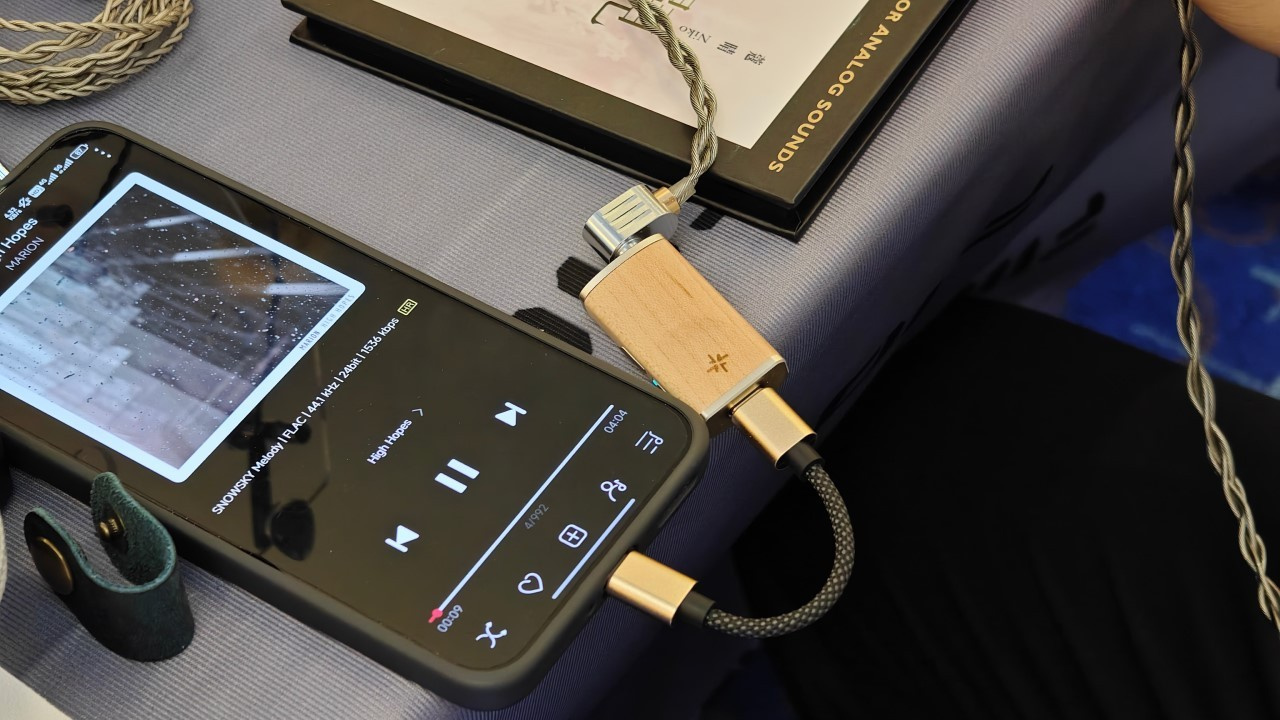 DAC/amp (“dongle,” “headphone adapter”) FiiO Snowsky Melody (Image: FiiO/Weibo)
Using wired headphones on smartphones without a headphone jack (3.5 mm) is possible. Through portable DAC/amps, commonly known as “dongles” or “USB headphone adapters,” users can connect their smartphones to headphones via cable or Bluetooth. There are many options on the market, and some of them provide improved sound quality for the transmitted audio, making them useful for listening to music, making calls, gaming, and watching movies.
An alternative to “headphone adapters,” if you prefer not to use them, is USB-cable headphones. Below, you’ll find all the details about the different ways to use wired headphones on smartphones without a headphone jack.
What can you do when using a “headphone adapter” on a smartphone?
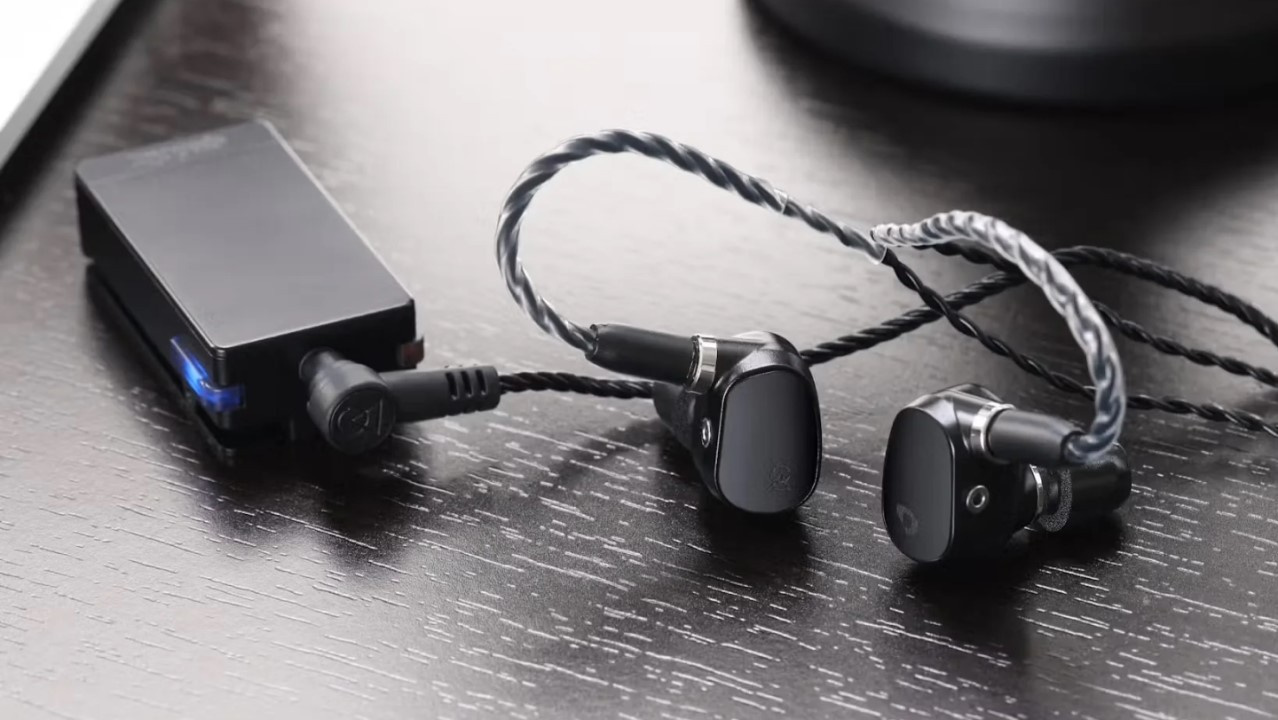
When using a “headphone adapter” (portable DAC/amp) on a smartphone, you can:
• Apply hardware-based equalization
• Connect wired headphones
• Connect balanced cables with a 4.4 mm connector
• Use the microphone built into the headphone cable
• Improve headphone sound quality
• Have a greater number of volume steps
• Turn a wired headphone into a wireless Bluetooth headphone
• Use over-ear headphones with high impedance and low sensitivity
Do all “dongles” offer the same functions when used with a smartphone?
No. Some “dongles” (portable DAC/amps) do not support the following features:
• Bluetooth to receive audio signals from the smartphone
• Removable USB cable
• 4.4 mm balanced cable connection
• Built-in DSP (Digital Signal Processing) for hardware-based equalization
• Built-in microphone
• Support for more advanced Bluetooth audio codecs (e.g., aptX Adaptive, aptX Lossless, LDAC)
• Support for cables with a built-in microphone
Which portable DAC/amp brands for smartphones are most recommended?
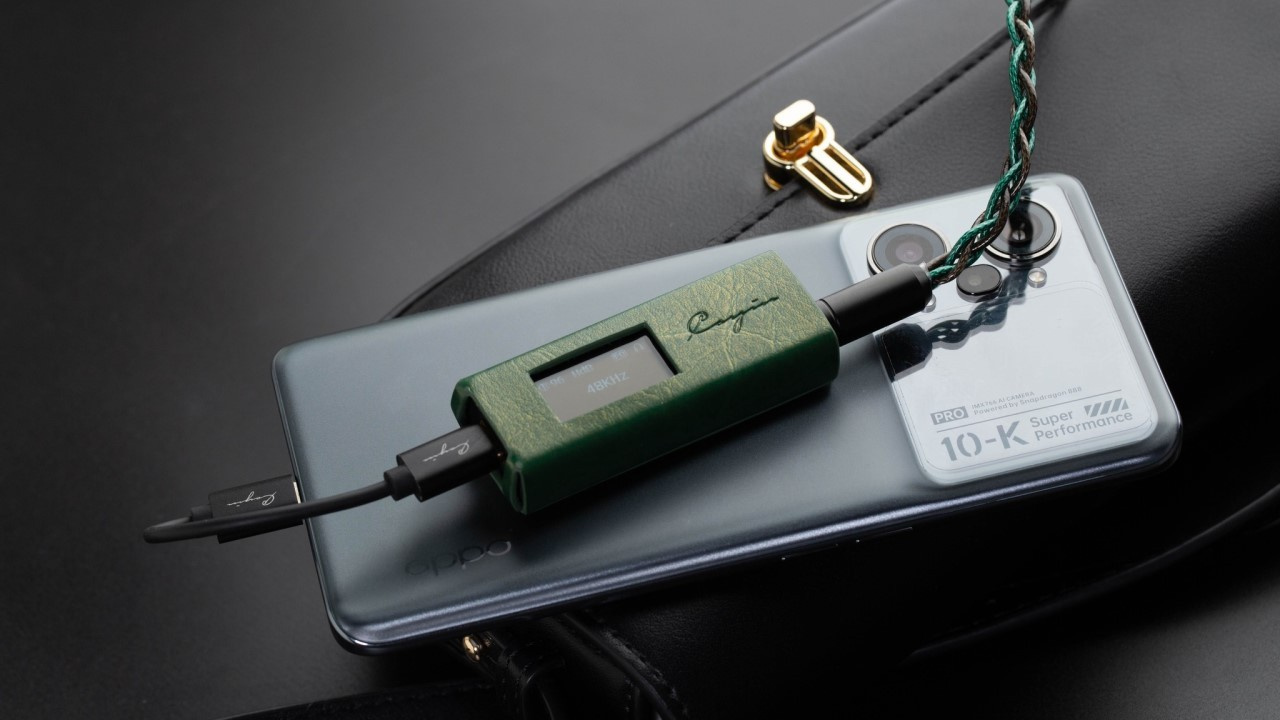
The most recommended portable DAC/amp (“dongle”) brands are:
• Cayin
• CEntrance
• Colorfly
• EPZ
• FiiO
• Hiby
• iBasso
• iFi Audio
• Lotoo
• Luxury & Precision
• Onix
• Questyle
• Shanling
Note that some brands may be missing, as this is an illustrative list.
Alternative to “headphone adapters” (“dongles”): USB-cable headphones
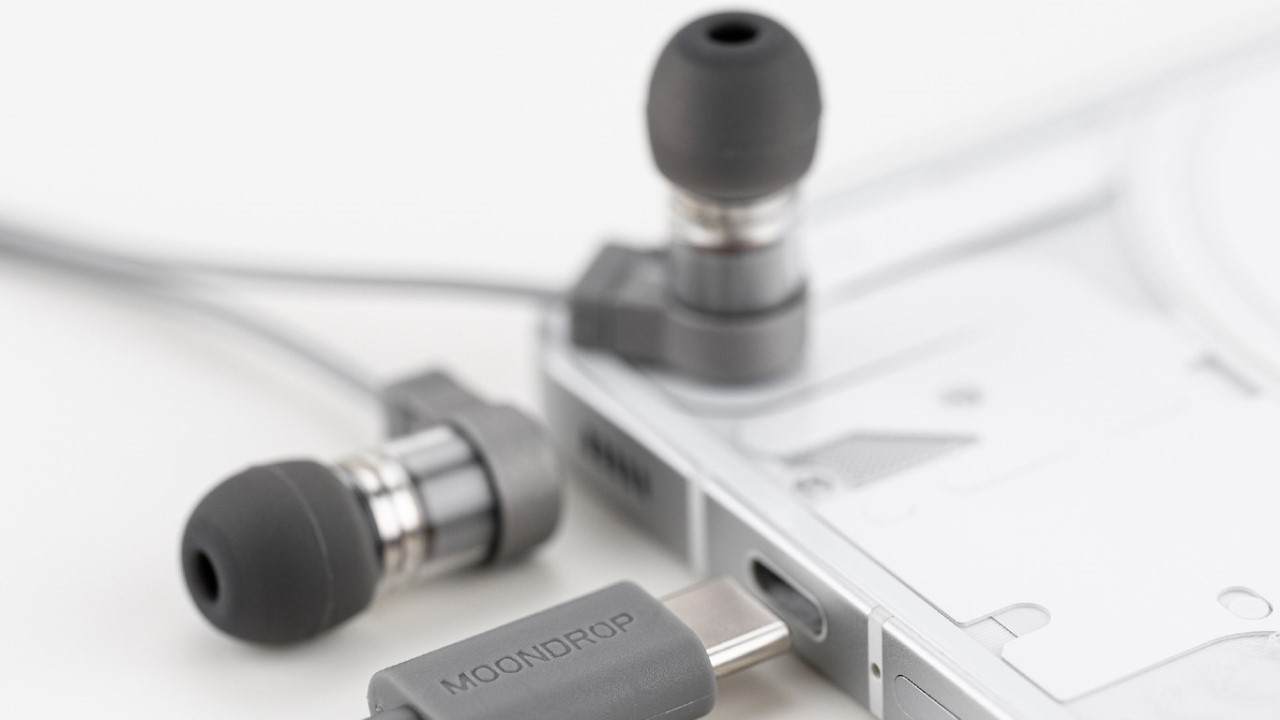
An alternative to “headphone adapters” (“dongles”) is using USB-cable headphones. These headphones have a DAC (Digital-to-Analog Converter) and an amplifier built into the USB-C connector, since the digital signal must be converted to analog and amplified to make the speaker diaphragm vibrate and produce sound.
What are the advantages of USB-cable headphones?
USB-cable headphones offer:
• Greater convenience when connecting headphones to a smartphone: there’s no need to connect a “headphone adapter” (“dongle”) first and then plug in a cable with a P2 (3.5 mm) connector.
• Built-in DSP, applying hardware corrections to improve headphone sound.
• Equalization through the headphone manufacturer’s app.
• Lower smartphone battery consumption, as they generally have lower output power compared to “headphone adapters” (“dongles”).
Example of USB-cable headphones: Moondrop Chu 2
Do all USB-cable headphones offer the same features?
No. Some USB-cable headphones do not support the following features:
• Sound correction via Digital Signal Processing to enhance headphone sound.
• Application of custom equalization or preset EQs based on the sound of other headphones.
Tip: headphones with removable cables
When buying headphones with removable cables, it is possible not only to switch between a USB connector cable and a cable with a P2 (3.5 mm) plug, but also to use modular connector cables, which allow switching between USB, 3.5 mm, 4.4 mm, and 6.35 mm (1/4-inch) connectors.
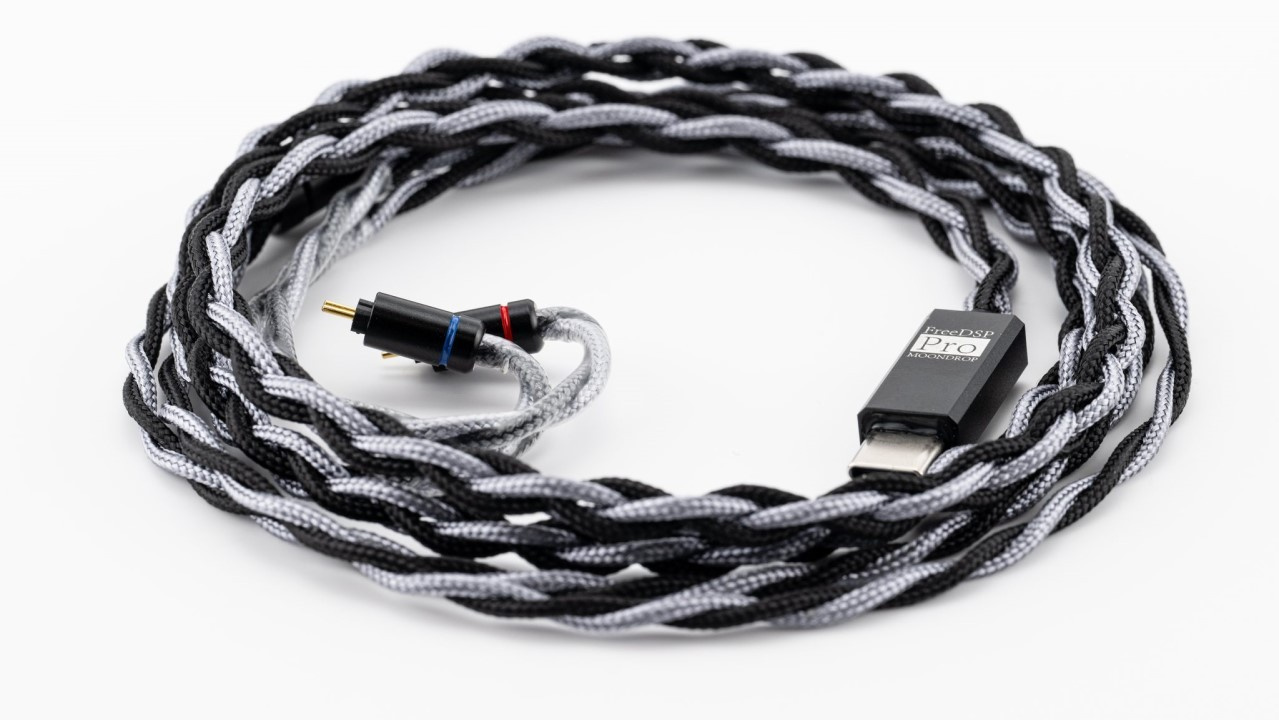
• Example of a USB cable with app-based equalization from the manufacturer: Moondrop Free DSP
• Example of a USB cable with a modular connector: Hakugei Rose
Share:


No comments have been made yet, be the first!