

Review: Sennheiser HD660S2 – A headphone from the German brand that broke with tradition
From: Vitor Valeri
A headphone hobbyist for over 15 years, he founded the Hi-Fi Hub website and is an administrator of the "Fones High-End" and "Fones Low-End" groups on Facebook.


Published in: 19/12/25 at 15:41 - Updated in: 16/01/26 at 15:00
 Review of the Sennheiser HD660S2 open-back over-ear headphones (Image: Vitor Valeri / Hi-Fi Hub)
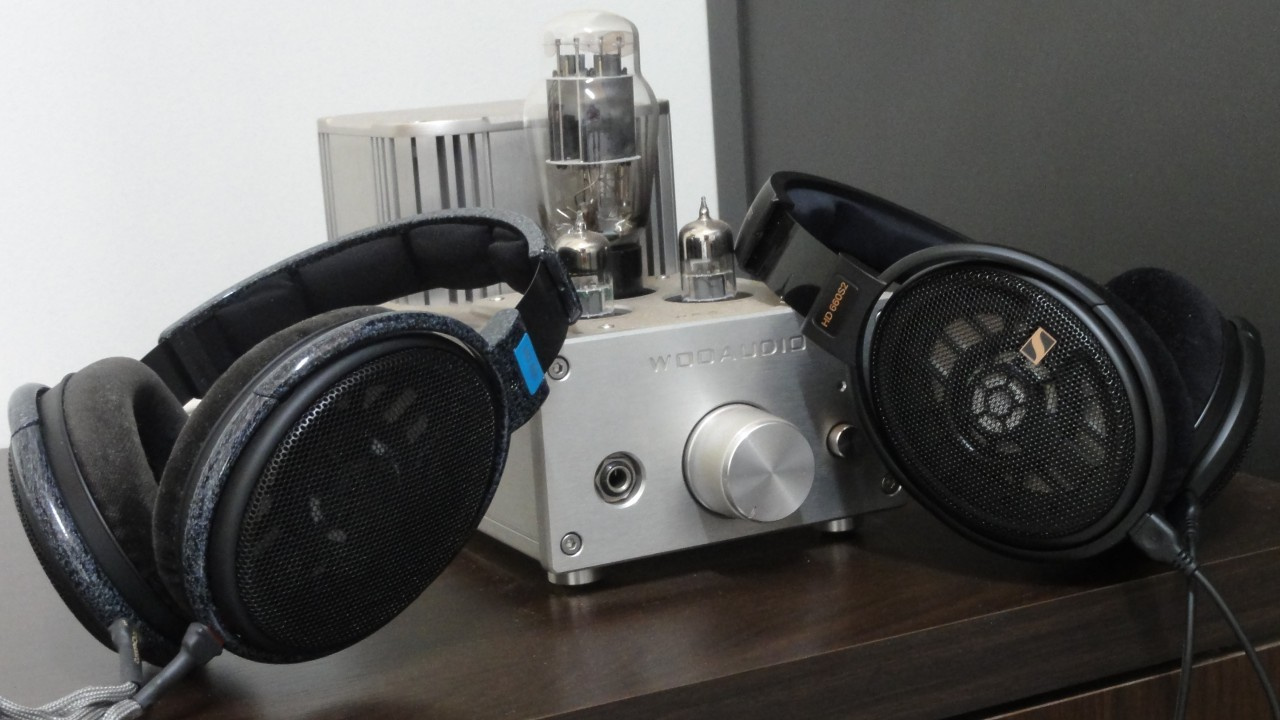
The Sennheiser HD660S2 was a pleasant surprise compared to other models from the brand with which I have had experience, such as the HD600, the HD650, and the HD6XX. Comfort remains very similar, but the sound struck me as more balanced, with present bass without having “muted” treble, resulting in a pleasant presentation in the vast majority of situations. In this review, I also compare it with the Sennheiser HD600, my personal daily-use headphone.
How are the build quality, comfort, and design of the Sennheiser HD660S2?
The construction of the Sennheiser HD660S2 differs from the first version of the HD600 [1]. I noticed that the plastic used in the HD660S2’s housing produced creaking sounds at certain moments when I moved my face and when I put the headphones on, something I did not experience with the HD600.
Comfort remained very similar to what I experienced throughout the entire HD6XX series. However, I noticed that the shape of the headband foam is different: it is a single piece with curves rather than several segmented pads. Although it is difficult to state this with precision, I found the foam to be firmer and stiffer, causing a slight discomfort after a few hours of use.
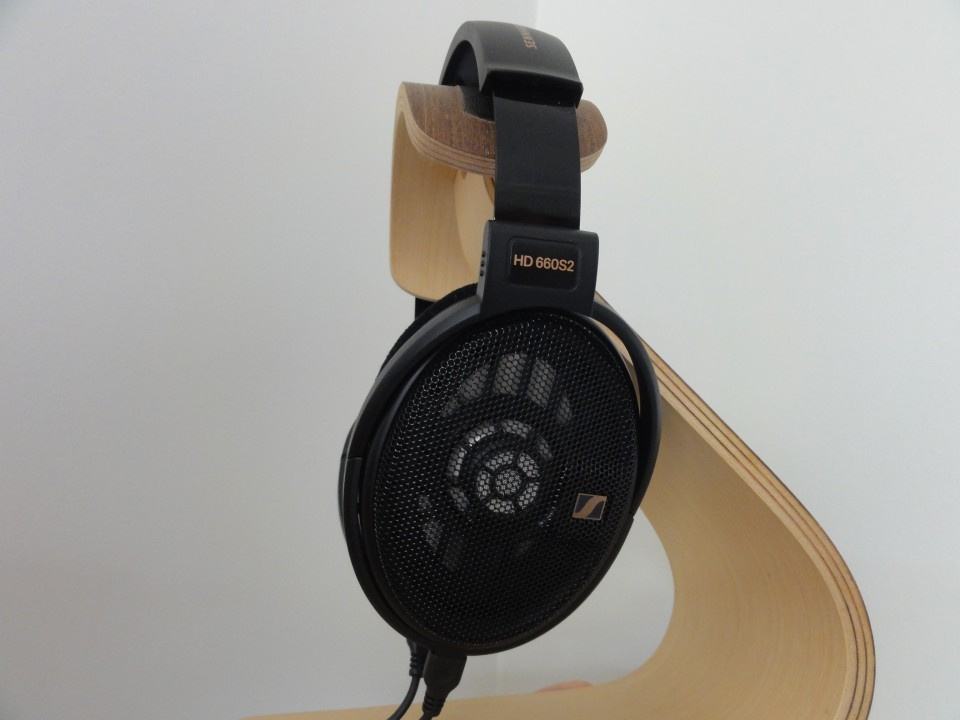
The ear pads remain very soft and provided a good seal around my ears. I also did not feel my ears touching the inner foam filter, something I usually notice on the right side of the HD600.
The thermal comfort provided by the HD660S2 is good, and during the time I used the headphones (which was for several consecutive hours) I did not experience discomfort. However, it is important to note that this can vary from person to person and depends on the climate of the region where each individual lives.
IIn terms of weight, I found the HD660S2 to be just as light as the HD600, the HD650, and the HD6XX. Since they all basically use the same chassis, this is not surprising for those who have tried any of these headphones. All of them weigh around 260 g, and the HD660S2 felt extremely light in my hands.
From an aesthetic standpoint, seeing the HD660S2 in person, I found the color choices to be in very good taste. I have a preference for minimalist designs, and the matte black finish of the main structure combined with copper-colored details conveyed a sense of finesse.
[1] The Sennheiser HD600 has two versions. The first features a paint finish that resembles granite rock and was sold from 1997 until the release of the second version in matte black, which has been marketed since 2019.
What accessories come with the HD660S2?
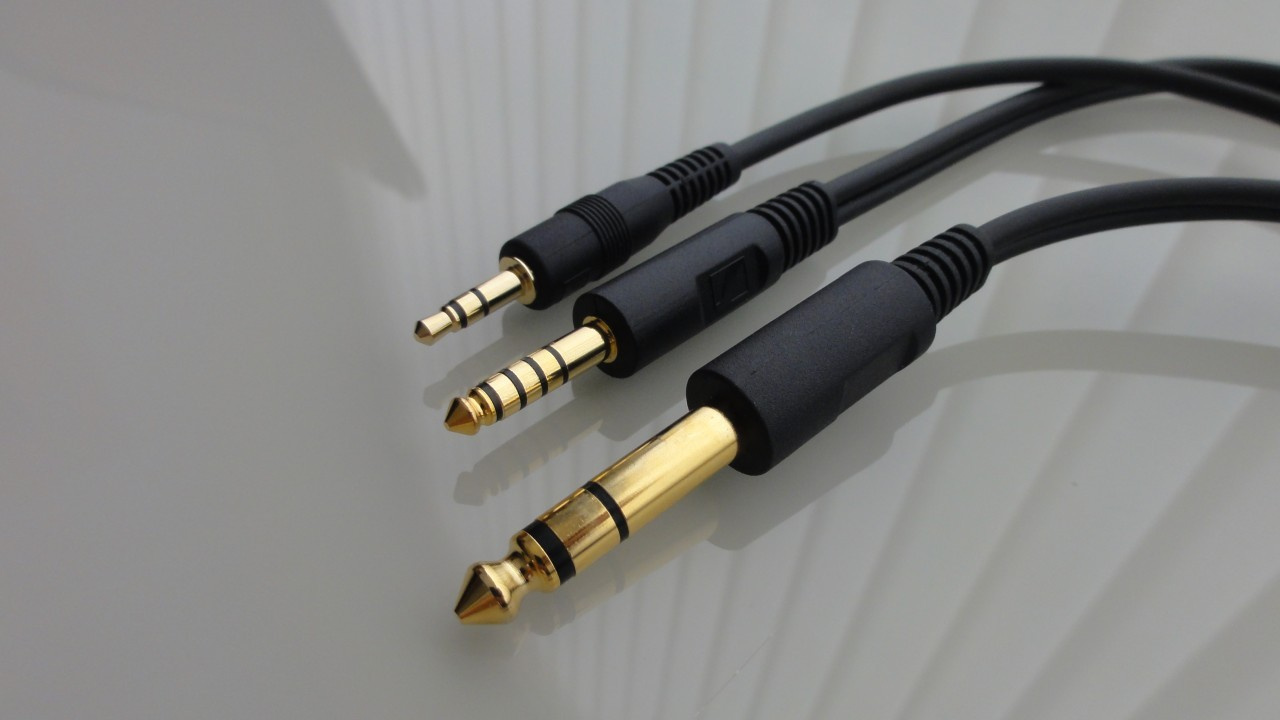
The HD660S2 accessory kit consists of a 6.35 mm (P10) to 3.5 mm (P2) adapter and two cables, each 1.8 m long. One cable is terminated with a 6.35 mm plug, and the other with a 4.4 mm connector. In my opinion, this was an excellent choice, since Sennheiser previously included three-meter cables, which significantly hindered my usage, as I basically connect the headphones to a desktop headphone amplifier.
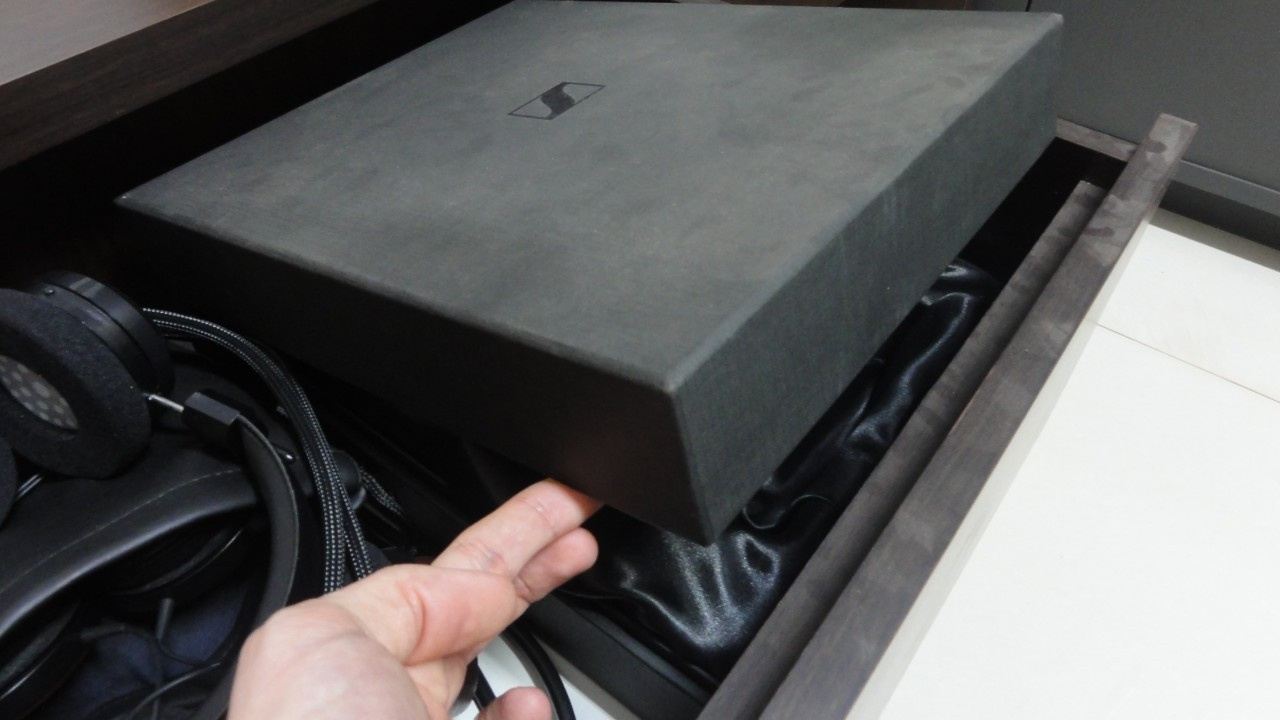
Unfortunately, the HD660S2 does not come with a carrying case or storage box for the headphones. I genuinely miss this, as I find it very useful for storing the headphone properly, protecting it from dust and preventing pressure on the ear pad foam from stands that hold the headphone by the sides or the top.
How does the Sennheiser HD660S2 sound?
In my perception, the sound of the Sennheiser HD660S2 is very balanced in terms of tonal balance (distribution of bass, mids, and treble). It departs from the brand’s traditional sound signature, which placed greater emphasis on the midrange and treble. When compared to the HD600, I was able to identify both advantages and disadvantages in favor of the HD660S2.
The bass of the HD660S2 is undoubtedly its highlight. It has greater extension compared to the HD600, allowing for a better perception of the timbre of instruments and voices that are more prominent in the lower frequencies. But that is not all.
Due to the prominence of the mid-bass region, it is possible to notice that the bass extends much more than in the HD600, filling the entire soundstage of the musical presentation. Everything gains more body, including vocals. However, not everything is perfect, and this characteristic can become problematic.
The body of the HD660S2’s bass is impressive and brings a strong sense of immersion to the musical presentation. Nevertheless, in music where the focus is on the midrange and treble, I noticed that the sound of some voices and string instruments became slightly unnatural. When comparing it with the HD600, I realized that the excess of mid-bass ended up affecting the naturalness of the midrange, which I will describe in more detail now.
The midrange of the HD660S2 is slightly recessed, providing a greater sense of spaciousness. This is something that was initially difficult to perceive due to how subtle the recession is. However, after listening to a wide variety of music, I felt a lack of naturalness that I could not fully understand at first.
After alternating several times between the HD600 and the HD660S2, I believe I was able to identify the cause of this lack of naturalness in the mids. By combining a more pronounced mid-bass with an above-natural brightness in the upper mids, there were moments when I found the voices of singers to sound somewhat strange on the HD660S2.
The presence of the upper mids helps to provide a greater sense of clarity to the music; one can feel that there is more “air” between sounds, and it becomes easier to perceive certain nuances. I noticed that the HD660S2 exhibits greater activity in this region, which makes complete sense considering its mid-bass emphasis. However, this ended up causing a certain lack of naturalness in the overall sound.
Due to the increased activity in the upper mids—and I believe even slightly in the treble—I noticed that some sounds were somewhat “harsh” on the HD660S2 when compared to the HD600. The added brightness in this part of the spectrum helps with detail retrieval but can lead to listening fatigue more quickly, depending on the music being played.
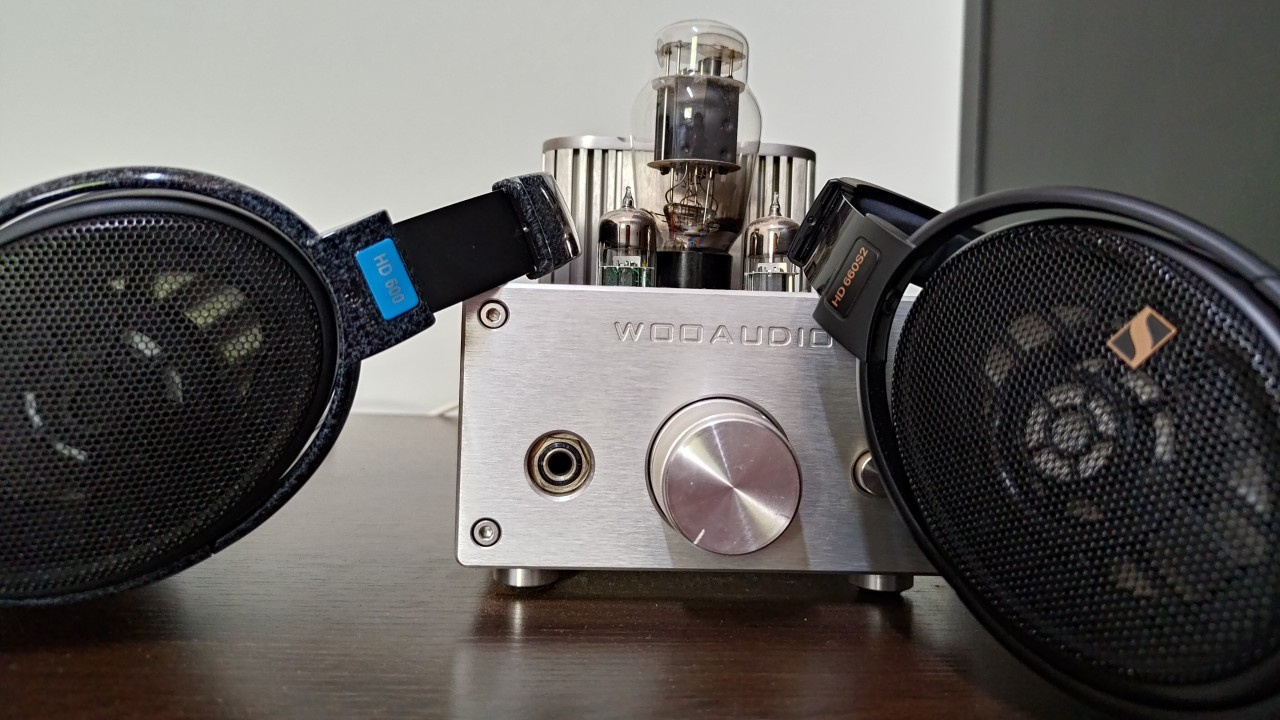
Overall, I felt that the HD660S2 presents greater detail in the reproduction of higher-frequency sounds, such as cymbals. The activity in the bass allows one to better perceive impact and volume in music with a strong presence of low-frequency content. The midrange sounded slightly artificial to me, but even so, it still delivered good performance, in my opinion.
By combining the mid-bass and upper-midrange characteristics of the HD660S2, one obtains a good level of spaciousness and a sense of “clean” sound. I did not perceive frequency conflicts that made it difficult to distinguish individual sounds. Even though the mid-bass spreads throughout the musical presentation, it did not severely compromise the mids.
The overall sound presentation of the Sennheiser HD660S2 is engaging and offers an excellent level of detail without neglecting the bass, which felt very well positioned, without sacrificing the overall definition of the music. It blends harmoniously with the midrange and treble.
Conclusion
The Sennheiser HD660S2 represents the brand’s ability to implement effective tuning in its headphones, demonstrating its more than 80 years of expertise in audio equipment development. In addition, the HD660S2 retains the renowned comfort and build quality of the HD6XX series, which I believe ensures excellent durability, just as I have experienced with my HD600.
However, there is no denying that its price of US$ 599 on Sennheiser online store is high. That said, I recommend the HD660S2 to those who already have some familiarity with Sennheiser headphones and know what to expect. Its greatest strength lies in combining high sound quality with comfort and durability, enabling the user to enjoy it for decades without difficulty.
Specifications: Sennheiser HD660S2
• Driver type: Dynamic
• Sensitivity: 104 dB (1 kHz, 1 Vrms)
• Impedance: 300 ohms
• Weight: 260 g
No comments have been made yet, be the first!