

Grado SR225x Review: A sound that feels like listening to speakers at live shows
From: Vitor Valeri
A headphone hobbyist for over 15 years, he founded the Hi-Fi Hub website and is an administrator of the "Fones High-End" and "Fones Low-End" groups on Facebook.


Published in: 07/01/26 at 13:13 - Updated in: 16/01/26 at 15:07
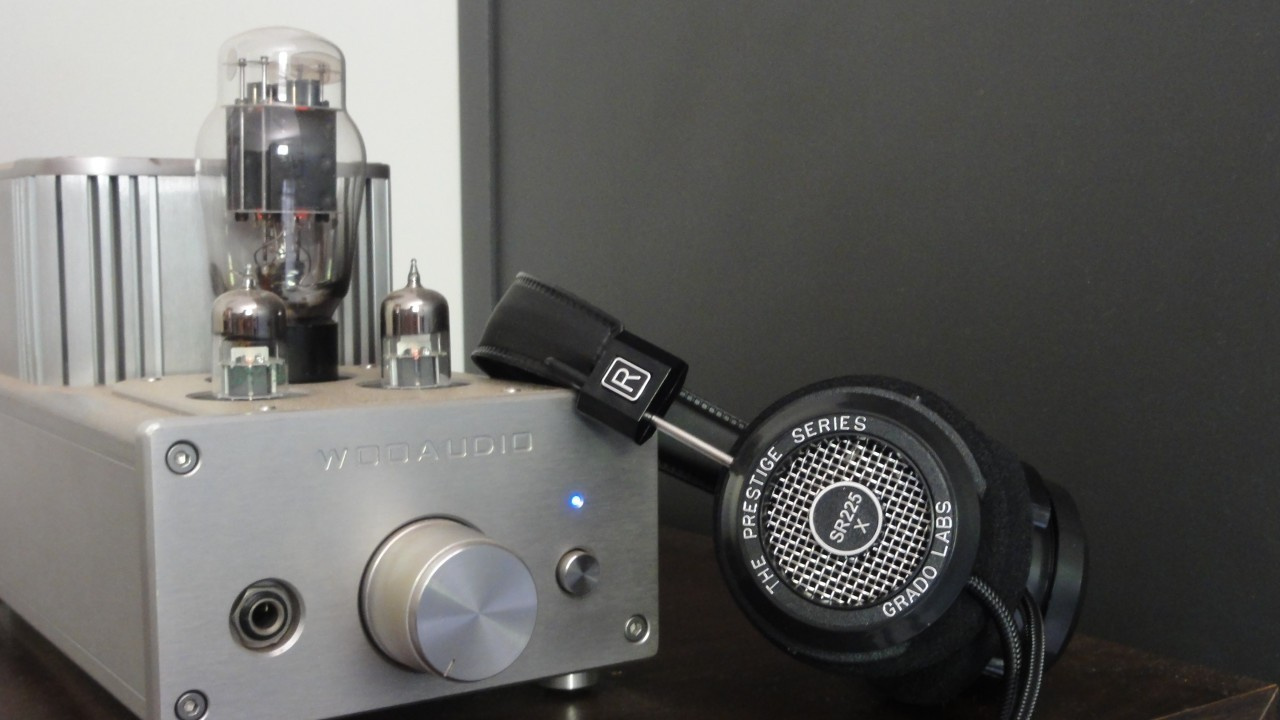
 Grado SR225x headphone resting on the Woo Audio WA3 amplifier (Image: Vitor Valeri/Hi-Fi Hub)
The Grado SR225X is part of the “X” generation of the “Prestige” series from the headphone manufacturer based in Brooklyn, New York, USA. With each new generation, Grado seeks to deliver what it considers to be a sonic presentation that better suits its consumers. When using the SR225X, I noticed that the bass filled the entire musical presentation, giving me the sensation of being in front of a stage, enjoying a live performance.
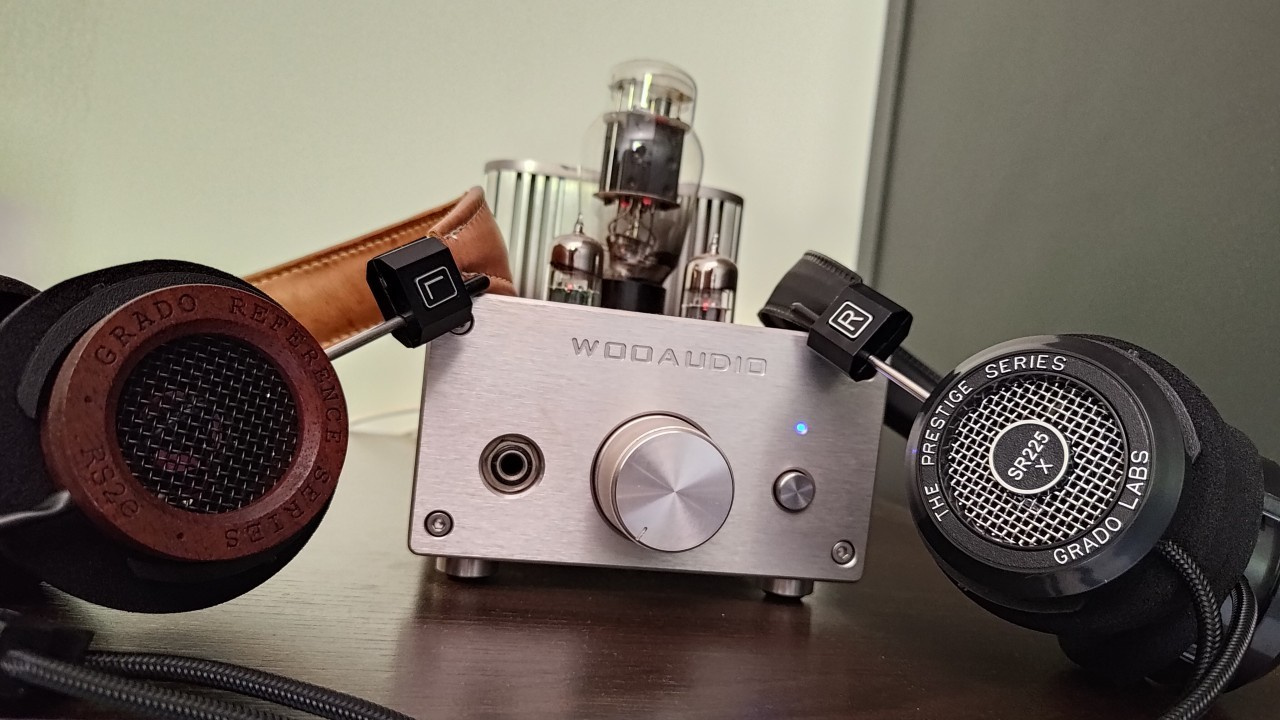
In this review, I compared the SR225X with my Grado RS2e in an attempt to provide a clearer perspective on the sound signature, comfort, and build quality of the headphone under analysis, since one belongs to the “Prestige” series and the other to the “Reference” series, in addition to being from different generations.
The generations of Grado’s Prestige series
The generations of Grado’s headphone series may seem confusing to some. Fortunately, a thread titled “Full Grado Labs History!” on the Head-Fi forum, created by the user “devouringone3,” clarifies the chronological order in which each generation was released and the respective years.
Although the generations of the Prestige series are identified by letters, the first generation did not carry any letter designation. The second generation was identified by the letter “i” appended to the model name. The most recent generation is the “x,” launched in 2021. The timeline is shown below:
• Grado SR225: released in 1993
• Grado SR225i: released in 2009
• Grado SR225e: released in 2014
• Grado SR225x: released in 2021
Build Quality and Comfort of the Grado SR225X
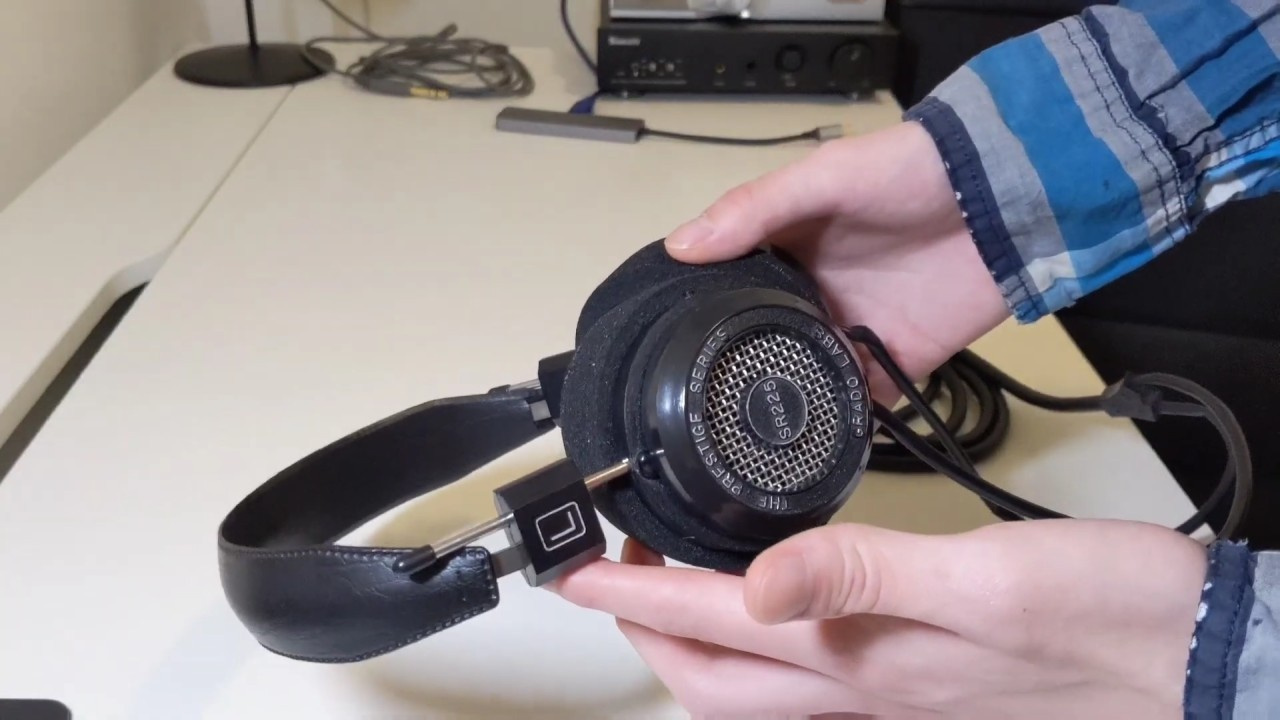
The Grado SR225X has a simple construction, with only what is necessary to keep the headphone on your head. You will not find anything elaborate, but rather a presentation that conveys a sense of something rustic and inflexible. Interestingly, this design has remained virtually unchanged since the first generation of the Prestige series, released in 1993.
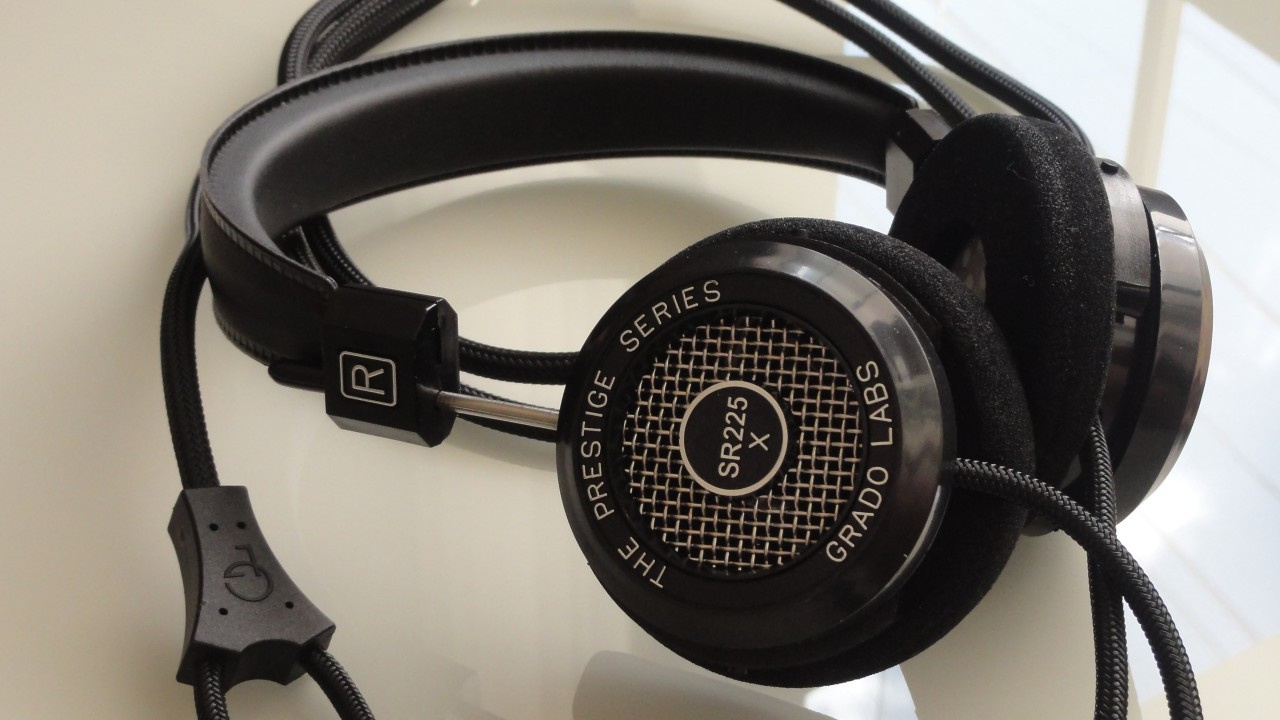
Compared to previous generations, the “X” generation of the SR225 introduced two changes. The first concerns the headband, which now features a thin layer of foam to improve comfort. The second is the braided fabric sheath on the cable.
In practice, the changes mentioned above did not significantly improve comfort or the overall user experience when I compare the SR225X with the RS2e. Although the padded headband of the SR225X seems appealing, it is narrower than that of the RS2e, which does not even have padding.
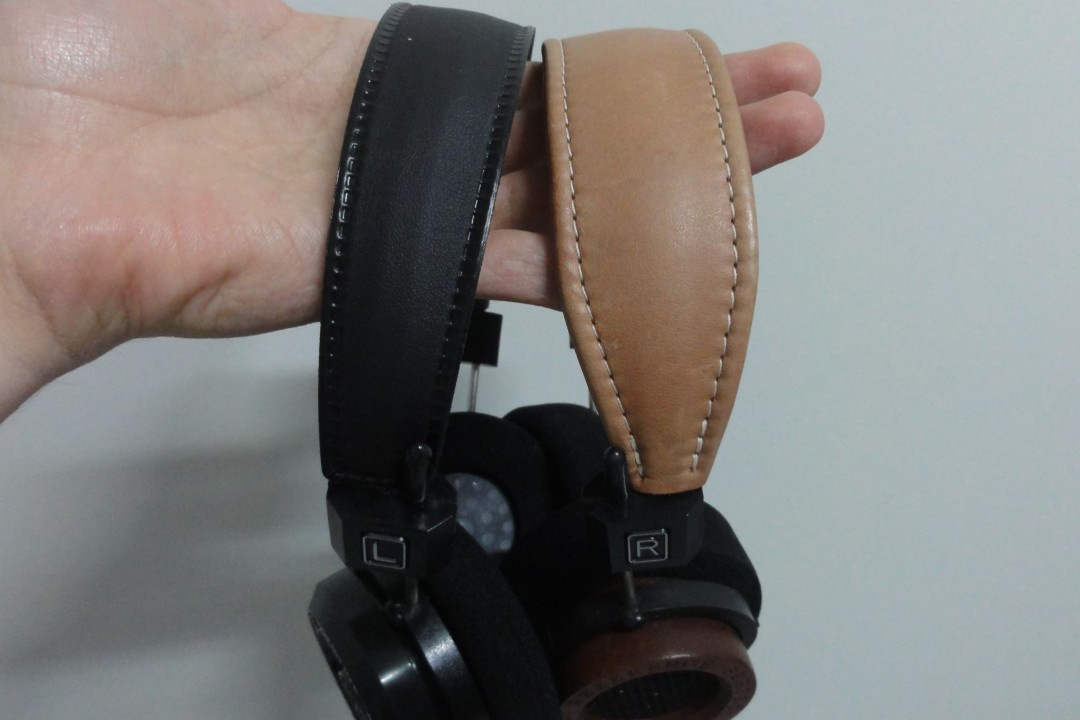
With the SR225X, I felt greater pressure on the top of my head, and I believe this is due to the smaller contact area between the headband and the head when compared to the RS2e. In addition, I noticed that the braided fabric cable introduced both advantages and disadvantages.
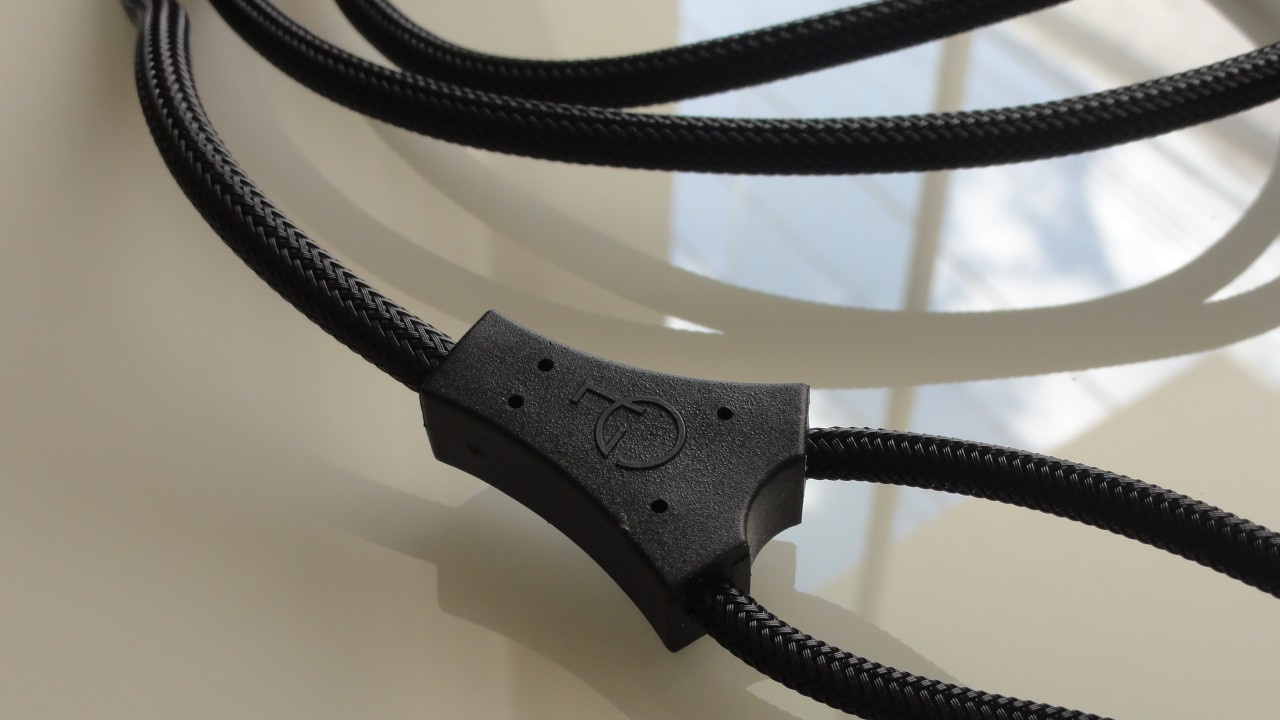
There is no doubt that the braided fabric-covered cable of the SR225X provides greater durability. However, I found that it resulted in a level of stiffness beyond what I consider comfortable for everyday use. Even though the RS2e cable appears thicker and heavier than that of the SR225X, I found it more flexible and easier to handle, both when putting on the headphones and when storing them.
There is no denying that Grado’s ear pads are not as comfortable as those found on other headphones. This is because they are made of high-density foam, without the use of fabric or synthetic leather, resulting in a rougher feel against the skin.
Despite these drawbacks, I found them more pleasant than synthetic leather ear pads, which usually cause my ears to become excessively warm. Note that the SR225X uses the so-called “F-Cushions,” which differ from those used by the RS2e, which adopts the “L-Cushions.”
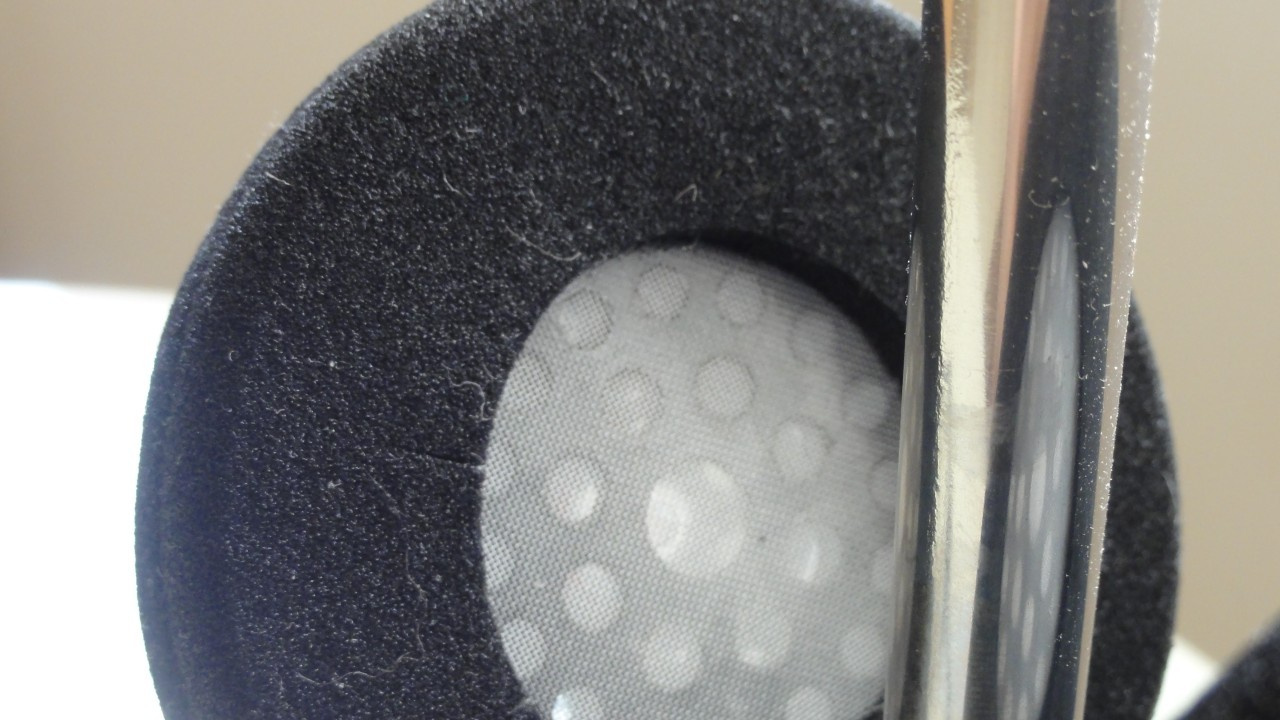
It is important to note that both the SR225X and the RS2e are on-ear headphones, meaning they rest on top of the ears rather than surrounding them as over-ear models do. Even so, there are differences in comfort and fit between the two models.
When using them, I felt that the F-Cushions fit my ears better and that I quickly found a proper position when putting on the SR225X. With the L-Cushions, on the other hand, I noticed that the edges of the ear pads extended slightly beyond my ears, giving the impression of an imperfect fit, even though the sound remained good on the RS2e.
After a few hours of use, my right ear began to hurt in the antitragus area, just above the earlobe. I believe that, because the F-Cushions are shallow, the tip of my ear ended up being pressed.
Finally, I must say that the SR225X feels extremely light on the head. Before putting it on, the main “struggle” was dealing with the cable, which is not very flexible and is heavier than the headphone itself. Considering that it did not excessively warm my ears, I appreciated the overall comfort when using it while seated at my office desk.
Does the Grado SR225X Require a “Powerful” Amplifier to Sound Good?
No. The Grado SR225X has an impedance of only 38 ohms and a sensitivity of 99.8 dB/mW @ 1 kHz. Essentially, this means that any portable device with a headphone output should be capable of providing at least a minimally good sound quality.
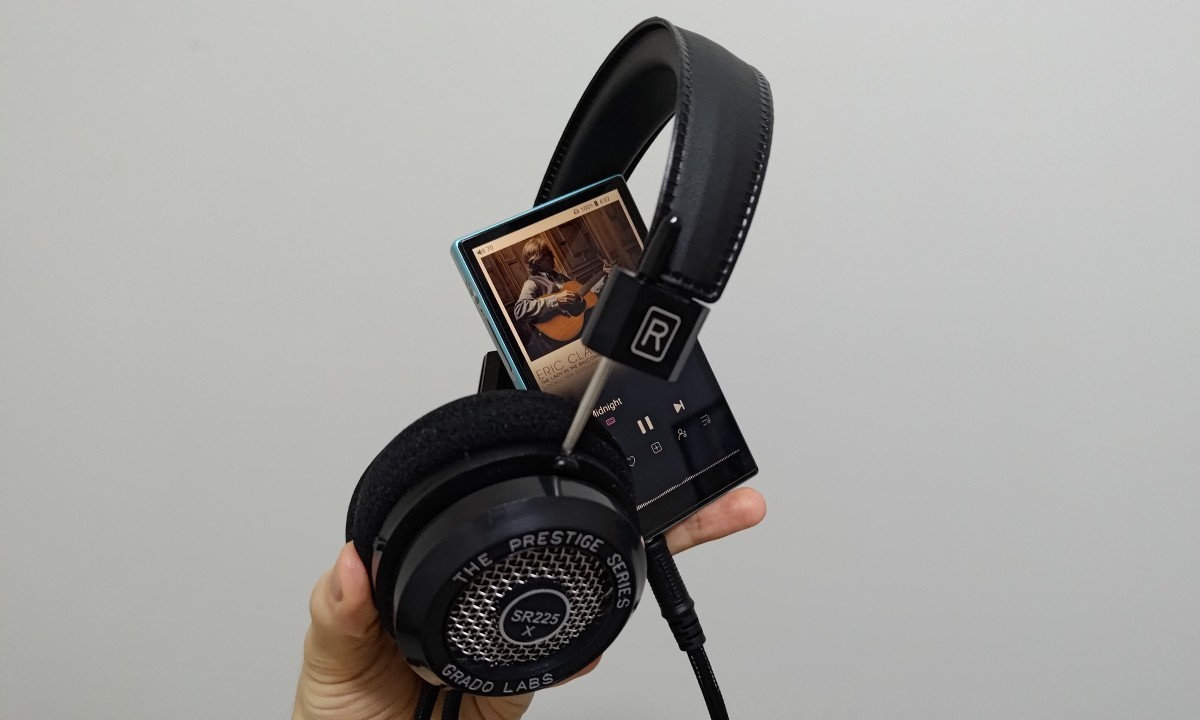
In my tests, the SR225X performed well both with my FiiO JM21 Digital Audio Player (DAP) (on low gain) and with my desktop setup, composed of the Topping D70S DAC and the Woo Audio WA3 OTL tube amplifier, which is capable of driving headphones with impedances ranging from 30 ohms to 600 ohms.
Are There Any Accessories Included with the SR225X?
Yes. Inside the SR225X box, there is a 3.5 mm to 6.35 mm adapter, since the cable terminates in a 3.5 mm plug and the user may wish to use a 6.35 mm connector. There is nothing else included besides that.
How Does the Grado SR225X Sound?
The Grado SR225X can present itself differently depending on the equipment used to play music. The main difference I noticed was in the strength and depth of the bass. On portable devices such as the FiiO JM21, there is less impact and weight compared to using a desktop amplifier like the Woo Audio WA3 OTL tube amplifier.
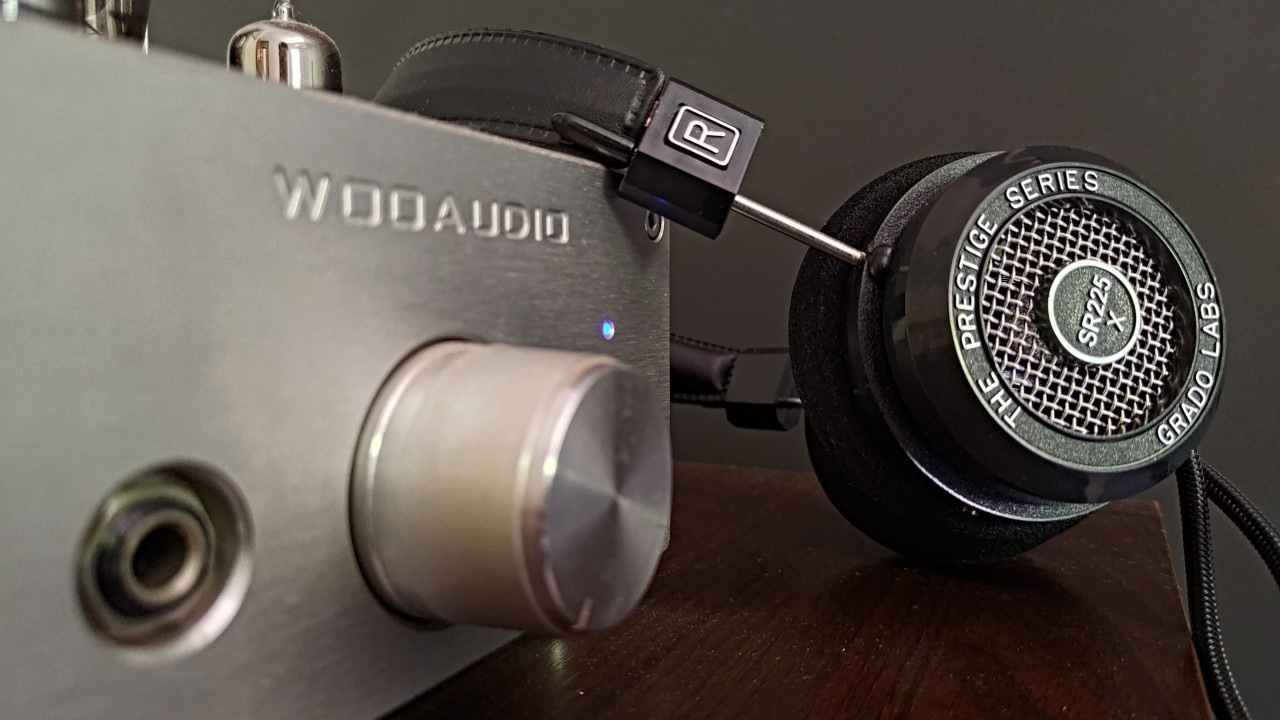
OOn the FiiO JM21 DAP, the bass of the SR225X was more restrained, yet still present and well developed, contributing effectively to the overall sonic character. However, the sensation of listening to loudspeakers at a live show only occurred when I connected the headphones to the Woo Audio WA3 amplifier.
With the WA3, the bass gains a level of power that brings remarkable dynamics to the music. The feeling was that I was standing right in front of a concert stage. The opening of the track “After Midnight” from the album Eric Clapton – The Lady in the Balcony: Lockdown Sessions demonstrated this effect clearly.
Over time, I began to notice that this extra bass energy provided by the WA3 slightly compromised the midrange and treble. I found that vocals and string instruments sounded clearer and more natural on the JM21.
The influence of the bass became even more evident when I compared the RS2e and the SR225X on the WA3. Since the RS2e has considerably less bass presence and draws more attention to the mids and highs, when I put on the SR225X I immediately thought, “here are the bass frequencies of the music.”
Nevertheless, I must say that in tracks with less bass emphasis, I preferred the RS2e’s timbre for the reproduction of vocals, string instruments, and wind instruments. This does not mean that the mids and highs of the SR225X are poor—quite the opposite.
I found the midrange and treble of the SR225X to be very clear when using the headphone with the FiiO JM21, regardless of the stronger bass presence in the music. I had the impression that, in this scenario, the extension of the frequencies in the midrange and treble was greater, allowing me to perceive certain musical nuances more easily.
Regarding the treble, I can say that it has excellent brightness and timbre. I observed good naturalness in the sound of cymbals, for example. Although I felt them to be slightly subdued on the WA3, the overall brilliance remained good. On the JM21, the presentation of high frequencies performed well across all the tracks I listened to.
In terms of soundstage, I must say that the SR225X delivers a more intimate presentation, very close to the ears. After some time listening, I forgot about this aspect, as the dynamics this headphone provides are truly distinctive compared to other models.
Overall, I felt that there was a good level of detail in the mids and highs, even with the SR225X placing greater emphasis on the bass. I believe this is due to the proximity of the driver to my ears, since the F-Cushions are flat and thin, enabling a greater sense of dynamics without requiring much effort.
Conclusion
The Grado SR225X delivers a sound that is engaging and captivating. Listening to albums was highly enjoyable, and I never felt the urge to skip any tracks. The dynamics it brings to the music are remarkable. Even though its build quality leaves something to be desired, I believe the sonic experience it provides more than compensates for this. In addition, since it is an easy-to-drive headphone, there is no immediate need to invest in a dedicated amplifier after purchasing it.
No comments have been made yet, be the first!