

iBasso D18 CROTALUS Launches With R2R Ultra DAC
From: Vitor Valeri
A headphone hobbyist for over 15 years, he founded the Hi-Fi Hub website and is an administrator of the "Fones High-End" and "Fones Low-End" groups on Facebook.


Published in: 23/10/26 at 17:02
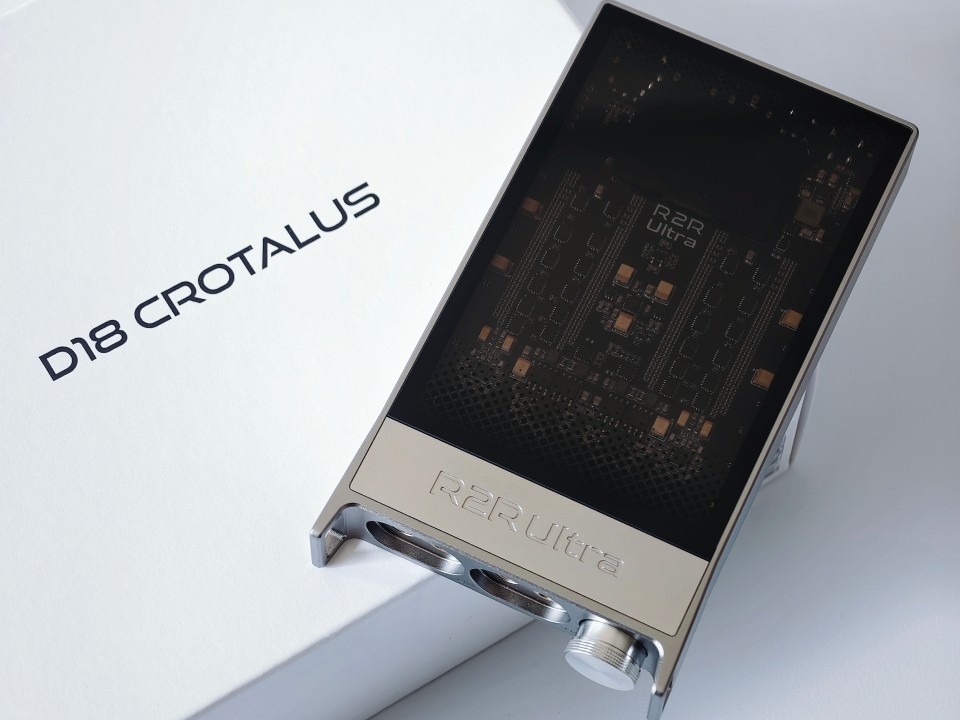
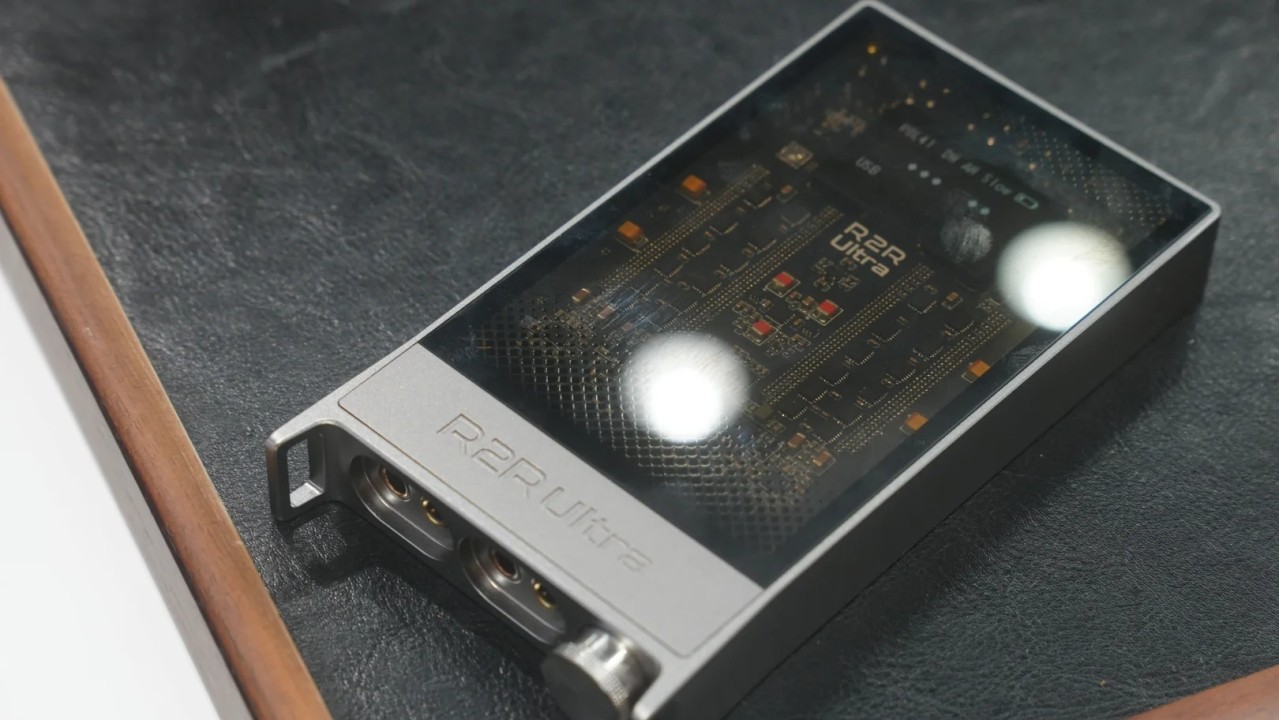 iBasso D18 CROTALUS portable DAC/amp (Image: Mydindindong/Rednote)
The iBasso D18 CROTALUS was launched today (October 23) in mainland China. The D18 features the manufacturer’s new, internally developed R2R Ultra DAC, which promises sound that is “free” of distortion. In addition, iBasso’s new portable DAC/amp can deliver 1,750 mW into 32 Ω when connected to an external 12 V DC power supply. Further details on this latest release from iBasso are provided below.
D18 CROTALUS combines the new R2R Ultra DAC with 1,750 mW of output power in a compact enclosure
Although the iBasso D18’s output power of 1,750 mW is impressive, demonstrating its ability to drive over-ear headphones with ease, its main highlight is the R2R Ultra DAC.
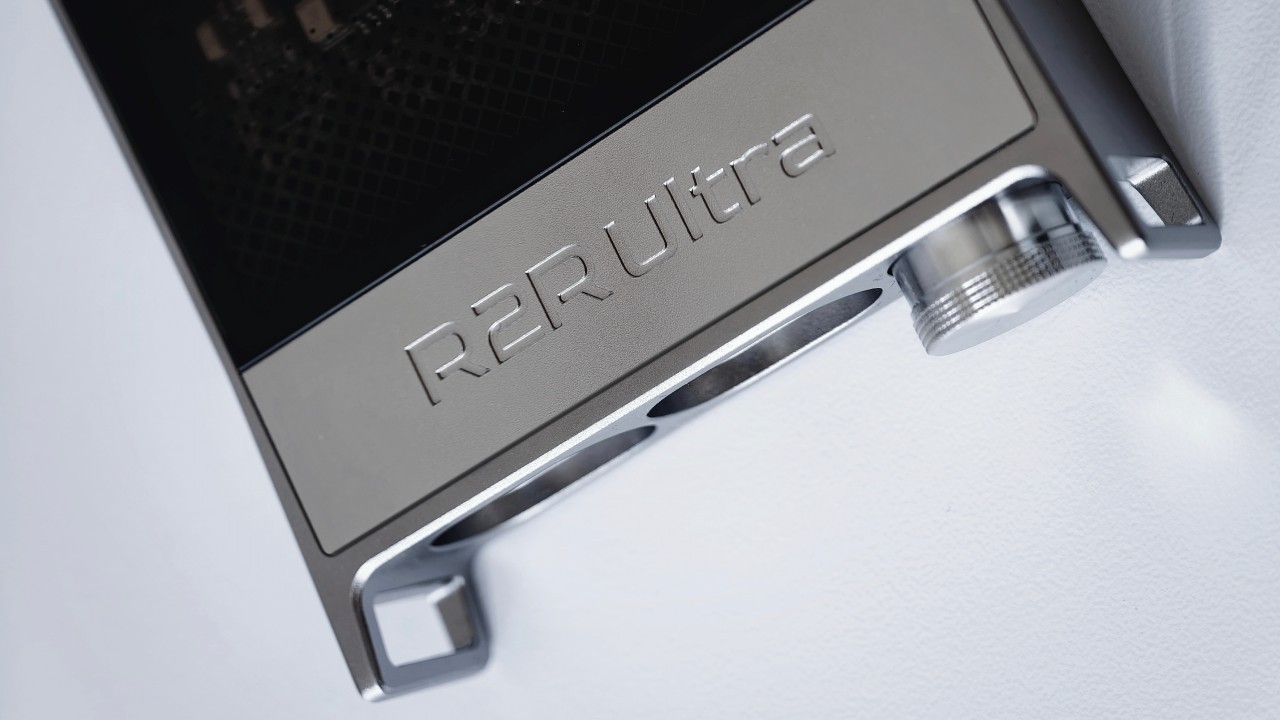
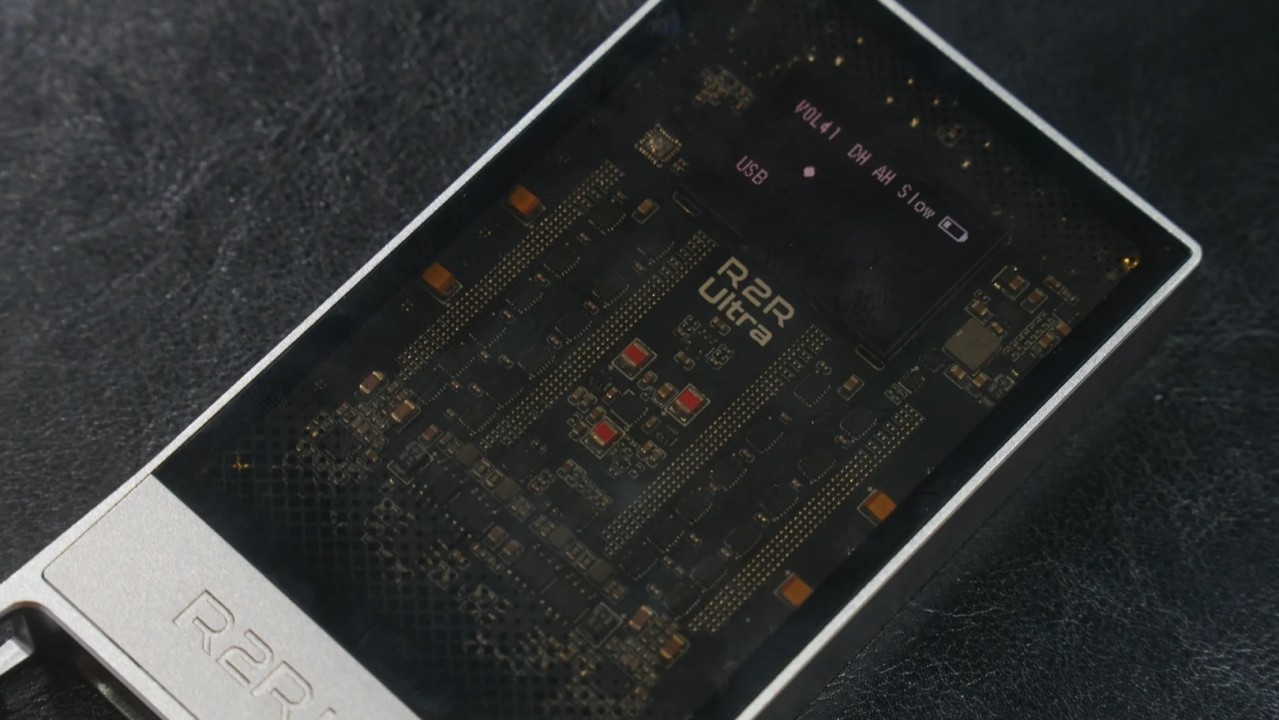
According to the manufacturer, its internally developed R2R Ultra DAC technology completely eliminates zero-crossing distortion. This enables the D18 to deliver an analog-like sound without sacrificing detail. iBasso describes the CROTALUS’s sound as follows:
“The midrange is full-bodied, treble extension and bass depth are equally excellent, and dynamic performance is exceptional.”
What is zero-crossing distortion?
Zero-crossing distortion is a bit-transition glitch that occurs when an audio signal crosses zero. This zero crossing marks the transition between positive and negative values. In digital audio systems, this transition occurs simultaneously across nearly all bits in the circuit.
In R2R DACs, capacitance and temperature-induced physical variations in transistors cause some switches to change states fractions of a nanosecond faster than others. This produces timing errors and, consequently, readout errors, resulting in an unwanted voltage spike, or glitch, at the analog output.
To address this issue, manufacturers seek highly precise resistor matching and implement error-correction circuits.
iBasso’s R2R Ultra DAC
The D18 uses iBasso’s newly developed R2R Ultra DAC, which incorporates 344 high-precision metal-film resistors. It also includes a compensation network comprising 76 resistors to minimize timing errors.
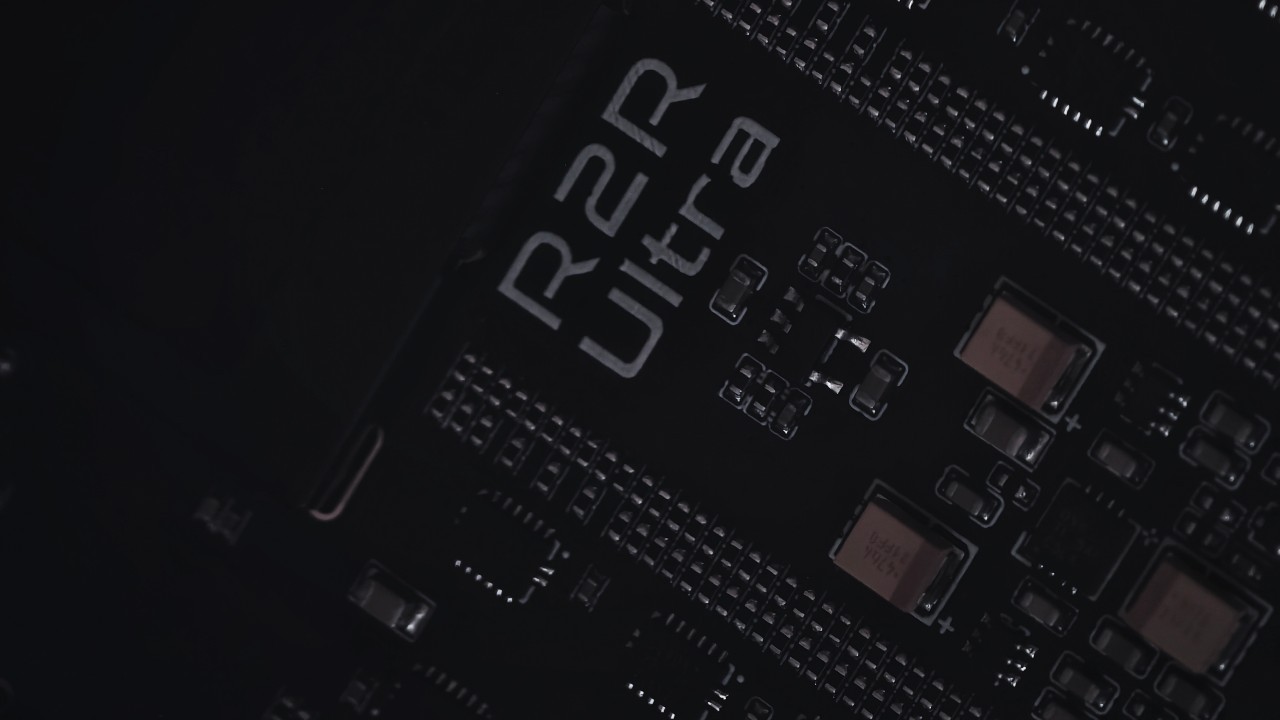
According to the manufacturer, the resistors used have a precision of 0.0014%. This value is considerably lower than that of the resistors used in conventional R2R DACs, which is 0.1%.
iBasso’s development of the R2R Ultra has resulted in a dynamic range of 120 dB, compared with 117 dB for a conventional R2R DAC. In addition, total harmonic distortion plus noise (THD+N) is −97.5 dB, compared with −75 dB for an older R2R design.
Another noteworthy aspect is the noise level of iBasso’s R2R Ultra DAC, at 1.1 µV. This value is considerably lower than the levels measured in conventional R2R DACs, which range from 4 µV to 6 µV.
Output power comparable to that of a desktop amplifier
iBasso states that the D18 CROTALUS delivers output power comparable to that of a desktop amplifier. Capable of producing 1,750 mW into 32 Ω with an external 12 V DC power supply, the D18 can drive high-impedance over-ear headphones with authority.
To achieve this output power, iBasso implemented its external 12 V DC power technology in the D18. The system uses a power supply included with the product, equipped with a cable terminating in a barrel connector. This enables “DC Super Gain” mode.
The D18 drives headphones with authority even on its internal battery
iBasso implemented a custom battery pack with individual batteries rated at 8.4 V each. By comparison, most internal batteries in DAPs and power banks use 3.7 V lithium-ion cells. The additional voltage provided by the batteries used in the D18 offers substantial headphone-driving capability without distortion.
The manufacturer explained its battery solution for the D18 as follows:
“This configuration significantly reduces interference caused by ripple generated during DC–DC conversion, resulting in a cleaner power supply. With ample power available, the D18 delivers substantial headphone-driving capability and clean sound reproduction.”
OLED display and multifunction knob for smoother operation
To provide a smoother user experience, iBasso equipped the D18 with a 1.3-inch OLED display that shows its current operating status and key information. A multifunction knob also provides navigation through the DAC/amp’s interface, allowing users to enable or disable features easily.
Support for the iBasso UAC app
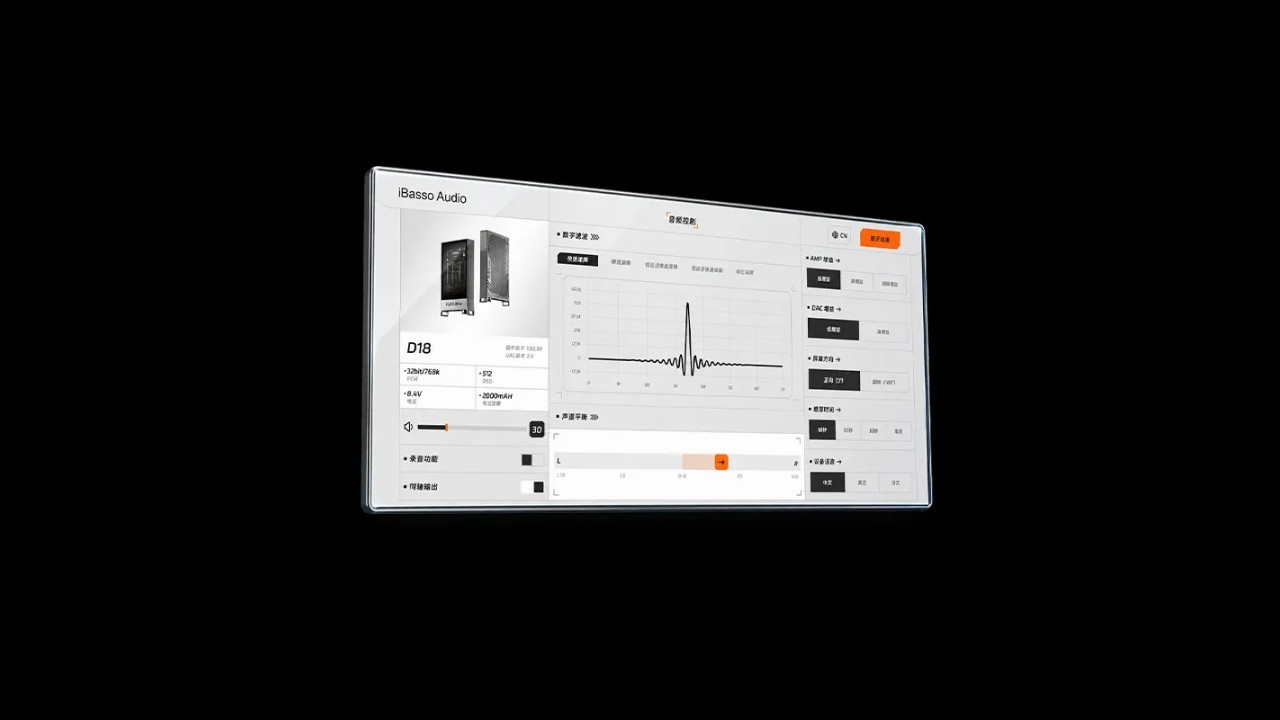
The iBasso UAC app, available through the Android Play Store and as a web version accessible through a PC browser, allows users to create equalization profiles for the D18 CROTALUS. Preset equalization profiles are also available, including options specifically designed for gaming.
iBasso described the gaming preset as follows:
“Gaming-specific equalization optimizes sound effects and makes it easier to identify opponents’ positions through sound.”
Support for inline headphone microphones
The D18’s 3.5 mm single-ended (SE) headphone output supports inline microphones. Although iBasso has not specified the standard used, I believe it is CTIA, which most manufacturers generally adopt. This feature was undoubtedly implemented with voice chat during PC or console gaming in mind.
iBasso D18 controls and connections
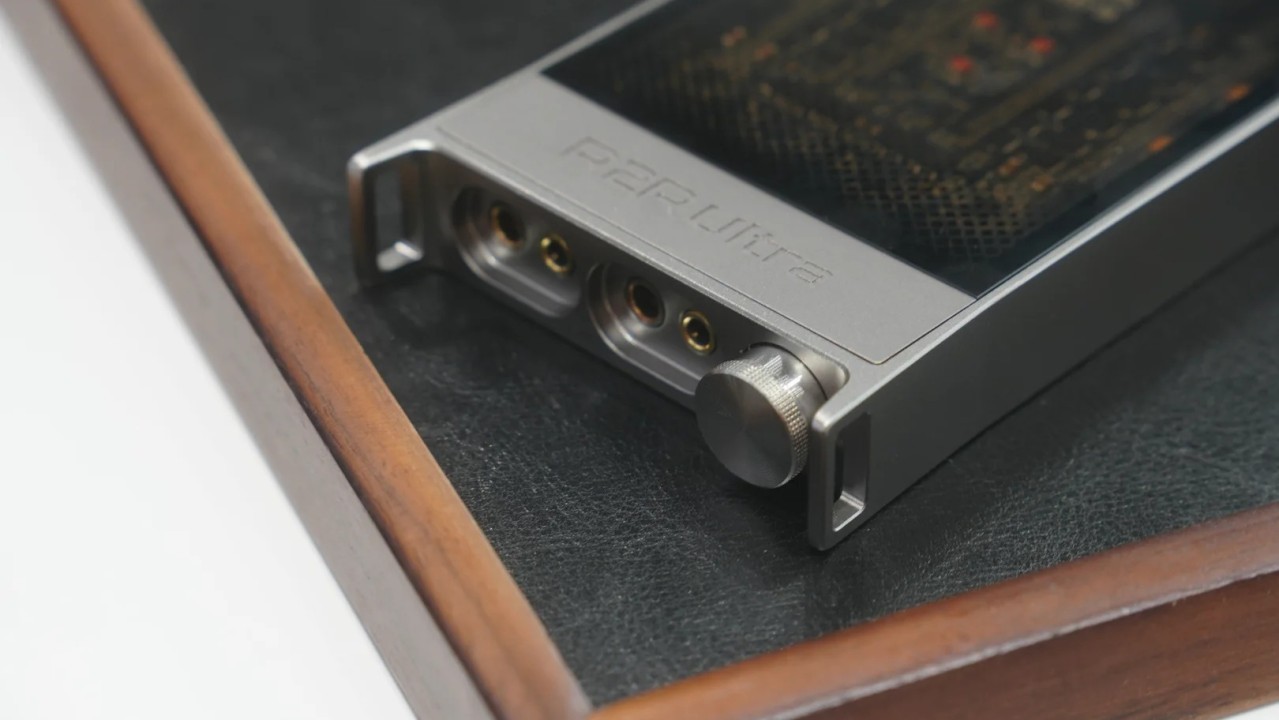
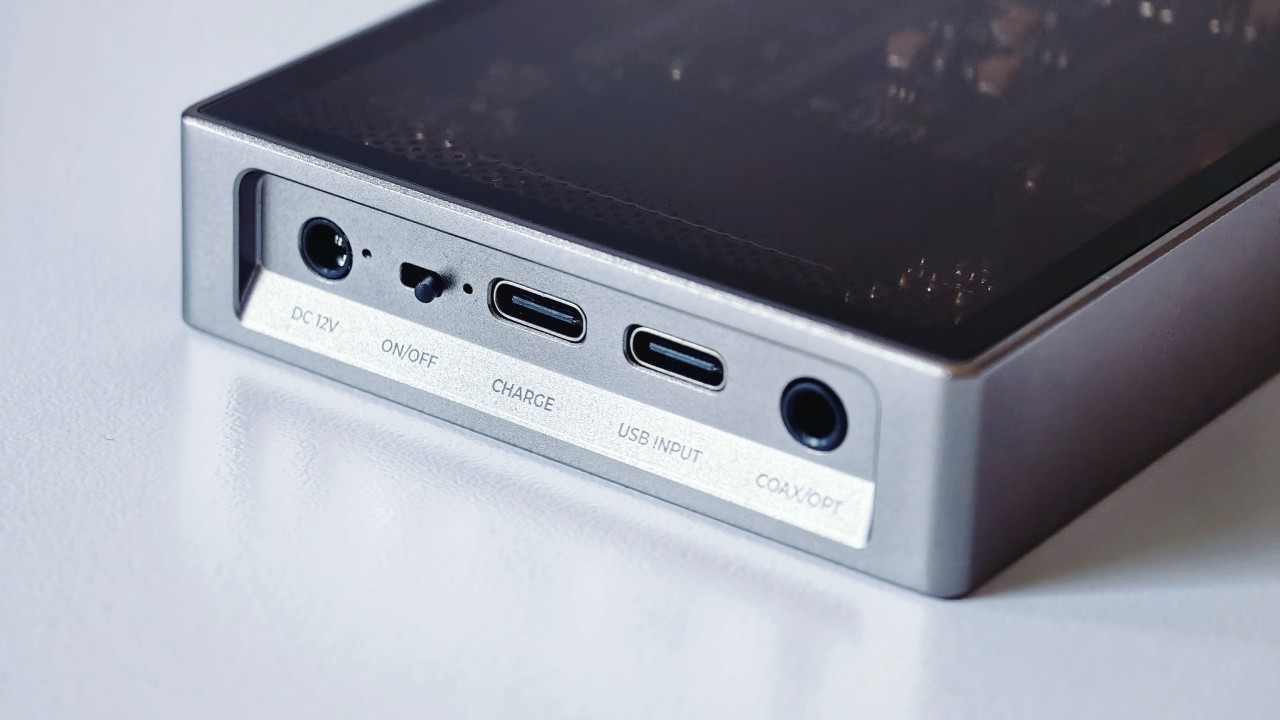
iBasso grouped the D18’s digital and power connections on one side of the DAC/amp. These include a 3.5 mm input for coaxial and optical digital connections, along with a USB-C port dedicated to data. Power connections consist of a USB-C port and a 12 V DC barrel connector. A power switch is also provided.
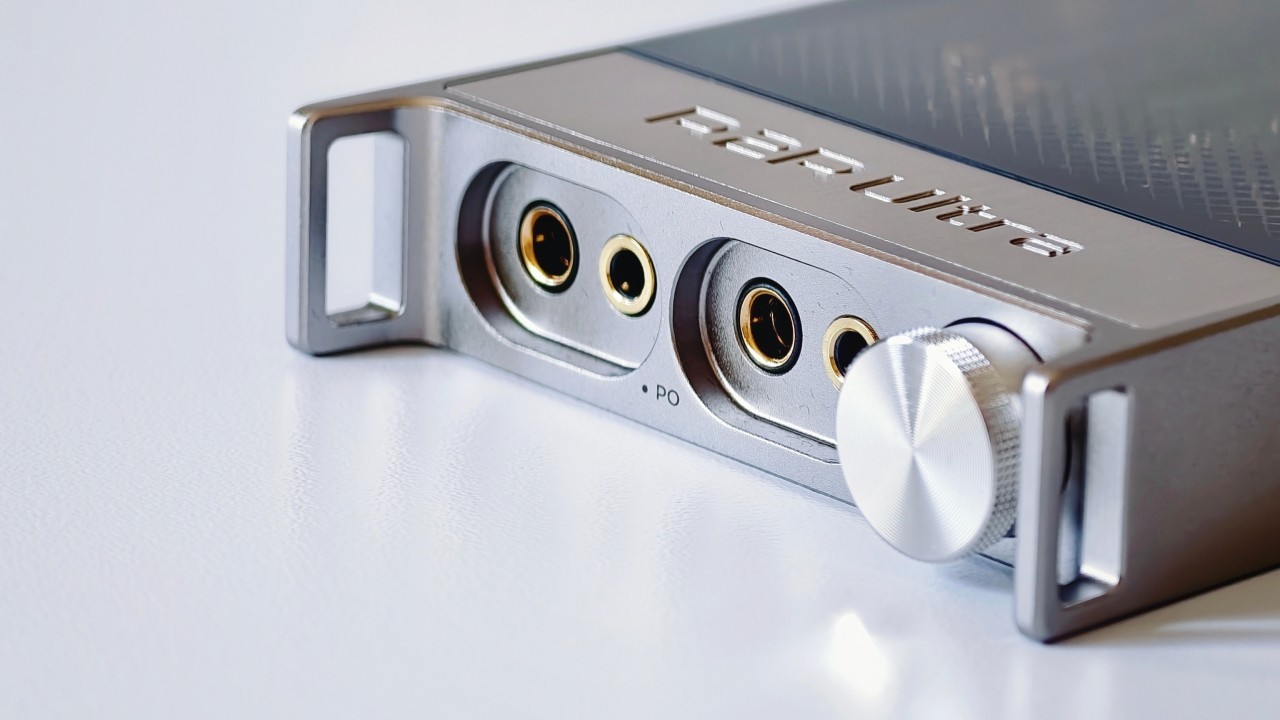
On the opposite side, the D18 features a multifunction knob for adjusting the volume and navigating the DAC/amp’s menu. Next to it are a 3.5 mm single-ended (SE) headphone output and a 4.4 mm balanced headphone output. Dedicated 3.5 mm and 4.4 mm line outputs are also included, a welcome feature for many users.
How does the iBasso D18 CROTALUS sound?
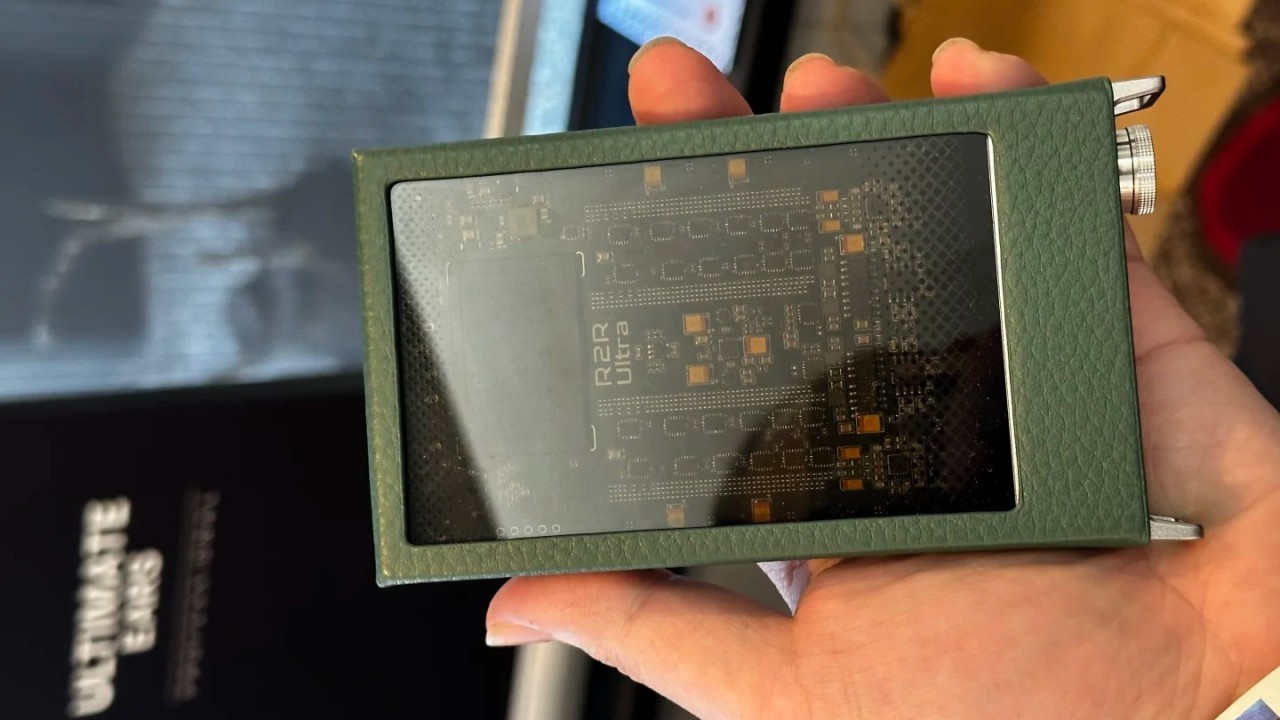
According to “Mydindindong,” a user of the social media platform Rednote, the iBasso D18 has the following sound characteristics:
“Anyone who enjoys the classic Astell&Kern style will appreciate this engaging, impactful sound for pop music. The dynamics and transients are immediately apparent. Vocals have sufficient body, and although the soundstage is not particularly large, separation remains good even when many elements are present simultaneously across the bass, midrange, and treble.”
Mydindindong added:
“If someone told me this was the DX270Max, I would not question it. It pairs perfectly with the PB6 to create an excellent portable setup; their dimensions fit together like a glove.”
iBasso D18 CROTALUS: Specifications
General specifications
• Charging: USB-C at 5 V/2 A or DC at 12 V/1.5 A
• Chassis material: Aluminum alloy with a stainless steel rear panel
• DAC: Internally developed R2R Ultra
• Dimensions: 140.4 × 75.3 × 18.8 mm
• Display: 1.3-inch OLED
• Headphone outputs (PO): 3.5 mm single-ended (SE) and 4.4 mm balanced
• Line outputs (LO): 3.5 mm single-ended (SE) and 4.4 mm balanced
• Physical controls: Multifunction knob and power switch
• Weight: 271 g
Battery specifications
• Battery life: 9 hours
• Charging time: 2.5 hours
General audio specifications
• Native decoding via USB: PCM up to 768 kHz and DSD512
• Native decoding via coaxial input: PCM up to 768 kHz and DoP256
• Native decoding via optical input: PCM up to 192 kHz and DoP128
4.4 mm balanced headphone output specifications
• Output voltage at low gain: 4.2 V RMS
• Output voltage at medium gain: 6.2 V RMS
• Output voltage at high gain: 7.6 V RMS
• Maximum output power on battery: 1,530 mW into 32 Ω, high gain, distortion < 0.5%
• Maximum output power with an external 12 V DC power supply: 1,750 mW into 32 Ω, high gain, distortion < 0.5%
• THD+N: −95 dB (0.0017%) at 1 kHz; AES17–20K, A-weighted, 300 Ω load
• Dynamic range: 128 dB; AES17–20K, A-weighted
• Signal-to-noise ratio: 128 dB; AES17–20K, A-weighted
• Channel separation: 142 dB
• Frequency response: 10 Hz–40 kHz (−1 dB)
• Output impedance: 0.7 Ω
• Noise floor: 1.5 µV RMS
3.5 mm single-ended headphone output specifications
• Output voltage at low gain: 2.1 V RMS
• Output voltage at medium gain: 3.1 V RMS
• Output voltage at high gain: 3.8 V RMS
• Maximum output power on battery: 440 mW into 32 Ω, high gain, distortion < 0.003%
• Maximum output power with an external 12 V DC power supply: 440 mW into 32 Ω, high gain, distortion < 0.5%
• THD+N: −93 dB (0.002%) at 1 kHz; AES17–20K, A-weighted, 300 Ω load
• Dynamic range: 123 dB; AES17–20K, A-weighted
• Signal-to-noise ratio: 123 dB; AES17–20K, A-weighted
• Channel separation: 129 dB
• Frequency response: 10 Hz–40 kHz (−1 dB)
• Output impedance: 0.4 Ω
• Noise floor: 1.2 µV RMS
4.4 mm balanced line output specifications
• Output voltage at high gain: 4.2 V RMS
• Output voltage at low gain: 3.5 V RMS
• THD+N: −97.5 dB (0.0013%) at 1 kHz; AES17–20K, A-weighted
• Dynamic range: 130 dB; AES17–20K, A-weighted
• Signal-to-noise ratio: 130 dB; AES17–20K, A-weighted
• Channel separation: 129 dB
• Frequency response: 10 Hz–40 kHz (−1 dB)
• Noise floor: 1.4 µV RMS
3.5 mm single-ended line output specifications
• Output voltage at low gain: 2.1 V RMS
• Output voltage at high gain: 1.75 V RMS
• THD+N: −92.5 dB (0.0023%) at 1 kHz; AES17–20K, A-weighted
• Dynamic range: 120 dB; AES17–20K, A-weighted
• Signal-to-noise ratio: 120 dB; AES17–20K, A-weighted
• Channel separation: 110 dB
• Frequency response: 10 Hz–40 kHz (−1 dB)
• Noise floor: 1.1 µV RMS
Launch, pricing, and availability
The iBasso D18 CROTALUS is now available in mainland China for 3,499 yuan (approximately US$523.96). International pricing and a release date have not yet been announced. This article will be updated as new information becomes available.
Share:


Product launches
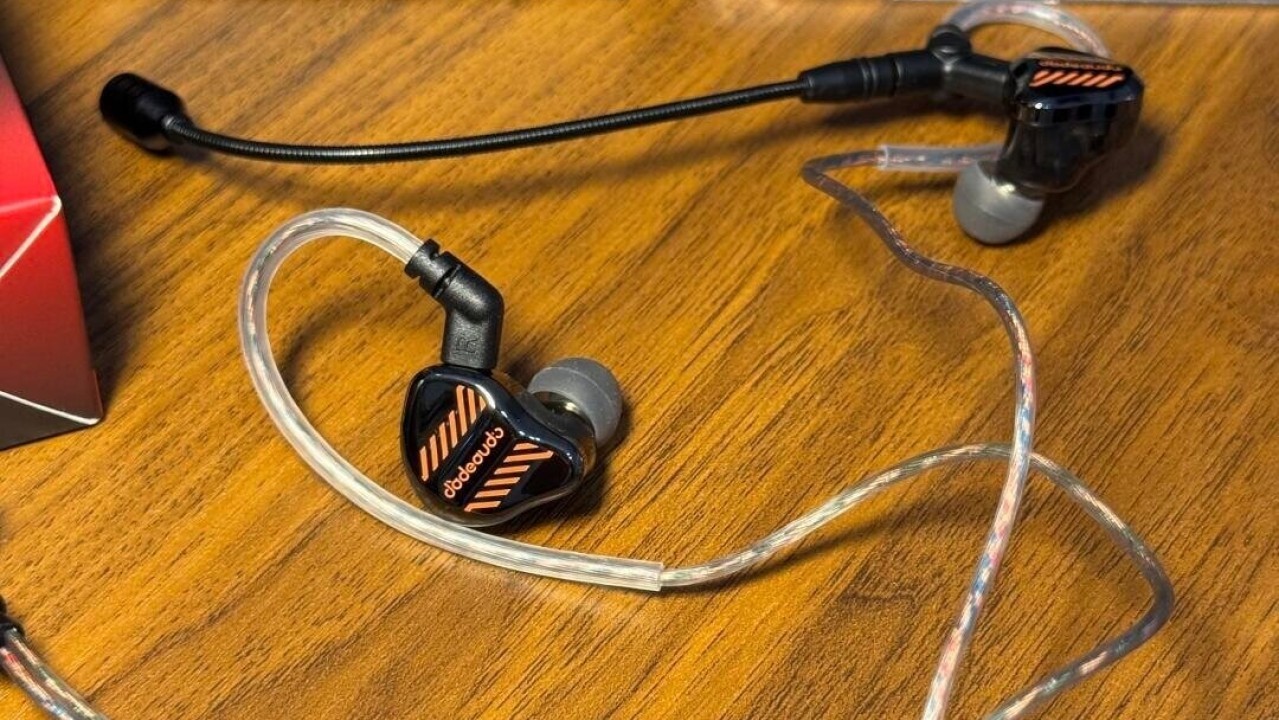
JadeAudio JD1 GAMING Launches with USB-C and Boom Mic
Product launches
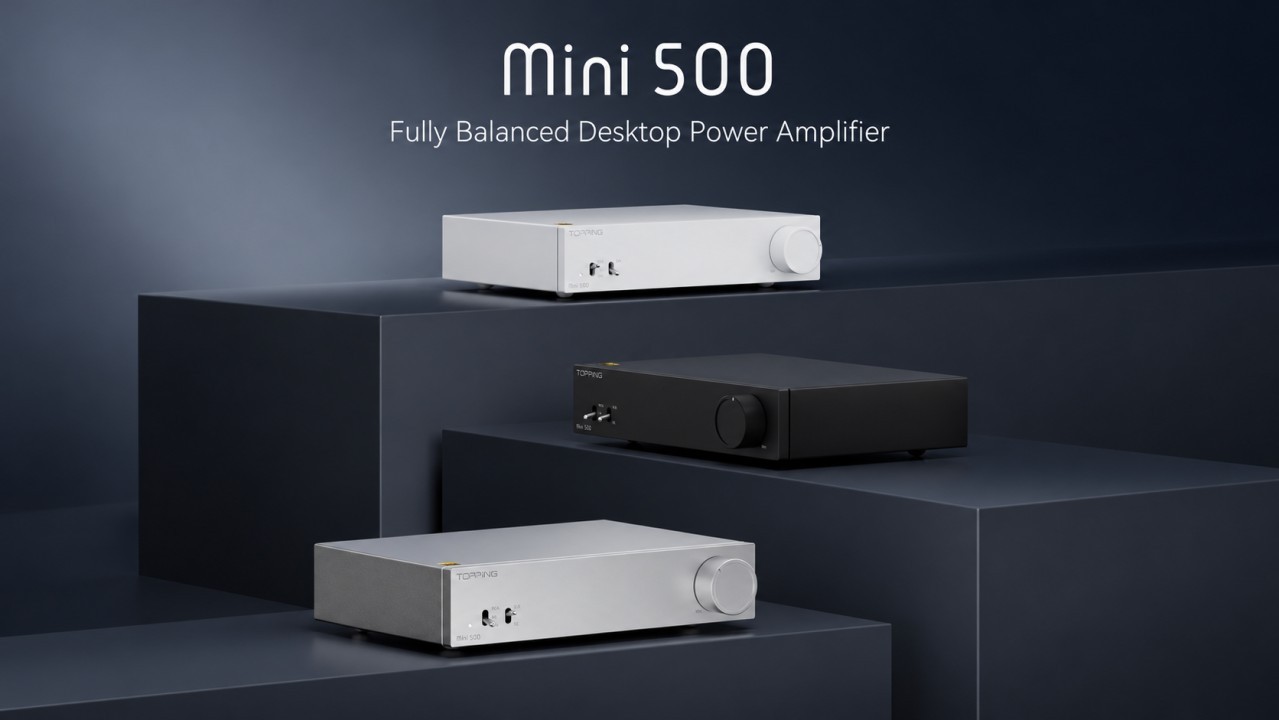
Topping Mini 500 Amplifier Delivers 500W in Mono

Product launches
No comments have been made yet, be the first!