

Sony IER-M500 Debuts as Sony’s Professional Stage IEM
From: Vitor Valeri
A headphone hobbyist for over 15 years, he founded the Hi-Fi Hub website and is an administrator of the "Fones High-End" and "Fones Low-End" groups on Facebook.


Published in: 09/07/26 at 15:36 - Updated in: 09/07/26 at 15:59
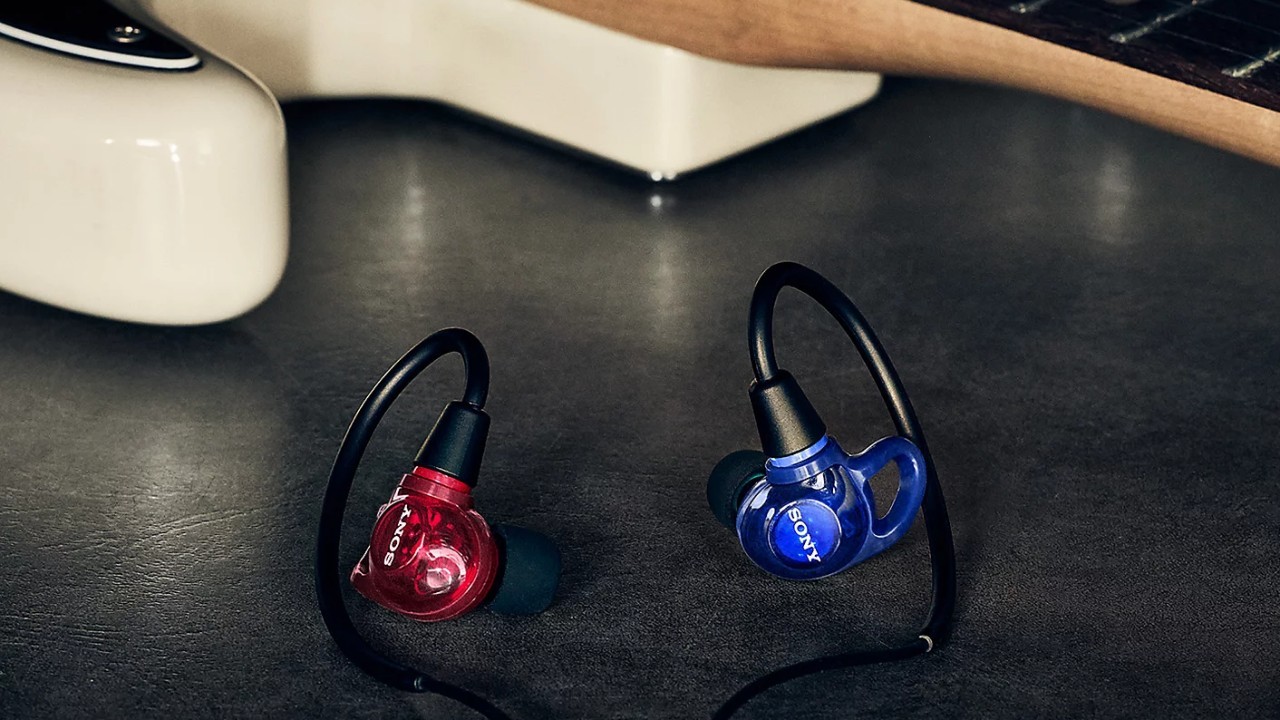
 Sony IER-M500 In-Ear Monitor (IEM) (Image: Sony)
The Sony IER-M500 was officially announced by Sony yesterday (July 8) in North America, Europe, and Japan. The IER-M500 is Sony’s In-Ear Monitor (IEM) specifically developed for live stage performance applications. Its key features include proprietary fitting supporters and foam ear tips with integrated protective filters, designed to provide a secure fit and high passive noise isolation.
The IER-M500’s sound tuning was developed in collaboration with Los Angeles-based monitor engineer Noel Edwards. Sony’s goal was to achieve a frequency response tailored to the demands of professional stage monitoring. Below, we examine whether the Japanese manufacturer achieved this objective, along with all the details of its latest release.
Sony IER-M500: An IEM Designed for Live Stage Performance
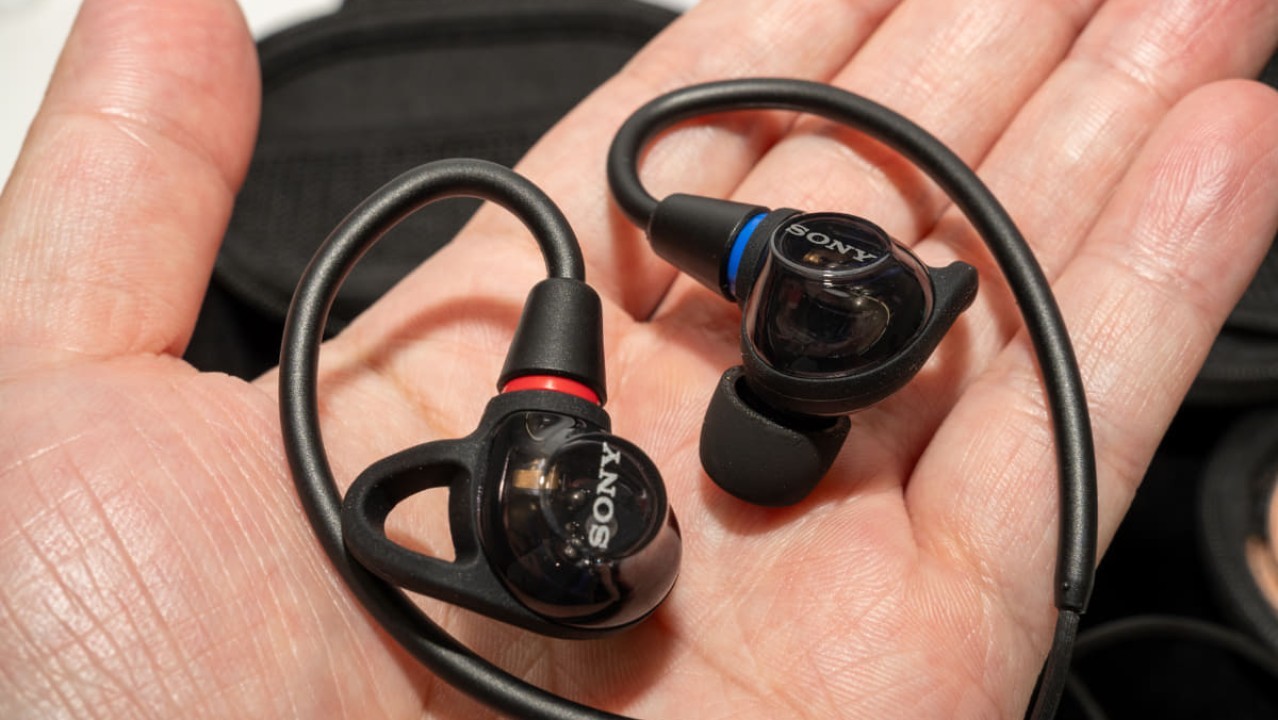
Developed specifically for live stage applications, the IER-M500 features a fully sealed housing and detachable cables with Sony’s proprietary MMCX connectors. In addition, it uses foam ear tips equipped with integrated filters inside the nozzle. Sony adopted this design to minimize sweat ingress into the IEM during performances.
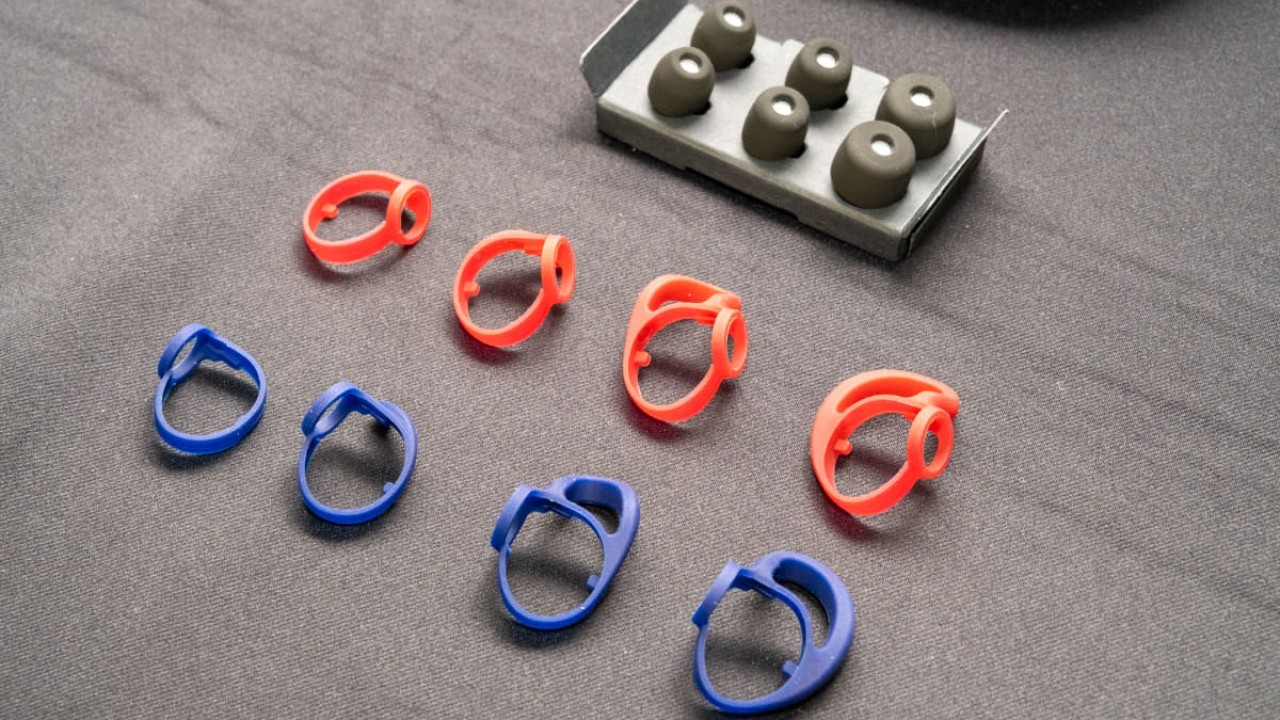
Because musicians and singers are constantly moving on stage, Sony incorporated proprietary fitting supporters. Combined with the foam ear tips, these accessories are designed to prevent the IEM from becoming dislodged and falling out during performances.
According to Noel Edwards, the IER-M500 can serve as a reliable alternative to Custom In-Ear Monitors (CIEMs), which feature custom-molded shells.
“I usually use custom-fit in-ear monitors, but the sound signature of the IER-M500 is remarkably close to them. Whenever a universal-fit in-ear monitor is required, the IER-M500 is an extremely solid and reliable option.”
Recommended reading: Custom In-Ear Monitors (CIEMs): What They Are and Who They’re For
How the IER-M500 Protects Against Sweat During Performances
Sweating is inevitable during live performances. With this in mind, Sony designed the IER-M500 with several mechanisms to minimize the risk of moisture-related damage.
Fully sealed housing
Most IEMs incorporate ventilation ports to facilitate air movement generated by the dynamic driver. However, these small openings can also allow sweat to enter the acoustic chamber, potentially damaging the earphone. To address this issue, Sony adopted a completely sealed enclosure for the IER-M500, leaving only the sound nozzle exposed.
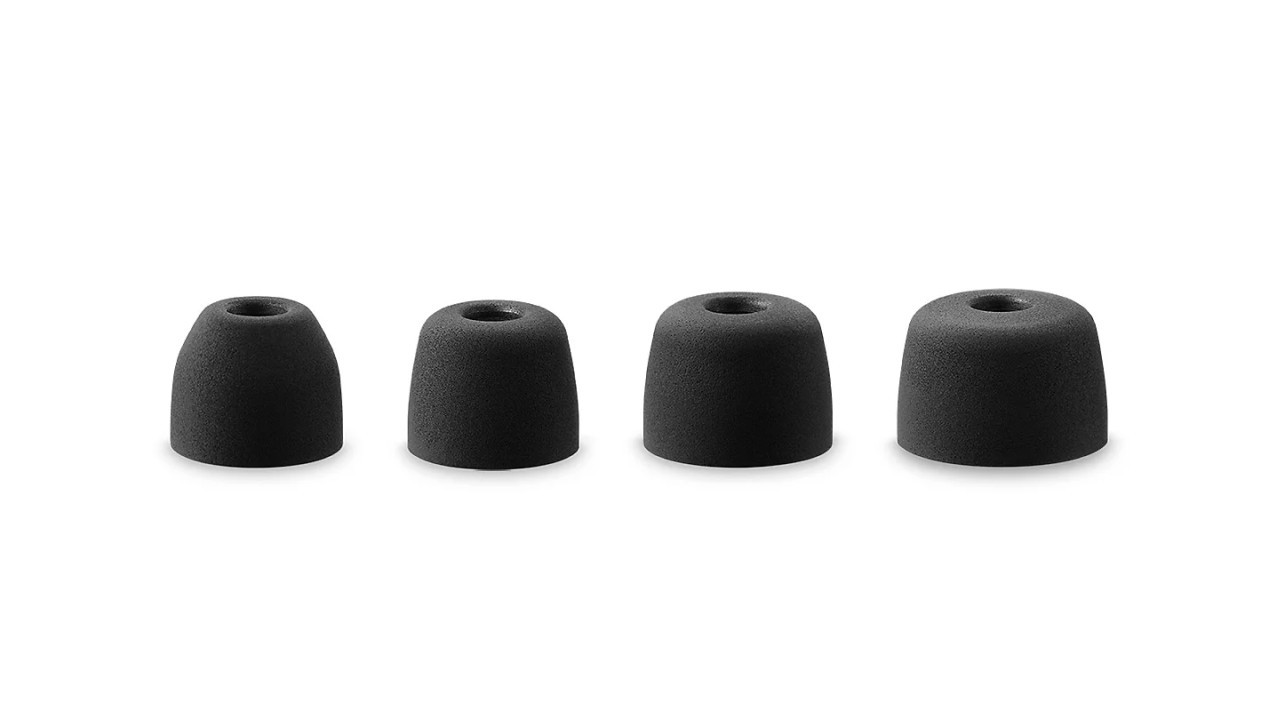
Foam ear tips with protective filters
To prevent sweat from entering through the sound nozzle, the IER-M500’s foam ear tips incorporate an internal protective filter. According to AV Watch, these are the same ear tips used in Sony’s WF-1000XM6 true wireless earbuds.
Proprietary MMCX connector
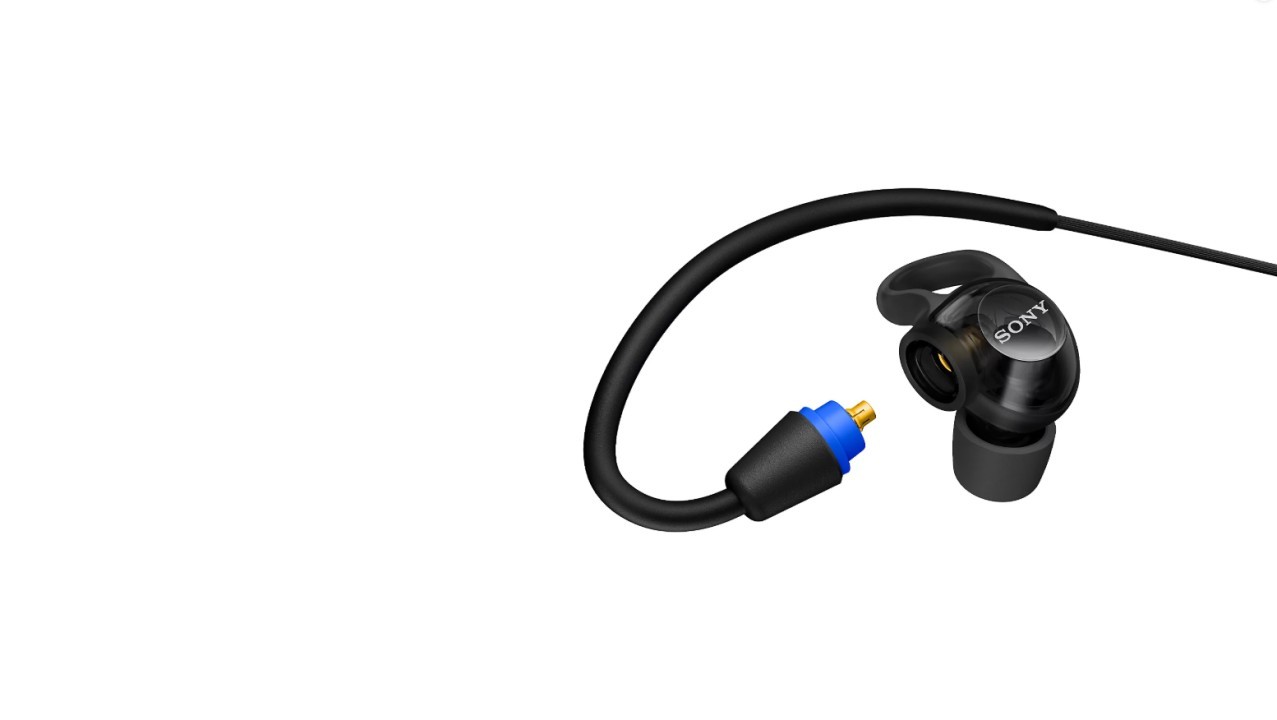
The detachable cable connection is another potential entry point for sweat and other liquids. Sony addressed this by developing a proprietary MMCX connector. As shown in the image below, the connector features multiple sealing surfaces around its perimeter, creating additional barriers against moisture ingress.
In addition to the standard MMCX specification, several proprietary MMCX variants have been developed to improve mechanical stability and reduce liquid intrusion. One of the most common issues with conventional MMCX connectors is that repeated use may eventually lead to looseness and oxidation of the connector contacts.
Sony cautions that although third-party cables may physically connect to the IER-M500, using non-approved cables may damage both the cable and the earphones. In short, users should avoid standard MMCX cables and use only cables specifically designed for the IER-M500.
Fit Mechanisms Designed to Prevent the IER-M500 from Falling Out During Performances
If an IEM does not fit securely, it can easily fall out during a live performance. To prevent this, Sony developed several mechanisms to keep the IER-M500 firmly in place while performers move on stage.
Flexible ear hooks
Over-ear cable routing already improves stability, but the IER-M500 further enhances this with flexible ear hooks that naturally conform to the user’s ears while maintaining a comfortable fit.
Fitting supporters that engage the ear’s contours
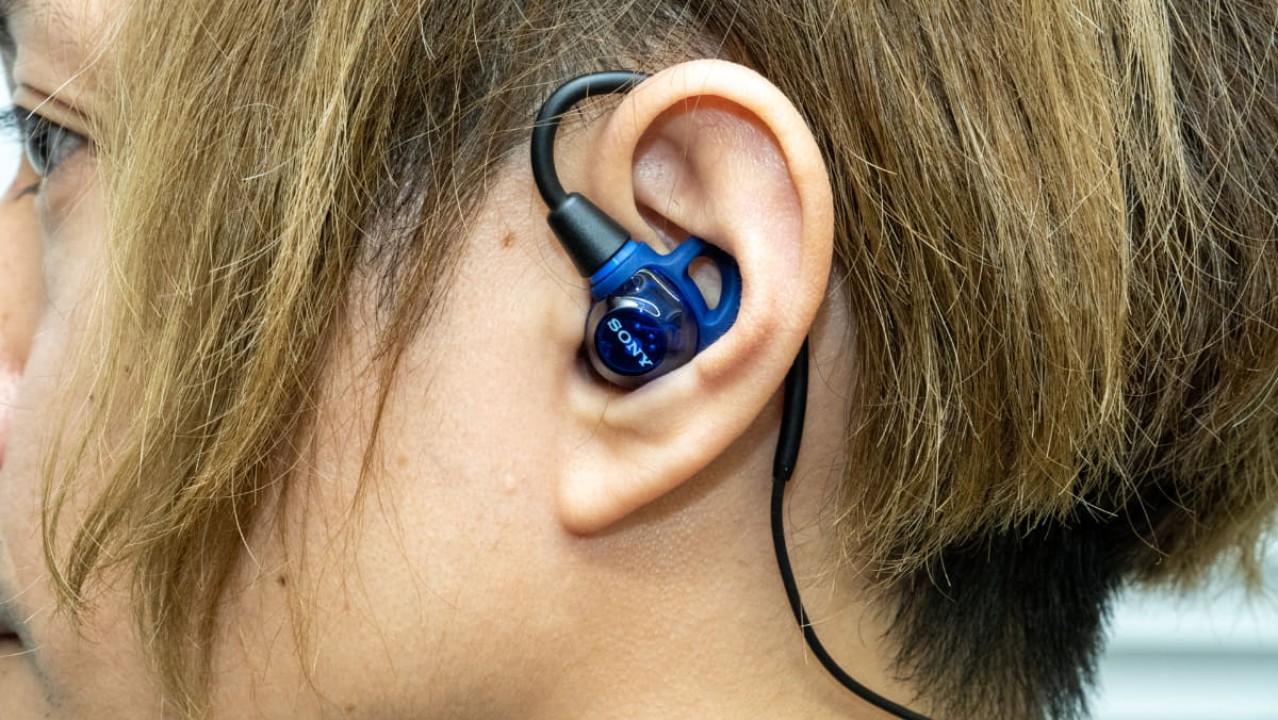
Designed to fit within the concha of the ear, the IER-M500’s fitting supporters apply gentle pressure against the ear’s natural contours. This provides sufficient retention to prevent the earphones from becoming dislodged during vigorous stage movement.
According to Sony, the design was tested by professional artists and members of Japanese idol groups. This presented a particular challenge because many female Japanese performers have smaller ears than the global average while performing highly energetic choreography.
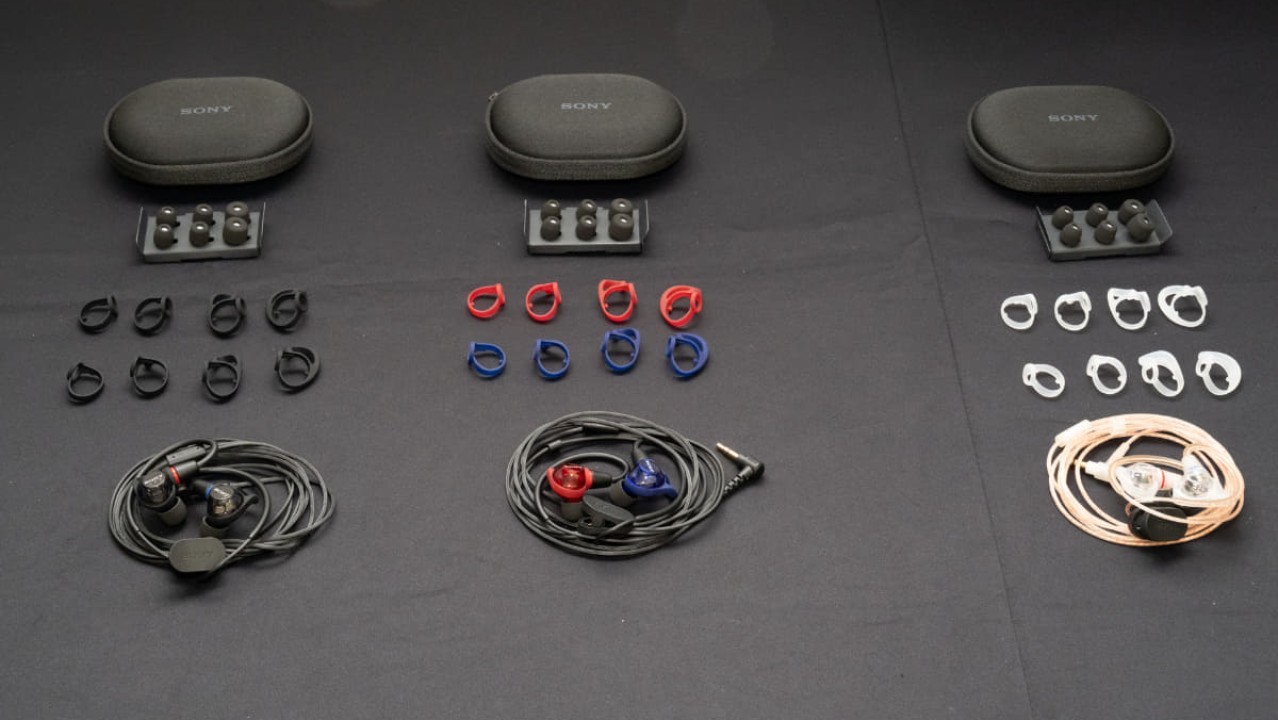
To maximize fit compatibility, Sony includes five sizes (XS, S, M, L, and XL) of fitting supporters with the IER-M500. The foam ear tips are provided in four sizes (XS, S, M, and L).
Sony IER-M500 Sound Quality
Because the IER-M500 is intended for live stage monitoring, it must deliver balanced and highly intelligible sound. To achieve this, Sony collaborated with American monitor engineer Noel Edwards, who has worked on tours for internationally renowned artists.
Several early listening impressions have already emerged in Japan. According to Kago Nozawa of AV Watch, the IER-M500’s sound signature can be summarized as follows:
“Balanced overall, with a slight emphasis on the lower midrange. The bass is full-bodied and impactful, while the treble avoids becoming excessively bright or aggressive.”
Nao-tee of e-Earphone described the IER-M500’s sound as follows:
“The bass is slightly above neutral in quantity without becoming excessive. It extends well and provides a solid foundation for the overall presentation.
The midrange stands out for its natural vocal reproduction. Voices sound smooth, full-bodied, and slightly forward, creating the impression that the singer is performing very close to the listener.
The treble offers pleasant extension, providing just the right amount of sparkle without sounding aggressive. Fine details are reproduced with refinement, resulting in excellent clarity and a delicate presentation.
Overall, the sound is presented relatively close to the listener, without artificially exaggerating soundstage width or depth. The result is a very natural stereo image.”
Sony Says the Enhanced Bass Response Was Intentional
Sony intentionally gave the IER-M500 greater low-frequency presence. The company explained its design choice as follows:
“During live performances, a significant amount of lower-midrange energy is generated by the stage environment itself. To ensure that musicians and vocalists can clearly hear their monitor mix, the IER-M500 was tuned to provide greater presence in this frequency region.”
Sony IER-M500 Specifications
• Cable length: 1.6 m
• Cable plug: 3.5 mm TRS
• Drivers per side: One 5 mm dynamic driver (DD)
• Frequency response: 10 Hz–40,000 Hz (IEC)
• IEM cable connector: Sony proprietary MMCX
• Impedance: 16 Ω (1 kHz)
• Sensitivity: 103 dB/mW
• Weight: 6.9 g
What’s Included in the Box
• 1.6 m detachable cable
• Carrying case
• Clothing cable clip
• Fitting supporters (XS, S, M, L, and XL)
• Foam ear tips (XS, S, M, and L)
Release Date, Pricing, and Availability
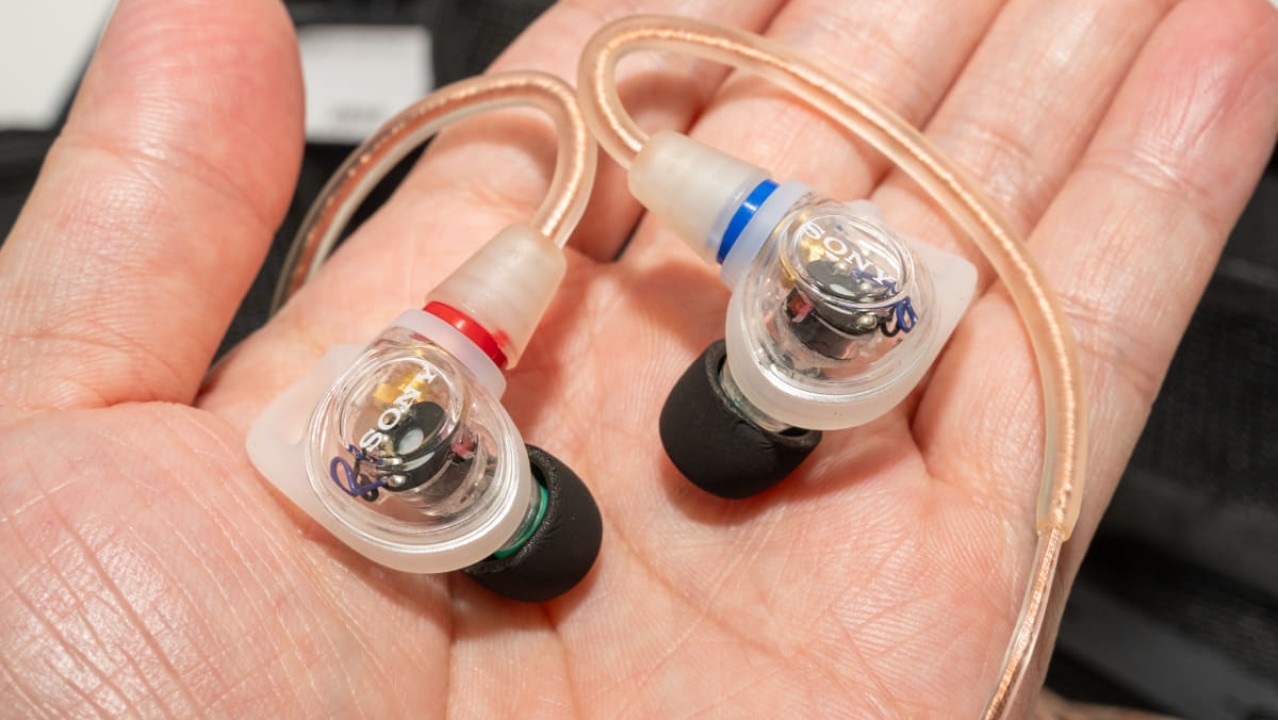
The Sony IER-M500 was announced in Black, Clear, and Red/Blue color options. Pricing has been set at ¥20,000 in Japan, US$119.99 in the United States, and €115 in Europe. In Canada, the new IEM will retail for CAD$169.99, while the suggested retail price in the United Kingdom is £99.
The Sony IER-M500 is scheduled to launch in August. In Japan, Sony has confirmed an official release date of August 28. In Europe and North America, however, Sony’s official website lists August 21 as the market release date.
Note: The Red/Blue version features a red right earpiece and a blue left earpiece for easier channel identification.
Share:


Product launches
YBA VIBE P1: Portable R2R DAC/Amp Announced
Product launches
FiiO FT15 Launches With New Planar Driver and Lighter Build
Product launches
No comments have been made yet, be the first!