

NiPO COCOM I launched: Magnetic USB DAC for smartphones with 500mW output
From: Vitor Valeri
A headphone hobbyist for over 15 years, he founded the Hi-Fi Hub website and is an administrator of the "Fones High-End" and "Fones Low-End" groups on Facebook.


Published in: 26/06/26 at 19:47
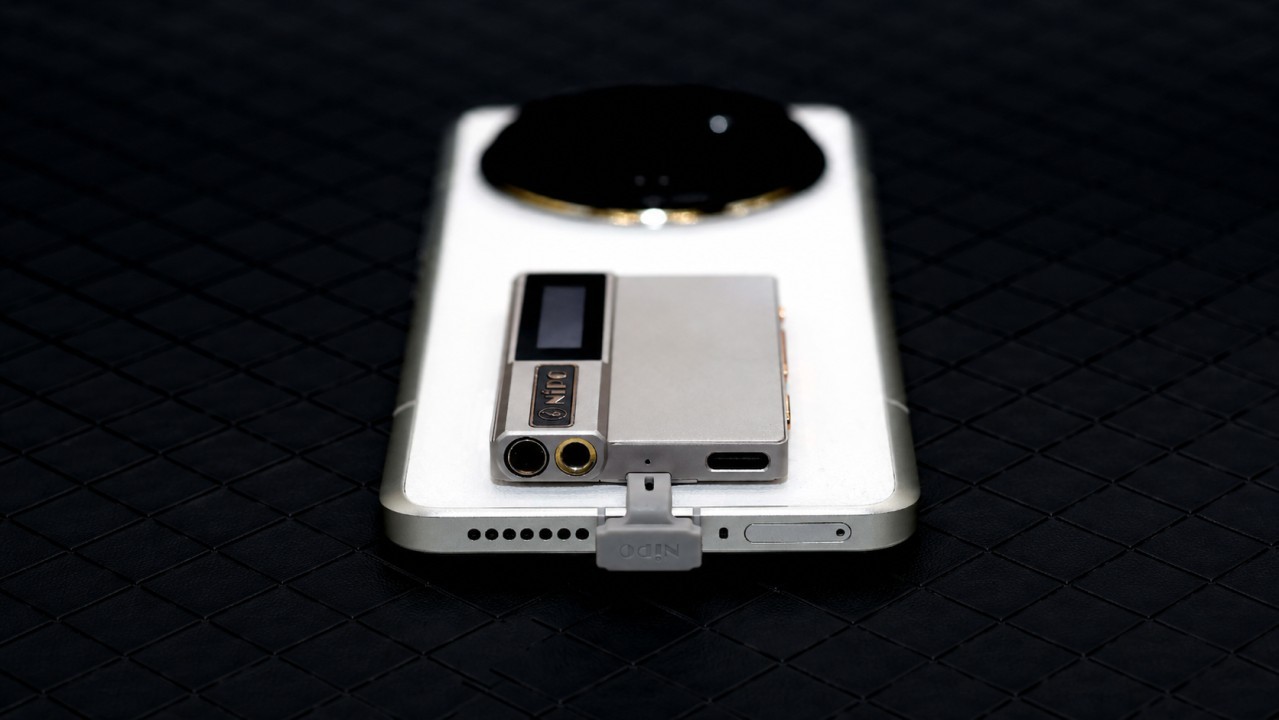 NiPO COCOM I portable DAC/amp (Image: NiPO)
The NiPO COCOM I was officially launched yesterday (June 25) in Japan and is already available in the United States. It is a USB DAC/headphone amplifier designed primarily for smartphone use, prioritizing sound quality and usability while eliminating unnecessary decorative elements. Featuring an ultra-thin 6.3 mm chassis and weighing just 28 g, the COCOM I aims to “solve inconveniences such as the difficulty of carrying a portable DAC/headphone amplifier.” Below are all the details.
COCOM I: The Dongle DAC That “Becomes One” with Your Smartphone
Carrying a device dangling from a smartphone’s USB port is far from comfortable, yet it has become increasingly common. At the same time, carrying a second device such as a Digital Audio Player (DAP) is not an appealing option for many users. Thanks to its slim, lightweight design and integrated ultra-short USB cable, the NiPO COCOM I delivers an experience that addresses both issues.
NiPO’s new DAC/amp also supports simultaneous smartphone fast charging and music playback. Below are the COCOM I’s main highlights to help you determine whether it fits your daily listening needs.
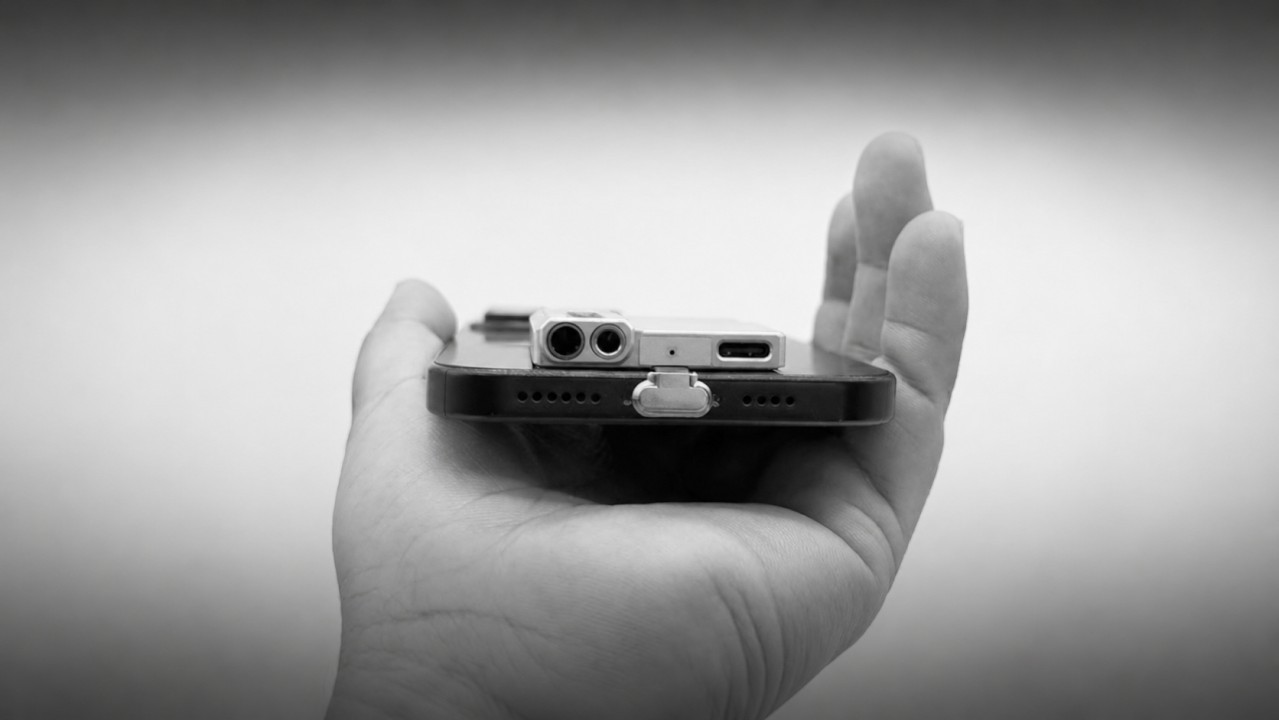
Compact Chassis with Enough Output Power for Demanding IEMs
Through its balanced 4.4 mm output, the COCOM I delivers up to 500 mW into a 32-ohm load. Its 3.5 mm single-ended (SE) output provides up to 125 mW under the same load. According to NiPO, the portable DAC/amp is capable of supplying sufficient current to drive loads as low as 8 Ω.
To minimize distortion when paired with low-impedance, high-sensitivity in-ear monitors (IEMs), the COCOM I features an output impedance of only 0.44 Ω on its 4.4 mm balanced output. The 3.5 mm output offers an even lower output impedance of just 0.22 Ω.
No Internal Battery, but Charges Your Smartphone While Playing Music
The COCOM I supports USB Power Delivery (PD) fast charging at up to 60 W. By connecting a power source to the DAC/amp’s USB-C charging port, users can recharge their smartphone while listening to music simultaneously. In other words, even when taking advantage of its full 500 mW output capability, continuous playback remains possible for hours when connected to a wall charger or power bank.
To further reduce power consumption, the COCOM I includes a dedicated switch that activates an energy-saving mode. This feature may be particularly useful when using less demanding earphones while away from home.
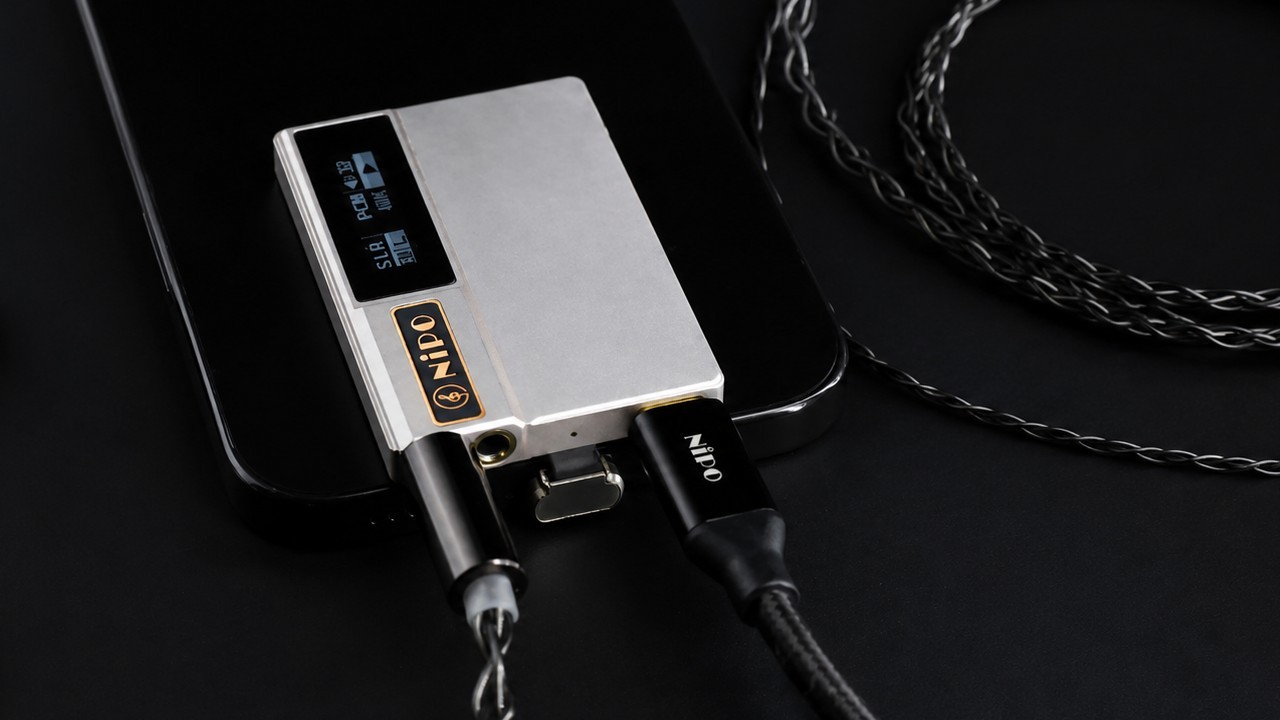
Custom USB Cable Designed for a Better User Experience
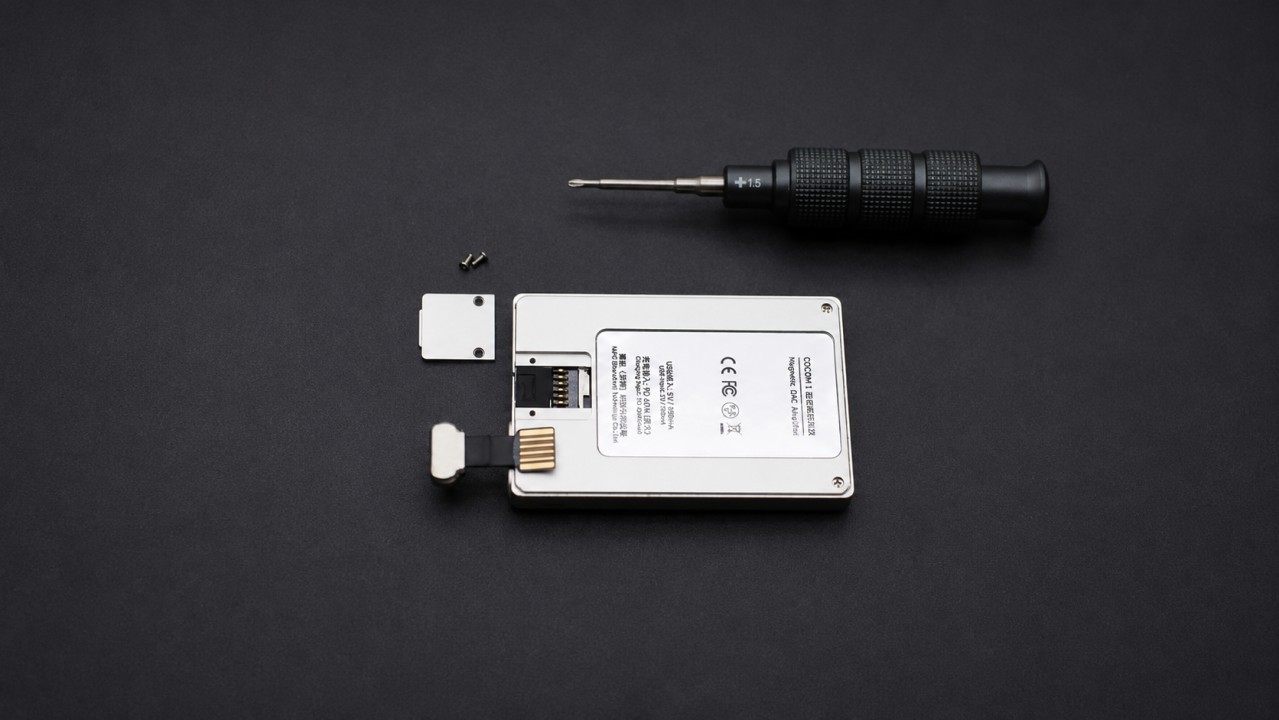
Instead of using a conventional USB-C OTG cable, the COCOM I employs a flexible printed circuit (FPC) with an integrated USB connector. This design allows NiPO to achieve a compact, flush-fitting connection between the DAC/amp and the smartphone.
Since smartphones vary in thickness, the FPC mounting system can be adjusted to modify the connection length accordingly. The same design also allows the component to be replaced if necessary. All that is required to perform the adjustment or replacement is a screwdriver.
Magnetic Attachment
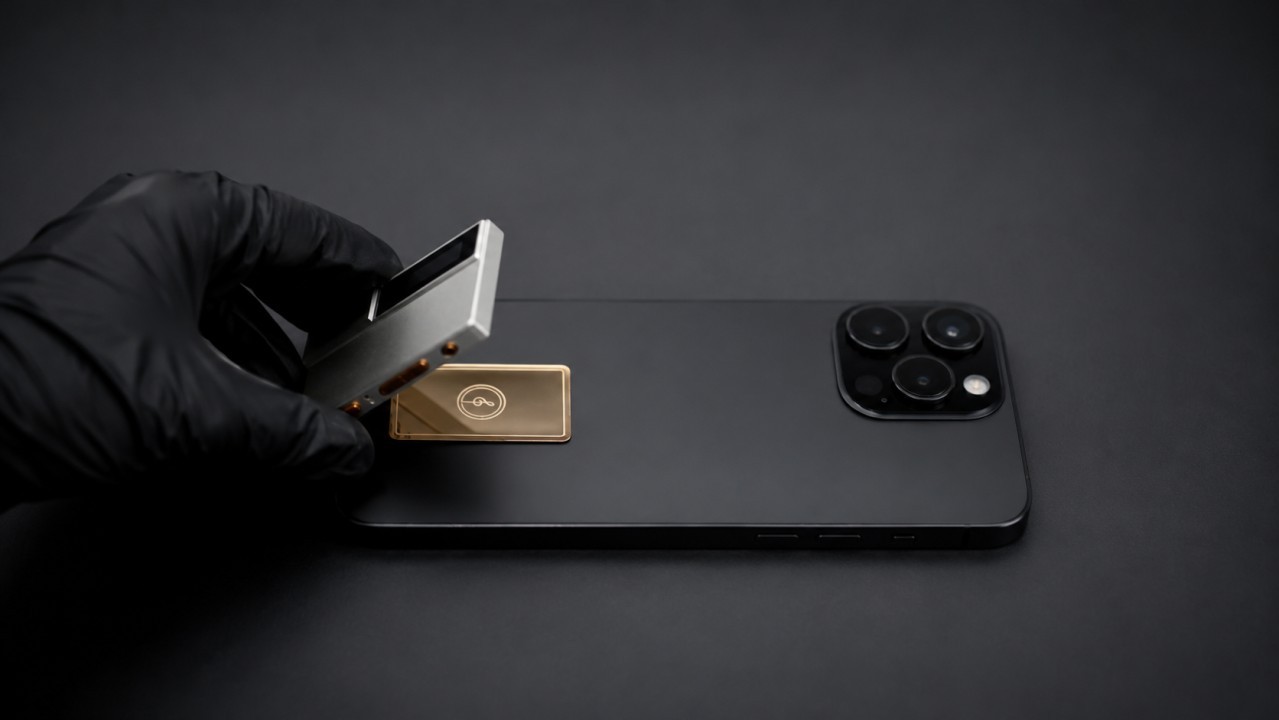
Attaching and removing the COCOM I is simple and convenient. Thanks to the N52 neodymium magnet integrated into the DAC/amp chassis, users only need to attach the included metal plate to their smartphone case. According to NiPO, the magnet provides “strong magnetic attraction to keep the device securely attached to the smartphone.”
The manufacturer includes a double-sided adhesive metal plate in the box to simplify installation.
Proprietary Hardware Architecture
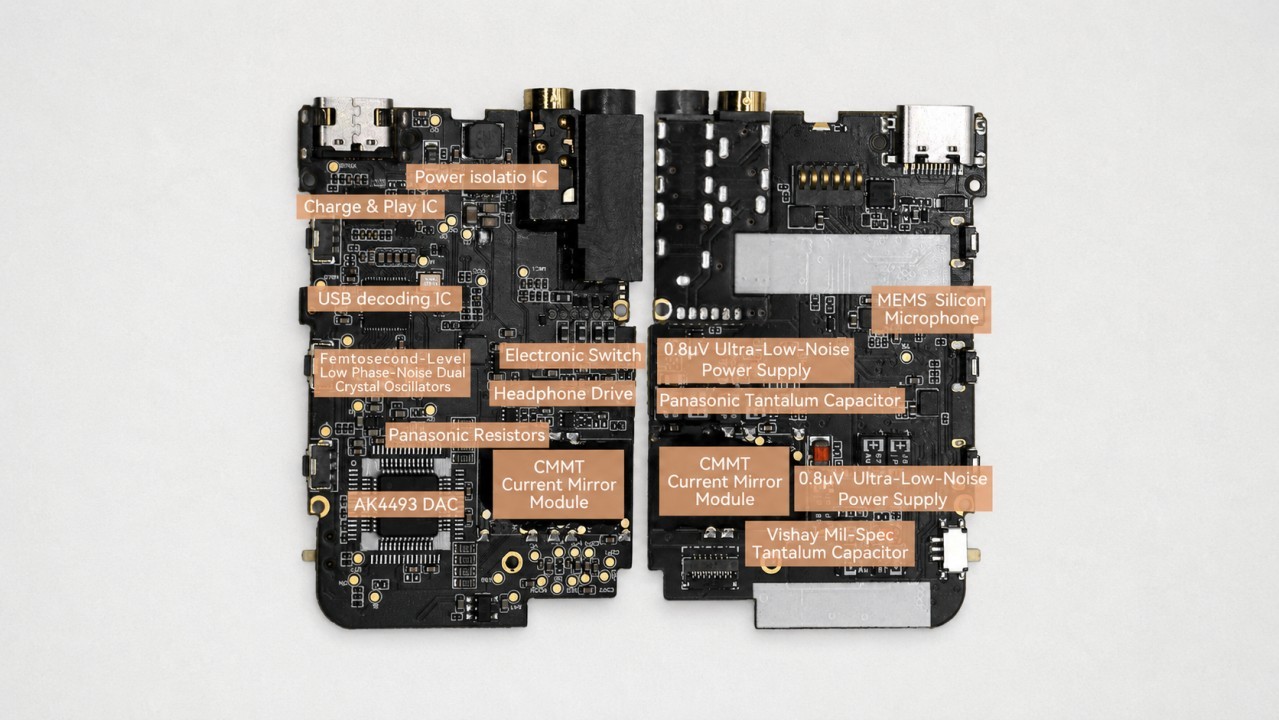
The COCOM I’s hardware incorporates a proprietary discrete current-mirror I/V (current-to-voltage) conversion circuit developed by NiPO. According to the company, “more than 200 transistor pairs are carefully selected and precisely matched to achieve high-precision signal conversion.”
Its single-stage gain architecture integrates I/V conversion, the low-pass filter (LPF), and voltage amplification into a single amplification stage. According to NiPO, this design “minimizes the signal path, reduces sonic coloration, and delivers neutral, natural sound reproduction.”
High-Quality Components
The COCOM I employs Accusilicon AS318-Lite Series crystal oscillators. According to the manufacturer, these provide “an extremely precise clock reference for digital audio processing.” NiPO states that the result is a “significant reduction in timing errors, leading to richer microdetail retrieval, improved image definition, and more faithful reproduction of the original recording.”
The use of Panasonic and Vishay tantalum capacitors reduces power supply ripple and equivalent series resistance (ESR). According to NiPO, this improves both the circuit’s dynamic response and transient performance.
Built-in Microphone and Headset Support
The COCOM I supports voice calls thanks to its built-in microphone with a maximum input level of 60 mW, allowing users to participate in online meetings while using wired headphones.
It also supports headsets equipped with an inline microphone. Since the COCOM I is compatible with the CTIA standard, users simply need to connect a headset featuring a 3.5 mm TRRS plug.
OLED Display for Playback Information and System Status
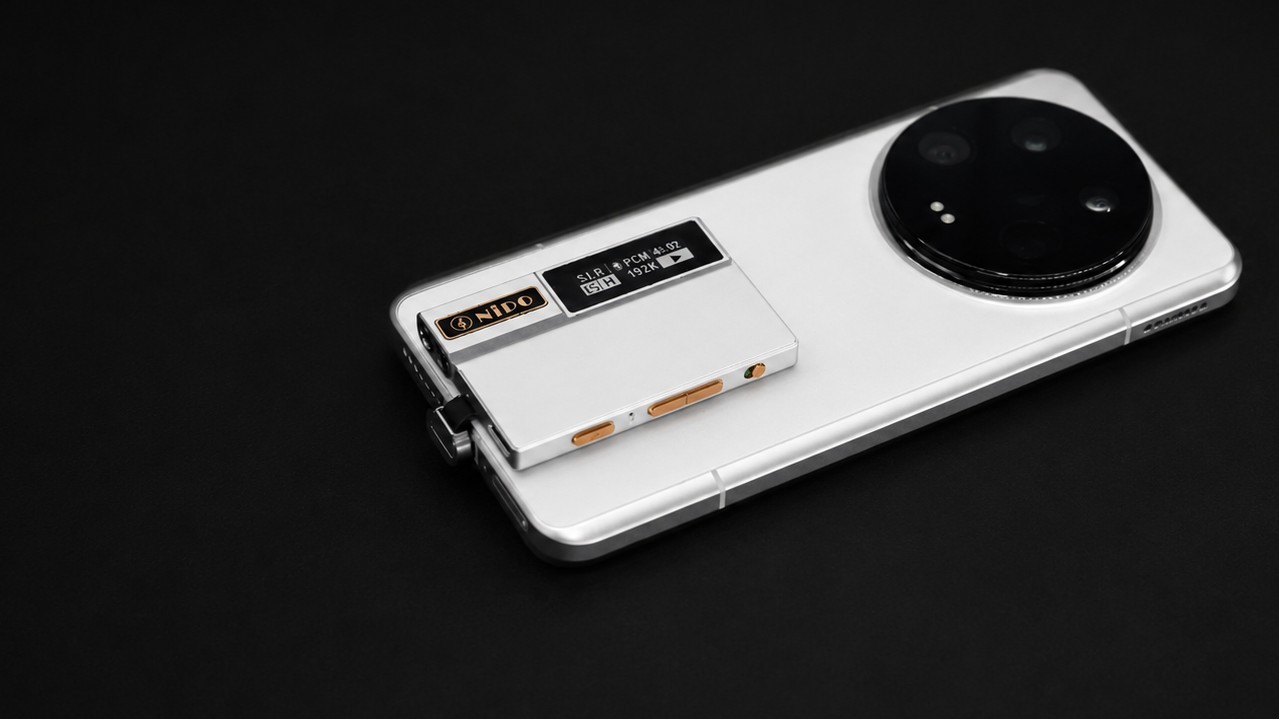
The COCOM I incorporates an OLED display that presents information such as gain level, digital filter selection, EQ settings, volume level, sampling rate, and other playback parameters.
Side Controls
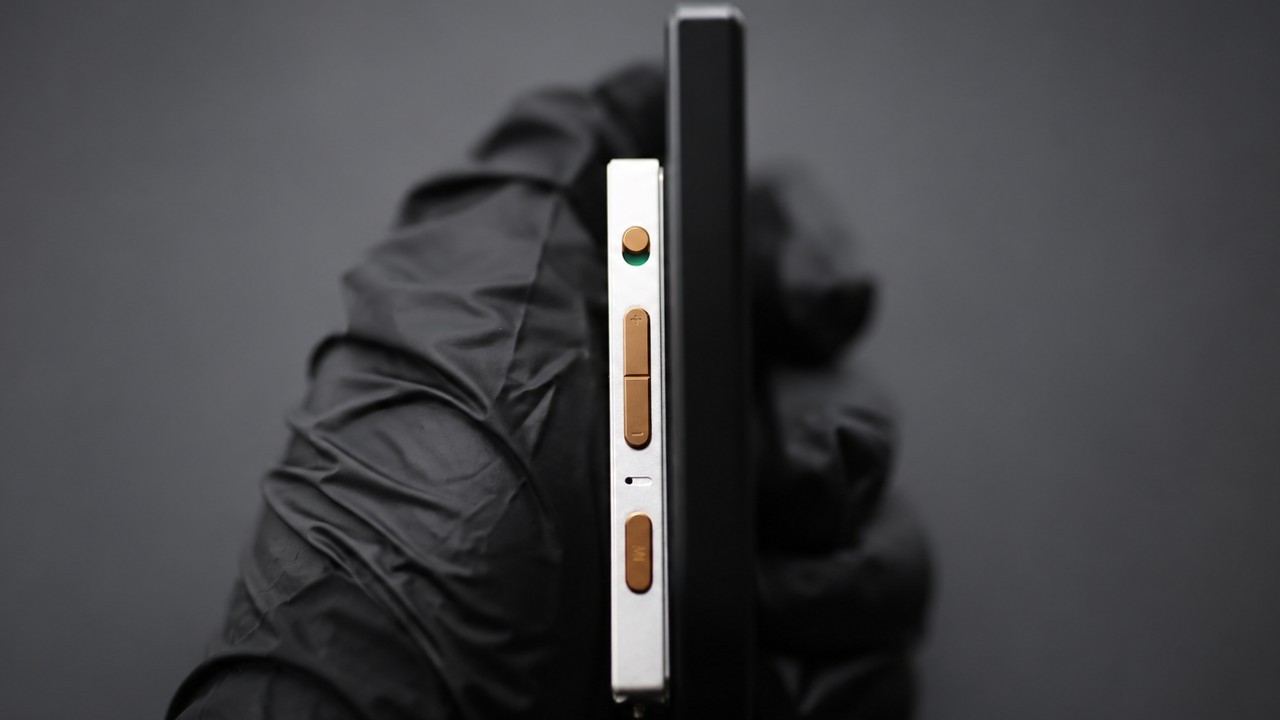
All physical controls are conveniently located on one side of the device for intuitive operation. They include an energy-saving mode switch, a menu button, and dedicated volume buttons.
NiPO COCOM I Specifications
General Specifications
• Amplification: Dual SG Micro SGM8262
• Built-in Microphone Maximum Input Level: 60 mW
• Color: Silver
• DAC Chip: AKM AK4493SEQ
• Dimensions: 60 × 41 × 6 mm
• Display: 0.87-inch OLED
• I/V Conversion: Fully discrete current mirror
• Microphone Input: 3.5 mm, 60 mW (maximum)
• Power Input: 5 V / 2 A
• USB Connection: Retractable and replaceable USB-C FPC cable
• USB Controller: SPV5048PRO
• Voltage Amplification: Fully discrete current mirror
• Weight: 28 g
General Audio Specifications
• Native Playback Support: PCM up to 32-bit/768 kHz and DSD512
• Supported Audio Formats: DSF, DIFF, SAC-ISO, AIFF, WAV, FLAC, ALAC, APE, WMA, MP3, OGG, and AAC
3.5 mm Single-Ended (SE) Output
• Output Level (Vrms): 2 V
• Signal-to-Noise Ratio (SNR): 120 dB
• Channel Separation (1 kHz): -87 dB
• Dynamic Range: 125 dB
• Maximum Output Power (32 Ω): 125 mW
• Total Harmonic Distortion (THD): 0.10%
• Output Impedance: 0.22 Ω
• Frequency Response (-3 dB): 20 Hz–90 kHz
4.4 mm Balanced Output
• Output Level (Vrms): 4.1 V
• Signal-to-Noise Ratio (SNR): 120 dB
• Channel Separation (1 kHz): -111 dB
• Dynamic Range: 125 dB
• Maximum Output Power (32 Ω): 500 mW
• Total Harmonic Distortion (THD): 0.10%
• Output Impedance: 0.44 Ω
• Frequency Response (-3 dB): 20 Hz–90 kHz
Release, Pricing, and Availability
The NiPO COCOM I is now available internationally in Silver for US$299 through MusicTeck in the United States and for ¥47,300 through Japan’s E-Earphone online store.
Share:


Product launches
YBA VIBE P1: Portable R2R DAC/Amp Announced
Product launches
FiiO FT15 Launches With New Planar Driver and Lighter Build
Product launches
No comments have been made yet, be the first!