

Moondrop CHU 3 Unveiled at SIAS 2026
From: Vitor Valeri
A headphone hobbyist for over 15 years, he founded the Hi-Fi Hub website and is an administrator of the "Fones High-End" and "Fones Low-End" groups on Facebook.


Published in: 14/08/26 at 23:00 - Updated in: 16/08/26 at 10:07
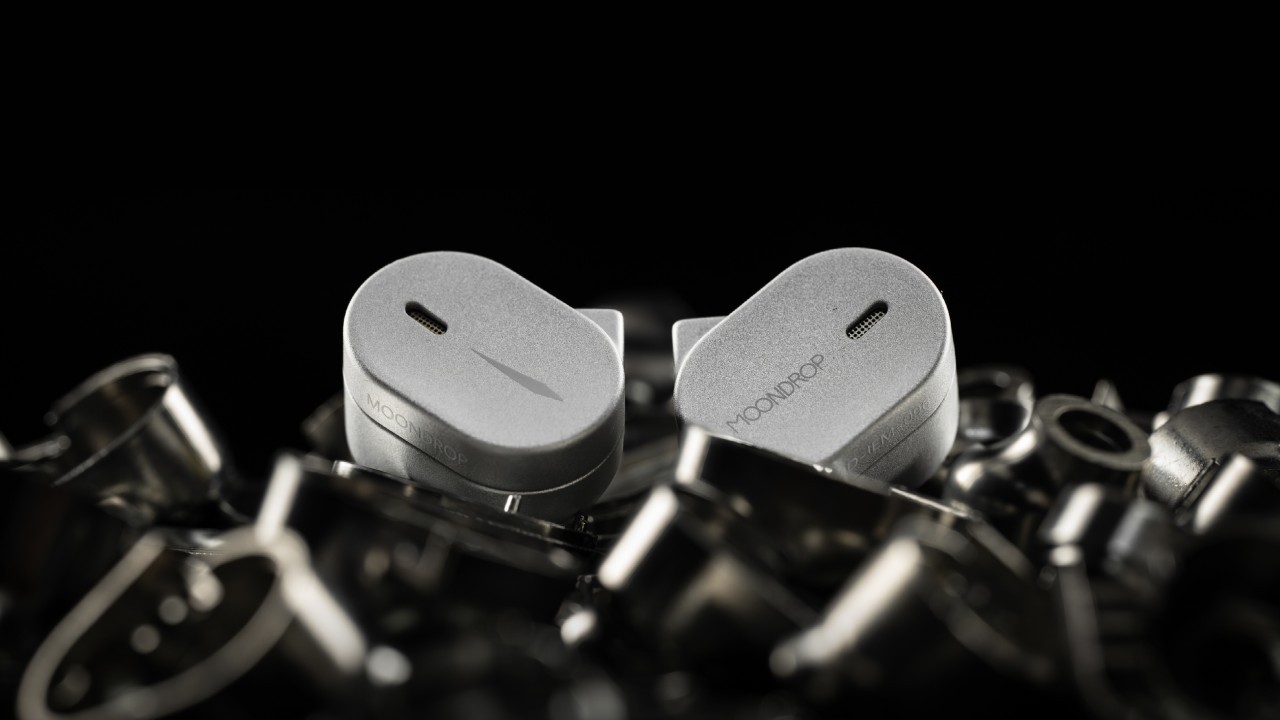 Promotional image of the Moondrop CHU 3 IEM (Image: Moondrop/Weibo)
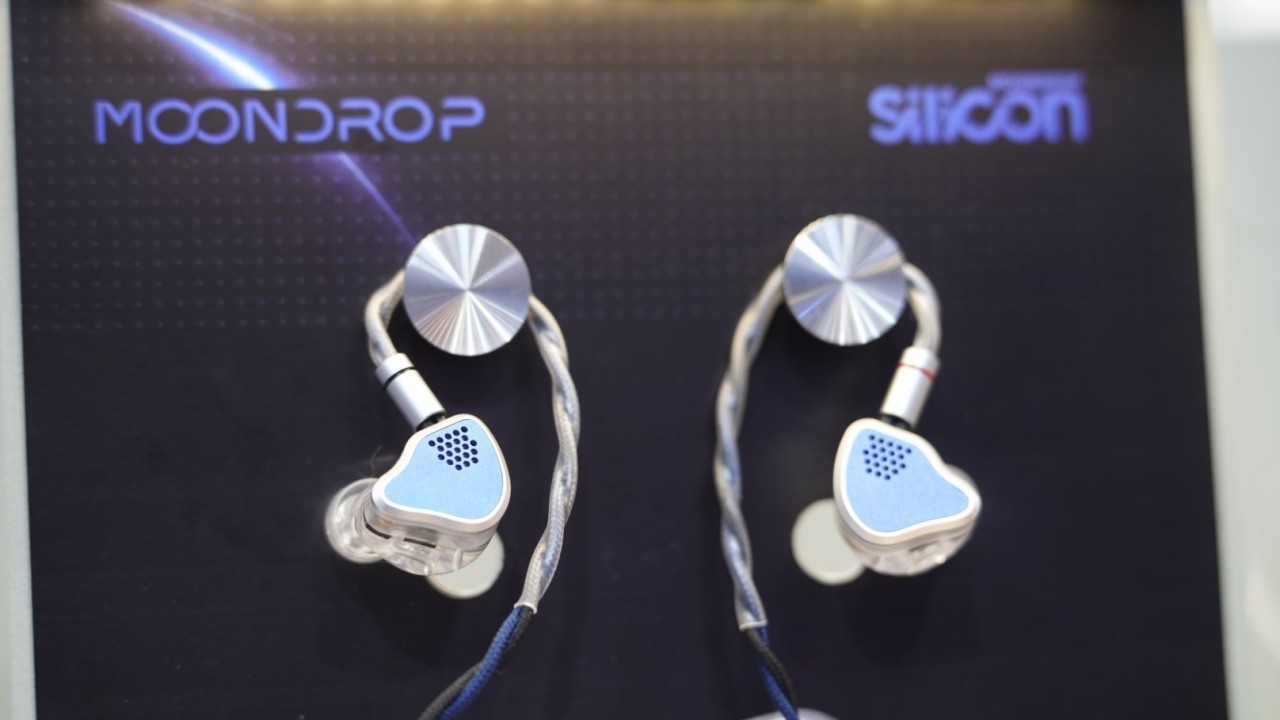
Moondrop announced three new IEMs during the 20th edition of the Shenzhen International Audio Show (SIAS 2026). Among the in-ear models announced, the main highlight is the CHU 3, the third generation of one of the brand’s highly successful series. Next is the Silicon, a new model developed in collaboration with Crinacle. Last but not least, Moondrop introduced a new TWS model, the The Garden. Check out all the details below.
Update (August 16): The Moondrop CHU 3 and Moondrop Silicon are now available from Moondrop’s official AliExpress store through this link and this link, respectively.
CHU 3 arrives with JM-1-based tuning, but the nozzle is still made of brass
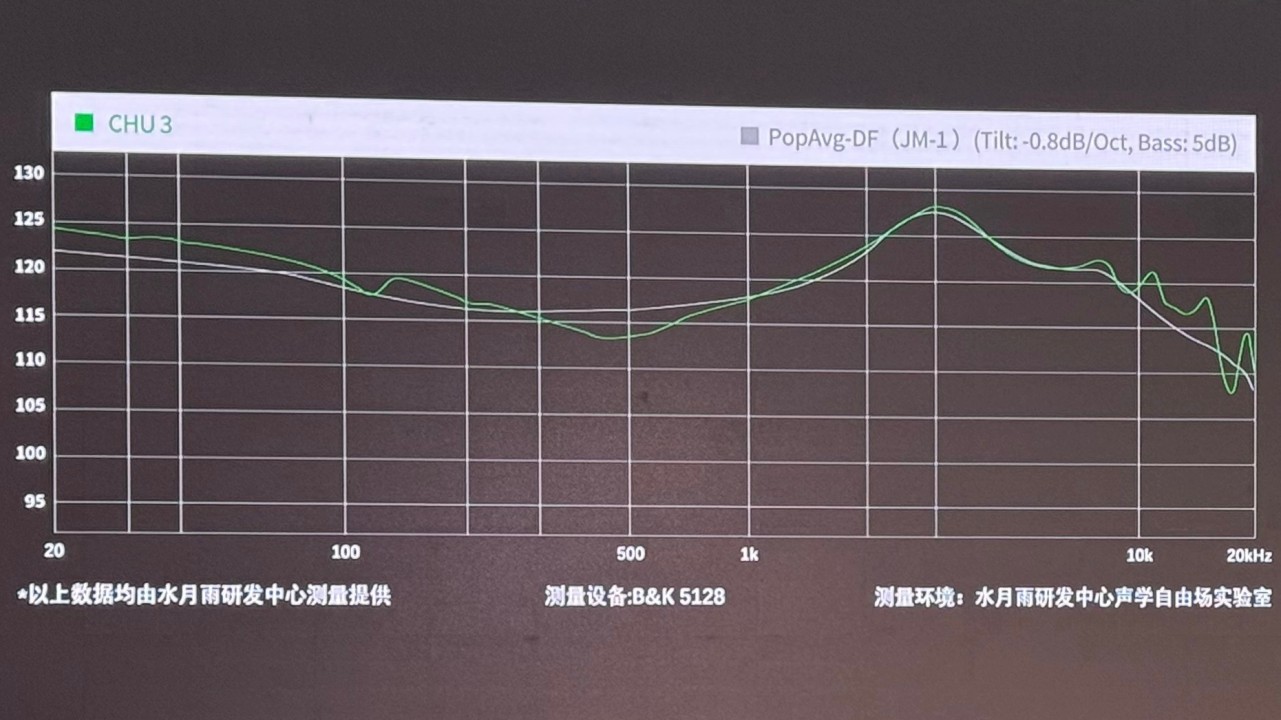
The third generation of the CHU series has been announced and will go on sale in mainland China starting tomorrow (August 15). The CHU 3’s sound was developed using the JM-1 target curve, with some adjustments to follow Moondrop’s VDSF (Virtual Diffusion Sound Field). Below is the frequency response curve of the Moondrop CHU 3.
Unfortunately, the CHU 3’s nozzle is made of CNC-machined brass, just like the CHU 2’s. In case you are unaware, there have been numerous reports of oxidation affecting the CHU 2’s nozzle, which has been one of the reasons owners have sold the IEM.
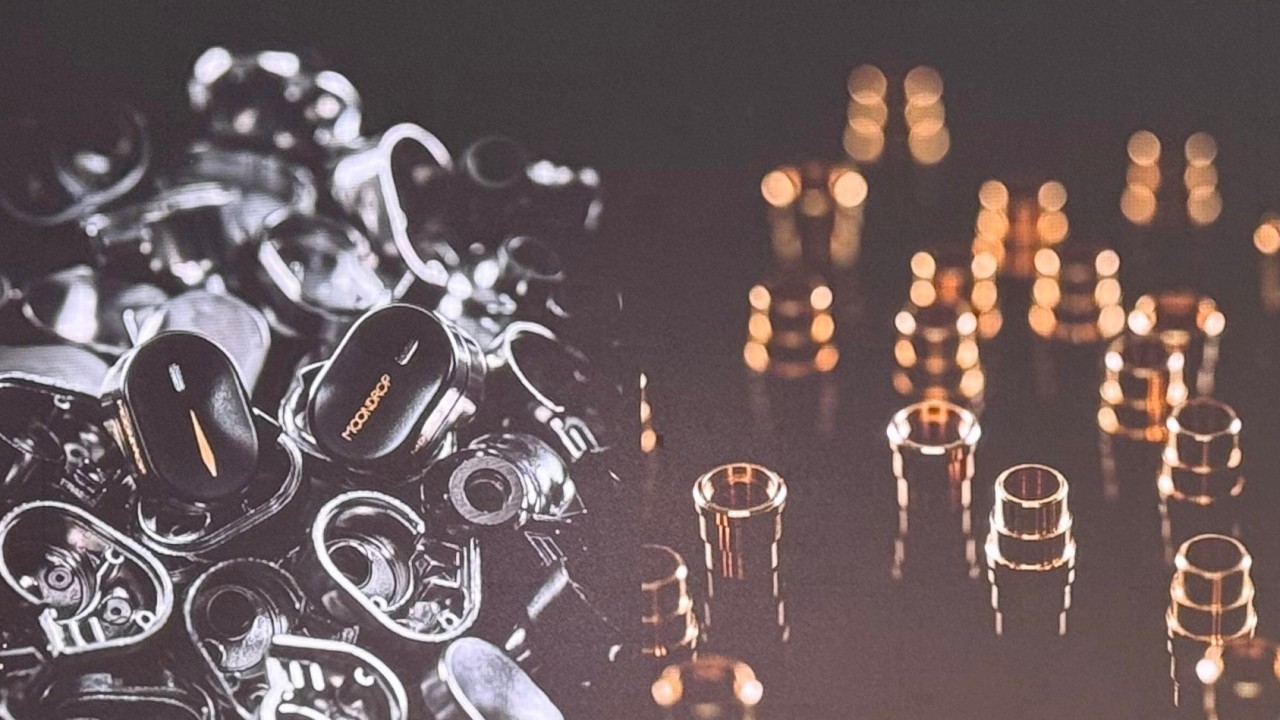
The CHU 3’s housing continues to be made of machined metal. It also retains the detachable/removable cable system with 0.78 mm 2-pin connectors. The driver still uses an aluminum-magnesium alloy diaphragm, as in the CHU 2. Below is a photo of the IEM without the cables connected.
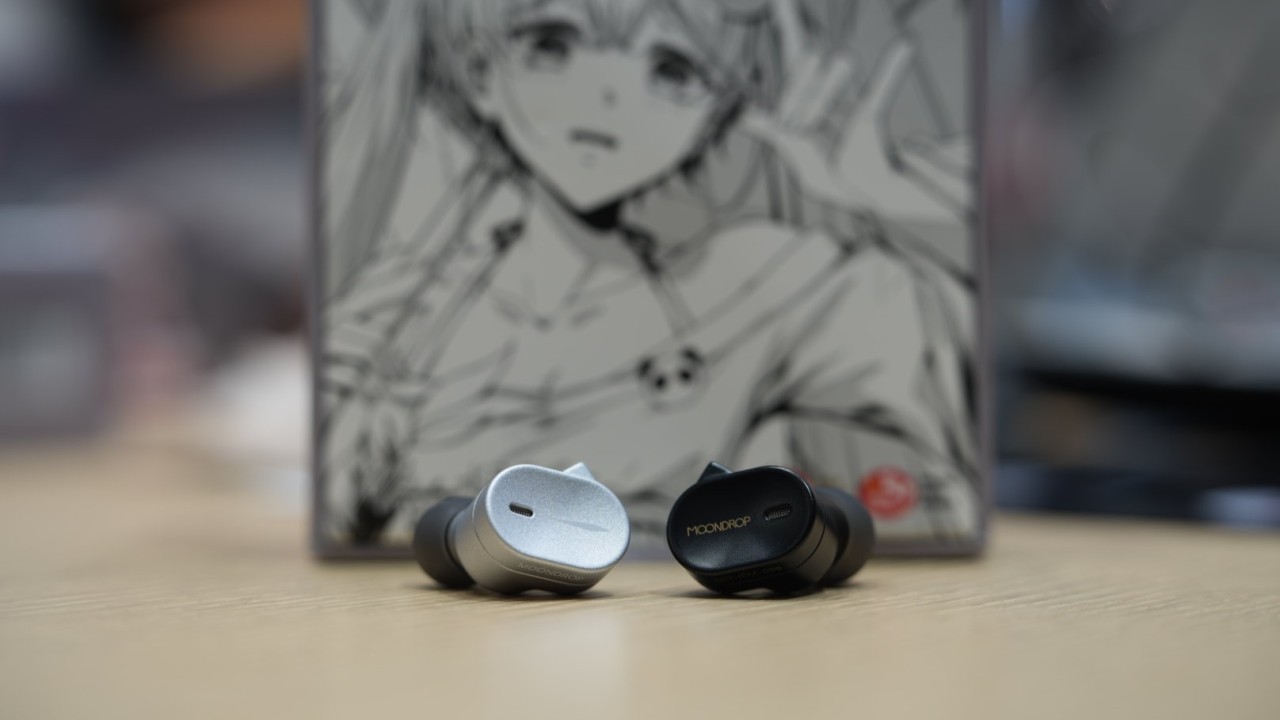
CHU 3 launch, price, and availability
The Moondrop CHU 3 is now available internationally in Black and Silver for US$24.99 from Moondrop’s official AliExpress store.
Silicon is Crinacle’s third collaboration with Moondrop
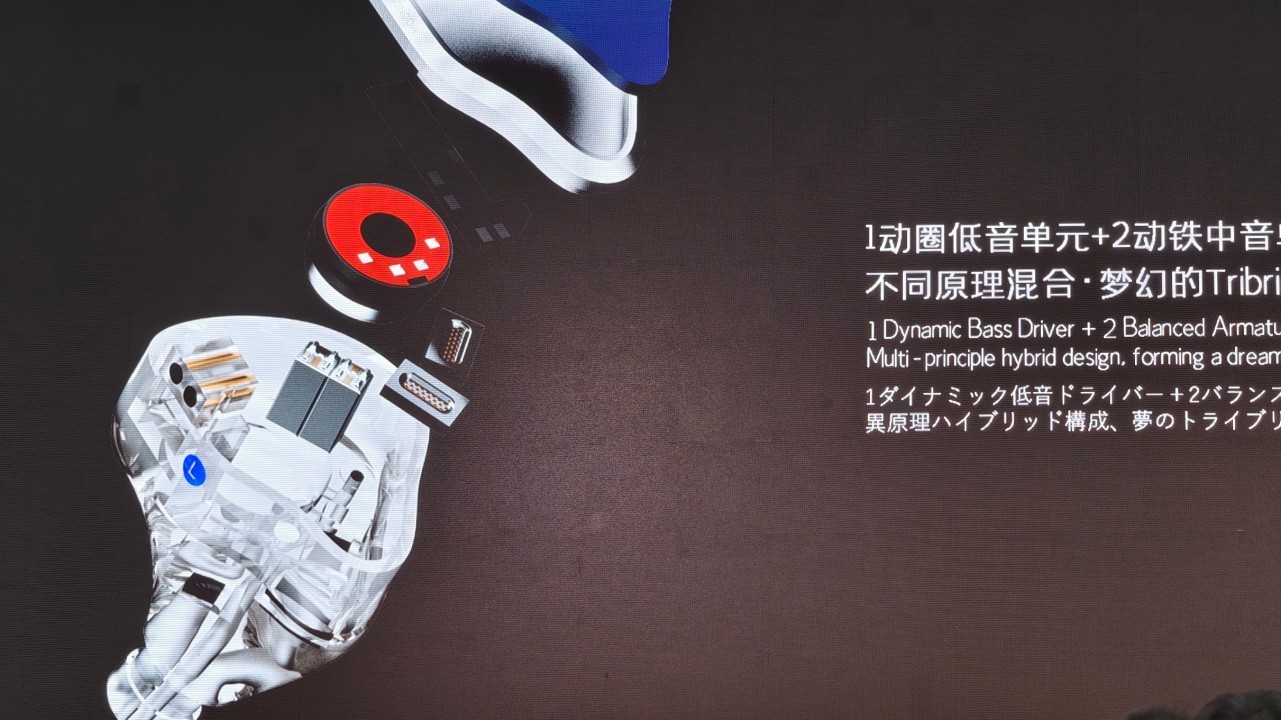
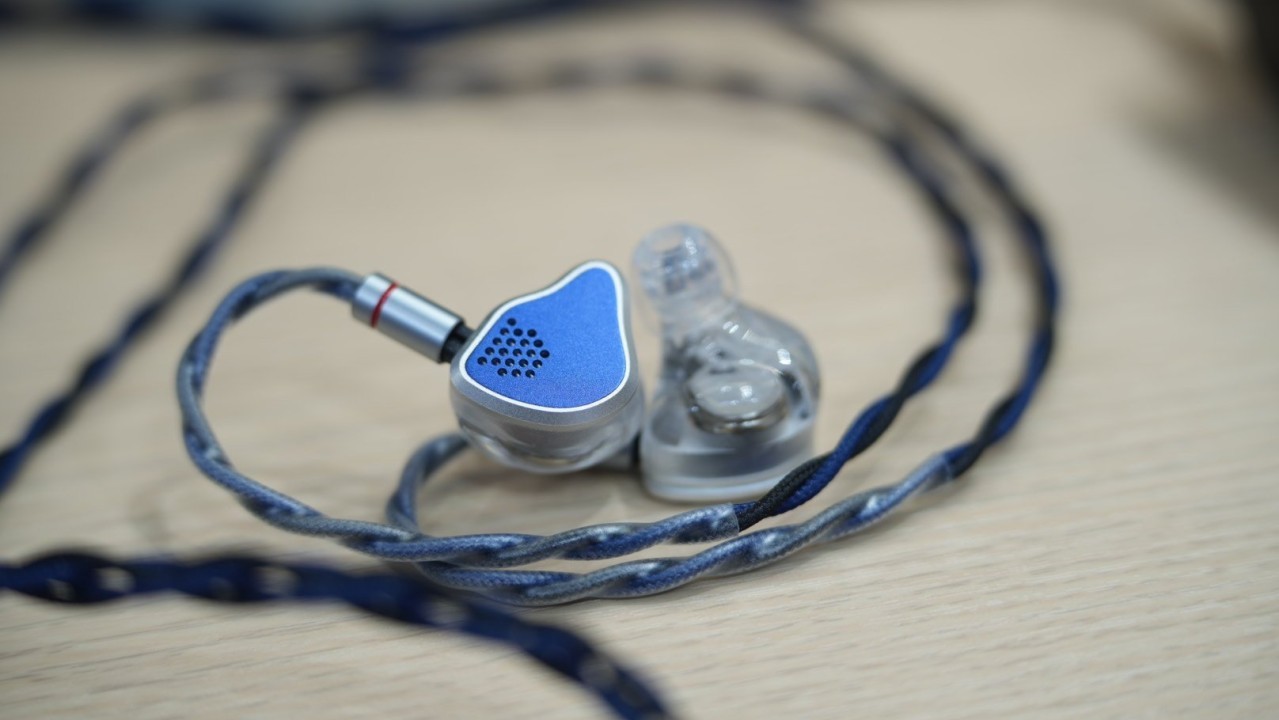
For the third time [1], Moondrop has partnered with Crinacle, who is well known for measuring and publishing the frequency responses of more than 1,000 IEMs. The Moondrop Silicon was tuned with Crinacle’s assistance and uses one dynamic driver, two balanced armature (BA) drivers, and two MEMS drivers.
[1] In 2020, Crinacle helped Moondrop with the “Blessing 2: Dusk,” followed by the launch of the “Moondrop x Crinacle Dusk” in 2024.
Moondrop Silicon driver configuration
The MEMS drivers are responsible for reproducing the high frequencies (treble), while the dynamic driver (DD) is assigned to the low frequencies (bass). The BAs, meanwhile, are responsible for reproducing the midrange frequencies.
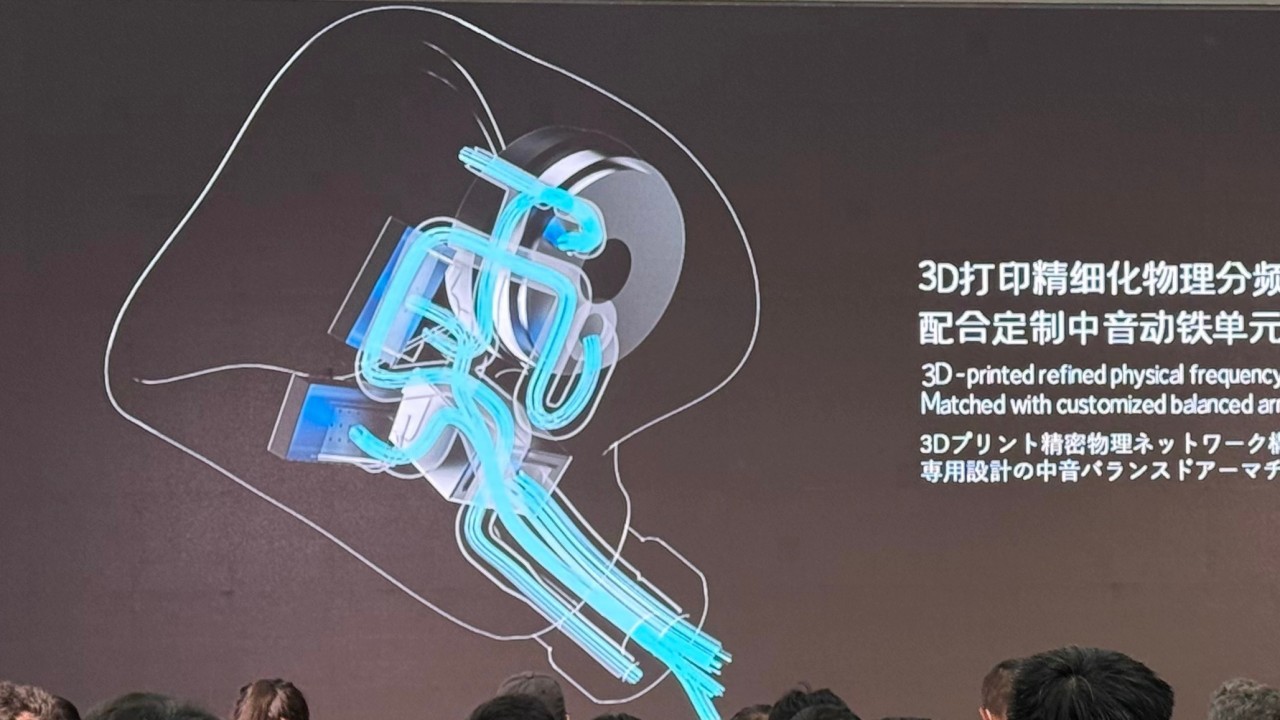
By using MEMS drivers and a DD, the goal was to provide an excellent level of resolution and treble extension while delivering full-bodied, natural bass. To achieve this, however, the sound must be precisely guided toward the IEM’s nozzle. For this reason, acoustic ducts manufactured using high-precision 3D printing were employed.
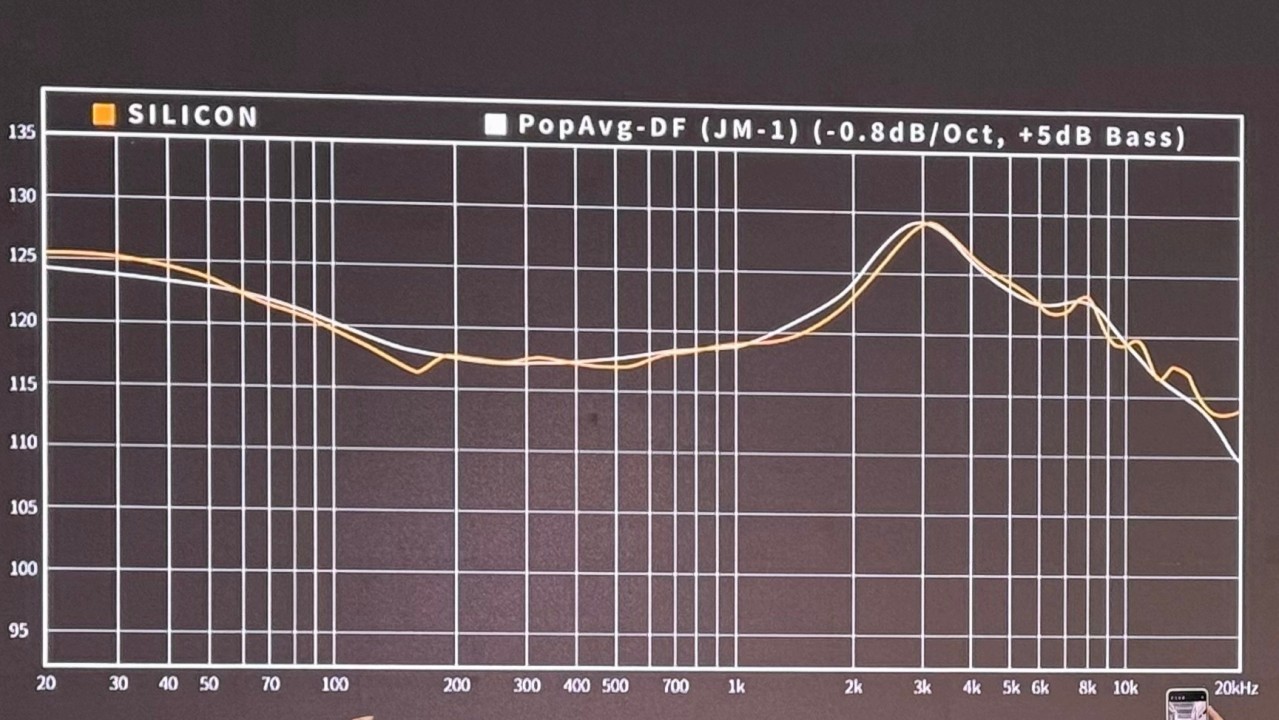
Silicon tuning by Crinacle
As with the CHU 3, the tuning was based on the JM-1 target curve, but in this case, the adjustments were made by Crinacle. Below is the frequency response curve of the Moondrop Silicon.
Moondrop Silicon accessories
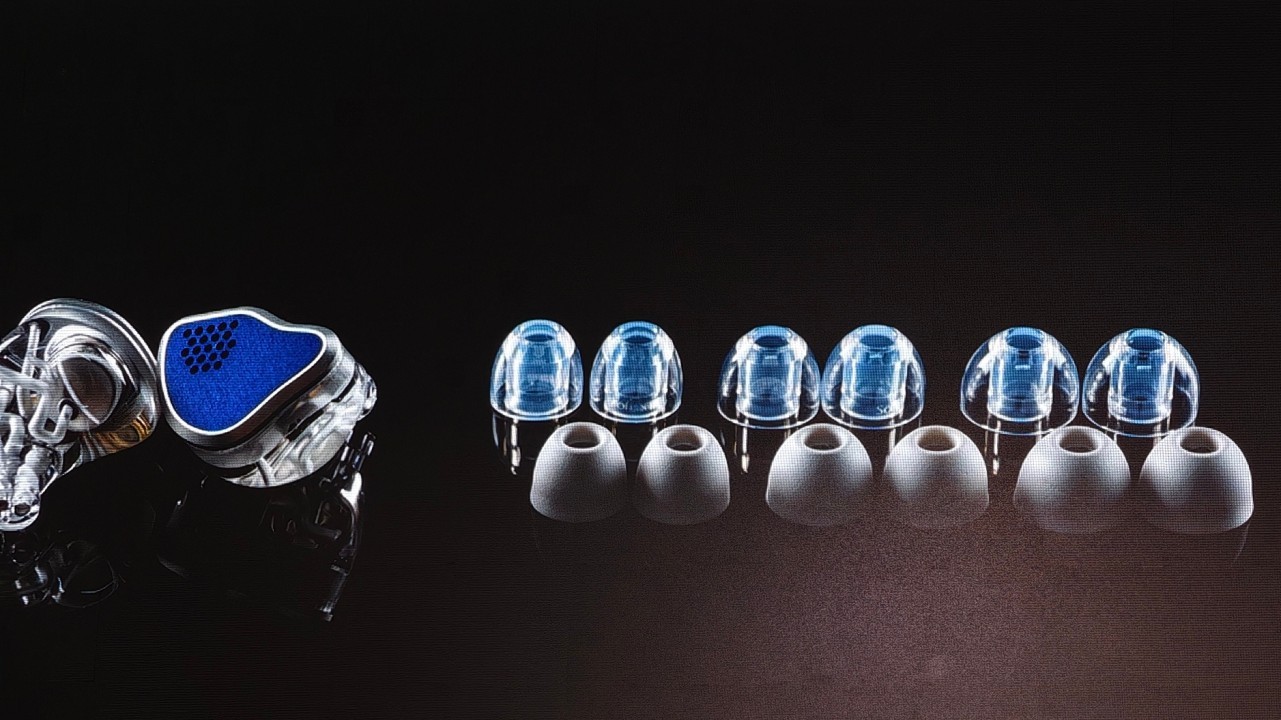
Moondrop includes two sets of ear tips with the Silicon: one made of silicone and the other of memory foam. The silicone ear tips are called UC Tips, while the memory foam tips are called ATF-O.
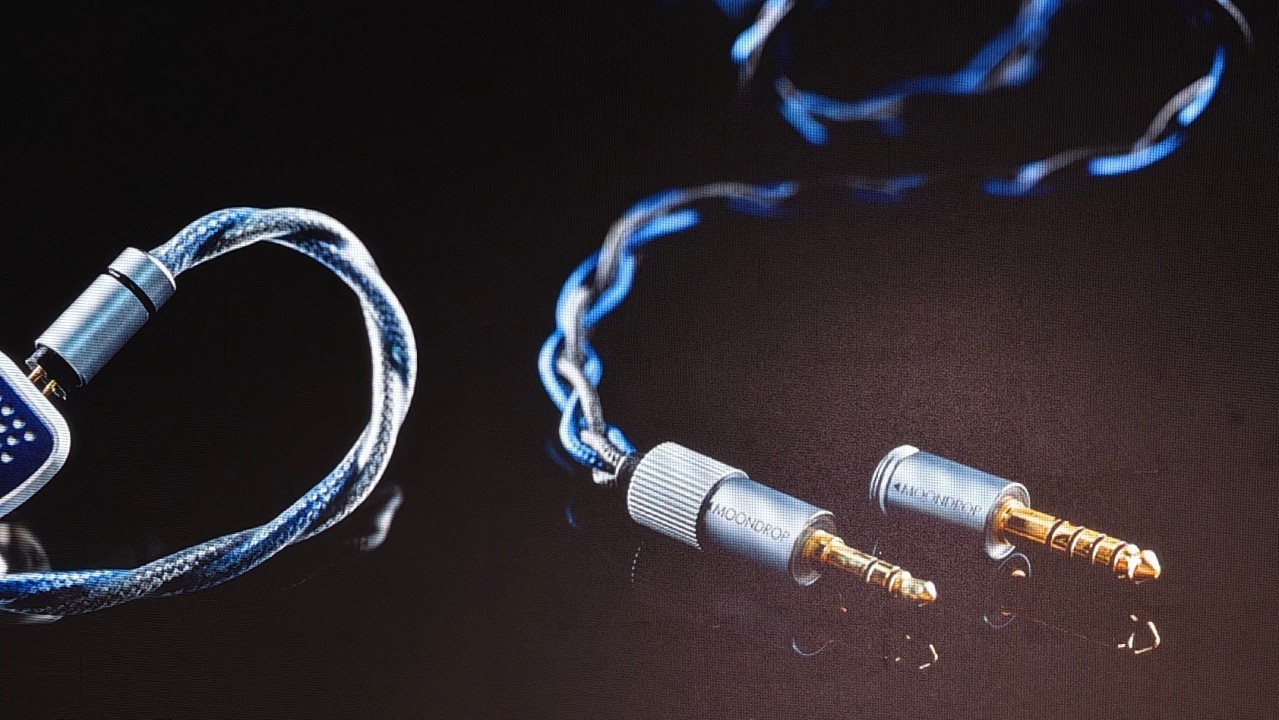
The Moondrop Silicon’s cable uses 0.78 mm 2-pin connectors and features a modular design that allows users to switch between 3.5 mm and 4.4 mm plugs.
Silicon launch, price, and availability
The Moondrop Silicon is now available internationally for US$249.99 from Moondrop’s official AliExpress store.
The Garden is Moondrop’s new TWS with a completely different design
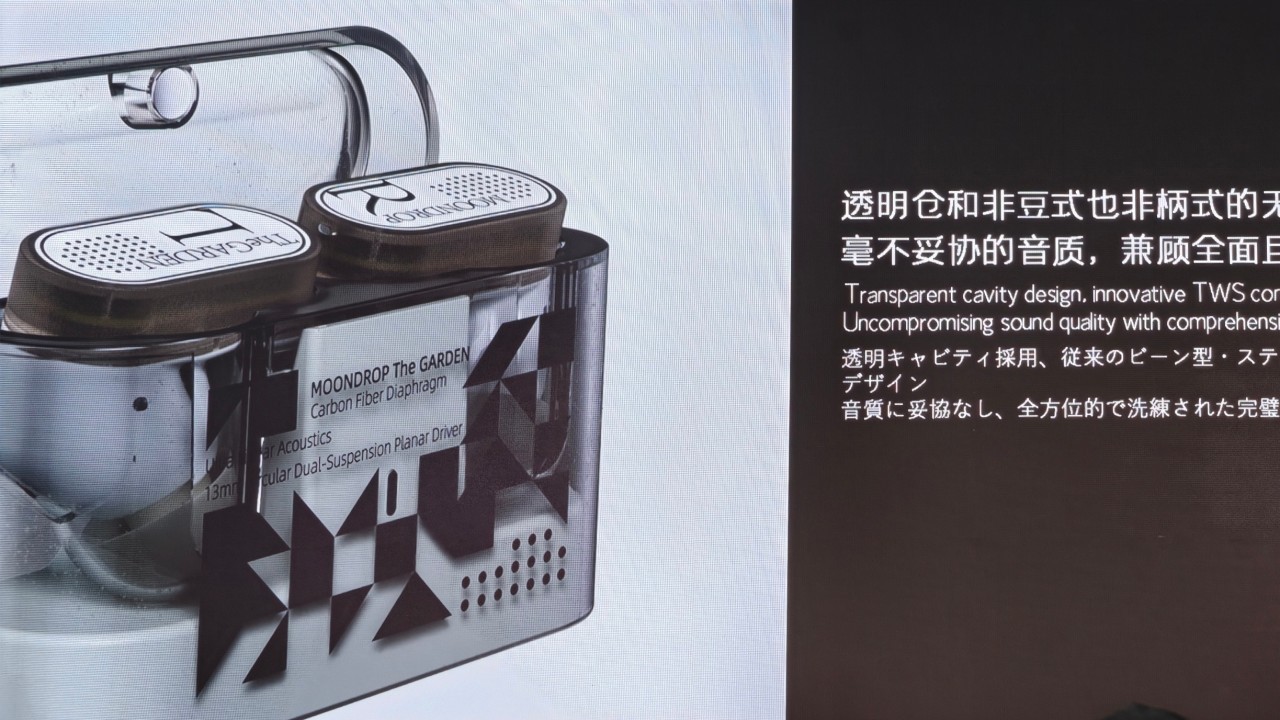
Rather than adopting a form factor similar to that of the recently launched Pudding, Moondrop decided to create an entirely different design. Personally, after seeing images of the Moondrop The Garden, I was not particularly confident about its comfort and fit. The TWS earbuds look as though they could fall out of the ears at any moment.
According to Moondrop, the design used for the The Garden was conceived to provide “ample internal space for the circuitry, wiring, and battery layout.”
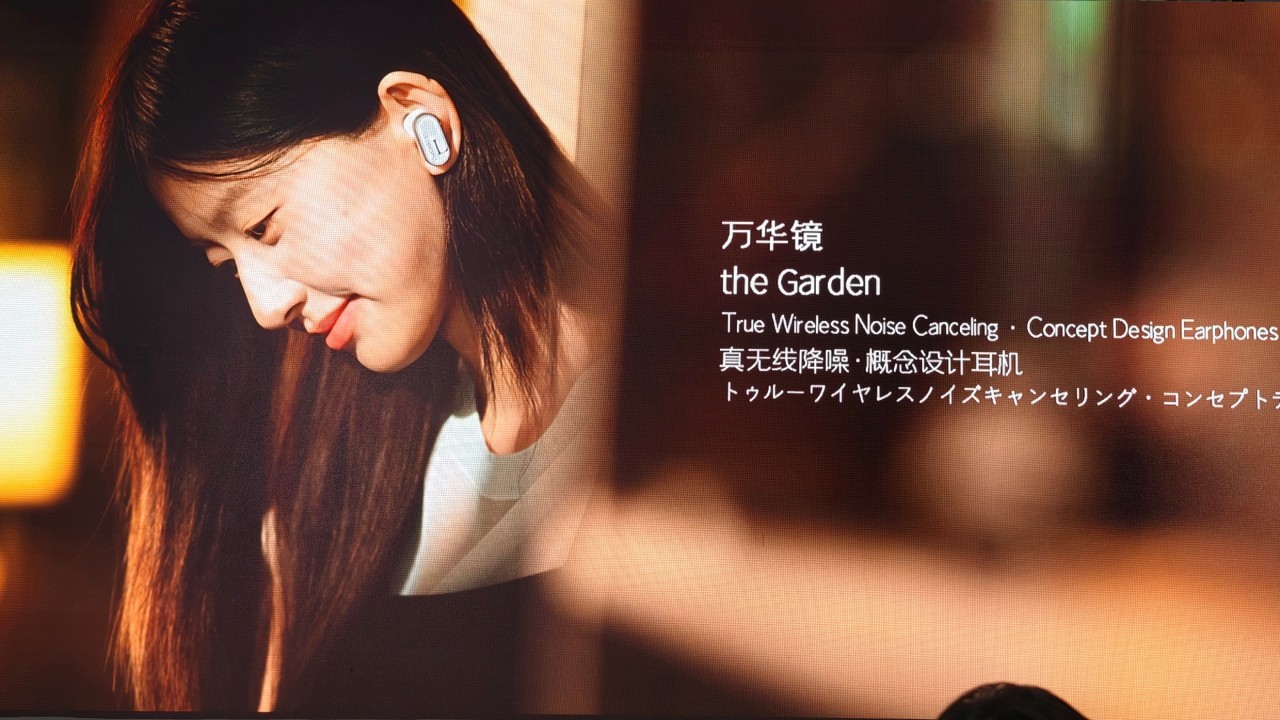
The Garden features a “planar” driver similar to the Space Travel 2 Ultra
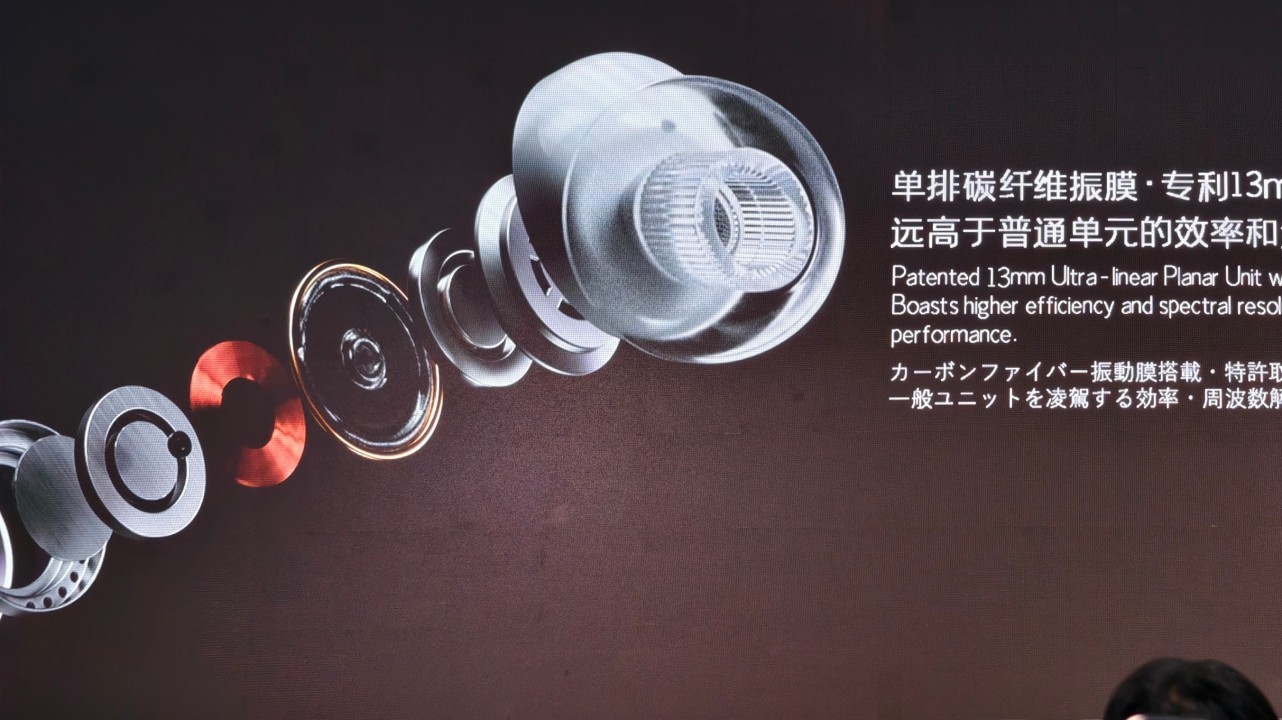
The The Garden uses a 13 mm “ultra-linear planar” driver with a carbon-fiber diaphragm. Note that this driver probably does not actually use planar-magnetic technology, as was the case with the Space Travel 2 Ultra.
ANC on the The Garden
Fortunately, the The Garden features an active noise cancellation (ANC) system capable of canceling even wind noise. To block external sounds, the TWS uses an array of six microphones.
The Garden’s sound
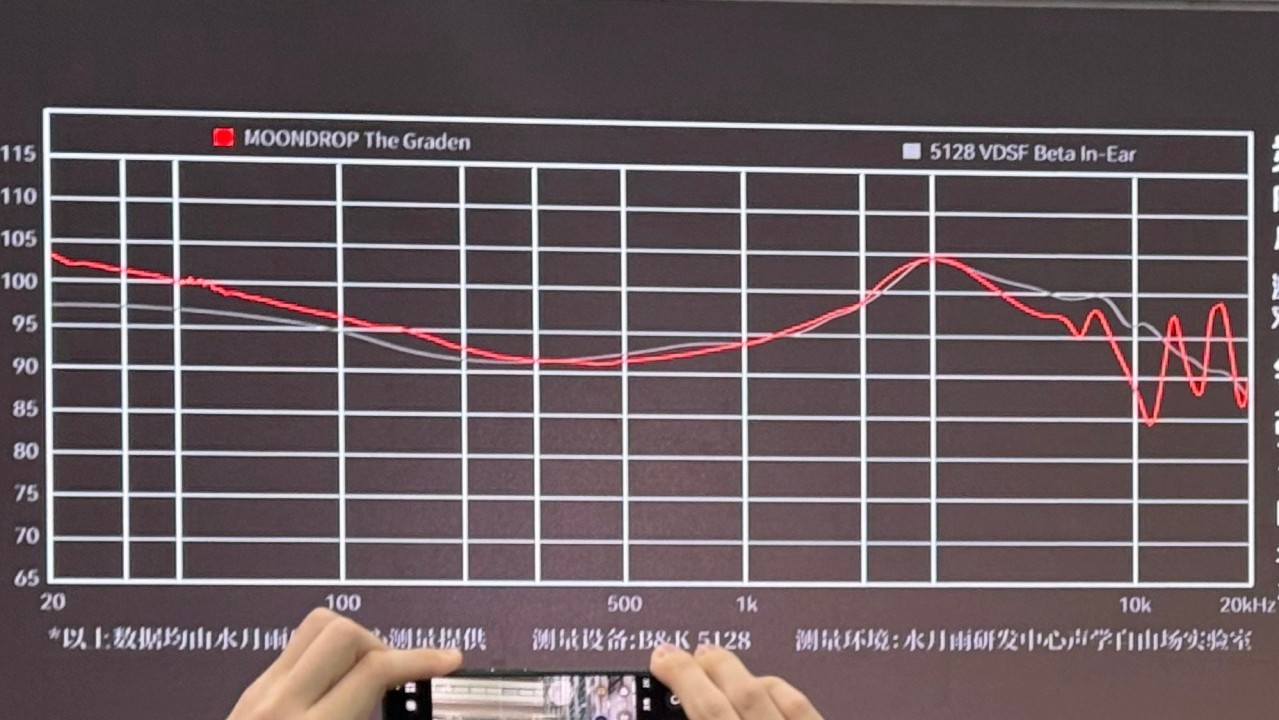
In terms of sound, you can see the Moondrop The Garden’s frequency response curve below.
The Garden launch, price, and availability
The Moondrop The Garden will cost 999 yuan (approximately US$148) in mainland China, but it is not yet known when the TWS will be released. This article will be updated as soon as new information becomes available.
Share:


Product launches
xDuoo XQ-60: Bluetooth 6.0 DAC with AM/FM Radio
Product launches
Moondrop Starfield III Debuts With Dual Dynamic Drivers
Product launches
No comments have been made yet, be the first!