

Final launches Type E Soft ear tips with softer silicone
From: Vitor Valeri
A headphone hobbyist for over 15 years, he founded the Hi-Fi Hub website and is an administrator of the "Fones High-End" and "Fones Low-End" groups on Facebook.


Published in: 17/07/26 at 16:31
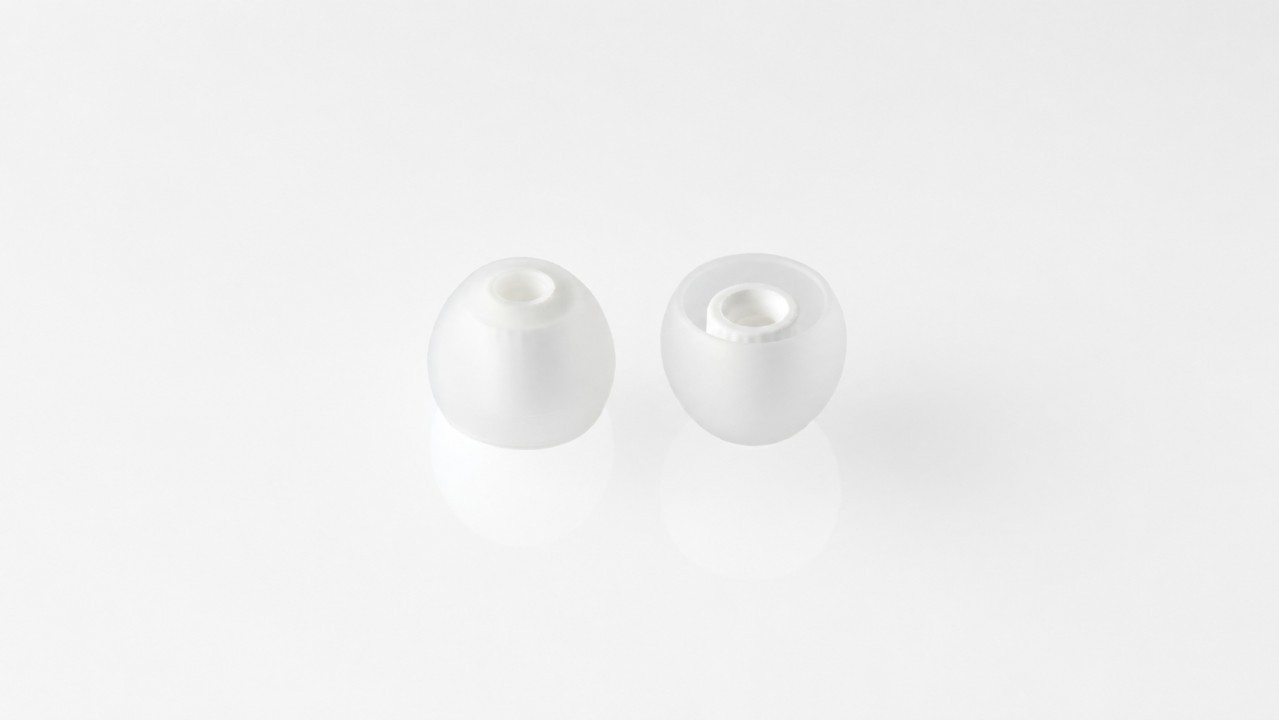 Final Type E Soft ear tips (Image: Final)
Final’s Type E ear tips received a new version today (July 17). Japanese headphone manufacturer Final Audio announced via email that it has launched a softer version of its well-known Type E ear tips. Called the Type E Soft, these ear tips use silicone that is even softer than the original (OG) Type E. Below are the details of Final’s latest release.
Type E Soft: Softer silicone delivers greater comfort for extended listening sessions
The Type E Soft ear tips were designed for users who wear In-Ear Monitors (IEMs) for extended periods. Their development focused on providing greater comfort during long listening sessions. In addition, these ear tips provide a more effective seal, reducing air leakage that can alter the IEM’s bass and treble reproduction.
Recommended reading:
• Final Audio Guide: Brand History and Headphone Lineup
• Final Audio: Interview with the Engineer from the Japanese Headphone Manufacturer
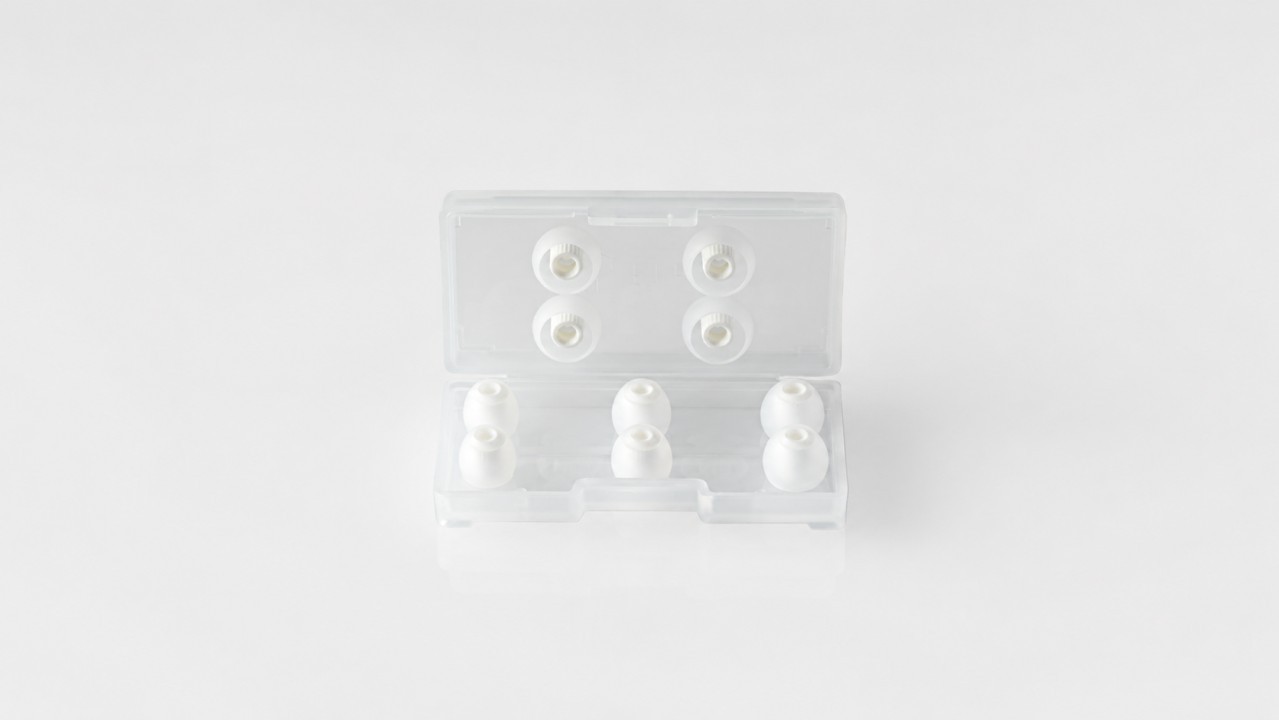
The implementation of the new soft silicone in the Final Type E
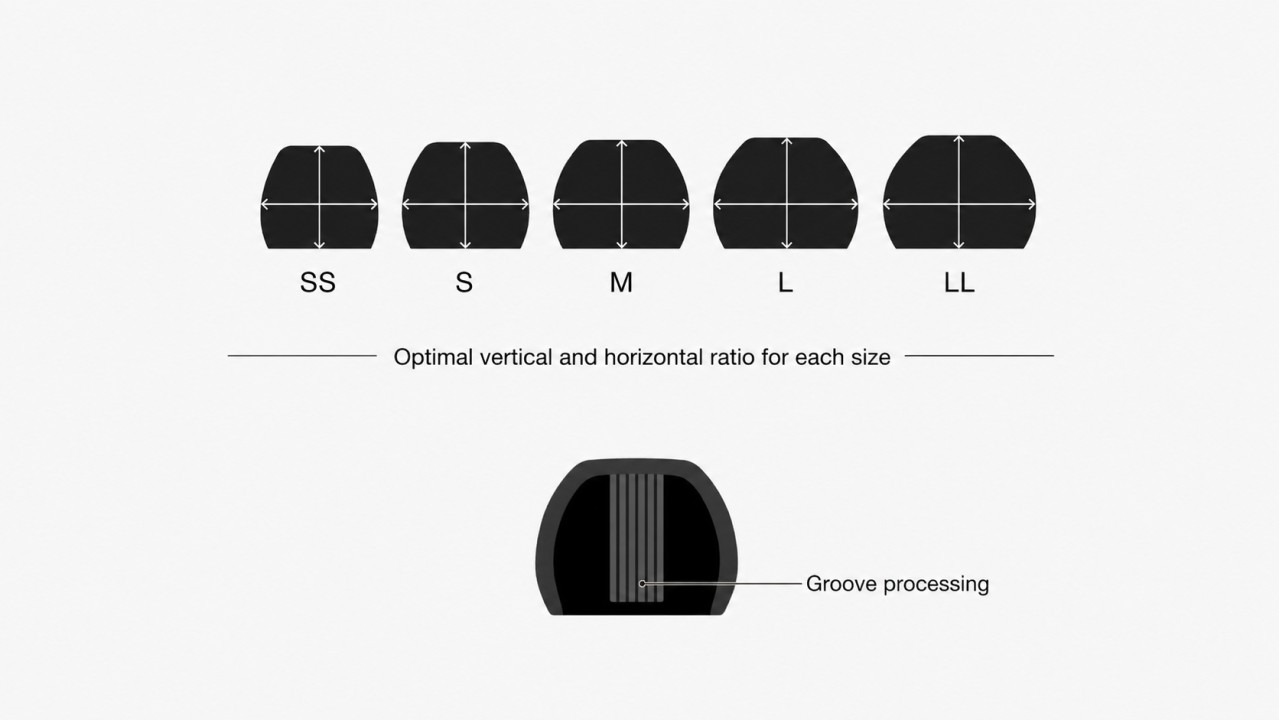
The Type E Soft uses two different types of soft silicone. The dome is made from a firmer silicone compound to improve grip inside the ear canal. According to Final, each size “has been designed with an optimized height-to-width ratio.”
The stem, on the other hand, is made from a softer silicone, allowing the ear tip to flex more easily and better conform to the contours of the ear canal. To further increase flexibility, the Type E Soft features grooves (ribs) along the stem.
How the softer silicone affects IEM sound
When a softer silicone is used, the ear tip conforms more effectively to the shape of the ear canal. As a result, the seal improves, primarily preventing bass loss caused by air leakage. Additionally, the improved flexibility allows for deeper insertion of the IEM, helping reduce the perception of harsh treble.
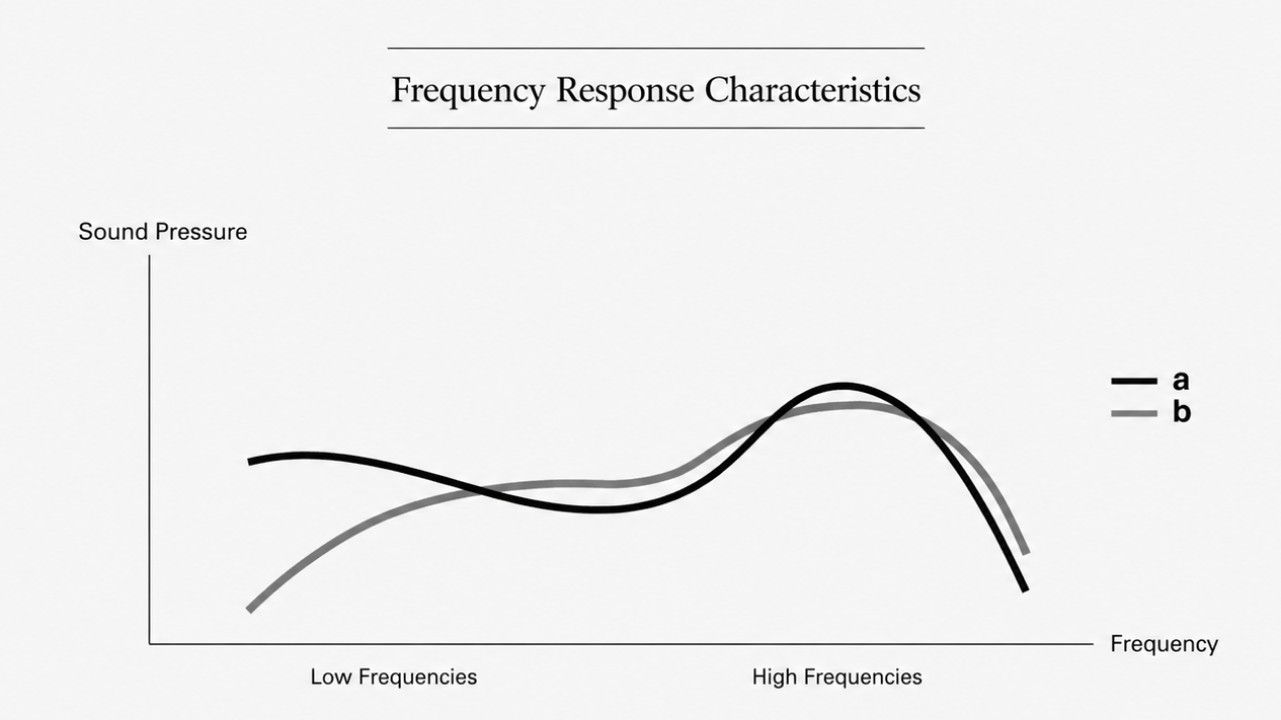
Seal quality and its effect on bass reproduction
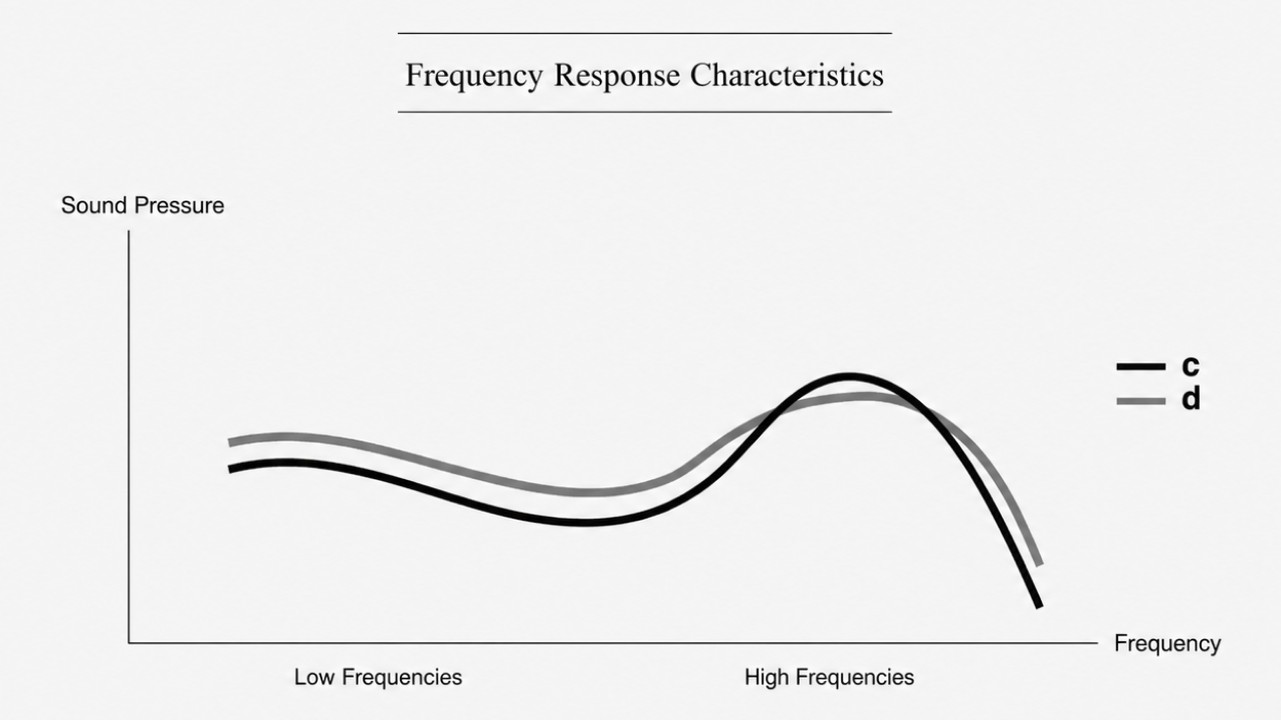
When the seal is nearly perfect, low-frequency reproduction follows the “a” curve shown in the graph below. However, when the seal between the ear canal and the ear tip is compromised, air leakage occurs, significantly reducing bass response, as illustrated by the “b” curve.
Changes in bass response also affect the perceived balance of the midrange and treble frequencies. Consequently, the tonal balance[1] is significantly affected when the ear tip does not provide an adequate seal.
[1] Tonal balance refers to the distribution of bass, midrange, and treble frequencies.
Deep insertion and treble reproduction
When In-Ear Monitors (IEMs) are inserted into the ear canal, a phenomenon known as closed-tube resonance occurs. This effect increases treble energy and is represented by the “c” curve in the graph.
When the IEM is inserted more deeply into the ear canal, bass presence increases while the treble becomes less aggressive. The increase in low-frequency sound pressure and the reduction in high-frequency sound pressure level (SPL) can be observed in the “d” curve.
Recommended reading: What Are Ear Tips? How They Affect Your Experience with In-Ear Monitors (IEMs)
Bonus: How to choose the ideal ear tip size
To determine the ideal ear tip size for both a comfortable fit and a proper seal, follow the steps below.
Step 1: Use the ear tip size you normally wear and listen to music for a while.
Step 2: Switch to the next larger size and experiment with both the insertion depth and the insertion angle of the In-Ear Monitor (IEM).
Step 3: Try the next smaller size and repeat the same process, adjusting both insertion depth and angle.
Step 4: After listening with all three sizes for some time, return to the first size you tried and compare it with the others.
Step 5: Repeat the process until you find the ear tip size that provides a comfortable fit, an effective seal, and the most pleasing sound.
It is important to note that the shape of the left and right ear canals is naturally different. Therefore, using different ear tip sizes or insertion methods for each ear may provide a better fit and improved comfort.
Final Type E Soft: Specifications
• Type: Narrow bore
• Material: Two types of soft silicone (firmer dome and more flexible stem)
• Included sizes: SS, S, M, L, LL
• Included accessory: Storage case that holds up to 10 ear tips
Note: The adapter included with the standard Final Type E is not included with the Type E Soft.
Release date, price, and availability
The Final Type E Soft ear tips are now available through Final’s official online store for 780 yen (approximately US$4.80) for a complete set containing all sizes. However, since shipping is currently limited to residents of Japan, customers in other countries may need to wait until the product becomes available through a local distributor.
Share:


Product launches
YBA VIBE P1: Portable R2R DAC/Amp Announced
Product launches
FiiO FT15 Launches With New Planar Driver and Lighter Build

Product launches
No comments have been made yet, be the first!