

Yageo Raises Capacitor Prices, Impacting DAP, DAC and Headphone Amp Makers
From: Vitor Valeri
A headphone hobbyist for over 15 years, he founded the Hi-Fi Hub website and is an administrator of the "Fones High-End" and "Fones Low-End" groups on Facebook.


Published in: 01/07/26 at 18:14
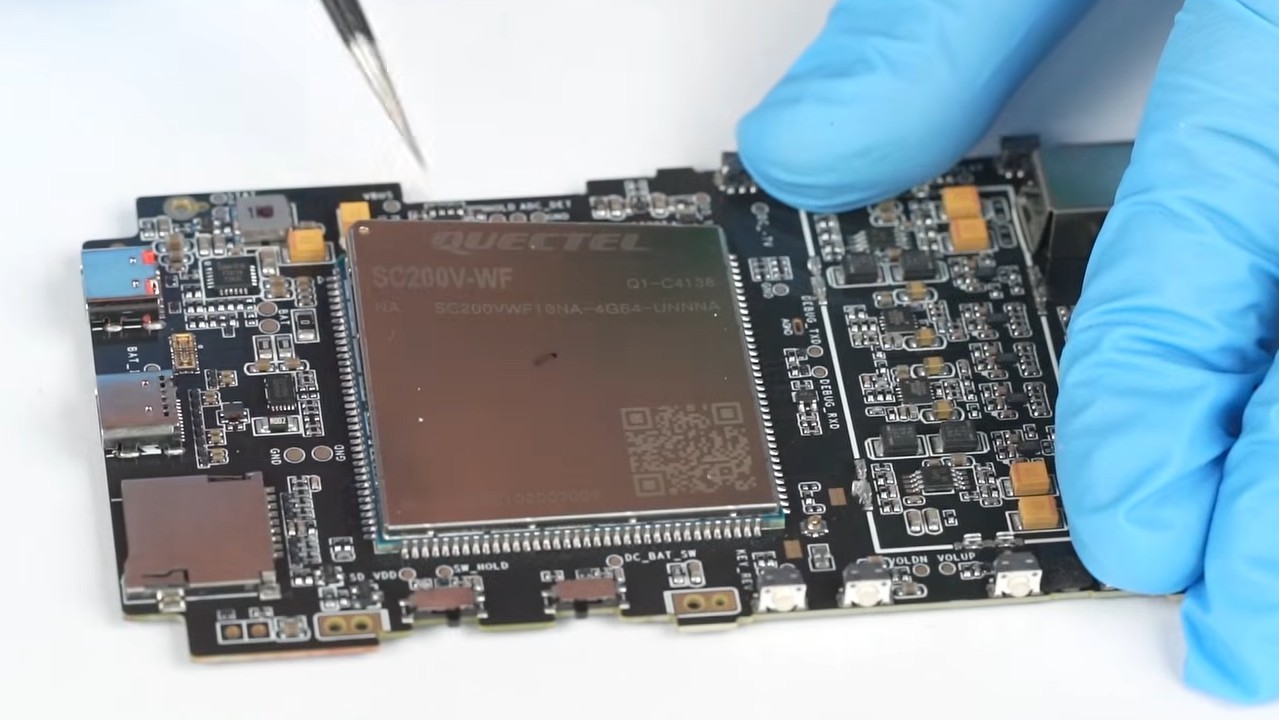
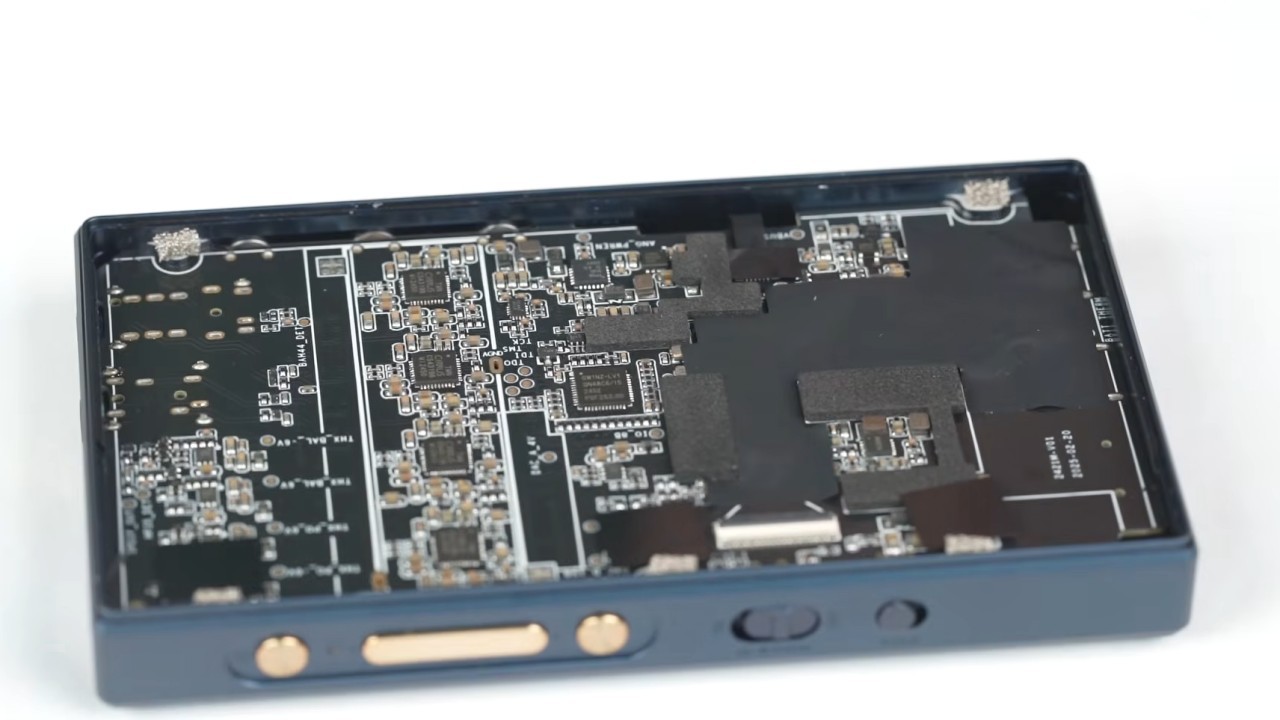 FiiO M21 DAP PCB with multiple capacitors (Image: FiiO/YouTube)
Starting today (July 1), Taiwanese passive electronic component manufacturer Yageo will increase prices across its entire capacitor portfolio. Yageo is one of the leading capacitor suppliers to FiiO and other manufacturers of Digital Audio Players (DAPs), DACs, and headphone amplifiers. In addition, many of the same passive components are also used in artificial intelligence (AI) servers, creating direct competition for component supply.
FiiO Notified by Yageo of Capacitor Price Increase
According to the Taiwanese newspaper Economic Daily News, Yageo will increase prices across its entire capacitor product lineup. The report states:
“The price adjustment covers multilayer ceramic capacitors (MLCCs), aluminum electrolytic capacitors, tantalum capacitors, polymer aluminum electrolytic capacitors, film capacitors, and supercapacitors, representing the broadest price increase implemented by Yageo in recent years.”
Today (July 1), FiiO founder and CEO James Chung commented on the price increase, stating:
“Yageo is also one of FiiO’s main capacitor suppliers. The situation is really difficult.”
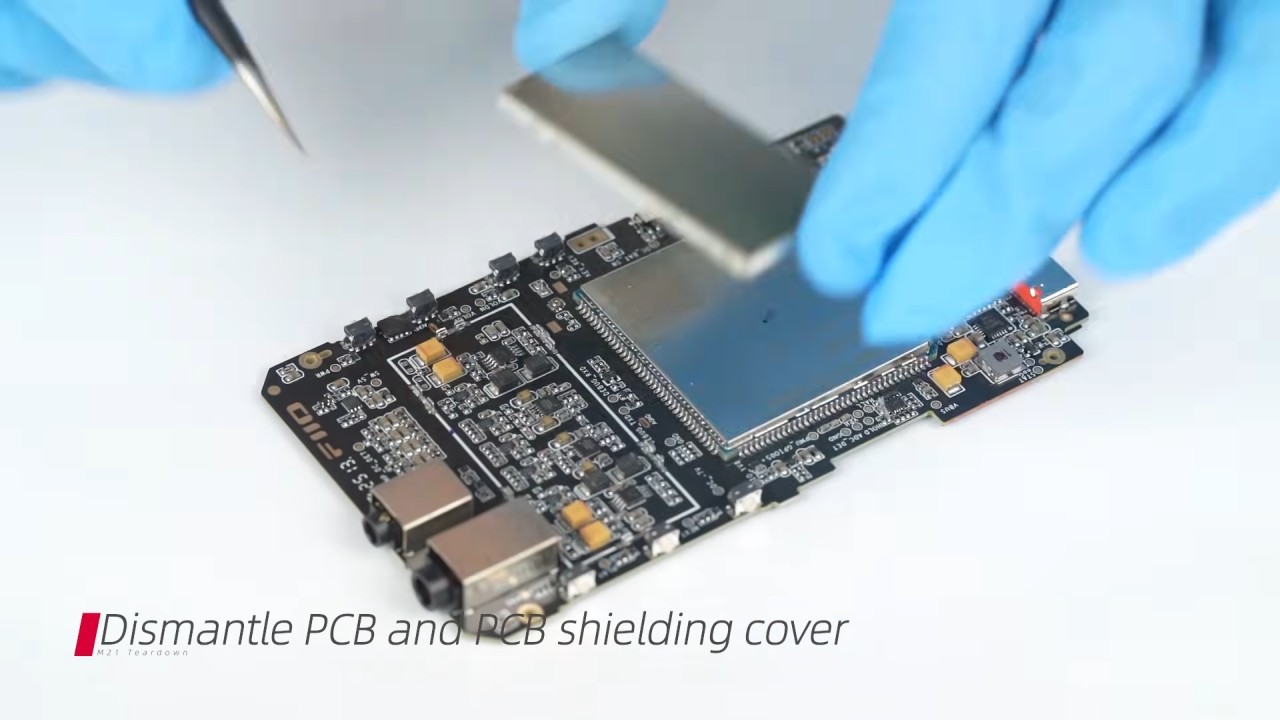
What Is the Role of Capacitors in DAPs, DACs, and Headphone Amplifiers?
Capacitors store energy supplied by the power source and release it rapidly and in a controlled manner whenever needed. Their primary function is to minimize voltage fluctuations within the power delivery network, ensuring that electronic circuits receive a stable power supply.
DAC chips, operational amplifiers (op-amps), I/V conversion stages, and audio clocks are all highly sensitive to voltage instability. Any electrical noise or fluctuation in the power supply can introduce interference into the analog audio signal, ultimately degrading the sound quality of DAPs, DACs, and headphone amplifiers.
Which Types of Capacitors Are Most Commonly Used in DAPs, DACs, and Headphone Amplifiers?
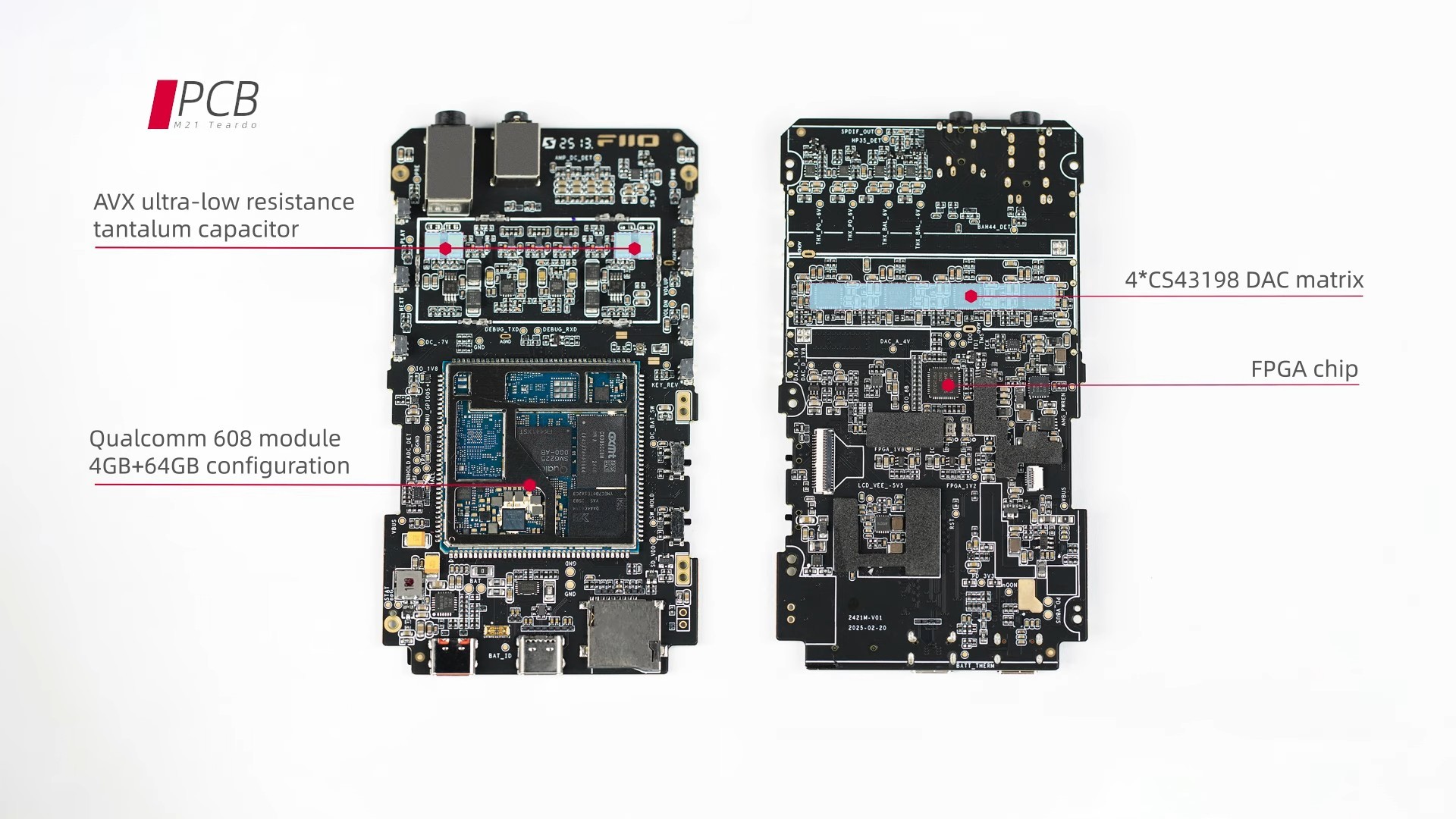
MLCCs (Multilayer Ceramic Capacitors) are by far the most numerous capacitors found on the printed circuit boards (PCBs) of DAPs, DACs, and headphone amplifiers. It is common to find hundreds of them surrounding DAC chips and operational amplifiers.
In addition to MLCCs, tantalum capacitors are widely used in products from manufacturers such as FiiO, HiBy, Cayin, iBasso, and Shanling, where they are typically employed in critical power supply stages for analog audio circuits.
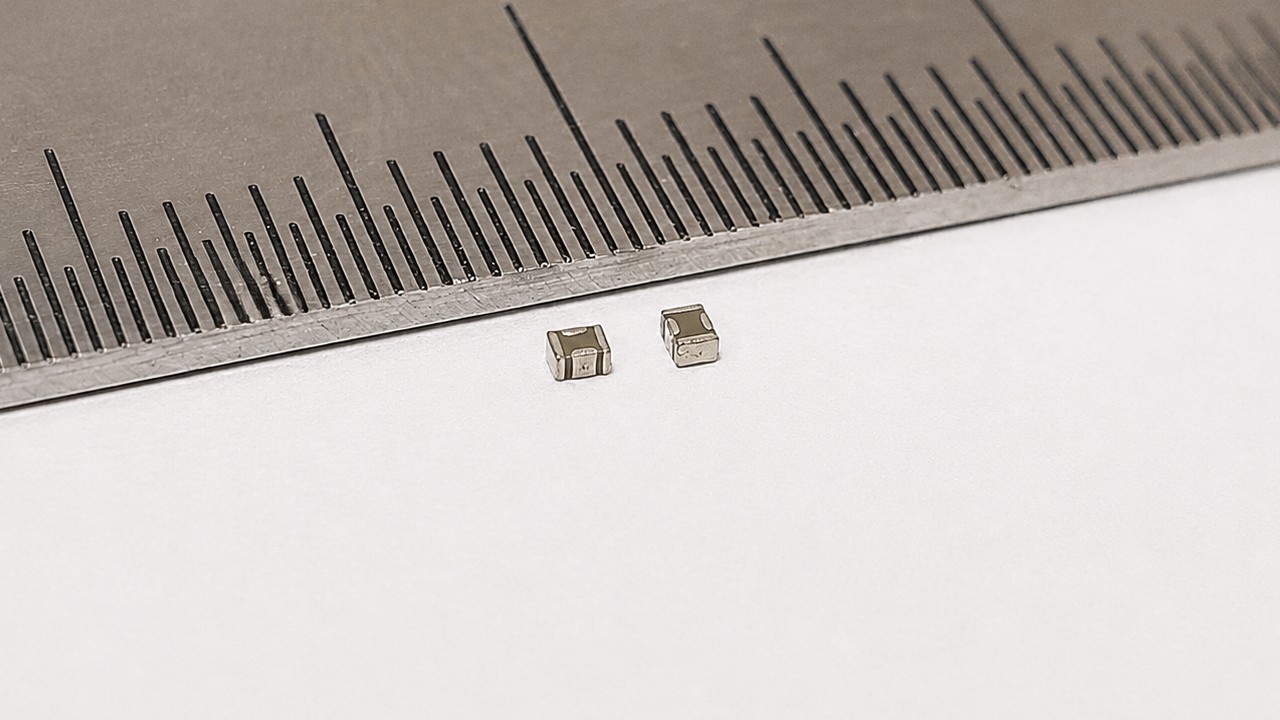
Are MLCCs Used in Other Electronic Devices? They All the Same?
Yes. MLCCs are among the most widely used electronic components in modern devices, including smartphones, personal computers, and, in particularly large quantities, AI servers.
However, not all MLCCs are identical. Although they share the same fundamental manufacturing technology, they differ in capacitance, equivalent series resistance (ESR), rated voltage, dielectric material, thermal stability, and several other electrical characteristics.
Consequently, two MLCCs that appear visually identical may exhibit substantially different electrical performance. Selecting the appropriate component depends entirely on the intended application.
For example, a desktop PC motherboard prioritizes delivering large amounts of current to high-performance processors and expansion devices. Smartphones, on the other hand, emphasize extreme miniaturization, requiring the smallest possible capacitor packages while maintaining adequate electrical performance.
In contrast, a Digital Audio Player is designed to suppress minute voltage fluctuations and maintain an exceptionally stable power supply for sensitive analog audio circuits, thereby maximizing sound quality.
Why Do AI Servers Have Such a Strong Impact on Capacitor Availability?
AI servers require an enormous number of capacitors.
While a typical Digital Audio Player contains only a few hundred MLCCs, a conventional AI server uses several times that amount. According to Lee Jong-wook, an analyst at Samsung Securities, NVIDIA’s upcoming VR200 NVL72 server is expected to incorporate approximately 600,000 multilayer ceramic capacitors (MLCCs).
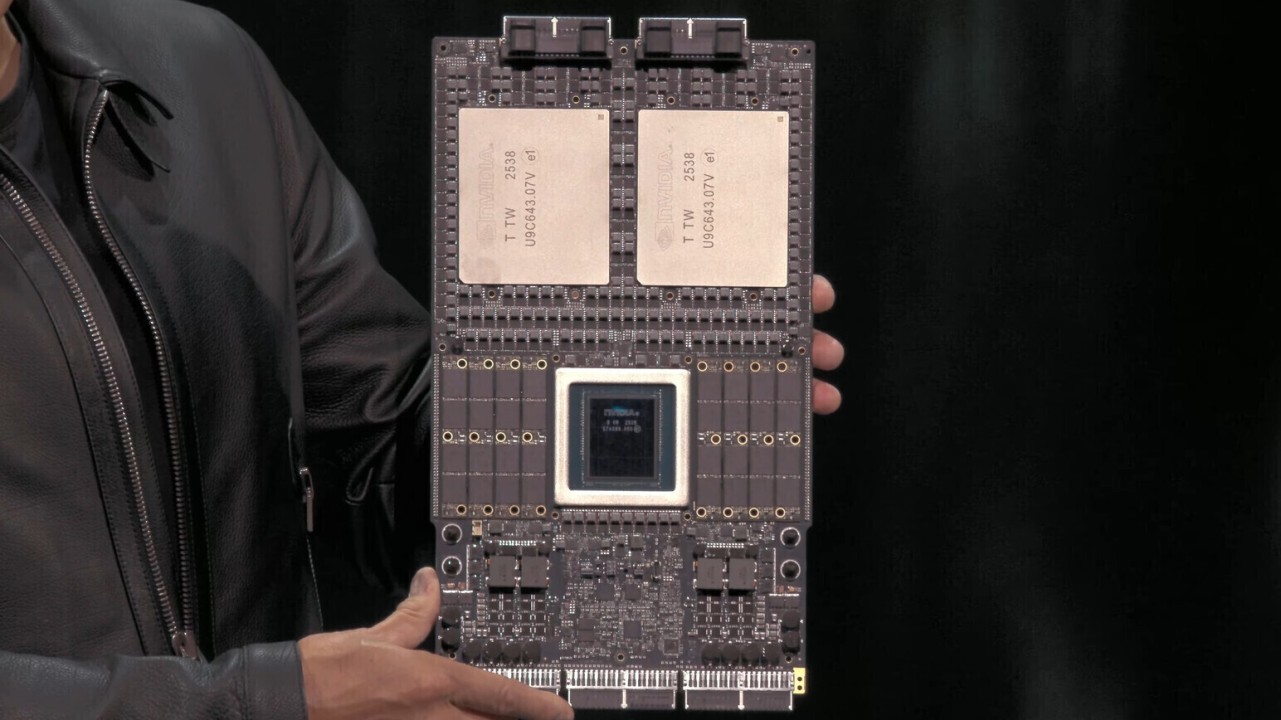
Both high-end audio devices and AI servers depend on premium passive components. However, major AI companies purchase passive electronic components in volumes reaching millions of units.
Earlier this year, Samsung signed a supply agreement worth approximately US$950 million for capacitors intended for AI servers. NVIDIA, whose GPUs power AI data centers worldwide, also purchases MLCCs in extremely large quantities.
How Does This Affect DAP, DAC, and Headphone Amplifier Manufacturers?
As demand from the AI industry continues to grow, manufacturers such as Yageo and Murata are allocating an increasing share of their production capacity to AI-related applications.
As a result, fewer components remain available for smaller manufacturers such as FiiO, HiBy, Cayin, iBasso, Shanling, and many others.
This market dynamic leads to several consequences:
• Higher component prices: Capacitor availability becomes increasingly constrained.
• Longer lead times: Demand exceeds manufacturing capacity, extending component delivery schedules.
• Greater competition for supply: Companies that secure purchase orders earlier, or build inventory in advance, are better positioned to avoid future component shortages and manufacturing cost increases.
About Yageo
Founded in Taiwan in 1977, Yageo Corporation is one of the world’s leading manufacturers of passive electronic components.
The company produces an extensive portfolio that includes multilayer ceramic capacitors (MLCCs), tantalum capacitors, aluminum electrolytic capacitors, resistors, inductors, and numerous other passive components.
Yageo’s products are widely used in smartphones, computers, AI servers, audio equipment, automobiles, medical devices, and countless other electronic systems. Despite being largely unknown to end consumers, the company plays a critical role in the global electronics supply chain, making its pricing decisions highly influential across multiple industries.
Share:


Product launches
FiiO BTR25 Launches With aptX Lossless and Magnetic Clip
Product launches
SNOWSKY MAGE: Gaming USB DAC With Mic Input at US$ 20
Product launches
No comments have been made yet, be the first!