COMMENTS:
B
BRIAN ARTHUR CARR
On the Fiio adverts for this amplifier it's stating the bass and treble are +/- 10 dB


From: Vitor Valeri
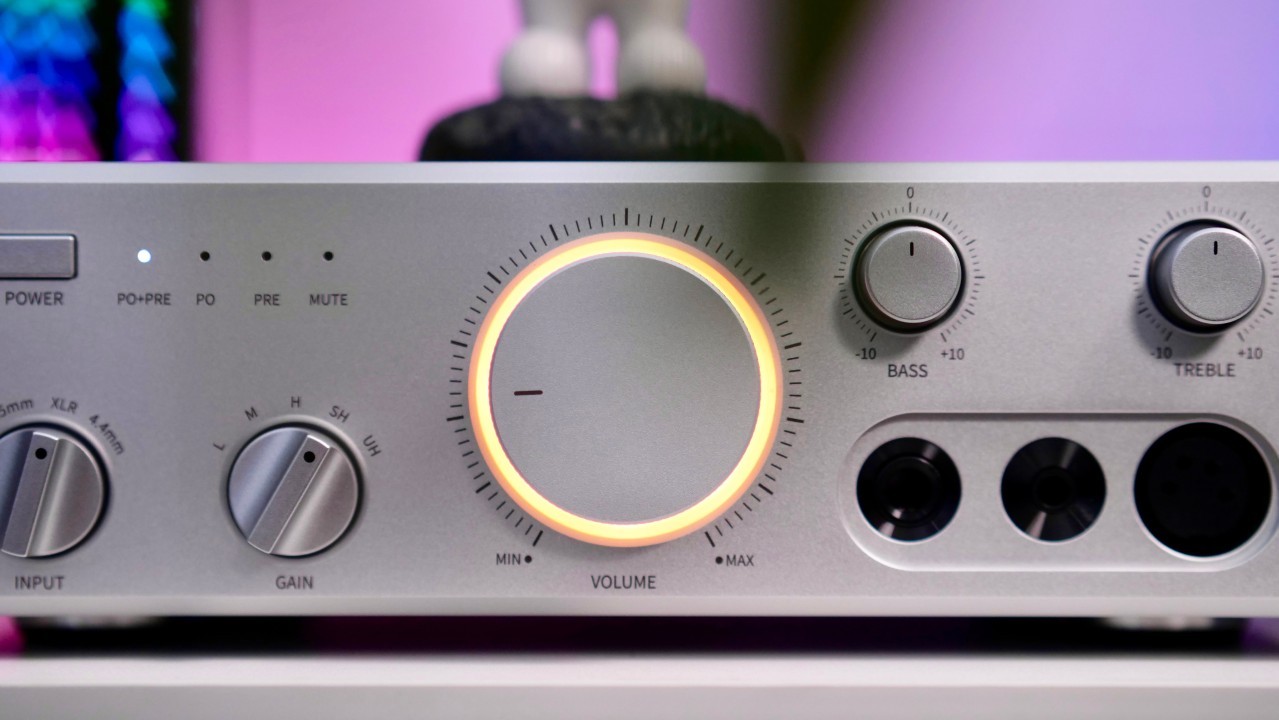 FiiO CLASS A desktop headphone amplifier (Image: 发烧研习社/Weibo)
The FiiO CLASS A was launched today (August 25) in mainland China. As its name suggests, FiiO’s new desktop headphone amplifier features a Class A amplification circuit. The main highlights of the CLASS A include its 4,000 mW output power, discrete components, and physical controls for selecting and adjusting various functions. Read on for complete details about FiiO’s latest release.
The CLASS A’s amplification circuit employs a fully discrete Class A architecture. FiiO carefully selected the components used in its new desktop amplifier, including discrete audio transistors, resistors, and capacitors. The manufacturer matched the components in each channel and calibrated them manually to achieve optimal sound quality.
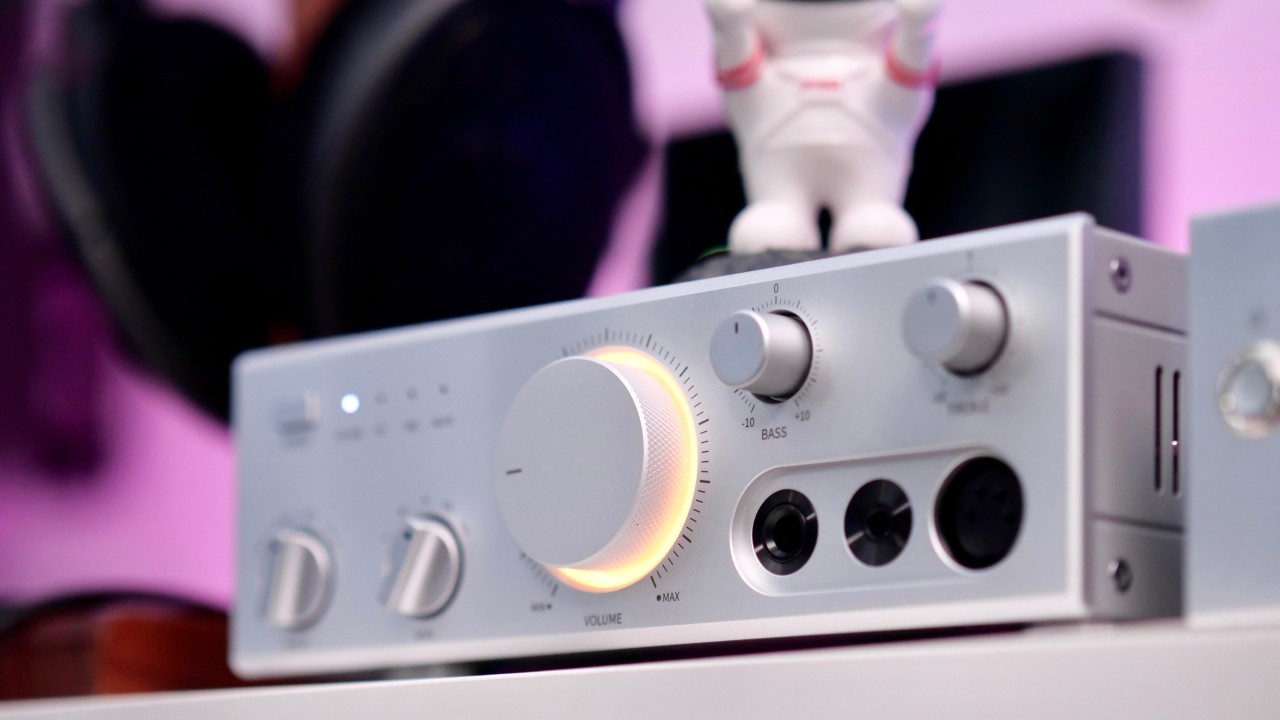
The FiiO CLASS A features three amplification stages: a differential input stage, a voltage amplification stage, and a current-expansion stage.
Toshiba transistors are used in the CLASS A’s differential input and voltage amplification stages. For the output current-expansion stage, FiiO uses Sanken transistors. The heat generated by these components is dissipated through a large aluminum heatsink.
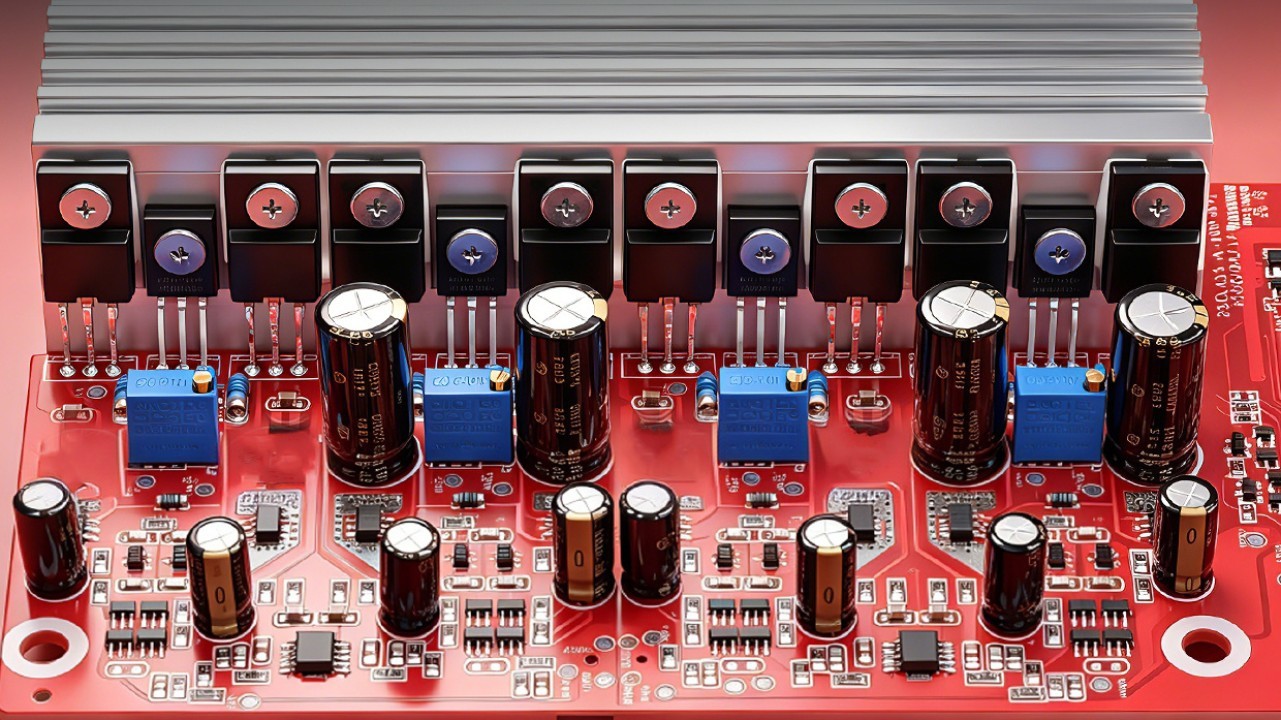
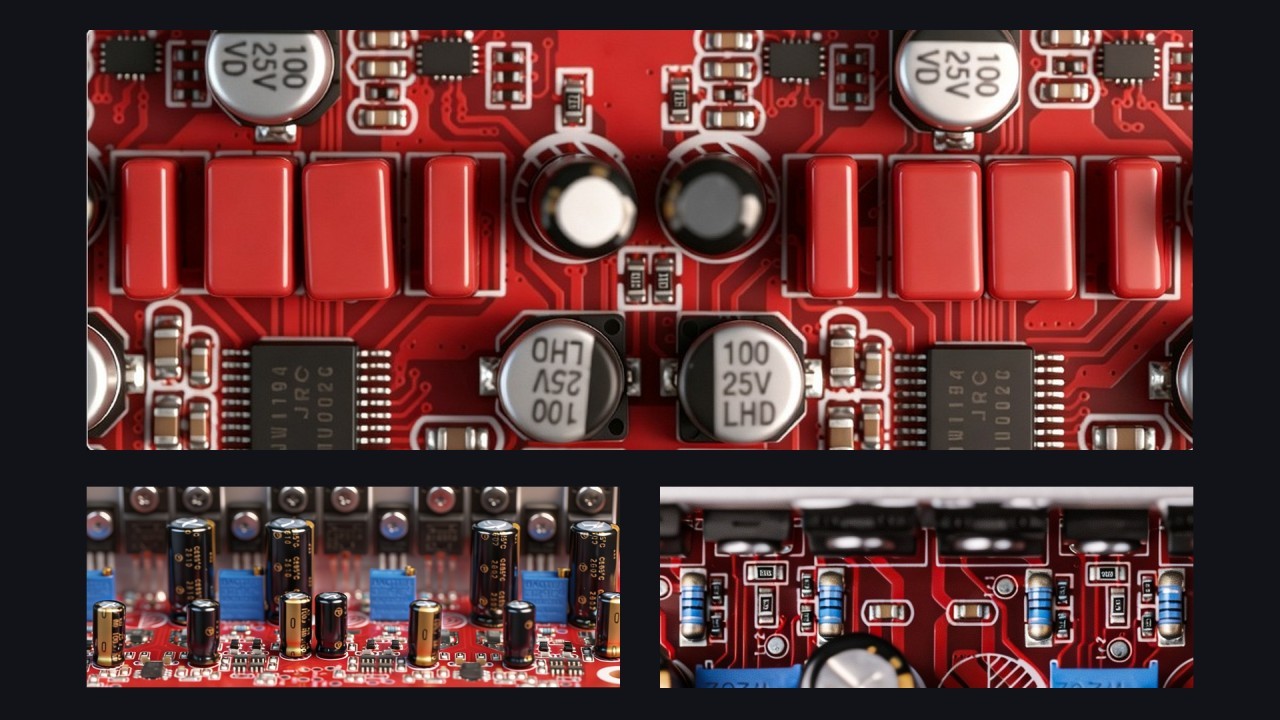
The CLASS A’s hardware incorporates eight WIMA film capacitors, 20 ELNA capacitors, and 20 high-precision metal-film resistors.
The CLASS A’s custom 60 W toroidal transformer was developed with the quiescent-current characteristics of Class A amplification in mind. An image of the component is shown below for reference.
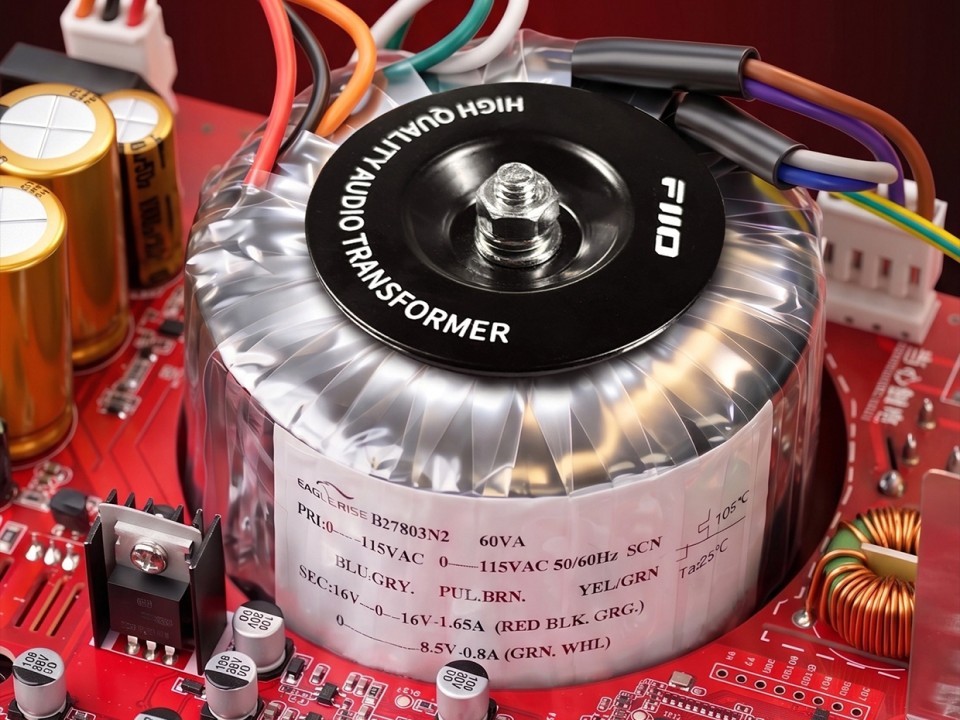
According to FiiO, the CLASS A’s custom transformer offers the following key characteristics:
• Continuous grain-oriented silicon-steel core for high magnetic flux density, lower losses, and cleaner, more efficient energy conversion.
• Pure enameled copper-wire windings for low internal resistance, high current capacity, and fast transient response.
• External silicon-steel shielding to reduce interference caused by stray magnetic flux and prevent interference with surrounding circuits.
• Integrated resettable thermal switch that automatically activates protection in the event of overheating, ensuring stable and reliable long-term operation.
• Copper-foil shielding around the primary and secondary windings to reduce electromagnetic interference and provide a quieter noise floor.
The CLASS A’s power supply design delivers individually regulated power to every stage of the amplification circuit. This approach is intended to ensure clean and stable power delivery.
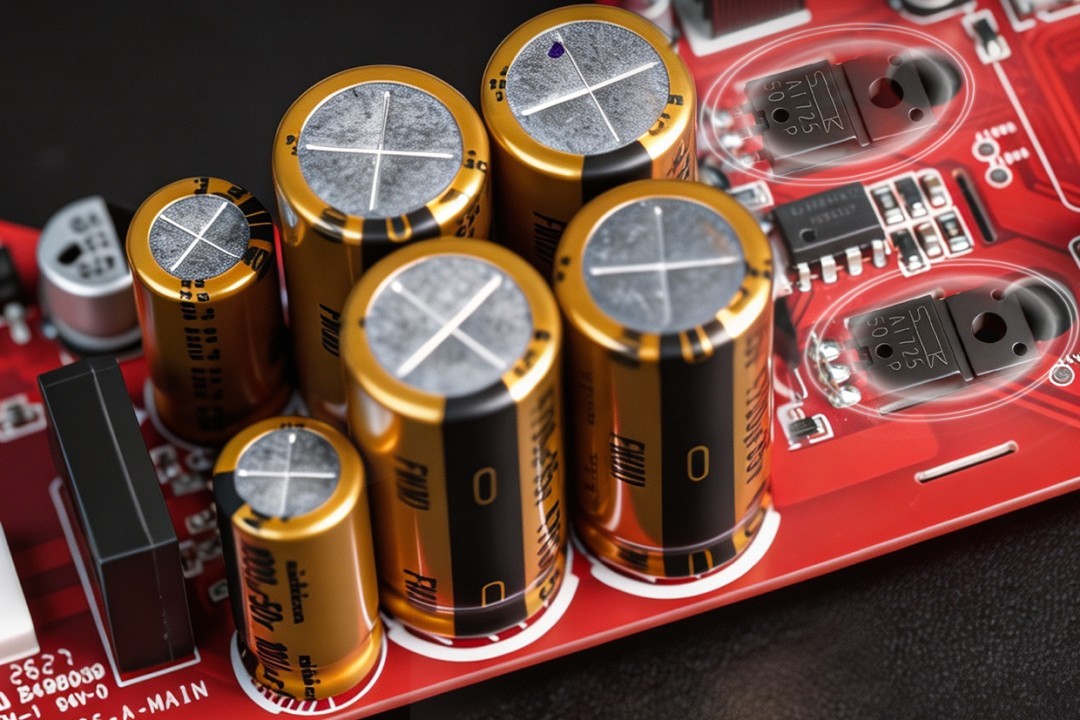
The CLASS A’s power supply circuit uses high-capacity Nichicon filtering capacitors. These capacitors help smooth the current after rectification and provide energy storage while also filtering mains-frequency noise. The result is cleaner power and a darker sonic background during music playback.
The CLASS A delivers up to 4,000 mW (4 W) into 32 ohms through its balanced 4.4 mm and XLR outputs. Even with a 300-ohm load, the CLASS A can deliver 1,360 mW (1.3 W), with a rated output voltage of 20.2 Vrms.

The CLASS A was designed for use with headphones ranging from low-sensitivity, high-impedance models to high-sensitivity, low-impedance models. Five gain levels are available to adjust the output delivered to the headphones.
The CLASS A’s gain levels are selected using a rotary control. The following options are available:
• Low
• Medium
• High
• Super High
• Ultra High
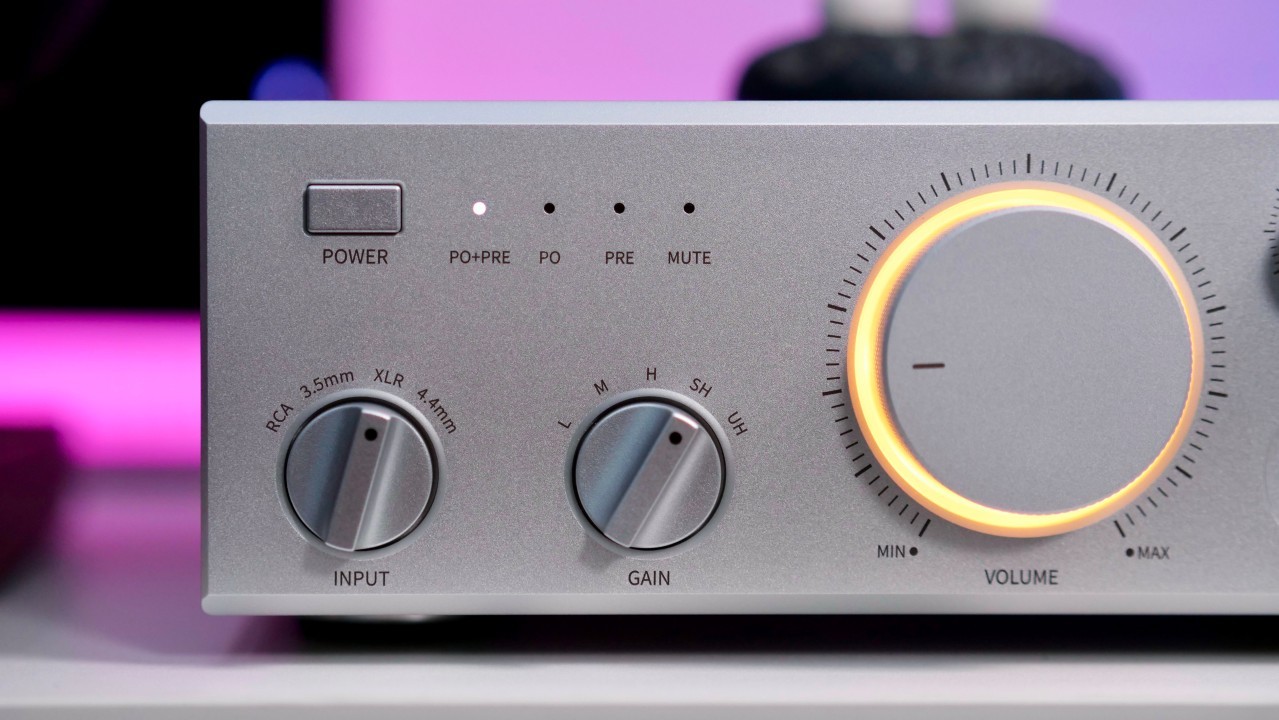
The CLASS A allows the bass and treble to be adjusted using rotary controls. For users who favor equalization and want to apply it conveniently in real time, this may be a useful solution. However, caution is necessary because FiiO has not yet disclosed the frequency ranges over which the bass and treble gain adjustments are applied.
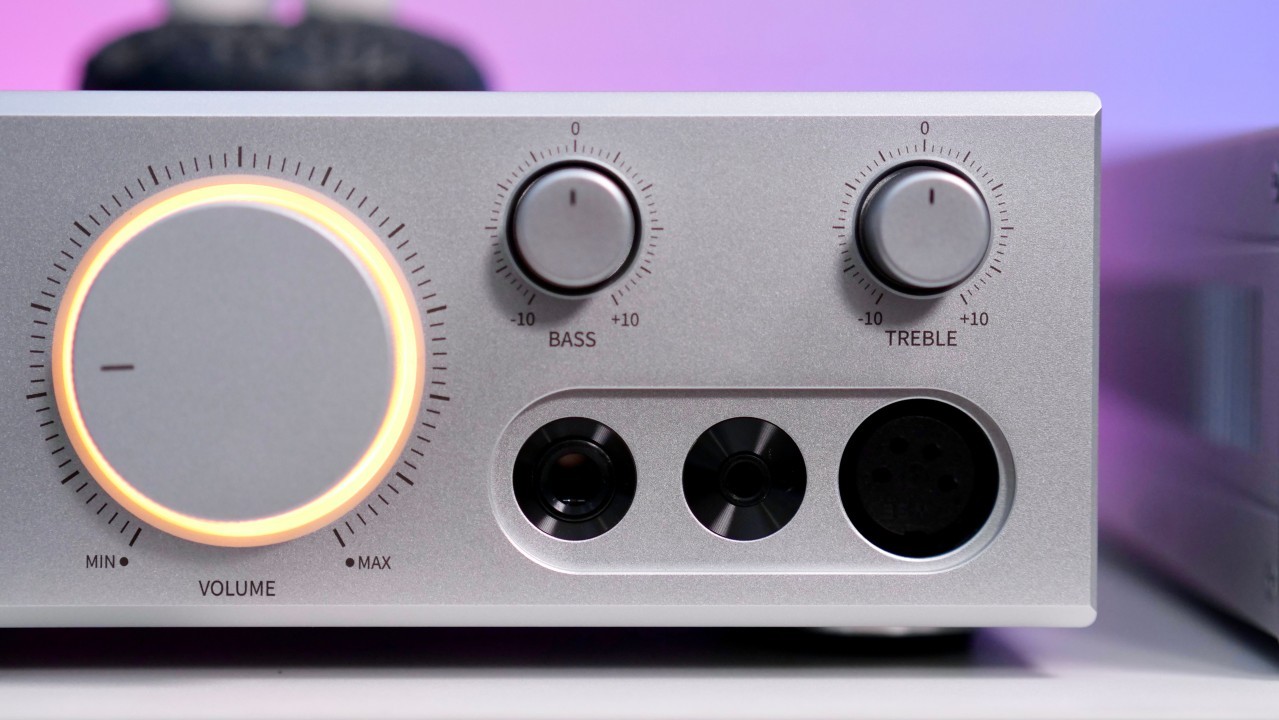
The FiiO desktop amplifier also makes extensive use of its physical controls, as explained below.
The FiiO CLASS A’s volume knob can be used not only to adjust the volume but also to control other functions. Pressing it briefly once mutes the audio. Pressing it twice changes the output mode. Pressing and holding the knob for more than two seconds controls the LED illumination surrounding it.
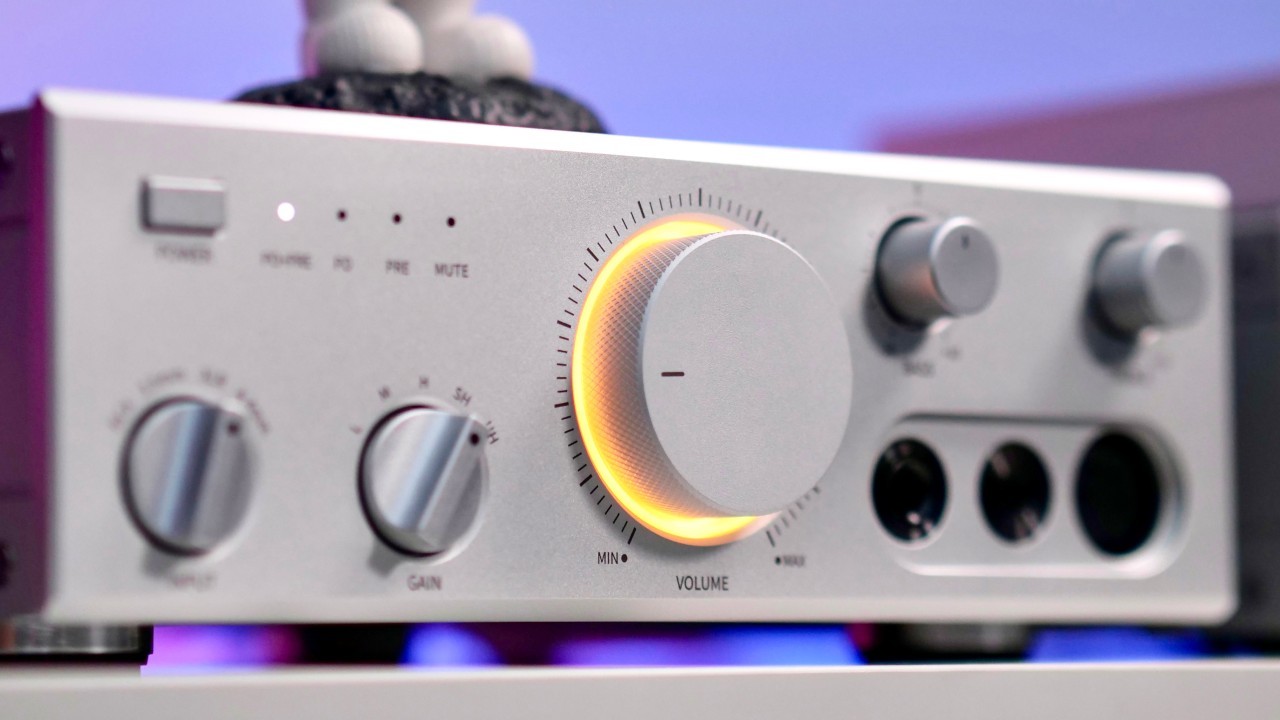
The CLASS A incorporates several protection circuits that monitor the amplifier’s operation in real time. These circuits automatically activate specific safeguards to prevent damage to the headphones and the amplifier itself.
The CLASS A includes the following protections:
• Output DC protection
• Power-input overcurrent protection
• Headphone-amplifier temperature protection
• Overvoltage protection (OVP)
• Output overload protection
• Transformer temperature protection
One noteworthy aspect of the protection system is that certain problems are indicated through the LED surrounding the CLASS A’s volume knob.
A flashing yellow LED indicates that output overload protection has been activated. A flashing red LED means that the CLASS A is overheating. If the LED flashes white, it indicates a DC abnormality at the amplifier’s output.
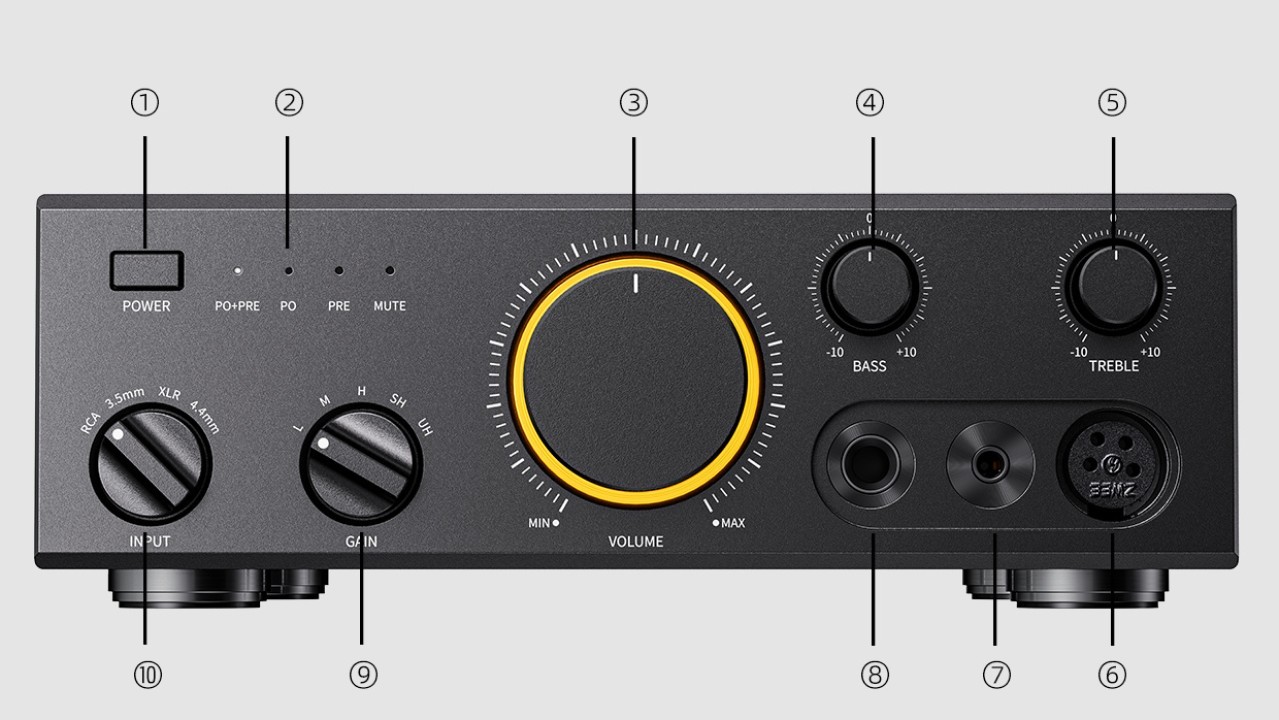
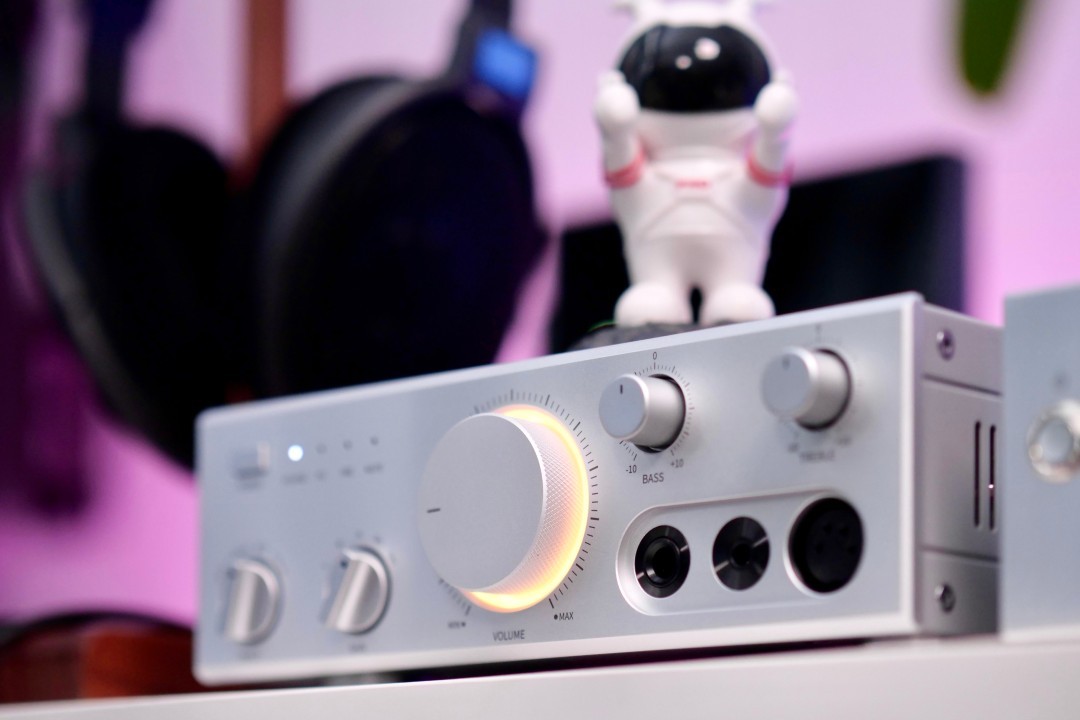
The front panel of the FiiO CLASS A features a large number of physical controls. All of them are rotary controls except for the power button. They can be used to adjust the volume, change the gain level, switch between inputs, and adjust the bass and treble.
The front panel also features a 6.35 mm single-ended (SE) output and balanced 4.4 mm and XLR outputs. The image below illustrates all the controls and connections on the amplifier’s front panel.
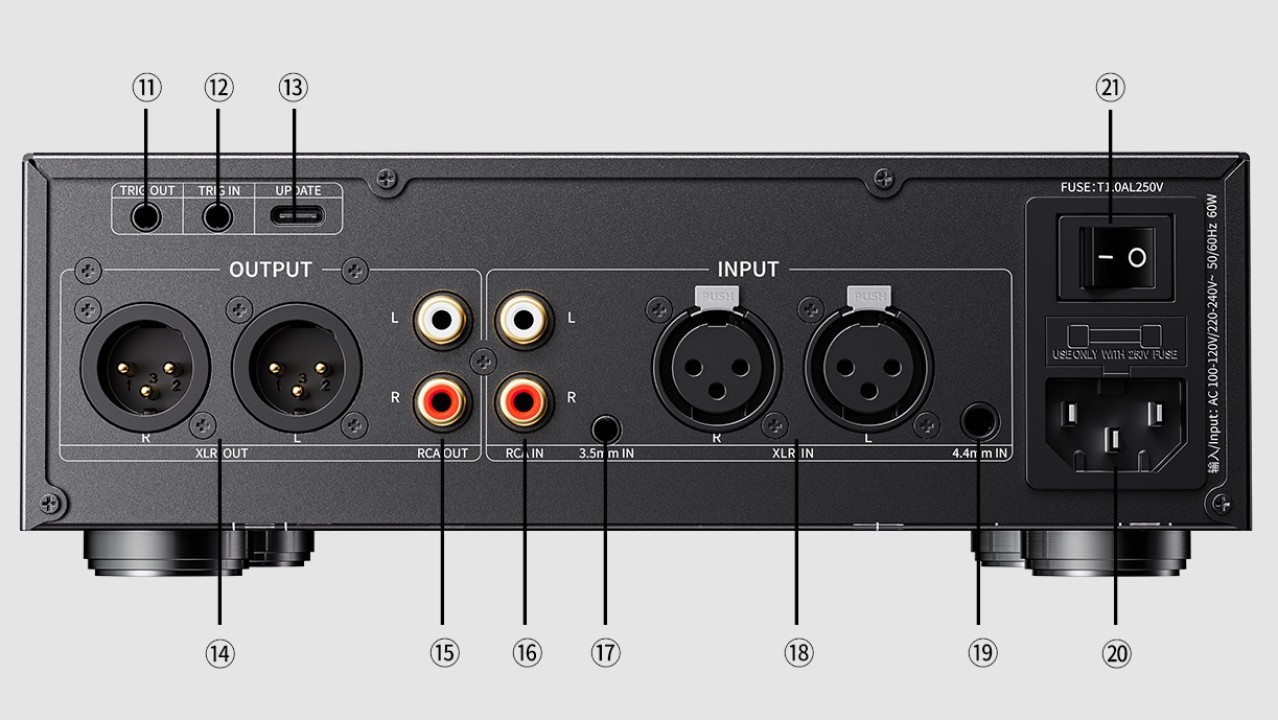
The rear panel of the CLASS A also offers a wide range of connectivity options. It includes both XLR and RCA inputs and outputs, as well as 3.5 mm and 4.4 mm inputs. A USB-C port is also provided for firmware updates. The following image illustrates the amplifier’s rear panel.
• Colors: Black/silver
• Digital connections: USB-C for firmware updates
• Dimensions: Approximately 213 × 239 × 67 mm
• Headphone outputs: 6.35 mm, 4.4 mm, and XLR
• Linear power supply: Custom 60 W toroidal transformer
• Main controller: ESP32-S3
• Power supply: AC 100–120 V/220–240 V, 50/60 Hz
• Rear-panel inputs: XLR, RCA, 3.5 mm, 4.4 mm, and 12 V trigger
• Rear-panel outputs: XLR, RCA, and 12 V trigger
• Transistors: 16 Toshiba twin audio transistors and eight Sanken audio transistors
• Weight: Approximately 3,500 g
• Frequency response: 20 Hz to 95 kHz; roll-off below 3 dB
• Noise floor: <3.7 μV (A-weighted)
• RCA and 3.5 mm input impedance: 5 kΩ
• Signal-to-noise ratio: ≥126 dB (A-weighted)
• THD+N: <0.00046% (XLR output, 1 kHz, −2 dBV at 10 kΩ)
• XLR and 4.4 mm input impedance: 8 kΩ
• 2,000 mW and 5.7 Vrms into 16 Ω (Super High gain)
• 4,000 mW and 11.4 Vrms into 32 Ω (Super High gain)
• 1,360 mW and 20.2 Vrms into 300 Ω (Super High gain)
• 2,000 mW and 5.7 Vrms into 16 Ω (Super High gain)
• 2,850 mW and 9.6 Vrms into 32 Ω (Super High gain)
• 350 mW and 10.3 Vrms into 300 Ω (Super High gain)
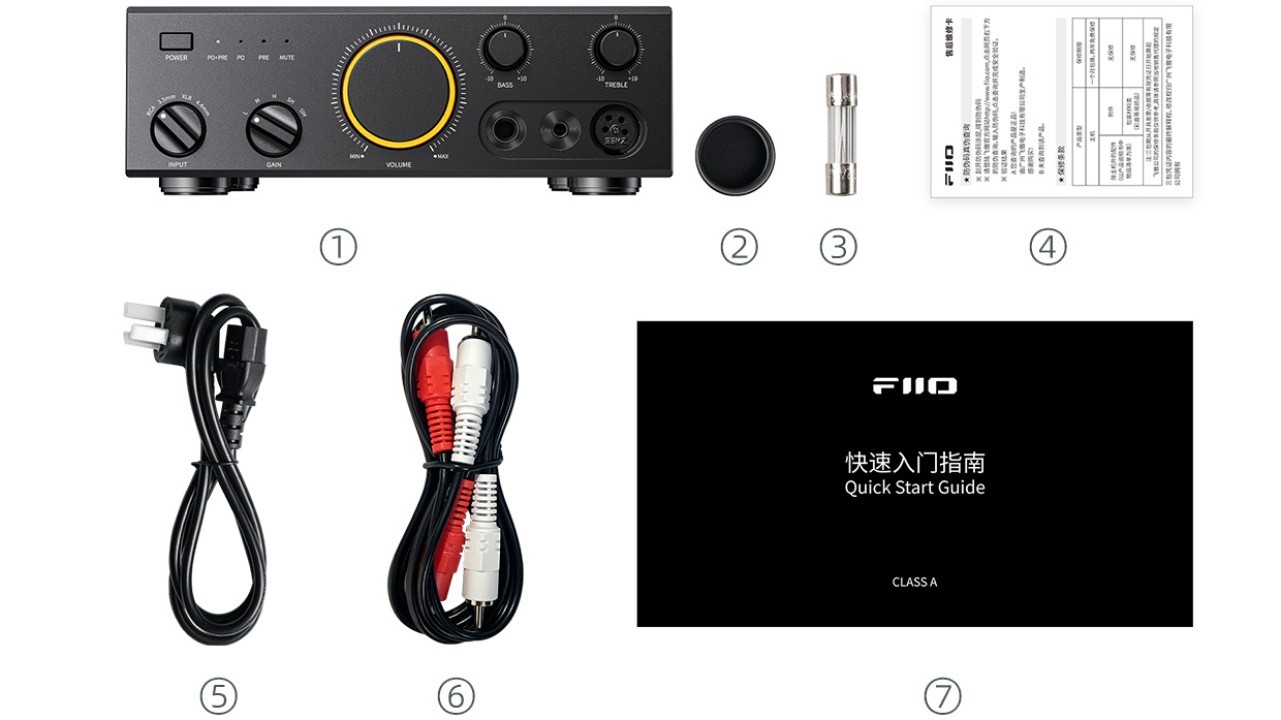
The following items are included in the FiiO CLASS A box:
• CLASS A main unit ×1
• Dust cover
• Fuse
• Warranty/after-sales service card ×1
• AC power cable ×1
• RCA cable ×1
• Quick start guide ×1
The FiiO CLASS A is now available in black and silver for CNY 1,999 (approximately US$297) in mainland China. The international price for the CLASS A will be US$379.99, but a global release date has not yet been announced. This article will be updated as soon as additional information becomes available.
Share: