

Sennheiser IE 200 Review: Worth It in 2026?
From: Vitor Valeri
A headphone hobbyist for over 15 years, he founded the Hi-Fi Hub website and is an administrator of the "Fones High-End" and "Fones Low-End" groups on Facebook.


Published in: 13/10/26 at 17:12
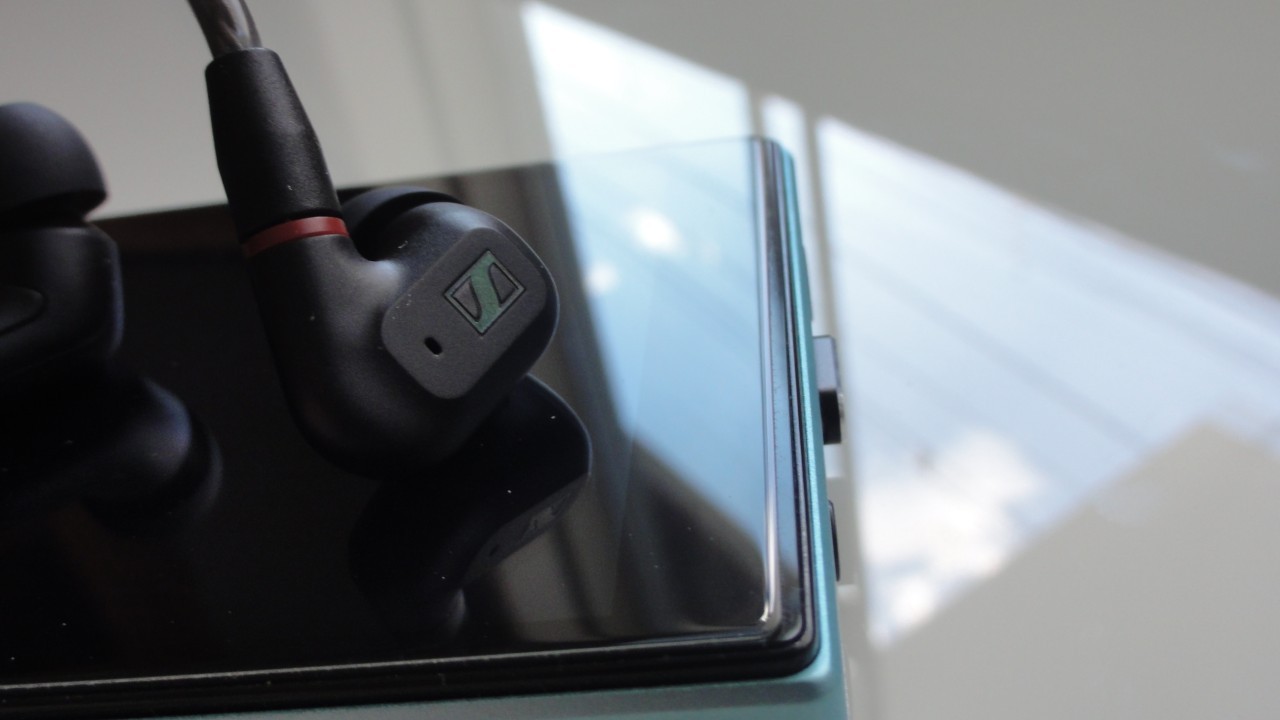
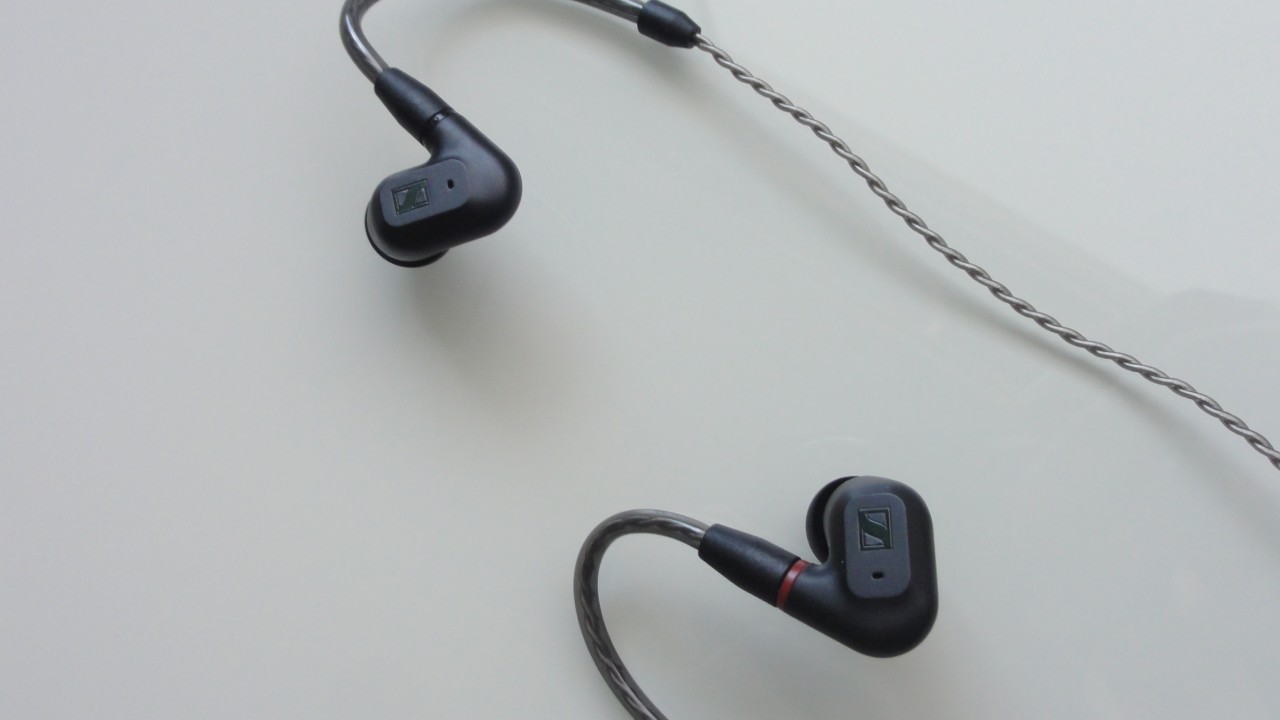
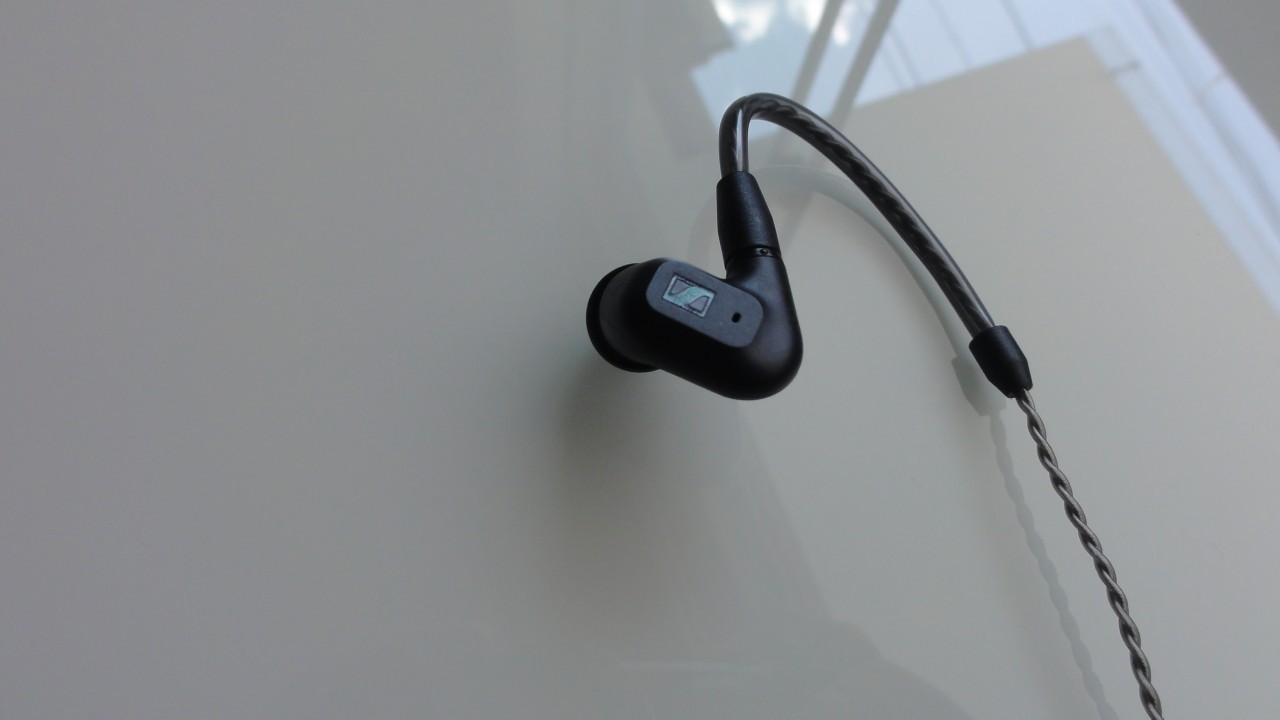 Sennheiser IE 200 In-Ear Monitor (IEM) (Image: Vitor Valeri/Hi-Fi Hub)
I am reviewing the Sennheiser IE 200 for the second time. My first review was published three years ago on Oficina da Net, and now, in 2026, I will revisit it from a different perspective.
In addition to trying various IEMs during this period, I have switched to the FiiO JM21 as my daily digital audio player (DAP). Another noteworthy change is that I also used the FiiO QX11 to evaluate the IE 200. These changes, combined with the practical experience I have gained, have given me a new perspective on the Sennheiser IE 200, which I will discuss below.
What Is the Build Quality of the Sennheiser IE 200 Like?
The IE 200’s build quality should be assessed by considering its housings and cable separately, as Sennheiser has implemented a detachable cable system with MMCX connectors. This allows for a fairer assessment of this in-ear monitor (IEM) from the German audio equipment manufacturer.
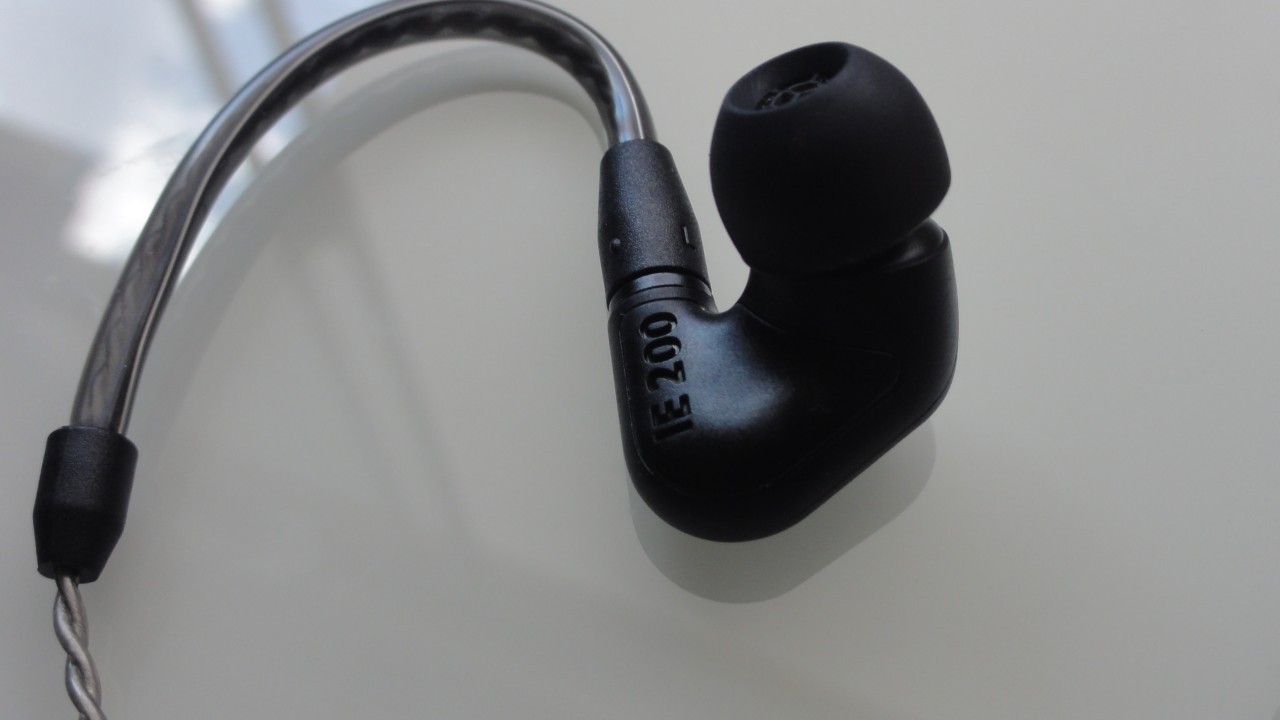
Considering that the IE 200 was developed as an affordable IEM for onstage use, Sennheiser has succeeded. In my opinion, the plastic used for the IE 200’s housings is of excellent quality, while also keeping the earpieces lightweight for greater comfort. The cable is also extremely lightweight and easy to coil and uncoil, making the IEM easier to use and handle.
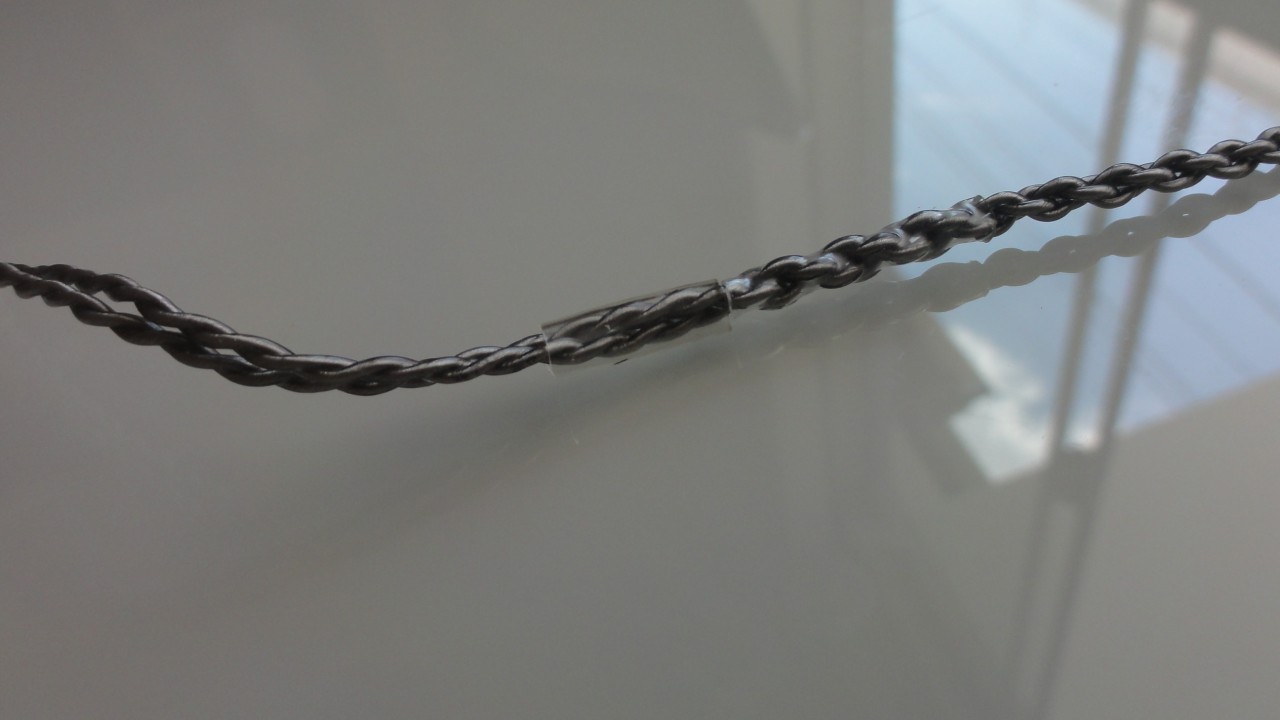
I often encounter cables with heavy Y-splitters that pull on the earpieces. This causes discomfort and can compromise the seal in the ear canal, affecting sound reproduction. Although I consider it a very simple and inexpensive solution, the thin plastic used for the IE 200’s Y-splitter serves its purpose very well.
Does the Sennheiser IE 200 Offer a Good Fit and Comfort?
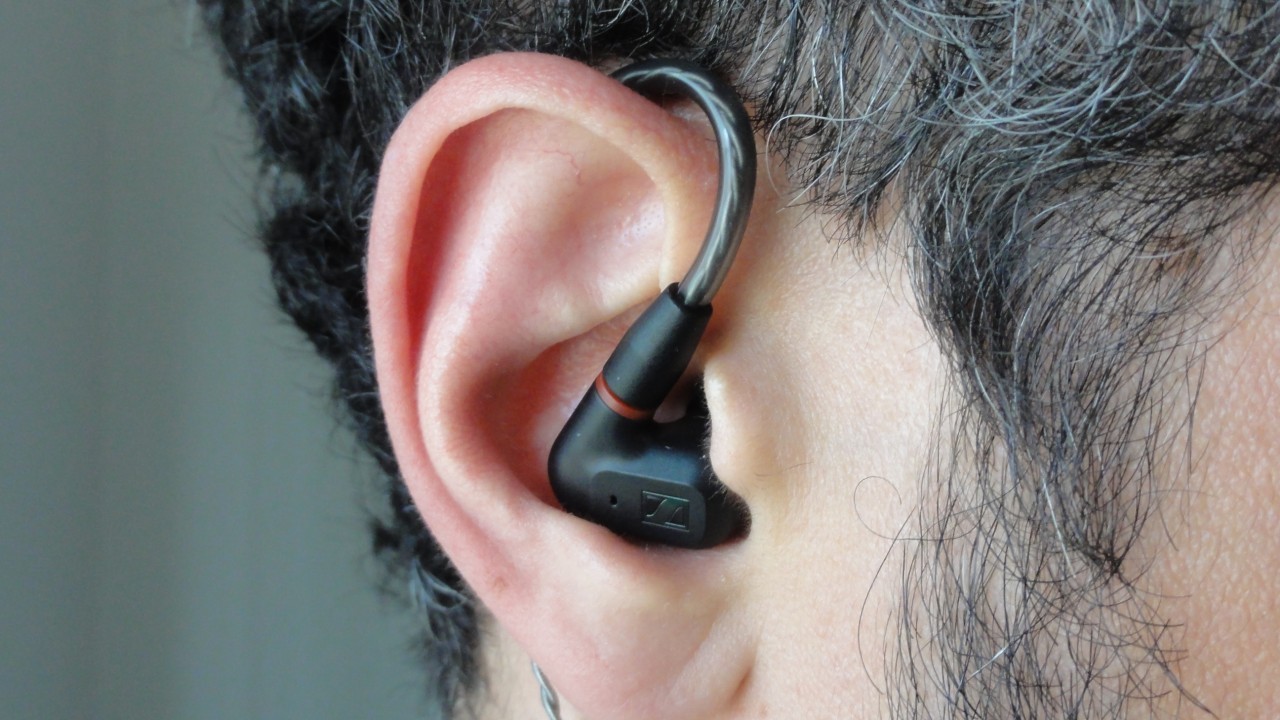
Inserting the Sennheiser IE 200 into my ears is very easy, and I had no difficulty positioning the earpieces correctly. I would say that the IE 200 “fits like a glove.” However, despite the initial impression of exceptional comfort, I eventually experienced soreness at the entrance to my ear canals after extended use.
I only became aware of this soreness when I removed the IE 200 from my ears. The entrances to my ear canals felt tender, and pressing on the skin after using the IEM caused pain. This experience can certainly vary from person to person, but it has remained unchanged since my first review of the IE 200 in 2023.
I measured the IE 200’s nozzle and found that it is 4.7 mm in diameter. The nozzle has a slightly wider retaining lip measuring 5.5 mm in diameter. You can compare these measurements with those of other IEMs you own by measuring their nozzle diameters with a caliper.
Recommended reading: What Influences the Comfort of In-Ear Monitors (IEMs)?
Is It Difficult to Achieve a Proper Seal with the Sennheiser IE 200?
In my case, I had no difficulty achieving a good seal with the Sennheiser IE 200. Bass reproduction was excellent, and I did not feel that sound was “leaking.” However, I am aware that some users have been unable to achieve an optimal seal with the included ear tips.
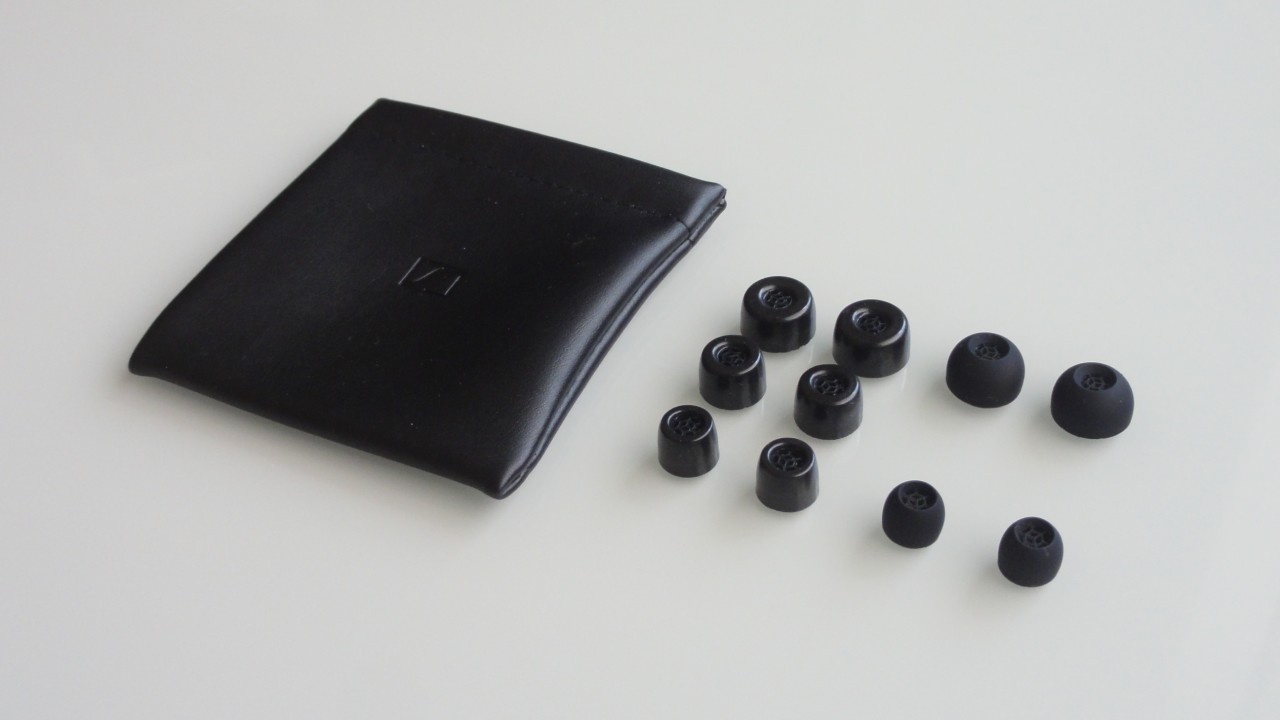
Since I had no seal-related issues with the IE 200, I did not try other ear tips. If you are considering purchasing ear tips from another manufacturer, I recommend reading this article to understand how ear tips can alter the sound.
What Is the Sennheiser IE 200’s Sound Signature Like?
I perceive the Sennheiser IE 200 as an IEM with excellent tonal balance. It offers a well-balanced distribution of bass, midrange, and treble. However, the low- and high-frequency regions may be bothersome to some listeners, depending on the musical genres they listen to.
When listening to music with a stronger bass presence, the IE 200 can sound somewhat dark because of its more prominent mid-bass. The mid-bass region is responsible for the “fullness” of the bass, allowing it to fill the entire presentation. Greater emphasis in this frequency range gives the bass more impact and weight, resulting in what could be described as “thick bass.”
Despite its prominent mid-bass, the IE 200 has a good sub-bass response, providing a good level of texture when the music calls for it. However, this may be less apparent when many sounds are reproduced simultaneously. Classical music featuring cellos and pianos most clearly highlighted the bass texture delivered by the IE 200.
When assessing the IE 200’s treble, it becomes apparent that it is never lacking, offering a good level of brilliance and extension. At times, however, the upper midrange, which is more prominent on the IE 200, can be bothersome.
The upper midrange contributes to greater definition, particularly in vocals and string instruments such as violins. When the music contains less bass, this characteristic can become quite apparent, although this is not always the case.
When both the mid-bass and upper midrange are more prominent in the music, the midrange can seem recessed, but I did not find this behavior to be frequent. Most of the time, I felt that the midrange was exceptionally well balanced with the bass and treble.
In terms of soundstage and instrument localization, I found the Sennheiser IE 200 competent, but not extraordinary. Its good tonal balance makes it easy to identify the direction from which sounds originate. However, I did not find the presentation particularly spacious, although it was not intimate either.
Is a Good Amplifier Necessary?
I found that the Sennheiser IE 200 requires somewhat more output power than usual. Although it has a sensitivity of 119 dB and an impedance of 18 ohms, I obtained the best results using the FiiO JM21’s medium-gain setting. Under these conditions, the JM21 delivers approximately 131 mW, as detailed in my review of the FiiO JM21.
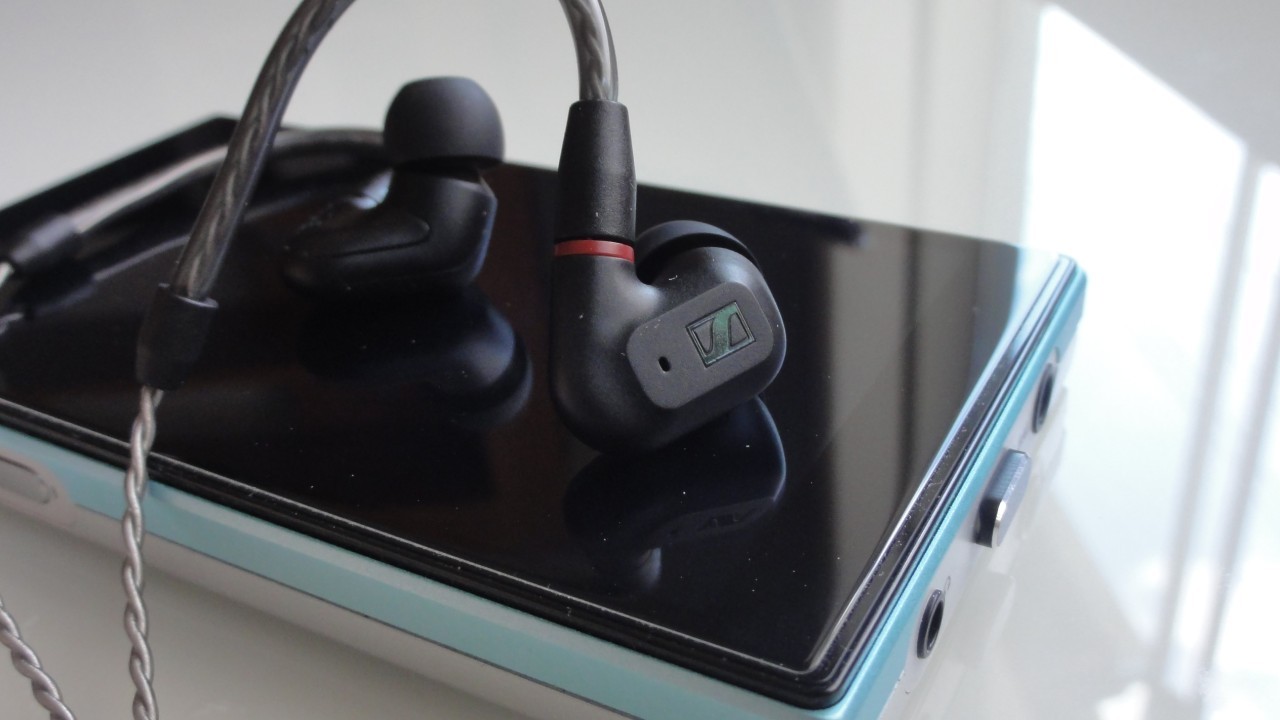
With the FiiO QX11, I found that the Sennheiser IE 200 performed better at the low-gain setting in desktop mode, which delivers approximately 150 mW into 16 ohms.
Conclusion
The Sennheiser IE 200 is an excellent choice in the US$100-US$150 price range. With its combination of a balanced sound signature, comfort, durability, and fit, the IE 200 delivers an excellent experience for its price. If the cable quality does not meet your preferences, custom-made cables are available from boutique manufacturers, which are becoming increasingly common in the market.
The specifications of the Sennheiser IE 200 are listed below.
Sennheiser IE 200: Specifications
• Drivers per side: One dynamic driver (DD) with a 7 mm diaphragm
• Cable plug: 3.5 mm single-ended (SE)
• Cable connector: Proprietary MMCX
• Cable length: 1.2 m
• Weight: 4 g
• Frequency response: 6–20,000 Hz
• Impedance: 18 ohms
• Sound pressure level (SPL)/Sensitivity: 119 dB (1 kHz, 1 Vrms)
• Total harmonic distortion (THD): <0.08%
No comments have been made yet, be the first!