

Virtual Reality Cables RCA Cable Review
From: Vitor Valeri
A headphone hobbyist for over 15 years, he founded the Hi-Fi Hub website and is an administrator of the "Fones High-End" and "Fones Low-End" groups on Facebook.


Published in: 28/09/26 at 17:59
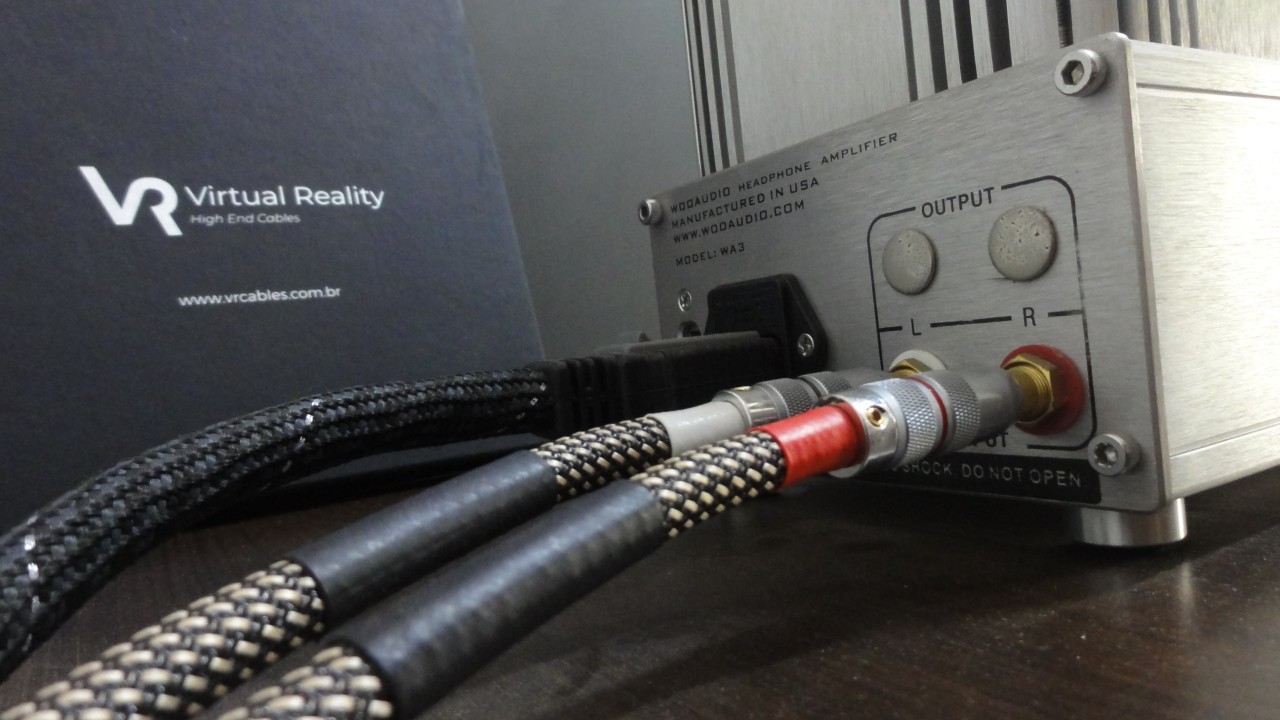 VR Cables Argentum Core RCA cable (Image: Vitor Valeri/Hi-Fi Hub)
Reviewing the RCA interconnect cables from Virtual Reality Cables, also known as VR Cables, introduced me to a new experience. Manufactured in my home country of Brazil, these cables offered a distinctive experience in terms of construction and sound, transforming the way I listen to music. In this review, I sought not only to describe my experiences throughout the testing process but also to provide some background on the developer of these products.
VR Cables Product Lines and the Manufacturer’s Approach
Virtual Reality Cables (VR Cables) currently offers three cable lines: Storm, Argentum Air, and Argentum Core. Each line includes power cables, RCA and XLR interconnects, digital coaxial cables, AES cables, and speaker cables. In this review, I evaluate the RCA cables from each line in terms of installation and sound quality.
Installing the VR Cables RCA Interconnects
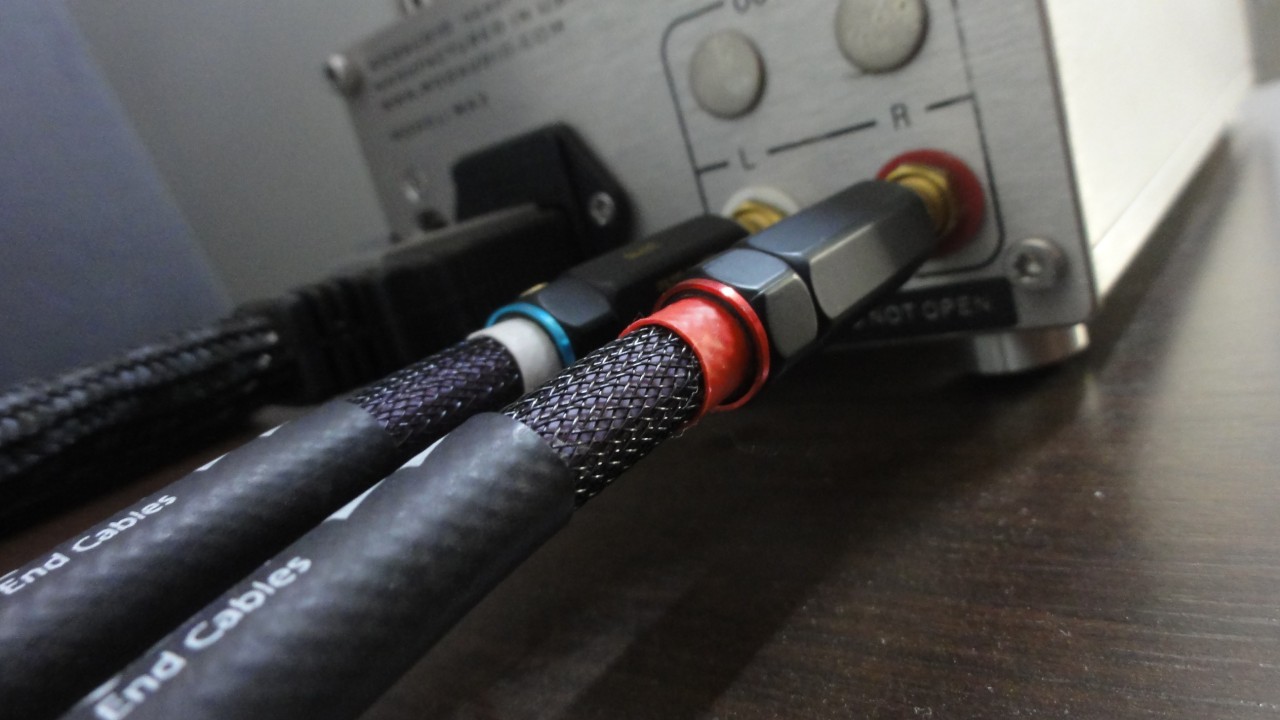
The main difference I noticed between the Storm and Argentum RCA cable lines when connecting them to my equipment was stiffness. This affects both the fit of the connectors and the flexibility of the conductors.
The RCA connectors used in the Storm line fit more tightly than those in the Argentum Air and Argentum Core lines. I had to apply more force when connecting the DAC to the amplifier.
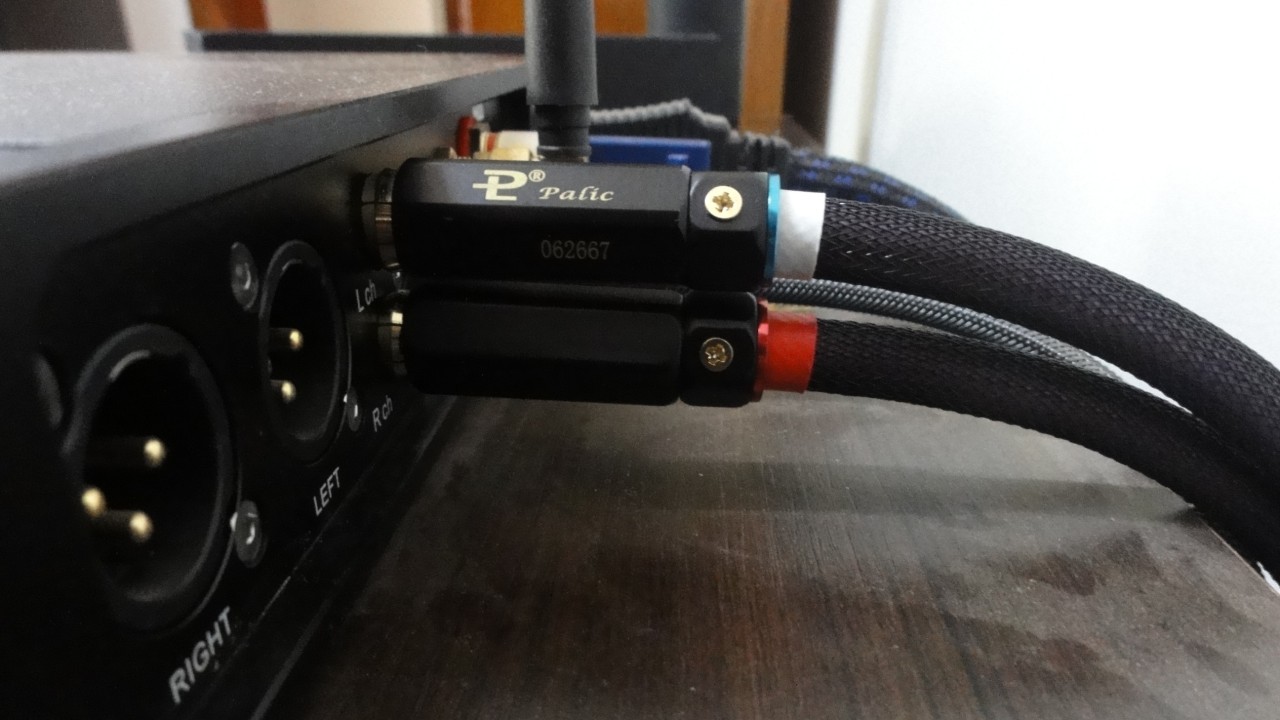
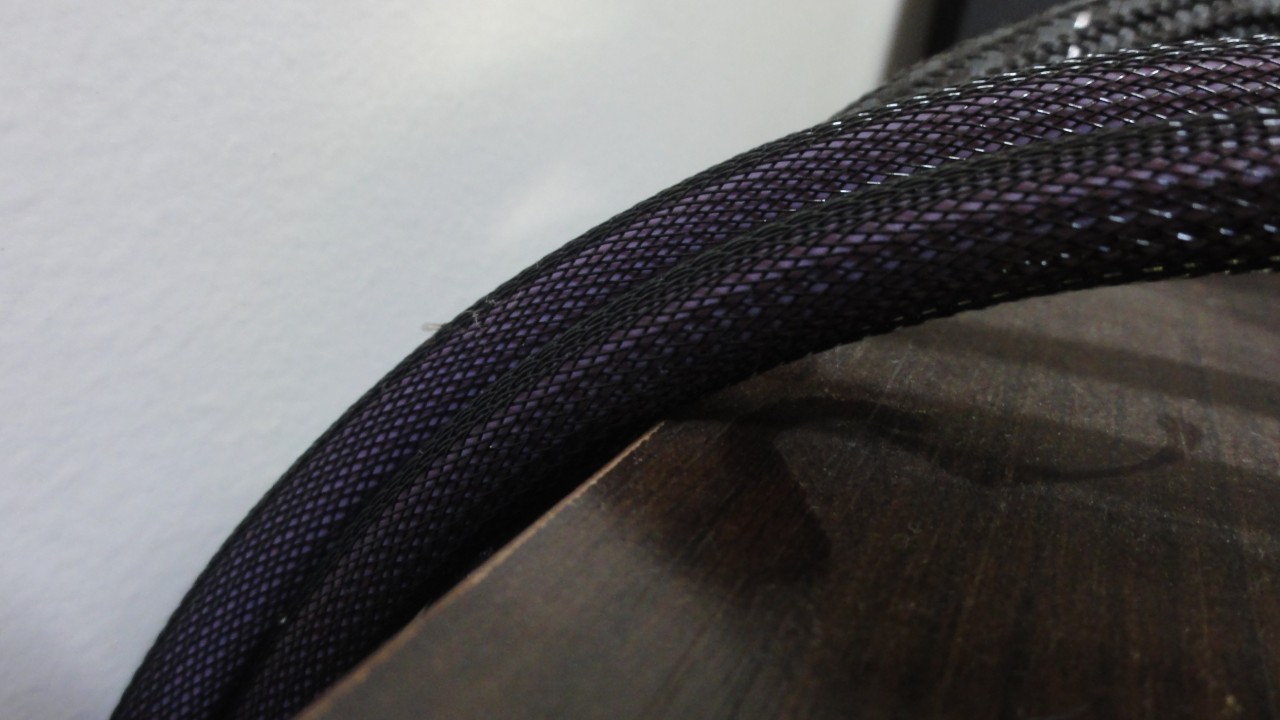
The combination of the conductors, dielectric materials, and outer jacket results in poor flexibility in the Storm line. Depending on how the cables need to be positioned, the Storm RCA cables can make installation difficult. This issue is less pronounced with the Argentum Core and Argentum Air cables, which are considerably easier to coil and store, for example.
I also noticed that the outer jacket of the Storm RCA cables is slippery. If one end of a cable rests on a table, the weight of the RCA connectors can cause it to fall. This characteristic is less pronounced in the Argentum Air and Argentum Core lines, making the cables easier to install.
Sound Evaluation of the VR Cables RCA Interconnects
The sound signature philosophy of Virtual Reality Cables (VR Cables) centers on neutrality, naturalness, and musicality. During my tests, I perceived precisely these qualities, although there were differences depending on the topology of each RCA cable. The cable lines evaluated were Storm, Argentum Air, and Argentum Core.
How the Cables Were Tested
To test the VR Cables RCA interconnects, I used the following equipment:
• Woo Audio WA3 OTL tube amplifier with one Western Electric 421A tube and two Sylvania JAN 6DJ8 tubes
• Pangea Audio AC-14SE power cable connected to the DAC
• Pangea Audio AC-14SE MKII power cable connected to the amplifier
• DDHiFi TC19BC Comet USB cable
• Topping D70S desktop DAC
• FiiO JM21 digital audio player (DAP), serving as an Android-based digital transport
• Audio-Technica ATH-ESW9 closed-back, on-ear headphones
• Grado RS2e open-back, on-ear headphones
• Audio-Technica ATH-W3000ANV closed-back, over-ear headphones
• Sennheiser HD 600 open-back, over-ear headphones
How Do the VR Cables RCA Interconnects Sound?
To describe the sound of each cable evaluated, I will discuss the models in ascending order of price. Throughout the review, I will address the sonic differences I perceived between the lines in my audio system.
The Sound of the Storm RCA Cable
The Storm RCA cables have a warm, natural sound, delivering highly musical presentations. For me, the midrange stood out the most: its sweetness made me feel more engaged with the music.
The midrange sounded more intimate with the Storm RCA cables. The timbre, texture, and extension of string instruments and vocals were easier to perceive. With the exception of extension, I found the Storm’s midrange superior to that of the Argentum Air and Argentum Core cables.
I felt that the presentation with the Storm RCA cables had good tonal balance. The bass was not exaggerated, offered good impact (punch), and gave the presentation a satisfying sense of fullness. The treble, in turn, had an acceptable level of brightness, but its extension was limited and its definition and delineation were modest.
Compared with the Argentum lines, the Storm line offered less detail and extension, with sounds positioned closer together. However, I found that the Storm cables made the reproduction of most musical genres more engaging in my audio system.
The Sound of the Argentum Air RCA Cable
The Argentum Air RCA cables delivered an impressive level of detail and extension. I also noticed improved instrument separation compared with the Storm line. The defining quality of this line is undoubtedly its clarity, which makes various nuances in the tracks easy to discern.
With the Argentum Air, the treble exhibited greater extension and definition without becoming harsh or strident. This characteristic brought an excellent level of detail to the music. However, as I listened to more tracks, I noticed that the midrange and bass did not carry as much weight.
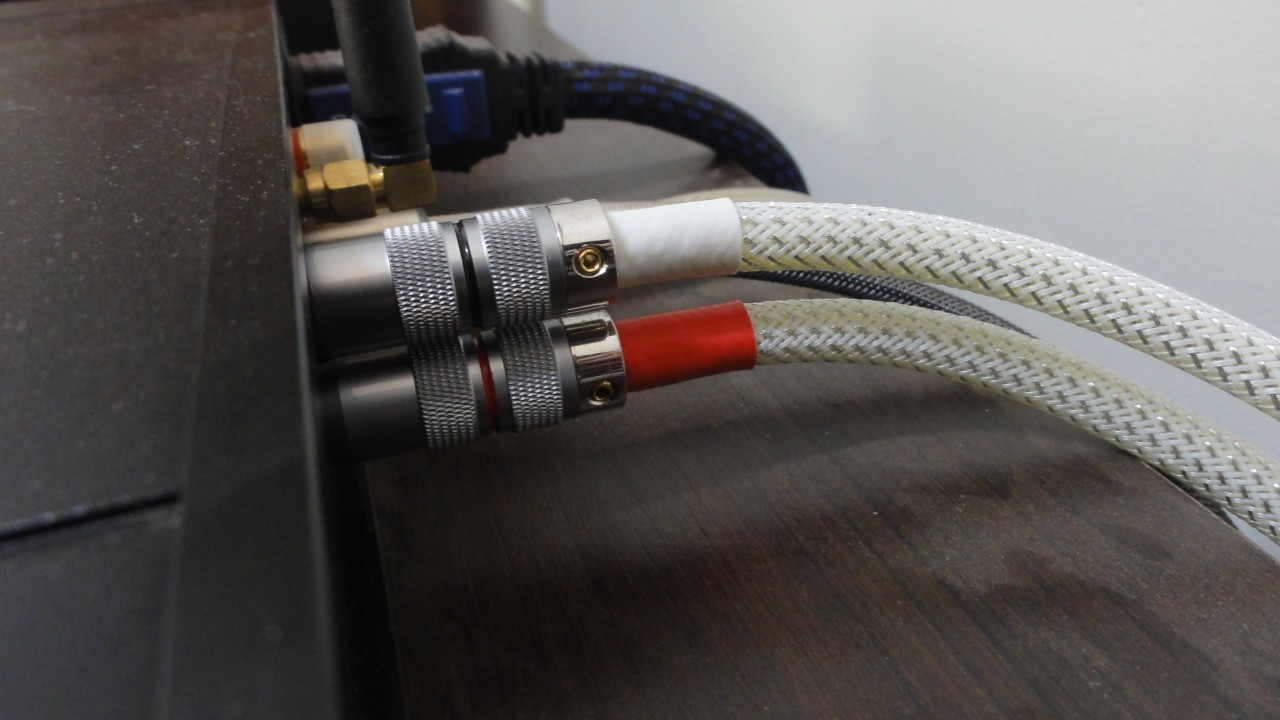
The midrange presentation with the Argentum Air cables was slightly recessed compared with the Storm line. In my opinion, this took some life out of the music. This sense of lightness was further accentuated by weaker bass that lacked impact.
To be clear, the bass still had a good presence, as did the midrange. However, this lack of weight in instrumental sounds reduced my sense of immersion in the music I listened to.
The Sound of the Argentum Core RCA Cable
The Argentum Core cable addressed what I missed most in the Argentum Air line. Here, sounds became more prominent, with greater presence in every note produced by instruments or voices. In addition, spatial presentation and sound separation improved further compared with the Argentum Air line.
By giving sounds considerably more weight, the Argentum Core cables provided the engagement I had not experienced with the Argentum Air line. This applied to the midrange, treble, and bass alike. My impression was that each instrument and voice received equal prominence, without one sound encroaching on another.
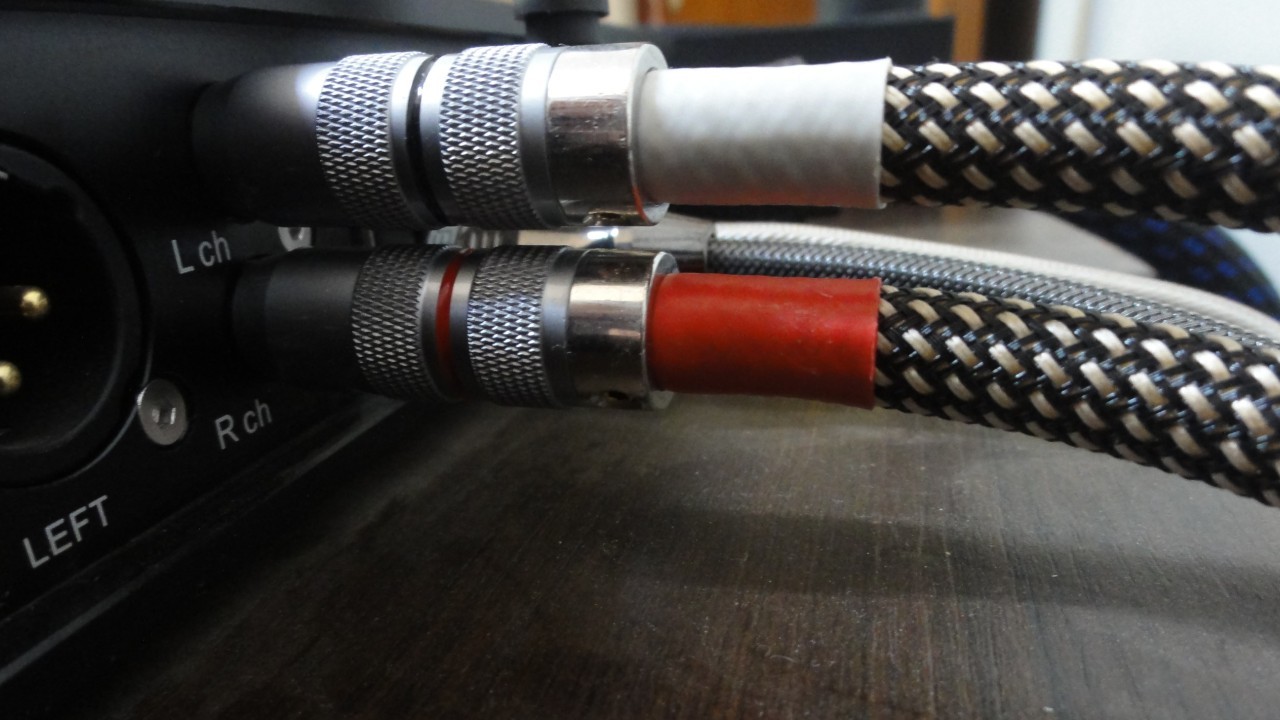
As time passed and I listened to more music, I noticed greater silence around the sound sources. I found it easy to focus on the notes of each instrument, perceiving more texture and subtle detail. In my view, this proved both beneficial and detrimental.
The high degree of separation and sonic refinement offered by the Argentum Core line is remarkable. However, its presentation gave me the impression that the midrange remained recessed compared with the Storm line. This left me divided between the Storm and Argentum Core cables, even though the latter is unquestionably superior in technical terms.
VR Cables RCA Interconnect Specifications
The specifications of the Storm, Argentum Air, and Argentum Core RCA cables from Virtual Reality Cables (VR Cables) are provided below.
Specifications: VR Cables Storm RCA
• Two flexible pure copper conductors
• Gauge of each conductor: 19 AWG
• Conductor insulation material: foamed polyethylene (PE)
• Integrated tinned copper shielding
• Electrically floating shielding
• Outer jacket material: nylon
• RCA connectors: gold-plated Palics
• Solder: proprietary VR Cables lead-free formulation containing 7% silver
Specifications: VR Cables Argentum Air RCA
• Three silver-plated copper conductors
• Gauge of each conductor: 22 AWG
• Insulation material: Teflon (PTFE)
• Shielding integrated into the base cable
• Electrically floating shielding
• Additional silicone insulation
• Outer jacket material: nylon
• RCA connectors: rhodium-plated Viborg VR107R
• Solder: proprietary lead-free formulation containing 7% silver
Specifications: VR Cables Argentum Core RCA
• Two silver-plated copper conductors and one solid copper conductor
• Gauge of the silver-plated copper conductors: 24 AWG
• Gauge of the solid copper conductor: 23 AWG
• Insulation material for the silver-plated copper conductors: Teflon (PTFE)
• Insulation material for the copper conductor: high-density polyethylene (HDPE)
• Conductor geometry: conductors arranged in a parallel spiral
• Silicone tubing for insulation and mechanical control
• Tinned copper shielding
• Electrically floating shielding
• Heat-shrink polyolefin outer jacket
• Outer jacket material: nylon
• RCA connectors: rhodium-plated Viborg VR107R
• Solder: proprietary lead-free formulation containing 7% silver
Conclusion
The build quality of the RCA interconnects across all Virtual Reality Cables lines is excellent, leaving nothing to be desired in this respect. However, each line offers a different sound, and the characteristics of your audio system will determine the most suitable choice.
If musicality is your foremost priority, I recommend the Storm RCA cables. If your system already sounds very warm, however, the Argentum Air and Argentum Core lines may be better choices. If your budget allows you to purchase the Argentum Core RCA cable, I recommend choosing this line.
Price and Availability
The cost per meter for each VR Cables RCA cable line will vary, as the company is based in Brazil. The table below lists the price of each model.
| Model | Price per meter in Brazil | Price per meter on the international market |
| Storm RCA Cable | R$ 1.482 | US$ 283,86 |
| Argentum Air RCA Cable | R$ 2.769 | US$ 530,57 |
| Argentum Core RCA Cable | R$ 3.323 | US$ 636,68 |
The table above is only an example, and cables can be purchased in any desired length. All cables are made to order; to make a purchase, contact [email protected].
About Virtual Reality Cables
Founded in São José dos Campos, Brazil, by electrical technician Ebert Carlos Goulart, Virtual Reality Cables (VR Cables) grew out of a passion for building equipment. Ebert specializes in high-voltage systems, power generation, and control, and this expertise has contributed to the development of his products.
At the age of 15, Ebert built his first loudspeakers using secondhand car audio drivers. Some time later, he began developing amplifiers based on designs published in electronics magazines.
At 20, Ebert became involved in developing public address (PA) systems with loudspeakers. He subsequently began developing speaker cables and interconnects.
During my brief conversation with Ebert, he reported receiving positive feedback from customers in various parts of the country.
“In recent years, I have begun serving customers in different regions of Brazil, and the feedback we have received has been extremely positive. Many of them were already using cables from established brands and decided to try VR Cables products, reporting significant improvements in the performance of their systems.”
No comments have been made yet, be the first!