

FiiO K13 Gets a New Version With Dual ESS DACs
From: Vitor Valeri
A headphone hobbyist for over 15 years, he founded the Hi-Fi Hub website and is an administrator of the "Fones High-End" and "Fones Low-End" groups on Facebook.


Published in: 21/09/26 at 17:22 - Updated in: 21/09/26 at 17:23
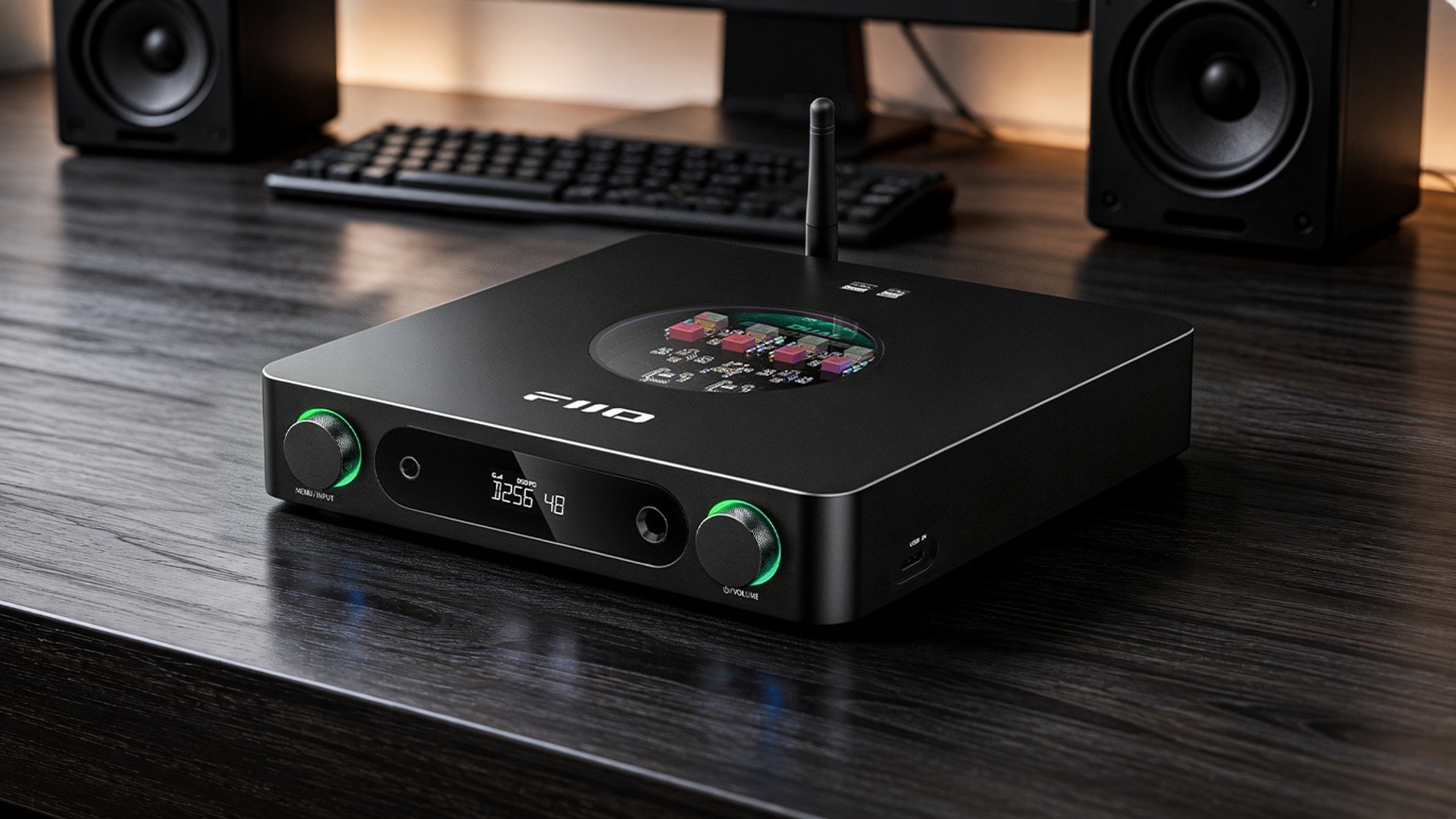 FiiO K13 ESS desktop DAC and amplifier (Image: FiiO/Weibo)
The FiiO K13 with an ESS DAC was launched today (September 21) in China. The original K13 featured an R2R DAC developed by FiiO, and the desktop DAC/amp now has a version equipped with ESS DAC chips. Based on a delta-sigma architecture, the ESS Labs chip exhibits lower distortion than DACs that use an R2R architecture. For those seeking the best measured performance, the new K13 ESS is the choice.
What are the differences between the R2R and ESS versions of the FiiO K13?
The FiiO K13 now comes in two versions: one with an R2R DAC and another with a delta-sigma DAC. Those who choose the R2R version seek a smoother, fuller, and more pleasing sound. Those who prefer delta-sigma DAC chips seek greater resolution, more extended frequency response, and a wider soundstage.
However, the differences between the K13 versions extend beyond their sound signatures. One example is the “PO+PRE” output mode, which allows the headphone outputs (PO) to operate simultaneously with the line outputs (LO). Available only on the K13 ESS, this feature makes it possible to send an audio signal to powered speakers while using headphones at the same time.
Another noteworthy difference is that the delta-sigma version of the K13 includes both a coaxial digital input and a coaxial digital output. This allows the FiiO DAC/amp to connect to another DAC.
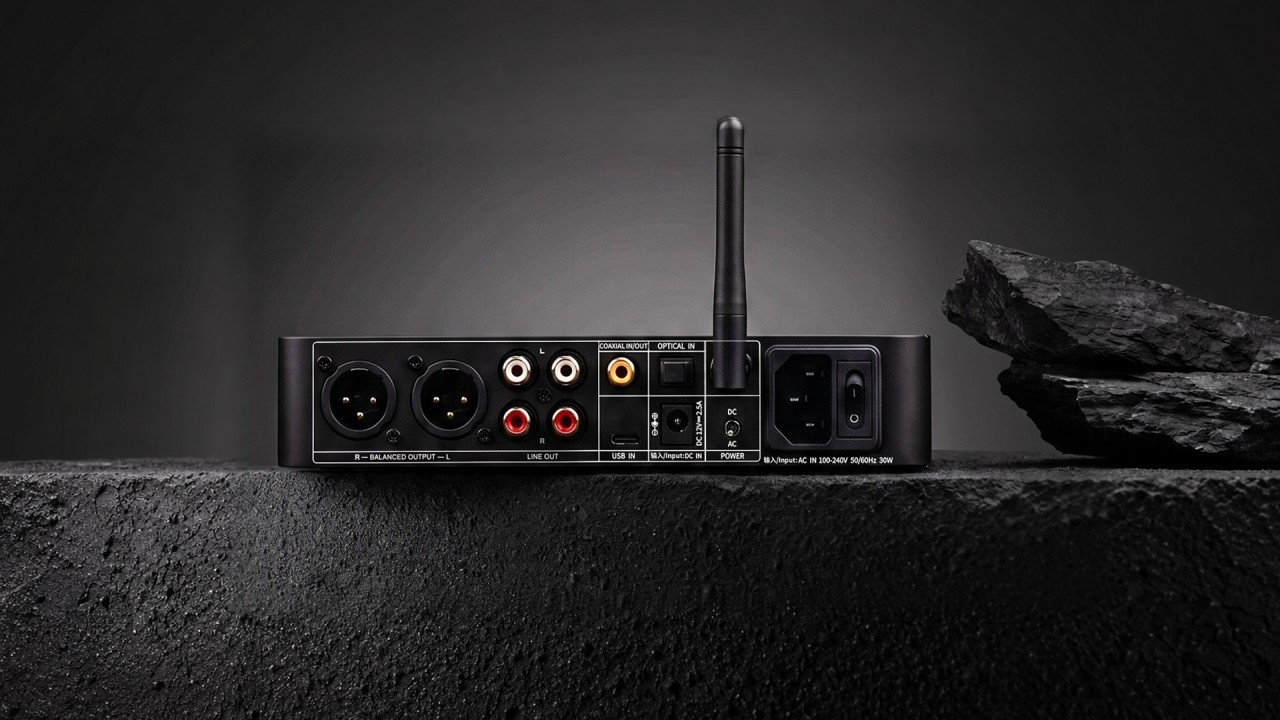
Differences between the FiiO K13 DAC filter options
The FiiO K13’s DAC filter options vary by version. The K13 R2R offers OS (oversampling) and NOS (non-oversampling) filters. The ESS version offers eight filter options but does not include the OS and NOS filters available on the R2R version.
Harmonic adjustment is available only on the K13 ESS
Harmonic adjustment is an exclusive feature of the K13 with an ESS DAC. This function is designed to simulate the pleasing harmonic distortion of tube amplifiers, allowing users to obtain a more “analog” sound even with a delta-sigma DAC.
FiiO describes the function as follows:
“It simulates the characteristic distortion of tube amplifiers. The second harmonic, which is absent from the original signal, is artificially increased.”
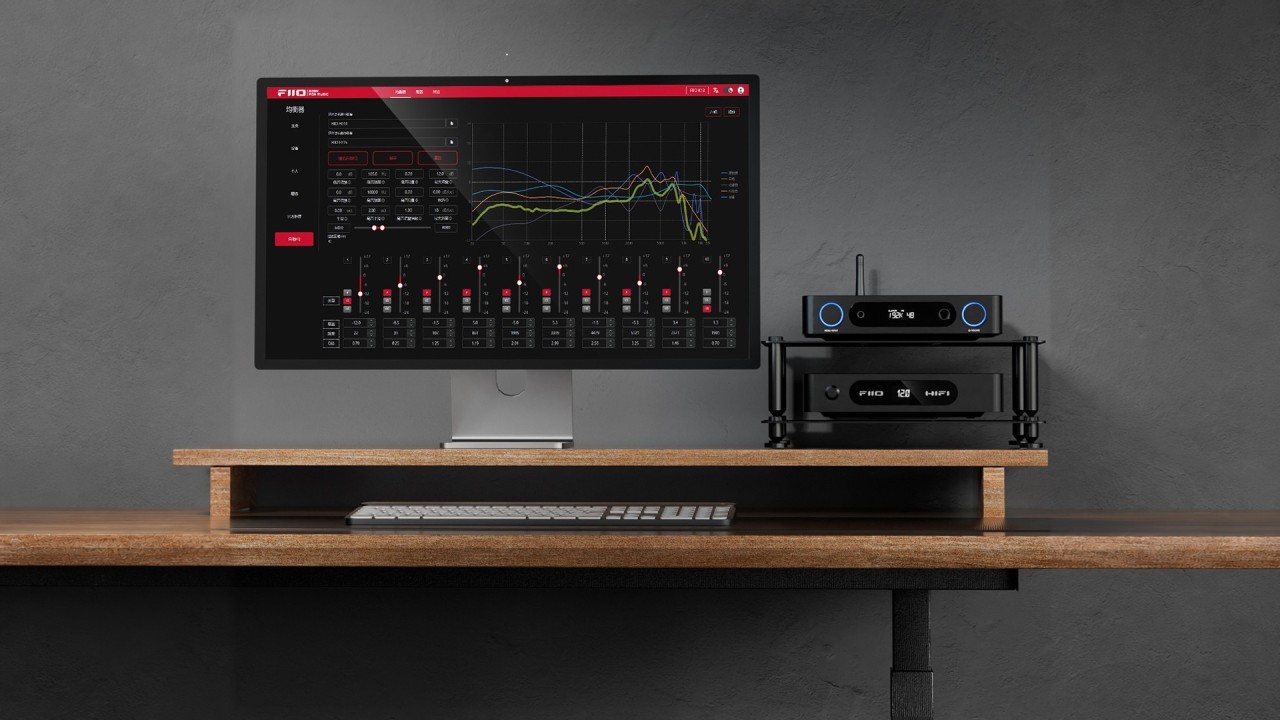
10-band parametric equalizer (PEQ) and AUTO EQ
Available on both versions of the FiiO K13, the 10-band parametric equalizer (PEQ) can be accessed through the FiiO Control app. Custom equalization profiles can be created using the web version of FiiO Control, which is accessible through a browser on a PC.
Sufficient output power for the vast majority of headphones
Like the R2R version of the FiiO K13, the K13 ESS delivers 2,400 mW into 32 Ω through its balanced output. To accommodate sensitive in-ear monitors (IEMs), the gain can also be set to low (L), medium (M), or high (H).
Two power supply options
The K13 includes an internal switch-mode power supply. Alternatively, an external linear power supply, such as the FiiO Darkside Pro, can be connected through the 12 V barrel connector.
Bluetooth reception only
Audio from smartphone streaming apps can be sent to the FiiO K13 via Bluetooth. The desktop DAC/amp supports Bluetooth reception using the SBC, AAC, and LDAC audio codecs.
FiiO K13 ESS: Specifications
General specifications
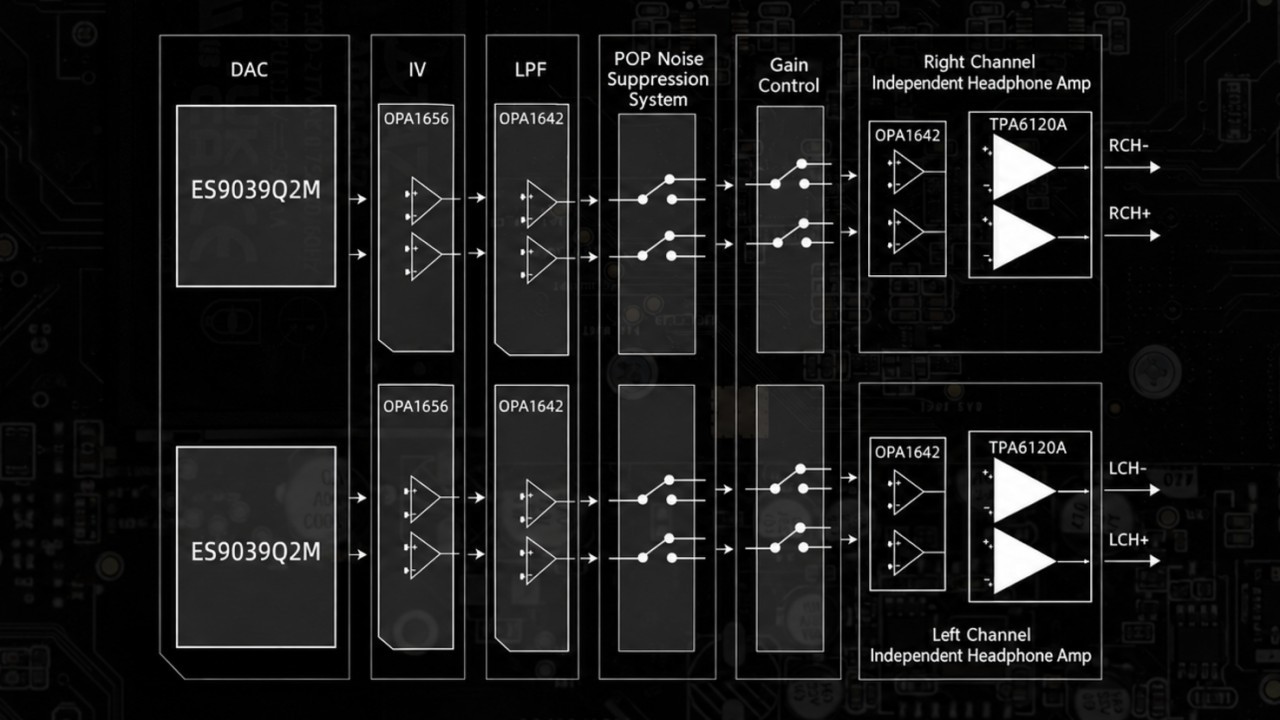
• Amplification: two Texas Instruments (TI) OPA1642 chips and two Texas Instruments (TI) TPA6120A chips
• Battery: none
• Colors: black/silver
• DAC chips: two ESS ES9039Q2M chips
• Digital inputs: USB, optical, and coaxial
• Digital outputs: coaxial
• Dimensions: 210 × 188 × 42 mm, including feet
• Display: 1.1-inch LCD
• Headphone outputs: 6.35 mm single-ended (SE) and 4.4 mm balanced
• Line outputs: single-ended (SE) RCA and balanced XLR
• Microcontroller (MCU): Espressif Systems ESP32-S3
• Operating modes: USB DAC, coaxial, optical, and Bluetooth reception
• Output selection: PO, PRE, PO+PRE, LO
• PEQ support: yes, with a 10-band parametric equalizer
• Power supply: AC: 100–240 V, 50/60 Hz; or DC: 12 V, ≥ 2.5 A
• USB controller: XMOS XU316
• Volume control: physical rotary knob and infrared remote control
• Weight: 980 g
Bluetooth specifications
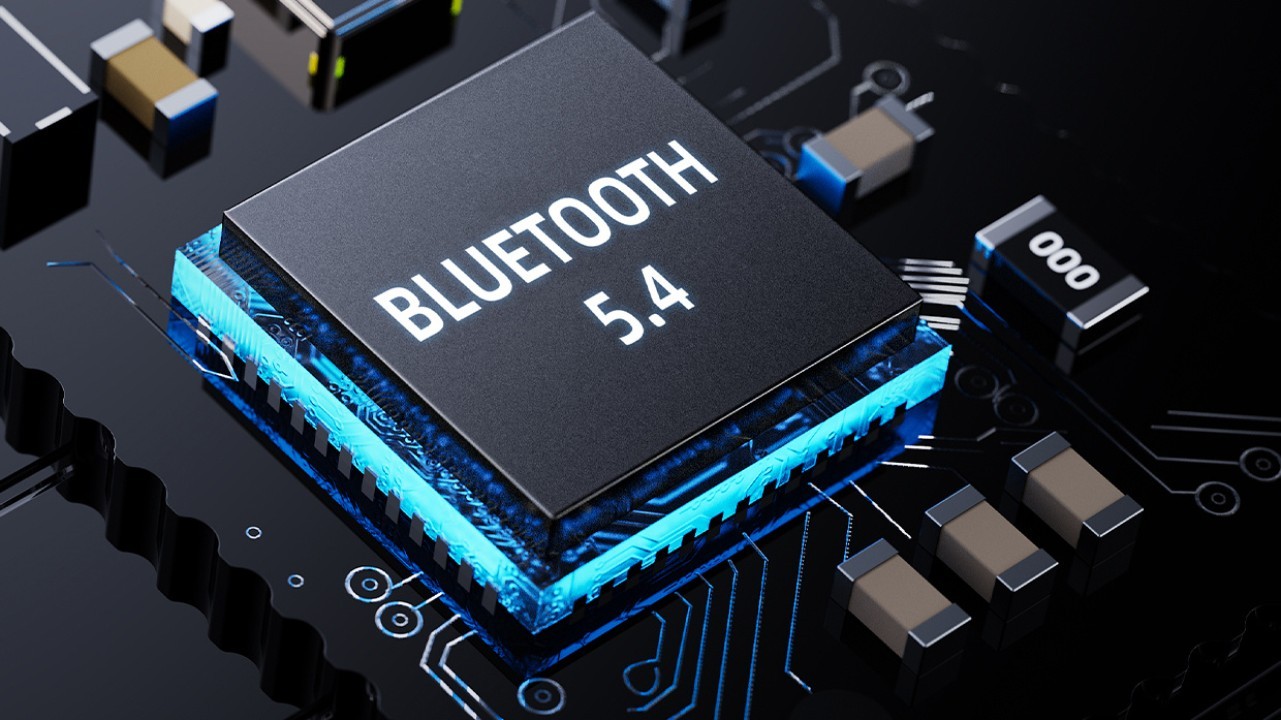
• Bluetooth version: Bluetooth 5.4
• Supported Bluetooth reception codecs: SBC, AAC, and LDAC
General audio specifications
• Gain levels: L/M/H
• Maximum supported sampling rate via coaxial: PCM 768 kHz/32-bit; DSD512
• Maximum supported sampling rate via optical: 192 kHz/24-bit
• Maximum supported sampling rate via USB: PCM 768 kHz/32-bit; DSD512
6.35 mm single-ended (SE) output specifications
• SNR: 123 dB
• Dynamic range: 123 dB
• THD+N: ≤ 0.00034%
• Noise floor (A-weighted): 4.5 μV
• Channel separation: ≥ 77 dB
• Output impedance: 0.4 Ω
6.35 mm single-ended (SE) output power at high gain
• 1,200 mW (16 Ω, THD+N < 1%, 4.4 Vrms)
• 1,220 mW (32 Ω, THD+N < 1%, 6.2 Vrms)
• 150 mW (300 Ω, THD+N < 1%, 6.7 Vrms)
6.35 mm single-ended (SE) output power at medium gain
• 660 mW (16 Ω, THD+N < 1%, 3.3 Vrms)
• 340 mW (32 Ω, THD+N < 1%, 3.3 Vrms)
• 35 mW (300 Ω, THD+N < 1%, 3.3 Vrms)
6.35 mm single-ended (SE) output power at low gain
• 165 mW (16 Ω, THD+N < 1%, 1.6 Vrms)
• 85 mW (32 Ω, THD+N < 1%, 1.6 Vrms)
• 10 mW (300 Ω, THD+N < 1%, 1.6 Vrms)
4.4 mm balanced output specifications
• SNR: 123 dB
• Dynamic range: 123 dB
• THD+N: ≤ 0.00034%
• Noise floor (A-weighted): 8.3 μV
• Channel separation: ≥ 111 dB
• Output impedance: 1 Ω
4.4 mm balanced output power at high gain
• 1,200 mW (16 Ω, THD+N < 1%, 4.4 Vrms)
• 2,400 mW (32 Ω, THD+N < 1%, 8.8 Vrms)
• 600 mW (300 Ω, THD+N < 1%, 13.5 Vrms)
4.4 mm balanced output power at medium gain
• 1,200 mW (16 Ω, THD+N < 1%, 4.4 Vrms)
• 1,300 mW (32 Ω, THD+N < 1%, 6.5 Vrms)
• 145 mW (300 Ω, THD+N < 1%, 6.6 Vrms)
4.4 mm balanced output power at low gain
• 610 mW (16 Ω, THD+N < 1%, 3.1 Vrms)
• 330 mW (32 Ω, THD+N < 1%, 3.2 Vrms)
• 35 mW (300 Ω, THD+N < 1%, 3.3 Vrms)
Single-ended (SE) RCA line output specifications
• SNR: ≥ 122 dB
• THD+N: ≤ 0.00034%
• Noise floor (A-weighted): 2.2 μV
• Line output level: 2.6 Vrms (1 kHz into 10 kΩ)
Balanced XLR line output specifications
• SNR: ≥ 122 dB
• THD+N: ≤ 0.00034%
• Noise floor (A-weighted): 3.4 μV
• Line output level: 5.3 Vrms (1 kHz into 10 kΩ)
What is included in the FiiO K13 box?
The FiiO K13 comes with the following items:
• K13
• Infrared remote control
• AC power cord
• Quick start guide
• Warranty card
• Headphone adapter
• USB data cable
Release, pricing, and availability
The FiiO K13 ESS is now available in black and silver for 1,899 yuan (approximately US$283.53). International pricing and a release date have not yet been announced. This article will be updated as new information becomes available.
Share:


Product launches
FiiO DT11: Full Specs and Shipping Details
Product launches
Kawano Master: Flathead Earbuds With Detachable MMCX Cable
Product launches
No comments have been made yet, be the first!