

Kawano Sho Review: Brazilian Flathead Earbud
From: Vitor Valeri
A headphone hobbyist for over 15 years, he founded the Hi-Fi Hub website and is an administrator of the "Fones High-End" and "Fones Low-End" groups on Facebook.


Published in: 31/08/26 at 17:29
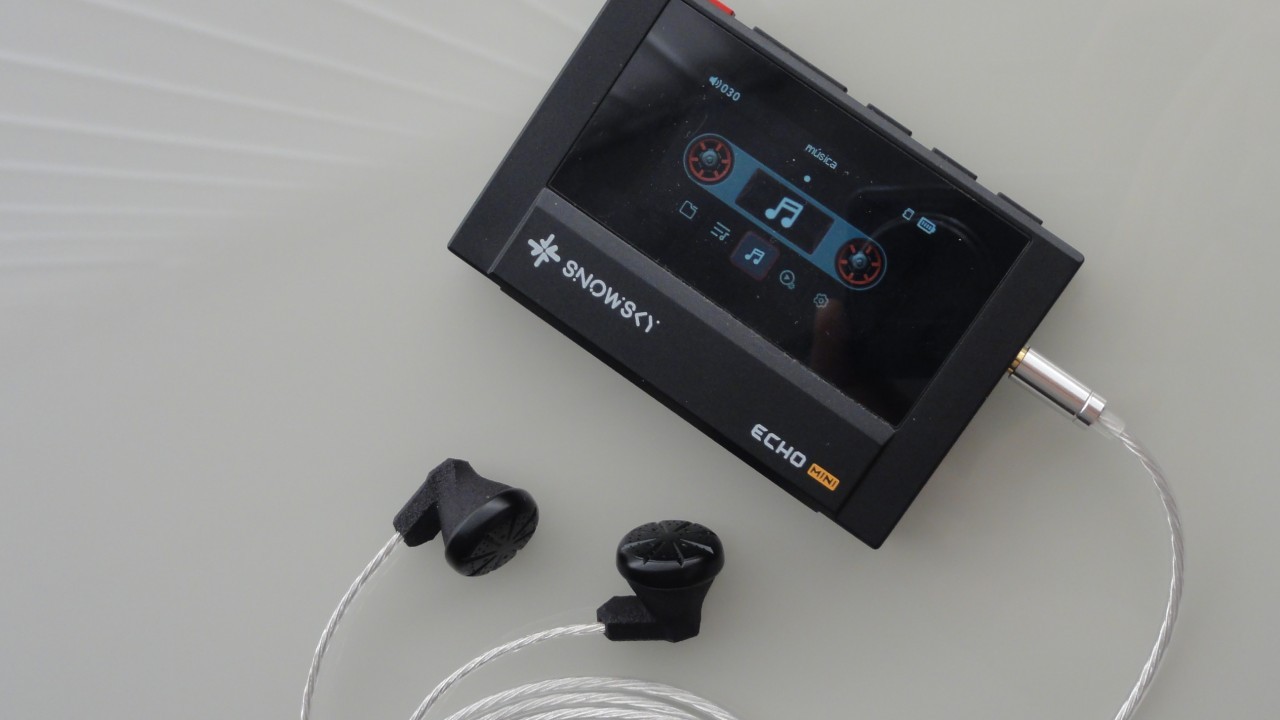
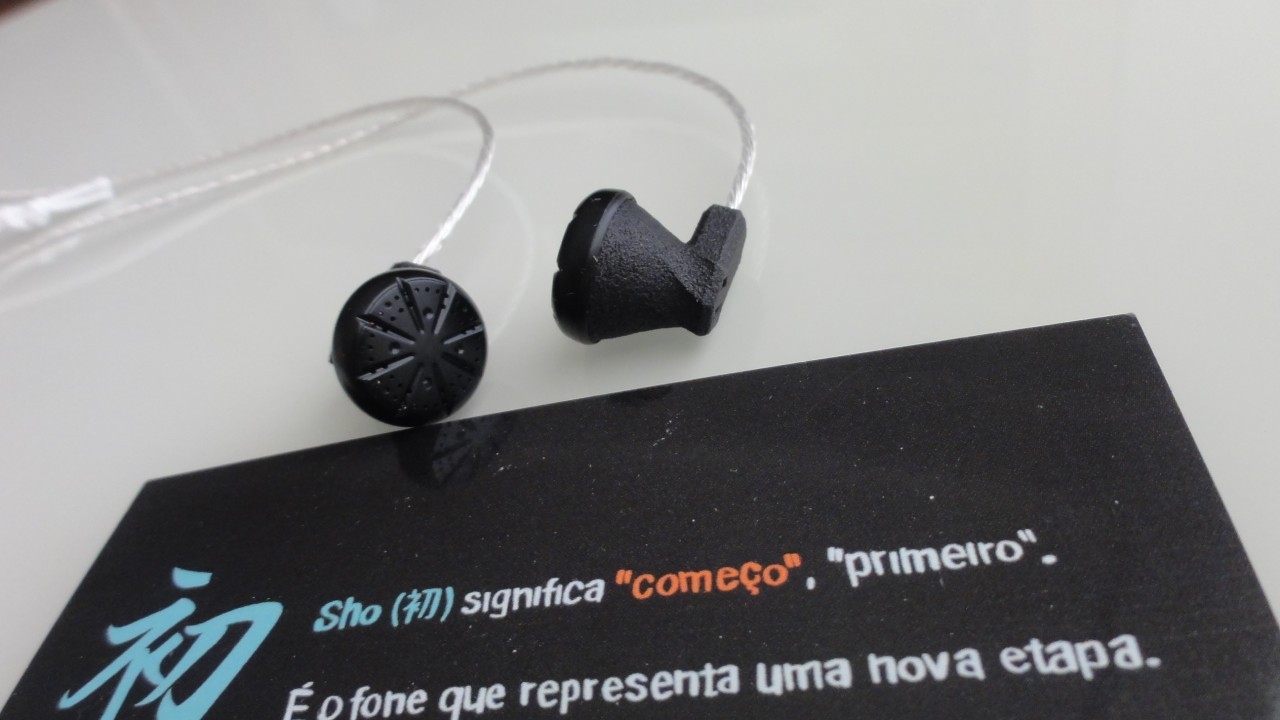
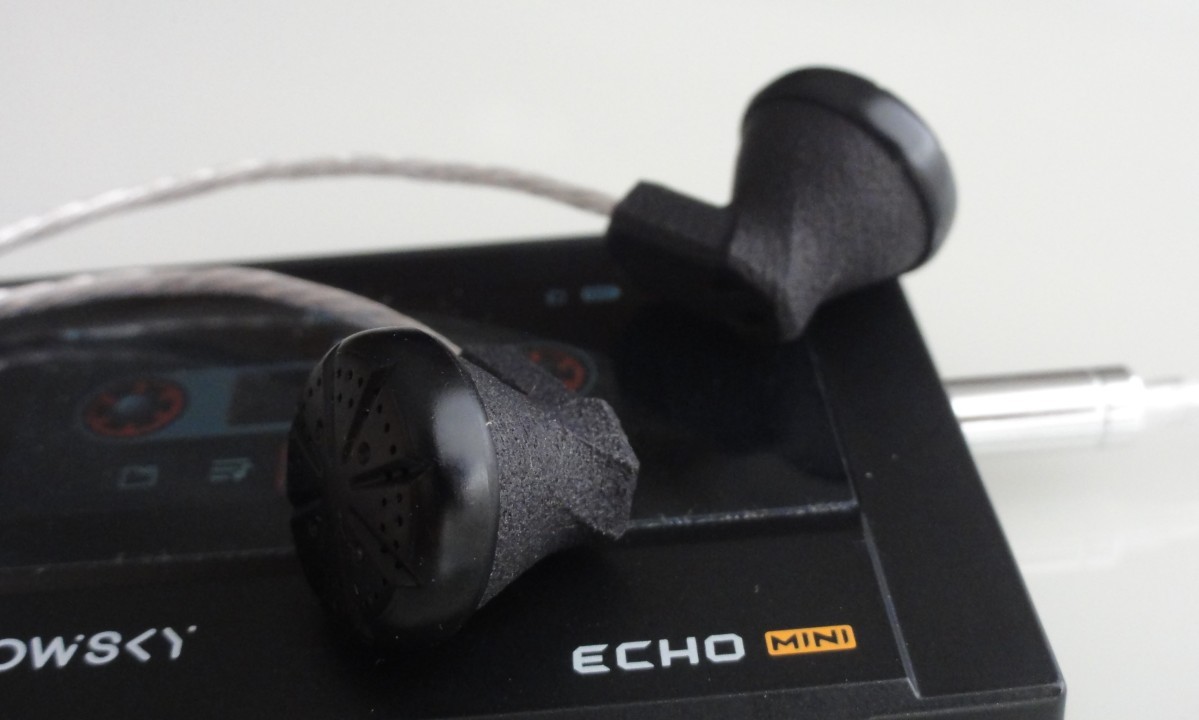 Kawano Sho flathead earbud and Snowsky Echo Mini DAP (Image: Vitor Valeri/Hi-Fi Hub)
The Kawano Sho is a flathead earbud that fits in the ears similarly to the EarPods that Apple sold with certain iPods. However, make no mistake: in terms of sound quality, the Sho is entirely different from the earbuds produced by the iPhone manufacturer. After using Kawano Audio’s earbud for several months, I feel confident enough to share my in-depth impressions of the Sho in this review.
Kawano Audio’s Meticulous Presentation of the Sho
Upon receiving the Sho, it is immediately apparent that careful attention has been paid to even the smallest details. It also became clear to me that this is a handcrafted product created by a headphone enthusiast. This was evident when I read the accompanying insert and saw that the earbud foams had been separated into labeled bags according to thickness: thin, medium, and thick.
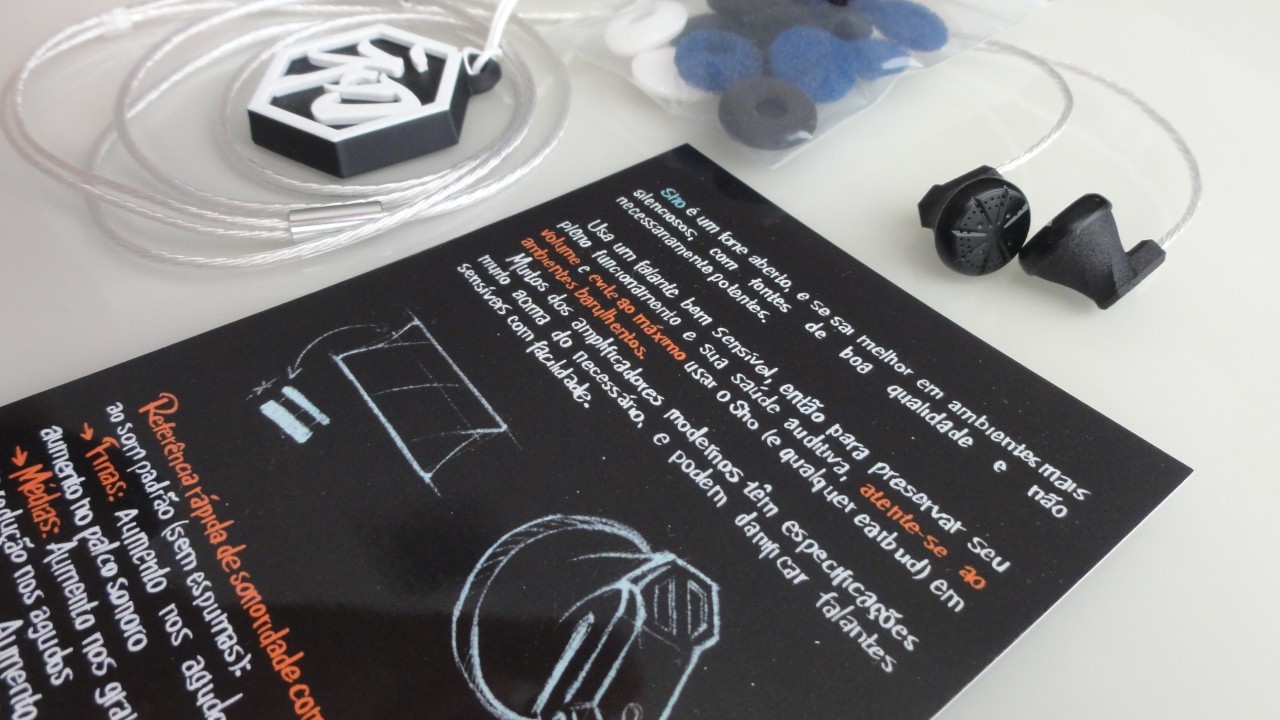
Another noteworthy aspect is that this Kawano Audio model is the first to have been developed virtually from the ground up by the Brazilian boutique manufacturer.[1] This explains the name “Sho,” which, in this context, means “beginning” or “first.” This will become easier to understand in the following section, in which I discuss the construction of this flathead earbud.
[1] In the audio industry, boutique companies are small manufacturers that produce goods in limited quantities. The founder is generally responsible for the entire development process of the models released.
The Sho’s Build Quality
The Sho’s housing was produced using 3D printing. This approach was chosen to extract the maximum possible performance from the driver selected for the product.
The cable used in the Sho is manufactured by QIGOM, and its selection was not arbitrary. According to the manufacturer, several cables were tested before the one ultimately used in the earbud was chosen.
Below, I discuss each of these components in detail and explain how they affect the user experience.
How the Sho’s Housing Is Manufactured
The technique used to manufacture the housing provided greater freedom when optimizing its acoustics, making it easier to achieve the intended sound signature. In addition, PA12 nylon was used to print the Sho’s housing. This material is highly resistant to moisture and temperature.
Lucas Kawano, who was responsible for developing the Sho, provided some insight into the earbud housing manufacturing process:
“The shell is manufactured at a factory using a machine that also relies on additive manufacturing, but it is not the same as FDM, which can be performed at home. Basically, the machine chemically ‘welds’ one layer at a time using a mixture of nylon powder and a material that resembles ink. As a result, it does not display the layer lines typically found in home 3D printing processes, such as FDM and SLA/resin printing.”
There is also a small detail on the Sho’s housing: the right earbud is marked with a small recessed circle engraved during the body’s 3D-printing process.
The Sho’s Rough Surface
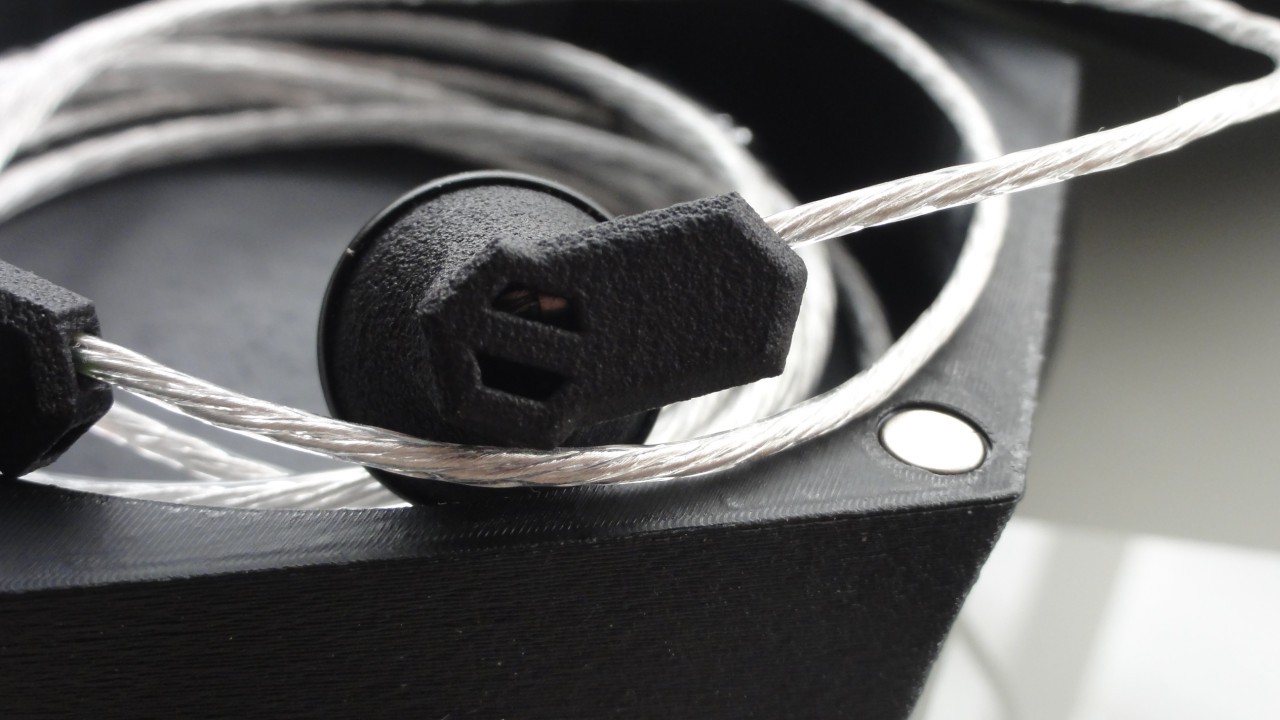
The Sho’s housing is not rough without reason. The manufacturer chose to give the earbud a rough surface to improve grip when it is fitted into the ear. In addition, this characteristic also contributed to the earphone’s internal acoustics.
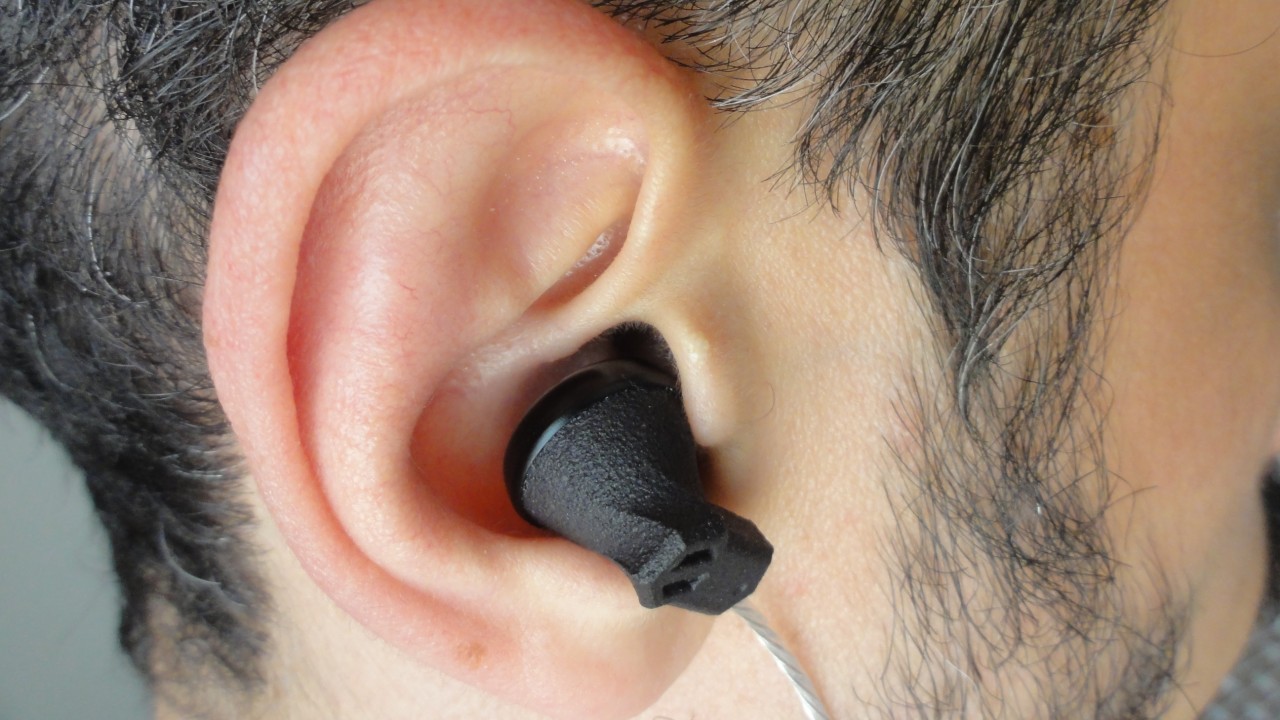
During the first few days of use, I was unable to achieve a particularly secure fit in my ears, despite the Sho’s rough surface. However, over the following weeks, I gradually discovered the best way to position it in my ears, and I can now say that this is no longer a significant problem. The accumulation of dirt and residue may have helped improve the stability of the fit, as I did not use the foams.
The Qualities of the Cable Selected for the Sho
The Sho’s cable is soldered directly to the driver, and its materials appear robust enough to last for years. However, durability is not the most important aspect of this component, as cable weight is what truly affects the use of a flathead earbud. If the cable is too heavy, keeping the earbud securely positioned in the ears becomes difficult because it can easily fall out.
Both the wires and the Y-splitter are extremely lightweight, which helps prevent the Sho from falling out of the ears.
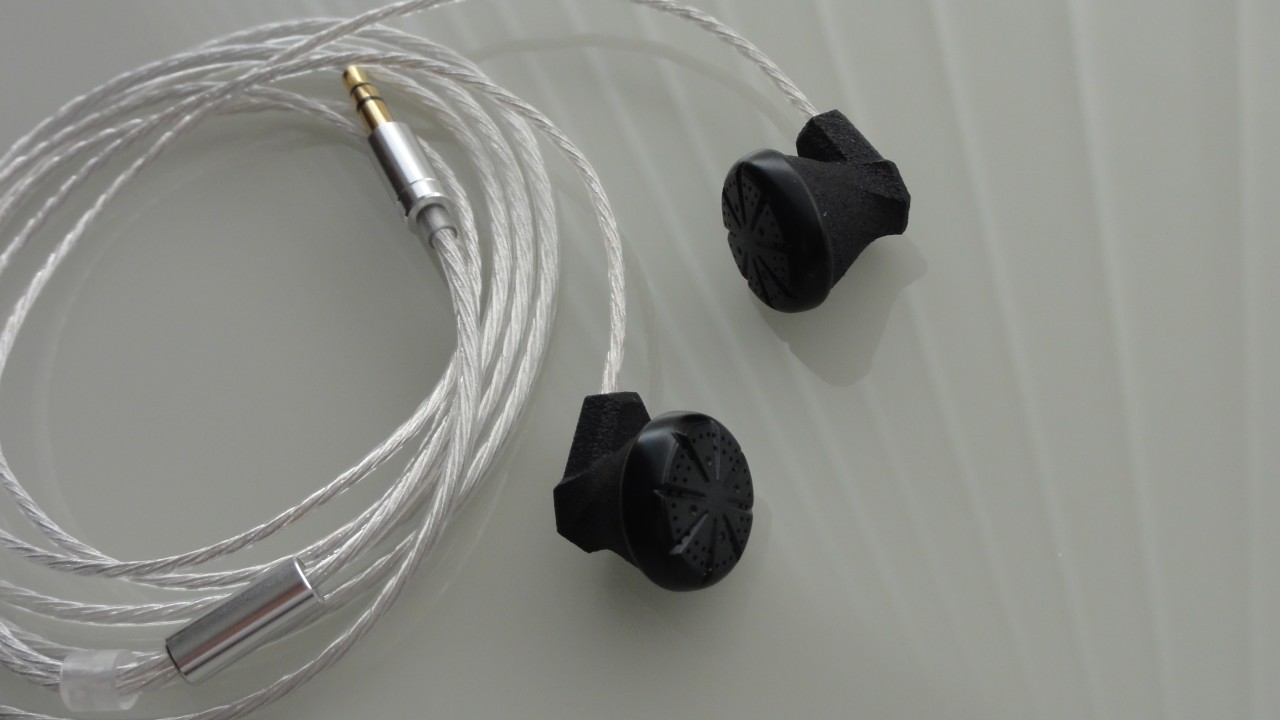
Nevertheless, not everything is perfect. The Sho’s cable jacket retains some memory, causing the cable to adopt a particular shape. This can make it more difficult to fit the earbud into my ears and connect it to my DAP (Digital Audio Player).
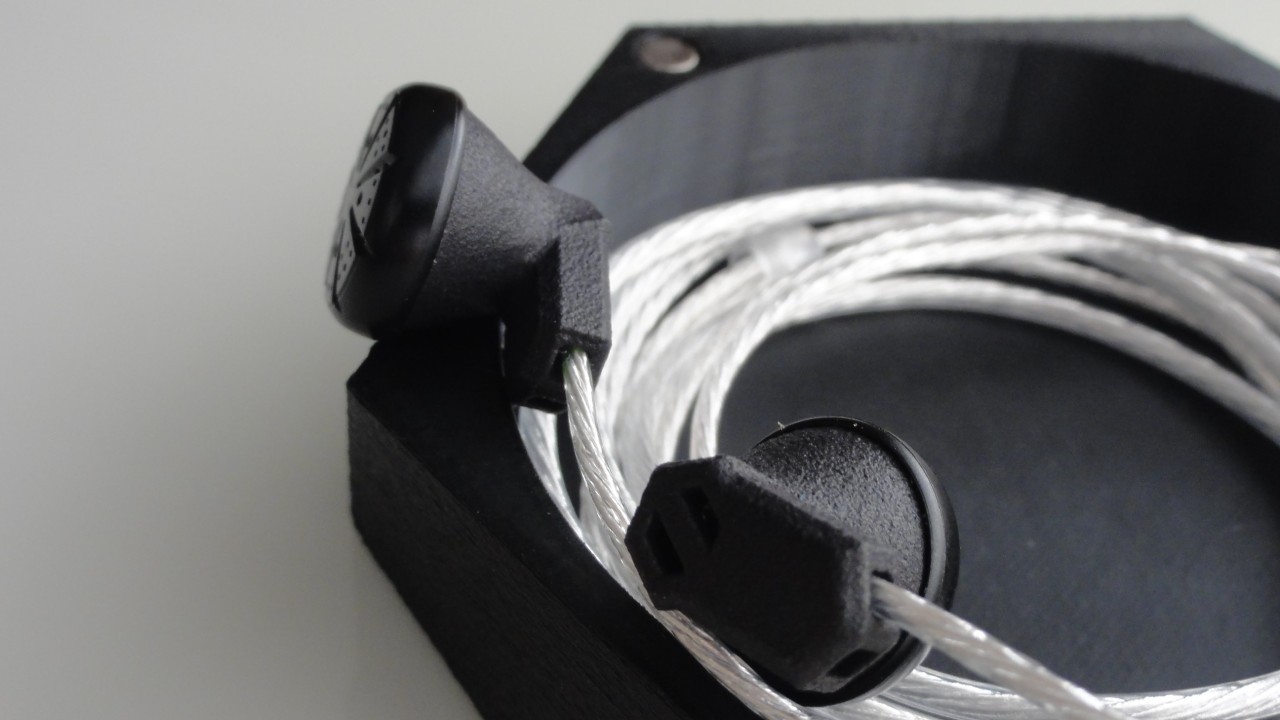
To minimize the Sho cable’s memory effect, I try to coil it very carefully into a circle approximately the same diameter as the case designed for the earbud. Below is a photograph of the earphone inside its case, which was also 3D-printed.
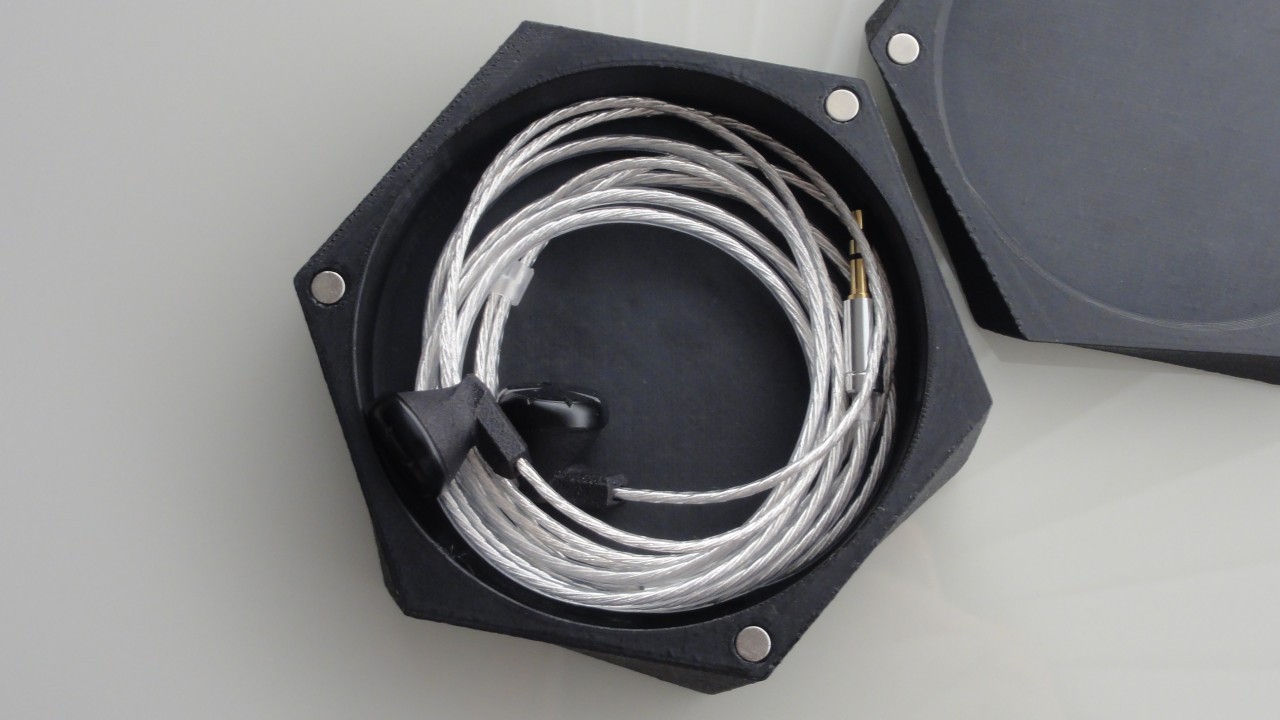
After removing the Sho from its case, I gently pull the cable several times so that it loses some of its coiled shape. This makes it easier to fit the earbud into my ears and connect it to the DAP.
Accessories Included with the Sho
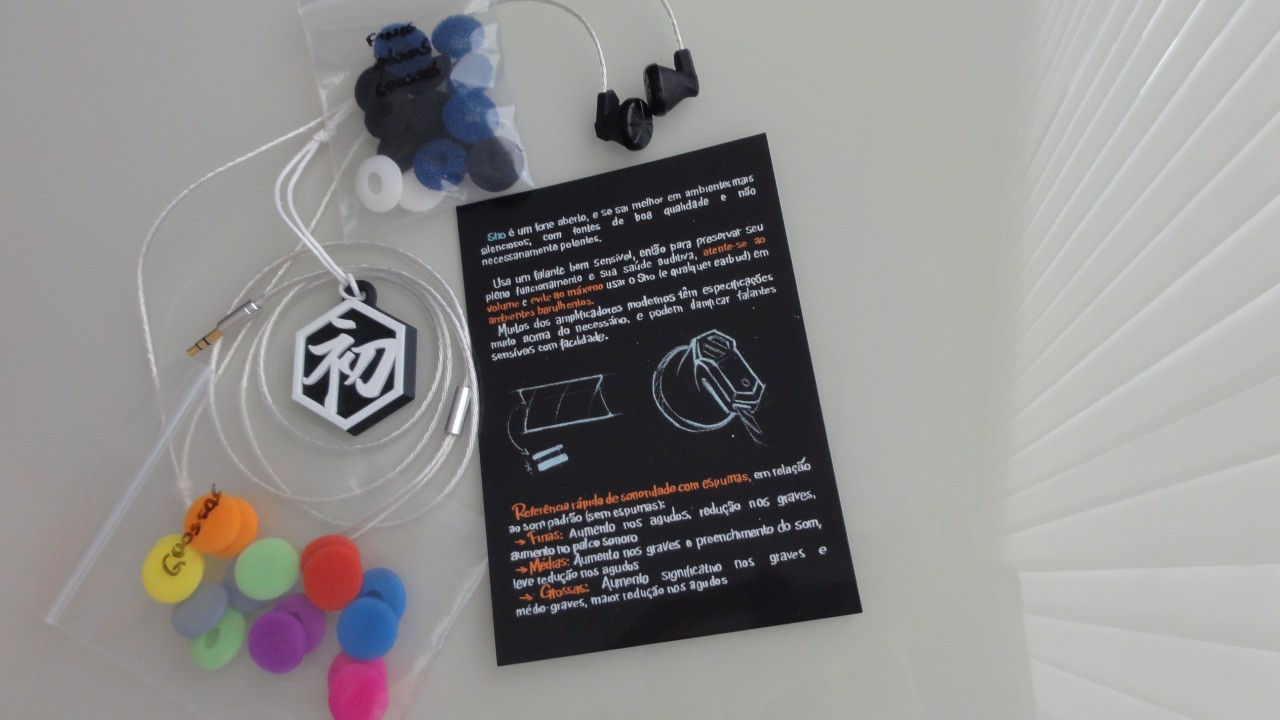
Inside the Kawano Sho’s box, several accessories are included with the earbud. These include multiple pairs of foams for physically equalizing the earphone’s sound, as well as a keychain and a storage case.
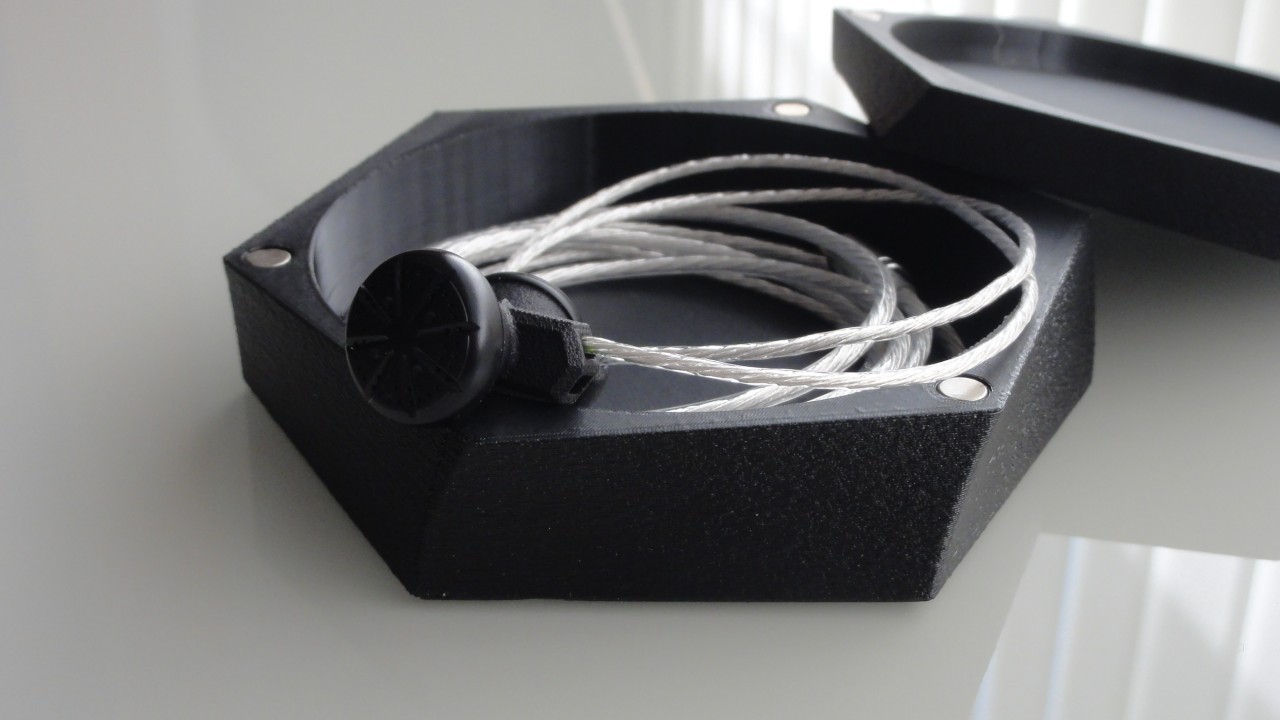
The storage case particularly caught my attention because it is 3D-printed. Its shape is also unusual, as its edges are asymmetrical and feature pronounced curves. In addition, it contains magnets that allow it to close in only one specific orientation. To attach or remove the lid, I bring it close to the base and rotate it to the left to open the case or to the right to close it.
The bag of foams contains pairs with different densities. Installing them on the earbud changes its sonic behavior. This is useful for achieving a sound signature that more closely matches the user’s personal preferences. Personally, I did not feel the need to use them, as will become clear in the following analysis of the Sho’s sound.
The Sound of the Kawano Sho
I did not use the foams included in the earbud’s accessory kit when evaluating the sound of the Kawano Sho. My intention was to hear the earphone’s “pure” sound. In addition, I was already highly satisfied with the sound signature obtained without the foams. The tests were conducted using the FiiO JM21 and Snowsky Echo Mini DAPs.
To better organize my evaluation of the Kawano Sho’s sound, I divided the analysis into sections covering the bass, midrange, and treble, as well as the soundstage and instrument separation. Throughout these descriptions, I also discuss the tonal balance of this flathead earbud.
Bass
The first noticeable characteristic of the Kawano Sho’s sound is that, unlike most flathead earbuds, it has a clear bass presence. This provides a better tonal balance when reproducing music that depends on low-frequency reproduction to avoid sounding thin. However, this is not the earbud’s only strength.
Regarding bass reproduction, it must also be noted that the low frequencies are not exaggerated. I perceive a satisfying degree of body, although it does not match that of an in-ear monitor. The Sho also delivers satisfactory punch in passages featuring sounds such as a drum kit’s kick drum. The result is low-frequency reproduction that connects coherently with the midrange and treble.
Midrange
Moving on to the midrange, I would describe it as natural and sweet, with excellent texture. The way this frequency range is reproduced reminds me of my Sennheiser HD 600, which I consider one of the greatest references for midrange timbre. This is also partly because the treble leaves nothing to be desired.
Treble
There is no aggressiveness in the high-frequency range. At the same time, I perceive good extension and naturalness when reproducing sounds such as drum cymbals. This balance between detail retrieval and the absence of harshness won me over. Furthermore, I found the treble timbre highly pleasing because it does not produce a sense of coldness.
Soundstage and Instrument Separation
Finally, I must discuss the Sho’s remarkable sound separation and soundstage. Its presentation reminds me more of over-ear headphones than in-ear monitors. The layering and positioning of instruments are remarkable for an earphone of this size.
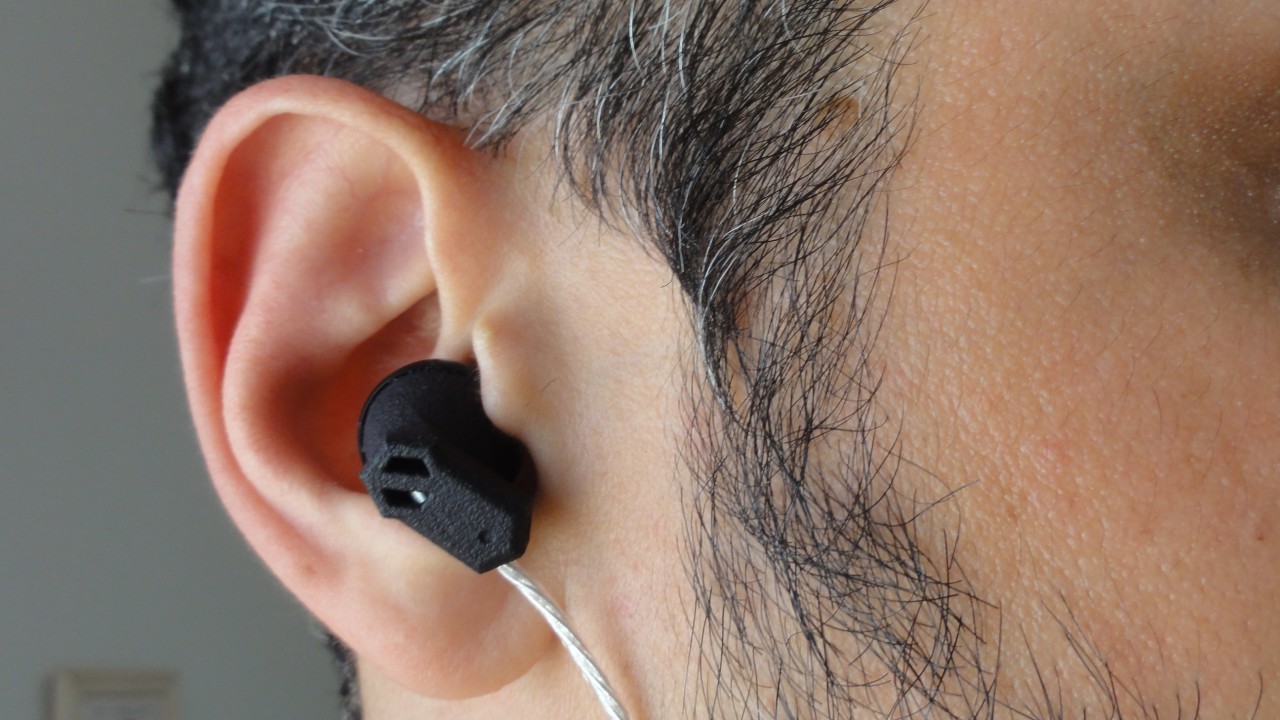
I believe the Sho’s performance in rendering a recording’s soundstage is related to the way it rests within the concha of the ear. Instead of being positioned close to the ear canal, the earbud remains slightly farther away. I believe this creates a strong sense of “air,” as the sound disperses more naturally than it does with an in-ear monitor.
The Sho’s Performance with Different Playback Sources
One aspect I noticed is that the Sho is strongly influenced by the device used for music playback. This earbud benefits from greater output power than that typically provided by the headphone output of a laptop or smartphone.
When I connected the Sho to the Snowsky Echo Mini DAP, I found that the treble became thinner and the bass lost impact. Although the treble still exhibited an appealing degree of brightness, the presentation lacked the strong dynamics that I perceived when using my FiiO JM21.
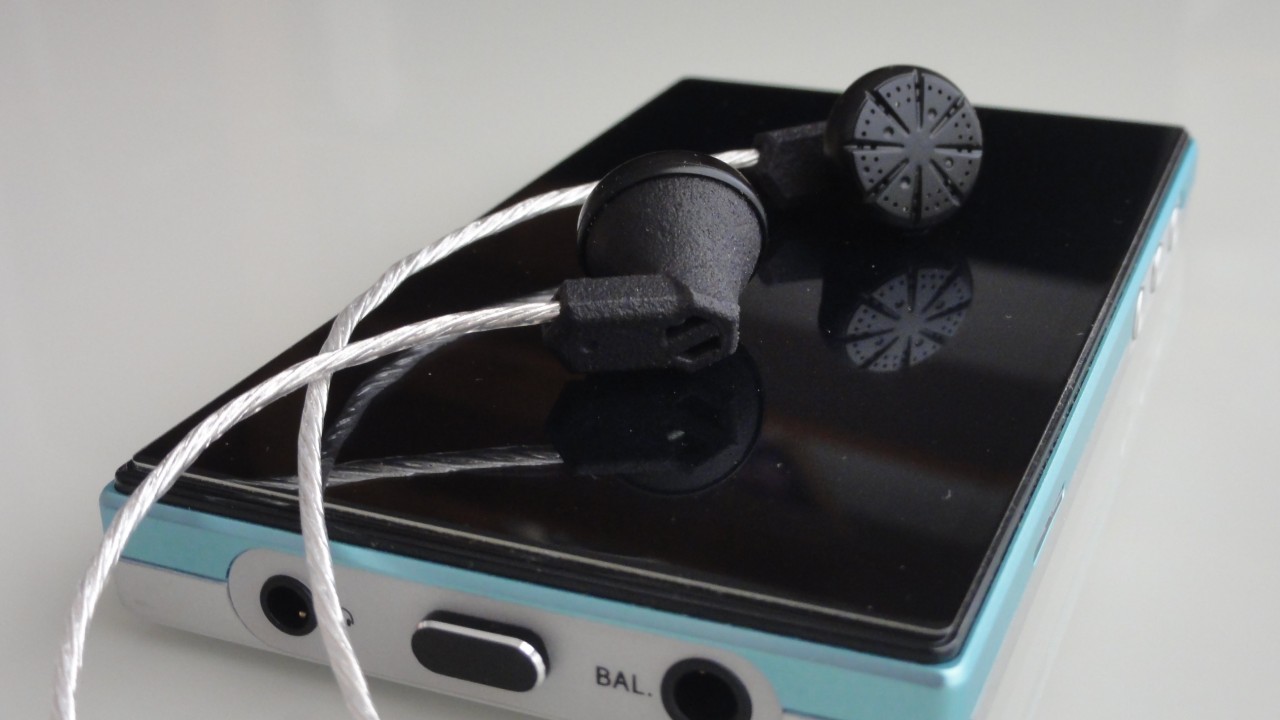
With the FiiO JM21, the Sho sounds exceptionally clear and delivers good dynamics, with powerful bass and extended treble. I obtained better results after changing the gain setting from low to medium, so I recommend testing this setting on your DAP.
Conclusion
The Kawano Sho is a flathead earbud that I found highly satisfying. It offers excellent comfort, a non-fatiguing sound signature, and exceptional music reproduction performance during extended listening sessions. I used it primarily while working, listening to music for an average of six hours per day.
As mentioned throughout this analysis, fitting the Sho into the ears may initially require some adjustment. However, it is simply necessary to be patient while determining how the earbud rests in the ears and to handle the cable carefully because it retains a certain degree of memory.
I believe the Sho is the best domestically produced option for those living in Brazil, even when its price is taken into account, because of the combination of build quality and sound it provides. For those living abroad, however, purchasing this flathead earbud can be expensive. Fortunately, there is a potential solution, which I explain below.
Where to Buy the Kawano Sho
To purchase the Kawano Sho, simply visit Kawano Audio’s official store through this link. Before doing so, however, I recommend reviewing the pricing information provided below.
How Much Does the Kawano Sho Cost?
In Brazil, the Kawano Sho costs R$500 in the version equipped with a 3.5 mm single-ended (SE) plug, which is the version evaluated in this review. The version with a 4.4 mm balanced plug costs R$550.
Converted into US dollars, the Kawano Sho with a 3.5 mm plug costs approximately US$97, while the version with a 4.4 mm plug costs approximately US$106. Because Kawano Audio is based in Brazil, international shipping is expensive, costing approximately US$50 on average. A group purchase provides a potential solution to this problem.
Group Purchases for Customers Outside Brazil
If you live outside Brazil, I recommend emailing [email protected] and announcing a group purchase. The idea is to designate a single address to receive the flathead earbuds ordered by residents of a particular country, allowing them to collect their orders or have them delivered through the domestic postal service. Naturally, the individual responsible for receiving the shipment would first be verified by Lucas Kawano, the founder of Kawano Audio.
No comments have been made yet, be the first!