

Sony Walkman DAPs: Series and Models Guide
From: Vitor Valeri
A headphone hobbyist for over 15 years, he founded the Hi-Fi Hub website and is an administrator of the "Fones High-End" and "Fones Low-End" groups on Facebook.


Published in: 04/08/26 at 13:39
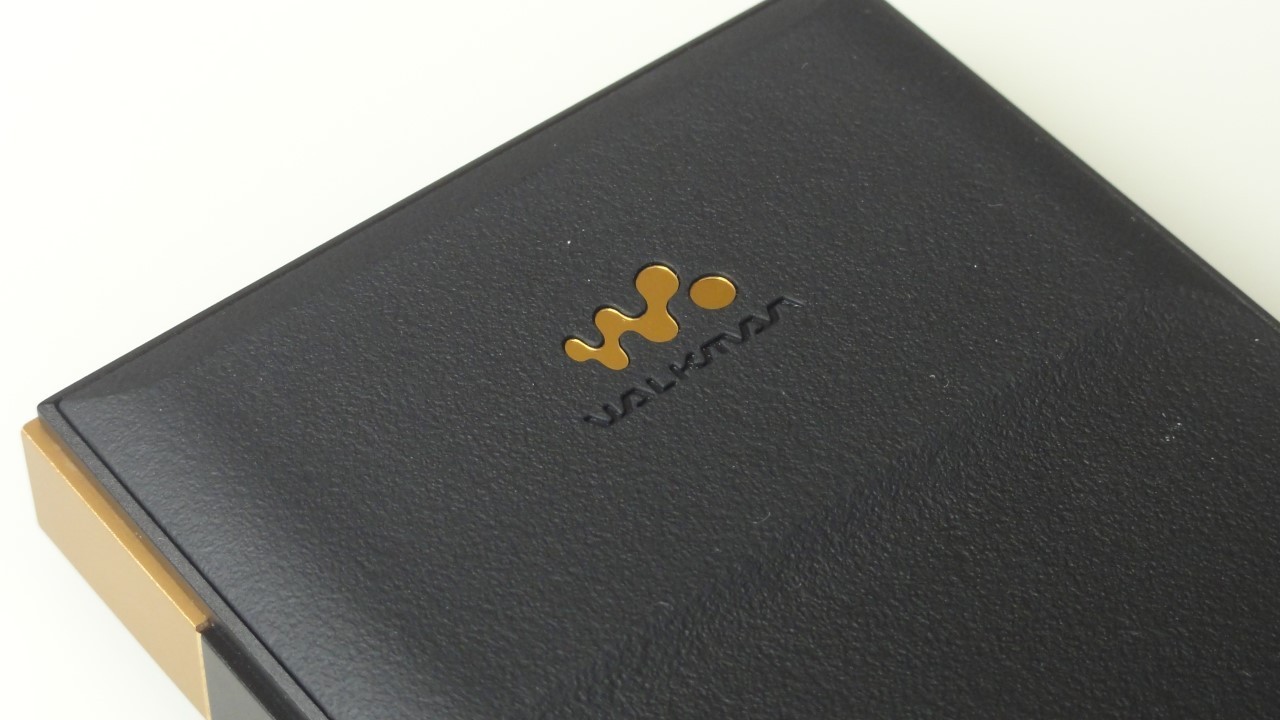 Sony NW-ZX707 (Image: Vitor Valeri/Hi-Fi Hub)
Sony Walkman Digital Audio Players (DAPs) regained popularity in 2026. This resurgence was driven by the search for a music-listening solution that does not depend on a smartphone, which is a source of distraction and anxiety for many people. The most recent Sony Walkman models released were those in the A300 and ZX700 series, although Sony is reportedly planning to launch a new series, the ZX900.
The First Sony Walkman DAPs
Sony’s first Digital Audio Player (DAP), or Portable Media Player (PMP), released under the Walkman name was the Memory Stick Walkman (NW-MS7). Launched in December 1999, the MS7 could only play the ATRAC (Adaptive Transform Acoustic Coding) audio format, which was developed by Sony itself.
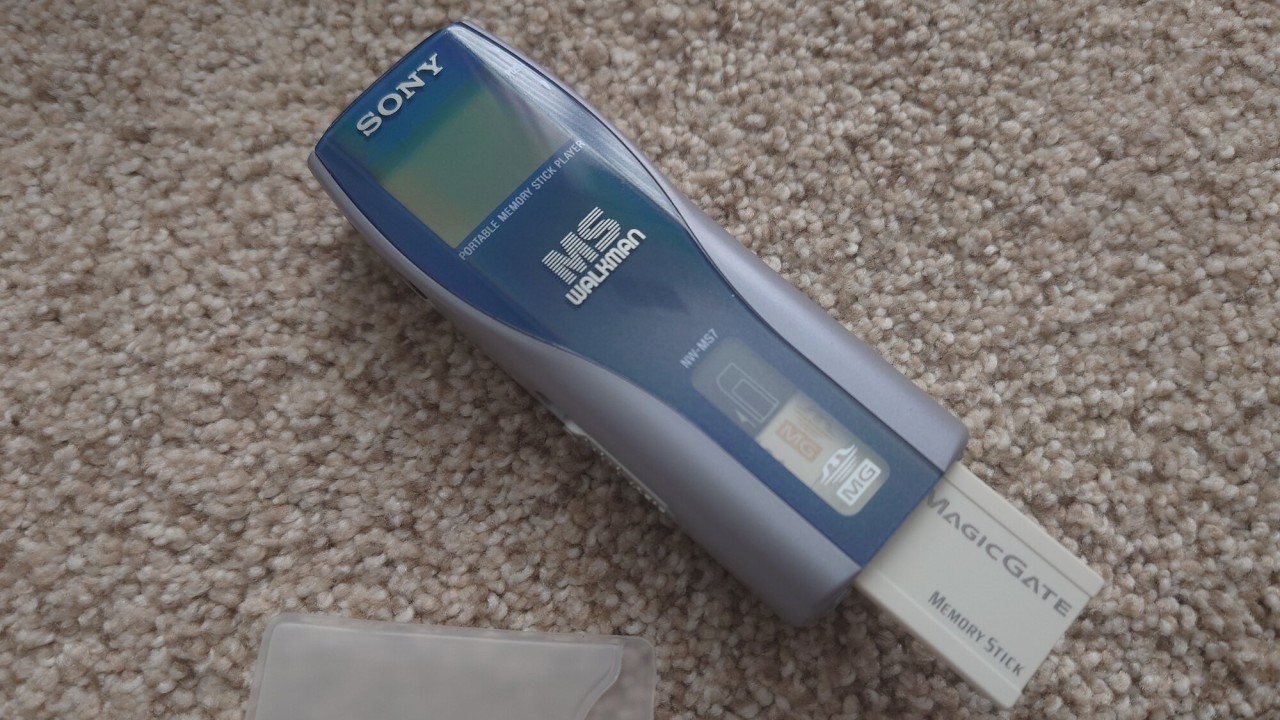
Sony did not release its first “MP3 player” until October 2001, with the NW-E7 and NW-E10 models.
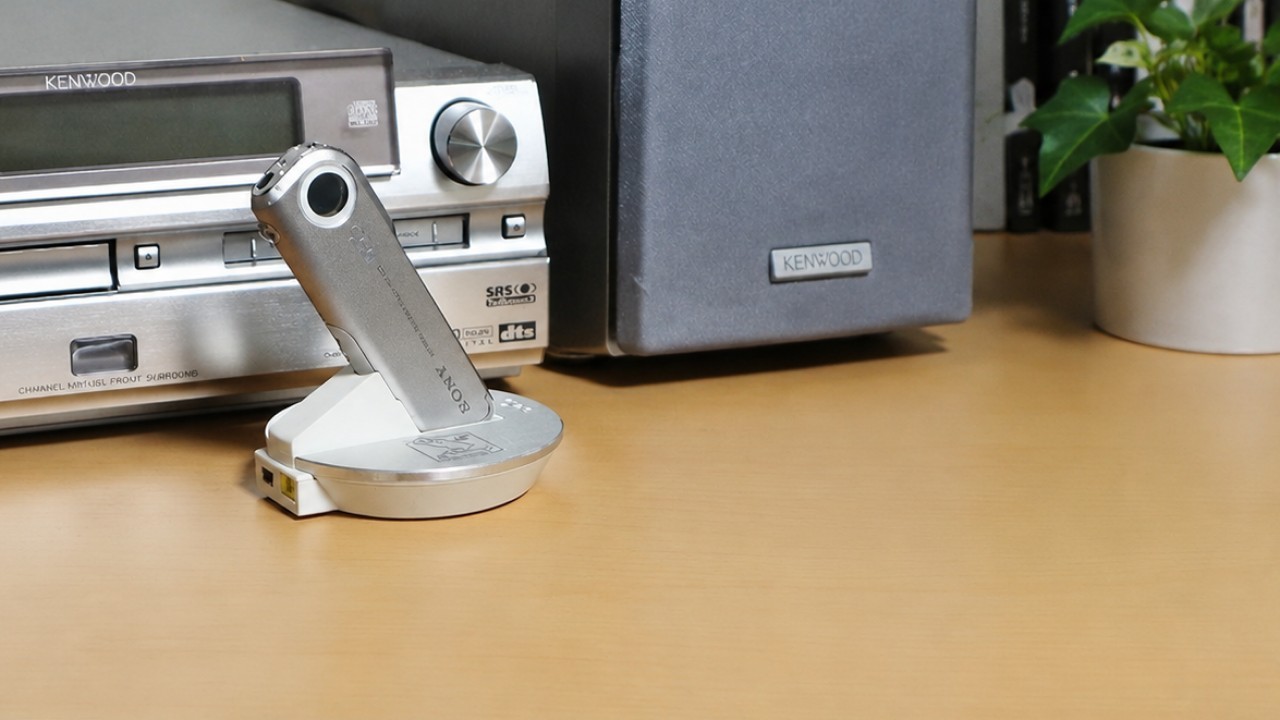
Sony Walkman DAP Series
Throughout the history of its Digital Audio Player releases, Sony introduced a total of 11 Walkman PMP series. Each series differs in terms of price, physical dimensions, and intended use. The following sections provide a brief overview of how these series differ to help readers determine which one to choose.
Ultra-Portable Sony Walkman DAPs
The smallest Sony Walkman DAPs ever produced are concentrated in the B, M, and W series. The earliest product lines in the E and S series also included compact models, although their dimensions increased over time. It should be noted that none of these Sony Walkman DAP series support music streaming. Consequently, local file playback is the only available option [1].
Another important consideration regarding the B, E, M, S, and W series is that none of them includes a memory card slot. In other words, the storage capacity of the models listed below cannot be expanded.
[1] Local music file playback refers to playing album tracks stored in the internal memory of the Digital Audio Player (DAP).
Sony Walkman B-Series DAPs
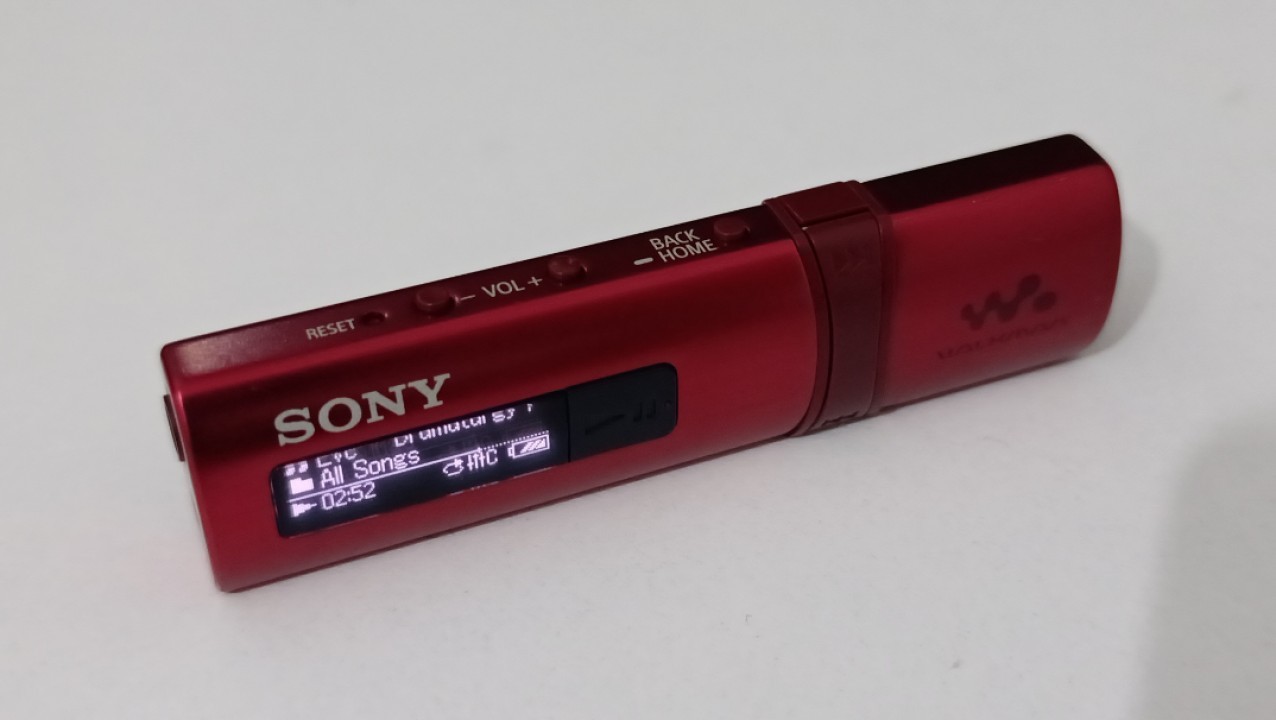
Sony Walkman B-series DAPs were positioned as entry-level products. Their main focus was on ultra-portable players with a form factor similar to that of a USB flash drive.
The first B-series product line was the B100, released in 2007. The NW-B103 and NW-B105 models offered 1 GB and 2 GB of storage, respectively.
The final B-series product line, the B180, was released in 2014 and included the NW-B183 and NW-B183F. Both models have 4 GB of internal memory and a battery life of up to 20 hours. The NW-B183F variant also includes an FM radio.
Ultra-Portable Sony Walkman E-Series Product Lines
As the series that included Sony’s first DAP capable of playing MP3 files, the Sony Walkman E series changed considerably in size over the years. The earliest models featured a chassis similar to that of a USB flash drive, while later versions nearly doubled in size.
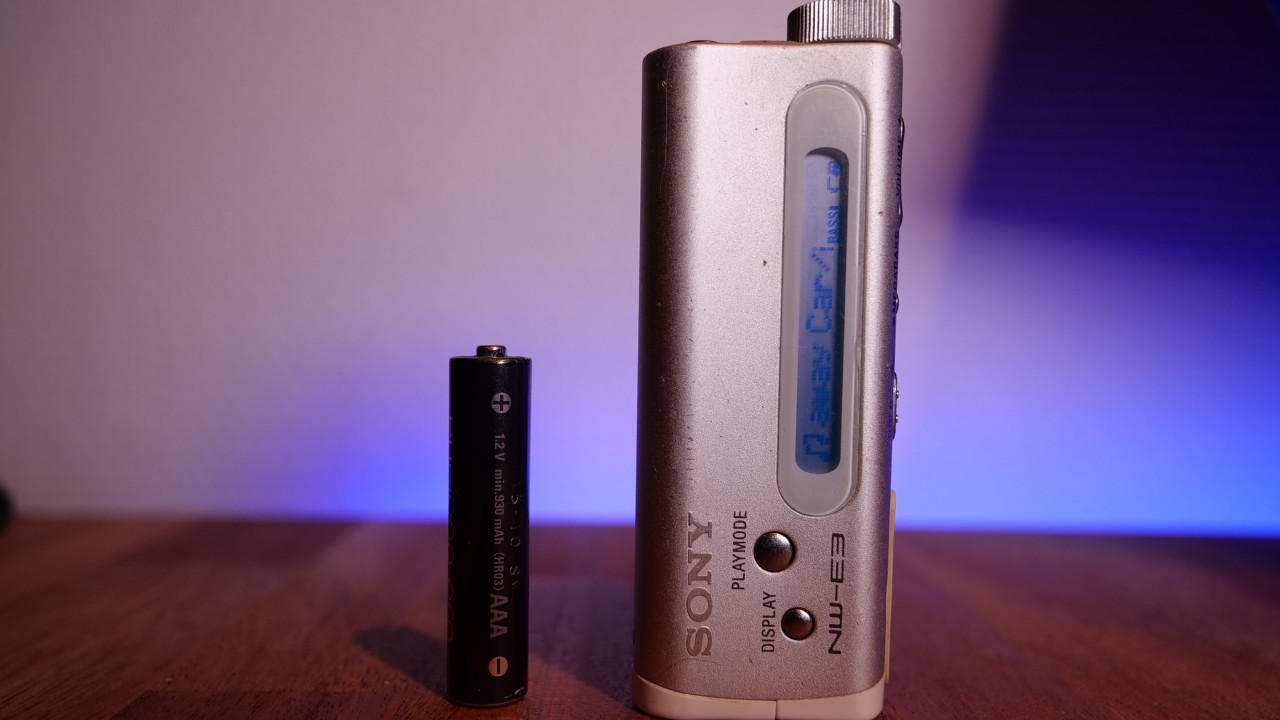
The first E-series models were released in Japan in 2000. Although they were still considered ultra-compact players, they were slightly wider than a conventional USB flash drive. Maximum storage capacity was only 96 MB in the NW-E5. Sony also released 64 MB and 32 MB variants, the NW-E3 and NW-E2, respectively.
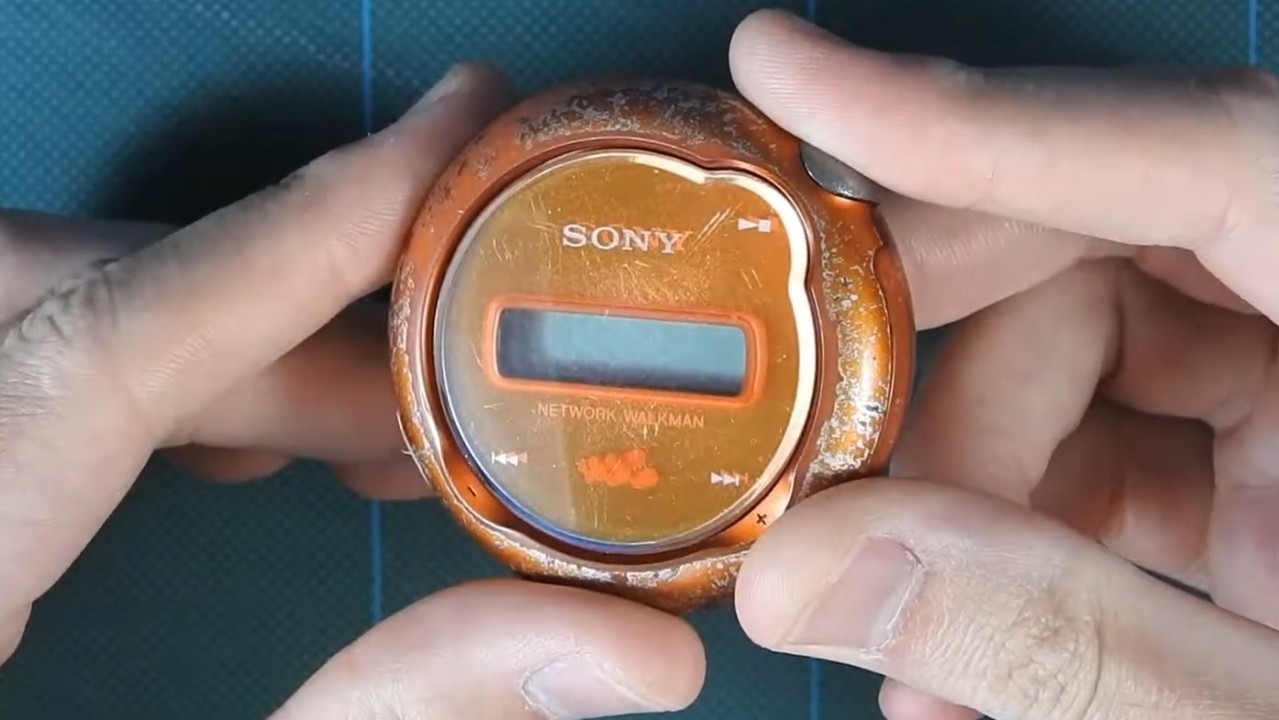
One particularly important E-series product line was the E100, also known as the “Walkman Circ.” Released in 2005, the E100 line was designed to compete with Apple’s iPod Shuffle. It consisted of the NW-E103 (256 MB), NW-E105 (512 MB), and NW-E107 (1 GB). Its circular shape was approximately the size of a compass.
The E-Series Product Lines Inspired by Perfume Bottles
In the same year in which the Walkman Circ was released, Sony introduced the E400 and E500 product lines. According to the manufacturer, the design of the “Walkman Core,” as the line was known at the time, was inspired by perfume bottles.
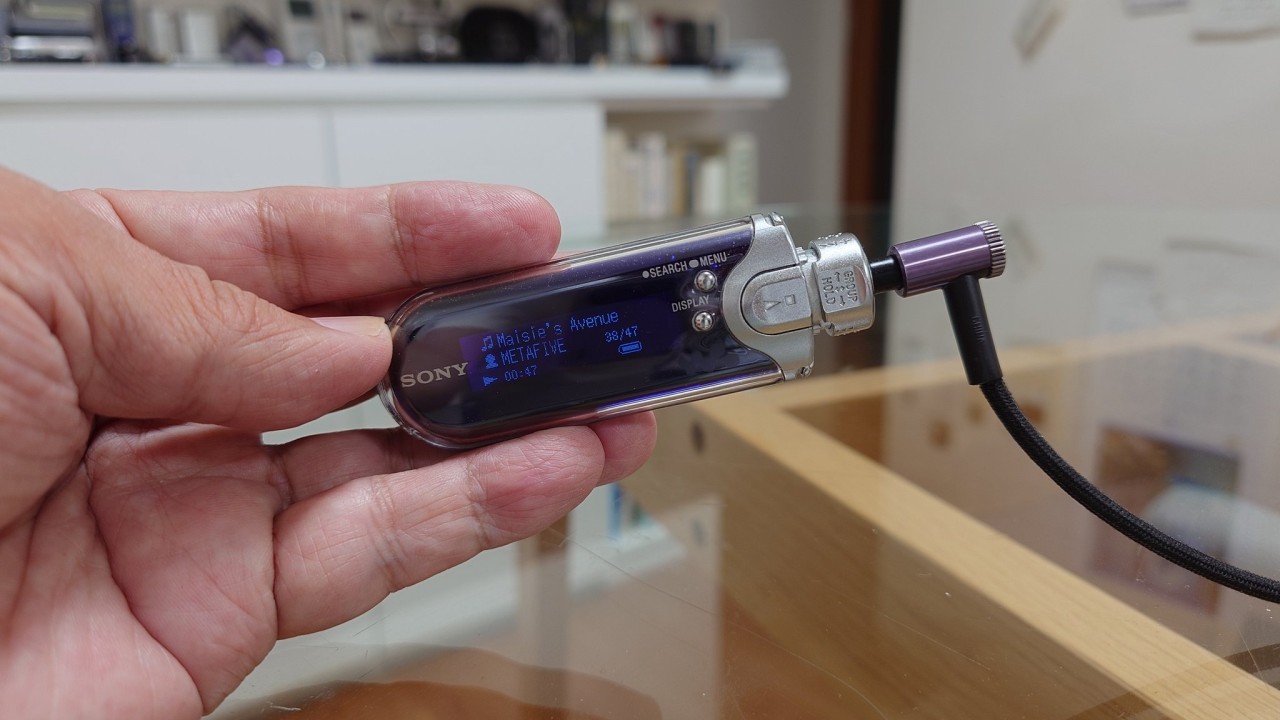
The Walkman Core models featured a rotating physical control that could also be pressed, known as the “Jog Dial.” This mechanism allowed users to navigate the menu with one hand.
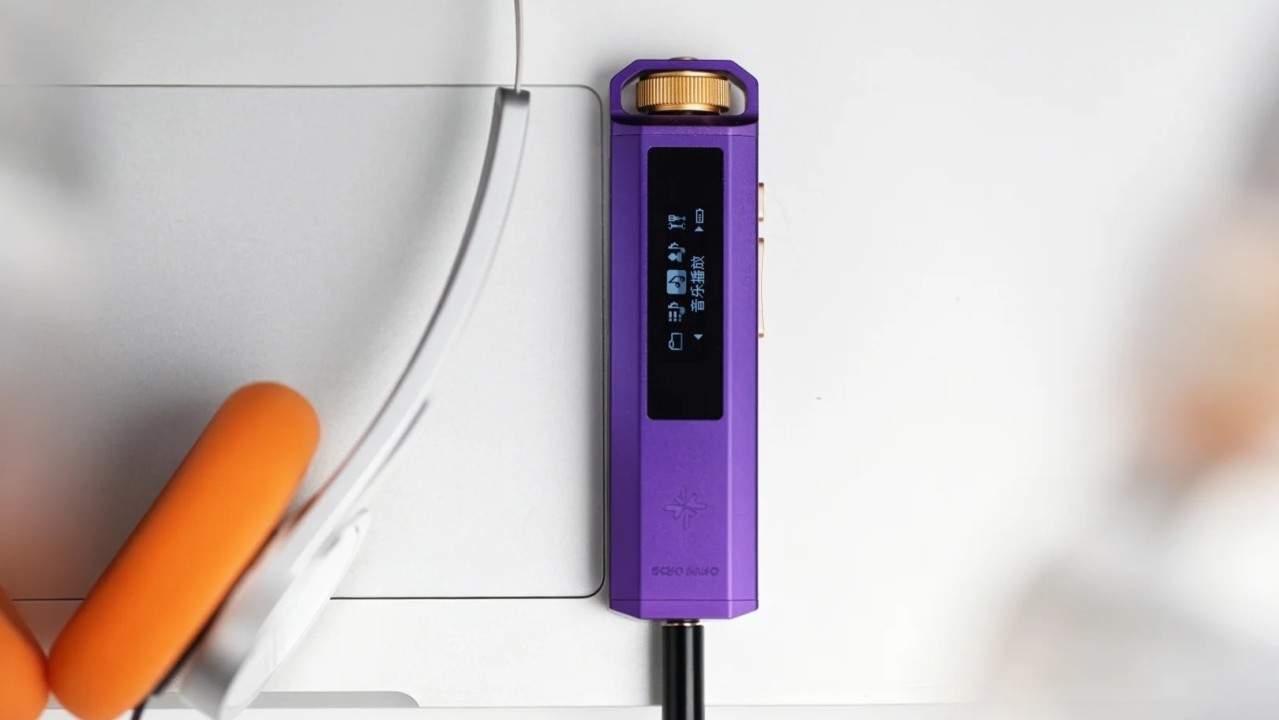
Inspired by the perfume-bottle design and rotating control, Chinese manufacturer FiiO later released the Snowsky Echo Nano DAPs.
The Final E-Series Product Line With a USB Flash Drive Form Factor
The final E-series models released with a USB flash drive-style design belonged to the E040 product line. Introduced in 2009, the series was available in 8 GB (NW-E044), 4 GB (NW-E043), and 2 GB (NW-E042) variants.
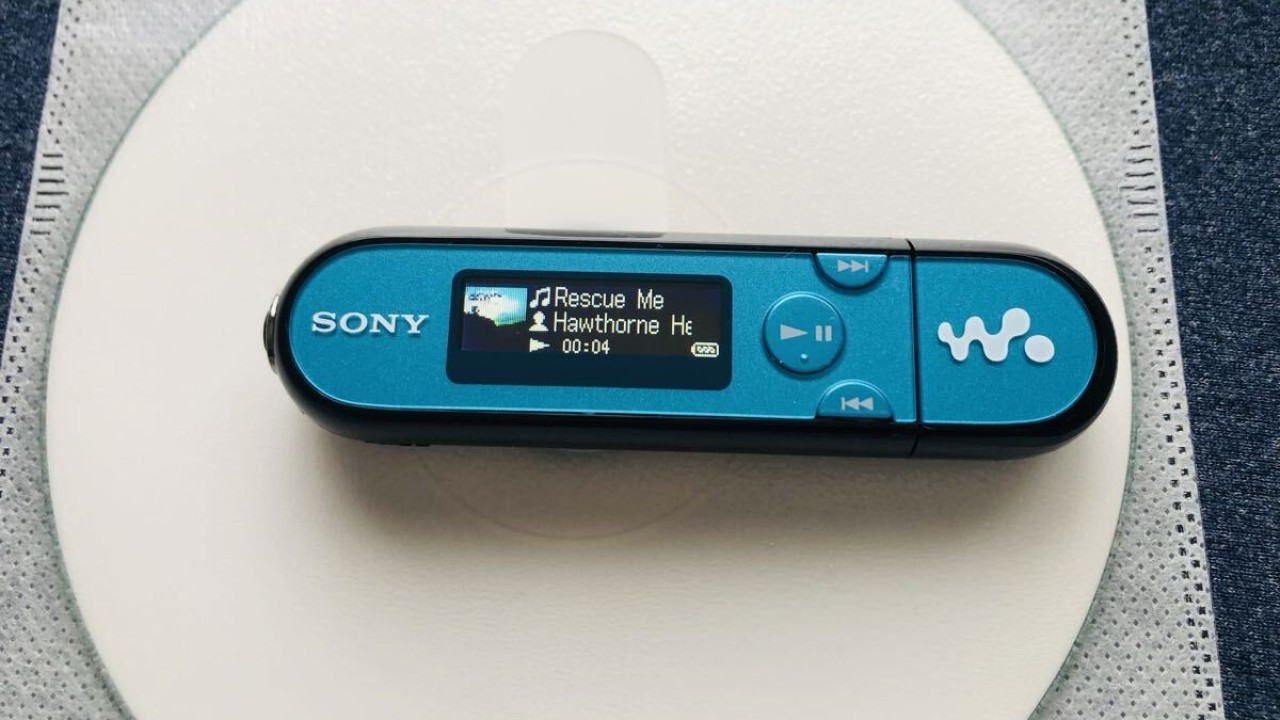
Walkman M-Series DAPs
The Sony Walkman M series consists solely of the M500 product line. Its only model is the NW-M505, released in 2013.
With a form factor similar to that of a USB flash drive, the M505 follows a design comparable to that of the E020 and E040 product lines. However, the build quality and features of the NW-M505 are superior to those of models such as the NW-E044 and NW-E023.
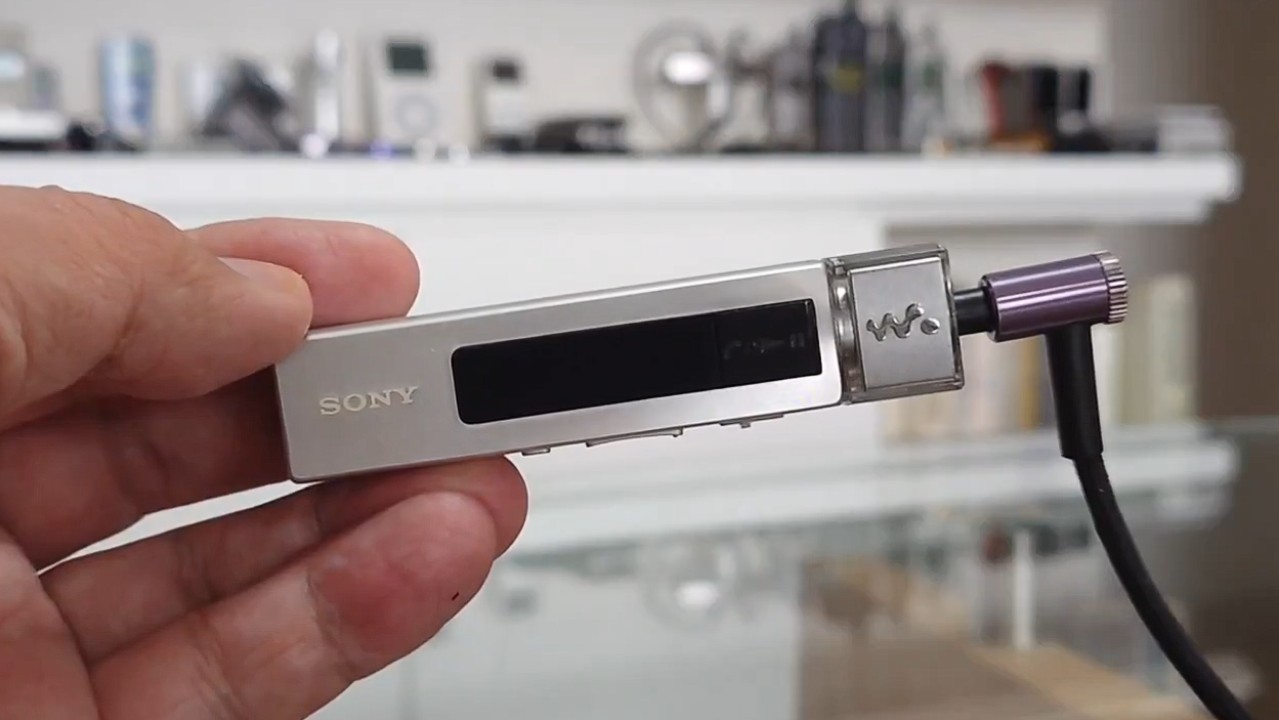
Ultra-Portable Walkman S-Series Product Lines
The S series includes three ultra-portable Sony Walkman DAP product lines: the S200, S600, and S700.
The cigar-shaped S200 line, released in 2006, consists of the NW-S205 (2 GB), NW-S203 (1 GB), and NW-S202 (512 MB).
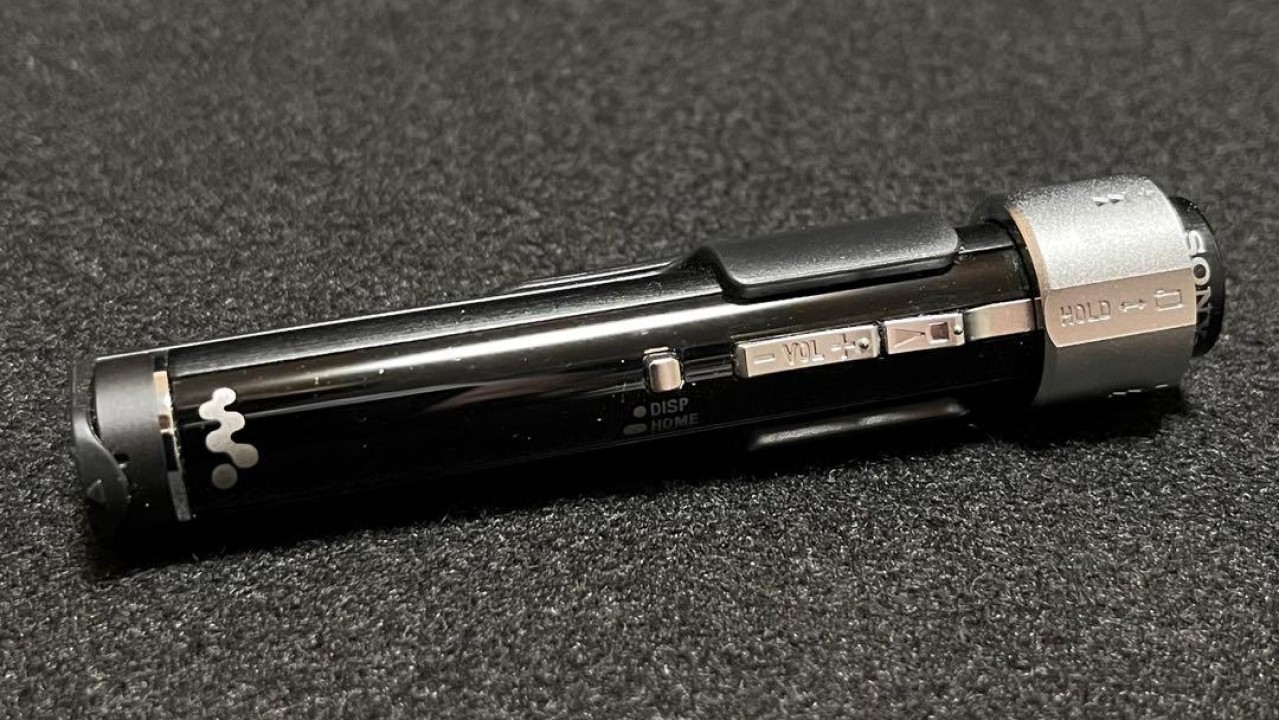
The S600 and S700 lines, also released in 2006, feature a form factor similar to that of a USB flash drive. Their design resembles that of the E500 and E400 lines, which were inspired by perfume bottles. These lines include the NW-S603 (1 GB), NW-S605 (2 GB), NW-S703F (1 GB), NW-S705F (2 GB), and NW-S706F (4 GB).
Sony Walkman W-Series DAPs
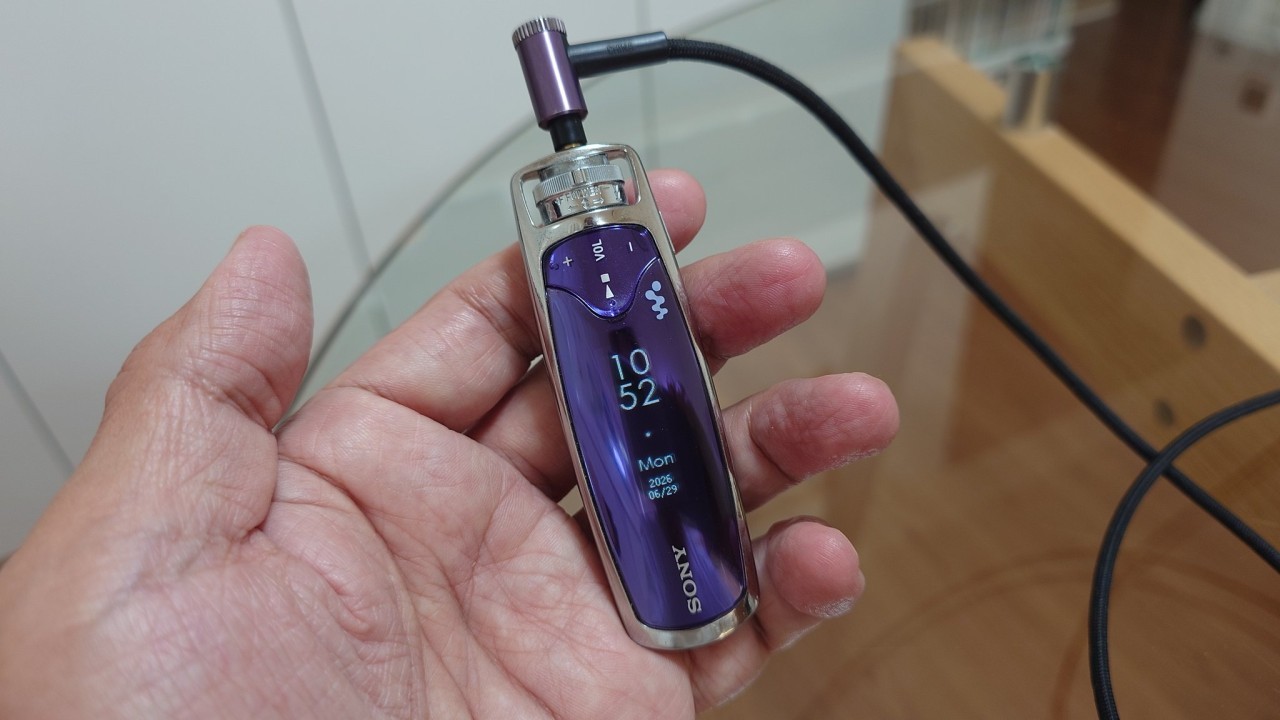
Focused on wearable Walkman DAPs, the W series resembles wireless sports-oriented Bluetooth In-Ear Monitors (IEMs). However, its purpose is to provide a complete solution that allows users to store music files and control album-track playback. These music players had a headband-like design that passed behind the head.
The first W-series product line was the W250, released in 2011. It included a 4 GB model, the NW-W254, and a 2 GB model, the NW-W253.
The final W-series product line, the WS620, was released in 2017 and included the NW-WS625 (16 GB) and NW-WS623 (4 GB). One of their distinguishing features was the ability to use them while swimming. However, although they support Bluetooth, wireless transmission cannot be used underwater, and music must therefore be played from local storage.
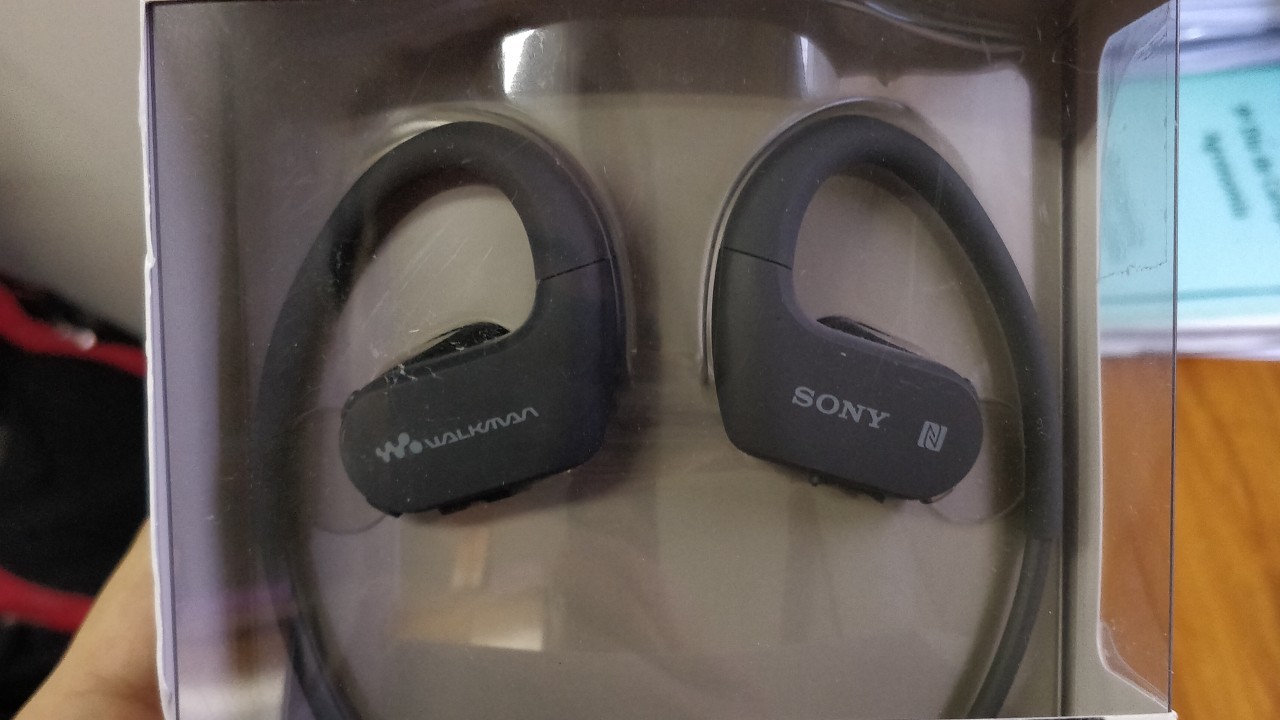
Sony Walkman DAPs Larger Than Ultra-Compact Models but Still Thin and Lightweight
The A, E, F, S, X, and Z Walkman DAP series can still be considered portable options. Their main advantage lies in the combination of performance, low weight, and compact dimensions.
Sony’s First Flagship DAP Series: The A Series
Before the introduction of the ZX series in 2014, Sony’s A-series Walkman DAPs represented the company’s flagship Digital Audio Player line.
The Walkman A series included models running Sony’s proprietary operating system as well as models based on Android. Its price range has generally remained accessible. Compared with the ZX and WM1 series, which are discussed later, A-series products are typically less expensive.
Product Lines Without Touchscreens and With Sony’s Operating System
The earliest Sony Walkman A-series product lines relied exclusively on physical buttons for navigation. In addition, their operating system was developed internally by Sony rather than being based on third-party software.
The first A-series product lines were the A1000 and A3000. Released in 2005, they included the NW-A1000 (6 GB), NW-A1200 (8 GB), and NW-A3000 (20 GB). These models used a Hard Disk Drive (HDD) for data storage rather than flash memory.
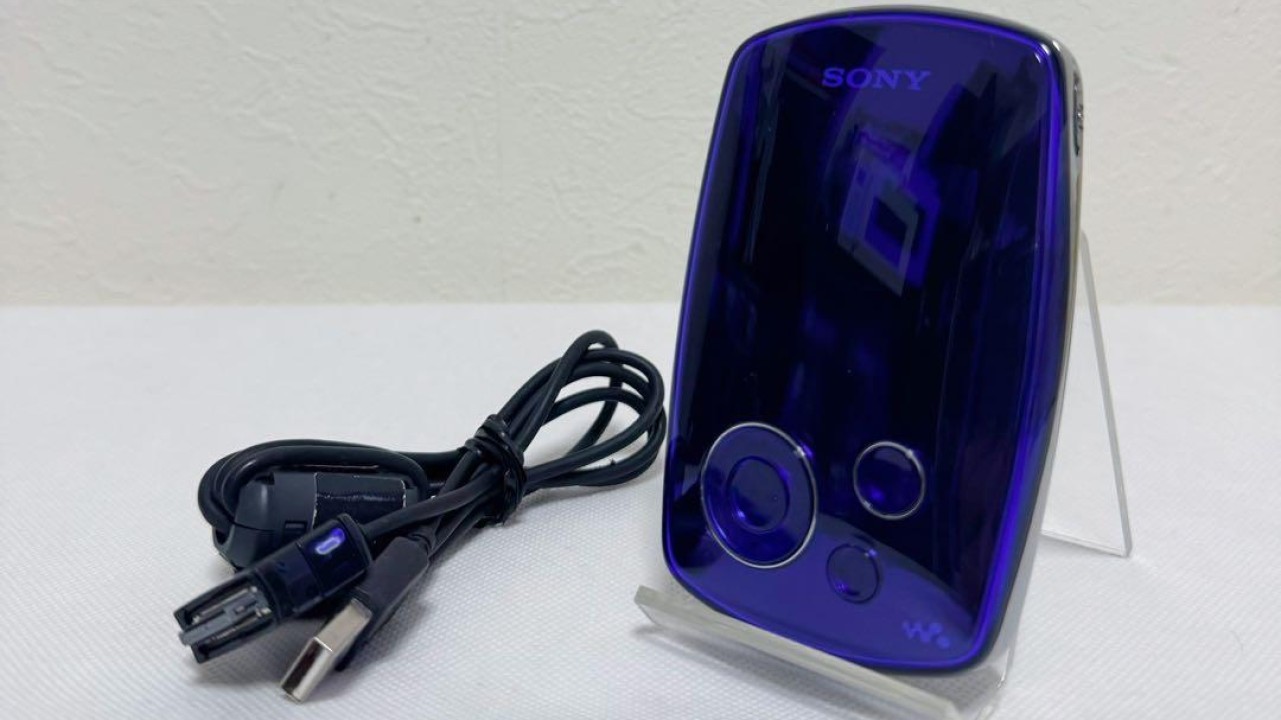
The proprietary USB cable used by the first A-series product line was the WMC-NW10MU. Sony later adopted the WMC-NW20MU USB cable.
The final Sony Walkman A-series product lines without touchscreens, without Android, and operated exclusively through physical buttons were the A10 and A20. These lines also included a microSD card slot, NFC support, FLAC playback, and support for the LDAC Bluetooth codec. Readers interested in purchasing more recent Sony Walkman DAPs with these characteristics should look for the following models:
• NW-A15 (16 GB)
• NW-A16 (32 GB)
• NW-A17 (64 GB)
• NW-A25 (16 GB)
• NW-A26HN (32 GB)
• NW-A27HN (64 GB)
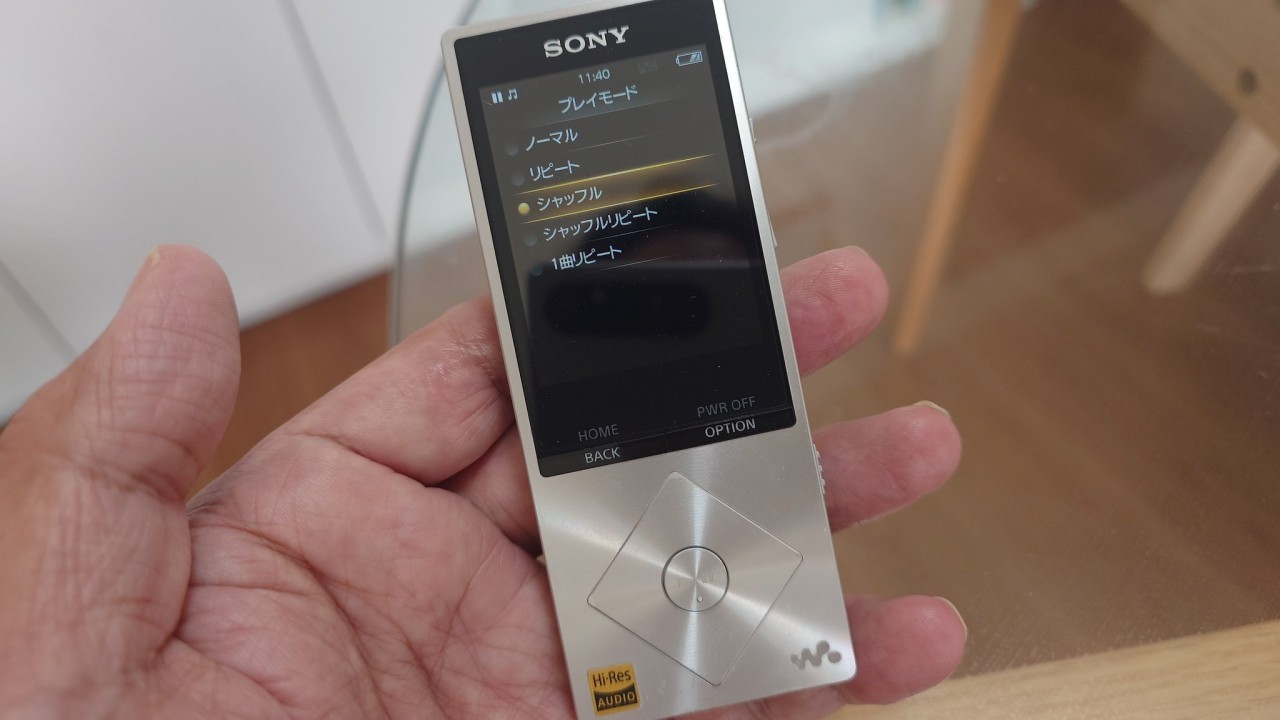
It is important to note that the Sony Walkman NW-A10 product line was released in 2014, while the NW-A20 line was introduced in 2015.
All NW-A10 and NW-A20 models use Sony’s proprietary USB connection, known as WM-PORT, and require the WMC-NW20MU cable.
Product Lines With Touchscreens and Sony’s Operating System
Beginning in 2016, Sony Walkman A-series DAPs gained touchscreens while retaining the operating system developed by Sony. The A30, A40, and A50 product lines share these characteristics, although there are some differences in features among them.
In the A30 product line, released in 2016, the touchscreen was the only major addition. The microSD card slot, NFC support, FLAC playback, and LDAC codec support were retained. The models were as follows:
• NW-A35 (16 GB)
• NW-A36HN (32 GB)
• NW-A37HN (64 GB)
The A40 product line, released in 2017, retained the features of the A30 series and added USB DAC mode and support for the aptX codec. The models were as follows:
• NW-A45 (16 GB)
• NW-A46HN (32 GB)
• NW-A47 (64 GB)
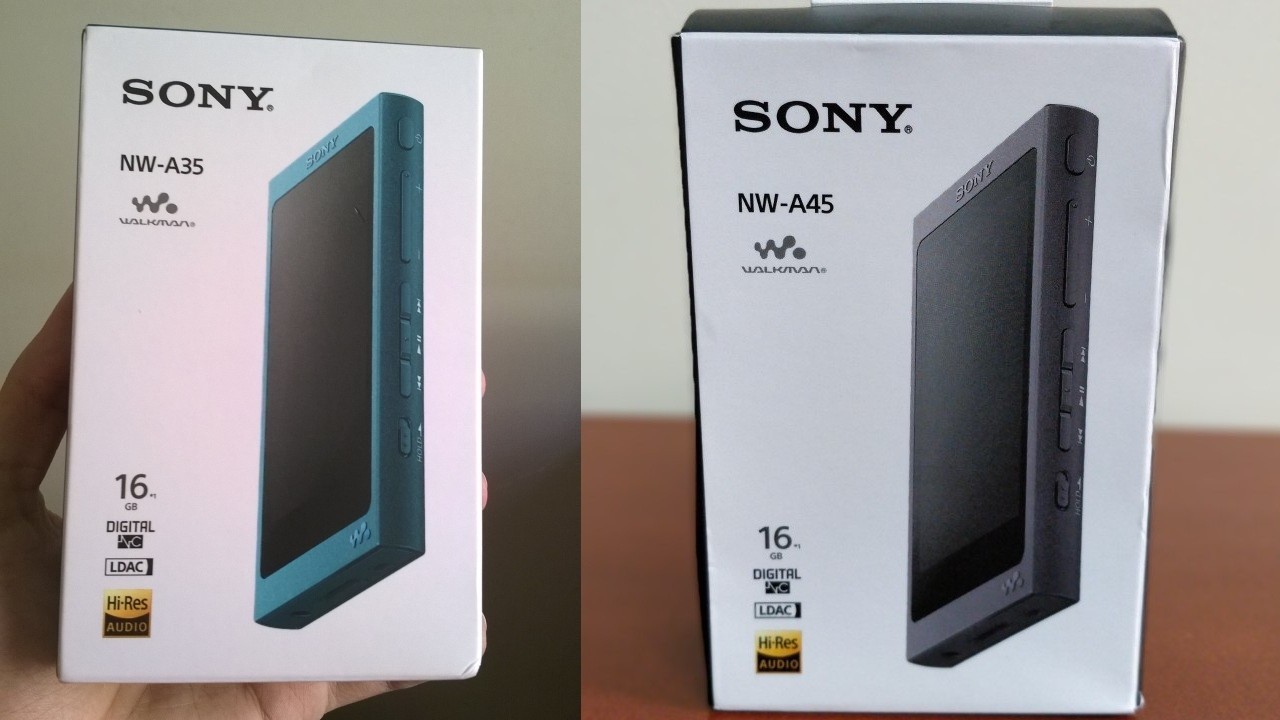
The A50 product line, released in 2018, retained the features of the A40 series and added FM radio functionality, except in the NW-A55L model.
• NW-A55 (16 GB)
• NW-A56 (32 GB)
• NW-A57 (64 GB)
All NW-A30, NW-A40, and NW-A50 models use Sony’s proprietary WM-PORT USB connection and require the WMC-NW20MU cable.
Product Lines With Touchscreens and Android
The first Walkman A-series DAP product line to use the Android operating system was the NW-A100. Released in 2019 with Android 9, the A100 line replaced Sony’s proprietary WM-PORT USB connection with a USB-C port. However, FM radio support, which had been available in the NW-A50 line, was removed.
Only with the NW-A100 line did users gain access to the Google Play Store and the ability to install any music streaming application. As a result, applications such as Spotify, Deezer, Apple Music, YouTube Music, Amazon Music, Tidal, Qobuz, and others can be installed.
The Sony Walkman NW-A100 DAP models are listed below:
• NW-A100TPS (40th Anniversary Edition) (16 GB)
• NW-A105 (16 GB)
• NW-A106 (32 GB)
• NW-A107 (64 GB)
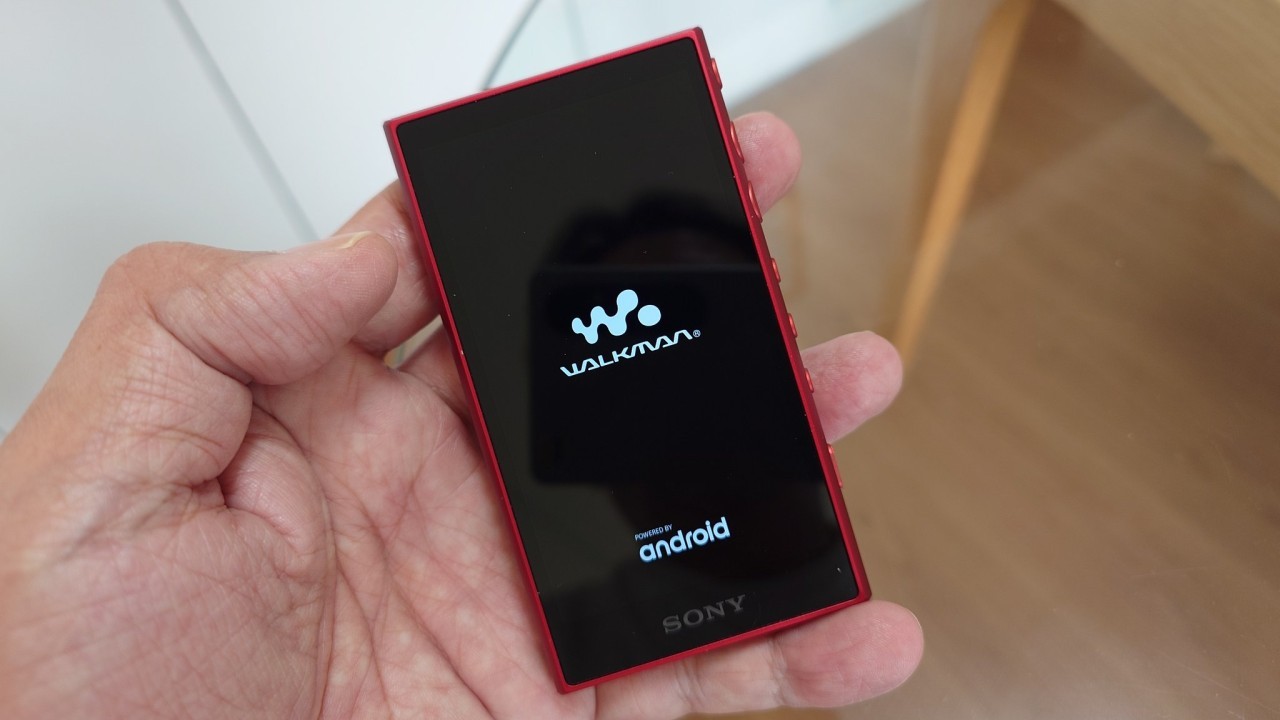
The most recent Walkman A-series product line released with Android was the NW-A300. Introduced in 2023 with Android 11, all models were subsequently updated to Android 14. The features available in the A100 line were retained in the A300 line.
The Sony Walkman NW-A300 DAP models are listed below:
• NW-A306 (32 GB)
• NW-A307 (64 GB)
All NW-A100 and NW-A300 models use a USB-C cable for charging and data transfer. USB DAC mode, introduced with the NW-A40 line, was retained. In addition, storage capacity can be expanded through a microSD card slot.
The E-Series Form-Factor Change Intended to Improve the User Experience
Beginning in 2008, Sony introduced E-series product lines with a design that differed from the earlier USB flash drive form factor. The E430 line featured a 2-inch color display and video playback capability. It was available in 2 GB (NW-E435), 4 GB (NW-E436), and 8 GB (NW-E438) variants.
The final E-series product lines were the E580 and E390. The E580, which offered more features than the E390, was released in 2013 with the NW-E585 (16 GB), NW-E584 (8 GB), and NW-E583 (4 GB). The E390 line was released in 2015 with the NW-E395 (16 GB), NW-E394 (8 GB), and NW-E393 (4 GB).
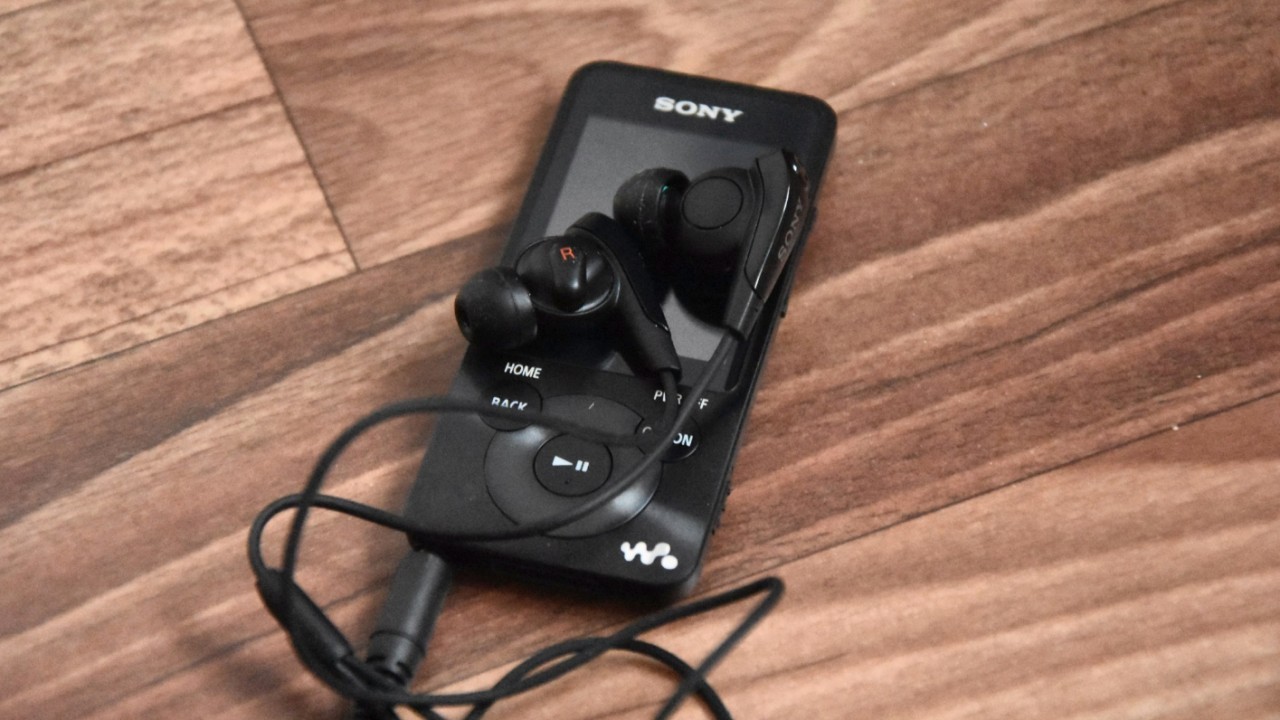
All E-series models without a USB flash drive form factor lack a microSD card slot. In addition, they use Sony’s proprietary WM-PORT USB connection and require the WMC-NW20MU cable.
Walkman F-Series DAPs
As the successor to the Z series, the Walkman F series also uses the Android operating system. Unlike the A100 and A300 product lines in the A series, the NW-F800 and F880 lines offered restricted streaming capabilities and included only the YouTube application.
The NW-F800 and NW-F880 lines use Android 4 and were released in 2012 and 2013, respectively. Their models are listed below:
• NW-F804 (8 GB)
• NW-F805 (16 GB)
• NW-F806 (32 GB)
• NW-F807 (64 GB)
• NW-F885 (16 GB)
• NW-F886 (32 GB)
• NW-F887 (64 GB)
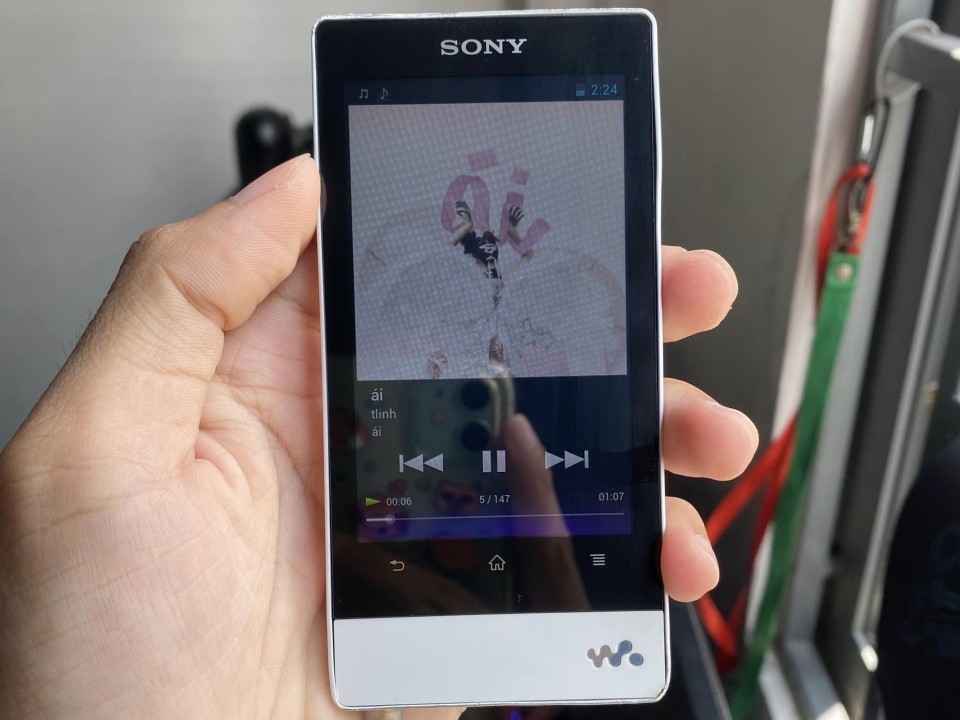
None of the F-series models includes a microSD card slot. They also use Sony’s proprietary WM-PORT USB connection and require the WMC-NW20MU cable.
The S-Series Form-Factor Change Intended to Improve the User Experience
Beginning in 2007, the S series underwent a design change, moving away from the earlier USB flash drive-like form factor. Unfortunately, no memory card slot was added to any of the models released. The first product lines with the new design were the S510, S610, and S710.
The final S-series product line was the S310. Released in 2017, it supported FLAC music files. The only two models in the S310 line are listed below:
• NW-S313 (4 GB)
• NW-S315 (16 GB)
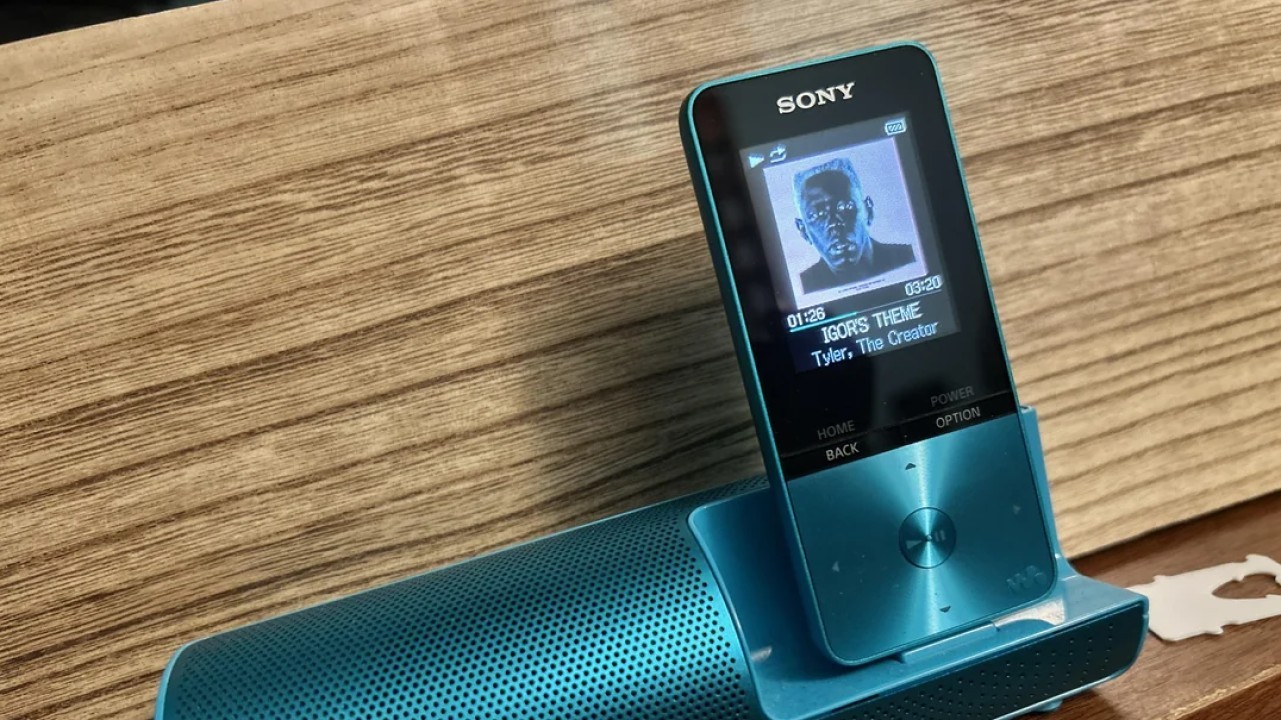
S-series models without a USB flash drive form factor do not include a microSD card slot. In addition, they use Sony’s proprietary WM-PORT USB connection and require the WMC-NW20MU cable.
Walkman X-Series DAPs
The Walkman X series, which preceded the Z series, was released in 2009 and uses an operating system developed by Sony. At the time, it was regarded as a premium Digital Audio Player line because it featured a 3-inch OLED touchscreen. Unfortunately, it did not include a memory card slot and relied exclusively on the player’s internal storage.
The Sony Walkman NW-X1000 series models are listed below:
• NW-X1050 (16 GB)
• NW-X1060 (32 GB)
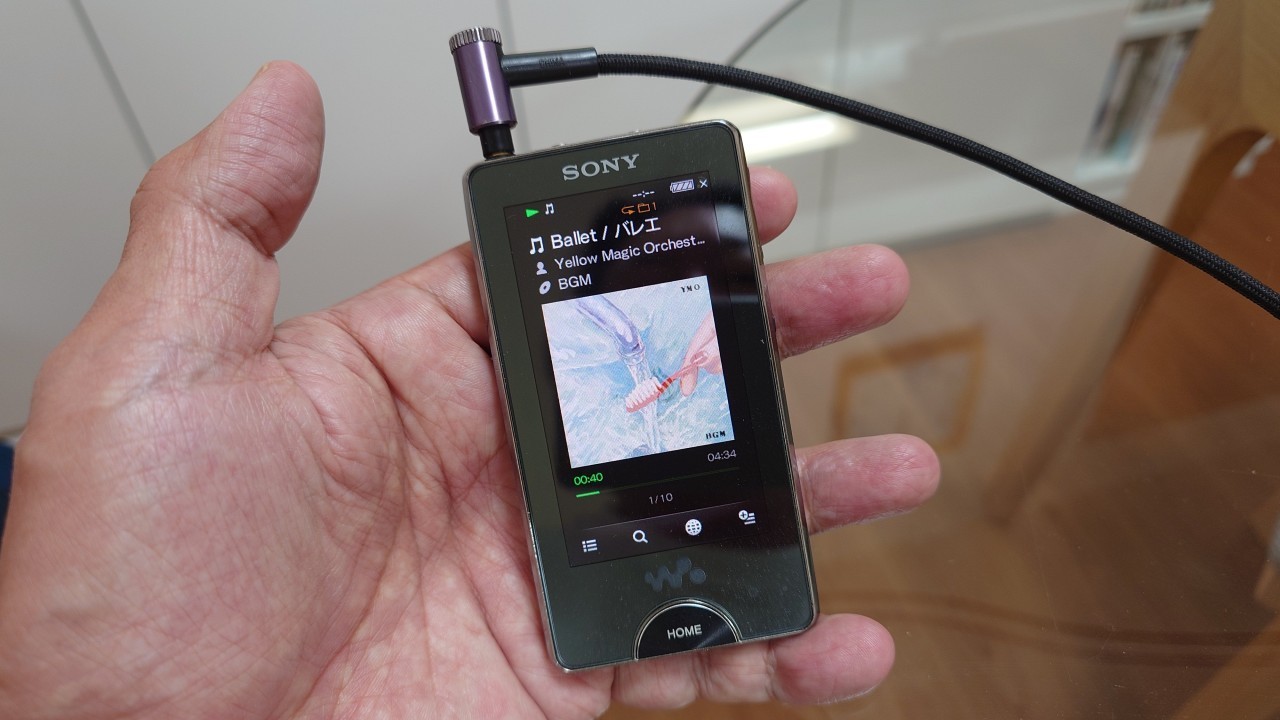
The USB port on the NW-X1000 series is proprietary to Sony and requires the WMC-NW20MU cable.
Sony Walkman Z-Series DAPs
The Z series was the first Sony Walkman DAP series to use the Android operating system. Released in 2011, the NW-Z1000 series ran Android 2.3 and allowed users to browse the internet and use the YouTube application for video playback. It is important to note that the Z series replaced the Walkman X-series DAPs.
The Sony Walkman Z-series DAP models are listed below:
• NW-Z1040 (8 GB)
• NW-Z1050 (16 GB)
• NW-Z1060 (32 GB)
• NW-Z1070 (64 GB)
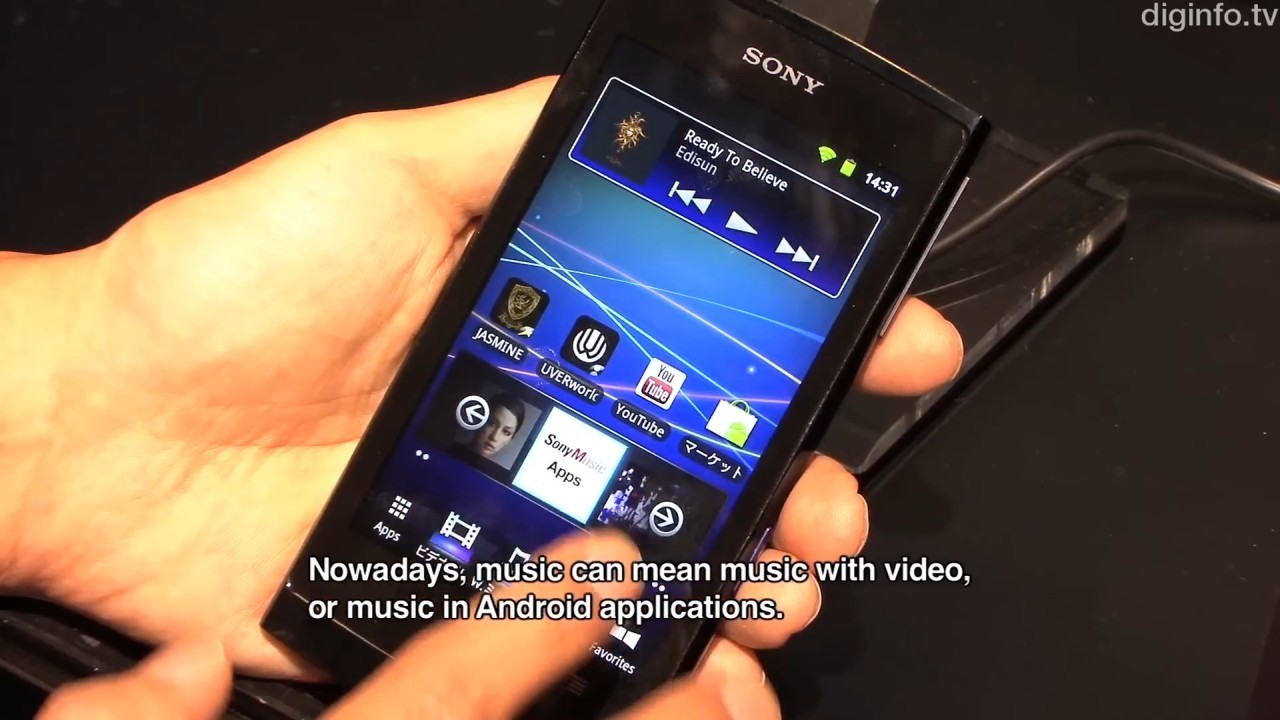
None of the Walkman Z-series models includes a microSD card slot. They also use Sony’s proprietary WM-PORT USB connection and require the WMC-NW20MU cable.
Sony Walkman DAPs for Audio Enthusiasts
The WM1 and ZX Walkman DAP series are less portable because of their size and weight. Their primary focus is improved sound performance for audio enthusiasts and audiophiles.
Sony Walkman WM1-Series DAPs
Considered Sony’s flagship Walkman DAP line, the WM1 series was first introduced in 2016. The first models released were the NW-WM1A and NW-WM1Z. The main difference between them lies in the chassis material. The former uses aluminum, whereas the latter uses gold-plated copper.
When the first WM1-series models were introduced, Sony chose to use a proprietary operating system. The objective was to achieve the highest possible sound quality by optimizing both hardware and software.
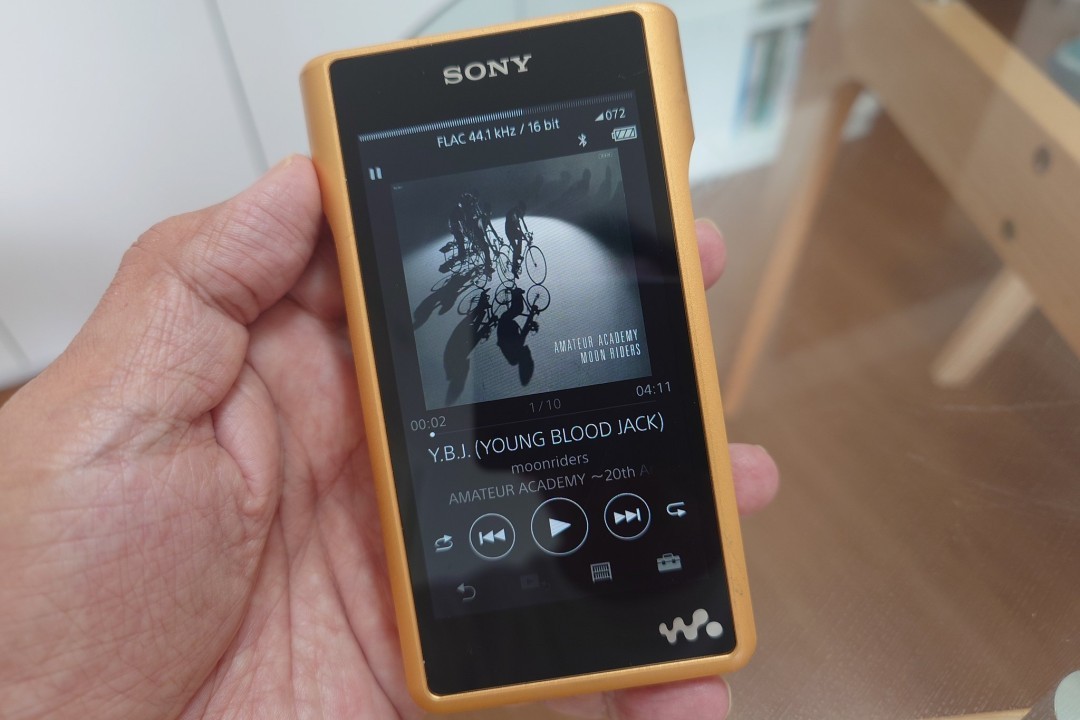
In the second generation of the WM1 series, Sony adopted the Android operating system to enable music streaming. The NW-WM1AM2 and NW-WM1ZM2 use Android 11 rather than Android 14, which was installed through updates on the A300 and ZX700 product lines.
The NW-WM1A and NW-WM1Z use Sony’s proprietary WM-PORT connection and require the WMC-NW20MU cable. By contrast, the NW-WM1AM2 and NW-WM1ZM2 use a USB-C port. All WM1-series models include a microSD card slot.
Sony Walkman ZX-Series DAPs
Introduced several years before the WM1 series, the Walkman ZX series began in 2013. Its first product line was the NW-ZX1, which uses the Android operating system.
Two years later, in 2015, Sony released the NW-ZX2 DAP line, which also runs Android. After recognizing that some users were dissatisfied with the use of Google’s operating system, the company introduced another product line. In the same year, the NW-ZX100 was released with an operating system developed internally by Sony.
Two years later, in 2017, Sony introduced the NW-ZX300 line, which retained Sony’s proprietary operating system. However, in 2019, the NW-ZX500 was released with Android 9.
Sony did not reverse this decision and introduced the ZX700 series in 2023 with Android 12. The company subsequently released operating system updates that upgraded the DAP to Android 14. My review of the Sony NW-ZX707 can be accessed here.
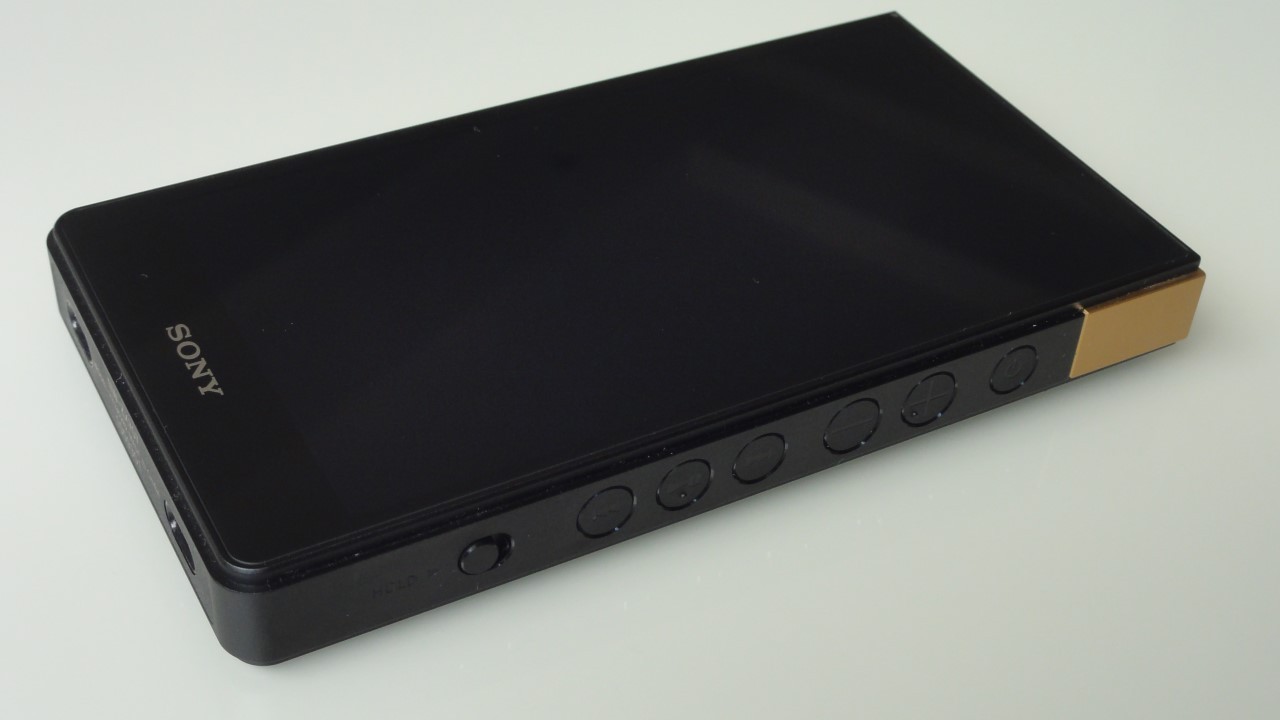
The following list presents the Sony Walkman ZX-series DAP models in chronological order, together with their storage capacities and operating systems:
• NW-ZX1 (128 GB) (Android 4.1)
• NW-ZX2 (128 GB) (Android 4.2)
• NW-ZX100 (128 GB) (Sony proprietary operating system)
• NW-ZX300A (16 GB) (Sony proprietary operating system)
• NW-ZX300 (64 GB) (Sony proprietary operating system)
• NW-ZX300G (128 GB) (Sony proprietary operating system)
• NW-ZX505 (16 GB) (Android 9)
• NW-ZX507 (64 GB) (Android 9)
• NW-ZX706 (32 GB) (Android 14)
• NW-ZX707 (64 GB) (Android 14)
The NW-ZX1, NW-ZX2, and NW-ZX300 use Sony’s proprietary WM-PORT connection and require the WMC-NW20MU cable. The NW-ZX500 and NW-ZX700 models use a USB-C port. All models except the NW-ZX1 include a microSD card slot.
Conclusion and Recommendations
Because several years have passed since the release of nearly all the models discussed in this article, with the exception of the ZX900, which has not yet been released, battery health is an important concern.
Some tutorials demonstrate how to replace the battery in certain models. However, such tutorials are not available for every model, and the procedure requires a certain level of technical skill. Ideally, users should seek assistance from an experienced smartphone repair professional and provide the technician with the relevant tutorial.
The following are some tutorials I found that demonstrate how to replace the battery in selected Sony Walkman DAPs:
• Sony Walkman NW-A10 series battery replacement tutorial 01 (NW-A15, NW-A16, NW-A17)
• Sony Walkman NW-A10 series battery replacement tutorial 02 (NW-A15, NW-A16, NW-A17)
• Sony Walkman NW-F800 series battery replacement tutorial (NW-F804, NW-F805, NW-F806, NW-F807)
Those who do not wish to attempt a battery replacement should look for a model released more recently. In addition, buyers should contact the seller and ask whether the device’s current battery life has been tested recently. I also recommend purchasing from reputable sellers and retailers, such as e-Earphone or highly rated Japanese sellers on eBay.
Readers interested in purchasing an Android-based Sony Walkman DAP should follow the recommendations provided in this article.
Recommended Sony Walkman DAPs Without Android
There are three groups of non-Android Sony Walkman DAPs that I recommend purchasing. The categories and recommended models are listed below.
Recommended Non-Android Sony Walkman DAP With a USB Flash Drive Form Factor
| Model | Storage | Year | Battery | OS | Headphone outputs | Bluetooth | MicroSD | DAC USB | Dimensions | Weight | Power | USB port |
| NW-M505 | 16GB | 2013 | 15h | Original Sony | 3,5mm | Reception | No | No | 85,5 x 19,9 x 21,3 mm | 40g | 10mW (16Ω) | micro-USB |
Recommended Non-Android Sony Walkman DAPs Without Touchscreens
| Model | Storage | Year | Battery | OS | Headphone outputs | Bluetooth | MicroSD | DAC USB | Dimensions | Weight | Power | USB port |
| NW-A15 | 16GB | 2014 | 50h | Original Sony | 3,5mm | Transmission | Yes | No | 4,3 x 11 x 0,8 cm | 66g | 10mW (16Ω) | WM-PORT |
| NW-A16 | 32GB | 2014 | 50h | Original Sony | 3,5mm | Transmission | Yes | No | 4,3 x 11 x 0,8 cm | 66g | 10mW (16Ω) | WM-PORT |
| NW-A17 | 64GB | 2014 | 50h | Original Sony | 3,5mm | Transmission | Yes | No | 4,3 x 11 x 0,8 cm | 66g | 10mW (16Ω) | WM-PORT |
| NW-A25 | 16GB | 2015 | 50h | Original Sony | 3,5mm | Transmission | Yes | No | 4,3 x 11 x 0,8 cm | 66g | 10mW (16Ω) | WM-PORT |
| NW-A26HN | 32GB | 2015 | 50h | Original Sony | 3,5mm | Transmission | Yes | No | 4,3 x 11 x 0,8 cm | 66g | 10mW (16Ω) | WM-PORT |
| NW-A27HN | 64GB | 2015 | 50h | Original Sony | 3,5mm | Transmission | Yes | No | 4,3 x 11 x 0,8 cm | 66g | 10mW (16Ω) | WM-PORT |
Recommended Non-Android Sony Walkman DAPs With Touchscreens
| Model | Storage | Year | Battery | OS | Headphone outputs | Bluetooth | MicroSD | DAC USB | Dimensions | Weight | Power | USB port |
| NW-A55 | 16GB | 2018 | 45h | Original Sony | 3,5mm | Reception/Transmission | Yes | Yes | 55.7 x 97.3 x 10.8 mm | 99g | 35mW (16Ω) | WM-PORT |
| NW-A56 | 32GB | 2018 | 45h | Original Sony | 3,5mm | Reception/Transmission | Yes | Yes | 55.7 x 97.3 x 10.8 mm | 99g | 35mW (16Ω) | WM-PORT |
| NW-A57 | 64GB | 2018 | 45h | Original Sony | 3,5mm | Recepção/Transmissão | Yes | Yes | 55.7 x 97.3 x 10.8 mm | 99g | 35mW (16Ω) | WM-PORT |
| NW-ZX300A | 16GB | 2017 | 30h | Original Sony | 3,5mm and 4,4mm | Reception/Transmission | Yes | Yes | 57,7 x 120,4 x 14,9 mm | 157g | 200mW (16Ω) | WM-PORT |
| NW-ZX300 | 64GB | 2017 | 30h | Original Sony | 3,5mm and 4,4mm | Reception/Transmission | Yes | Yes | 57,7 x 120,4 x 14,9 mm | 157g | 200mW (16Ω) | WM-PORT |
| NW-ZX300G | 128GB | 2017 | 30h | Original Sony | 3,5mm and 4,4mm | Reception/Transmission | Yes | Yes | 57,7 x 120,4 x 14,9 mm | 157g | 200mW (16Ω) | WM-PORT |
| NW-WM1A | 128GB | 2016 | 33h | Original Sony | 3,5mm and 4,4mm | Reception/Transmission | Yes | Yes | 72,9 × 124,2 × 19,9 mm | 267g | 250mW (16Ω) | WM-PORT |
| NW-WM1Z | 128GB | 2016 | 33h | Original Sony | 3,5mm and 4,4mm | Reception/Transmission | Yes | Yes | 72,9 × 124,2 × 19,9 mm | 455g | 250mW (16Ω) | WM-PORT |
List of recommended Android-based Sony Walkman DAPs
See the list below of Android-based Sony Walkman DAPs with touchscreens.
| Model | Storage | Year | Battery | OS | Headphone outputs | Bluetooth | MicroSD | DAC USB | Dimensions | Weight | Power | USB port |
| NW-A306 | 32GB | 2023 | 36h | Android 14 | 3,5mm | Transmission | Yes | Yes | 56,5 x 98,4 x 11,8 mm | 113g | 35mW (16Ω) | USB-C |
| NW-A307 | 64GB | 2023 | 36h | Android 14 | 3,5mm | Transmission | Yes | Yes | 56,5 x 98,4 x 11,8 mm | 113g | 35mW (16Ω) | USB-C |
| NW-ZX706 | 32GB | 2023 | 25h | Android 14 | 3,5mm and 4,4mm | Transmission | Yes | Yes | 72.5 x 132.3 x 16.9 mm | 227g | 230mW (16Ω) | USB-C |
| NW-ZX707 | 64GB | 2023 | 25h | Android 14 | 3,5mm and 4,4mm | Transmission | Yes | Yes | 72.5 x 132.3 x 16.9 mm | 227g | 230mW (16Ω) | USB-C |
Share:


No comments have been made yet, be the first!