

Sony Walkman: History, Evolution and Why It Still Matters
From: Vitor Valeri
A headphone hobbyist for over 15 years, he founded the Hi-Fi Hub website and is an administrator of the "Fones High-End" and "Fones Low-End" groups on Facebook.


Published in: 29/07/26 at 21:44 - Updated in: 29/07/26 at 21:45
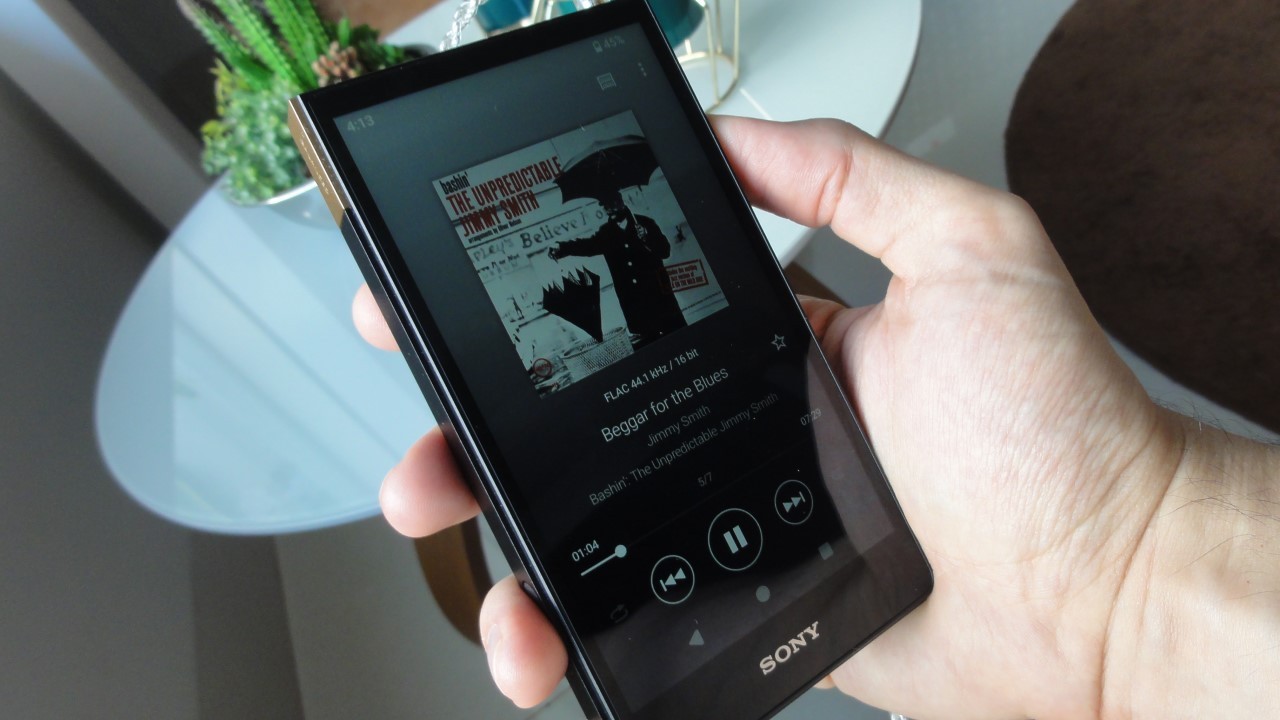 Sony Walkman NW-ZX707 Digital Audio Player (DAP) (Image: Vitor Valeri/Hi-Fi Hub)
For many people, the name Walkman refers to Sony’s iconic portable cassette player. However, the Japanese company has released a wide variety of portable music players under the Walkman brand, including CD Walkman and MD (MiniDisc) Walkman models.
Today, the Walkman brand is focused on developing Digital Audio Players (DAPs). Unlike their predecessors, these devices no longer rely on physical media. Instead, they are designed to play high-resolution (Hi-Res) digital audio files. The latest models run Android, provide access to the Google Play Store, and support music streaming services such as Spotify, Deezer, Apple Music, YouTube Music, and many others.
In this article, you’ll learn more about the products Sony has developed under the Walkman brand. You’ll also discover why the Walkman name continues to hold such a strong reputation among portable audio enthusiasts and why Sony is no longer able to manufacture portable cassette players.
Sony has been making Walkman music players for 47 years
The story began with the Walkman TPS-L2, the first music player to carry the Walkman name. Released on July 1, 1979, the TPS-L2 was a portable cassette player.
According to Sony’s Public Relations (PR) department, the idea behind the Walkman product line was simple:
“Take your favorite music anywhere and enjoy high-quality sound anytime, anywhere.”
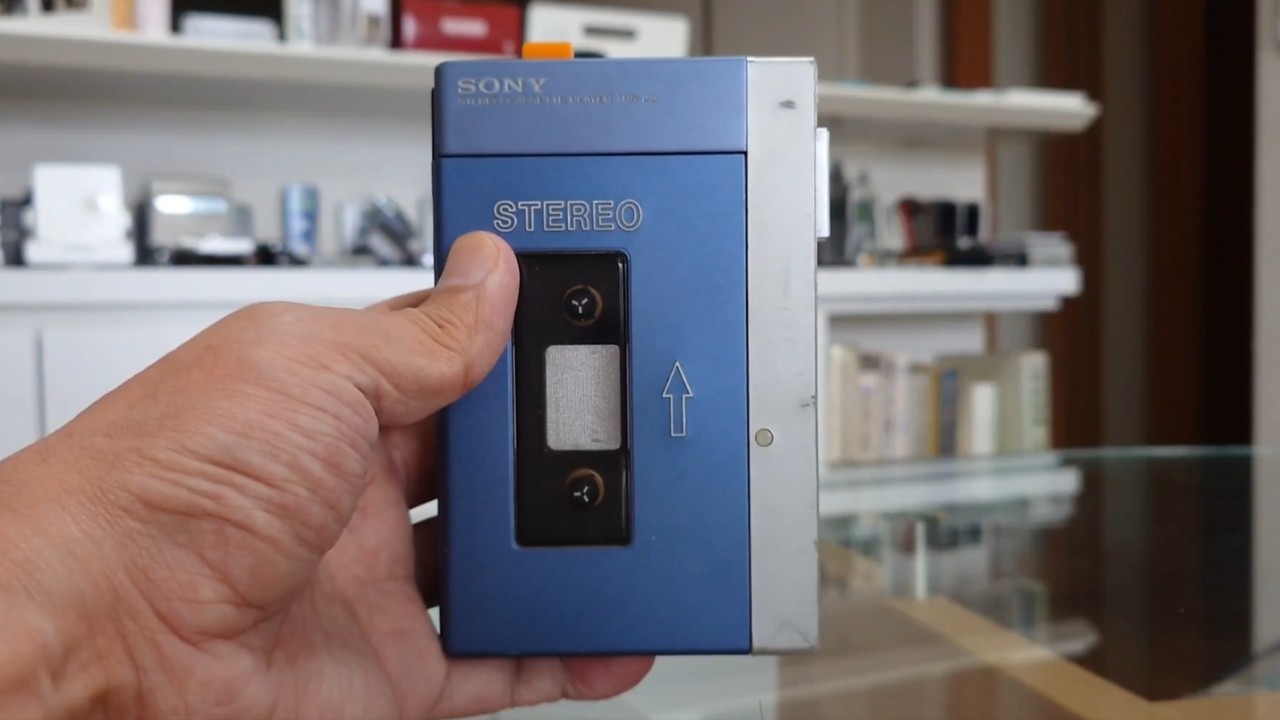
Four years later, in 1983, Sony introduced the first model in its Walkman Sport lineup, the WM-F5. Designed to withstand impacts and water splashes, the portable cassette player became famous for its distinctive yellow housing.
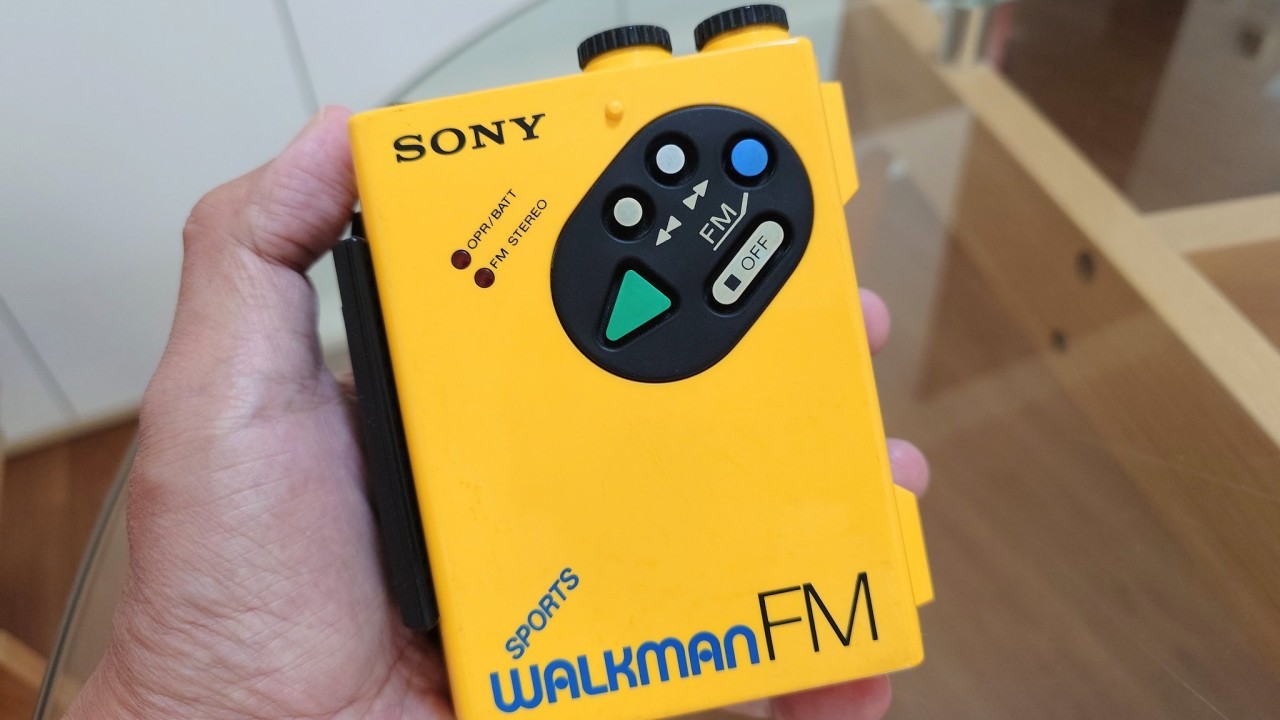
The WM-F5 became so iconic that, during the celebration of the Walkman’s 40th anniversary, Sony displayed a giant replica of the player in front of its headquarters.

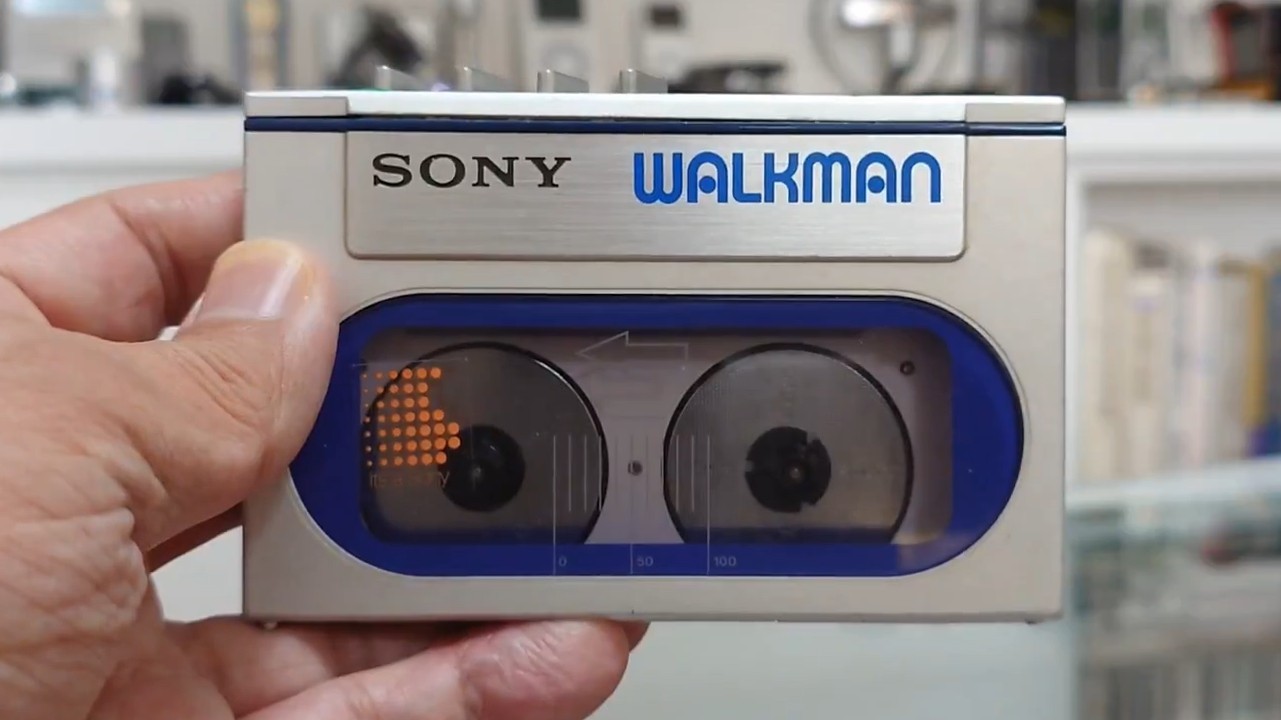
That same year, Sony also introduced another historic Walkman model: the WM-20. Its defining feature was its incredibly compact size, roughly the dimensions of a standard cassette tape.
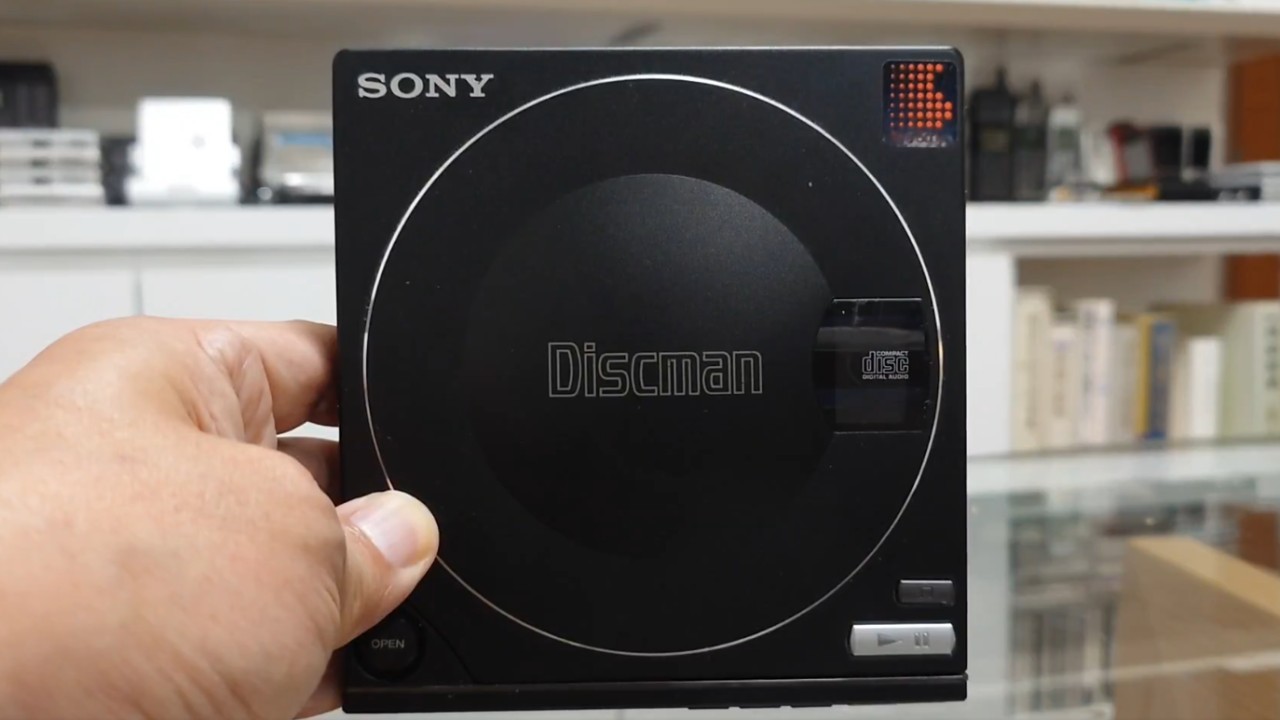
A year later, in 1984, Sony launched the Discman D-50, the world’s first portable CD player. Four years later, the Japanese company released its successor, the Discman D-100 (D-10). Over time, Sony gradually rebranded its Discman CD players under the Walkman name.
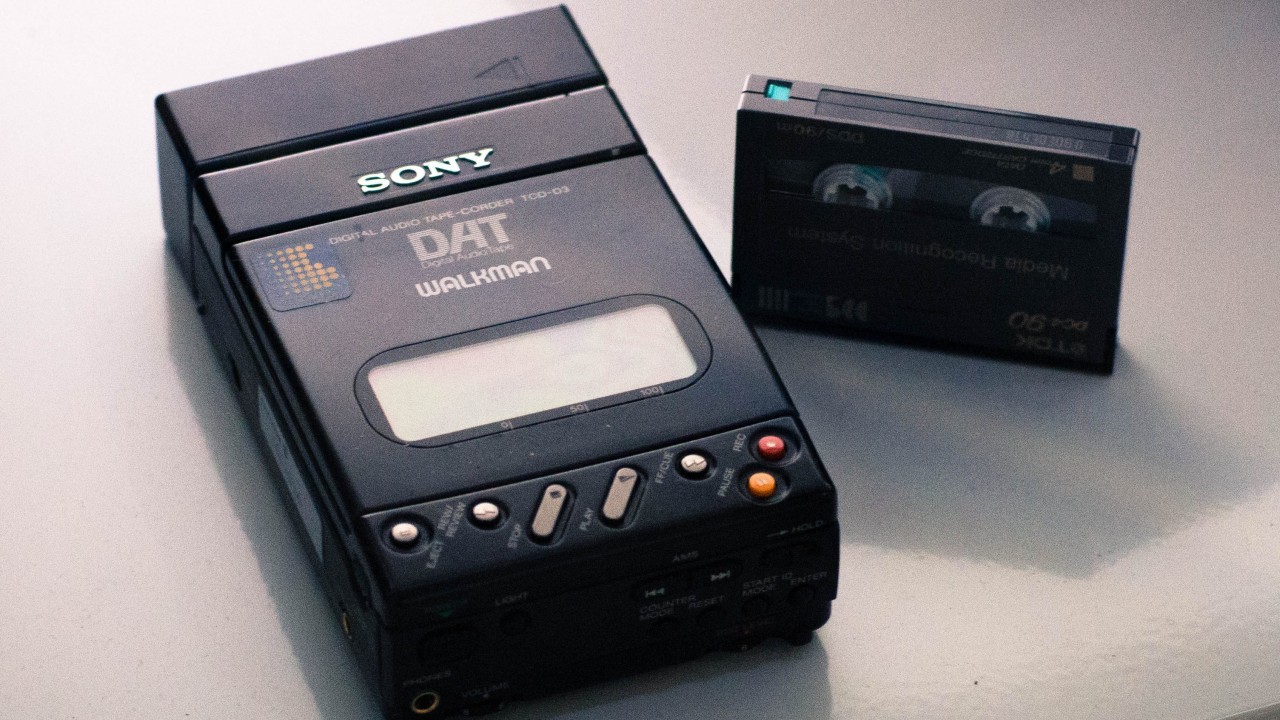
In 1990, Sony introduced its first ultra-portable DAT (Digital Audio Tape) player. However, because DAT tapes were expensive, the format never achieved widespread popularity. DAT cartridges use 4 mm magnetic tape and are approximately half the size of a standard compact cassette.
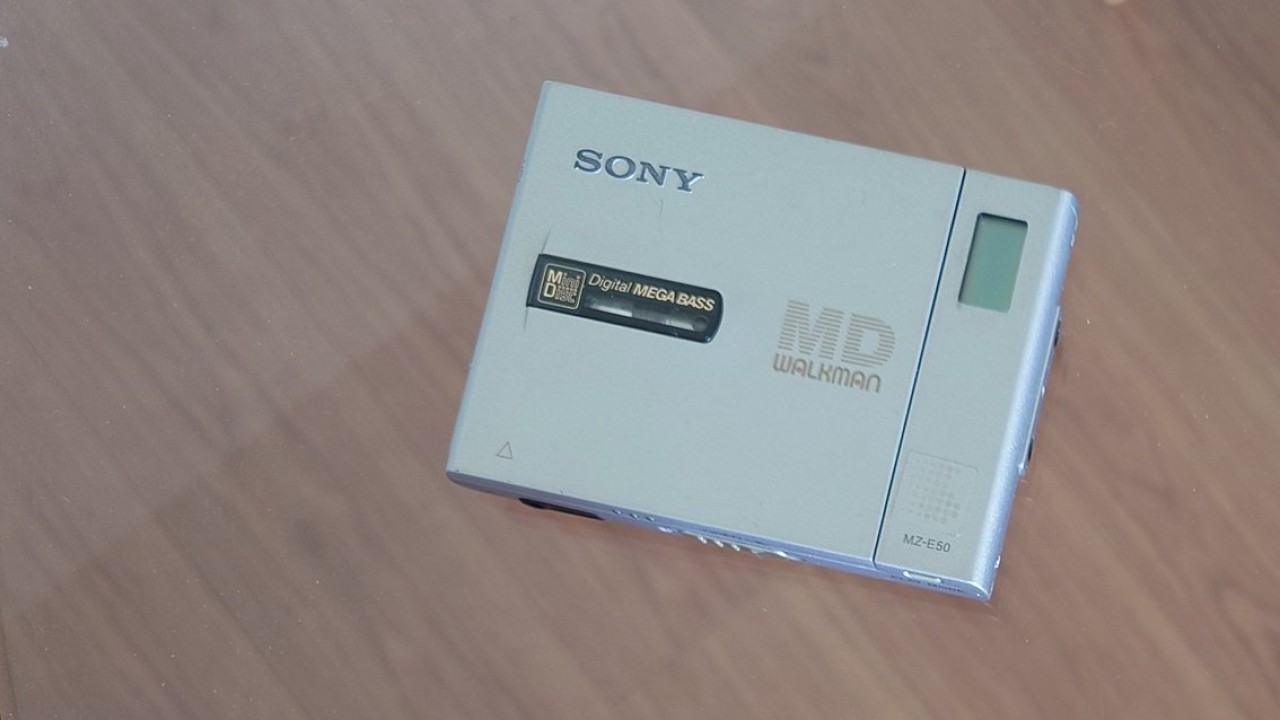
In 1996, Sony released the MZ-E50, a portable MiniDisc (MD) player. At the time, it was recognized as the world’s thinnest and lightest portable music player.
The arrival of Sony Walkman Digital Audio Players (DAPs)
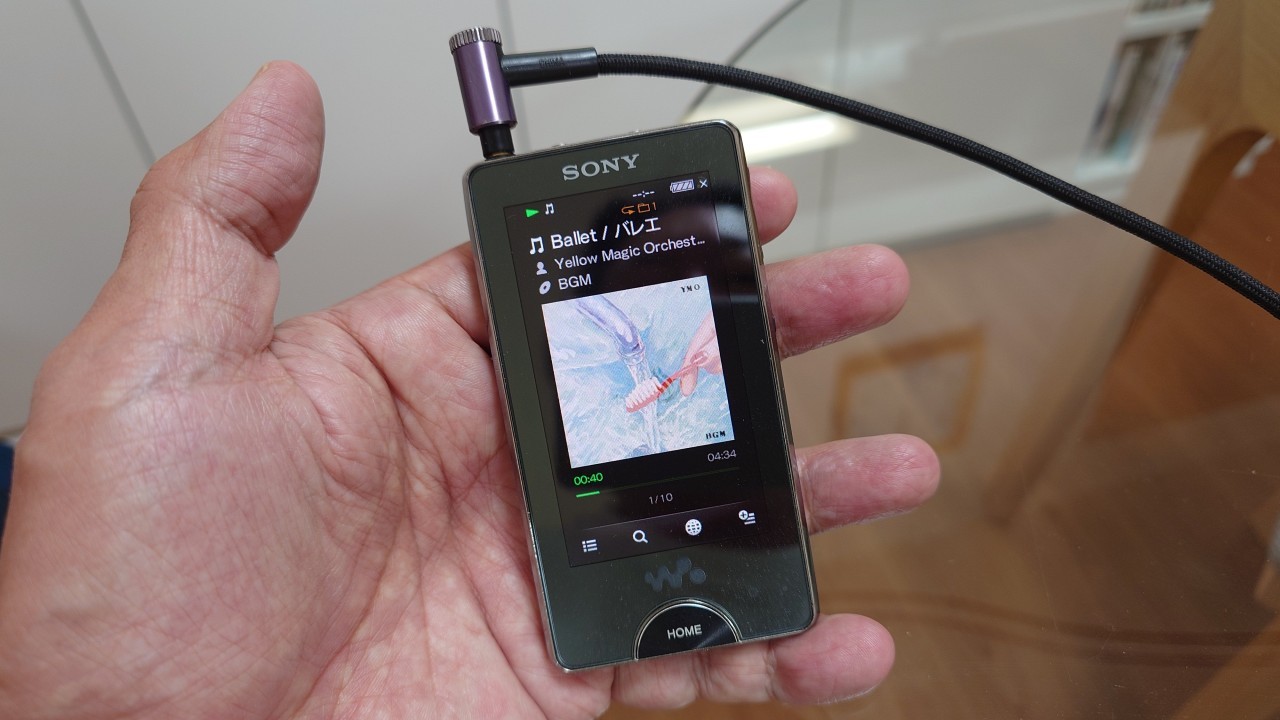
In 2009, Sony introduced the NW-X1000 (also known as the NWZ-X series), available with 16 GB (NW-X1050) and 32 GB (NW-X1060) of internal storage.
Featuring a 3-inch OLED display, the X1000 supported YouTube video streaming while also playing MP3, AAC, WMA, and WAV audio files. It used Sony’s proprietary connector for both battery charging and data transfer, requiring the WMC-NW20MU cable.
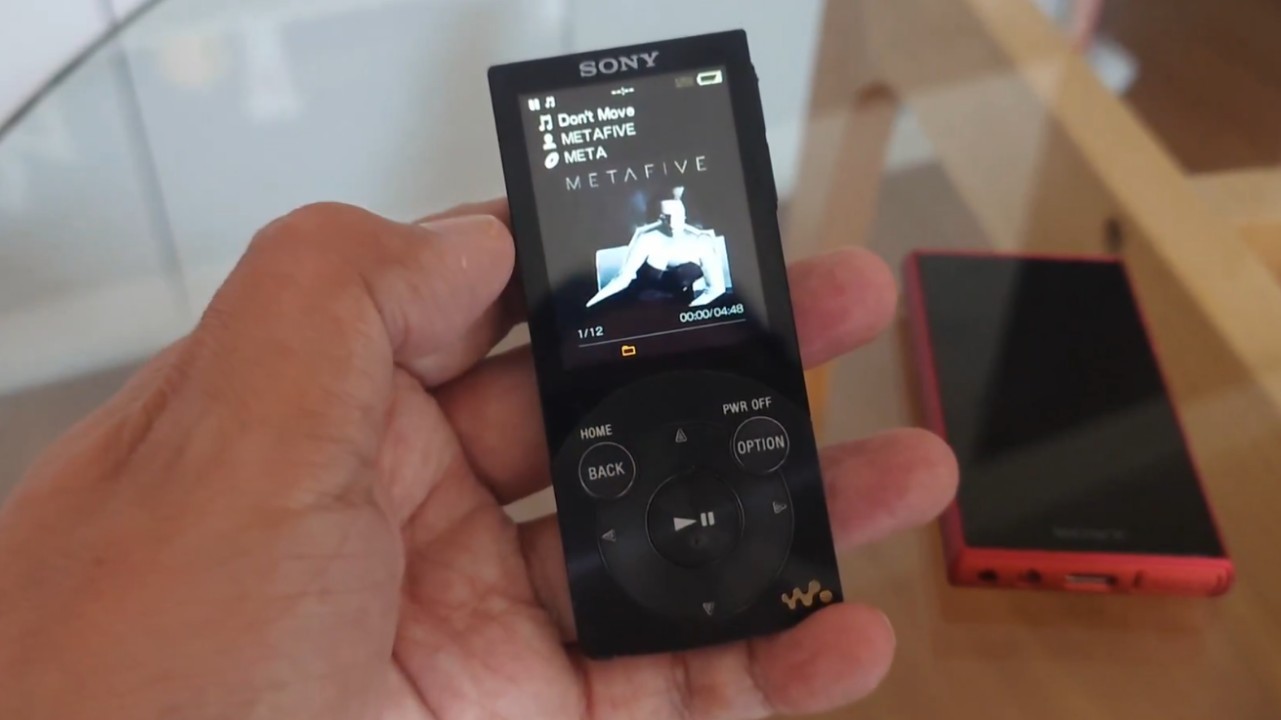
Although Sony had begun adopting touchscreens in some of its DAPs, the company continued to offer button-operated models. One example was the Walkman NW-S544 (NWZ-S544), an 8 GB model released in August 2009.
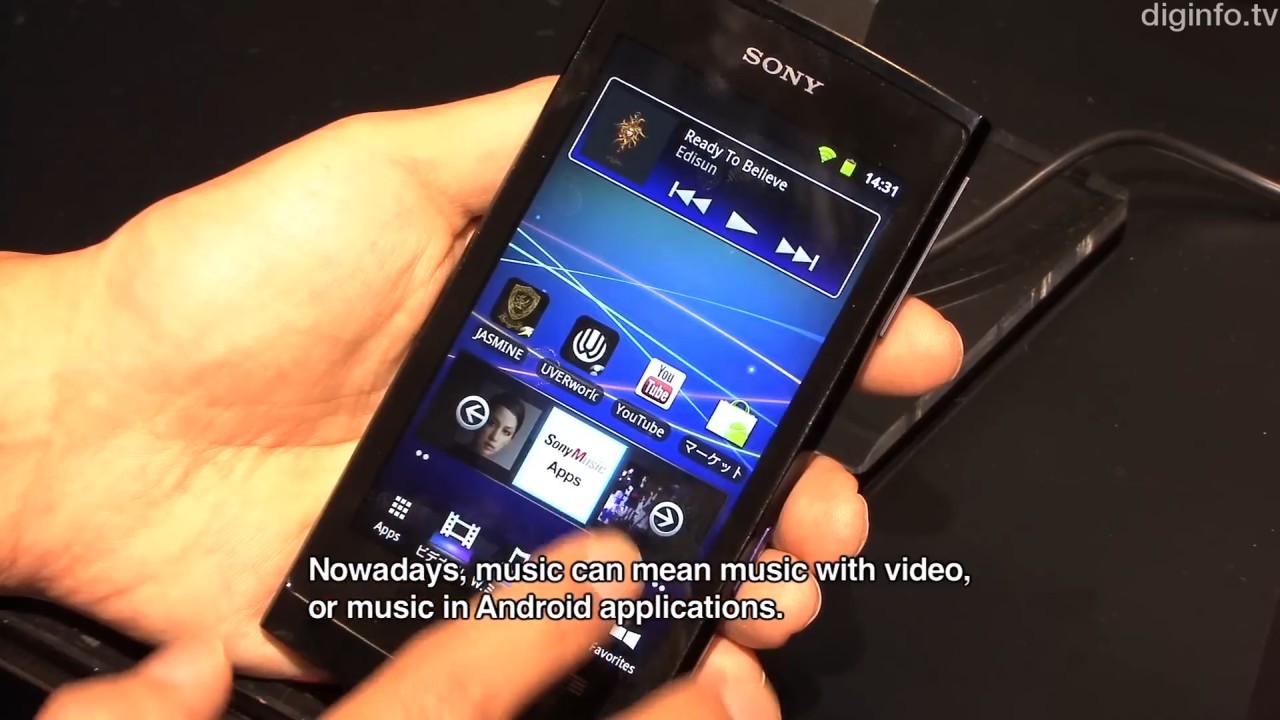
Two years later, Sony introduced its first Android-powered DAP, the NW-Z1000. It shipped with Android 2.3.4 (Gingerbread) and featured an HDMI output as well as built-in speakers. After reviewing several analyses of the NW-Z1050, the 16 GB version of the player, I found that YouTube was the only streaming application available on the device.
One of Sony’s most compact DAP lineups: the Walkman M Series
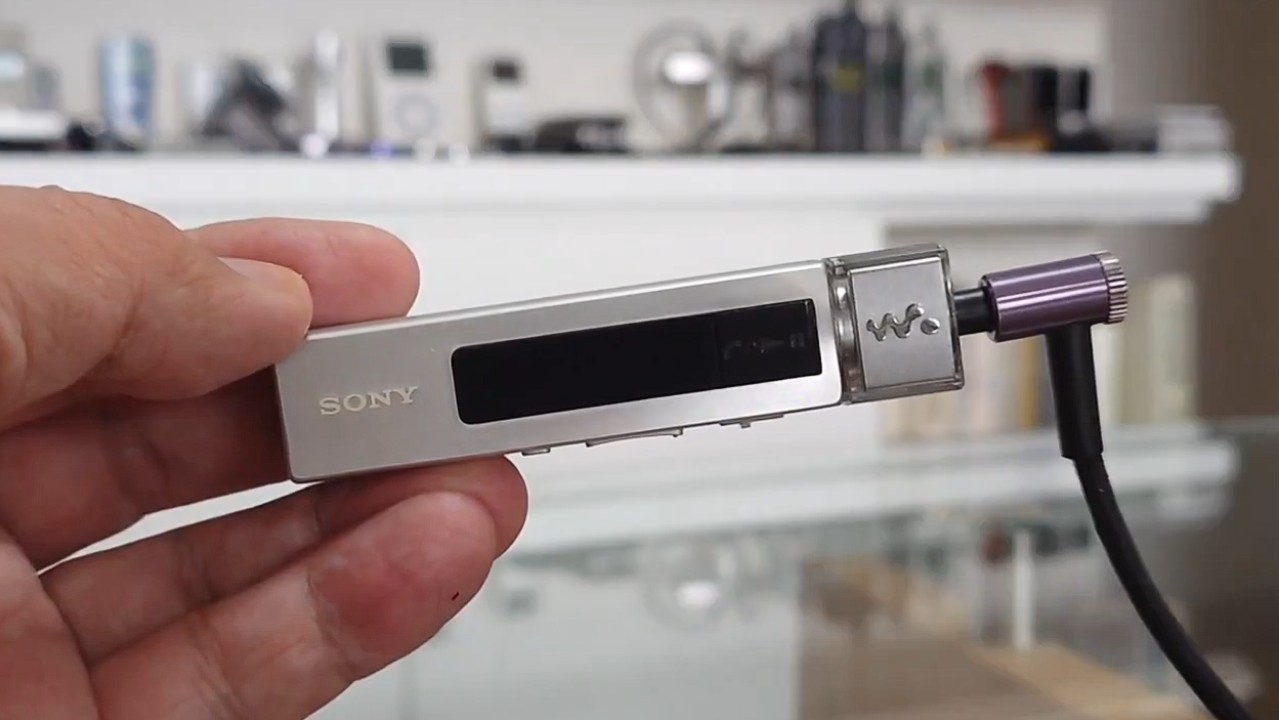
One of the smallest Digital Audio Players Sony ever produced was the Walkman NW-M505, released in 2013.
This M Series Walkman featured an OLED display, supported MP3 and WAV playback, and included Bluetooth and an FM radio. Like the Walkman S Series and the early Walkman A Series models discussed below, it relied entirely on physical buttons for navigation.
One of Sony’s most beloved product families: the Walkman A Series
Positioned above the Walkman S Series is the Walkman A Series. Widely regarded as the sweet spot of Sony’s Walkman DAP lineup, these players are known for their compact size, lightweight design, and excellent balance of portability and audio performance.
One of the earliest models was the NW-A15, released in November 2014. Navigation was performed entirely through physical buttons, as the player did not include a touchscreen. Despite that limitation, browsing music libraries was smooth and switching between menus felt intuitive and responsive.
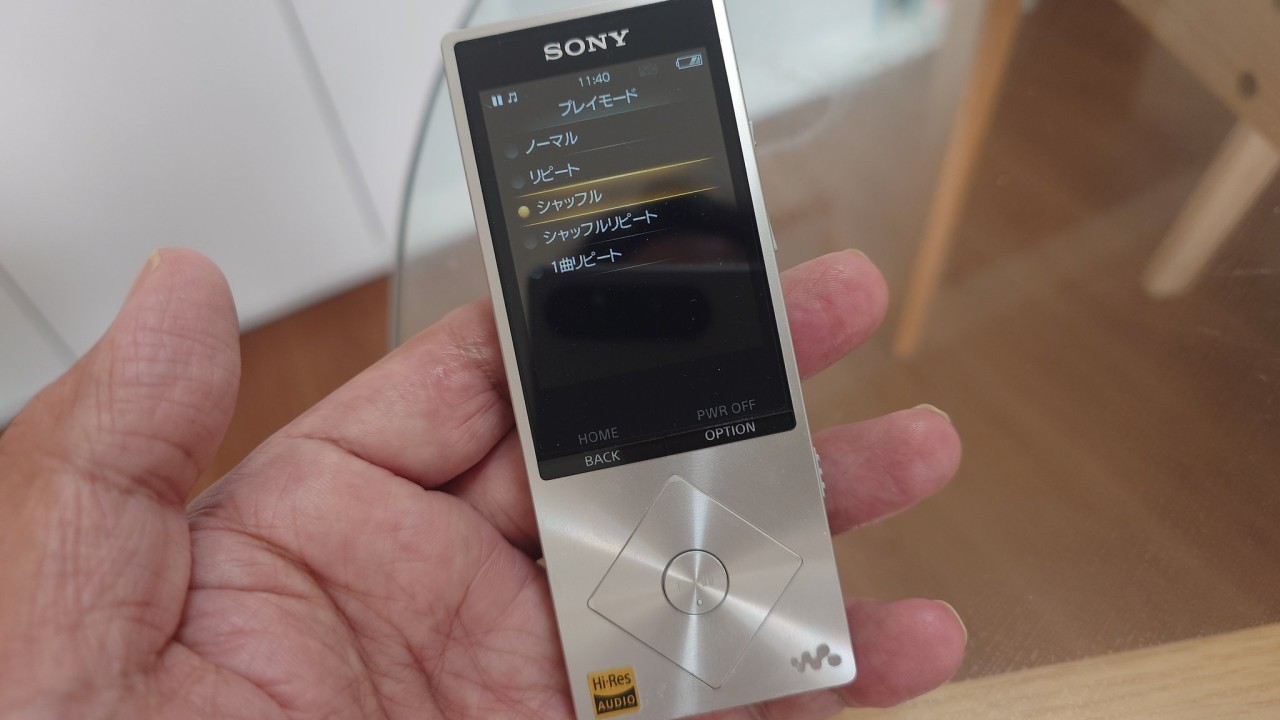
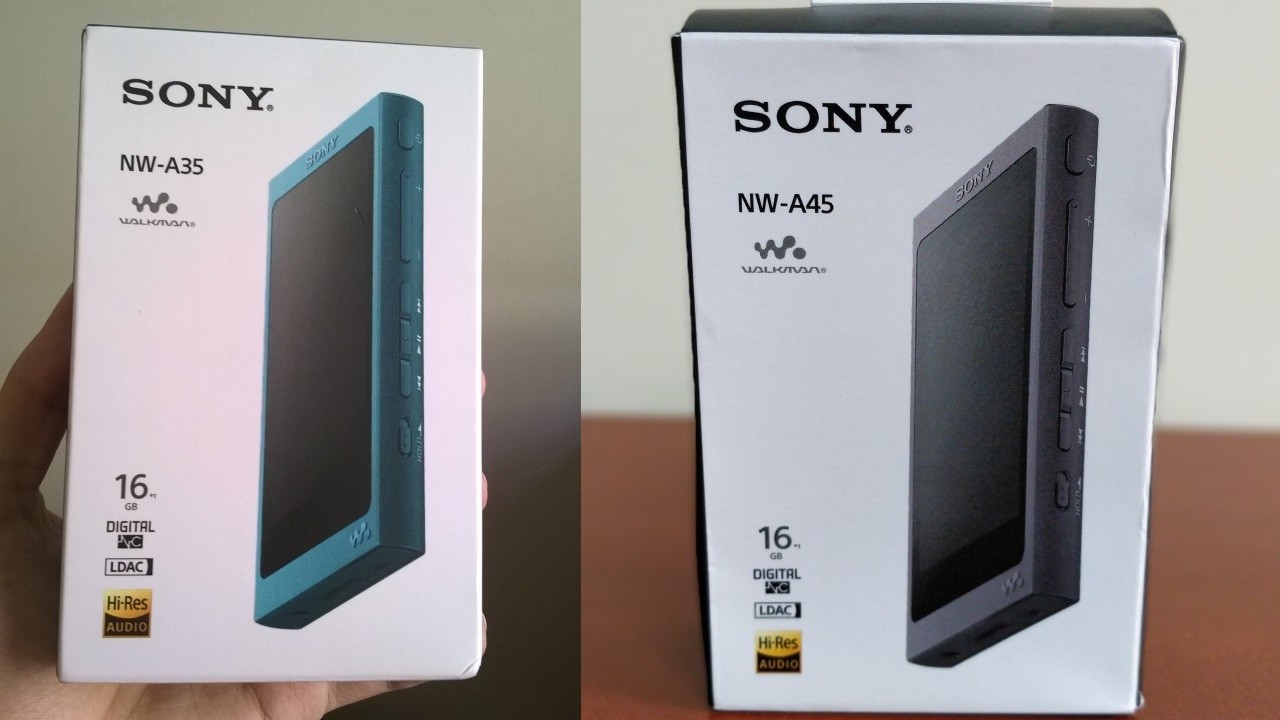
Maintaining a design very similar to the NW-A15, Sony released the NW-A25 in 2015. The company later transitioned to touchscreen navigation with the launch of the NW-A35 in February 2017. The same design philosophy continued with the NW-A45 and NW-A55, both introduced in 2018.
The first Android-powered Walkman A Series with music streaming support
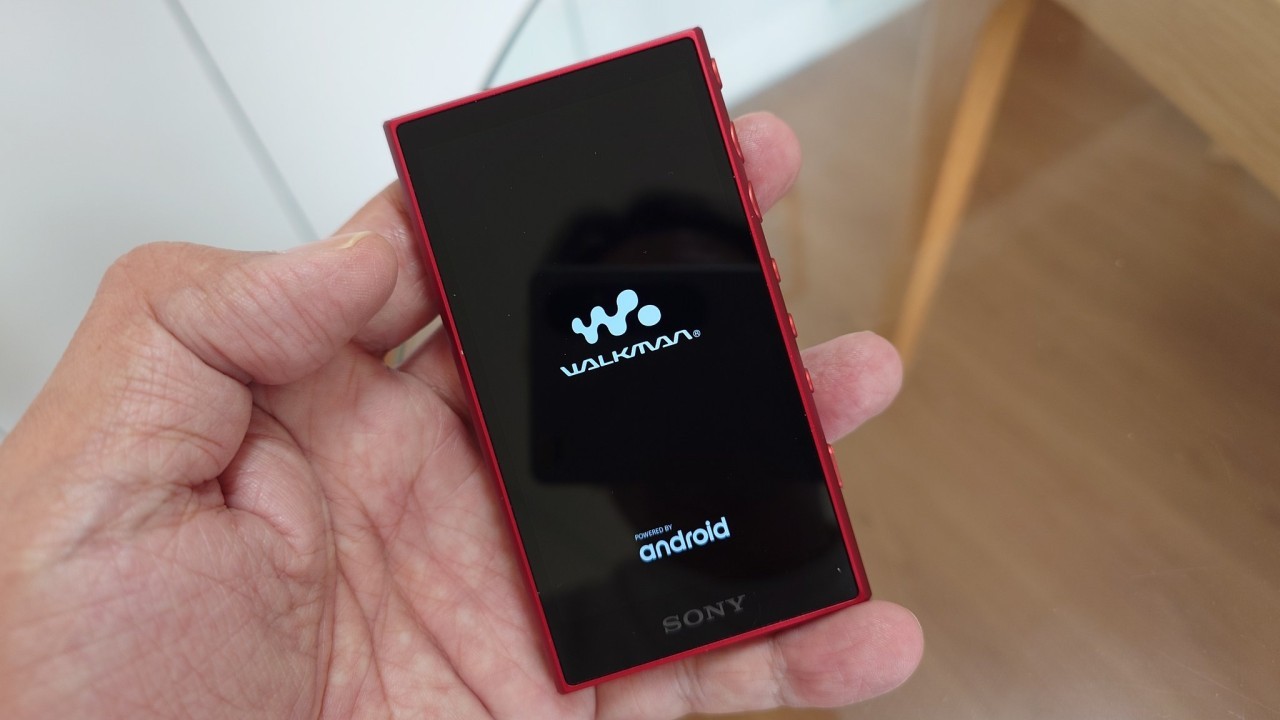
In 2019, Sony released the NW-A105, the first Walkman A Series player to support music streaming applications.
Running Android 9 with access to the Google Play Store, users could download streaming apps such as Spotify and Deezer, among others.
The latest Walkman A Series now runs Android 14
The newest model in the Walkman A Series is the NW-A305, which launched in January 2023.
It originally shipped with Android 12, but subsequent firmware updates upgraded the player to Android 14.
Sony Walkman DAP series designed for audio enthusiasts
In addition to the entry-level S Series and A Series, Sony offers two Walkman DAP lineups aimed at audio enthusiasts.
The Walkman ZX Series occupies the upper mid-range, while the Walkman WM1 Series represents Sony’s flagship lineup.
The first ZX model was the NW-ZX1, released in 2013. It ran Android 4.1, although support for streaming applications remained limited.
Sony continued experimenting with Android by launching the NW-ZX2 in 2015. However, that same year the company also introduced the NW-ZX100, which used a proprietary operating system and delivered an experience that appealed to many enthusiasts.
Sony maintained its proprietary operating system strategy with the NW-ZX300, released in 2017. However, the company returned to Android in 2019 with the NW-ZX507, which shipped with Android 9.
The latest model in the ZX lineup is the NW-ZX707, released in 2023, which now runs Android 14. According to The Walkman Blog, Sony is expected to introduce its successor, the NW-ZX900, in the near future.
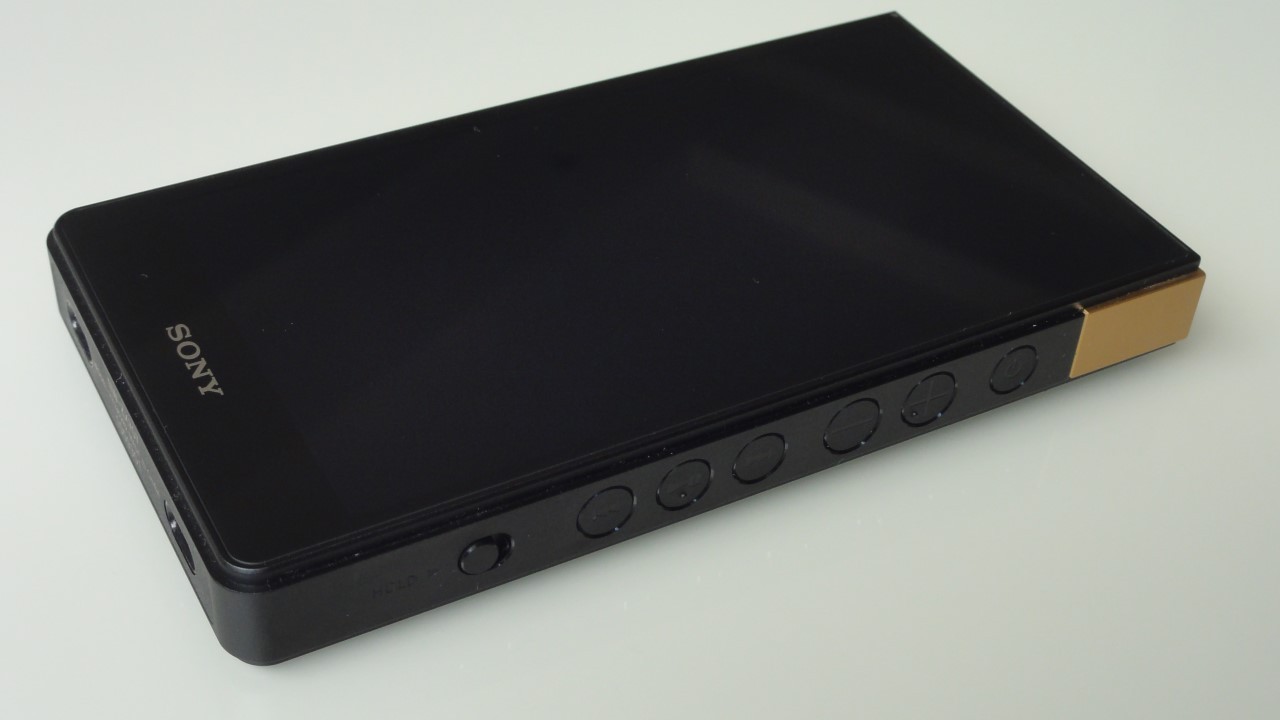
The first models in the flagship Walkman WM1 Series, the NW-WM1A and NW-WM1Z, were introduced in 2016. At the time, Sony chose to use a proprietary operating system rather than supporting music streaming services.
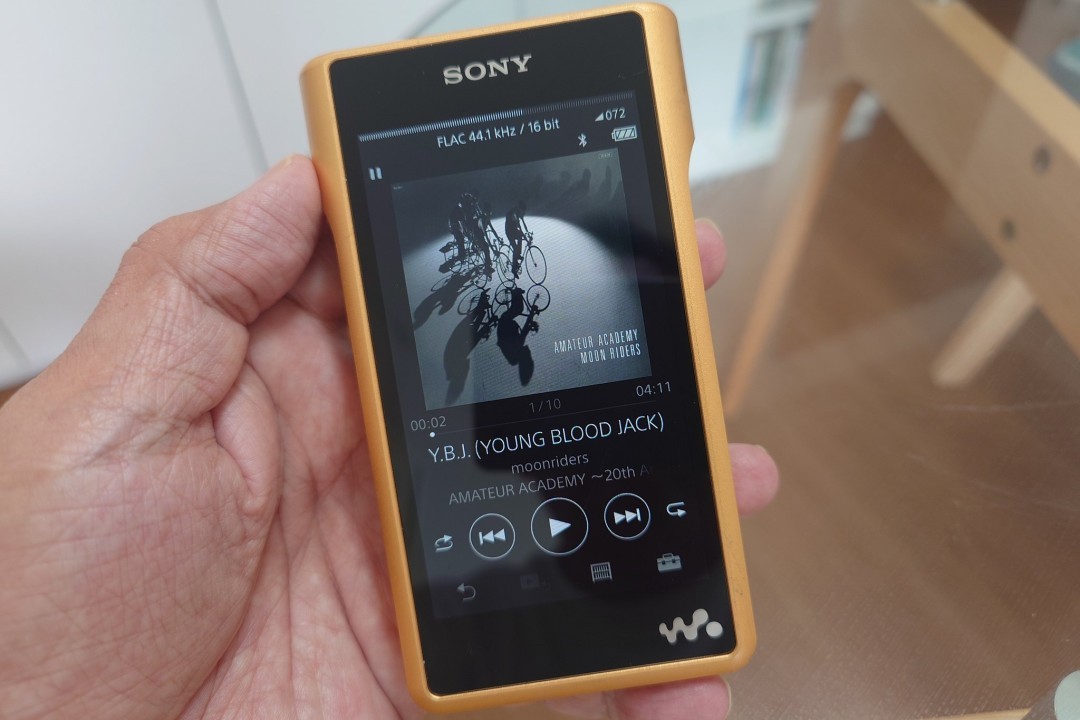
Six years later, in 2022, Sony unveiled the second generation of its flagship DAPs: the NW-WM1AM2 and NW-WM1ZM2. These models adopted Android, included access to the Google Play Store, and fully supported music streaming applications.
Why Does the Walkman Name Still Hold Such Strong Appeal Among Portable Audio Enthusiasts?
Walkman music players have always sought to distinguish themselves by delivering an exceptional listening experience. Whether through increasingly compact designs, superior sound quality, or both, Sony consistently developed products designed to make listening to songs, albums, and playlists more enjoyable.
I never had the opportunity to experience Sony’s portable cassette or MiniDisc (MD) players firsthand. However, I have spent considerable time using both Walkman CD players and Walkman Digital Audio Players (DAPs).
My Experience with Sony Walkman CD Players
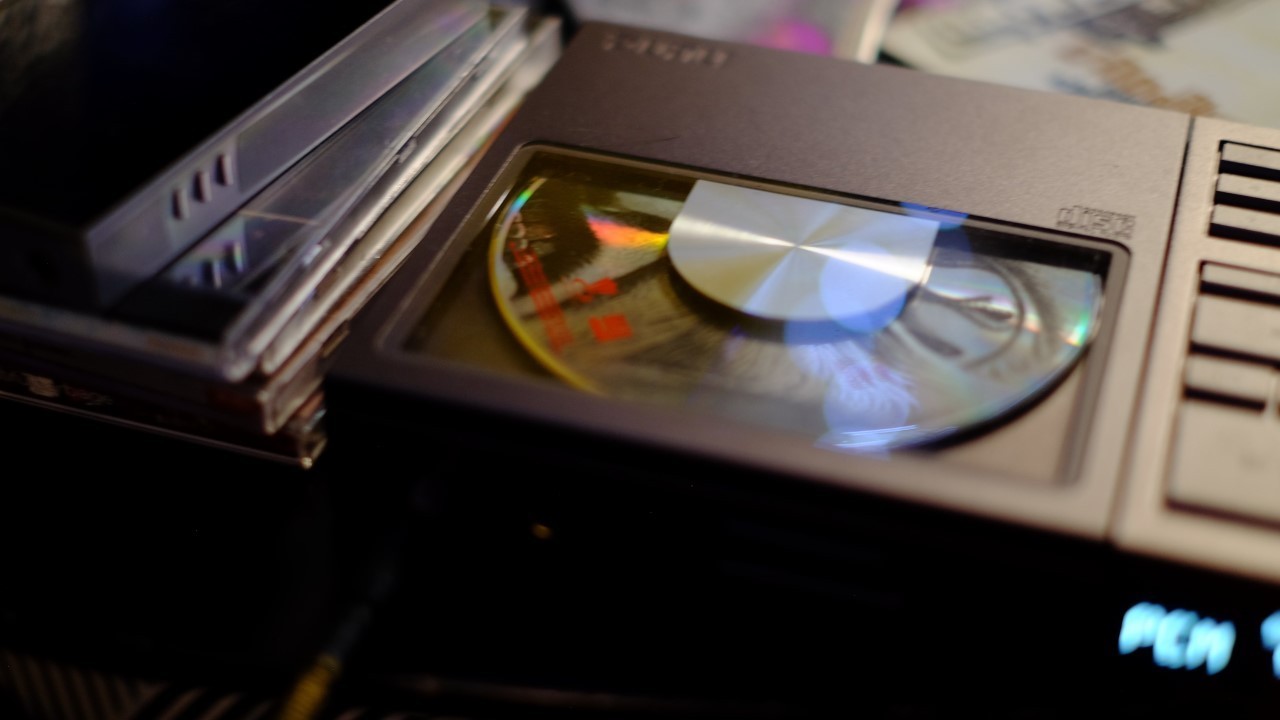
I used several Walkman CD player models from the late 1990s and early 2000s.
What stood out most at the time was how compact they were compared to most portable CD players on the market. Their dimensions were only slightly larger than a standard compact disc, making them remarkably portable.
One design detail I particularly appreciated was the metallic Walkman logo, which gave the players a premium appearance.
The sound quality was enjoyable, although I listened to them using very basic on-ear headphones, which were common at the time. Looking back, I often wonder what those players would sound like today when paired with a modern pair of high-quality In-Ear Monitors (IEMs).
My Experience with Sony Walkman DAPs
My experience with Sony Walkman Digital Audio Players began between 2017 and 2018, when I used the NW-A35 and NW-A45.
To this day, I still consider their size and weight to be ideal for a truly portable audio player.
The aluminum chassis of both models feels exceptionally solid, and their physical buttons remain among the best I have ever used on any portable audio device, rivaled only by those on the NW-ZX707.
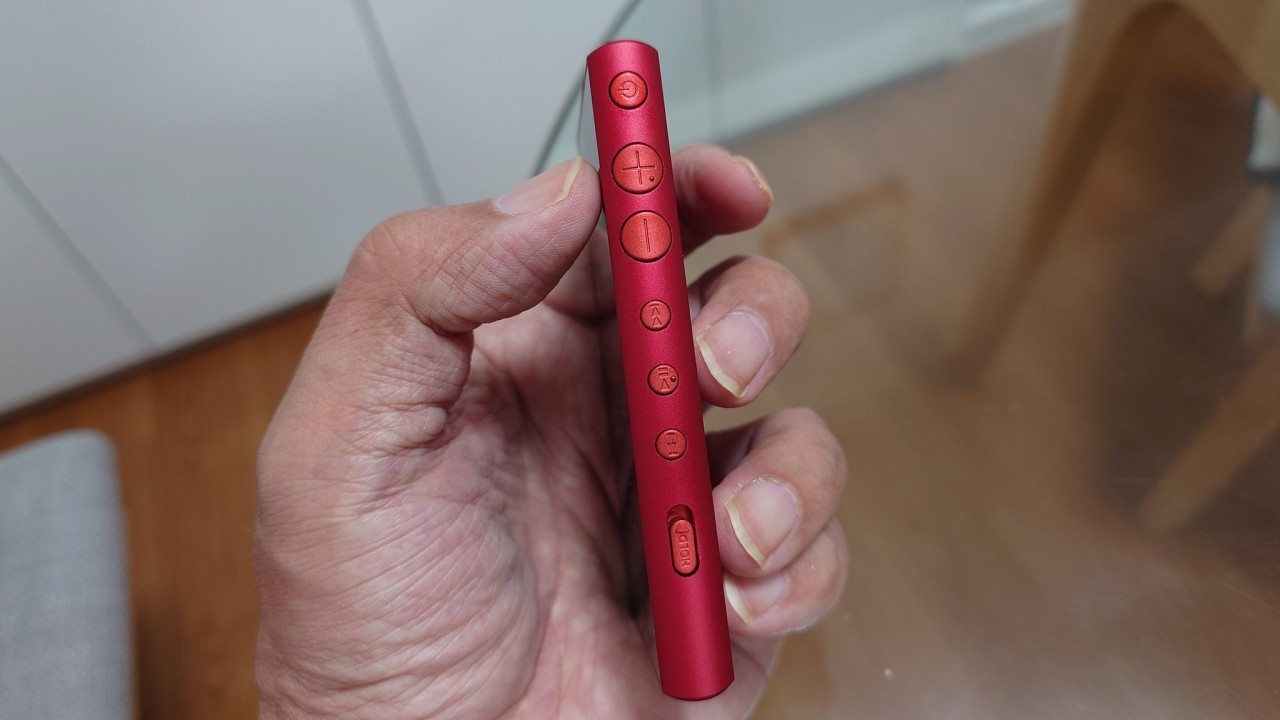
The shape, size, tactile feedback, and placement of the buttons represent, in my opinion, one of the finest hardware control designs ever implemented in a Digital Audio Player.
I also remember how incredibly smooth the user interface felt on both the A35 and A45. Navigation was consistently responsive, with no noticeable lag or stuttering.
It is worth noting that these players use Sony’s proprietary operating system rather than Android. As a result, they do not support third-party music streaming applications.
The sound signature of the Walkman A Series immediately appealed to me.
These players provide an excellent level of detail without ever sounding aggressive or fatiguing. Their presentation is smooth, engaging, and highly musical. I would even describe the listening experience as addictive, encouraging long listening sessions without causing fatigue.
Eight years later, I had the opportunity to spend time with the Walkman NW-ZX707, Sony’s upper mid-range Android-powered DAP.
For the first time in a Sony music player, I encountered a 4.4 mm balanced headphone output, along with the flexibility of installing music streaming applications through Android.
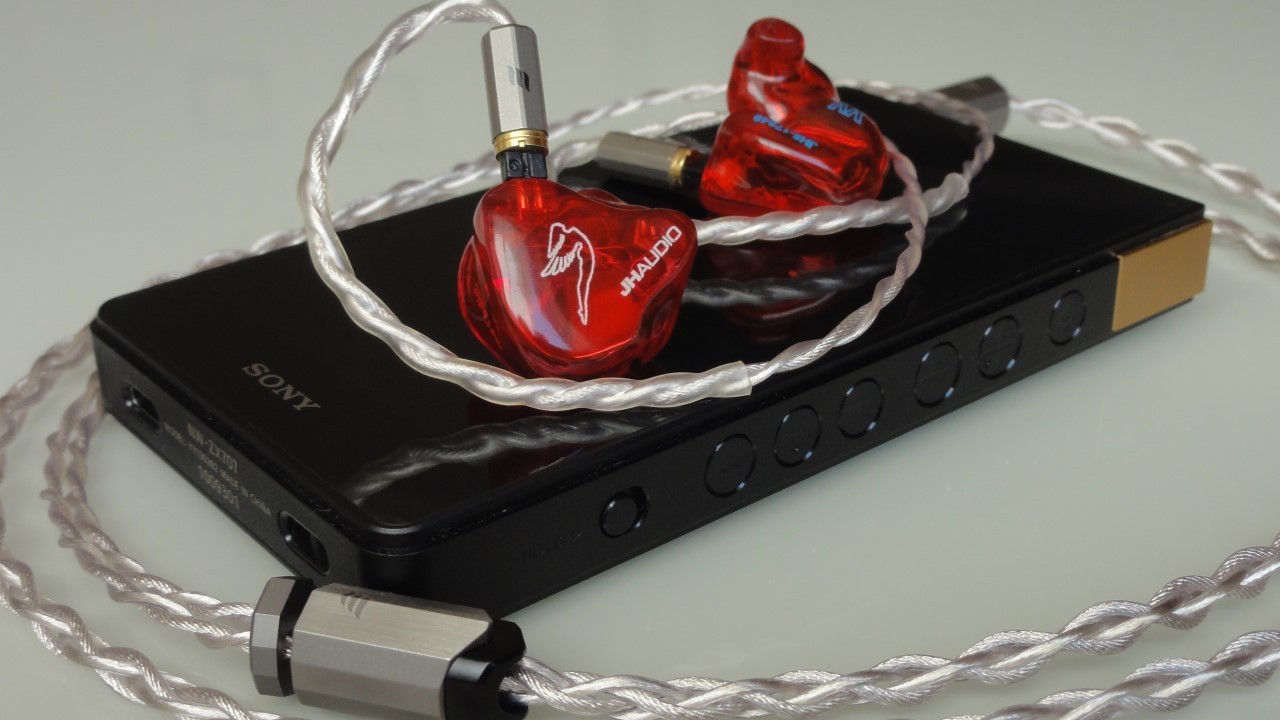
There is no question that the ZX707 is exceptionally well built and exudes a premium feel. Despite being considerably larger than the A Series models, it remains comfortable to hold. The grip is secure, and the physical buttons are easy to locate and operate without looking.
One aspect that disappointed me, however, was the responsiveness of the Android interface. System navigation felt noticeably slower than I expected, although performance inside individual applications was considerably smoother.
Sonically, the ZX707 impressed me just as much as the A35 and A45, reinforcing Sony’s deep understanding of what its audience enjoys.
In fact, I found its sound quality to be a clear step above the Walkman A Series in terms of both dynamic range and detail retrieval, while preserving the smooth, musical presentation that has become one of the defining characteristics of Sony’s Walkman lineup.
If you would like a more in-depth evaluation of its performance, be sure to read my Sony NW-ZX707 review.
Why Sony Can No Longer Manufacture Portable Cassette Players
It is highly unlikely that Sony will ever reintroduce its portable cassette players, and a former Walkman engineer has explained why.
Akira Tanaka, who worked at Sony until 2025, has been sharing his personal opinions and historical insights on X (formerly Twitter) since leaving the company.
On July 22, 2026, Tanaka explained why Sony can no longer realistically relaunch portable cassette players. According to him, the primary obstacle is that many of the critical components required to manufacture these devices are no longer produced.
“Many components, including ultra-miniature motors, magnetic heads, optical pickup assemblies, and dedicated integrated circuits (ICs), have long since been discontinued. It is no longer possible to simply revive the original design, virtually the entire product would have to be redesigned from scratch.”
At first glance, it might seem that Sony could simply resume manufacturing those components. In reality, however, the situation is far more complex.
One of the reasons Walkman cassette players became so remarkably compact was that many of their components were designed specifically for individual product platforms. These highly specialized parts were not interchangeable with those used in other consumer electronics.
As Tanaka explains:
“Walkman players were exceptionally compact, thin, and precise, but the specialized production lines and manufacturing expertise required to build them no longer exist.”
Because these components are no longer manufactured, today’s portable cassette players are generally much larger than the classic Sony Walkman models.
At this point, a natural question arises: if there are still enthusiasts interested in portable cassette players, why doesn’t Sony simply develop a completely new model?
The answer involves two major challenges:
• Opportunity cost
• Current state of the physical media market
Regarding market demand, Tanaka explains:
“Although many enthusiasts would like to see these products return, the market remains extremely niche. Sales of only a few tens of thousands of units would not be enough to recover the costs of development and tooling, making such a project commercially difficult to justify.”
Tanaka’s explanation highlights a challenge that extends well beyond engineering. Even if Sony could redesign every component using modern manufacturing techniques, the company would still need to invest heavily in research and development, production tooling, testing, certification, and long-term support.
Without sufficient demand, recovering those investments would be extremely difficult, making the project financially impractical despite the continued enthusiasm surrounding the Walkman brand.
Opportunity Cost Also Makes a New Walkman Cassette Player Unfeasible
James Chung, Founder and CEO of FiiO, the company behind the CP13 portable cassette player, has also discussed the concept of opportunity cost when developing niche audio products.
According to Chung, before bringing any product to market, manufacturers must carefully evaluate whether projected sales can realistically cover the total investment required. He illustrated this with the example of a metal desktop rack designed to support audio equipment:
“In practice, once you account for material costs, shipping, packaging, value-added tax (VAT), platform commissions, after-sales service, structural engineering, graphic design, and customer support, I believe selling 1,000 units would only allow the project to break even.
If we also consider that most sales are made through distributors, who must generate enough profit to cover expenses such as salaries and rent, it would probably take around 2,000 units just to reach the true break-even point.”
The same economic logic applies to portable cassette players.
Even if a company can successfully design and manufacture a new model, expected sales volume may simply be too low to justify the investment. Every engineering hour devoted to a cassette player is time that could instead be spent developing products with significantly greater commercial potential.
Cassette Sales Remain Too Inconsistent
Although new albums continue to be released on cassette, the format has yet to demonstrate the sustained growth needed to support large-scale hardware development.
According to the British music industry publication Music Week, “the cassette revival has been far more inconsistent than vinyl.”
Journalist Andre Paine reports that cassette sales have actually declined during 2026.
“Cassette sales increased 16.2% during the second quarter, reaching 33,427 units. However, year-to-date sales are down 25.3%, totaling just 68,815 units.”
By comparison, during the second quarter of 2026, consumers purchased:
• 2,050,792 CDs
• 1,837,536 vinyl records
These figures illustrate the enormous gap between cassette tapes and the two dominant physical music formats.
Although cassette tapes continue to attract collectors and nostalgic music fans, the market remains relatively small and volatile. Vinyl, by contrast, has enjoyed nearly two decades of sustained growth, while CDs continue to sell in much larger volumes.
Under these conditions, investing millions of dollars in developing an entirely new cassette player platform would be extremely difficult to justify from a business perspective.
Final Thoughts
For nearly five decades, the Walkman brand has evolved alongside the portable audio industry. Throughout that time, Sony has continuously adapted its Walkman music players to changing listening habits and to the evolution of audio formats, from analog media to digital files and, more recently, music streaming.
In my opinion, Sony’s portable music players have always been about helping listeners connect emotionally with their music. Whether through thoughtful industrial design, intuitive usability, or carefully tuned sound quality, the company has consistently pursued products that deliver an engaging and enjoyable listening experience.
Although the return of Walkman cassette players is highly unlikely, Sony continues to celebrate the brand’s heritage through its modern Digital Audio Players. One notable example is the Sony Walkman NW-A100TPS, a special edition inspired by the original TPS-L2, the very first Walkman released in 1979.
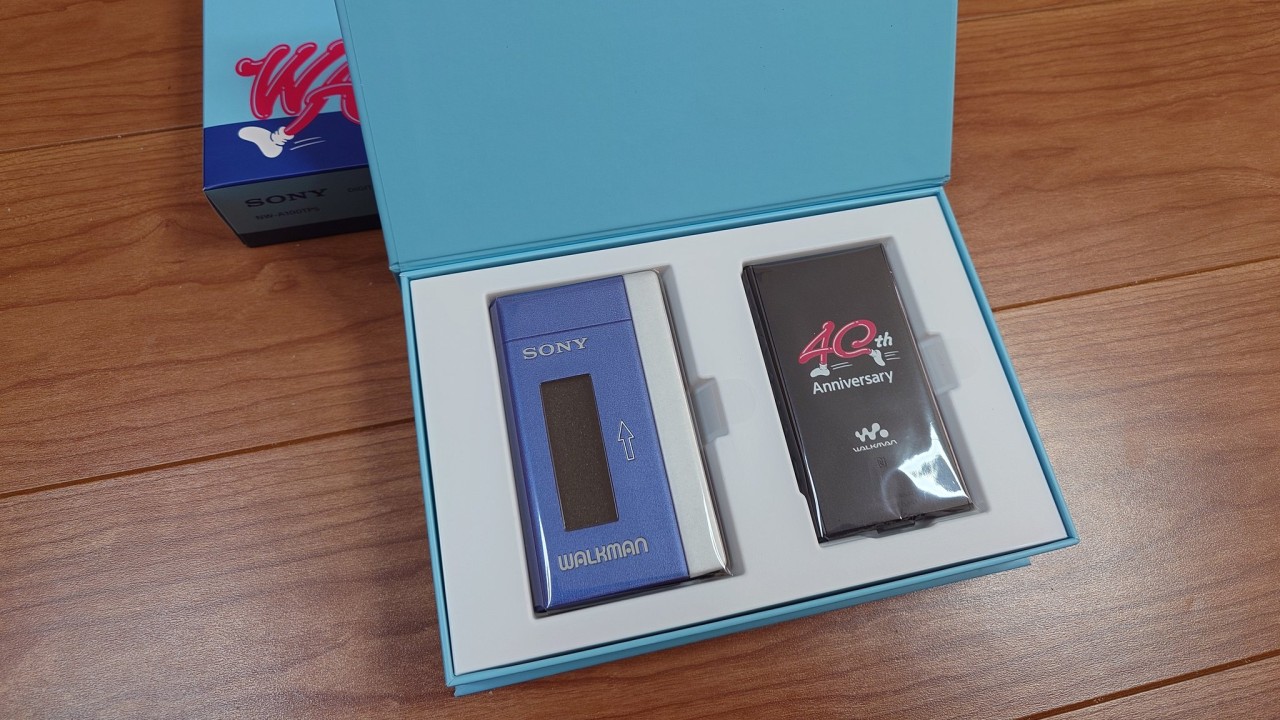
Defining the Walkman solely as a portable cassette player misses what the brand has represented for generations. Walkman is more than a particular storage medium or playback technology, it embodies a philosophy of enjoying music wherever you go. Its ultimate goal has always been to let listeners forget about the device itself and become fully immersed in the music, regardless of whether it comes from a cassette, a CD, a MiniDisc, or a high-resolution digital audio file.
Share:


No comments have been made yet, be the first!