

DDHiFi TC19BC Review: Premium USB-B to USB-C OTG Cable
From: Vitor Valeri
A headphone hobbyist for over 15 years, he founded the Hi-Fi Hub website and is an administrator of the "Fones High-End" and "Fones Low-End" groups on Facebook.


Published in: 16/05/26 at 19:30 - Updated in: 16/05/26 at 19:43
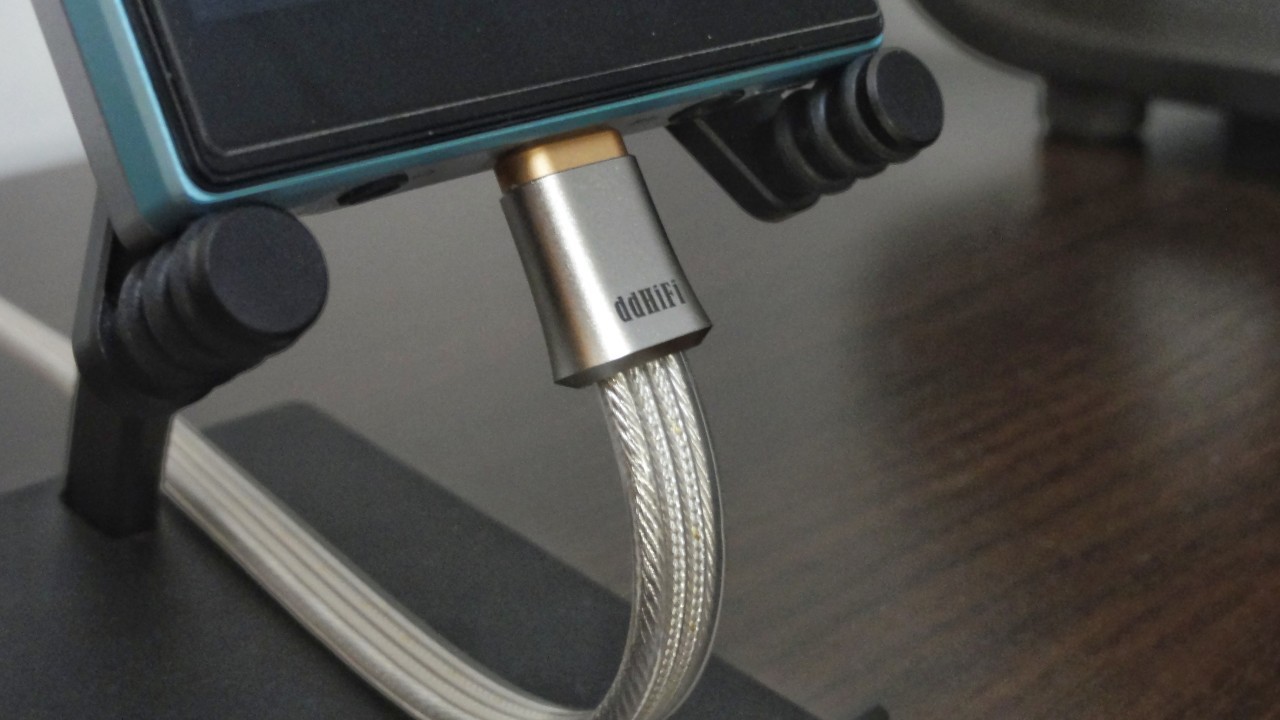 DDHiFi TC19BC USB OTG cable (Image: Vitor Valeri/Hi-Fi Hub)
The DDHiFi TC19BC was the solution I found for the issue I encountered with the DDHiFi HS110SE, previously reviewed here on Hi-Fi Hub. This USB OTG cable was the only one capable of accommodating the low height of the desktop stand for DAPs (Digital Audio Players) made by the same manufacturer. However, after using it for a month, I realized that the TC19BC offers more than just flexibility, as will be discussed below.
What the DDHiFi TC19BC Is and Its Purpose
The TC19BC is a USB OTG cable manufactured by DDHiFi, a Chinese audio accessory company. It is designed to connect a DAP, smartphone, tablet, or PC to a DAC. In this configuration, the digital-to-analog signal conversion is handled by the external DAC, while the DAP functions solely as a music playback device.
It is worth noting that the letters “BC” at the end of the cable’s name indicate that this model features USB-C and USB-B connectors. Following the same naming convention, the “TC19BA” model is a USB-B to USB-A cable, while the “TC19CC” model features USB-C connectors on both ends.
Physical Differences Between the DDHiFi TC19BC and Other USB OTG Cables
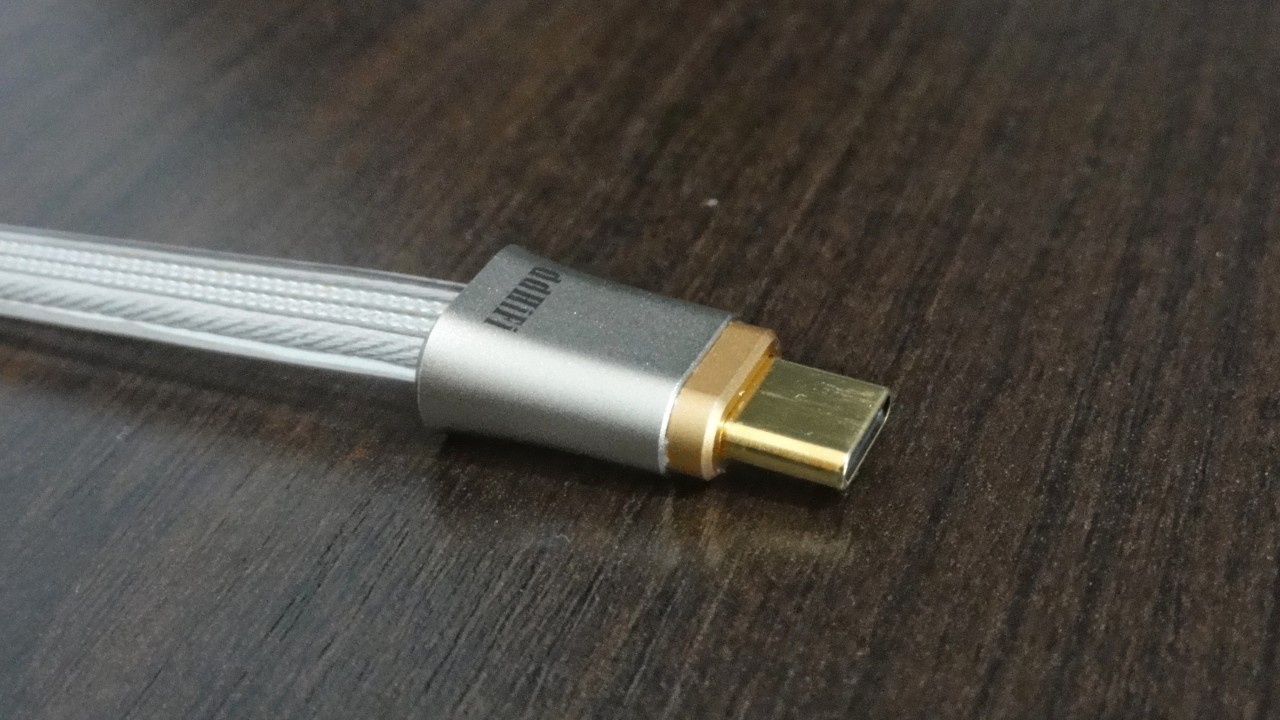
After using the TC19BC, I noticed that DDHiFi’s USB OTG cable offers several distinguishing characteristics compared to the design adopted by most cables in the same category. The first is its flexibility, as mentioned at the beginning of this review. Next, I would highlight the high-quality connectors. Finally, the transparent outer jacket stands out as an uncommon feature that, in my opinion, enhances the cable’s visual appeal.
The Transparent Cable Jacket
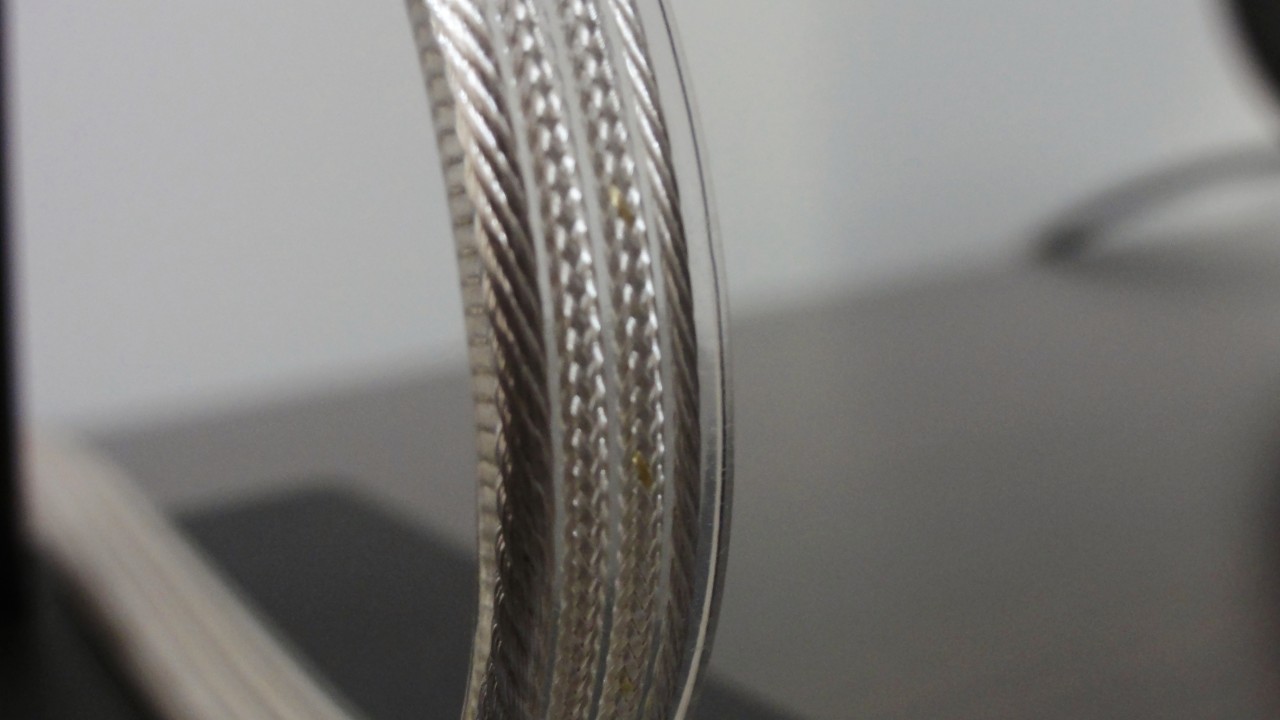
When I first saw the TC19BC in person, what immediately caught my attention was the transparent jacket surrounding the USB cable wires. Because it is transparent, the four internal conductors are visible (two for data, one for power, and one for ground). The silver coloration of the wires results from the silver-plated shielding [1], which is composed of copper filaments.
[1] Cable shielding is intended to prevent electromagnetic interference (EMI) and radio-frequency interference (RFI).
Recommended Articles
• Do USB Cables Make a Difference in Audio? When Are They High Quality?
• How to Eliminate Audio Noise, Hissing, and Interference in Headphones and Speakers
The Flexibility of the Cable Jacket
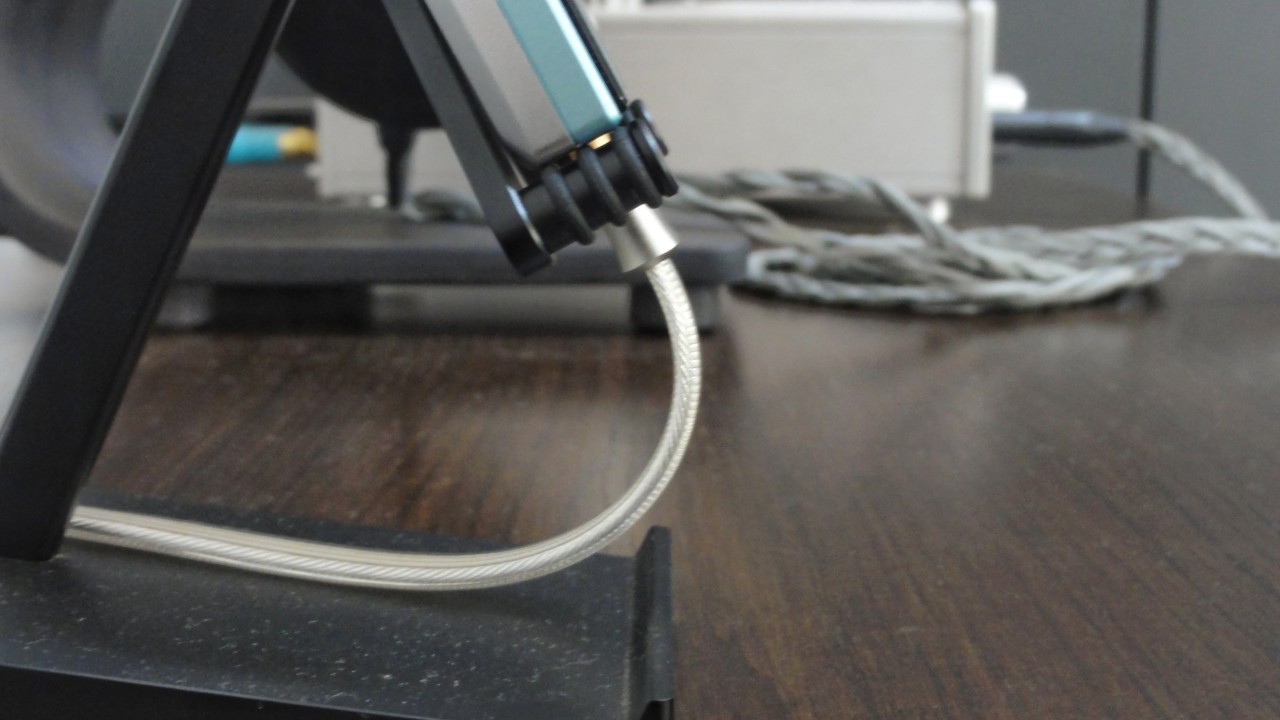
The jacket is made from “SoftFlex PVC,” a synthetic polymer that gains flexibility through the addition of plasticizers. In addition to being easy to bend, this material offers durability and ease of cleaning, particularly when combined with the TC19BC’s flat cable design.
The Build Quality of the USB Connectors
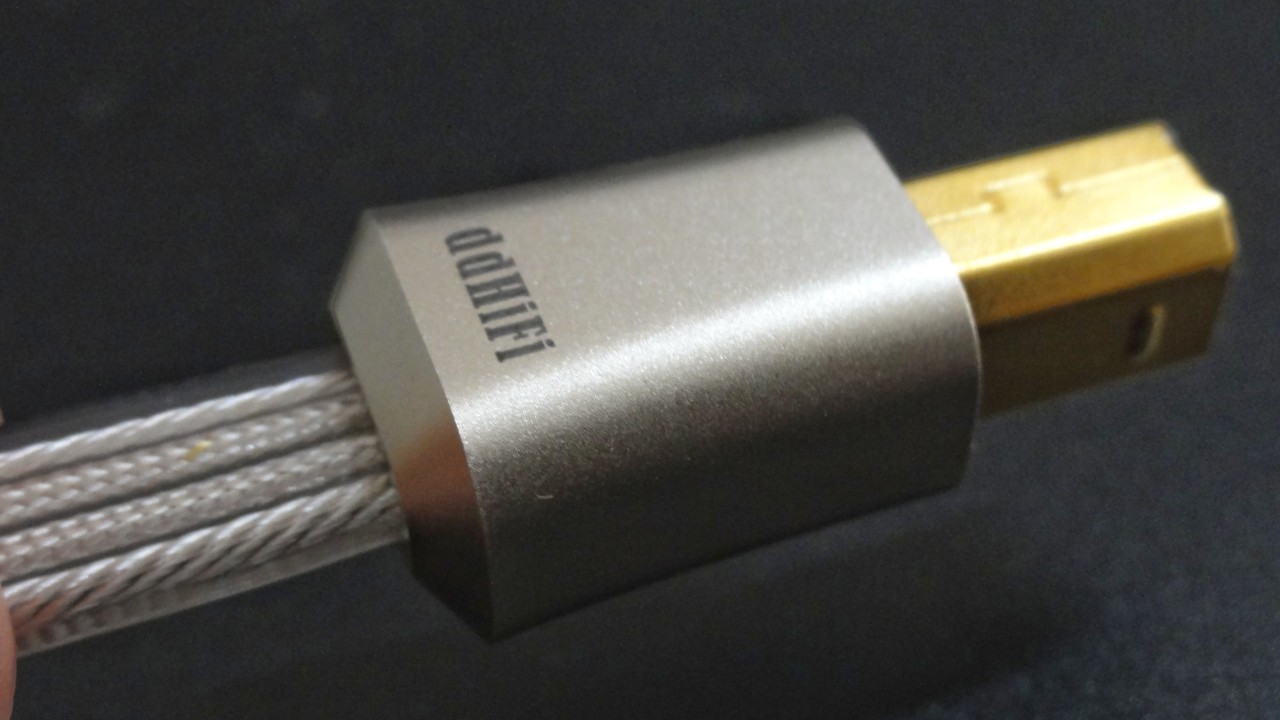
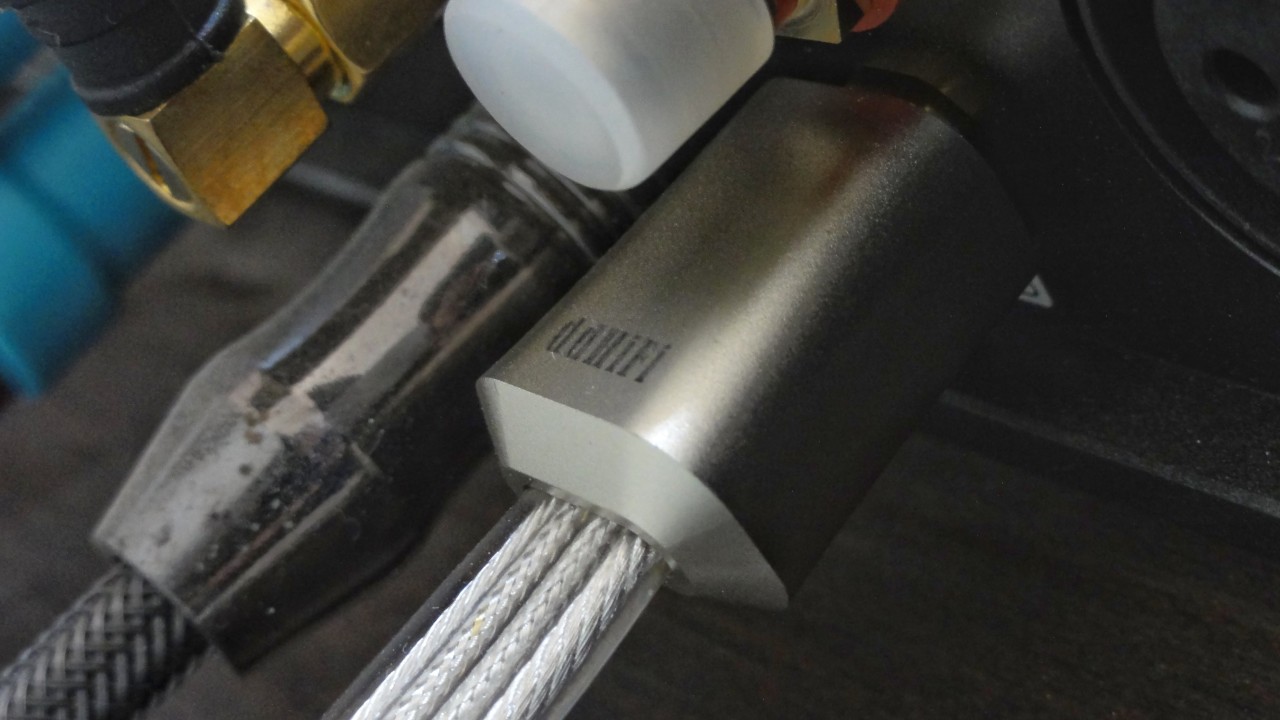
DDHiFi equips the TC19BC with USB connectors featuring CNC-machined aluminum housings, giving the product a more premium appearance. In addition, the rear section of the USB-C connector has a curved design, allowing for a firmer grip when connecting or disconnecting the cable from a DAP or smartphone.
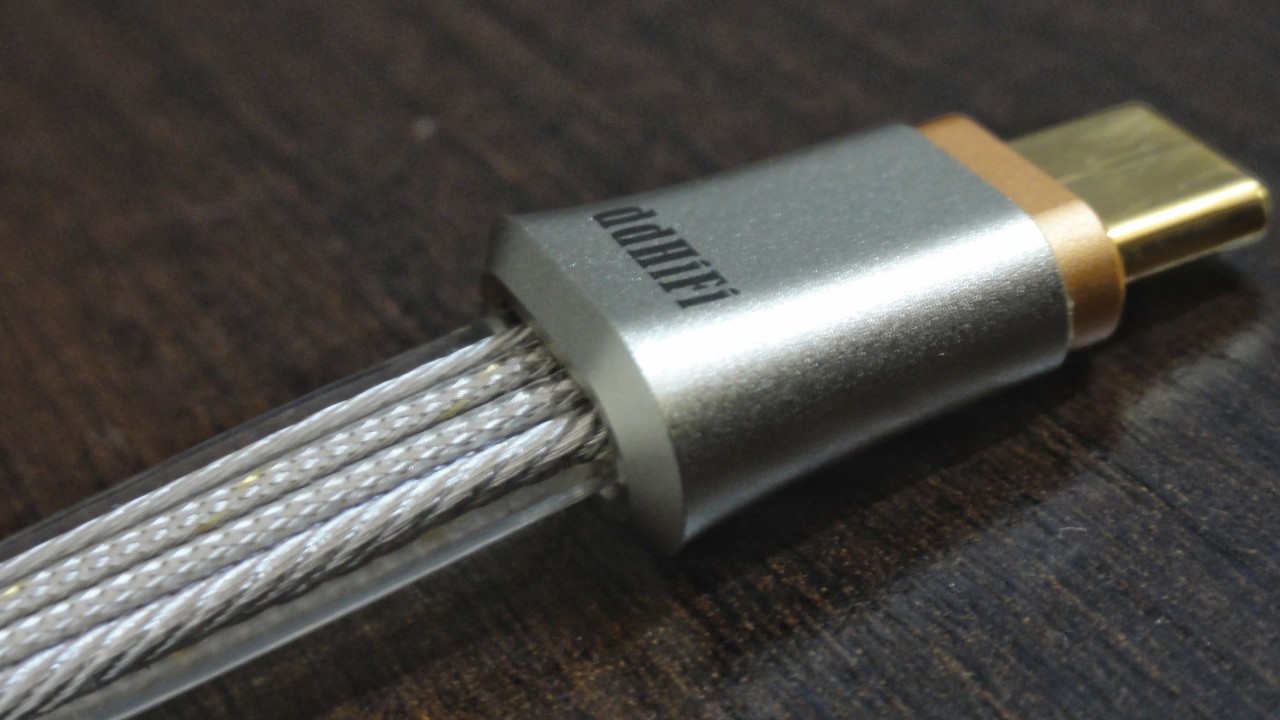
Another aspect I noticed was the smooth insertion and removal experience when using the cable with both the FiiO JM21 DAP and the Topping D70S desktop DAC. No excessive force was required to connect or disconnect the USB connectors. I also observed that the connection remained secure and stable, without looseness, across all devices tested.
The TC19BC’s Protection Against Interference
In addition to the individual shielding applied to each conductor, DDHiFi implemented further measures in the TC19BC to minimize electromagnetic and radio-frequency interference. According to the manufacturer, “signal interference originating from smartphones and PCs generally arises from electromagnetic leakage at connector junctions and soldering points.” To mitigate this issue, the company employed the following solution in the USB connectors:
“A one-piece CNC-machined upper and lower metal housing with high-precision interlocking seals, forming a fully enclosed zero-gap shielding cavity that completely isolates the internal signal circuits from external interference, eliminating electromagnetic crosstalk at the source.”
My Impressions of the Sound Changes Introduced by the TC19BC
Although many people do not believe that USB cables can alter sound presentation, I cannot disregard my experience with the TC19BC. Before using it, I must admit that I was skeptical of DDHiFi’s claims regarding this cable’s sonic characteristics. However, I was genuinely surprised by the results I obtained in my desktop audio system, which I use exclusively for listening to music with over-ear headphones.
The first thing I noticed effortlessly was an increased level of detail retrieval in the sound. I was able to hear nuances that had previously been absent with the USB cable I had been using. Initially, however, I could not understand the reason behind this change. After listening with different headphones and albums spanning multiple musical genres, I gradually began to identify the underlying cause.
The shielding solutions implemented in the TC19BC resulted in a blacker background. This became particularly evident when listening to classical music. Instruments exhibited improved separation, along with greater extension and texture.
Another aspect I noticed was the improved layering and separation of sounds. Everything became more clearly delineated, and no effort was required to perceive these distinctions. This characteristic proved especially transformative in orchestral performances.
Finally, I observed greater dynamic contrast in the sound. Bass, midrange, and treble frequencies gained additional cohesion, resulting in a presentation that felt more solid, lively, and natural. As a consequence, I generally found myself lowering the listening volume, since there was no longer any need to increase it in order to hear all nuances clearly.
Equipment Used During Testing
Below is the list of equipment used during the evaluation of the DDHiFi TC19BC USB OTG cable.
• Woo Audio WA3 amplifier with one Western Electric 421A tube and two Sylvania JAN 6DJ8 tubes, powered by a Pangea Audio AC-14SE MKII power cable
• Chord C-line RCA cable
• Topping D70S DAC powered by a Pangea Audio AC-14 power cable
• FiiO JM21 DAP
• Grado RS2e open-back on-ear headphones
• Audio-Technica ATH-W3000ANV closed-back over-ear headphones
• Sennheiser HD 600 open-back over-ear headphones
Conclusion
The DDHiFi TC19BC is an exceptionally well-built cable, offering durability through premium construction, improved usability with audio equipment thanks to its intelligent design, and perceptible sonic refinements. However, given its price of approximately US$136, I understand that not everyone will be willing to spend that amount on a USB cable. Nevertheless, for those interested, I purchased the TC19BC from DDHiFi’s official AliExpress store through this link.
No comments have been made yet, be the first!