

Brise Audio IBUKI launched: flagship 9-driver tribrid IEM
From: Vitor Valeri
A headphone hobbyist for over 15 years, he founded the Hi-Fi Hub website and is an administrator of the "Fones High-End" and "Fones Low-End" groups on Facebook.


Published in: 10/04/26 at 16:56
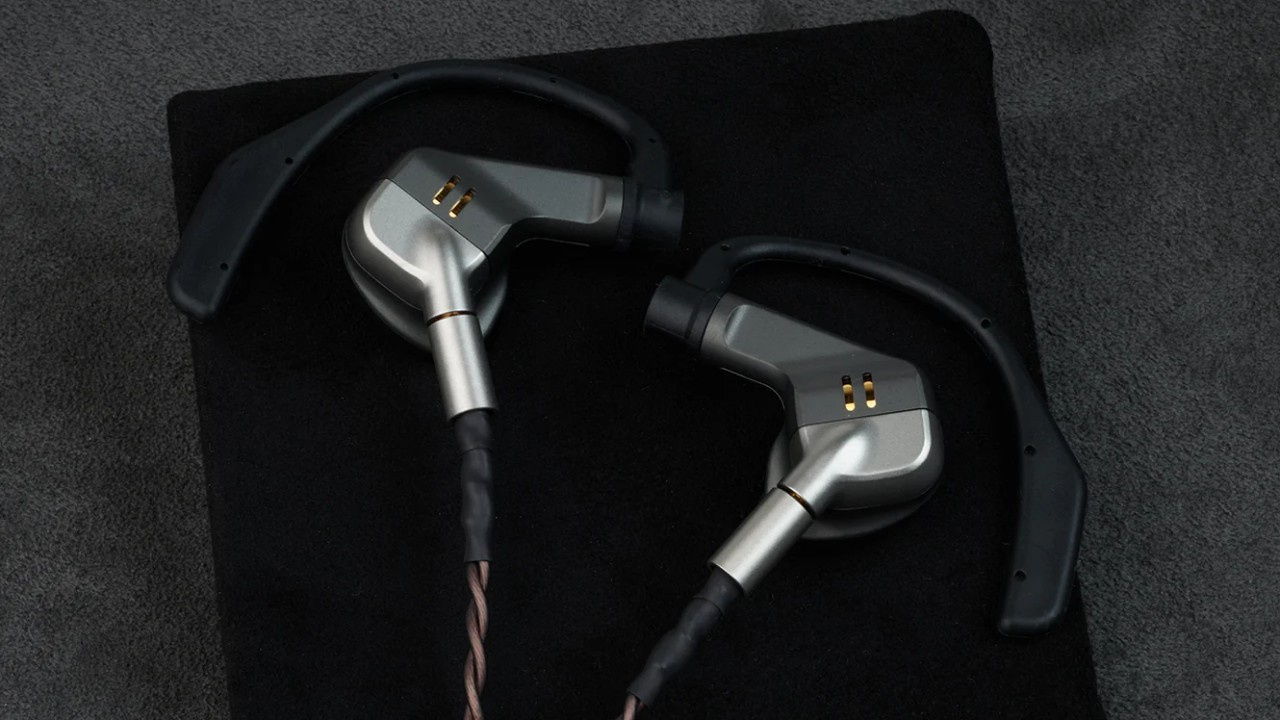 In-ear monitor (IEM) Brise Audio IBUKI (Image: Brise Audio)
The launch of the Brise Audio IBUKI was announced today on the manufacturer’s social media channels. Although the new IEM (in-ear monitor) shares similarities with the FUGAKU, another model developed by the same company, the IBUKI introduces differences not only in the connectors used but also in its drivers. Below are all the details about this new product, which is hand-assembled by the company based in the city of Tamamura, located in Gunma Prefecture, Japan.
IBUKI introduces technologies that allow it to be used with any amplifier
While the FUGAKU relies on a multi-amplification system with an active crossover, the IBUKI allows users to connect it to virtually any amplifier. This was made possible primarily through the development of a passive crossover and the replacement of MEMS (Micro-Electro-Mechanical Systems) drivers with EST (electrostatic) drivers.
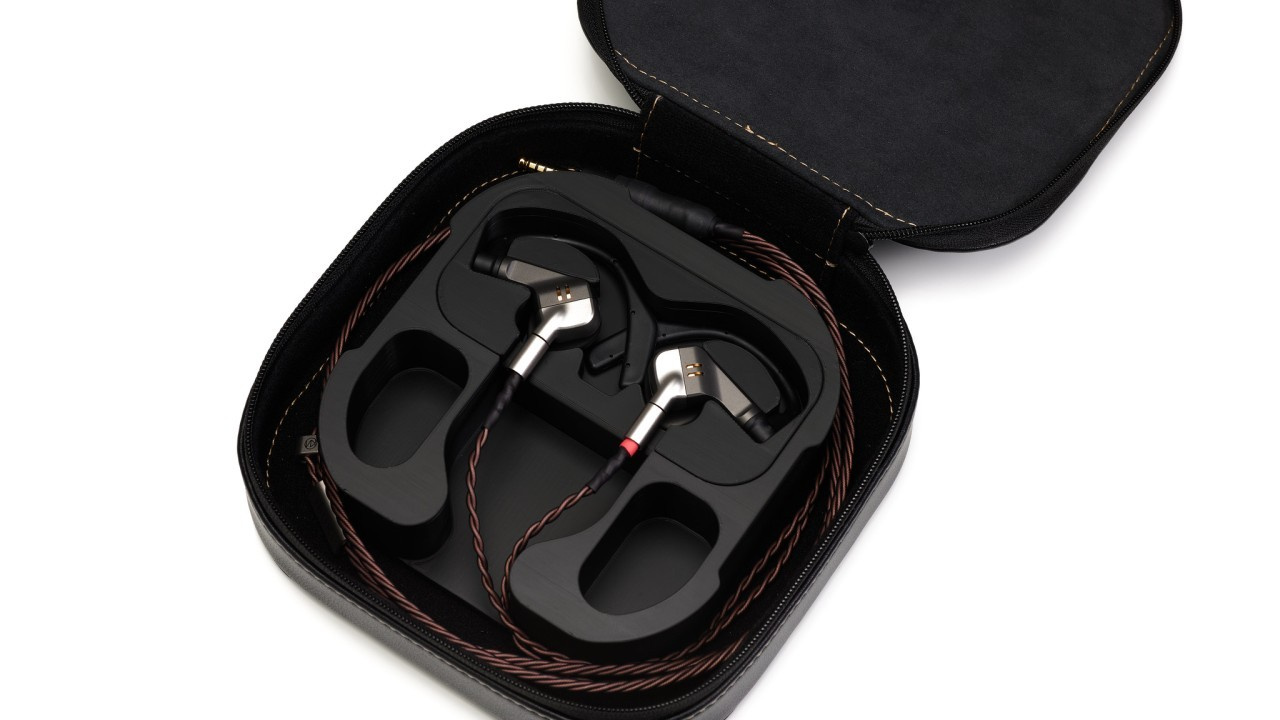
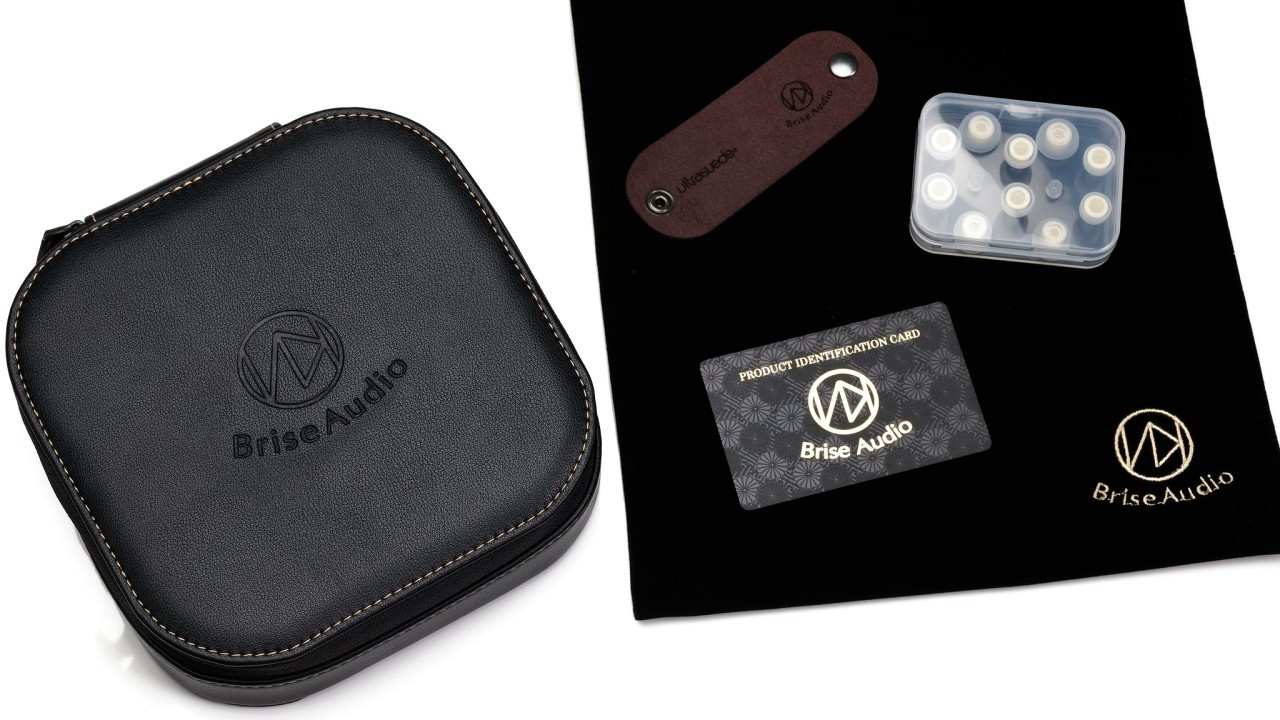
Below is an image of the IBUKI stored in its genuine leather carrying case. The case design allows users to store the IEM without disconnecting the cable while also preventing conductor bending. Additionally, to prevent scratches, the interior features a soft, suede-like fabric.
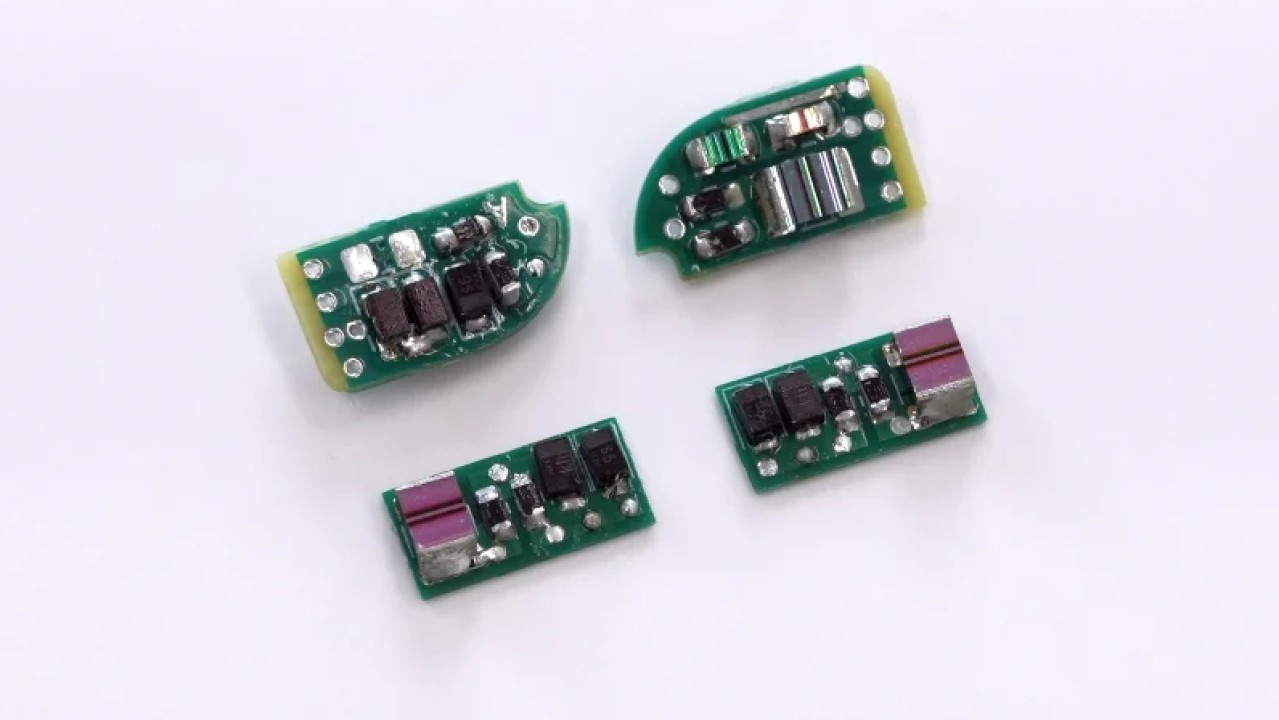
The IBUKI’s 5-way passive crossover
Located on each side of the IBUKI, the 5-way passive crossover divides both frequency ranges and sound pressure among the IEM’s nine drivers.
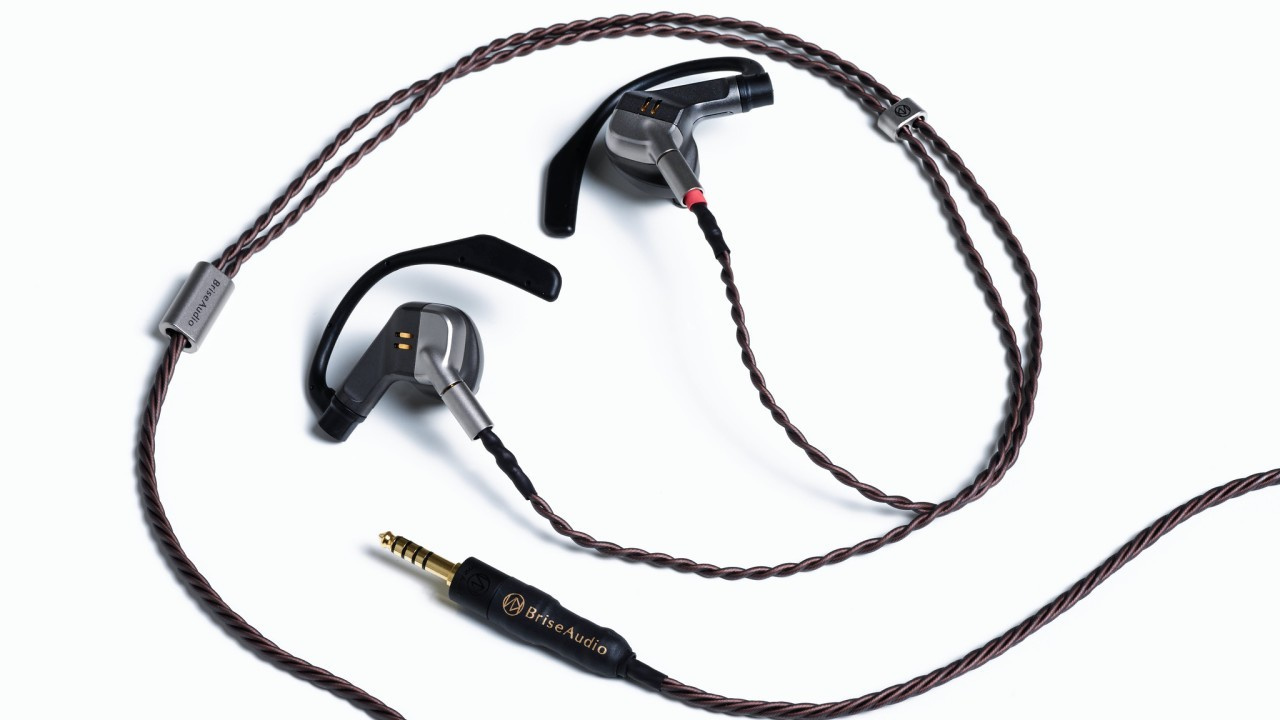
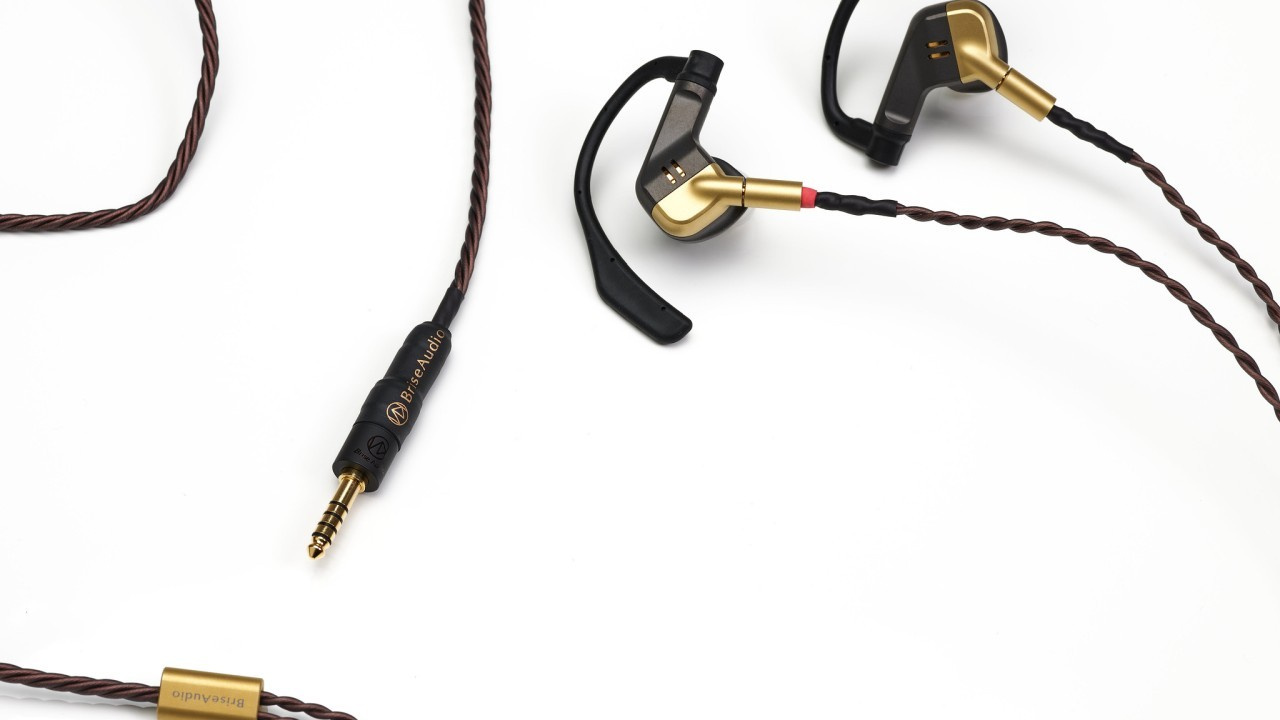
To connect the IBUKI to an amplifier, a 4.4 mm balanced plug manufactured by Pentaconn is used. An image of the IEM is shown below.
For reference, the FUGAKU also employs a crossover with the same number of ways; however, its crossover is active and housed within the amplifier chassis. In addition, it uses two proprietary connectors that connect to the amplifier, each featuring multiple pins, as shown in the image below.
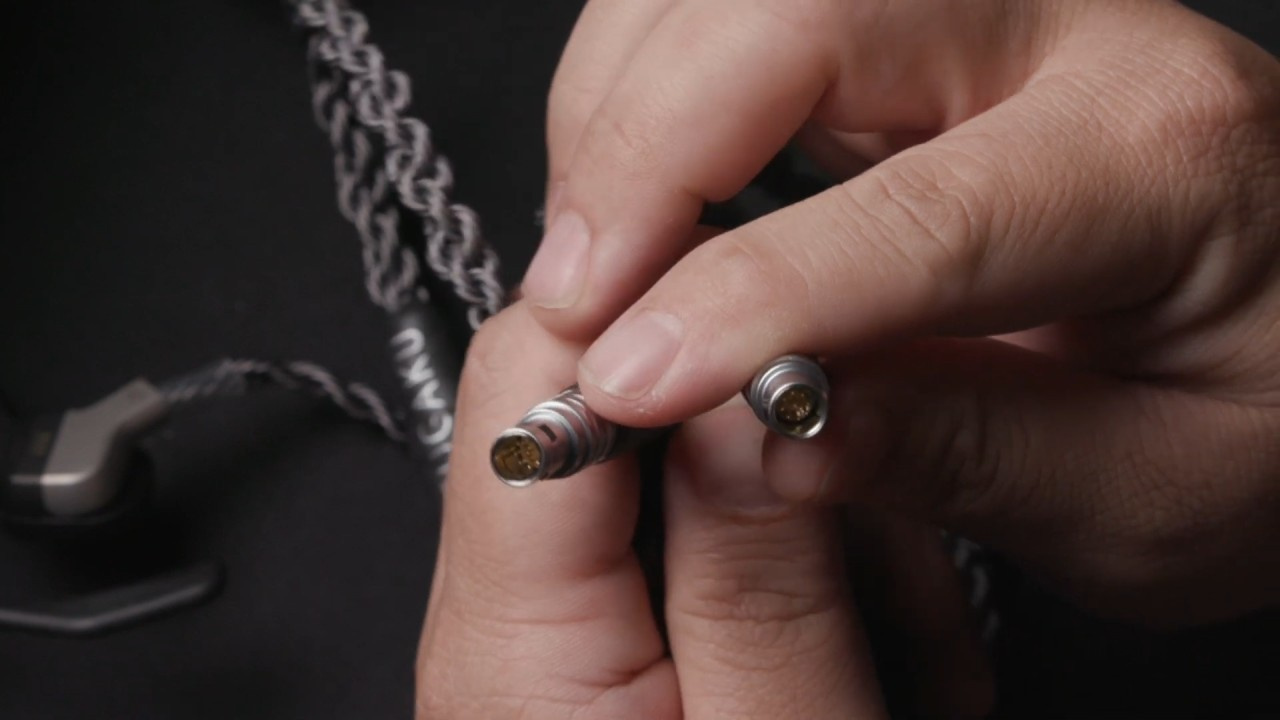
Replacing MEMS drivers with EST drivers
For ultra-high frequency reproduction, Brise Audio uses EST drivers in the IBUKI, which do not require a dedicated amplifier to operate. In contrast, the MEMS drivers used in the FUGAKU require specific amplification to produce sound.
IBUKI driver configuration
The IBUKI employs three driver technologies: DD (dynamic driver), BA (balanced armature), and EST (electrostatic). Balanced armature drivers are used for low-mid, midrange, and high frequencies. Low frequencies are handled by dynamic drivers, while ultra-high frequencies are reproduced by electrostatic drivers.
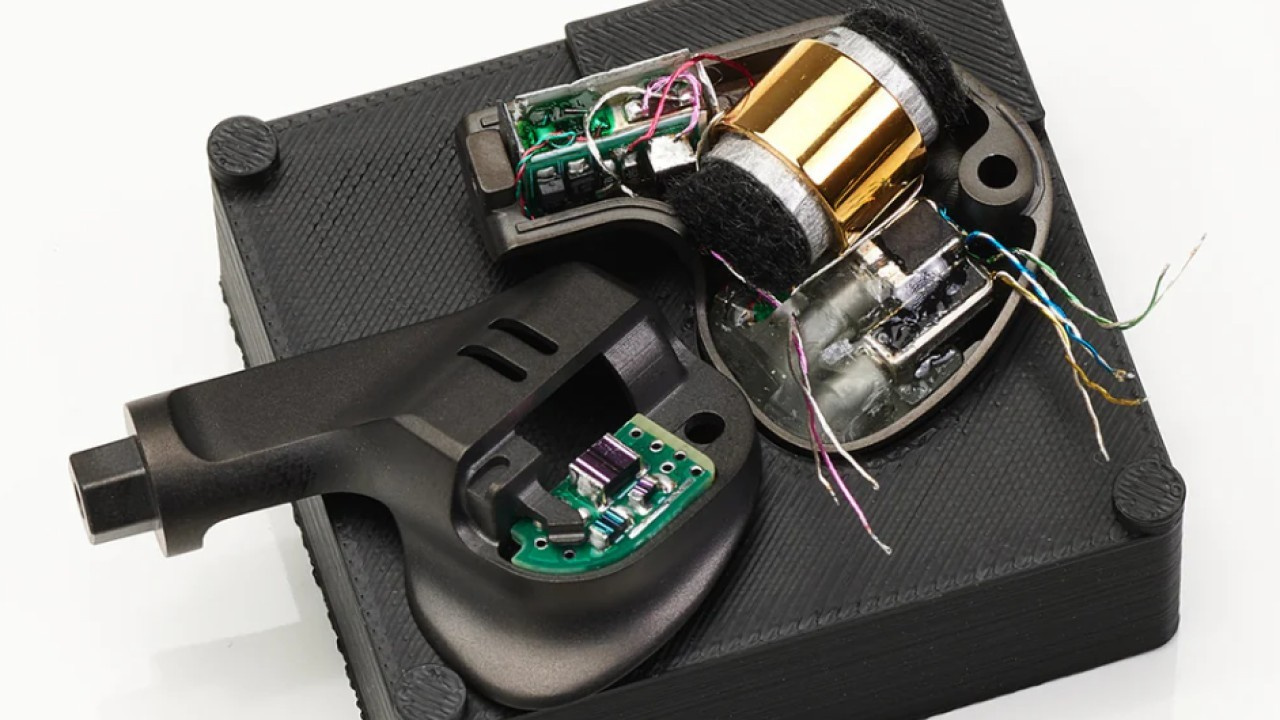
Dual dynamic drivers per side
The IBUKI’s dynamic drivers feature 8 mm diaphragms made of liquid crystal polymer (LCP). Each side of the IEM includes a pair of dynamic drivers arranged in an opposed configuration, mounted face-to-face within a copper ring chamber. Vibrations generated by diaphragm movement are mutually canceled while achieving optimal motion for low-frequency reproduction.
According to Brise Audio, the dynamic driver used in the FUGAKU has been updated to “Version 2” for the IBUKI. The company states that adjustments were made to better suit the IBUKI, reducing unnecessary frequency output and improving sub-bass reproduction capability.
One Sonion BA per side for low-mid frequencies
For low-mid frequency reproduction, the IBUKI uses one Sonion BA driver per side. This frequency range is responsible for the sense of body and weight in musical presentation.
Four Knowles BAs for mids and highs
The IBUKI uses two Knowles BA drivers for the midrange and two for the high frequencies.
According to Brise Audio, the high-frequency BA drivers have been modified. Typically, BA pairs are connected in parallel, but in this case, they are wired in series.
Two EST drivers for ultra-high frequencies
Each side of the IBUKI features a pair of EST drivers for ultra-high frequency reproduction. Activity in this frequency range contributes to a greater sense of air and a more expansive soundstage.
IBUKI acoustic design
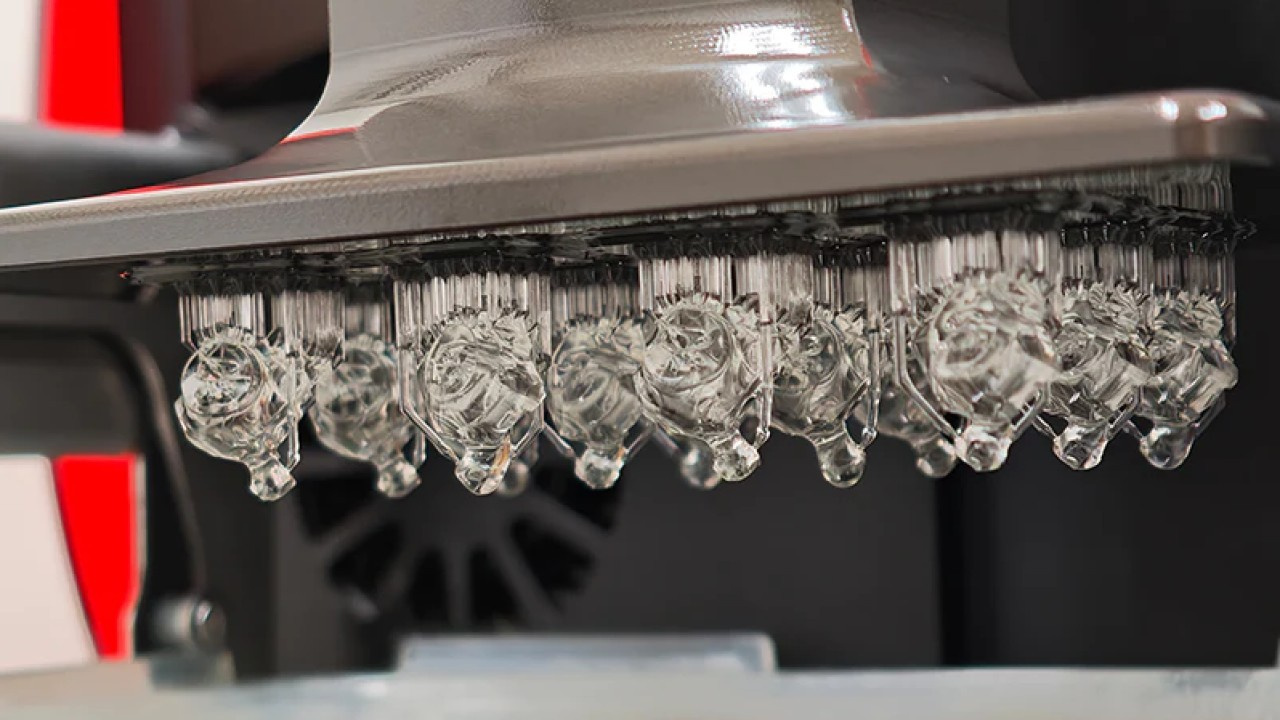
To guide the output of each driver, Brise Audio developed a system of acoustic tubes manufactured using 3D printing. According to the company, the high-precision fabrication of these tubes enables optimal time alignment and balance of sound waves from each driver. Building on this, further refinements were implemented to enhance overall acoustic performance.
Acoustic enhancements in the drivers
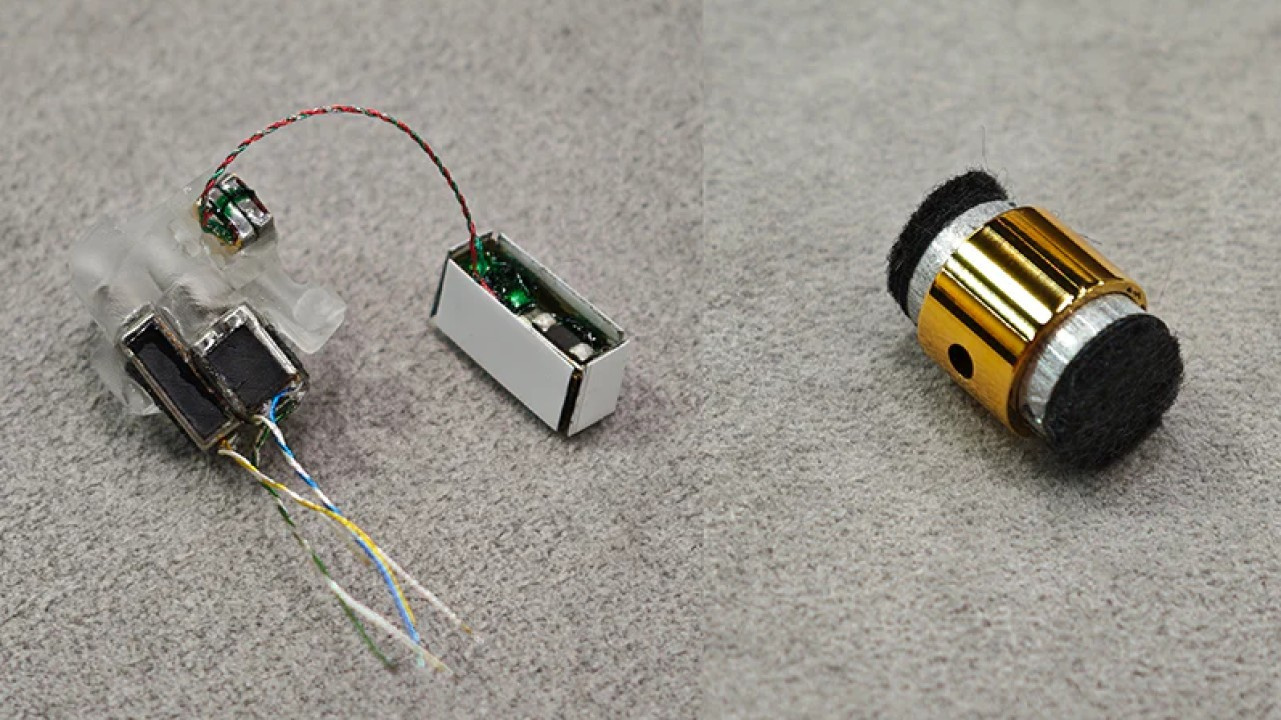
To prevent interference between drivers and within the EST transformer, Brise Audio applied carbon nanotubes and electromagnetic wave absorption materials. Additionally, a felt material is placed behind the dynamic drivers to absorb and attenuate internal reflections within the IEM housing.
Brise Audio IBUKI: Specifications
- Driver configuration: 9 drivers per side (2× EST for ultra-highs + 2× Knowles BA for mids + 2× Knowles BA for highs + 1× Sonion BA for low-mids + 2× dynamic drivers for lows)
- Frequency response: 5 Hz – 50 kHz
- Impedance: 11 ohms
- Housing material: Ti-6Al-4V (Grade 5 titanium) + PVD coating
- Ear hook material: TPE (thermoplastic elastomer) with stainless steel wire
- Cable connector: 4.4 mm OFC (Pentaconn)
- Cable: Brise Audio BSEP for IBUKI
Accessories included in the box
In addition to the leather carrying case, the IBUKI package includes:
- 1× set of AZLA SednaEarfit Max ear tips (6 sizes)
- 1× suede cable clip
- 1× velvet pouch
Release date, pricing, and availability
The Brise Audio IBUKI will debut on April 25 at the Spring Headphone Festival, with pre-orders starting on April 17 via the official online store. Shipping is expected to begin in late June. At the time of writing, the final price has not yet been announced; however, Brise Audio has provided a “reference price” of ¥1,000,000 (approximately US$6,278).
A limited Launch Edition of the Brise Audio IBUKI will also be available at the same price as the standard version. Its distinguishing feature is a gold-coated finish on the IEM housing. Only 50 units will be sold worldwide.
Note: The special edition differs only in appearance and does not feature any performance changes.
Share:


No comments have been made yet, be the first!