

Why Don’t 2-Pin Cables Fit Every In-Ear (IEM)?
From: Vitor Valeri
A headphone hobbyist for over 15 years, he founded the Hi-Fi Hub website and is an administrator of the "Fones High-End" and "Fones Low-End" groups on Facebook.


Published in: 18/02/26 at 10:29
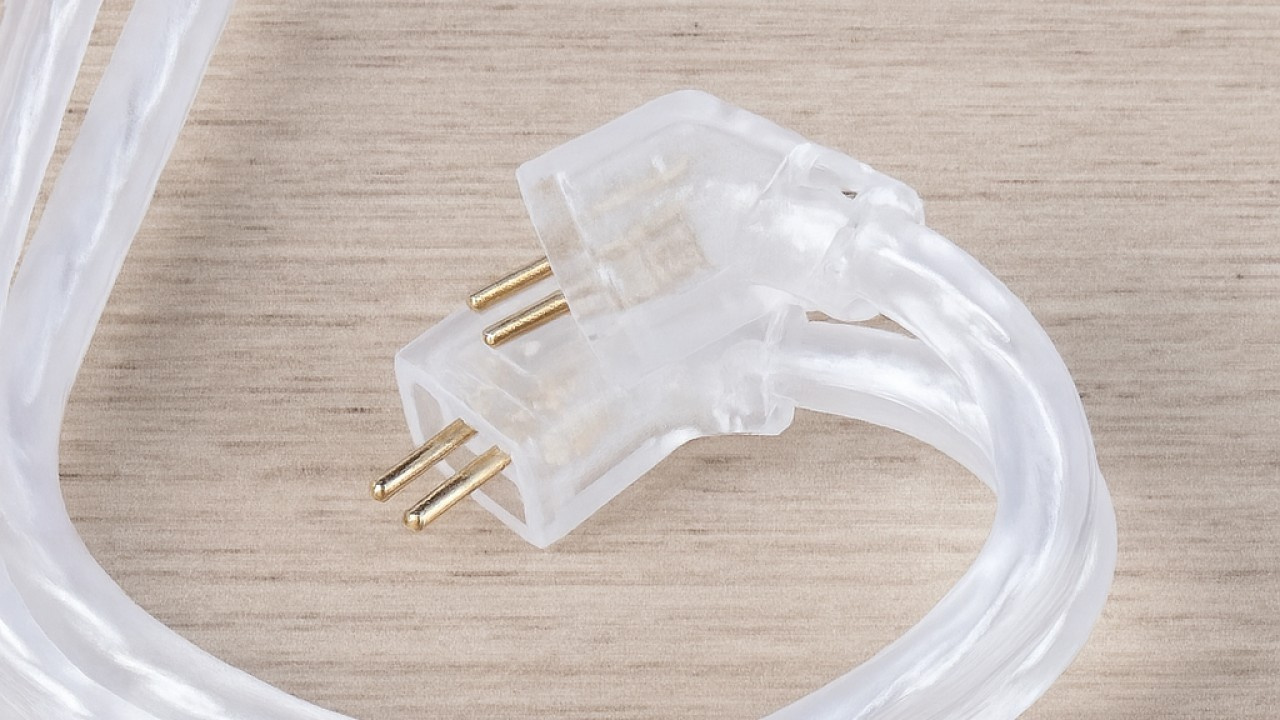
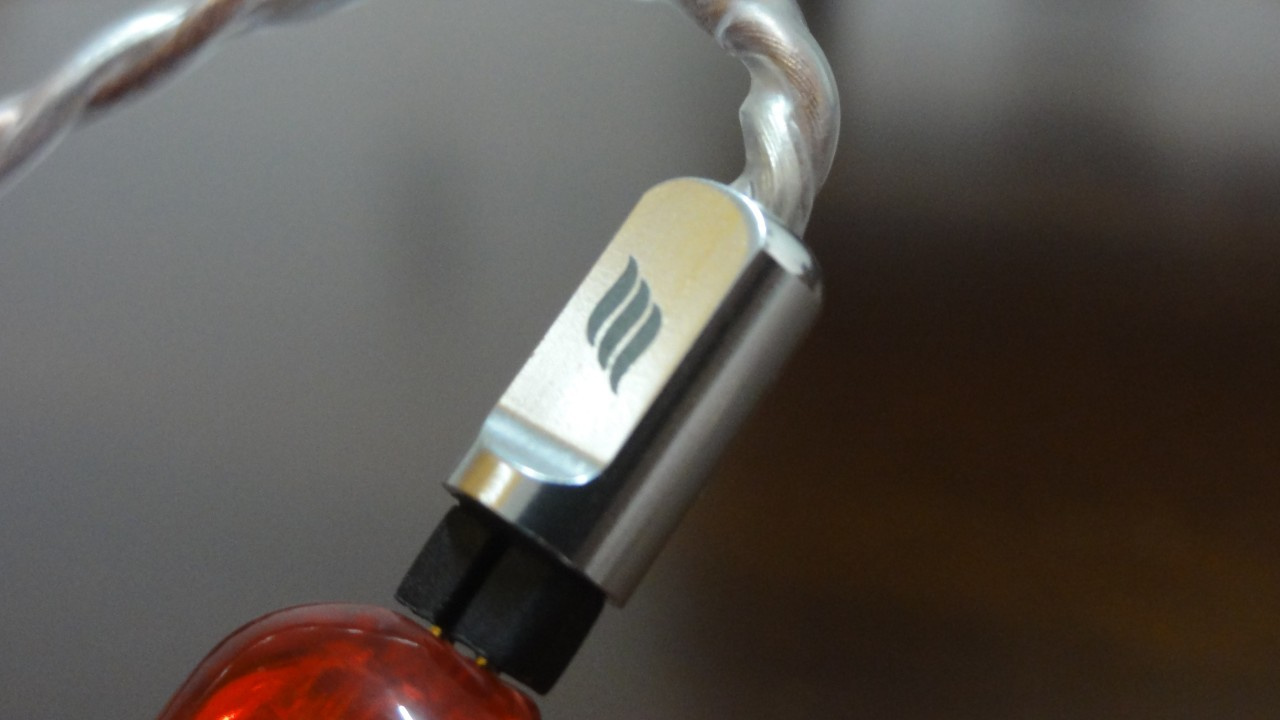 Illustrative image of a 2-pin connector designed for in-ear monitor (IEM) earphones (Image: Vitor Valeri/Hi-Fi Hub)
Certain cables with 2-pin connectors may not fit the in-ear monitor (IEM) earphones we purchase. The reason is that there are multiple variants of this connection model, which uses two metal pins to attach the cable to the IEM. Considering that this type of connector is currently popular, I decided to prepare this guide so that you do not make a mistake when purchasing a new cable for your earphones.
What Are 2-Pin Connectors?
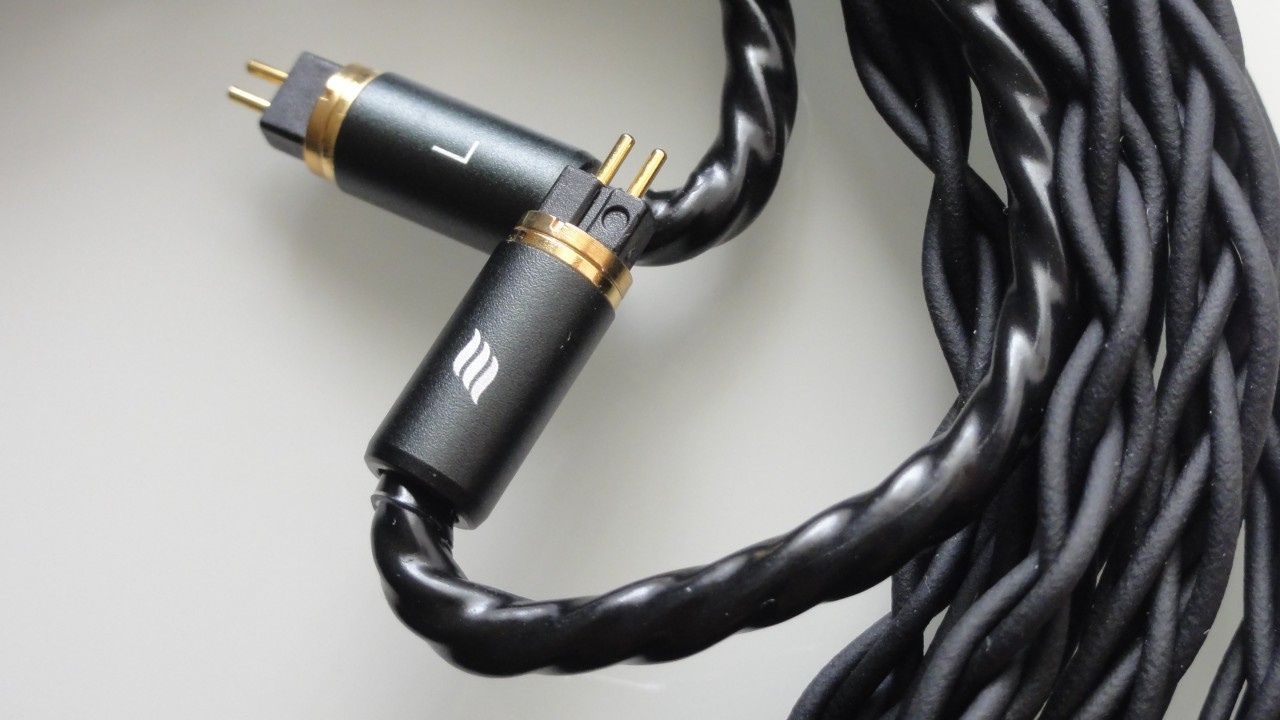
Standard 2-pin connectors are characterized by a barrel-shaped housing with two metal pins protruding from it. The standard diameter of each pin is 0.78 mm; however, 0.75 mm versions can also be found and are more prone to breakage. The distance between the pins is typically 2 mm.
Are There Variants of Male and Female 2-Pin Connectors?
Yes, there are variants of both male and female 2-pin connectors. In other words, different connection formats may exist in both the cable’s 2-pin connector (male) and the IEM’s 2-pin connector (female).
How Can the Structure of the Cable’s 2-Pin Connector Vary?
The cable’s 2-pin connector (male) typically uses a barrel, which may be made of plastic or metal. Variations may occur in the presence or absence of a plastic protrusion extending from the barrel and in the length of the metal pins. The variants are commonly referred to as follows:
• 2-pin flush/flat: no plastic protrusion extends from the barrel, allowing the cylindrical housing to sit directly against the earphone shell.
• 2-pin extruded: a plastic protrusion extends from the barrel.
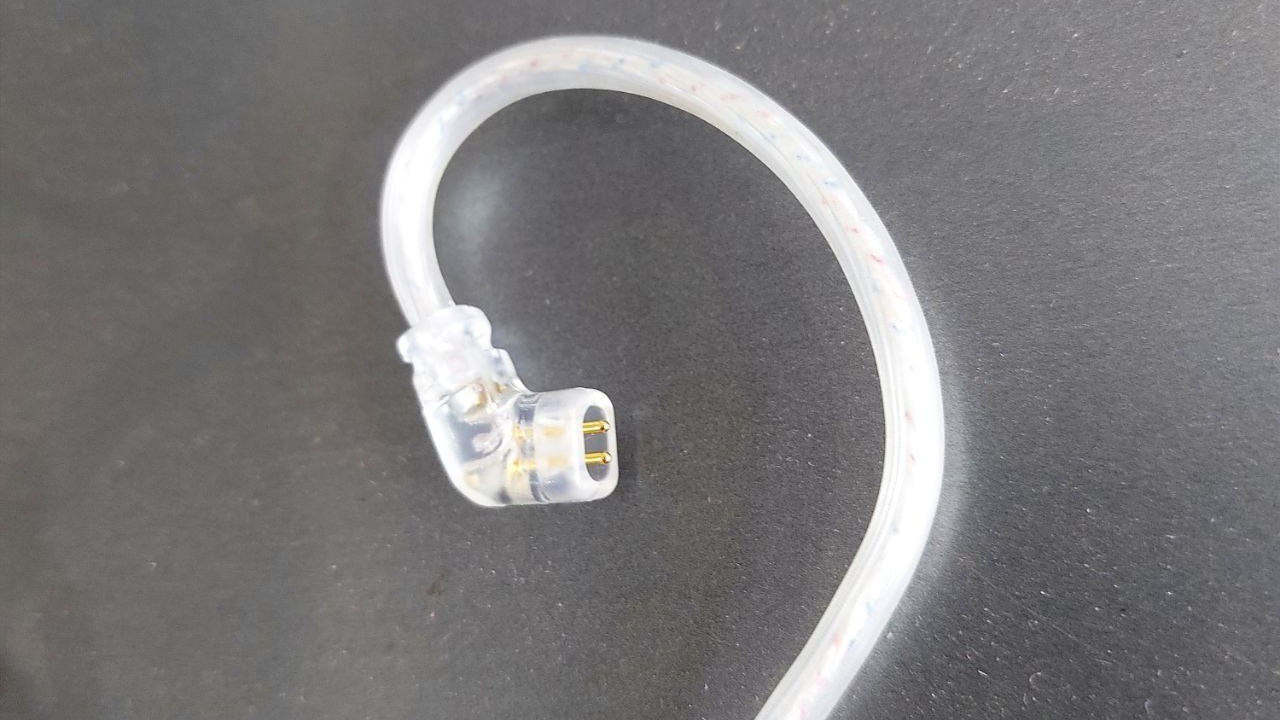
• 2-pin QDC: instead of a barrel, the structure is formed by plastic injection molding that supports both the pins and the cable conductors. A plastic sleeve surrounds the pins.
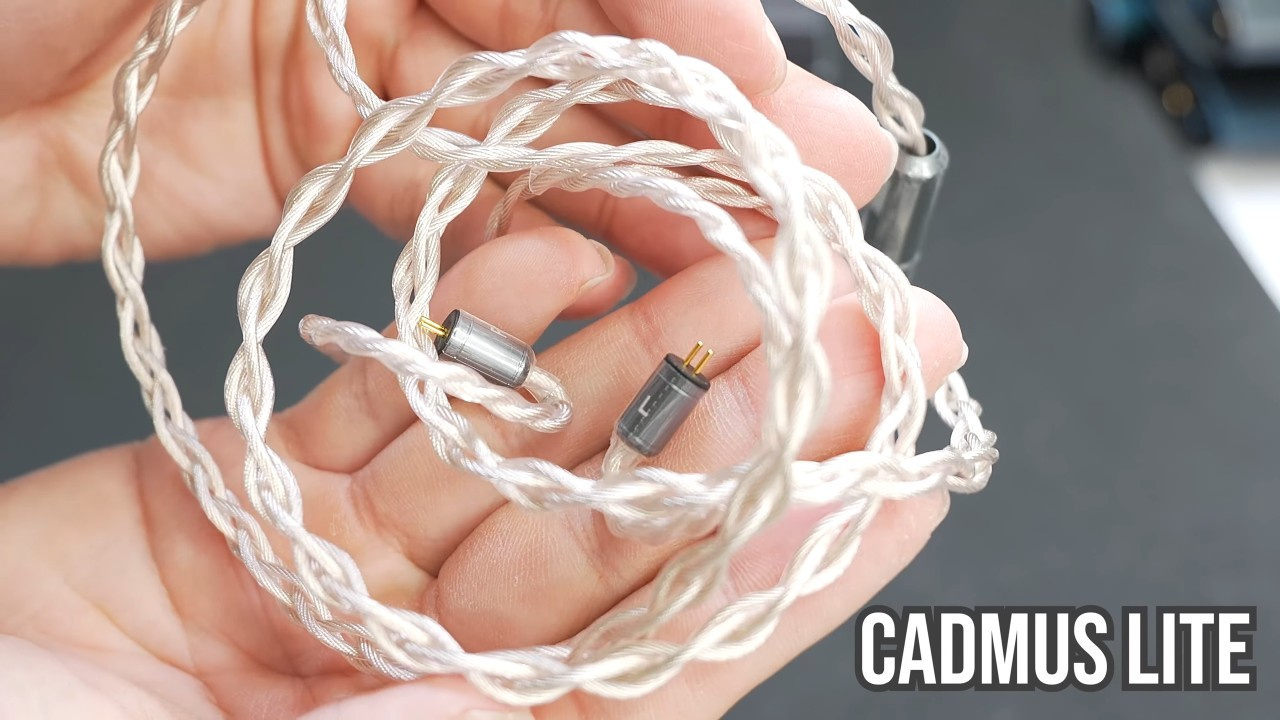
Original QDC Connector and Its Variants
There is a proprietary 2-pin connector developed by the earphone manufacturer QDC that bears the same name as the brand. This connector type features a polarity configuration and physical format different from standard 2-pin connectors. However, there are variations known as “QDC Style.”
What Is the Original QDC 2-Pin Connector Like?
As described above, the original QDC 2-pin connector does not have a barrel; instead, it uses a plastic injection-molded structure that supports the pins and cable conductors. In addition, there is another fundamental difference: polarity.
The position of the positive and negative pins on each side of the cable differs from the standard 2-pin configuration. In the standard 2-pin connector, the positive pin is located on the inner side, closer to the ear. In the QDC 2-pin connector, the positive pin is located on the outer side, farther from the ear.
To verify this, you should perform a continuity test with a multimeter by placing one probe on the tip of the 3.5 mm or 4.4 mm plug and the other probe on one of the pins of the 2-pin connector soldered to the left side of the cable.
Step-by-Step Procedure to Identify the Positive Polarity Pin on the Left 2-Pin Connector
Step 01 – Turn the multimeter dial to the continuity test symbol (which resembles the Wi-Fi signal icon).
Step 02 – Place one probe on the tip of the 3.5 mm or 4.4 mm plug.
Step 03 – Hold the left side of the cable and place the other probe on one of the pins. When the multimeter beeps, that pin has positive polarity.
If the polarity corresponds to the standard 2-pin configuration, the positive pin will be closer to the ear. If it corresponds to the QDC configuration, the positive pin will be farther from the ear.
What Is the QDC Style 2-Pin Connector Like?
The QDC Style 2-pin connector only shares a similar injection-molded structural design. These connectors are used by brands such as KZ and CCA and differ as follows:
• The structure is injection-molded similarly to the original QDC 2-pin, but with different dimensions, preventing compatibility with QDC earphones.
• The polarity follows the standard 2-pin configuration and does not use the inverted polarity of the original QDC connector.
A Variant of the QDC Style: TFZ
TFZ 2-pin connectors feature a sleeve surrounding the pins, similar to the original QDC 2-pin connector, but with a square shape. In addition, the pins extend beyond the walls of the injection-molded housing, protruding slightly outward. The polarity is not inverted as in the original QDC 2-pin, instead following the standard 2-pin polarity configuration.
Why Is It Useful to Know the Polarity of a 2-Pin Connector?
Because certain QDC-type 2-pin variants share similar physical structures (original QDC and QDC Style), confusion may arise due to insufficient information in product listings or because the consumer does not know which 2-pin connector type is included with the IEM.
How Can the Structure of the Earphone’s 2-Pin Connector Vary?
The earphone’s 2-pin connector (female) may present different mounting configurations:
• 2-pin flat: the connector sits flush with the earphone body, presenting a smooth appearance.
• 2-pin recessed: the connector is set inward relative to the earphone body.
• 2-pin extruded: the connector protrudes above the earphone body, forming a plastic column.
How Compatible Are Male and Female 2-Pin Connectors?
A general rule for compatibility can be applied; however, proper mating between the cable’s male 2-pin and the earphone’s female 2-pin is not guaranteed. This is due to differences in the primary structural format and in pin length. Below is an overview of cable connector types (male) and their potential compatibility with earphone connectors (female).
1) 2-Pin Extruded Cable Connectors
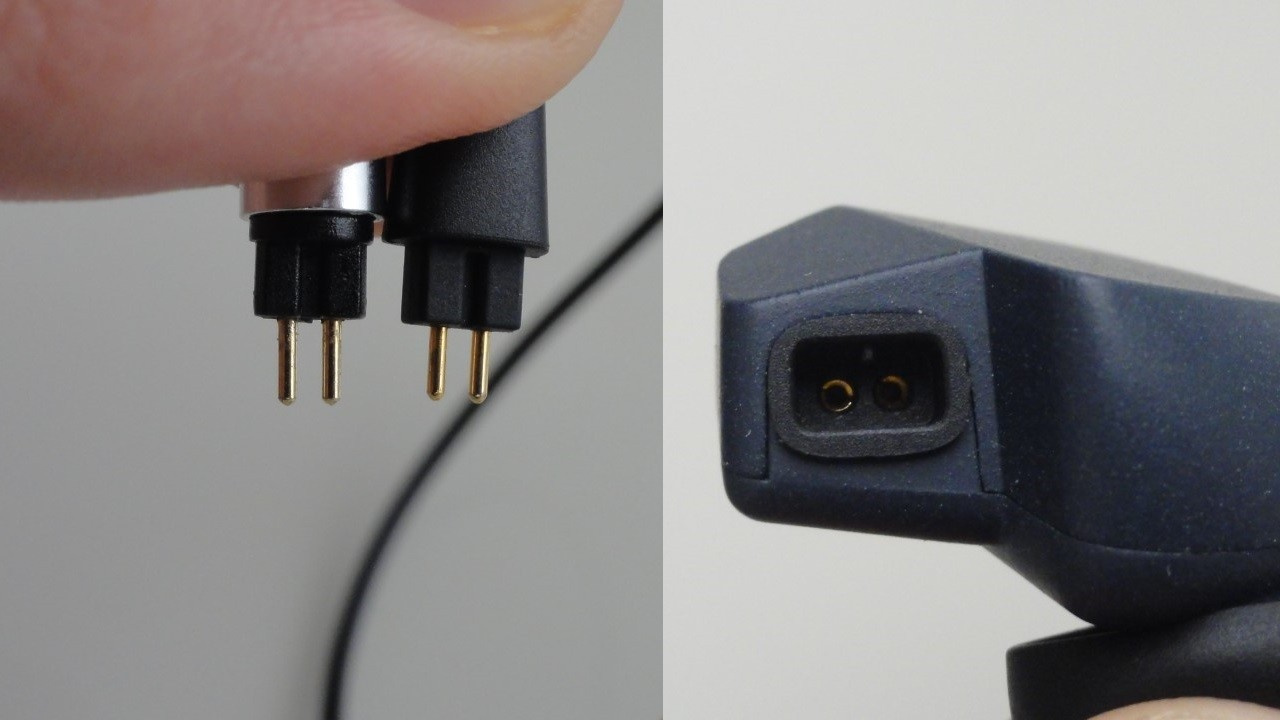
These may have thicker or thinner plastic columns than the earphone’s female 2-pin connector. If the dimensions are correct, they may fit 2-pin flat, 2-pin recessed, and 2-pin extruded earphones.
Example of incompatibility: the female 2-pin connector used by Final Audio earphones is not compatible with standard 2-pin extruded cable connectors.
2) 2-Pin Flush/Flat Cable Connectors
Fitment issues may occur in two situations:
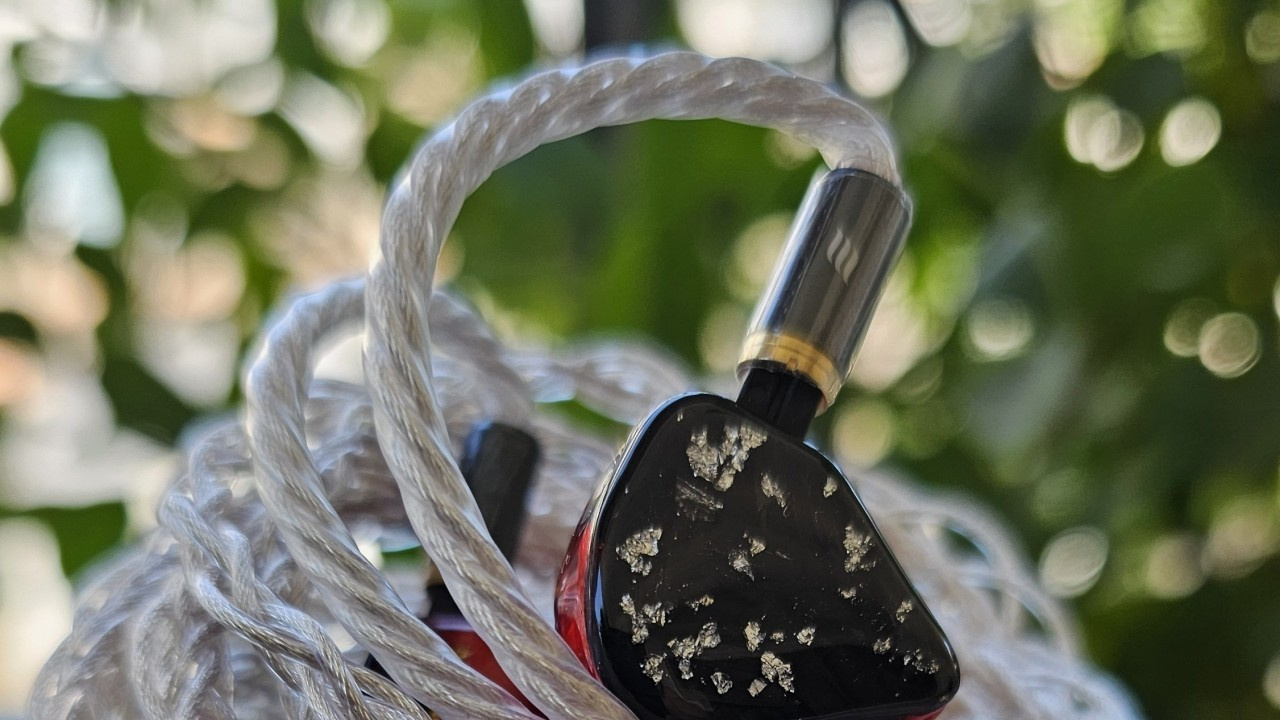
• Pin length and diameter: although 0.78 mm is widely adopted as the standard, longer pins are generally used for custom in-ear monitors (CIEMs), whereas shorter pins are used for universal IEMs.
• Recessed connectors: insertion into 2-pin recessed sockets is not feasible, as the connection will not be mechanically stable without a plastic protrusion extending beyond the barrel to ensure secure engagement.
3) 2-Pin QDC Cable Connectors
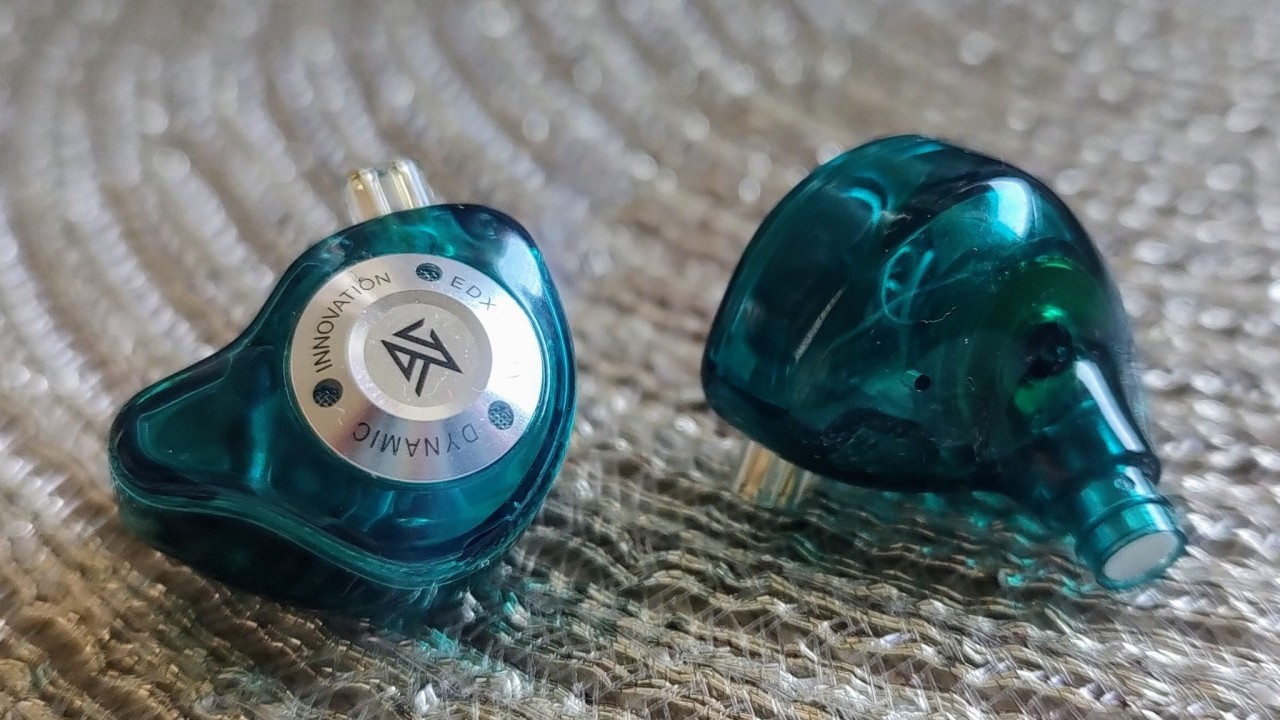
There are four variants commonly referred to as “2-pin QDC” cable connectors, and they may or may not fit the earphone’s 2-pin extruded (female) connector. Each variant differs in the shape of the injection-molded housing and in pin length.
• Original QDC: rounded corners; pins do not extend beyond the housing walls; polarity inverted relative to the standard 2-pin configuration.
• QDC Style: rounded corners; pins do not extend beyond the housing; polarity identical to the standard 2-pin configuration.
• TFZ QDC Style: square corners; pins extend beyond the housing; polarity identical to the standard 2-pin configuration.
Share:


No comments have been made yet, be the first!