

What Influences the Comfort of In-Ear Monitors (IEMs)?
From: Vitor Valeri
A headphone hobbyist for over 15 years, he founded the Hi-Fi Hub website and is an administrator of the "Fones High-End" and "Fones Low-End" groups on Facebook.


Published in: 16/02/26 at 11:43
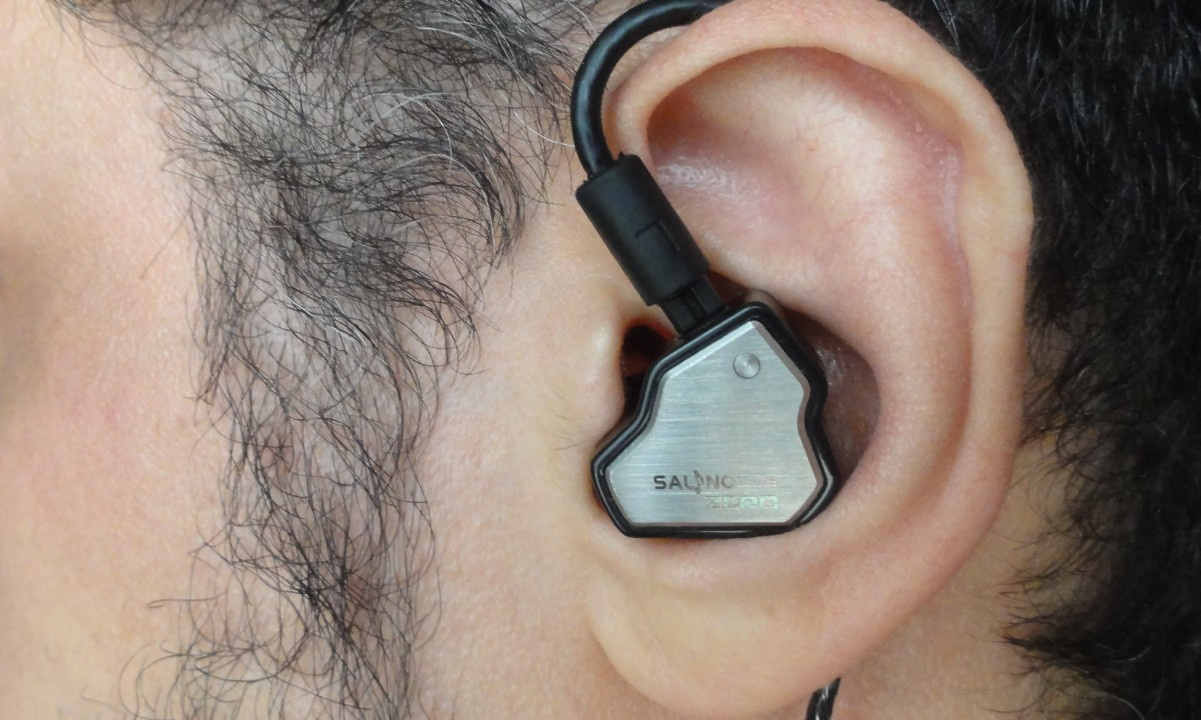
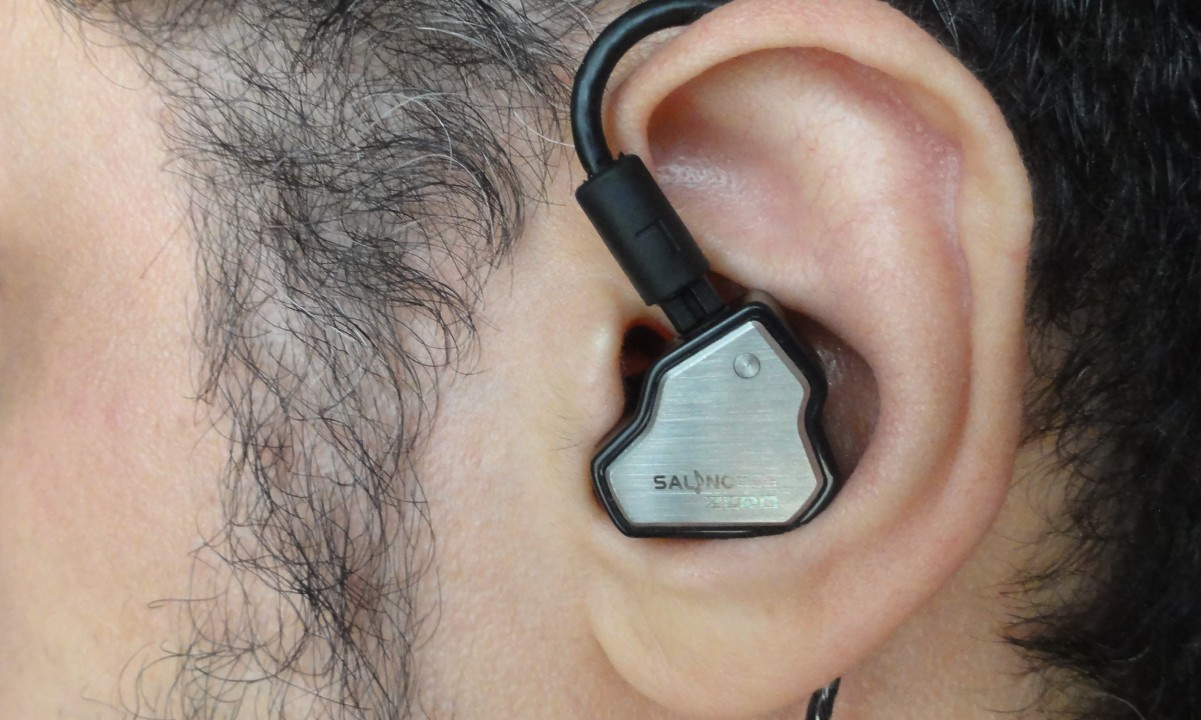 Illustrative image about the factors influencing the comfort of in-ear monitor (IEM) earphones (Image: Vitor Valeri)
The comfort provided by an in-ear monitor (IEM) can vary considerably from person to person. The primary reason for this variability is, in simplified terms, the anatomy of each individual’s auricle and ear canal. Every person has a distinct anatomical configuration, which directly affects fit and may result in pain during and/or after the use of an intra-auricular earphone.
How Does Ear Anatomy Influence the Comfort of In-Ears (IEMs)?
When referring to the “ear” in this context, we are technically addressing the external ear. The external ear is responsible for capturing and directing sound waves toward the middle ear, where the tympanic membrane (eardrum) is located.
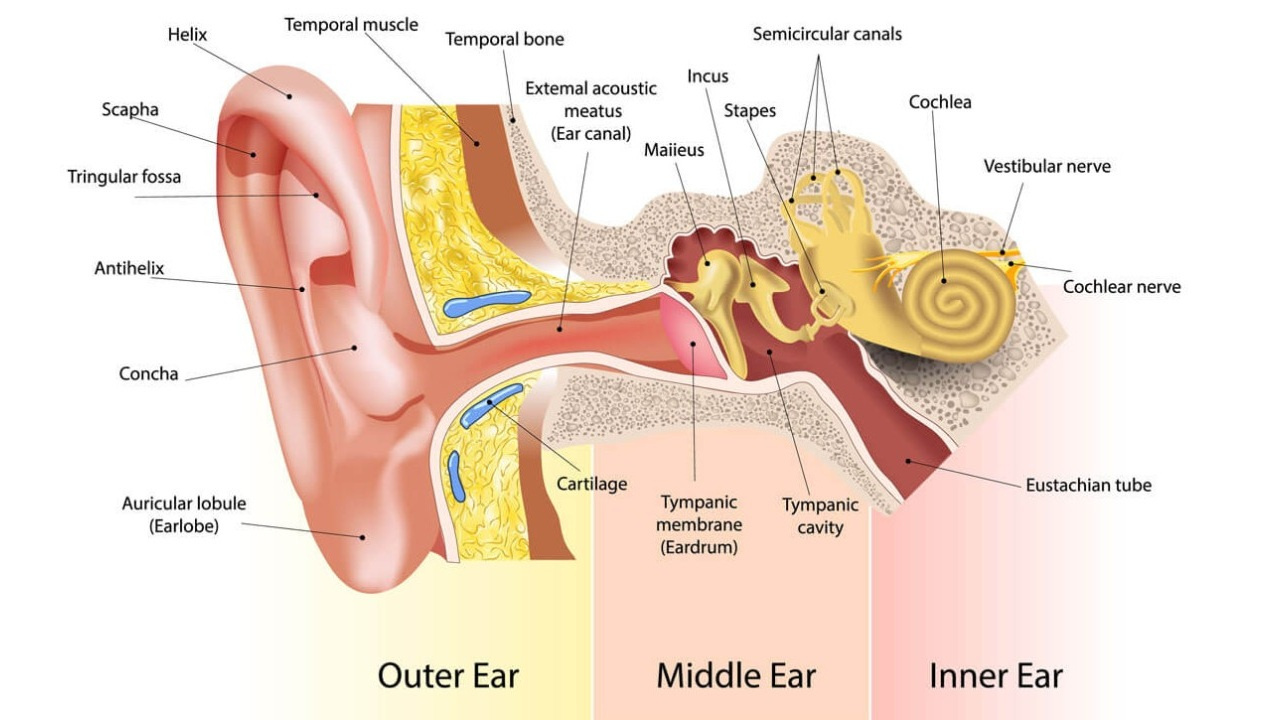
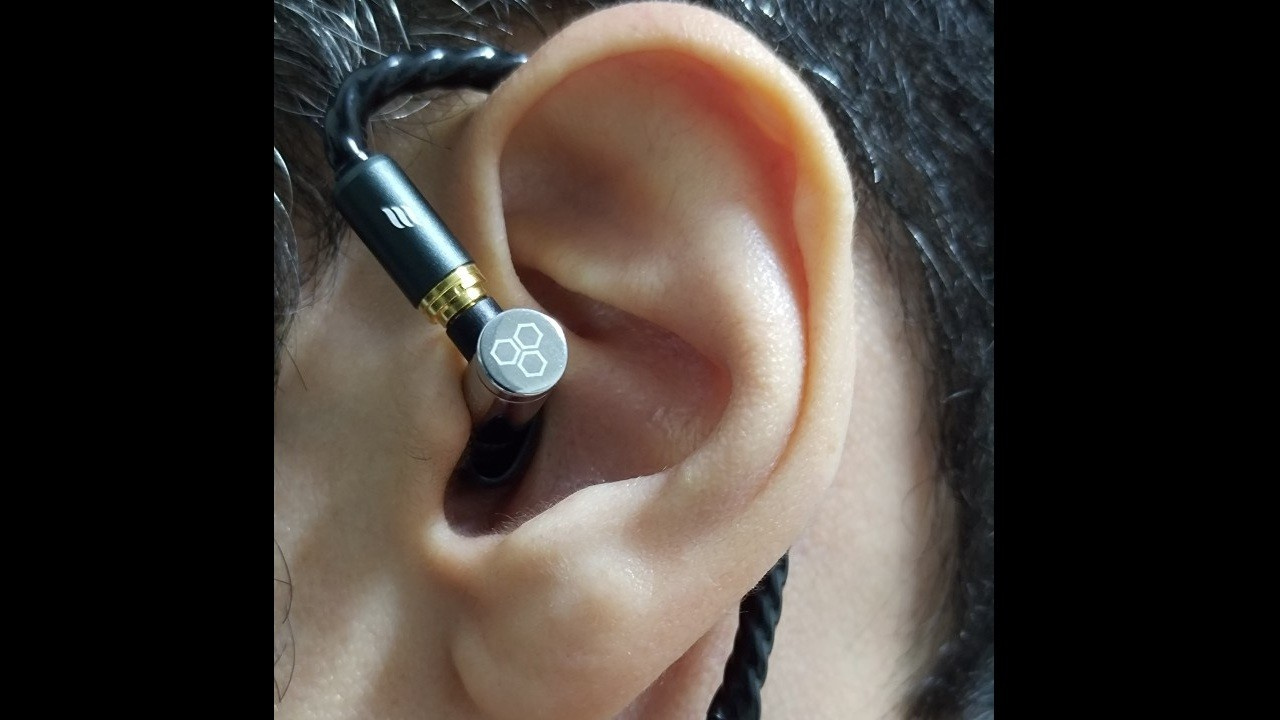
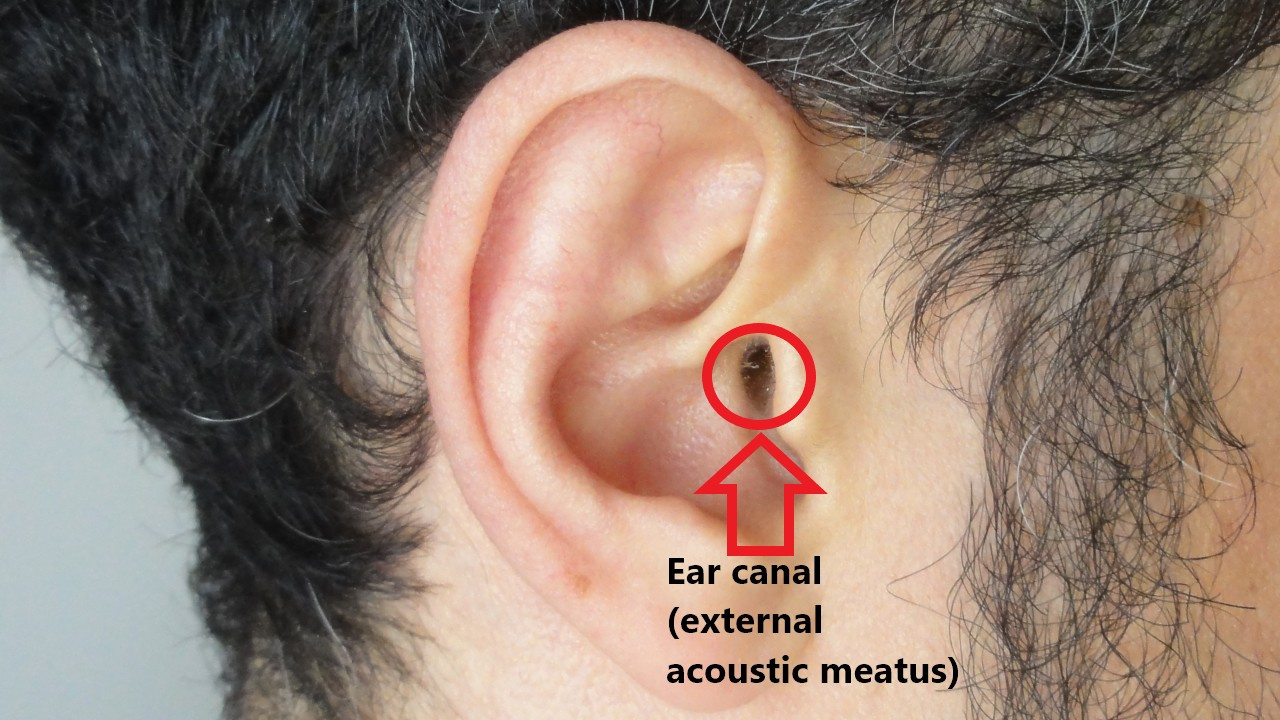
Sound is initially captured by the auricle (pinna), the region where most in-ear earphones rest for support. An exception is cylindrical models, commonly referred to in English as “bullet” style, which rely exclusively on the ear canal (external acoustic meatus) for support.
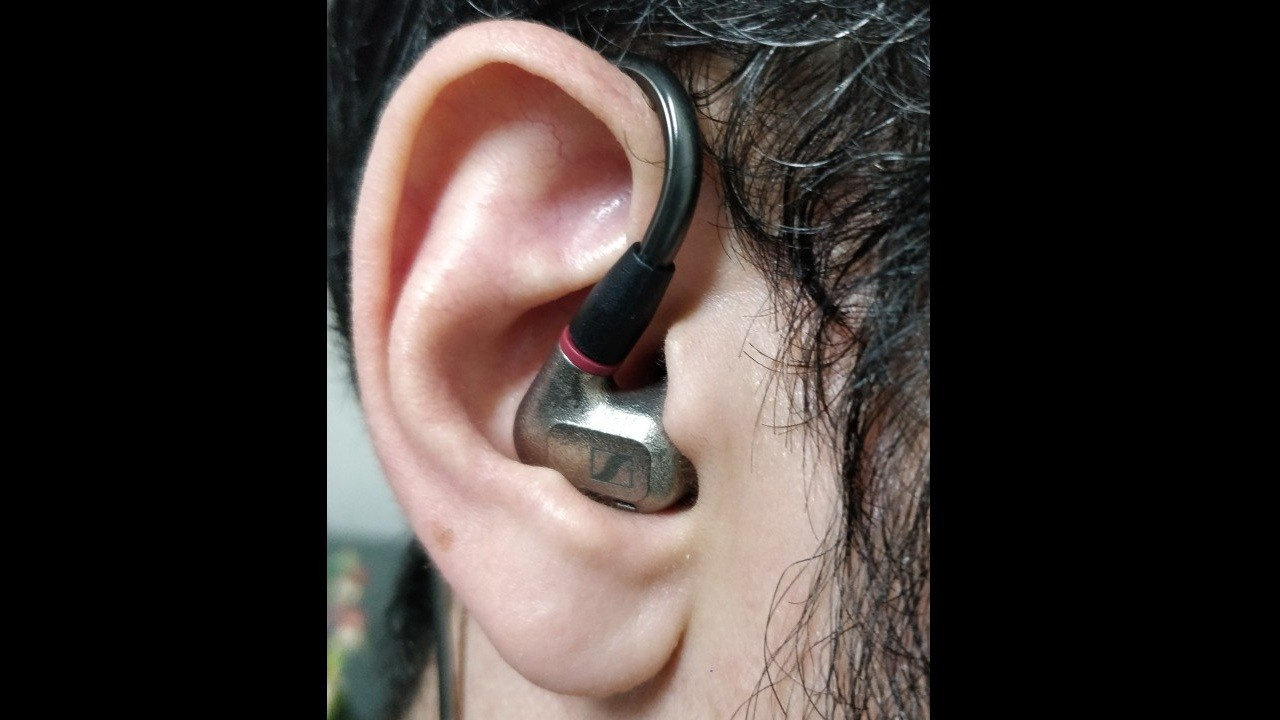
The structure that provides the largest support area, thereby enhancing IEM stability, is the concha, which is subdivided into distinct regions within the external ear. An example of a comfortable in-ear model that leverages this anatomical strategy is the Sennheiser IE 600.
The concha consists of the following structures:
• Cavum: The more open, smooth portion located around the entrance of the ear canal (external acoustic meatus).
• Cymba: The upper portion containing grooves, situated above the canal entrance.
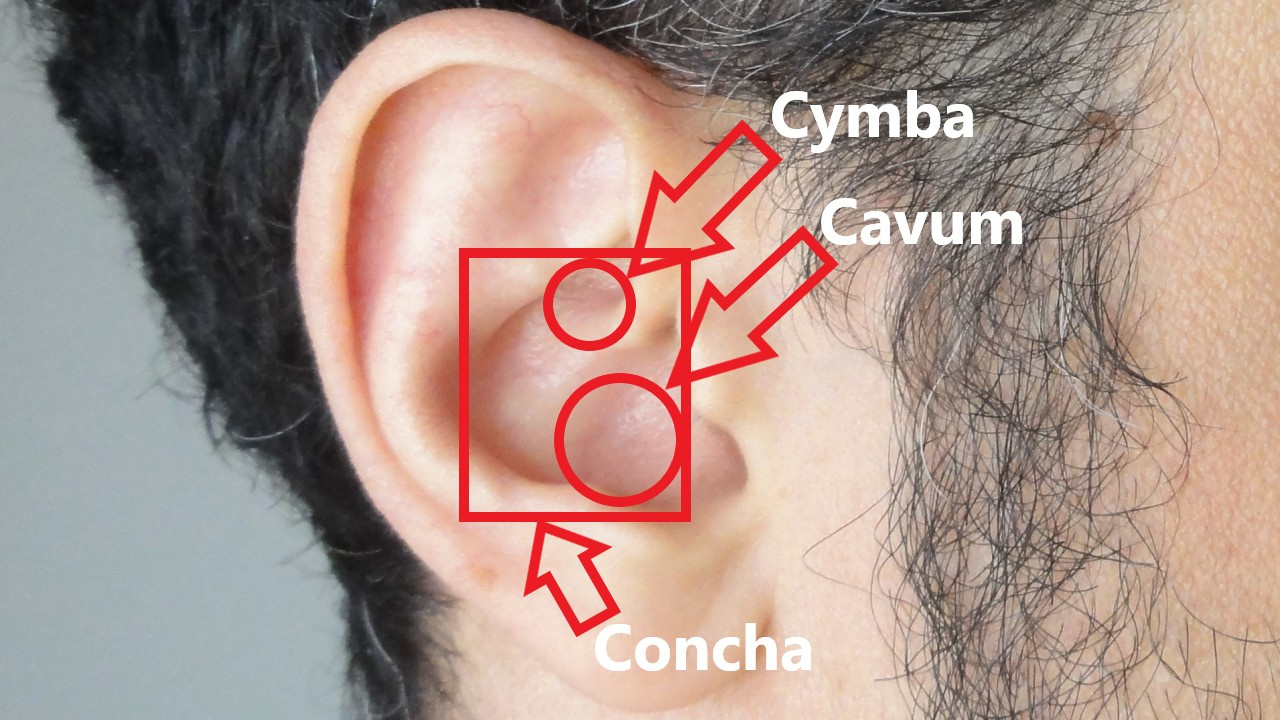
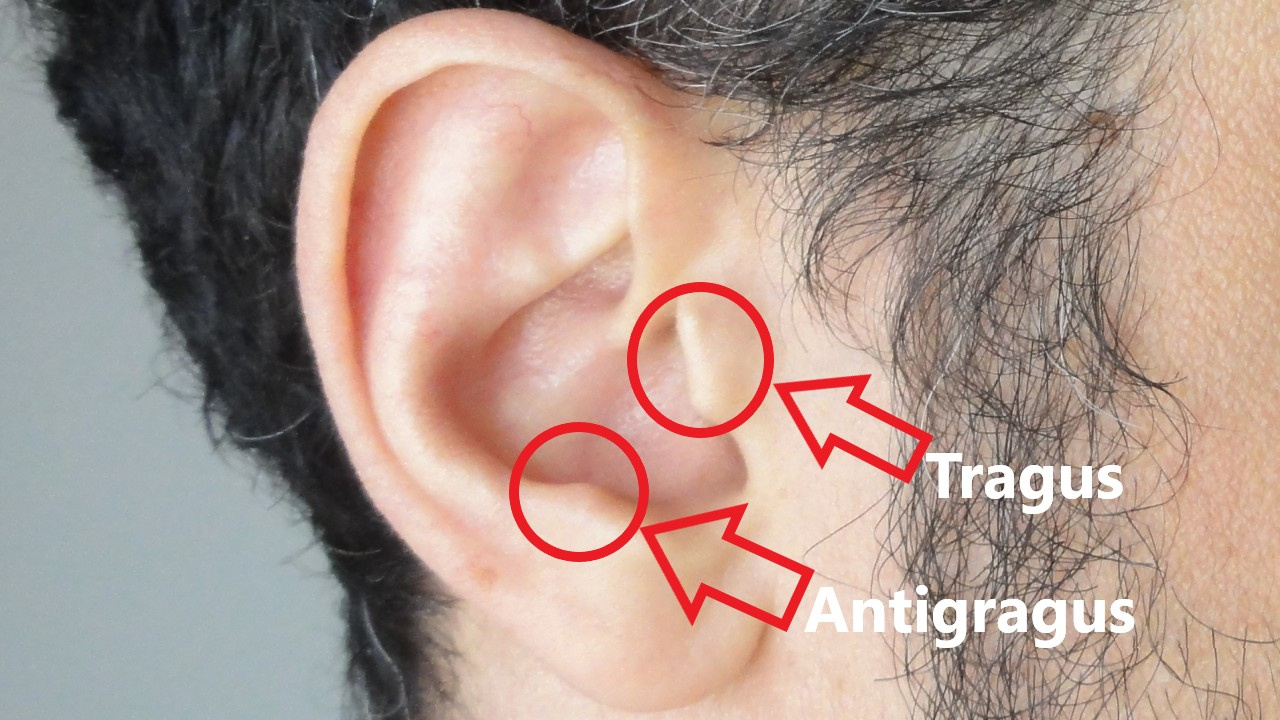
To achieve greater stability within the external ear, some intra-auricular earphones utilize the cymba in conjunction with the following anatomical structures:
• Tragus: A flap-like projection, often described as “M”-shaped, oriented outward and located near the lateral side of the ear canal entrance.
• Antitragus: The lower cartilaginous prominence forming the inferior border of the concha, which helps retain the earphone in position.
How Do the Shape and Volume of the Main In-Ear Structure Influence Comfort?
Depending on the shape and volume of the main structure [1] of the in-ear monitor, the cymba, tragus, and antitragus may experience localized pressure and discomfort. Pain may also occur within the ear canal itself due to the earphone nozzle.
[1] The main structure of an in-ear monitor (IEM) is commonly referred to as the “housing” or “shell.”
Below is an illustration showing the ear canal without any earphone inserted.
How Does the Nozzle of In-Ears (IEMs) Influence Comfort?
The nozzle of in-ear monitors (IEMs) influences comfort primarily through its dimensions. Its length and diameter may exert pressure on the walls of the ear canal (external acoustic meatus), potentially causing discomfort or pain.
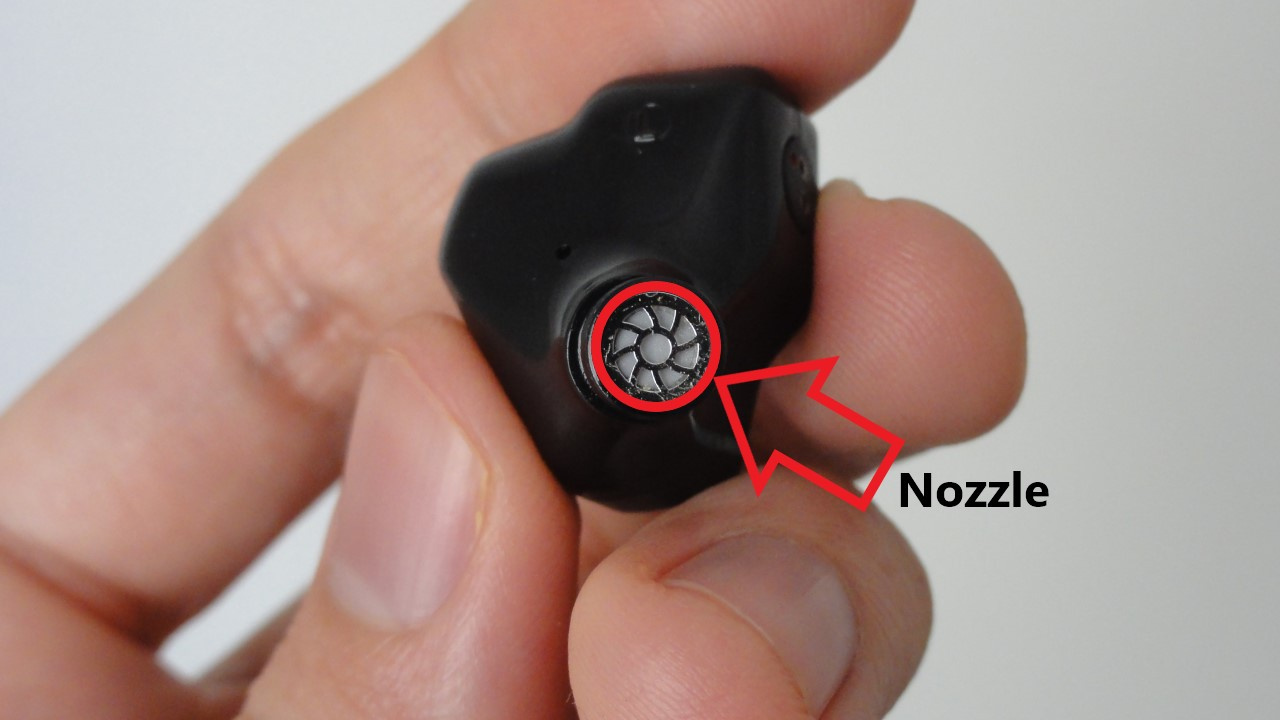
Nozzle length affects insertion depth. Depending on the anatomical curvature of the ear canal, deeper bends may be reached by the ear tips, which can result in discomfort.
Nozzle diameter may also complicate insertion. If the fit is forced, the in-ear monitor may enter the canal, but excessive pressure on the canal walls can lead to pain.
It is important to consider nozzle design, as some models include a retaining ridge, commonly referred to as a “lip”, while others do not. The lip secures the ear tip in place, preventing it from slipping off the nozzle.
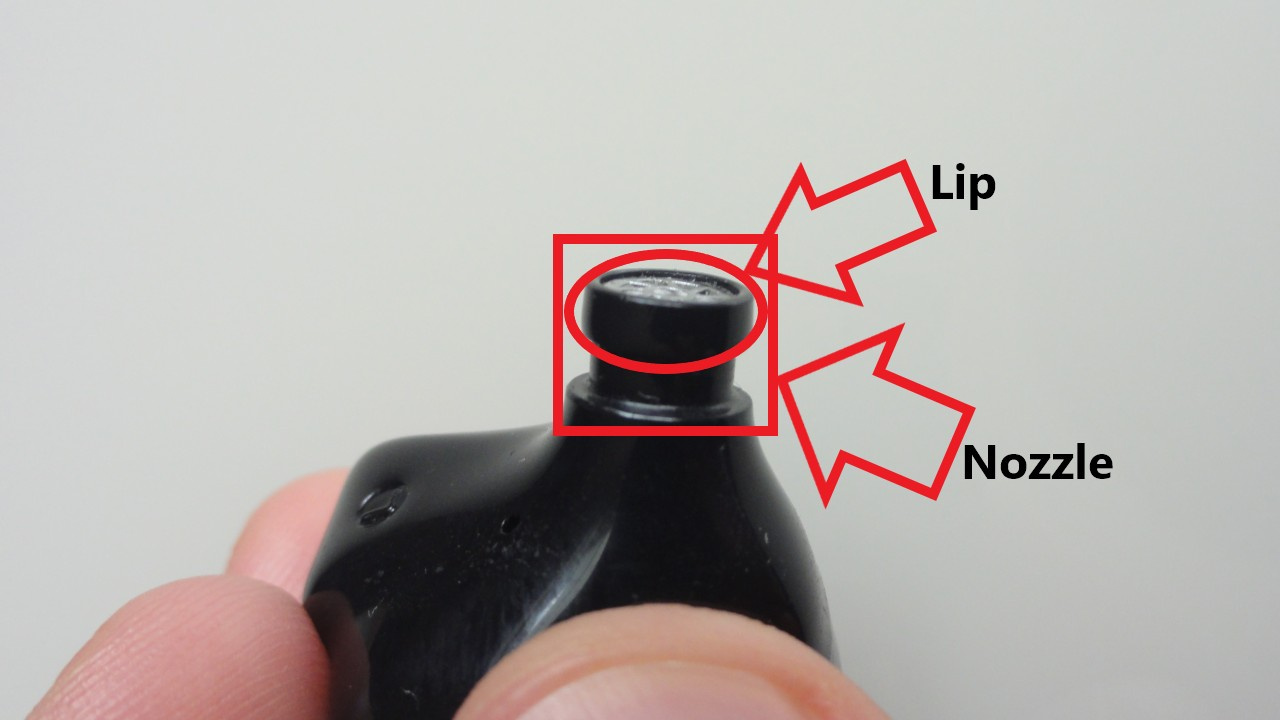
The lip typically has a larger diameter than the main body of the nozzle and therefore influences both comfort and ear tip fit. The diameter difference between the main body and the lip is usually around 1 mm, although in some cases it may be smaller (e.g., 0.6 mm).
Depending on the flexibility of the ear tip, its stem [2] can be fitted onto the in-ear nozzle. Ideally, the internal diameter of the ear tip stem should be approximately 2 mm smaller than the diameter of the nozzle lip to ensure a secure fit without significant difficulty.
[2] The stem of an ear tip is the central portion that supports the dome and attaches to the earphone nozzle.
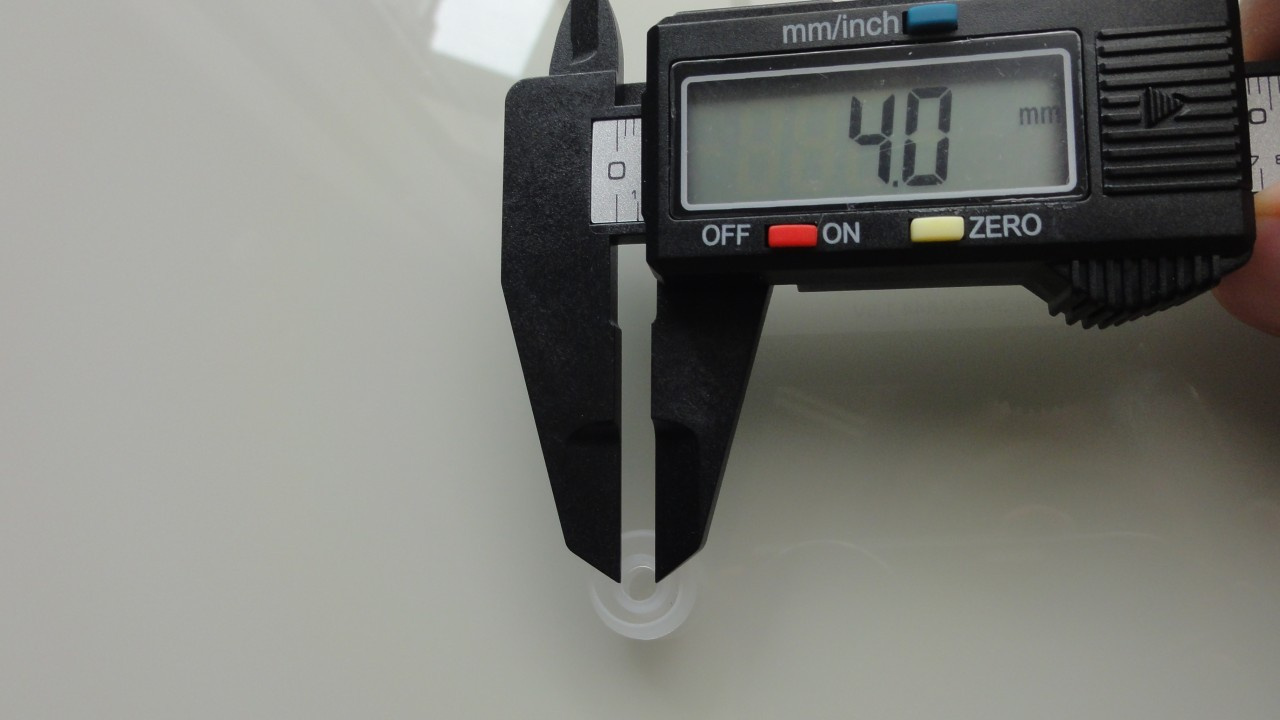
Ear tip stems may vary in thickness. Consequently, measuring the internal diameter of the stem is essential for proper nozzle compatibility. In the example below, the transparent ear tip exhibits a 3 mm difference between the internal and external diameters of its stem.

At this point, it should be clear that comfort depends on the interaction between the nozzle and the ear tip. However, it is equally important to consider the interaction among the ear tip, nozzle, and the ear canal itself.
How Do the Nozzle and Ear Tip Together Influence the Comfort of In-Ears (IEMs)?
Depending on the characteristics of the nozzle and the ear tip selected to facilitate insertion and acoustic sealing of the ear canal, IEM comfort may vary according to the anatomical differences between the left and right ear canals. For further clarification, readers are encouraged to consult the article “What Are Ear Tips? How They Affect Your Experience with In-Ear Monitors (IEMs)” published on Hi-Fi Hub.
The primary causes of discomfort can generally be categorized into the following scenarios:
Scenario 01: Deep Insertion
• Wide ear canal.
• In-ear with a thinner (smaller-diameter) nozzle.
• Longer stem.
• Dome of the ear tips is narrower and less flexible.
Scenario 02: Narrow Ear Canal
• Wide (larger-diameter) nozzle.
• Wider and stiffer dome.
Scenario 03: Extremely Wide Nozzle
• No anatomical issue related to ear canal diameter.
• Ear tip with appropriate dome and stem diameter and adequate flexibility.
• Pressure exerted on the ear canal walls due to the large nozzle diameter.
Scenario 04: Curved Ear Canal
• No issue related to nozzle diameter.
• Initial millimeters of the ear canal exhibit pronounced curvature.
• Longer stem.
• More rigid dome.
Share:


No comments have been made yet, be the first!