

Global RAM Memory Chip Shortage Disrupts DAP Production
From: Vitor Valeri
A headphone hobbyist for over 15 years, he founded the Hi-Fi Hub website and is an administrator of the "Fones High-End" and "Fones Low-End" groups on Facebook.


Published in: 18/12/25 at 12:28
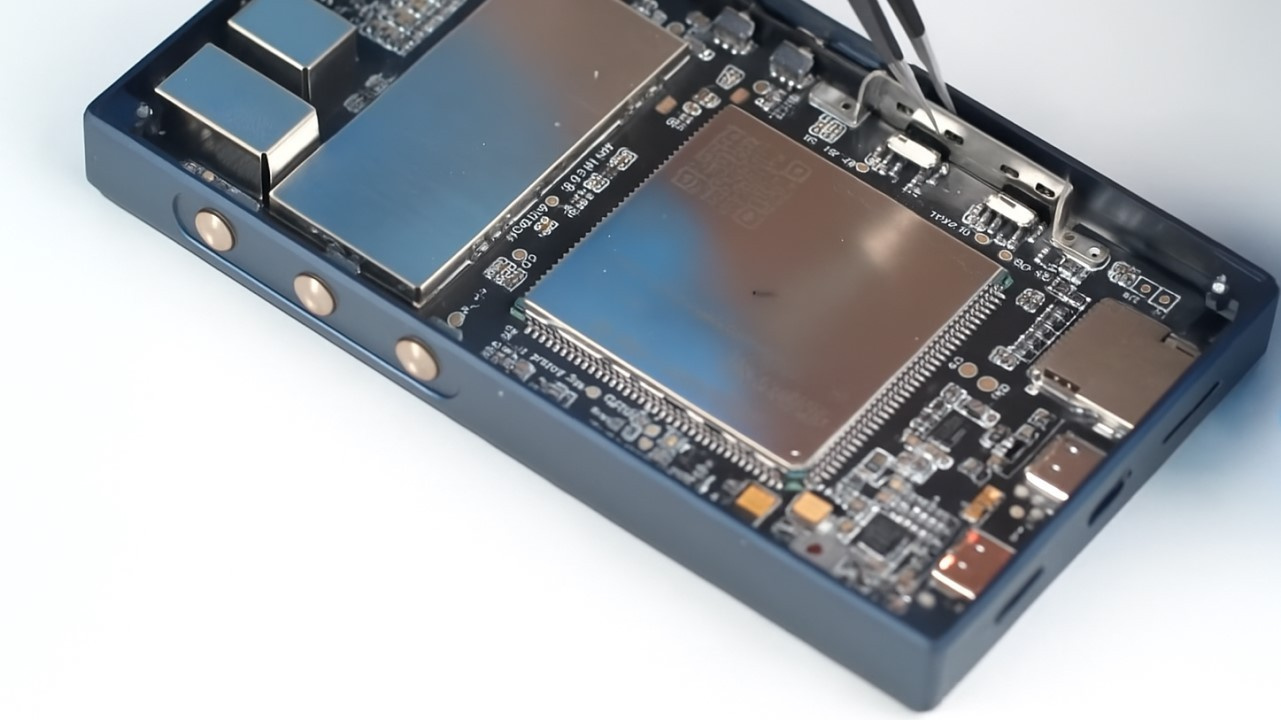 Illustrative image of the global RAM memory chip shortage affecting Digital Audio Players (DAPs) — pictured is the FiiO M21 model (Image: Reproduction/FiiO YouTube channel)
The production of Digital Audio Players (DAPs) is being affected by the global shortage of RAM memory chips. Chinese manufacturer HiBy stated today (17) on social media that sales of its M500 x Hatsune Miku DAP (Wi-Fi version) will be suspended starting on the 18th (tomorrow), precisely due to the lack of RAM chips. The main cause is the rapid expansion of artificial intelligence (AI) data centers.
Sales of the HiBy M500 x Hatsune Miku paused due to RAM shortage
HiBy Digital announced yesterday (17) on its Facebook and X (formerly Twitter) profiles that sales of its HiBy M500 x Hatsune Miku DAP (Wi-Fi version) will be paused starting this Thursday.
“Dear customers,
We would like to express our sincere gratitude to all users and fans for their continued support of HiBy and HiBy Digital.
Due to the global shortage of memory chips, we regret to inform you that we will suspend the supply of the M500-WiFi starting December 18, 2025. Pre-orders that have already been placed will be shipped sequentially. (The originally scheduled delivery of the M500-4G will not be affected.)
The availability of future pre-orders and sales will depend on subsequent memory chip supply conditions. As soon as we confirm the gradual resumption of memory chip supplies, we will immediately reopen pre-orders and arrange subsequent shipments.”

Why HiBy will not be the only company affected by the memory chip shortage
Due to the construction and expansion of artificial intelligence (AI) data centers—which use both NVIDIA GPUs and DRAM (Dynamic Random Access Memory) chips—there is a global shortage of this component, which is commonly used in consumer electronics such as smartphones, tablets, and laptops/notebooks.
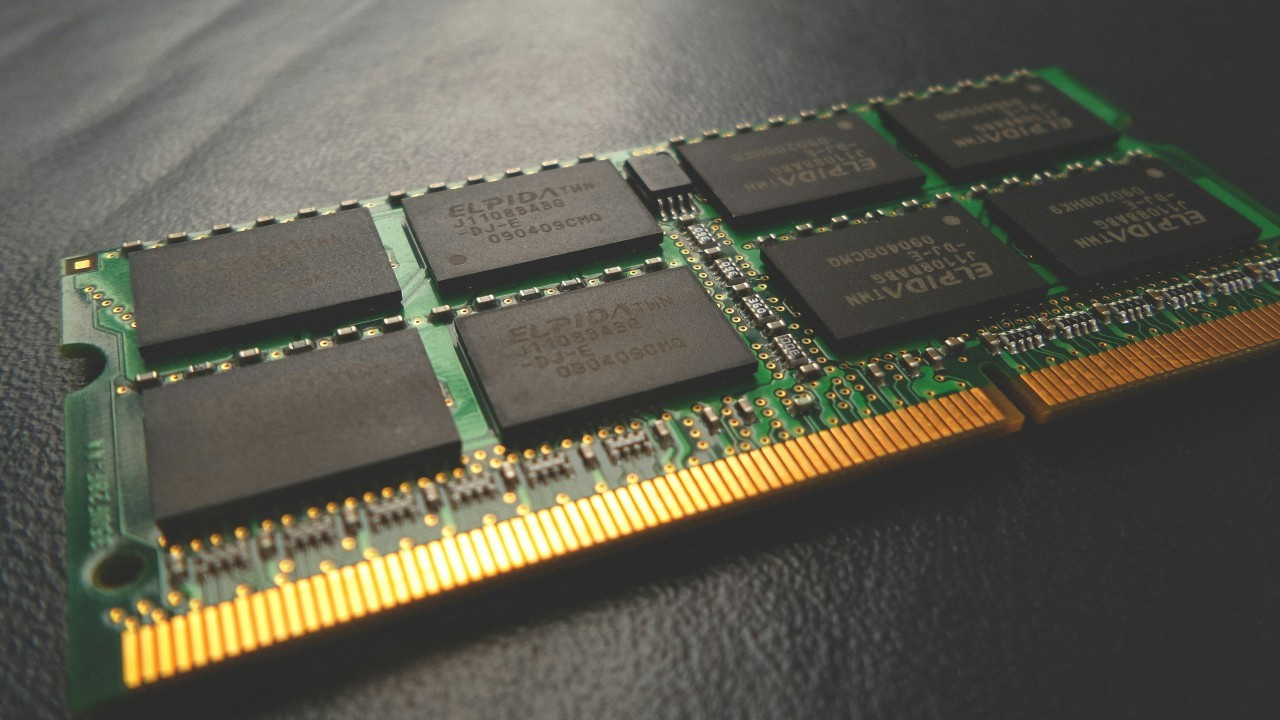
As Digital Audio Players (DAPs) use the same type of memory found in smartphones, manufacturers such as HiBy, FiiO, Shanling, iBasso, and Cayin will have to reassess their production and sales strategies.
According to a Reuters report published on December 3, companies such as Google, Amazon, Microsoft, and Meta have placed open-ended orders (with no time limit) with memory manufacturer Micron.
“Google, Amazon, Microsoft and Meta in October placed open-ended orders with Micron, telling the company they would take whatever it could deliver, regardless of price, according to two people familiar with the discussions.”
According to Reuters, Chey Tae-won, chairman of SK Group—the parent company of memory manufacturer SK Hynix—said the following at an industry forum in Seoul:
“These days, we are receiving memory supply requests from so many companies that we are worried about how we will be able to handle all of them. If we fail to supply them, they could face a situation where they simply cannot do business.”
Chey added that “in October, OpenAI signed preliminary agreements with Samsung and SK Hynix for chip supplies for its Stargate project, which would require up to 900,000 wafers per month through 2029.” This represents approximately “twice the current global monthly production of HBM,” Chey said.
Through an analysis of nearly 40 interviews, the Reuters team observed the following:
“Chipmakers are still unable to produce enough cutting-edge semiconductors for the AI race, while at the same time the shift away from traditional memory products is choking supply for smartphones, PCs and consumer electronics.”
On December 16, technology market research firm Counterpoint Research published a report on its website stating that RAM prices could rise by more than 40% by the second quarter of 2026, driving up material costs for product manufacturing.
According to Counterpoint senior analyst Yang Wang, “in the lower price tiers, sharp increases in smartphone prices are not sustainable,” adding that “if costs cannot be passed on, OEMs will start trimming parts of their portfolios.”
Wang explains that for large companies, the shortage will not have as much impact, but smaller companies, which have less room to maneuver, will struggle to continue selling the same products.
“Apple and Samsung are in the best position to get through the next few quarters. But it will be difficult for others who don’t have as much flexibility to balance market share and profit margins. We will see this play out especially among Chinese OEMs over the year.”
In the case of “Chinese OEMs,” Counterpoint explains that it has observed in recent months “the growing adoption of mitigation strategies, such as downgrading other specifications.”
“In some models, we are seeing downgrades in components such as camera modules and periscope solutions, displays, audio components, and, of course, memory configurations.”
According to senior analyst Shenghao Bai, there are still other strategies that smaller companies can adopt.
“Other tactics include reusing older components, streamlining the portfolio, and steering consumers toward ‘Pro’ variants with higher specifications, as well as adopting new designs to stimulate upgrades.”
Research director MS Hwang added to the Counterpoint report:
“What we are seeing now is that the entry-level segment of the market (below US$200) is being hit the hardest, with BoM (bill of materials) costs rising 20% to 30% since the beginning of the year. The mid-range and high-end market segments have seen price increases of 10% to 15%.”
FiiO says it has prepared
Hi-Fi Hub contacted FiiO’s CEO and founder, James Chung, asking whether the company’s DAP production will be affected by the shortage of RAM memory chips. See his response below:
“We have already absorbed the increase in memory chip prices internally, taking user affordability into account. However, if prices continue to rise, we will have no choice but to increase our supply prices. If distributors are unable to absorb this increase, it will ultimately result in higher retail prices for end consumers.”
How long will the memory chip shortage last?
According to Reuters, memory manufacturer SK Hynix has already sold out all of its chips for 2026. However, both Samsung and SK Hynix have said they plan to build new factories only in 2027 or 2028.
Conclusion
It is possible that Digital Audio Player (DAP) manufacturers may delay product launches, suffer from stock shortages, or even temporarily halt sales of certain models, as happened with the HiBy M500 x Hatsune Miku. As mentioned above, the DAP models most affected may be those sold in the US$200 price range.
Share:


Product launches
iBasso D18 CROTALUS Launches With R2R Ultra DAC
Product launches
JadeAudio JD1 GAMING Launches with USB-C and Boom Mic
Product launches
No comments have been made yet, be the first!