

How to Clean and Sanitize In-Ear Headphones or Earbuds
From: Vitor Valeri
A headphone hobbyist for over 15 years, he founded the Hi-Fi Hub website and is an administrator of the "Fones High-End" and "Fones Low-End" groups on Facebook.


Published in: 12/01/26 at 12:24 - Updated in: 16/01/26 at 12:37
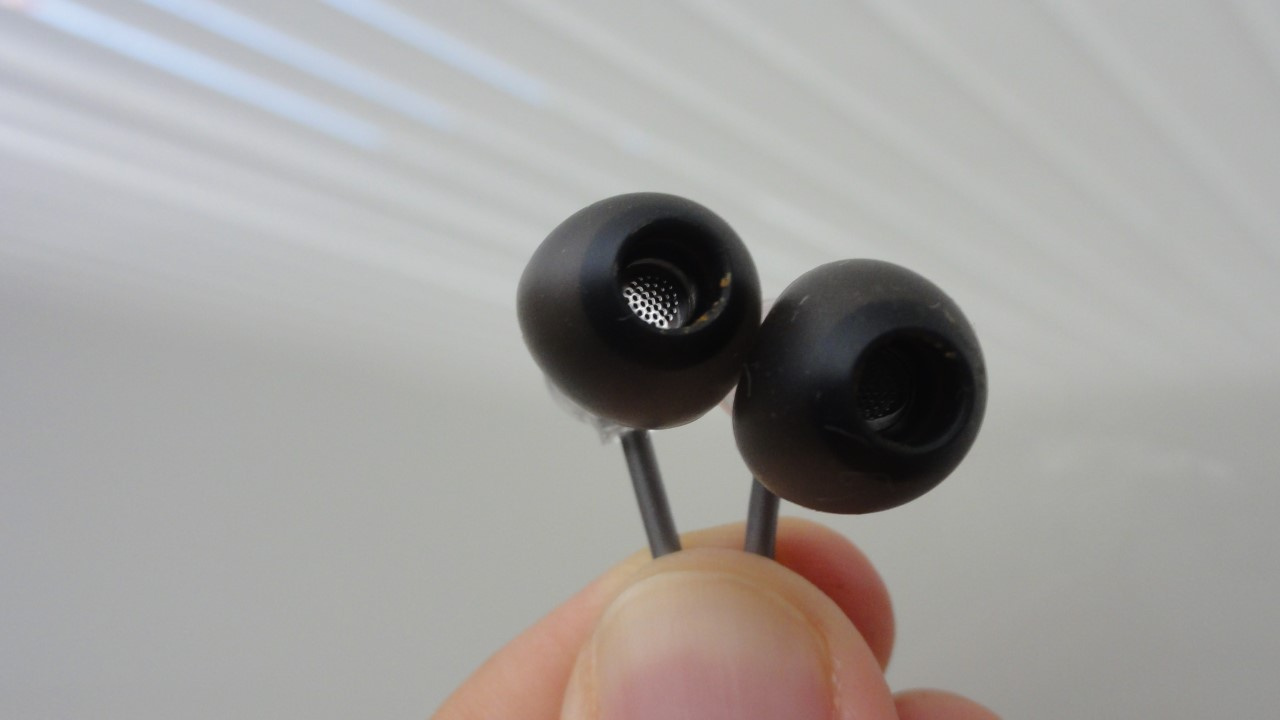 Illustrative image of in-ear headphones with ear tips dirty from earwax (Image: Vitor Valeri/Hi-Fi Hub)
The cleaning and sanitization of earphones are important because, in addition to preventing possible infections and inflammations, they help avoid functional problems, thereby extending the product’s service life. In this article, learn how to clean and sanitize your in-ear and earbud earphones to prevent them from malfunctioning or causing irritation and/or pain in your ears.
How to Clean and Sanitize Earbuds and In-Ears (IEMs)
To clean and sanitize earbuds and in-ears (IEMs), you should remove as much organic matter as possible and store them in an environment that is neither hot nor excessively humid. This will prevent the potential proliferation of pathogenic microorganisms.
According to online material from the Climate and Biosphere Laboratory of the University of São Paulo (USP), “temperature is one of the main factors that influence the growth and multiplication of microorganisms. The growth of these living beings can be both in size (of the cell itself) and in population (through reproduction).” Most microorganisms tend to proliferate at temperatures between 20 °C and 50 °C.
According to Gabriella Guarnieri in her article “Relative Humidity and Its Impact on the Immune System and Infections,” published in 2023 in the International Journal of Molecular Sciences, humidity levels above 60% also facilitate bacterial proliferation, making it reasonable to maintain relative humidity between 40% and 60%. The combination of temperature and humidity is necessary to create an ideal microhabitat for the growth of microorganisms.
For the reasons mentioned above, it is important to always clean earphones before storing them, whether they are in-ears or earbuds.
The essential tools for daily cleaning are:
- Earwax removal tool
- Alcohol-free antiseptic wet wipe
- Microfiber cloth for camera lenses
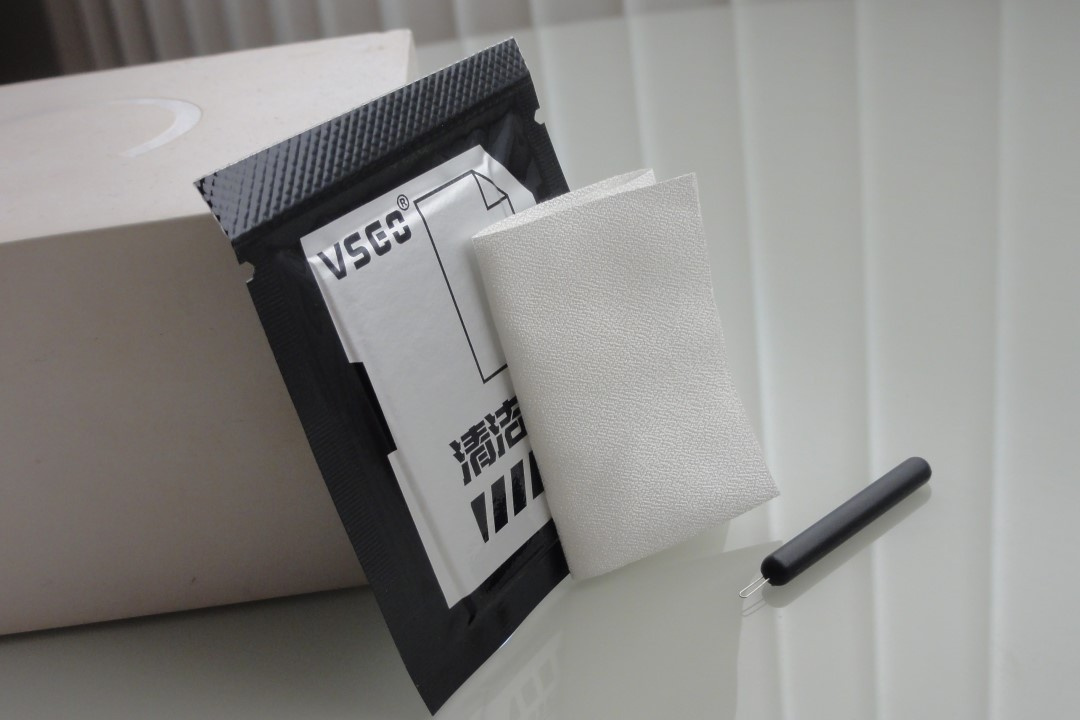
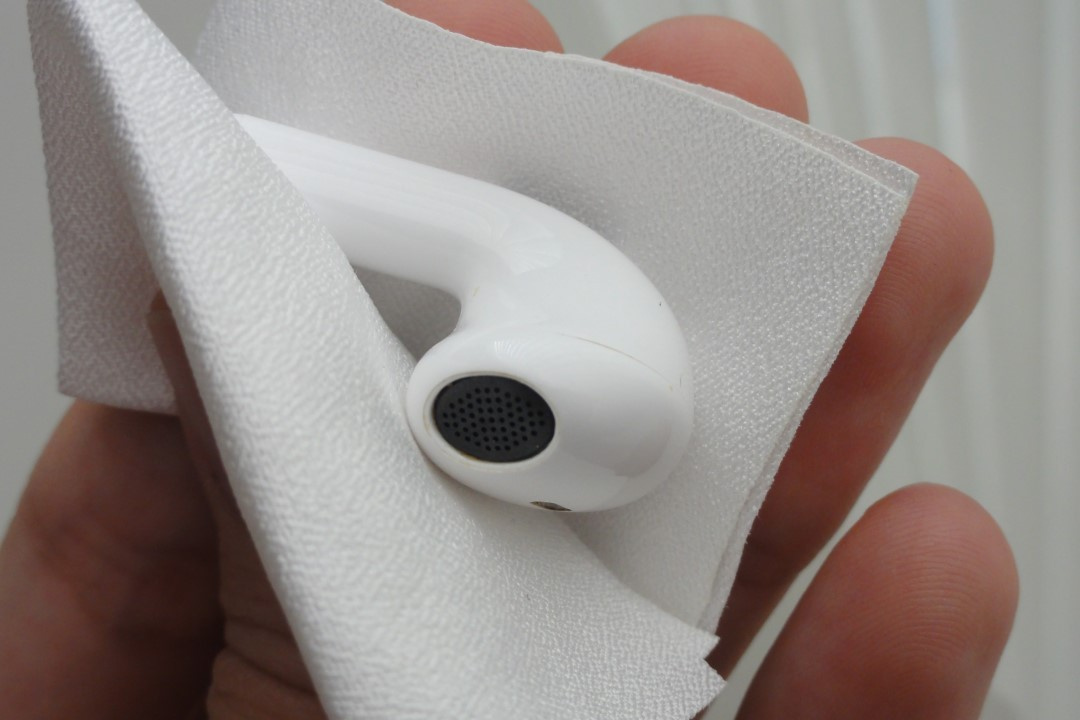
The microfiber cloth is used to clean the body (shell) of in-ears (IEMs) and earbuds, removing excess earwax and thereby preventing the accumulation of organic matter and possible problems related to moisture. For deeper cleaning, you may also use alcohol-free antiseptic wet wipes.
Note: The use of any product containing alcohol is not recommended, as it will damage the acrylic of the earphones, as well as their ear tips and cables.
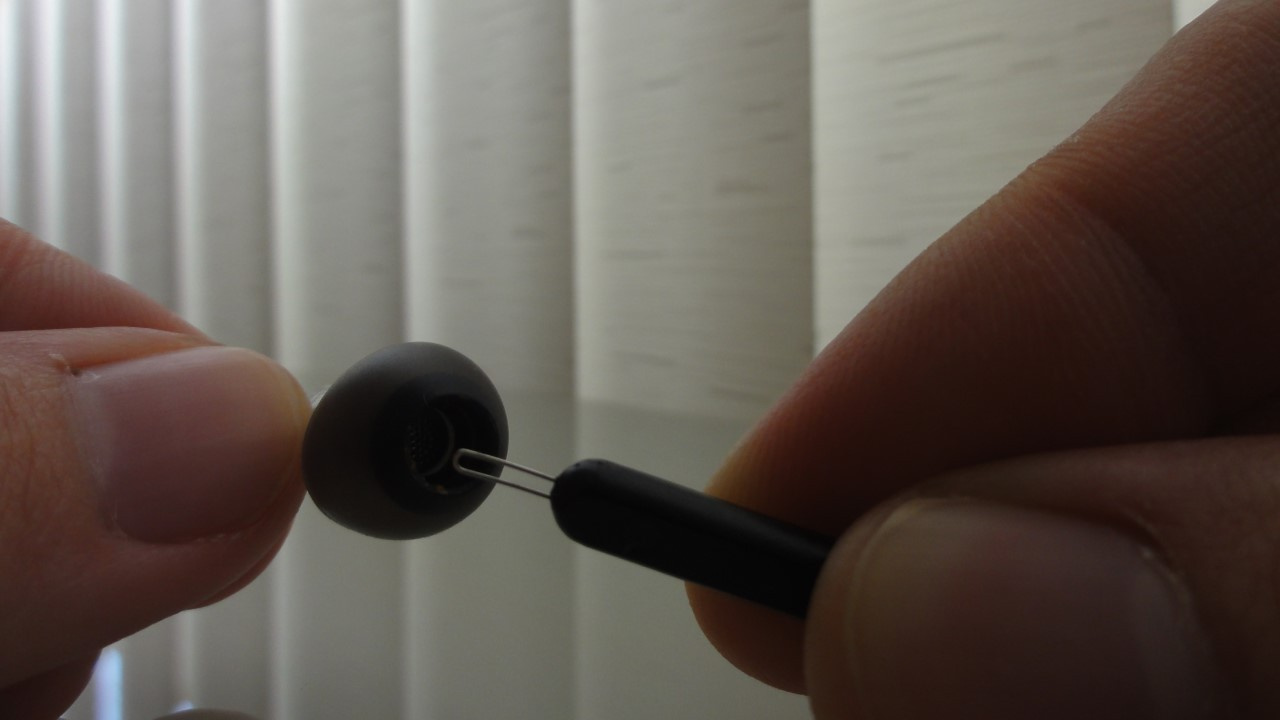
The earwax removal tool is used to remove excess wax from the sound outlet nozzle of in-ears (IEMs) and earbuds.
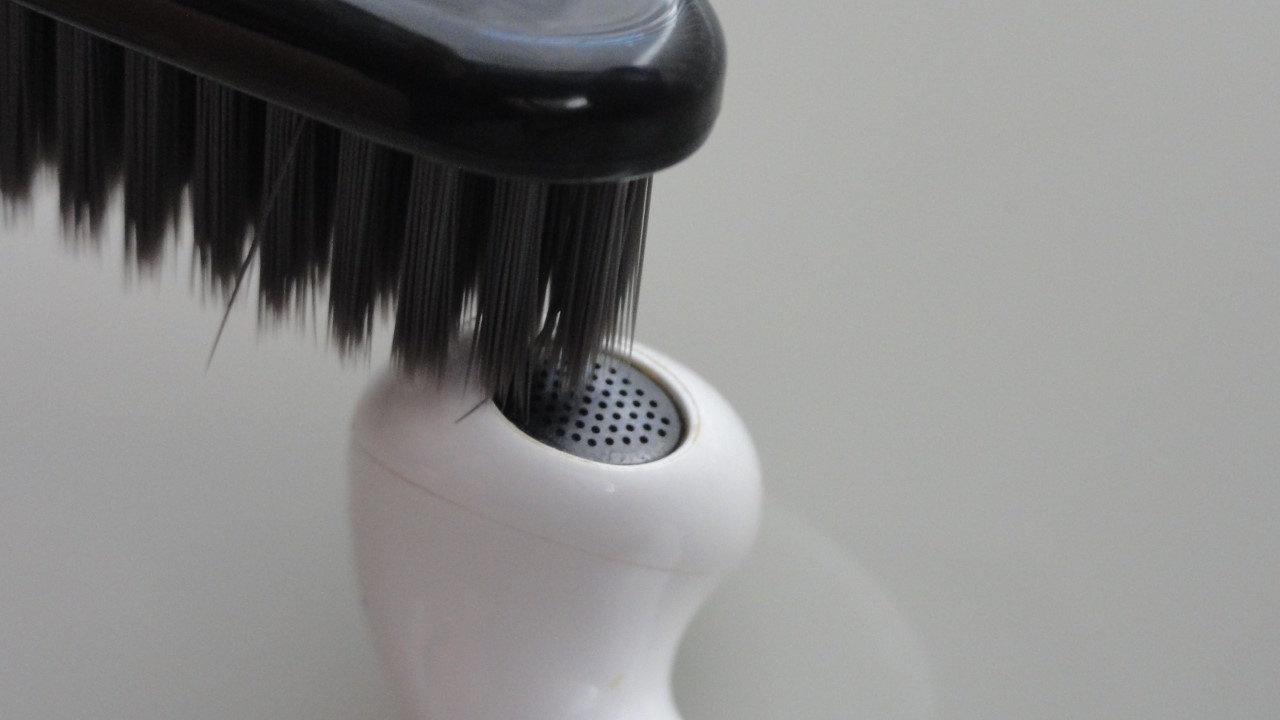
If the wax is difficult to remove from the nozzle, you may use a toothbrush with thin, soft bristles. Scrub gently, applying sufficient friction until the debris is removed.
When the silicone ear tips of in-ear monitors (IEMs) are very dirty, it is recommended that you remove them from the earphones and wash them using warm water and bar coconut soap. To do so, follow the steps below:
Step 01 – Heat the water until it becomes warm (a temperature at which you can place your finger in the water without getting burned).
Step 02 – Immerse part of the coconut soap bar in the water and stir until you notice a certain viscosity (when wetting your fingertips and rubbing them together, you should feel less friction and easier sliding).
Step 03 – Place the ear tips in the water and let them soak for 5 minutes.
Step 04 – Rinse using warm water without soap.
What about ear tips made of foam?
Note that foam ear tips are not washable; however, it is possible to extend their service life by removing excess dirt using an alcohol-free antiseptic wet wipe, as stated by the popular American manufacturer Comply in the FAQ section of its website:
“Use a Comply Tip Wipe (alcohol-free antiseptic wet wipe) or rinse the tips in warm water, squeeze with a soft cloth, and allow them to air dry before the next use.”
However, before cleaning foam ear tips, Comply warns of the following points:
• Do not clean the ear tips when they are still warm and soft immediately after being removed from the ear.
• Do not use soap, detergent, or alcohol-based cleaning products, as they damage the foam.
• Do not handle foam ear tips immediately after using lotions or alcohol-based hand sanitizers.
Finally, Comply states that the service life of a pair of foam ear tips is approximately 2 to 3 months:
“The lifespan of all Comply foam tips depends on usage and averages 2 to 3 months per pair. How you use your tips, your body chemistry (earwax, skin oils, etc.), and the environment all affect their durability. Replace them when they begin to peel, tear, or lose the properties of memory foam, such as expanding too quickly. The tips will deteriorate if exposed to alcohol-based cleaning products, hand sanitizer, or lotions. Colored tips may fade over time; this is normal and does not affect performance.”
Failure to Clean and Sanitize In-Ear and Earbud Earphones May Affect Auditory Health
According to Laurice Flowers in “The Skin Microbiota: Balancing Risk and Reward,” published in 2020 in Cell Host & Microbe, the skin acts as an epithelial barrier to the environment and harbors a variety of microorganisms that grow depending on nutritional conditions (available organic matter) and environmental factors (heat and humidity) within this microhabitat. In addition, a common ear infection is caused by bacteria, viruses, and fungi, according to Chandima P. Karunanayake in “Ear Infection and Its Associated Risk Factors in First Nations and Rural School-Aged Canadian Children,” published in 2016 in the International Journal of Pediatrics.
Most of the bacteria found in the external auditory canal are part of the normal flora, colonizing without causing infections, according to Mohamed A. El-Sakhawy in his article “Potential microbial hazards of the external auditory canal in users of over-ear, in-ear, and on-ear headsets,” published in 2025 in the journal Salud, Ciencia y Tecnología. El-Sakhawy states:
“Since the use of headphones can increase heat and humidity in the ear canal, raise the risk of skin abrasion, and serve as a vehicle for the entry of bacteria into the skin of the canal, they have been proposed as possible risk factors for external auditory canal infections.”
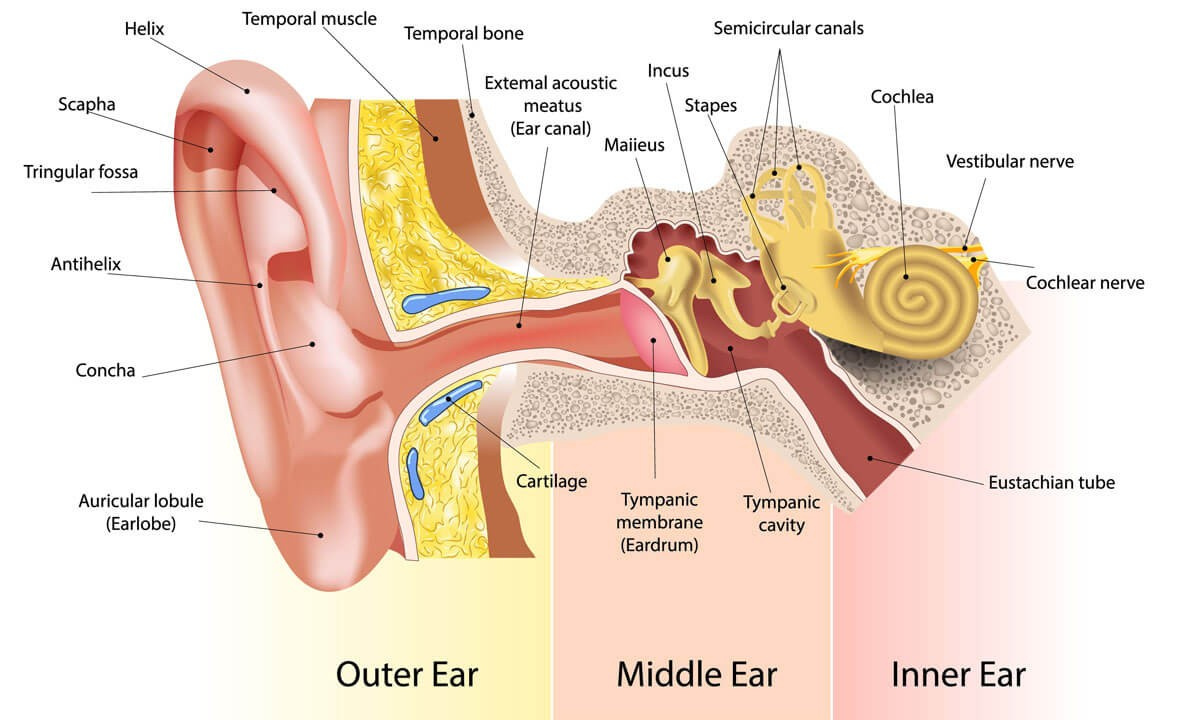
According to Mohamed, even when the ear is infected, the infection may or may not be clinically visible. With this in mind, he conducted a cross-sectional study that included 84 participants, in which 168 samples were collected from the participants’ ears and subjected to inoculation and culture in order to isolate bacteria and fungi. This made it possible to identify which microorganisms were present in each individual’s ear.
The results of Mohamed’s study detected bacteria in 54 participants (64.3%), of whom 44 (52.4%) had Gram-positive cocci and 10 (11.9%) had Gram-negative bacilli, while 30 participants (35.7%) showed no bacterial growth. Although some Gram-positive bacteria can be responsible for certain diseases, most do not harm humans. Ana Lúcia Campêlo states in her article “Infection and Colonization by Antimicrobial-Resistant Gram-Negative Bacteria” that:
“Gram-negative bacteria contain an endotoxin called LPS (lipopolysaccharide), which is responsible for their pathogenicity.”
The presence of bacteria with the potential to cause ear infections is linked to the habits of earphone users, and Mohamed’s study showed that:
• The use of cotton swabs may increase suffering and the occurrence of ear symptoms, and the presence of bacteria can cause ear symptoms (discomfort or pain), with an association between the average sensation or suffering from ear symptoms and the presence of bacteria isolated from the external auditory canal.
• The use of sharp tools or other non-medical objects to remove earwax can cause the occurrence of symptoms and the presence of isolated bacteria, indicating that this habit increases these risks.
• Sharing earphones with other people can cause ear symptoms and the presence of isolated bacteria.
• The average daily duration of earphone use does not affect the presence or type of bacteria in the external auditory canal.
• The use of earphones during sports activities does not affect the presence or type of bacteria in the external auditory canal. Similarly, the average weekly frequency of swimming or pool use also did not influence the presence or type of isolated bacteria.
• The type of earphone (over-ear, in-ear, on-ear) significantly affects the presence of bacteria in the auditory canal. This may be attributed to the nature of the materials, shape, structure, and mechanism of contact with the ear.
Recommended articles for further reading:
• Moisture in In-Ear Monitors (IEMs): How to Prevent Future Problems
• Review: SoundLink Aid 500 Electric Dehumidifier
Share:


No comments have been made yet, be the first!